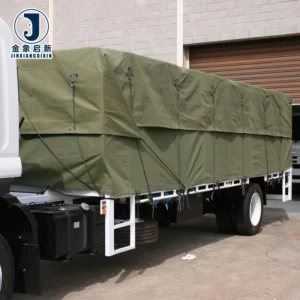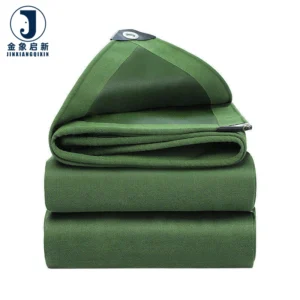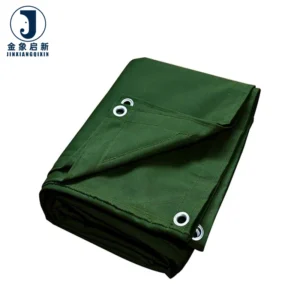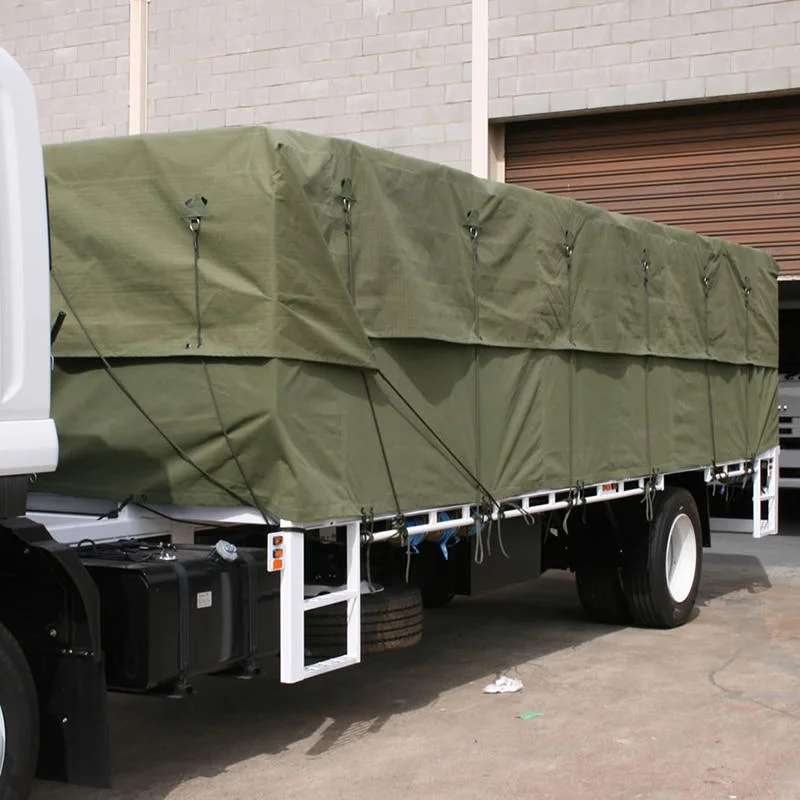
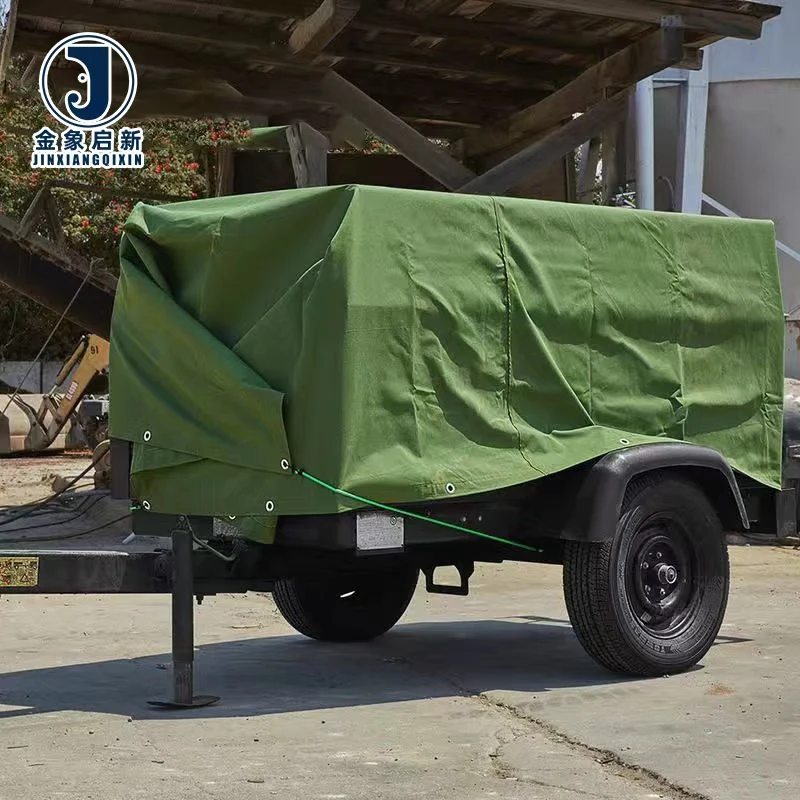
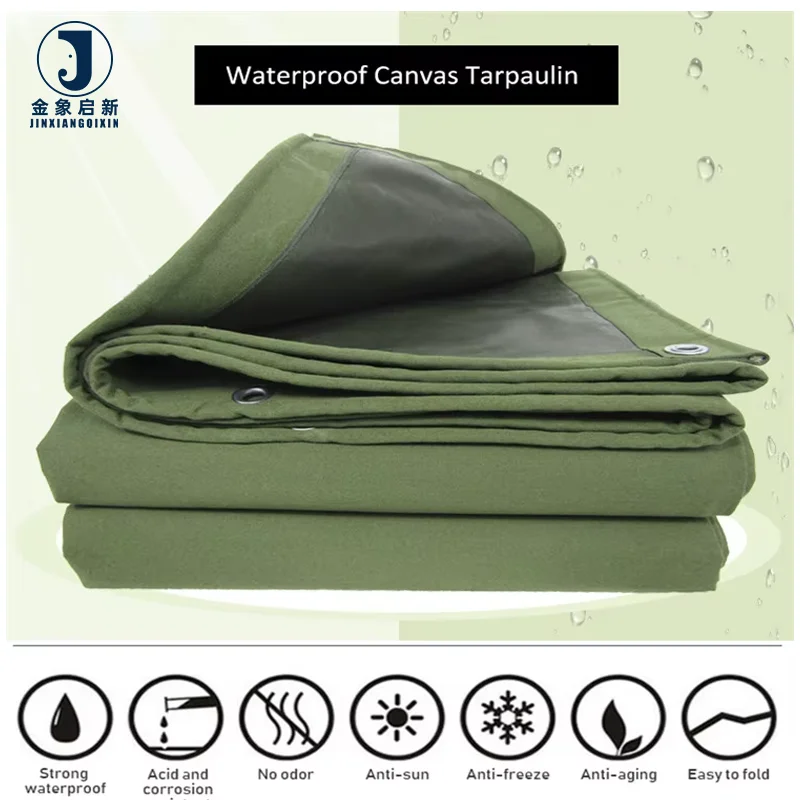
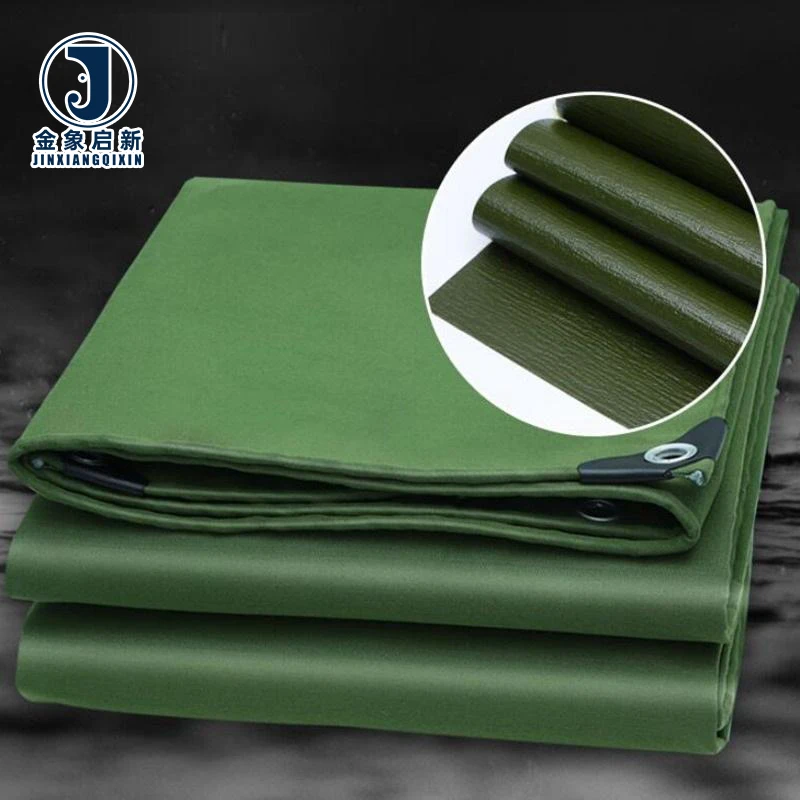
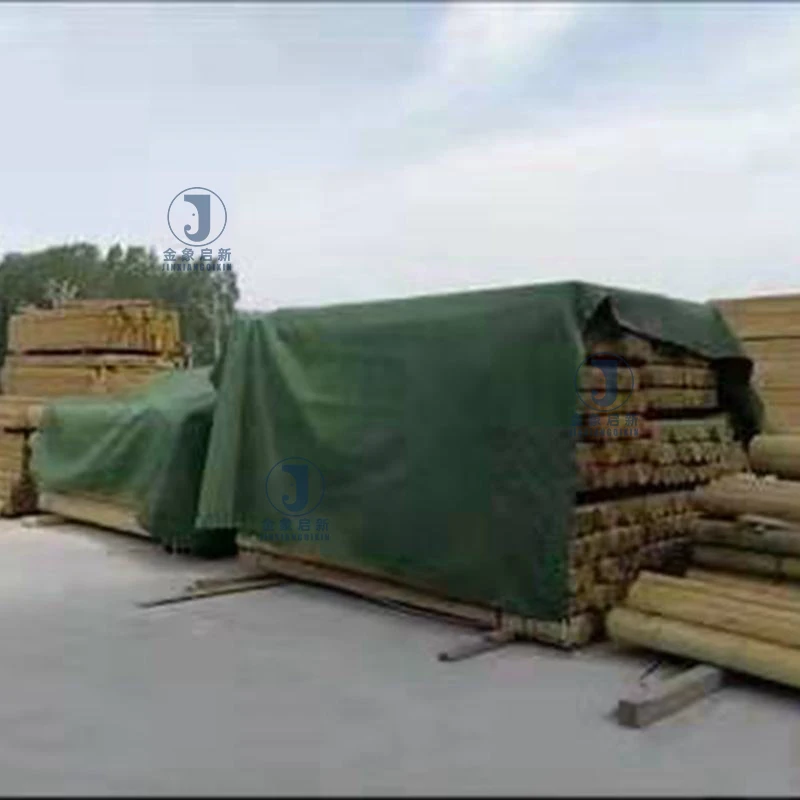
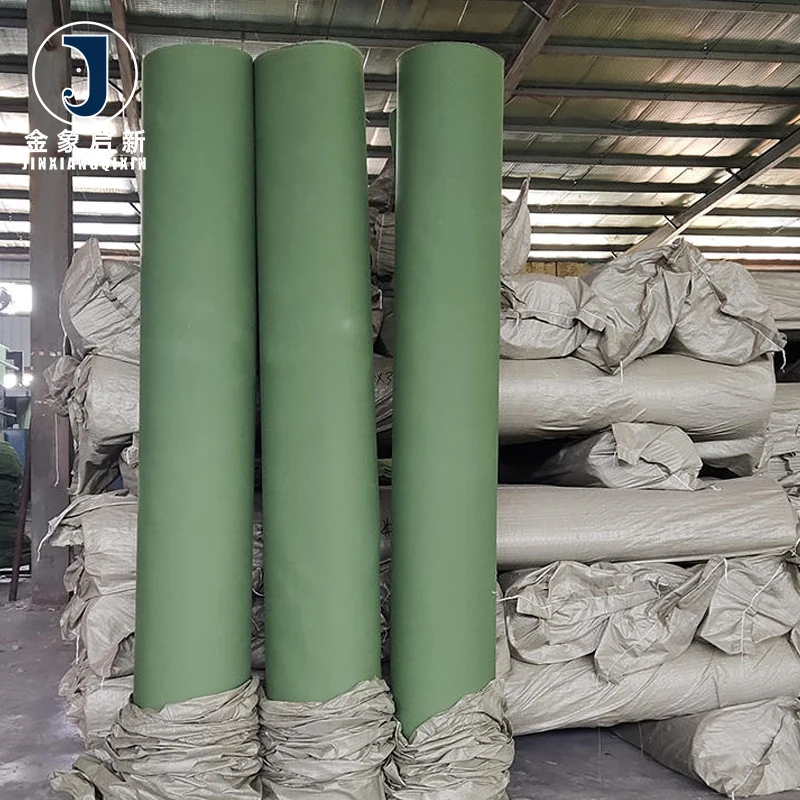
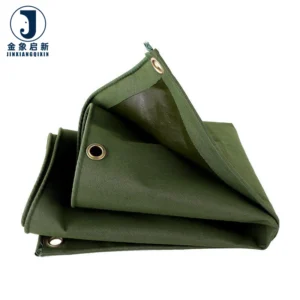
Heavy Duty Vinyl Canvas Truck Tarp — PVC coated tarpaulin in 250gms–600gms with custom sizing, edge wrapping, punching and buttonhole finishing for truck and trailer cargo protection.
- Waterproof and wear-resistant PVC coating with full colour customisation
- Cut to specific trailer models with reinforced hems and eyelet placement at flex points
- Colour consistency verified across rolls before shipment
Each order includes material specification sheet, pre-shipment inspection record and test reports where applicable, backed by 100% inspection before dispatch.
Description
Full-Custom Capability — silicone canvas truck tarpaulin cut and fabricated to fit specific trailer models, supported by a 10-person R&D team handling material selection, custom sizing, and sample development within days.
Technical Specifications
| Parameter | Value |
|---|---|
| Product Type | PVC Coated Tarpaulin |
| Base Fabric | Canvas |
| Coating Material | Silicone |
| Weight Range | 250gms–600gms (confirm specific grade per application) |
| Width | 0.2m–0.4m (verify required width against order specification) |
| Color | Customizable across orders |
| Edge & Hem Options | Edge wrapping, punching, buttonhole |
| Waterproof | Yes (grade not stated — confirm required hydrostatic rating) |
| Wear Resistant | Yes (test basis not stated — request test report) |
| Scratch Resistant | Yes (test basis not stated — request test report) |
| Tensile Resistant | Yes (test basis not stated — request test report) |
| Custom Sizing | Available to specific vehicle model dimensions |
| Standards | ISO, CE |
Application Suitability
| Application | Exposure & Requirement |
|---|---|
| Flatbed truck cargo cover | Constant road vibration, wind uplift at highway speed, UV exposure, tie-down point abrasion |
| Enclosed trailer side curtain | Repeated flexing at fold points, contact with cargo edges, weather ingress at seams |
| Retractable tarpaulin system | Mechanical rolling stress, fabric memory after repeated extension, rail abrasion |
| Tricycle and light commercial load cover | Manual handling frequency, tight fold storage, urban debris and rain exposure |
| Heavy-duty transport fleet covering | Multi-vehicle colour consistency requirement, long-haul thermal cycling, roadside repair feasibility |
Why a Generic-Size Cover Costs More Than a Custom-Fit Silicone Canvas Truck Tarpaulin
A cover that does not match your trailer dimensions fails first at the hems, not in the field.
Fleet operators regularly receive truck covers cut to standard panel sizes that leave gaps at the rear doors or excess fabric that flaps and abrades against the load. The material itself may meet specification, but the fit creates stress concentrations at every point the fabric is pulled tight over a corner or caught by crosswind. I have seen transport companies replace entire cover sets within a single season because the eyelet spacing did not align with the trailer’s tie-down rails, forcing operators to improvise with ropes that cut through the hem [NEED_CITE: field failure patterns in fleet tarpaulin systems per ISO 1421 test methods].
Cut to Your Trailer, Not to a Stock Panel
Every silicone canvas truck tarpaulin in this range is fabricated against the actual vehicle model drawing rather than a generic length-and-width template. The R&D team reviews the trailer profile, identifies the flex points where cargo movement concentrates stress, and positions edge wrapping and buttonhole reinforcement accordingly. This eliminates the excess fabric that whips in transit and the short hems that leave load corners exposed to rain ingress.
Edge Finishing Engineered for Tie-Down Systems
The punching, buttonhole, and edge wrapping options are not cosmetic choices — they determine how the cover interfaces with your existing ratchet strap and bungee system. Buttonhole spacing is matched to the trailer’s tie-down rail pitch, and edge wrapping is applied with sufficient overlap to distribute load across the canvas base rather than concentrating it at a single row of stitches. Colour is fully customizable so fleet branding remains consistent when new units join an existing line [NEED_CITE: tensile and tear test methods for coated fabrics per ISO 1421].
Reading the Specification Sheet Beyond the GSM Number
The 250gms–600gms weight range covers applications from light commercial tricycle covers to heavy-duty flatbed protection, but weight alone does not predict service life. The canvas base fabric’s denier and weave density determine how the material resists tear propagation once a puncture occurs, while the silicone coating weight controls waterproofing and surface abrasion behaviour. A 400gms fabric with a tight weave and balanced coating can outperform a heavier panel with a loose base and thick surface layer, because tear resistance depends on yarn count and coating adhesion working together. Width availability should be confirmed against your panel layout to minimise the number of welded seams in the finished cover.
What Happens When Specification Control Is Weak
When the GSM stated on the quotation is not verified before dispatch, the material arriving at the depot can be lighter than agreed — thinner coating, lower tear resistance, and earlier failure at the weld line where the load flexes most. Colour variation between rolls in the same order becomes visible once two covers are installed side by side on adjacent trailers, forcing a fleet to operate mismatched units or reorder at additional cost. Welded seams that fail before the fabric does indicate insufficient heat or pressure during fabrication, a defect that only appears after weeks of road vibration [NEED_CITE: DIN 4102 fire classification for building materials and coated fabric compliance].
Procurement Backed by Process Control
Three full production lines and 36 sets of professional equipment support bulk capacity without sacrificing the custom sizing this product requires. A 10-person R&D team develops samples within days, allowing fleet operators to verify fit and finish before committing to a full production run. Dedicated QA/QC at every production stage means weight, colour, and dimensional compliance are checked in-process, not only at final inspection. One hundred percent pre-shipment inspection catches reinforced hem defects and eyelet misalignment before the order leaves the facility. Nearly 30 years of focused coated fabric experience informs the process control that keeps specification consistent from sample to container.
Documentation & Verification
- Material specification sheet stating GSM, canvas base fabric denier, and silicone coating weight per roll or piece
- Pre-shipment inspection record confirming colour match, weight verification, and dimensional accuracy against vehicle model drawing
- ISO and CE certificates provided with each dispatch to support import compliance
- Test reports for waterproof, wear, scratch, and tensile properties available upon request — confirm which tests apply to your market
- Roll packing list with piece count, weight per unit, and custom sizing reference for receiving inspection
- Certificate of origin and customs documentation included for cross-border shipment
Fabrication, Handling & Storage
- Edge wrapping on the 250gms–600gms silicone canvas should be heat-sealed at temperatures matched to the coating weight to prevent delamination under tie-down load
- Buttonhole reinforcement must extend beyond the punch perimeter to distribute strap tension across the canvas weave rather than tearing through the coating
- Rolls in the 0.2m–0.4m width range should be stored upright on pallets to avoid flat-spotting and permanent crease marks in the silicone coating
- Cold-weather deployment requires gradual unrolling to prevent coating crack at fold lines — allow the fabric to reach ambient temperature before tensioning
- Clean with mild detergent and soft brush; avoid solvent-based cleaners that can degrade the silicone coating adhesion to the canvas base
- Field repair of minor punctures requires silicone-compatible adhesive patches — standard PVC repair kits will not bond to this coating type
Before You Submit an Inquiry
Provide your trailer model designation and overall dimensions so the R&D team can develop a cover pattern that matches the vehicle profile. Specify the weight grade within the 250gms–600gms range based on your typical load type and exposure conditions, and indicate which edge finishing option — wrapping, punching, or buttonhole — matches your tie-down system. Confirm your colour requirement and whether you need finished covers or roll stock for your own fabrication line.
Frequently Asked Questions
Q: How do I verify the GSM matches my order on arrival?
A: Each shipment includes a pre-shipment inspection record with weight verification per roll or piece. On receipt, you can cut a measured sample from the roll edge and weigh it on a calibrated scale to confirm it falls within the stated tolerance. Any discrepancy should be reported with the inspection record and photographs for immediate resolution.
Q: What information do you need to cut a tarp to fit my trailer model?
A: Provide the trailer manufacturer, model designation, and overall length, width, and height dimensions. If the trailer has non-standard features such as protruding hinges, recessed doors, or specific tie-down rail positions, include drawings or photographs so the pattern accounts for these before production begins.
Q: What edge finishing and eyelet options are available for tie-down systems?
A: The range offers edge wrapping, punching, and buttonhole finishing. Buttonhole spacing can be matched to your trailer’s tie-down rail pitch, and edge wrapping is applied with sufficient overlap to distribute strap load across the canvas base fabric rather than concentrating stress at the stitch line.
Q: How do you ensure color consistency across multiple tarps in one fleet order?
A: All rolls in a single order are produced from the same coating batch and inspected side by side before dispatch. The pre-shipment inspection record documents colour compliance, and any variation outside tolerance triggers rework before the order ships, ensuring uniform appearance when covers are installed on adjacent vehicles.
Q: How should silicone canvas tarps be maintained for long service life?
A: Clean with mild detergent and a soft brush, avoiding solvent-based products that can attack the silicone coating bond. Inspect eyelet and buttonhole areas regularly for signs of pull-through, and repair minor punctures with silicone-compatible adhesive patches. Store rolled rather than folded to prevent permanent crease damage in the coating layer.
Related products
-
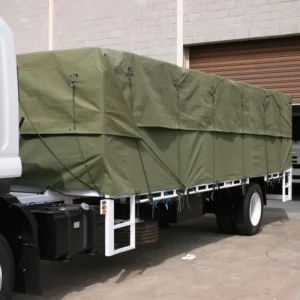
Factory Direct Sales Organic Coated Blackout Tarpaulin Garage Car Truck Container Cover for Boys & Girls
¥0.87 Select options This product has multiple variants. The options may be chosen on the product page -
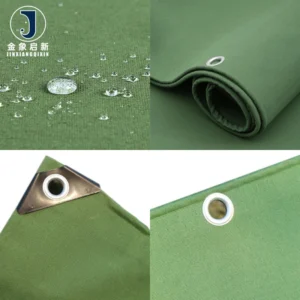
Heavy Duty Canvas Tarpaulin for Canopy Tent – Custom Made
Read more -
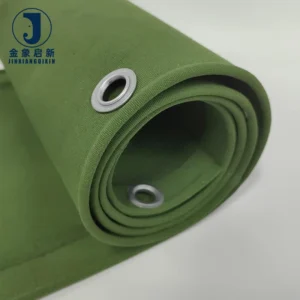
Cubiertas laterales de lona tejida a prueba de agua personalizadas para camiones, tarps de alta resistencia, lona de PVC laminada, accesorios de muy pesado.
¥1.50 Add to cart -
Lona laminada de lienzo plano tejido de alta resistencia JX 600 GSM, impermeable, resistente a los UV, de uso múltiple, grado industrial
¥20.00 Add to cart