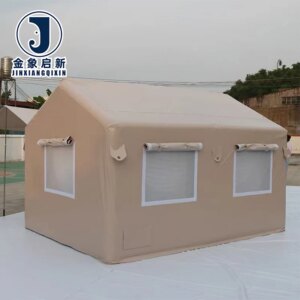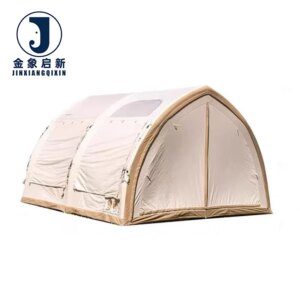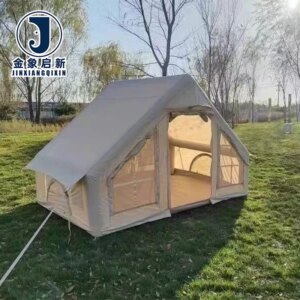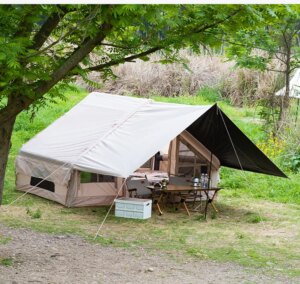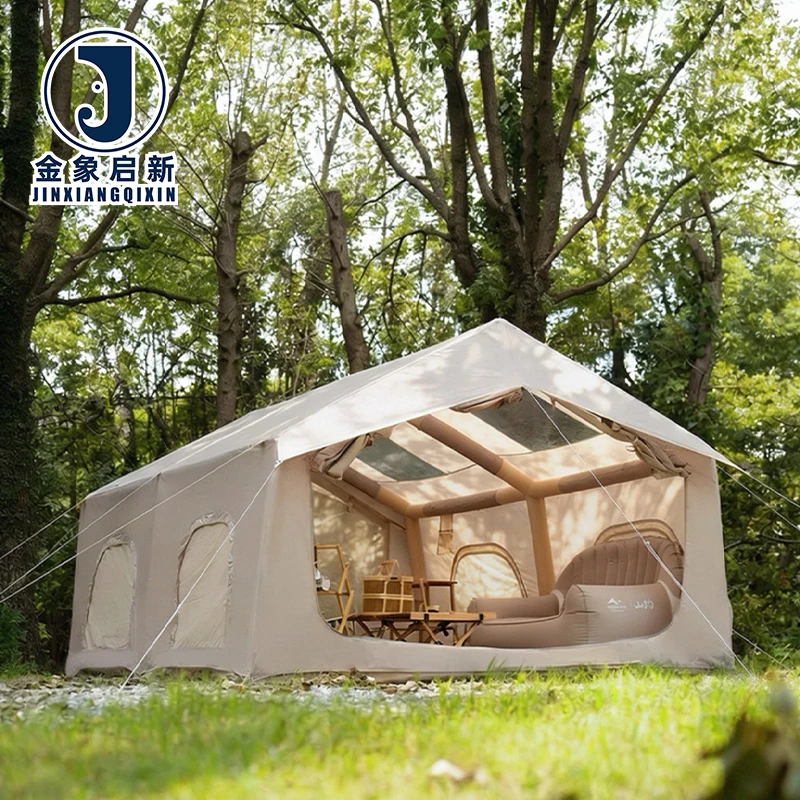
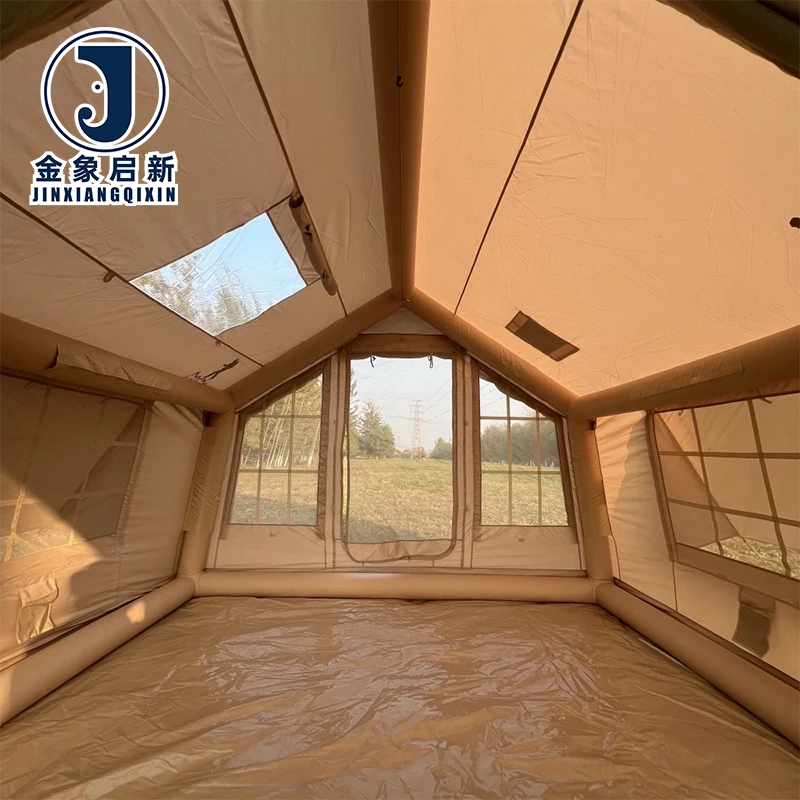
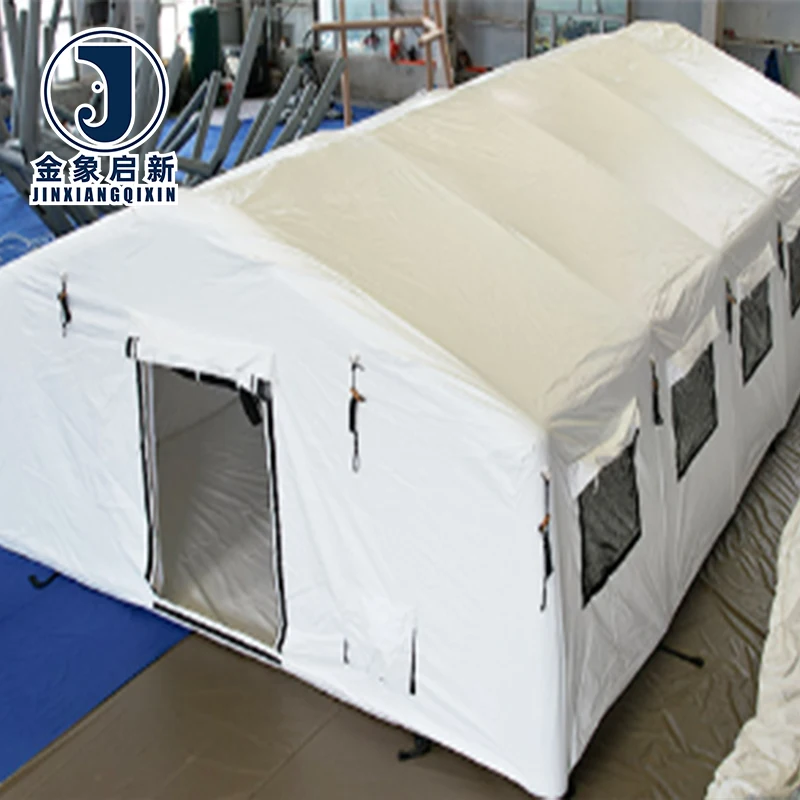
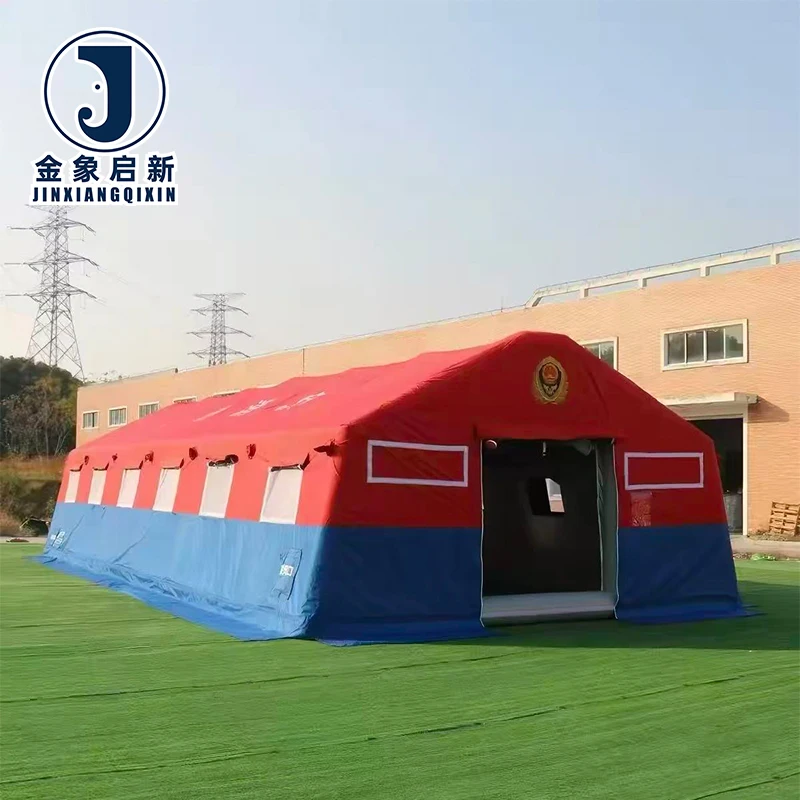
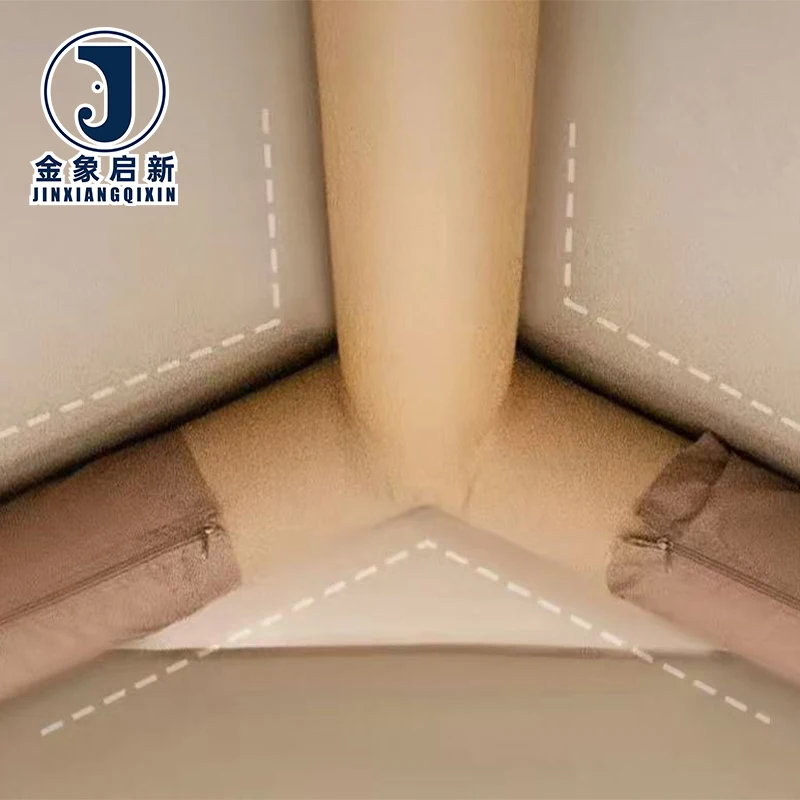
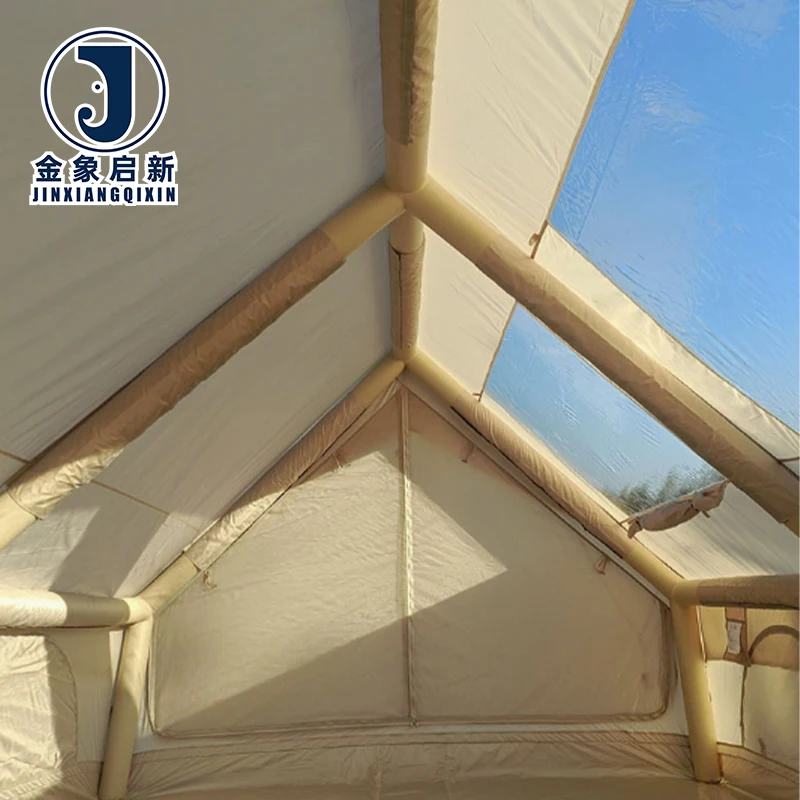
PVC Inflatable Camping Tent — quick automatic opening, four-season design, UV resistant PVC tarpaulin construction, single layer foldable structure for rapid commercial deployment.
- Engineered for camping ground operators, construction site offices and outdoor exhibition spaces
- PVC coated fabric selected for structural integrity across temperature extremes with reliable seam welding at stress points
- Custom sizing, pattern printing and material specification supported by 10-person R&D team
100% pre-shipment inspection with batch quality reports and material certificates provided for every order.
Description
Deep Process Control Over Coating Weight — every roll of PVC inflatable tent fabric is sampled and weighed against the quoted GSM before it leaves the factory floor.
Technical Specifications
| Parameter | Value |
|---|---|
| Product Type | Inflatable Tent |
| Core Material | PVC tarpaulin |
| Key Features | Quick automatic opening, four-season design, UV resistant, waterproof, foldable, single layer construction |
| Production Facility | 9,180 m² with 3 full production lines |
| Processing Equipment | 36 sets of professional equipment |
| R&D Team | 10 technicians |
| Customization | OEM & ODM, sample customization, pattern printing |
| Certifications | ISO 9001, ISO 14001, ISO 45001, CE |
Application Suitability
| Application | Exposure & Requirement |
|---|---|
| Commercial camping ground operations | Extended UV exposure, rain and wind loading, frequent inflation cycles, guest comfort expectations |
| Construction site temporary offices | Dust and debris impact, repeated relocation between sites, rapid deployment under tight project schedules |
| Large-scale outdoor exhibitions | High foot traffic, branding visibility, quick assembly and teardown within narrow event windows |
| Industrial site temporary facilities | Chemical splash risk, heavy equipment proximity, all-weather occupancy for shift workers |
| Rapid deployment emergency shelters | Minimal setup crew, unpredictable ground conditions, immediate weather protection requirement |
Why a PVC Inflatable Tent Fails When the Coating Weight Is Wrong
The coating is what keeps the air in and the weather out — if the GSM is off, the entire structure is compromised.
I once watched a batch of inflatable tent shells lose rigidity within the first inflation cycle. The fabric felt thin at the seams, and when we cut a sample, the coating peeled away from the base fabric under minimal force. The supplier had quoted a specification that matched the order, but the actual roll weight told a different story. [NEED_CITE: adhesion failure between PVC coating and polyester base fabric under cyclic inflation stress] When commercial operators deploy PVC inflatable tent structures across multiple sites, a coating shortfall compounds quickly — one failing unit means pulled bookings, refunded deposits, and crew diverted from revenue work to warranty claims.
Rapid Deployment Without Compromised Durability
A PVC inflatable tent aftermarket supplier must balance speed of setup against long-term structural reliability. Quick automatic opening mechanisms depend on the fabric holding consistent air pressure across every welded panel. If the PVC coating thickness varies from one panel to the next, some sections inflate faster than others, creating uneven stress that accelerates seam fatigue. Our production lines run in-process QA checks at every coating stage to prevent this variance before it reaches the cutting table.
Four-Season Performance Through Material Consistency
Operating inflatable shelters across temperature extremes demands a PVC formulation that stays flexible in cold conditions without softening in summer heat. Single-layer construction reduces transport weight but places all environmental resistance on one coated surface. The base fabric denier and weave density must work together with the coating weight to resist tearing when the structure flexes under wind load. [NEED_CITE: PVC coated fabric tensile and tear behaviour under temperature variation per ISO 1421] We supply PVC inflatable tent fabric with verified coating adhesion so the material performs consistently whether deployed in freezing mountain camps or sun-baked exhibition grounds.
How Base Fabric and Coating Interact to Determine Real-World Performance
The relationship between GSM and actual strength is not linear — a heavier coating does not automatically mean a stronger panel. Tensile and tear resistance come primarily from the polyester base fabric’s denier count and weave density, while the PVC coating contributes waterproofing, UV screening, and surface abrasion resistance. When the coating is applied too thickly relative to the base fabric weight, the material becomes stiff and prone to cracking at fold lines during packing and transport. Conversely, an underweight coating leaves the base yarns exposed to moisture ingress and biological growth. Knife-over-roll coating gives tighter control over coating thickness than dip or spray methods, which is why we specify this process for inflatable tent panels that must survive repeated inflation and deflation cycles. The single-layer construction used in most commercial inflatable tents means there is no second skin to compensate if the primary coating underperforms.
The Hidden Cost of Specification Shortcuts
Colour variation between rolls is one of the most visible failures on site — two panels sewn side by side from different batches can look like they belong to different products. For inflatable tent operators running branded structures at events or campgrounds, this inconsistency damages professional credibility in front of paying customers. Welded seam failure is another consequence of material inconsistency; if the PVC formulation varies between batches, the hot-air welding temperature that produced a perfect bond on the sample may burn through or under-melt on the production run. [NEED_CITE: hot-air welding parameter sensitivity to PVC coating formulation variation] Buyers who skip pre-production sample approval often discover these problems only after the full order has been cut and assembled, at which point rework costs far exceed the original material savings.
What Consistent Production Actually Looks Like
Deep process control over coating weight and adhesion means every batch of PVC inflatable tent fabric is tested before it moves downstream. Three full production lines and 36 sets of processing equipment give us the capacity to hold delivery schedules without rushing coating parameters to meet a deadline. The 10-person R&D team handles material selection and sample development so buyers can validate colour, hand feel, and welding behaviour before committing to a production run. Dedicated QA/QC runs at every stage — base fabric inspection, coating weight verification, adhesion testing, and final roll audit — ensures that what arrives at your cutting table matches what was approved on the sample.
Documentation & Verification
- Material specification sheet stating GSM, base fabric denier, and coating type for every roll
- UV and flame-retardant test reports included where applicable treatments are specified
- ISO and CE certificates provided with each shipment batch
- Pre-shipment inspection record covering coating weight, colour consistency, and adhesion
- Roll packing list with individual roll weights and dimensions for receiving verification
Fabrication, Handling & Storage
- Hot-air weld temperature must be calibrated to the specific PVC coating formulation before panel assembly begins
- Store rolls upright on pallets to prevent flat-spot creasing that weakens the coating at the fold line
- Use compatible PVC-based cleaners only — solvent-based products can dissolve the single-layer coating surface
- Inflate test each completed panel before final assembly to confirm seam integrity under working pressure
- Cut panels with a minimum seam allowance to allow re-welding if the first pass shows incomplete bonding
What We Need to Prepare Your Quotation
Tell us the intended deployment environment and the temperature range the structure will face across seasons. Specify whether you need rolls for your own fabrication line or finished panels cut to your pattern dimensions. Share your colour references, any branding or pattern printing requirements, and the volume you expect to order across the project timeline so we can confirm lead time and production slot availability.
Frequently Asked Questions
Q: What customization options are available for material and design specifications?
A: We handle OEM and ODM requests covering PVC coating weight, colour matching, pattern printing, and panel sizing. Our 10-person R&D team develops samples within days so you can validate material hand feel, welding behaviour, and colour accuracy before committing to full production. Width and length are adjustable to match your cutting layout and minimize off-cut waste.
Q: How do you validate UV resistance and waterproof performance claims?
A: UV resistance and waterproof performance are documented through test reports that accompany the shipment. We do not make treatment claims without supporting data. If your market requires a specific test standard or certification body, share that requirement during the inquiry stage so we arrange the correct testing protocol before production begins.
Q: Can you provide pre-production samples for evaluation?
A: Yes. We produce samples reflecting your exact specification — coating weight, colour, surface finish, and base fabric — so your fabrication team can run weld tests and inflation trials. Sample approval gates the production run, ensuring the bulk material behaves identically to what your team validated in the workshop.
Q: What documentation accompanies each shipment?
A: Every shipment includes a material specification sheet, pre-shipment inspection record, roll packing list with individual weights, ISO and CE certificates, and certificate of origin. Where UV or flame-retardant treatments are specified, the corresponding test reports are included. Customs support documentation is prepared to match your destination market requirements.
Q: How do you handle quality issues discovered after delivery?
A: Our QA process includes 100 percent pre-shipment inspection, but if a discrepancy surfaces at your receiving dock, share the inspection photos and roll numbers with us immediately. We cross-reference against our production records and pre-shipment inspection data to identify the root cause and arrange corrective action, whether that means replacement rolls or technical guidance on fabrication adjustments.
Related products
-
Tienda Inflable de Cuatro Estaciones Capa Única >3000mm Impermeable a Viento Apertura Automática Rápida Tela de PVC Ecológica
Read more -
Tienda de Camping Inflable Resistente a UV Personalizable para Cuatro Estaciones Impermeable de PVC Ecológica a Prueba de Viento Plegable Automática Rápida
Read more -
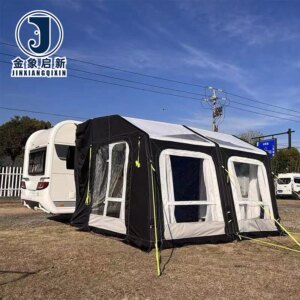
Tienda Inflable de Camping al Aire Libre de Lujo para Uso en Todas las Estaciones PVC Impermeable de Apertura Automática Rápida a Prueba de Lluvia Aislada
Read more -
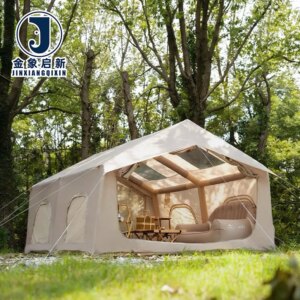
Tienda Inflable Tamaño Familiar Cuatro Estaciones Apertura Automática Rápida Impermeable 2-8 Personas Venta Directa de Fábrica
Read more