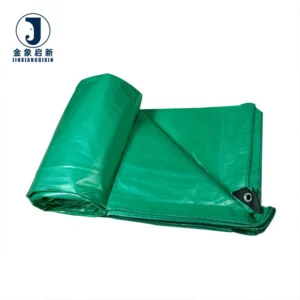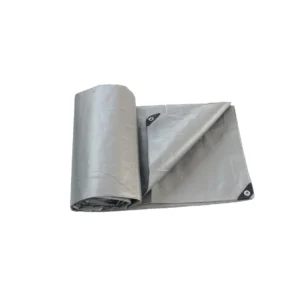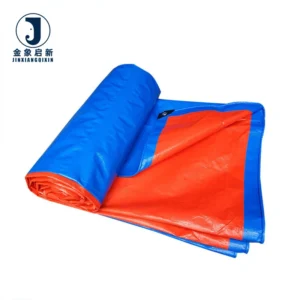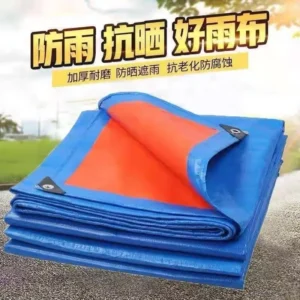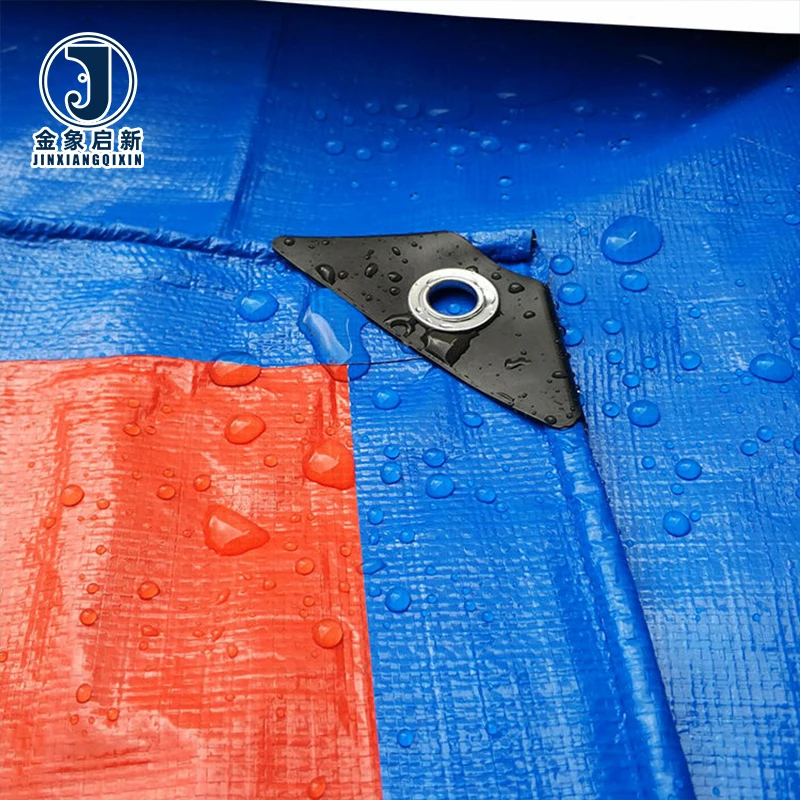
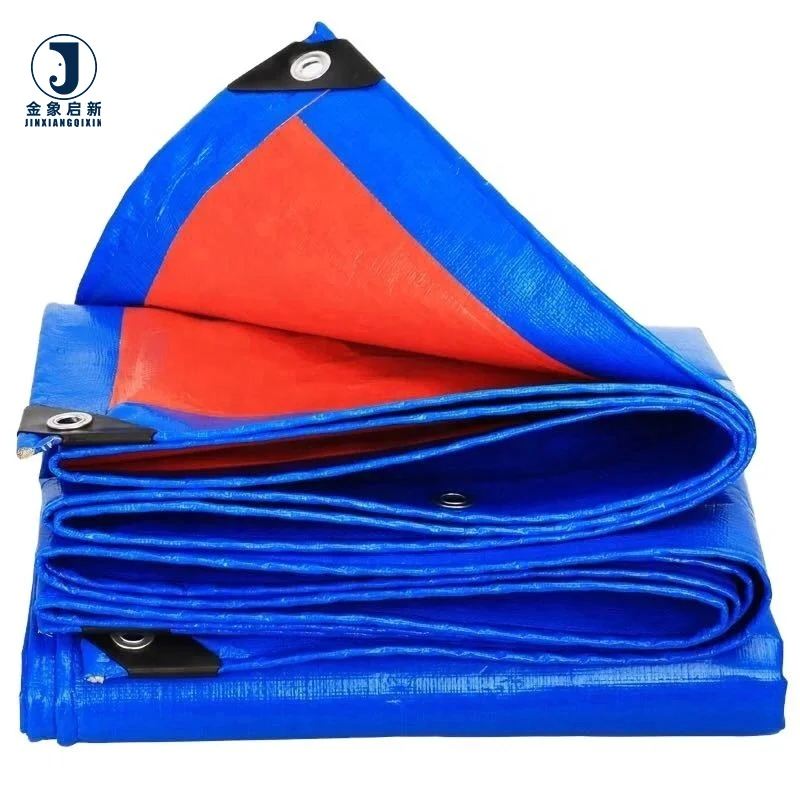
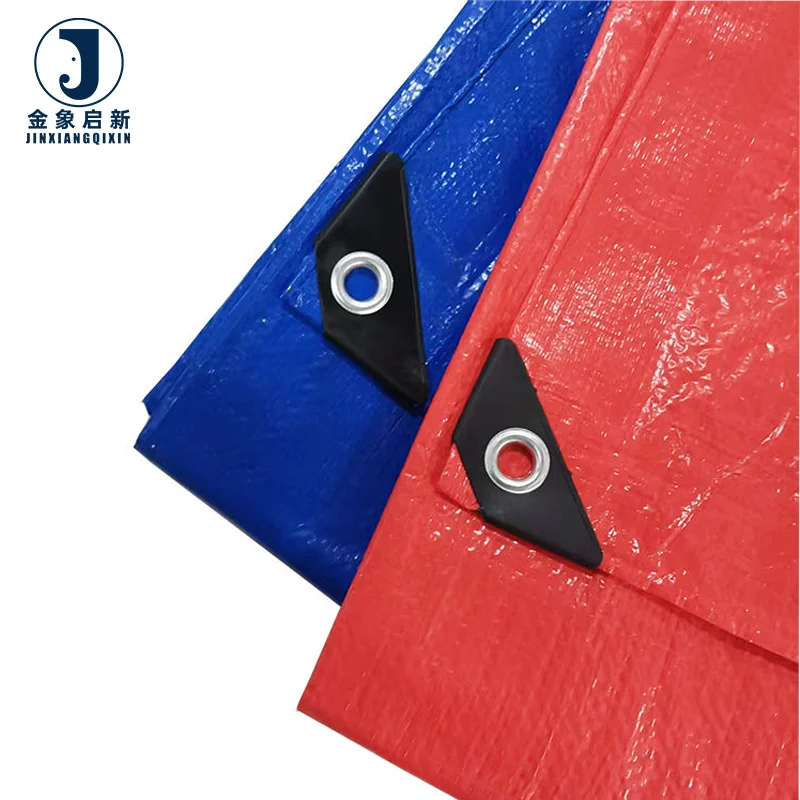
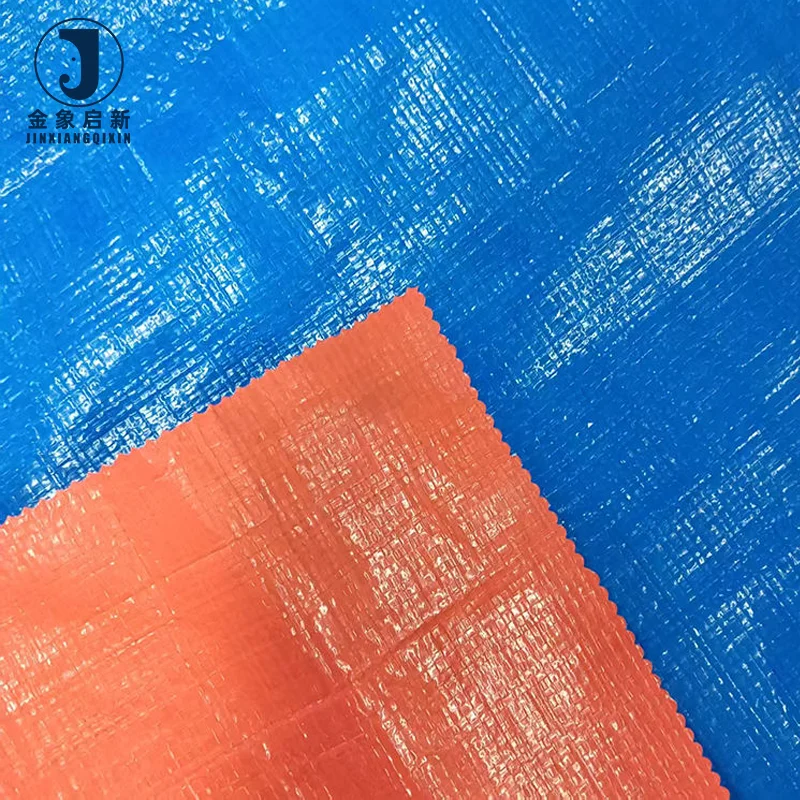
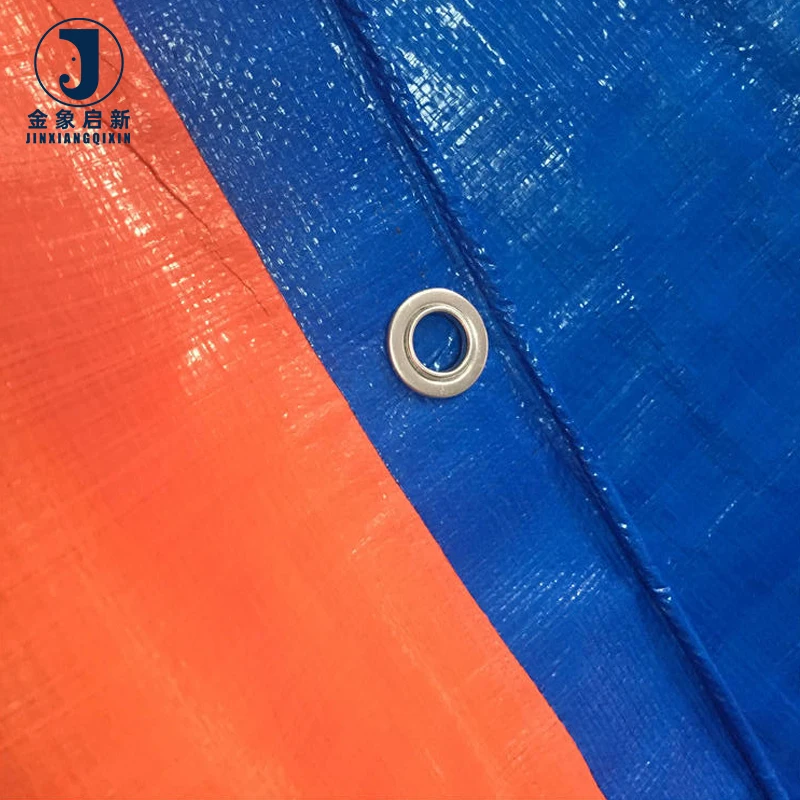
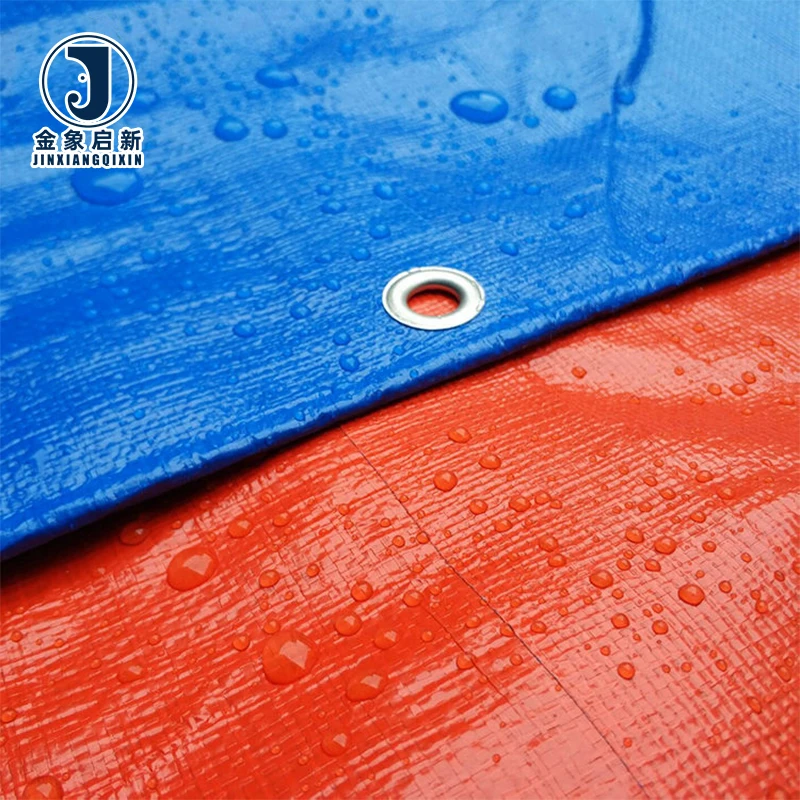
PE Tarpaulin with Waterproof, UV Resistant, and Mildew-Proof Features — woven fabric available in customizable sizes and colors for outdoor tent covers, vehicle protection, and event shelters. Full customization capability covers width, length, color, weight grade, and pattern printing, with reinforced hems and eyelet options for high-stress applications. Material specification sheets, test reports for UV and flame-retardant grades, and 100% pre-shipment inspection records accompany every order, with sample development completed within days.
Description
Custom-First Capability — Every PE woven tarpaulin order ships with a material specification sheet confirming exact GSM, base fabric denier, and color reference, backed by nearly 30 years of in-house coating process control.
Technical Specifications
| Parameter | Value |
|---|---|
| Product Type | PE Woven Tarpaulin for Tent and Outdoor Cover |
| Coating Material | PE (woven) |
| Construction | Heavyweight woven |
| Waterproof | Yes |
| Mildew-Proof | Yes |
| UV Resistant | Available (test basis not stated in source) |
| Color | Customizable |
| Size | Customizable |
Application Suitability
| Application | Exposure & Requirement |
|---|---|
| Tent and event structures | Wind loading, prolonged UV exposure, rain ingress, frequent assembly and teardown abrasion |
| Truck and trailer covers | Road debris impact, constant flexing at tie-down points, weather exposure during transit |
| Pond liners and aquaculture covers | Permanent water contact, soil chemistry, puncture risk from substrate irregularities |
| Car and equipment protection | UV degradation, dust and moisture ingress, mildew in humid storage conditions |
| Roof and ceremony covers | Thermal expansion, pooled water load, wind uplift at fastening edges |
Why Stated GSM Rarely Matches What Arrives on the Dock
Weight verification at dispatch is the only reliable guard against under-specification.
Most buyers discover a shortfall only after the PE tarpaulin rolls are unwrapped and weighed on-site. A PE Tarpaulin manufacturer custom order should include a pre-shipment inspection record stating the measured weight per roll, not just the quoted figure [NEED_CITE: pre-shipment weight verification protocols for woven coated fabrics]. When the material arrives lighter than agreed, tensile and tear performance drop proportionally, and the cover fails earlier than the project timeline assumed. This gap between quotation and delivery is the single most common complaint among importers sourcing woven PE fabric by the container.
Sizing Flexibility Without Container-Load Minimums
Standard suppliers often refuse short runs on non-stock widths or colors, forcing buyers to over-order and warehouse excess inventory. Jinxiang operates three full production lines configured for PE woven fabric, allowing custom widths, lengths, and color runs outside the standard catalogue. Whether you need cut-to-size panels for a one-off event tent or continuous roll stock for a production run, the PE Tarpaulin manufacturer custom capability covers both without inflating the minimum order beyond practical requirements.
Color Consistency Across Rolls in a Single Shipment
Batch-to-batch shade variation becomes visible the moment two rolls are unrolled side by side on a large tent or truck curtain. Process control over pigment dosing and coating temperature keeps the color reference consistent within an order [NEED_CITE: color matching standards for PE coated textiles in outdoor applications]. Each shipment includes a roll packing list cross-referenced to the approved color sample, so fabricators can plan panel layout without sorting through mismatched shades on the workshop floor.
Reading the Specification Sheet Beyond the GSM Number
GSM alone does not define how a PE woven tarpaulin performs under load. The base fabric denier and weave density determine how the material resists tear propagation once a puncture occurs, while the coating weight governs waterproof integrity and surface abrasion resistance. A heavier coating on a low-denier base may show high GSM but tear easily at stress points. Conversely, a tightly woven high-denier base with moderate coating delivers balanced tensile and tear behavior suited to applications where the fabric flexes repeatedly, such as side curtains and temporary roof covers. Understanding this relationship prevents specifying by weight alone and ending up with material that looks adequate on paper but underperforms in the field.
What Happens When the Wrong Grade Reaches the Site
Specifying PE woven tarpaulin without confirming UV treatment on a test basis leaves outdoor covers vulnerable to premature embrittlement [NEED_CITE: UV degradation test methods for polyethylene woven fabrics]. Covers installed in high-sun regions may chalk, crack, and lose tensile strength within months if the UV stabilizer package was assumed rather than verified. Similarly, ordering a generic size instead of a model-specific cut leads to excess material flapping in wind, accelerating wear at the hem and eyelet line. These mismatches are rarely caught until the cover is already deployed and failing.
Production Depth That Shortens the Custom Cycle
The 10-person R&D team handles material selection, pattern layout, and sample development under one roof, cutting the typical back-and-forth between trading intermediaries. Samples for custom size, color, or treatment are developed within days, not weeks, letting buyers confirm specifications before committing to bulk. Dedicated QA/QC at every production stage — from base fabric weaving through coating and final slitting — means defects are caught before the roll reaches the packing area. ISO and CE certification supports compliance documentation for markets requiring formal test records. Three production lines and 36 sets of professional equipment provide the throughput to fill container orders on schedule without sacrificing inspection rigor.
Documentation & Verification
- Material specification sheet confirming GSM, base fabric denier, and coating weight for each PE woven tarpaulin roll
- UV test report provided where UV-resistant treatment is specified at inquiry
- Pre-shipment inspection record documenting measured weight and visual check per roll
- Roll packing list cross-referenced to order line items and approved color sample
- ISO and CE certificates included with export documentation for customs and compliance
- Certificate of origin prepared to match destination-country trade agreement requirements
Fabrication, Handling & Storage
- Heat-weld PE woven seams using temperature and dwell settings matched to the specific coating weight grade
- Reinforce eyelet positions with extra fabric patches at high-load tie-down points on heavyweight woven panels
- Store rolls upright on pallets to prevent flat-spot deformation of the woven base fabric
- Unfold in temperatures above freezing to avoid coating crease damage on cold PE surfaces
- Clean with mild detergent only; solvent-based cleaners degrade the PE coating bond
- Plan panel cuts from the roll width to minimize offcuts and welded seam count
What to Include in Your Inquiry
Specify the end-use environment — whether the PE woven tarpaulin will face continuous sun, pooled water, or mechanical abrasion — so the correct treatment package can be recommended. State the required roll width, cut size, and color reference, along with the annual volume to determine production scheduling. Confirm whether your market requires a documented UV test basis or fire classification for the intended application.
Frequently Asked Questions
Q: How do I verify the GSM of each PE tarpaulin roll upon delivery?
A: Every shipment includes a material specification sheet stating the exact GSM, base fabric, and coating details for each roll. A pre-shipment inspection record documents the measured weight before dispatch. Buyers can cross-check with a calibrated scale on arrival and reference the inspection record if any discrepancy appears.
Q: What test basis supports the UV-resistant claim on your PE woven tarpaulin?
A: UV-resistant treatment is available for PE woven tarpaulin orders, and the specific test basis depends on the grade selected at inquiry. We recommend confirming the UV standard required by your destination market before production so the correct stabilizer package is applied and a matching test report can be supplied with the shipment.
Q: How do custom sizes and colors affect minimum order quantity and lead time?
A: Custom widths, lengths, and colors are produced on dedicated runs across three in-house production lines. Minimum order quantities vary with the degree of customization — standard cut sizes carry lower minimums, while bespoke colors or printed branding require a full production setup. Samples are developed within days for approval before bulk commitment.
Q: How is roll-to-roll color consistency maintained for side-by-side installation?
A: Pigment dosing and coating temperature are controlled throughout the production run to hold the approved color reference. Each roll is logged against the order color sample, and a roll packing list is included so installers can sequence panels from the same batch for large tent or cover assemblies where shade uniformity matters.
Q: What eyelet spacing and hem reinforcement options are available at inquiry?
A: Eyelet spacing, reinforced hem tape, and corner patch options are specified during the inquiry stage based on the intended load and tie-down method. Providing the installation details — such as rope or ratchet strap spacing — allows the correct reinforcement configuration to be built into the cut-to-size panel before production.
Related products
-
China JINGXIANG PE Coated Waterproof Blackout Truck & Trailer Cover Tarpaulin for Boys & Girls
¥0.35 Select options This product has multiple variants. The options may be chosen on the product page -
Custom PE Tarpaulin for Industrial Use – Full Range
Read more -
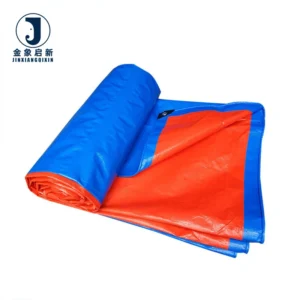
Lona ecológica de polietileno recubierta de PE resistente a desgarros JX, impermeable, opaca y orgánica con ojales.
¥1.31 Select options This product has multiple variants. The options may be chosen on the product page -
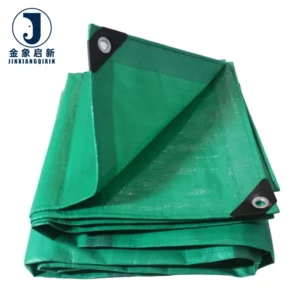
Lona de camión de uso general de mediana resistencia con recubrimiento de PE negro orgánico impermeable para uso al aire libre para niños
¥6.81 Select options This product has multiple variants. The options may be chosen on the product page