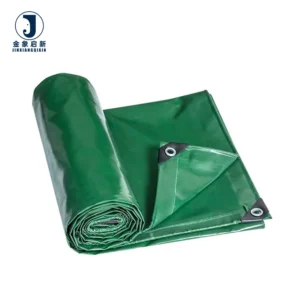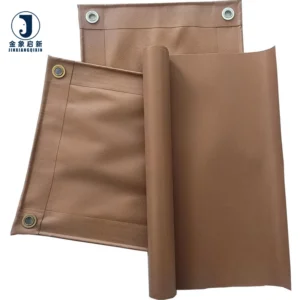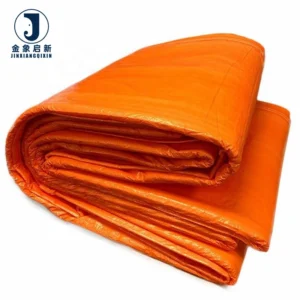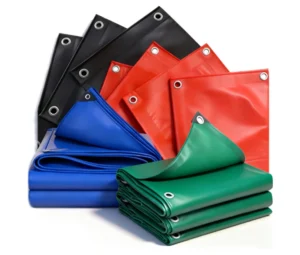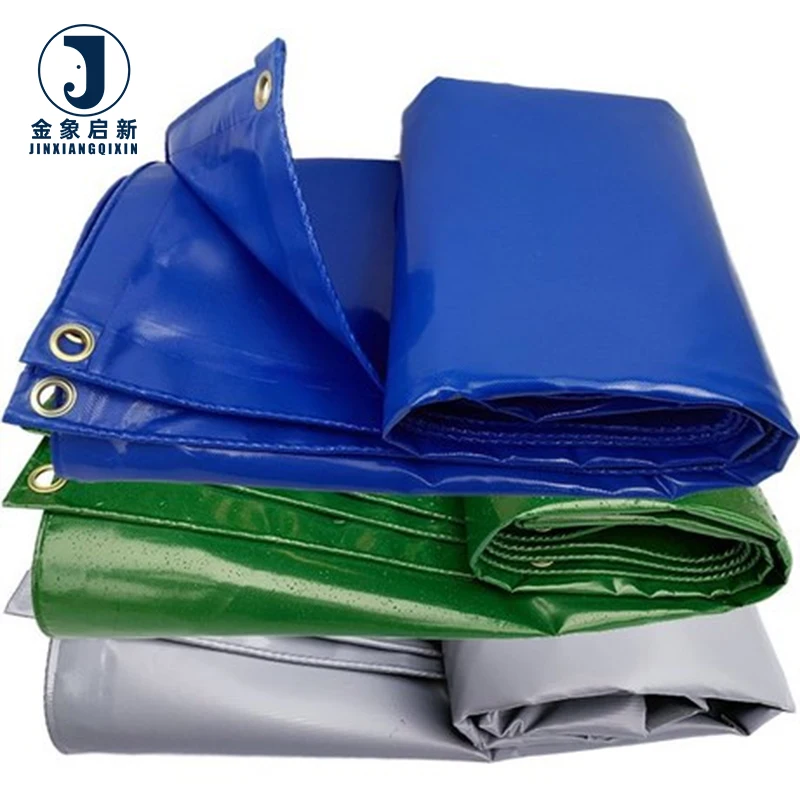
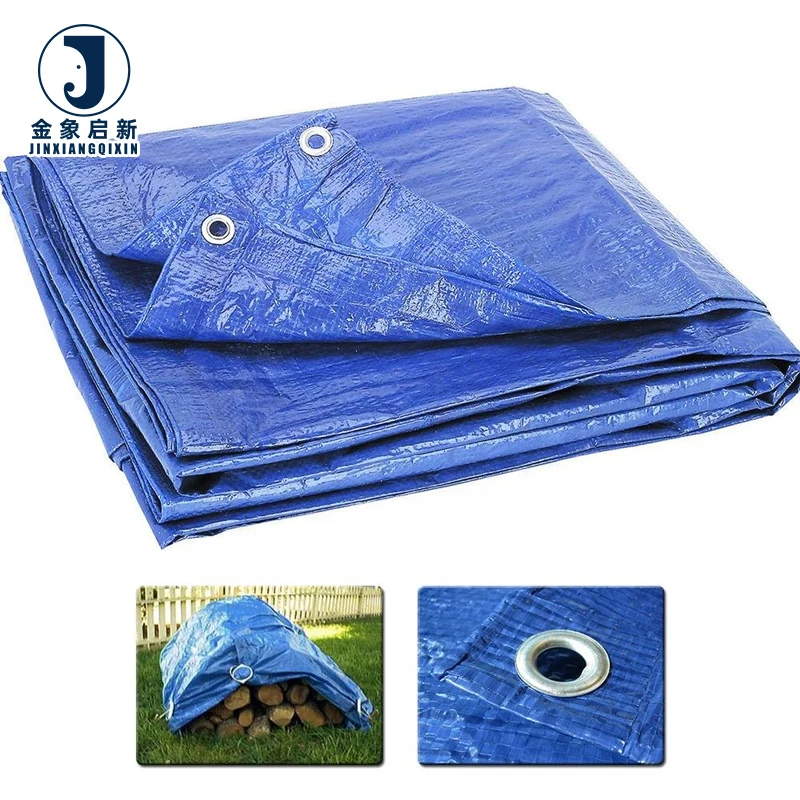
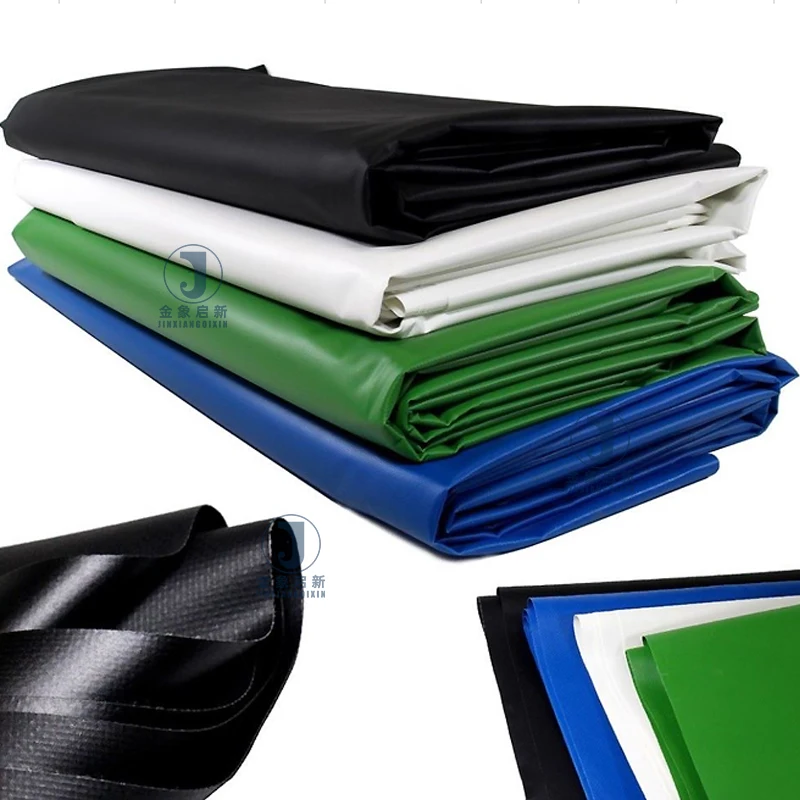
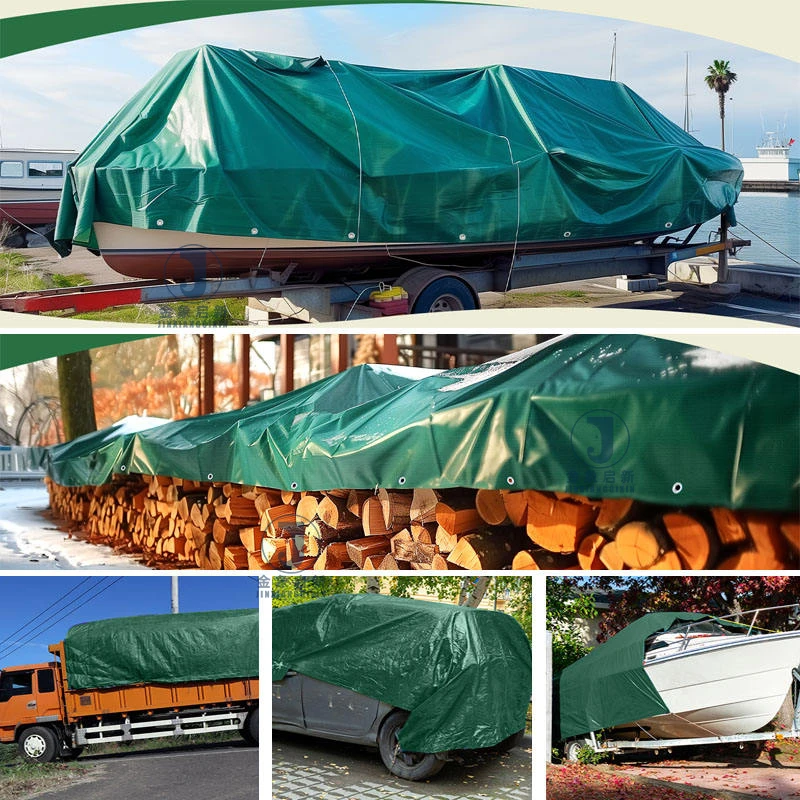
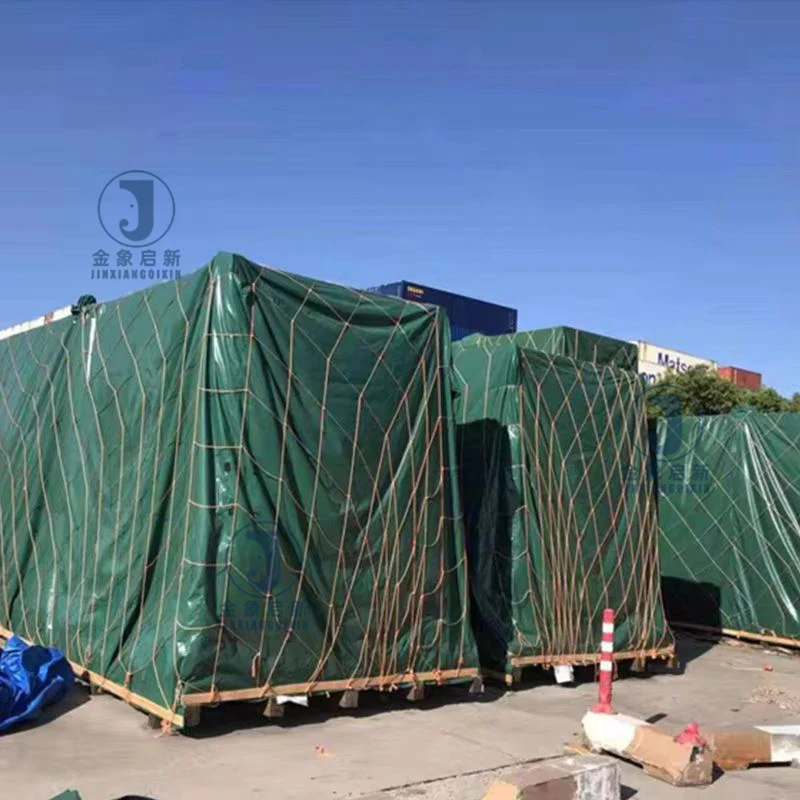
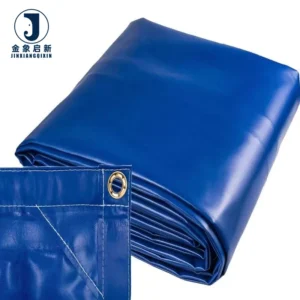
PVC Coated Tarpaulin — 450-900 g/m², 500D-500D polyester base with double-sided PVC coating, waterproof and flame retardant treatment available.
Engineered for full-range tarpaulin applications: coating weight and base fabric denier are controlled together to balance tensile strength, tear resistance, and weld performance at flex points. Custom widths, colors, and roll lengths available to optimize cutting yield and minimize seam joints.
Supported by a 10-person R&D team for rapid sample development, 100% pre-shipment inspection with verified GSM records, and full export documentation including ISO and CE certification.
Description
Full Catalogue Capability — A complete PVC coated tarpaulin range supported by three production lines and a dedicated R&D team handling custom sizing, treatment selection, and pattern printing from inquiry to dispatch.
Technical Specifications
| Parameter | Value |
|---|---|
| Product Type | PVC Coated Tarpaulin |
| Material | PVC & Polyester Base Fabric with Double-Sided PVC Coating |
| Yarn Count | 500D-500D |
| Weight Range | 450-900 g/m² |
| Surface Characteristics | Smooth and soft surface with a leather-like texture |
| Key Features | Water Resistant, Flame Retardant (grade not stated in source), Waterproof, Anti-UV (test basis not stated in source), Abrasion Resistant |
| Repairability | Repairable by hot air welding |
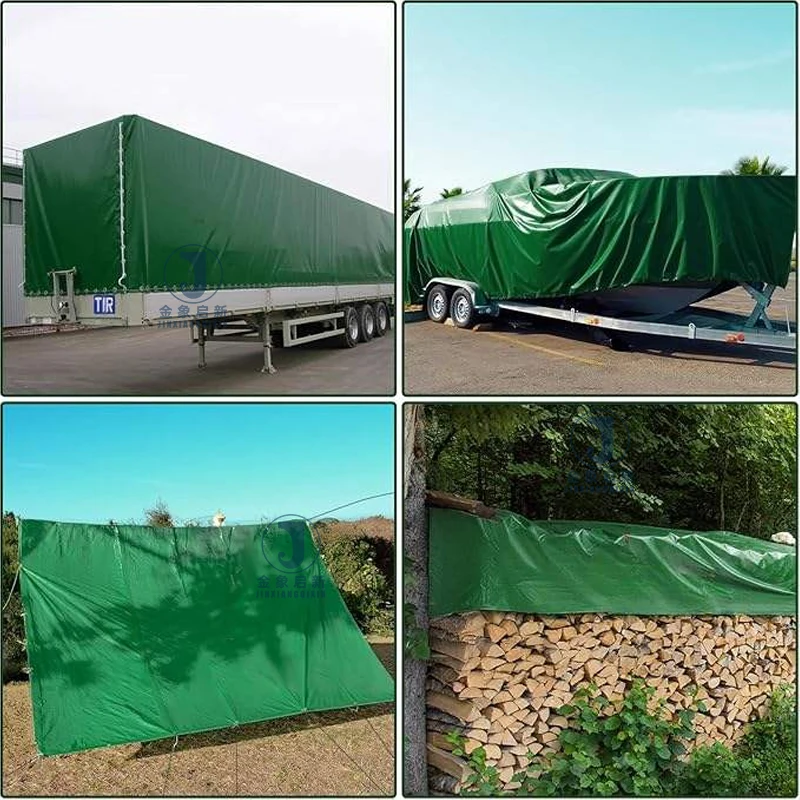
| Usage | Truck / Car / Trailer / Machine / Wood Cover / Awning / Tent |
| Certification | ISO, CE |
Application Suitability
| Application | Exposure & Requirement |
|---|---|
| Truck and trailer load covering | Constant flexing at tie-down points, road abrasion, weather exposure, UV degradation risk |
| Machine and equipment covers | Outdoor storage, dust and moisture ingress, repeated handling and folding |
| Wood stock protection | Prolonged ground contact, moisture wicking, wind load on large spans |
| Awning and tent fabrication | Tensile loading at grommet and pole points, solar exposure, colour fastness requirement |
| Agricultural and aquaculture covers | Humidity, biological growth risk, pond lining chemical contact |
Why Stated GSM Does Not Guarantee Coating Adhesion on a PVC Coated Tarpaulin
Coating weight and base fabric density must both be verified — not just the combined GSM printed on the quotation.
Buyers sourcing custom PVC tarpaulin frequently receive rolls that match the quoted weight on a scale but underperform in the field. The reason is that total GSM can be achieved by increasing filler content in the PVC compound rather than adding usable coating thickness. When filler replaces plasticiser, the roll weighs the same but the coating becomes brittle and separates from the polyester base at flex points. [NEED_CITE: peel strength test methods for coated fabrics per ISO 1421] The failure appears first at welded seams where the material is heat-stressed, long before the fabric body shows any wear.
Custom Sizing and Treatment Across the Full PVC Range
A PVC coated tarpaulin manufacturer working with 36 sets of professional equipment can hold tight tolerances on width and length without sacrificing output volume. Whether the requirement is a narrow cut for a specific trailer side curtain or a wide roll for tent panel fabrication, the coating line maintains consistent thickness across the web. Custom widths are produced on the same line as stock grades, which means colour matching and treatment application stay within the same batch control system.
Colour Consistency and Batch Uniformity for Multi-Roll Orders
Distributors placing orders for several hundred rolls need assurance that the colour will read identically when two panels are installed side by side. The R&D team establishes a colour reference standard at the sample approval stage and locks the pigment formulation for the entire production run. Every roll is inspected against this reference before packing. [NEED_CITE: colour fastness and batch consistency standards in coated textiles] This discipline prevents the situation where an awning installer discovers a visible shade shift halfway through a large canopy.
Reading the Yarn Count and Weight Range Together
The 500D-500D polyester base fabric provides a balanced warp and weft structure, meaning tensile load is distributed evenly in both directions. This matters for applications like truck covers where wind uplift creates multidirectional stress. However, yarn denier alone does not determine real-world durability — the weight range of 450-900 g/m² reflects how much PVC compound is applied to that base. A heavier coating fills the weave interstices more completely, improving waterproofness and abrasion resistance, but it also increases roll weight and handling difficulty. Selecting within this range depends on whether the end use demands maximum puncture resistance or whether lighter weight for easier daily deployment is the priority. The smooth, leather-like surface finish also influences performance: a smoother face sheds dirt and water more effectively and provides a better substrate for printed branding when required. [NEED_CITE: relationship between coating weight and tensile performance in PVC polyester laminates]
What Happens When the Specification Does Not Match the Environment
Specifying a lighter grade for a high-abrasion transport application leads to early coating wear at contact points with the load. Conversely, ordering a heavy grade for a temporary awning means paying for material mass that provides no functional benefit and makes installation harder. The most costly mismatch occurs when flame retardant or anti-UV treatment is assumed but not verified — the fabric may pass a visual inspection yet fail a fire compliance audit on site. [NEED_CITE: fire safety classification systems for temporary structures and covers] Colour inconsistency across rolls in a single shipment can force an installer to reject an entire batch, delaying projects and creating disputes over liability. These failures are not random; they trace back to insufficient specification detail at the inquiry stage.
Procurement Advantages Built Into the Production Process
Deep process control over coating weight and adhesion means the PVC compound is formulated and applied under consistent parameters, reducing the variation that causes field failures. Three full production lines support bulk orders with reliable scheduling, so lead times remain predictable even for custom colours and widths. A 10-person R&D team handles material selection, pattern printing specifications, and sample development, allowing buyers to confirm the exact product before committing to a production run. Dedicated QA/QC operates at every production stage with full pre-shipment inspection, ensuring the roll that arrives matches the sample that was approved.
Documentation & Verification
- Material specification sheet stating exact GSM, base fabric denier, and coating type per roll
- Test reports for UV and flame-retardant grades supplied where applicable to confirm compliance
- Pre-shipment inspection record with weight verification against quoted GSM before dispatch
- ISO and CE certificates included with every international shipment
- Certificate of origin and customs documentation package for smooth border clearance
- Roll packing list with batch reference for traceability after delivery
Fabrication, Handling & Storage
- Hot air welding suits the PVC coating — adjust temperature to the specific GSM selected from the 450-900 g/m² range
- Store rolls upright on pallets to prevent flat-spotting and permanent creasing on the smooth surface
- Allow cold-stored rolls to reach ambient temperature before unrolling to avoid coating crack damage
- Use compatible PVC-based cleaners to maintain the leather-like surface without degrading the coating layer
- Plan cut patterns to minimise waste when working with custom widths ordered to exact project dimensions
- Reinforce eyelet zones with additional PVC patches to distribute load through the 500D base fabric
Moving Forward With Your Specification
Provide the application environment and exposure conditions — whether the PVC coated tarpaulin will face continuous UV, mechanical abrasion, or fire compliance requirements in your target market. Confirm the required width, roll length, and whether you need stock grades or custom colours with printed branding. If flame retardant or anti-UV treatment is necessary, state the specific grade or standard your market requires so the correct formulation can be quoted and tested.
Frequently Asked Questions
Q: How is GSM verified on arrival and what happens if the roll is lighter than quoted?
A: Every roll is weighed and recorded during pre-shipment inspection against the stated GSM on the material specification sheet. If a discrepancy is found before dispatch, the roll is held and reworked. Buyers are encouraged to conduct their own weigh-check on receipt using the inspection record as a baseline for comparison.
Q: Which flame retardant grades are available and do they meet my target market’s fire safety requirements?
A: Flame retardant treatment is available in multiple grades. The specific grade required depends on your local fire safety regulations — whether that involves building material classifications or temporary structure standards. Share your compliance requirement at inquiry stage so the correct formulation and test report can be prepared.
Q: What test basis supports the anti-UV claim and how long can the fabric perform outdoors?
A: Anti-UV treatment is applied during coating, and test reports can be supplied for applicable grades. The actual outdoor performance depends on installation orientation, climate severity, and whether the surface is maintained. Request the test data for your selected grade to evaluate suitability for your specific environment.
Q: Can I order custom widths, colours, and printed branding in the same shipment?
A: Custom widths, colours, and printed branding are all produced on the same coating lines as stock grades. Combining multiple custom items in one shipment is standard practice, and colour consistency is maintained by locking the pigment formulation across the entire production run.
Q: How do you control colour consistency across multiple rolls in a single order?
A: A colour reference standard is established at sample approval and used as the benchmark for every roll in the order. Each roll is visually inspected against this standard during pre-shipment QC. The batch reference on the packing list allows traceability back to the specific production run and pigment batch used.
Related products
-
Lona de PVC recubierta de 900GSM de alta resistencia, cortinas de lona Panamá para camiones.
¥7.78 Add to cart -
Venta caliente Proveedor de China Personalizado Super Resistencia Grado Industrial 680GSM RIPSTOP Lona de PVC para Techos de Constructores y Envolturas
¥2.80 Add to cart -
Lona de alta resistencia para exteriores, engrosada para impermeabilidad, lona grande con 3 metros de ancho.
¥7.78 Add to cart -
JX Tela Impermeable de PVC Hoja de Alta Resistencia para Cubiertas Industriales y al Aire Libre
¥1.90 Select options This product has multiple variants. The options may be chosen on the product page