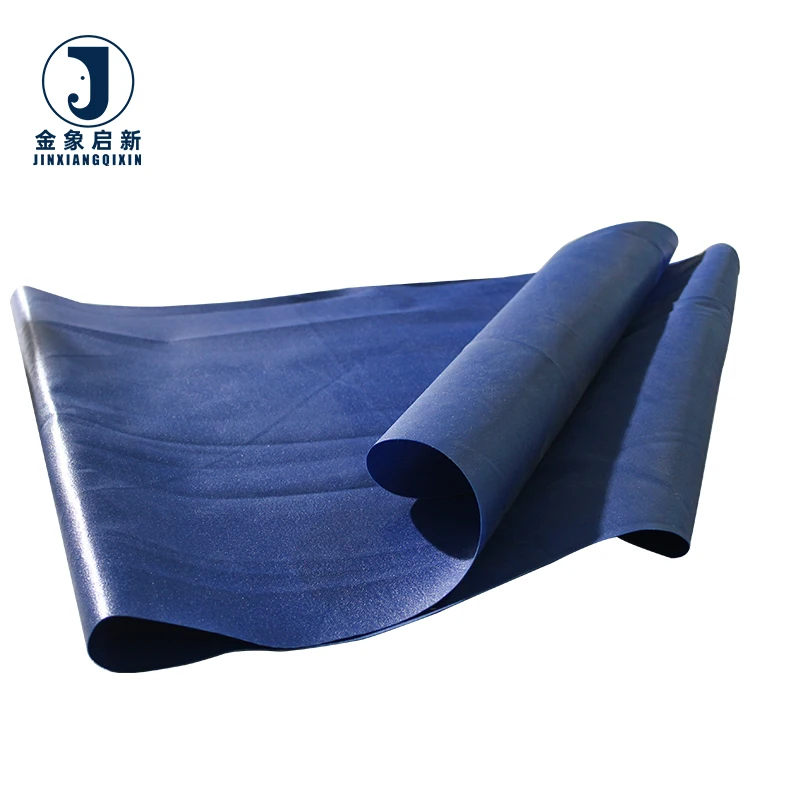
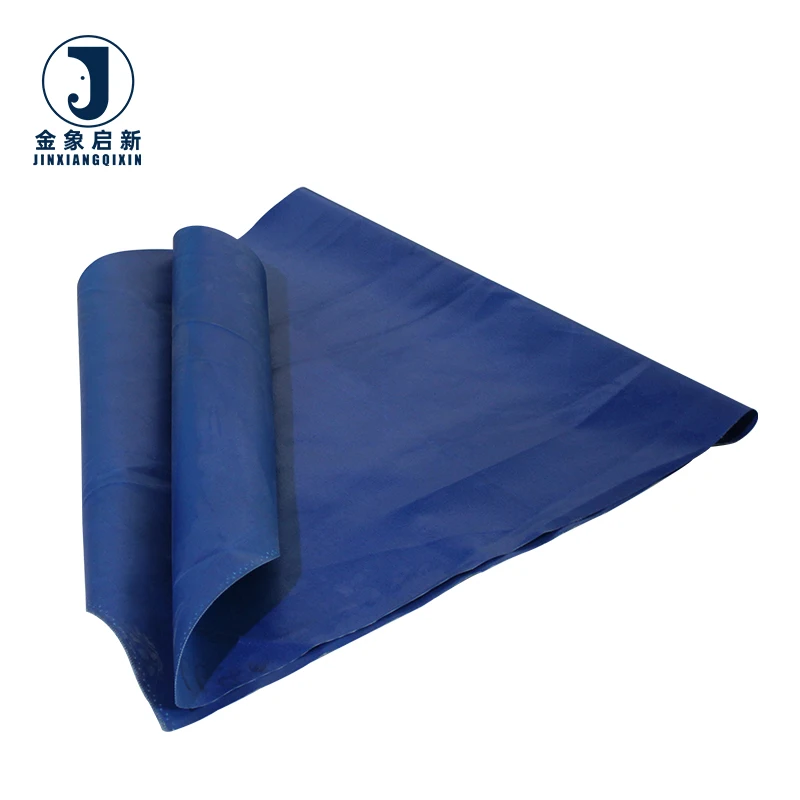
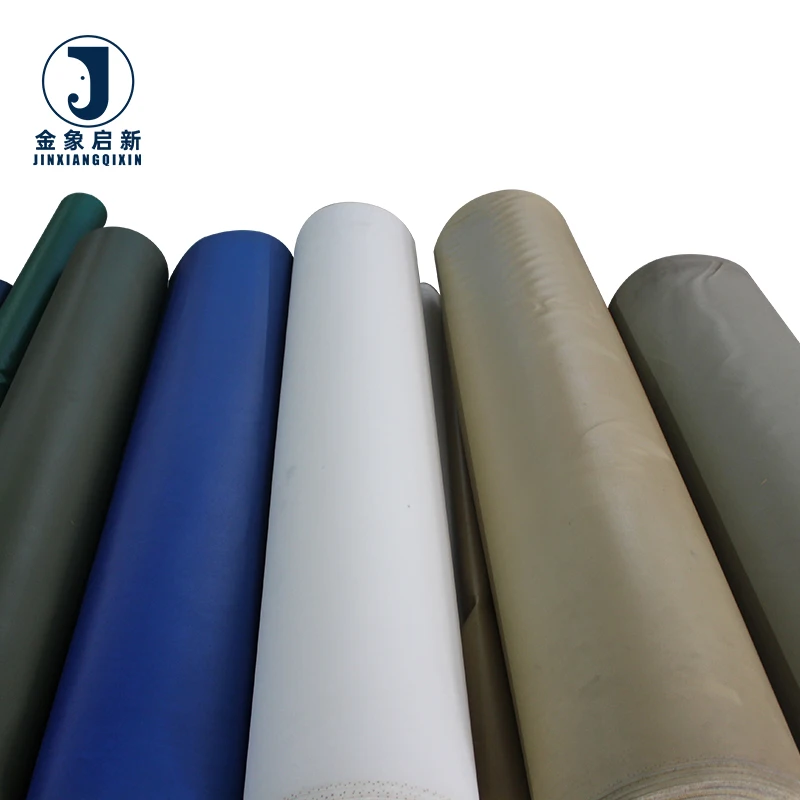
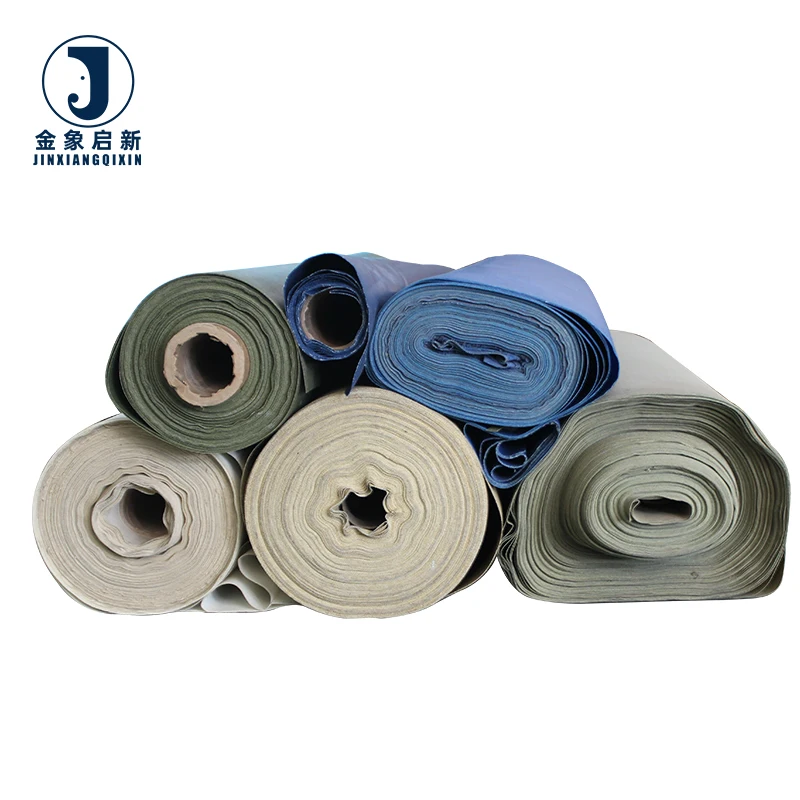
PVC Coated Tarpaulin Fabric, 350–750gsm, High-Tenacity Polyester Mesh — hot-melt or laminated coating for strong adhesion and weld integrity. Available in 2m/2.1m rolls or custom-cut sizes with UV, cold-crack, anti-mildew and flame-retardant treatments. Backed by nearly 30 years of coated fabric expertise, 100% pre-shipment inspection, and in-house R&D for fast sample development.
Description
Process Control Depth — Three full coating lines with 36 equipment sets allow us to hold GSM, colour and treatment consistency across every roll of PVC Coated Tarpaulin Fabric shipped.
Technical Specifications
| Parameter | Value |
|---|---|
| Product Type | PVC Coated Tarpaulin Fabric |
| Material | PVC + High-strength polyester mesh fabric |
| Weight Options | 350gsm / 420gsm / 500gsm / 550gsm / 600gsm / 750gsm |
| Thickness Options | 0.32mm / 0.35mm / 0.4mm / 0.45mm / 0.5mm / 0.65mm |
| Coating Technology | Laminated technology & Hot-melt Coating technology |
| Roll Size | 2m width × 75m length / 2.1m width × 50m length |
| Finish Product Size | Custom items as per customer’s needs or sold by inventory |
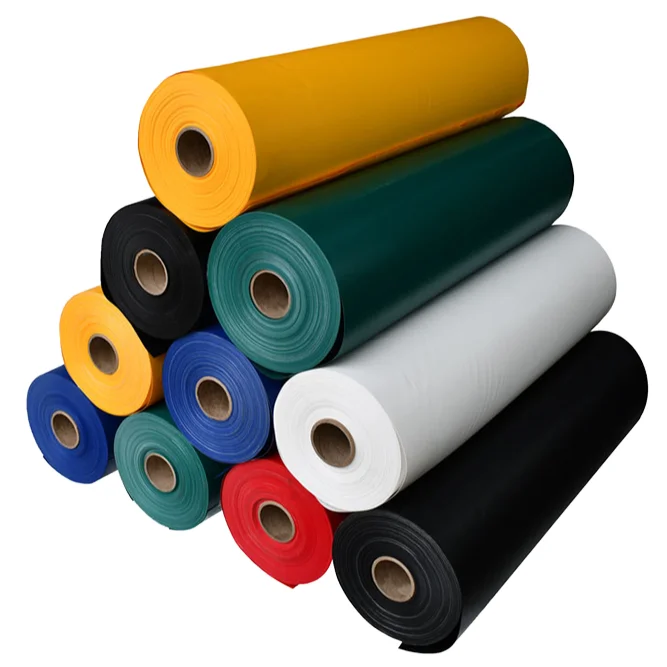
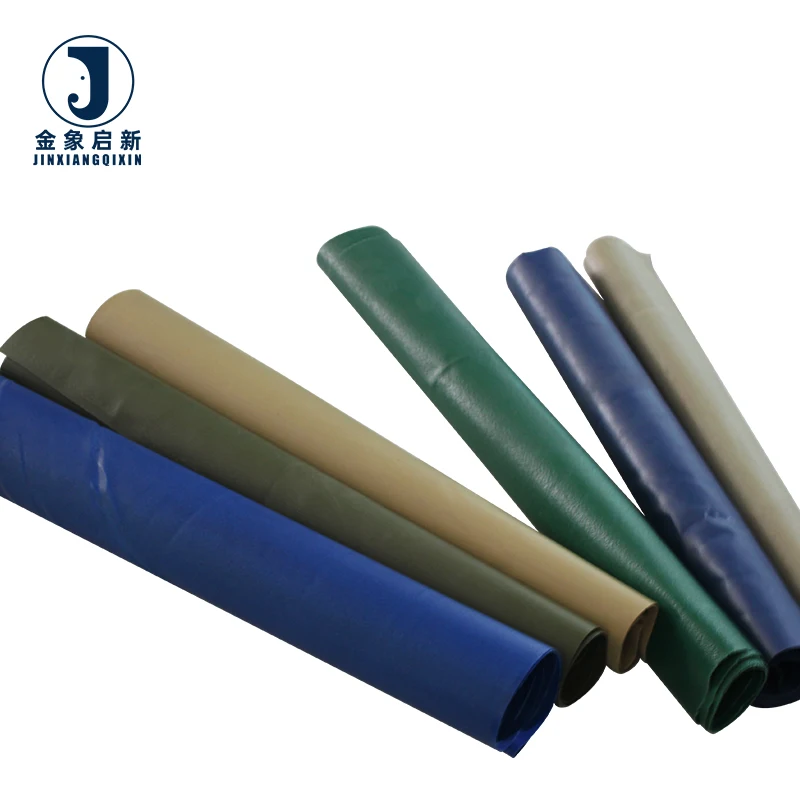
| Colour Options | Blue / Red / Yellow / Light blue / Grey (Customized) |
| Key Features | Waterproof, Sunproof, Anti-Static treatment, Anti-Mildew, Cold Crack Resistance, best colour fastness |
| Service Life | 3–7 years under normal circumstances |
| Standards | ISO, CE |
Application Suitability
| Application | Exposure & Requirement |
|---|---|
| Tent cover | Prolonged UV and rain exposure, repeated assembly and takedown, flex at ridge poles, moderate abrasion from frame contact |
| Awning fabric | Constant sun and weather loading, tension across span, colour retention under direct sunlight, wind-driven rain |
| Truck awning | Road vibration, UV and exhaust exposure, repeated rolling and unrolling, tie-down stress at edges |
| Cargo ship cover | Salt spray, heavy wind loads, prolonged UV, abrasion from shifting cargo, requirement for waterproof integrity |
| Fish tank / pool liner | Permanent water contact, hydrostatic pressure, puncture risk from substrate, chemical exposure from water treatment |
Why Colour Drift Across Rolls Costs More Than the Fabric Itself
Batch colour consistency is a process variable, not a luck variable.
When an awning installer hangs two panels side by side and one roll reads slightly warmer than the next, the entire facade calls attention to the seam — not the craftsmanship. I have watched contractors reject full container loads because the second and third rolls did not match the first under morning light [NEED_CITE: colour fastness and batch variation in coated fabrics]. The PVC Coated Tarpaulin Fabric you receive should look identical from the first metre to the last, because the pigment dosing and coating temperature are controlled at every stage, not adjusted after the fact.
How We Hold Colour Reference Across a Full Order
Every production run of this PVC Coated Tarpaulin Fabric begins with a master colour standard that the coating line references throughout the batch. Pigment is metered into the PVC compound before it reaches the coating head, so variation within a roll is minimised at source rather than corrected downstream. When a buyer orders multiple rolls in the same colour for a tent or awning project, the entire quantity runs consecutively on the same line settings, reducing the chance of shift between rolls.
What Treatments Actually Mean When No Report Follows
Anti-UV, anti-mildew, anti-static and cold-crack treatments are all listed for this fabric, but a treatment claim without a test result is a line on a quotation — not proof of performance on the jobsite [NEED_CITE: verification standards for treated coated textiles]. We supply test reports for specific grades where applicable so that the buyer can match the documentation to the compliance requirement of the destination market. If your project specifies a particular flame-retardant grade, confirm the grade required for your market before production starts.
Reading the Spec Sheet Beyond the GSM Number
Weight alone does not determine how the fabric behaves under tension or at the weld line. The high-strength polyester mesh base provides the tensile and tear backbone, while the PVC coating weight and method — laminated or hot-melt — govern adhesion between the coating and the yarn. A 550gsm roll with a dense base fabric and thin coating may outperform a 550gsm roll with a loose weave buried under heavy PVC, because the yarn carries the structural load. Thickness values from 0.32mm to 0.65mm correspond to different weight tiers and influence how the material drapes, folds and responds to heat welding. Roll widths of 2m and 2.1m affect cutting layout and seam count: a wider roll means fewer joins on a large awning or tent panel, reducing the number of weld lines where stress concentrates. Cold-crack resistance matters for buyers shipping to regions with freezing winters, because PVC stiffens at low temperatures and a non-treated roll can fracture when unfolded on a cold morning.
What Happens When the Wrong Grade Gets Welded
A tent manufacturer welding a 750gsm heavy-duty grade with the same heat settings used for a 350gsm lightweight roll will get incomplete fusion at the seam, and that weld line will peel under the first wind load [NEED_CITE: heat welding parameters for different PVC coated fabric weights]. Conversely, too much heat on a lighter grade burns through the coating and exposes the polyester mesh to moisture ingress. The coating technology — laminated versus hot-melt — also shifts the optimal welding window, because each bond structure responds differently to thermal input. This is why we recommend a physical sample and a short weld trial before committing to bulk cutting.
Why Buyers Come Back After the First Order
Our in-house R&D team develops samples within days, so a buyer specifying a custom width or Pantone-matched colour can approve a physical swatch before the production run begins. Dedicated QA/QC runs at every production stage, with 100% pre-shipment inspection, meaning roll weight, colour reference and coating adhesion are verified before anything is packed. Three full production lines and 36 sets of professional equipment provide the capacity to deliver container-quantity orders on schedule without splitting a batch across different lines and risking inconsistency. Nearly 30 years focused on coated fabric means the process parameters for every weight tier in this range have been refined through production cycles, not guessed from a datasheet. Custom sizing, pattern printing and branding are handled under the same quality system, so a printed truck awning receives the same inspection rigour as a stock roll.
Documentation & Verification
- Material specification sheet stating GSM, base fabric type and coating weight for each roll
- Test report for anti-UV or flame-retardant grades where applicable to the ordered specification
- ISO and CE certificates covering the production facility and quality management system
- Pre-shipment inspection record confirming colour reference and weight per roll
- Roll packing list with roll ID, dimensions and net weight for container loading
- Certificate of origin issued for customs clearance in the destination country
Fabrication, Handling & Storage
- Hot-melt coated rolls require a weld trial to confirm temperature settings for each GSM tier
- Laminated rolls respond differently to high-frequency welding — test before full production
- Store rolls upright on pallets to prevent flat-spotting on the 2m or 2.1m width
- Unroll cold-stored fabric and allow it to reach ambient temperature before cutting or welding
- Clean PVC surfaces with mild detergent only — solvent-based cleaners degrade the coating layer
- Custom-cut sizes should be patterned to minimise offcuts from the standard roll lengths
What to Include When Requesting a Quote
Tell us the end-use application, the environmental exposure you expect, and the compliance requirements of the destination market — including any specific flame-retardant or anti-static grade. Specify the roll width and length you need, or provide the finished panel dimensions if you require custom-cut sizes. If colour matching is critical, send a Pantone or RAL reference so we can develop a sample for your approval before bulk production runs.
Frequently Asked Questions
Q: What GSM and thickness should I specify for a tent versus a truck awning?
A: Tent covers typically suit the mid-range GSM options with good flexibility for folding and assembly. Truck awnings need higher GSM and thickness to withstand road vibration, wind load and abrasion from rolling mechanisms. Share the specific application details so we can recommend the weight tier that balances durability with handling on your production floor.
Q: Can you match a Pantone or RAL colour and hold it across multiple rolls?
A: Yes. Our R&D team develops a colour sample against your reference for approval before production. The entire order then runs consecutively on the same line with metered pigment dosing, so colour holds from first roll to last. We verify colour against the approved standard during pre-shipment inspection.
Q: Do you supply test reports for anti-UV and flame-retardant grades?
A: Test reports are provided for the specific grade quoted, not generic datasheets. Confirm the performance standard your destination market requires — such as a particular fire classification — and we will match the treatment and documentation accordingly before production begins.
Q: What is the lead time and MOQ for a custom width or printed branding?
A: Custom widths, lengths and printed branding are all handled on our production lines with MOQs that depend on the specification complexity. Once the sample is approved, production lead time follows the standard schedule. Send your target dimensions and annual volume so we can quote accurately.
Q: How are rolls packed and what shipping documents are included?
A: Rolls are packed on pallets suitable for container loading, with a detailed packing list showing roll ID, dimensions and weight. Documentation includes ISO and CE certificates, certificate of origin, material specification sheet and pre-shipment inspection record, all prepared before dispatch.
Related products
-
Collapsible Rain Barrel for Water Storage – Custom Made
Read more -
Custom Made Collapsible Rain Barrel for Garden Water Storage – Manufacturer
Read more -
NST Green Barril de Lluvia Colapsable de 50 Galones Sistema de Recolección de Agua de Lluvia Tanque de Almacenamiento de Agua para Jardín Captador de Agua
¥15.70 Add to cart -
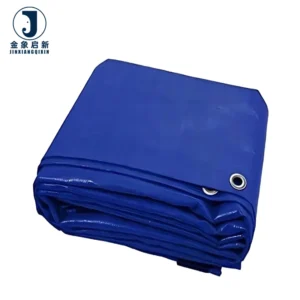
Custom Made PVC Tarpaulin Truck Cover 650 Gsm 630 Gsm
Read more