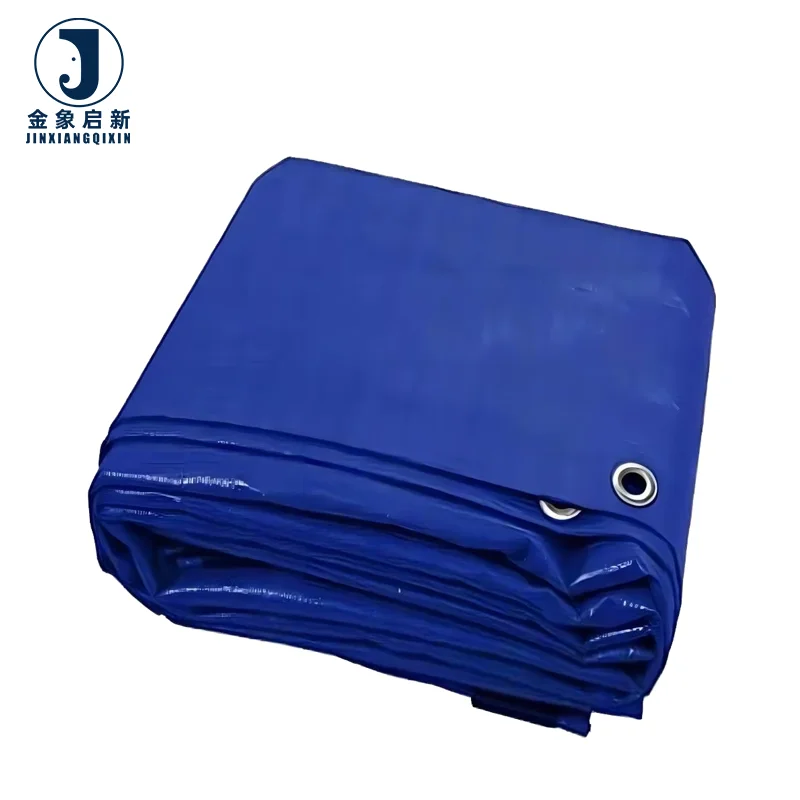
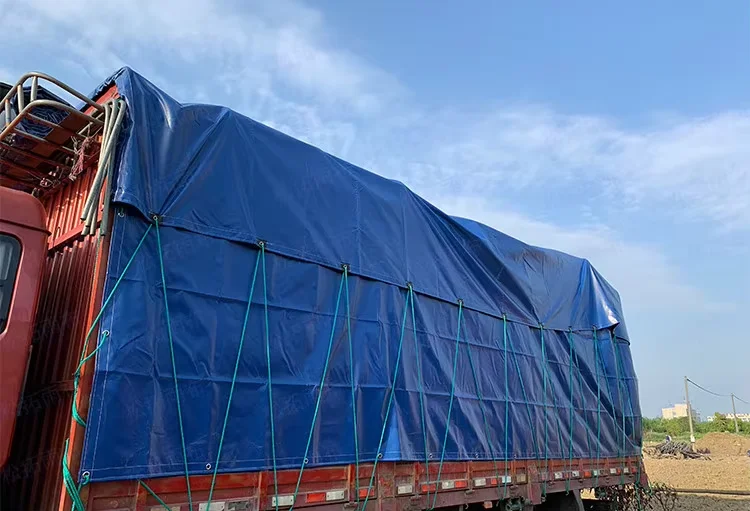
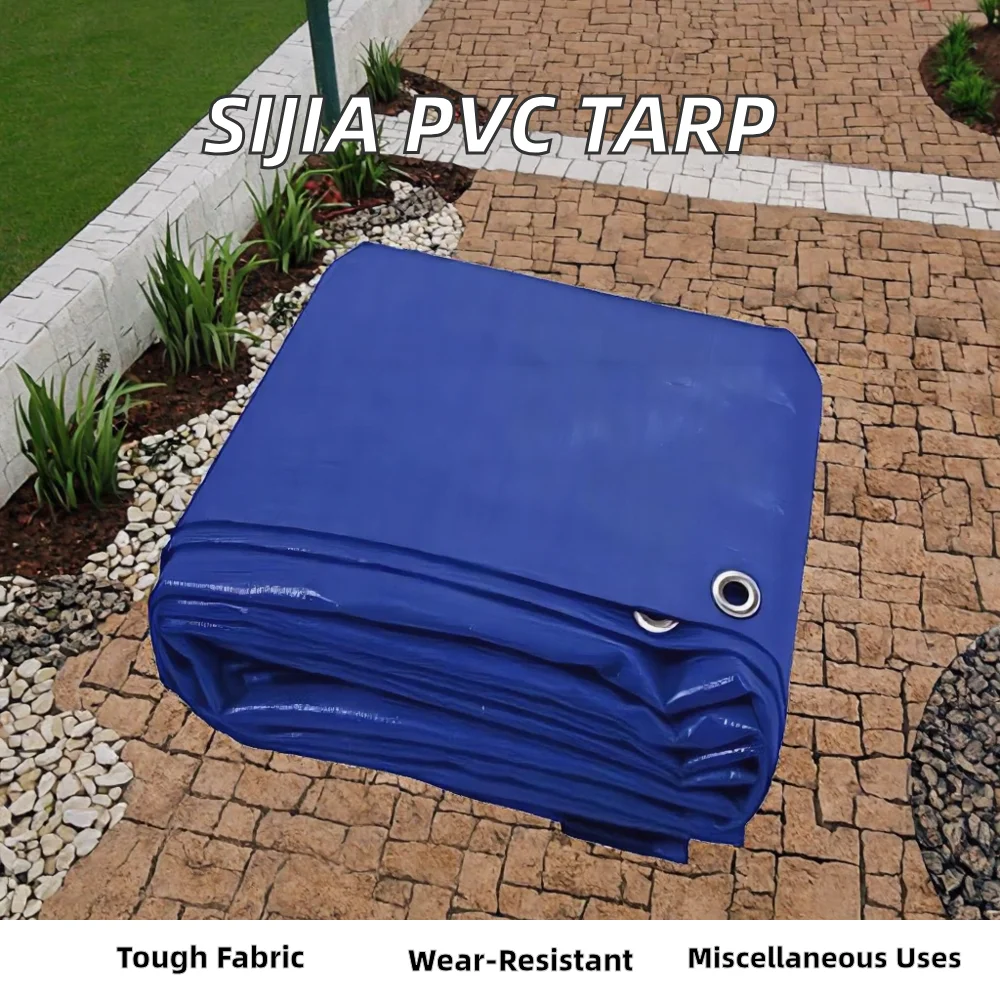
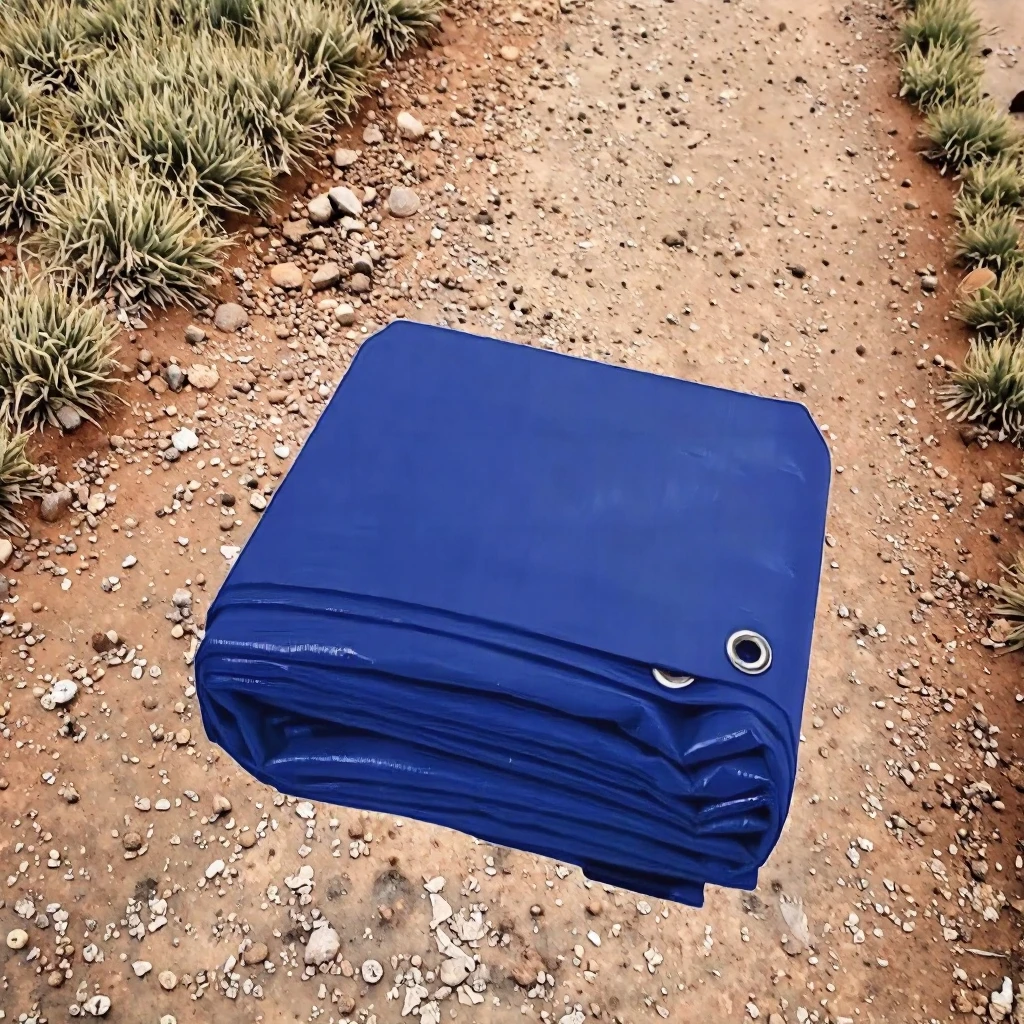
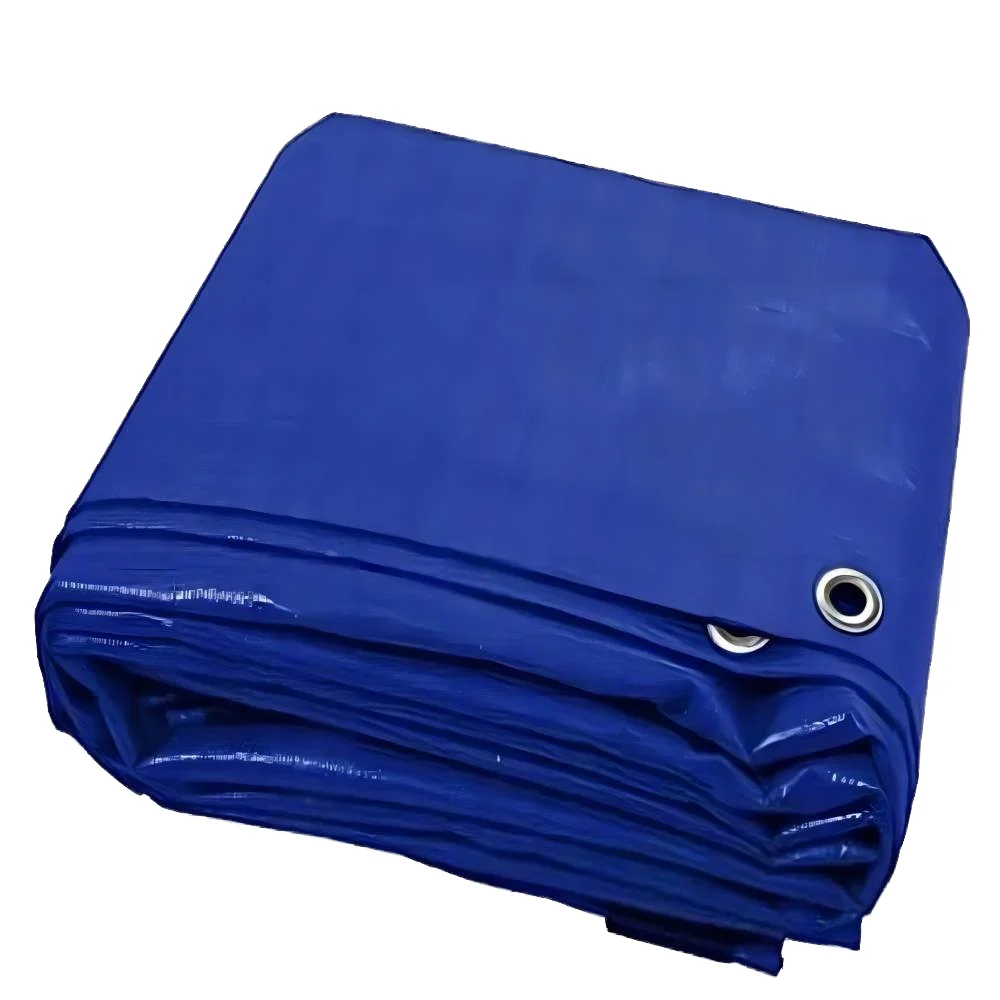
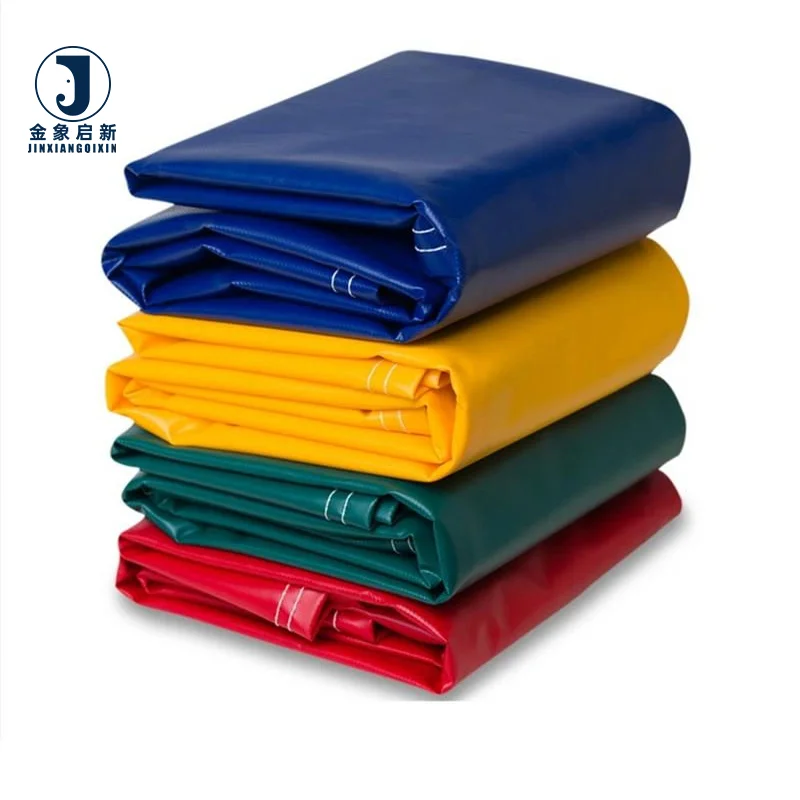
Custom PVC Tarpaulin Truck Cover available in 350gsm to 750gsm, 0.32mm–0.65mm thickness, with hot-melt coated polyester mesh base for consistent coating adhesion and weld strength at high-flex load points.
- Laminated and hot-melt coating processes ensure GSM on arrival matches the quoted spec
- UV and flame-retardant treatments backed by test reports, not verbal claims
- Roll-to-roll colour consistency for side-by-side installation without visible variation
Backed by nearly 30 years of coated fabric process control, 100% pre-shipment inspection, and a 10-person R&D team supporting full custom sizing and sample development.
Description
Specification Integrity Guarantee — every roll of PVC coated tarpaulin custom material leaves our facility with a verified GSM record, ensuring the coating weight and adhesion match the agreed specification without deviation.
Technical Specifications
| Parameter | Value |
|---|---|
| Product Type | PVC Coated Tarpaulin |
| Material | PVC + High-strength polyester mesh fabric |
| Coating Method | Laminated technology & Hot-melt Coating technology |
| Weight (GSM) | 350gsm / 420gsm / 500gsm / 550gsm / 600gsm / 750gsm |
| Total Thickness | 0.32mm / 0.35mm / 0.4mm / 0.45mm / 0.5mm / 0.65mm |
| Roll Width | 2m / 2.1m |
| Roll Length | 75m (for 2m width) / 50m (for 2.1m width) |
| Yarn | High tenacity polyester yarns |
| Color | Blue / Red / Yellow / Light blue / Grey (Customized) |
| Key Features | Cold Crack Resistance, Anti-Mildew, Waterproof, Sunproof |
| Anti-Static | Available — test basis to be confirmed per market requirement |
| Flame Retardant | Available in flame retardant grades — confirm the grade required for your market |
| Service Life | 3-7 years under normal circumstances |
| Standards | ISO, CE |
Application Suitability
| Application | Exposure & Requirement |
|---|---|
| Truck and trailer load covering | Constant flexing at tie-down points, road abrasion, UV exposure, weather cycling across seasons |
| Construction site and equipment covers | Prolonged sun exposure, wind-driven rain, contact with soil and alkaline dust |
| Agricultural and aquaculture pond lining | Permanent water contact, soil chemistry interaction, puncture risk from substrate |
| Tent and awning manufacturing | Repeated folding and unfolding, UV exposure, need for consistent colour across panels |
| Inflatable and membrane structure fabrication | Air pressure load, welded seam integrity, outdoor weathering |
Why Quoted GSM Does Not Guarantee the Roll You Receive
A stated GSM on a quotation means nothing without in-process coating weight verification and a pre-shipment inspection record to back it up.
When buyers receive PVC coated tarpaulin custom rolls that weigh less than the agreed grade, the problem rarely starts at the scale. It starts at the coating head, where line speed and knife gap determine how much PVC compound actually bonds to the base fabric. A hot-melt coated line running at higher speed lays down less material per square metre, and without stage-by-stage QA checks, that shortfall travels straight through to the finished roll. I have seen situations where the discrepancy only surfaces when the fabricator cuts into the material and notices the hand feel is wrong — by which point the entire batch is already on the cutting table. [NEED_CITE: coating weight variance and its effect on tensile performance in PVC coated fabrics]
How Coating Method Affects What You Get on the Roll
Laminated technology bonds a pre-formed PVC film to the polyester mesh under heat and pressure, producing a uniform surface well suited to printing and consistent colour reproduction. Hot-melt coating applies liquid PVC compound directly to the weave, allowing deeper penetration into the yarn structure and generally yielding higher peel strength at the weld line. For a PVC coated tarpaulin custom order, the choice between these two methods influences not only the surface finish but also how the fabric behaves during high-frequency welding — a critical factor when fabricating truck side curtains or inflatable structures where seam integrity determines service life.
Controlling Batch-to-Batch Colour Consistency
Colour variation between rolls in the same order is one of the most visible failures once the material is installed side by side on a fleet of trucks or across a tent roof. Maintaining consistency requires tight control over pigment dispersion during the compounding stage and stable temperature profiles across the coating line. Our 10-person R&D team develops colour reference samples before production begins, and each PVC coated tarpaulin custom batch is checked against that reference under standardised lighting before packing. When a project requires multiple rolls installed as adjacent panels, this discipline prevents the visual mismatch that triggers rejection on site. [NEED_CITE: colour measurement standards for coated technical textiles]
Reading the Specification Sheet Beyond GSM
GSM tells you the total weight per square metre, but it does not tell you how that weight is distributed between base fabric and coating. A heavier coating layer may increase GSM while contributing little to tensile strength, because the polyester yarn denier and weave density are what actually resist stretching and tearing. Total thickness, measured from surface to surface, gives a better indication of the coating build and therefore the material’s resistance to abrasion and puncture. The yarn specification — high tenacity polyester in this range — determines how well the fabric resists tear propagation once a cut or nick occurs in the field. Roll width and length together define how many panels a fabricator can cut from a single roll and how many welded seams will be needed to cover a given area, directly affecting labour cost and the number of potential failure points on the finished product. [NEED_CITE: relationship between base fabric denier and tear strength in PVC coated polyester per ISO 1421]
The Hidden Cost of Specifying on Price Per Kilogram Alone
When a buyer selects a supplier based on the lowest cost per kilogram of PVC coated tarpaulin custom material, the savings often disappear at the fabrication stage. A lighter coating may mean the high-frequency welder needs to run slower to achieve bond strength, or the weld line itself becomes the weakest point — failing before the fabric body does, right where the load flexes most. Anti-mildew treatment that was not properly compounded into the coating layer washes out after a season of rain exposure, leaving pond liners and truck covers vulnerable to biological degradation. These consequences are qualitative but compounding: a single seam failure on a loaded trailer can cause cargo damage that far exceeds the material cost saving on the entire order. [NEED_CITE: weld line failure modes in heavy-duty PVC tarpaulin applications]
Why Fabricators Source This Range Here
Three full production lines and 36 sets of professional equipment support bulk roll output while maintaining the coating consistency that fabricators depend on for predictable welding parameters. Every PVC coated tarpaulin custom order passes through dedicated QA/QC at each production stage, with 100% inspection before shipment rather than statistical sampling. The 10-person R&D team handles material selection, custom width and colour matching, and pattern printing development — delivering samples within days so buyers can confirm the material before committing to a full production run. Nearly 30 years of focused coated fabric manufacturing means the process control over coating weight and adhesion has been refined across thousands of production cycles, not learned on your order. Cold crack resistance and anti-mildew properties are built into the compound formulation, not added as an afterthought, ensuring the material performs across the temperature and humidity range specified for your application.
Documentation & Verification
- Material specification sheet stating exact GSM, base fabric type, and coating method for each roll
- Test reports for UV and flame-retardant grades supplied where applicable to the order
- Pre-shipment inspection record confirming weight verification per roll against the stated GSM
- Roll packing list cross-referenced with batch numbers for traceability
- ISO and CE certificates and certificate of origin provided with dispatch documentation
Fabrication, Handling & Storage
- High-frequency welding parameters should be adjusted based on whether the roll was produced via laminated or hot-melt coating method
- Eyelet and hem reinforcement spacing must account for the chosen GSM grade and expected tie-down load
- Store rolls upright on pallets in a dry environment to prevent permanent creasing across the 2m or 2.1m width
- Allow cold-stored rolls to acclimatise before unrolling to avoid stress cracking in cold-resistant grades
- Use mild detergent and soft brush for cleaning; avoid solvents that may degrade the PVC coating surface
- Plan cutting layouts to minimise cross-grain seams, particularly on wider 2.1m rolls used for large truck covers
What to Include in Your Enquiry
To specify the right material from this PVC coated tarpaulin custom range, share the application type, expected environmental exposure, and any fire safety or compliance requirements for your destination market. Indicate whether you need rolls at stock widths or custom dimensions, along with colour references and annual volume estimates. If your project involves fabricated end products such as fitted truck covers or welded pond liners, let us know the finished dimensions so we can recommend the roll width that minimises waste and seam count.
Frequently Asked Questions
Q: How do I verify the GSM on arrival matches the quotation?
A: Each roll is weighed and inspected during our 100% pre-shipment inspection, and the recorded GSM is documented on the packing list included with your shipment. You can cross-check this against the material specification sheet provided. If a discrepancy is found on receipt, the inspection record serves as the baseline for resolution.
Q: What flame-retardant and UV test reports are available?
A: Flame-retardant and UV treatments are available in various grades depending on your market requirements. When these treatments are specified on your order, we supply the corresponding test report with the dispatch documentation. Confirm the specific grade and standard required for your region at the enquiry stage so we can match the correct compound formulation.
Q: What custom widths, lengths, and print options can I specify?
A: Standard roll widths are 2m and 2.1m with corresponding lengths of 75m and 50m. Custom widths and lengths are available, subject to minimum order requirements. Pattern printing and branding can be developed by our R&D team, with samples produced for approval before full production runs begin on your PVC coated tarpaulin custom order.
Q: How do you ensure colour consistency across multiple rolls?
A: Colour reference samples are developed and approved before production. During manufacturing, each batch is checked against the approved reference under standardised lighting conditions. This process ensures that when multiple rolls from the same order are installed side by side, no visible colour variation appears across panels.
Q: What eyelet, hem, and reinforcement options are available for finished products?
A: For fabricated items such as truck covers and tarpaulin sheets, eyelet spacing, hem width, and corner reinforcement can all be specified to match your tie-down and load-bearing requirements. Share the finished dimensions and application load details at the enquiry stage so the correct reinforcement configuration is built into the cutting and welding plan.
Related products
-
PVC Tarpaulin 650 Gsm 630 Gsm for Truck Cover – Custom Made
Read more -
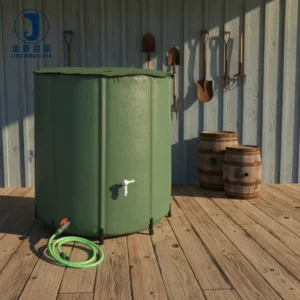
Collapsible Water Storage Tank for Garden – Custom Made
Read more -
Custom Made Collapsible PVC Rain Barrel for Garden Water Storage
Read more -
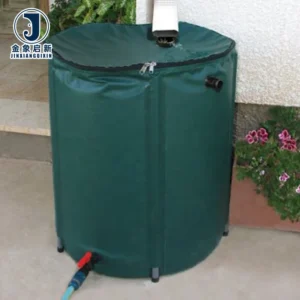
NST Green Barril de Lluvia Colapsable de 50 Galones Sistema de Recolección de Agua de Lluvia Tanque de Almacenamiento de Agua para Jardín Captador de Agua
¥15.70 Add to cart