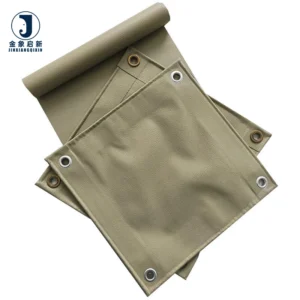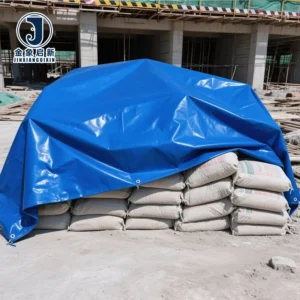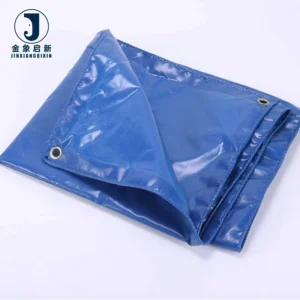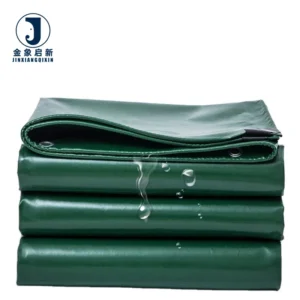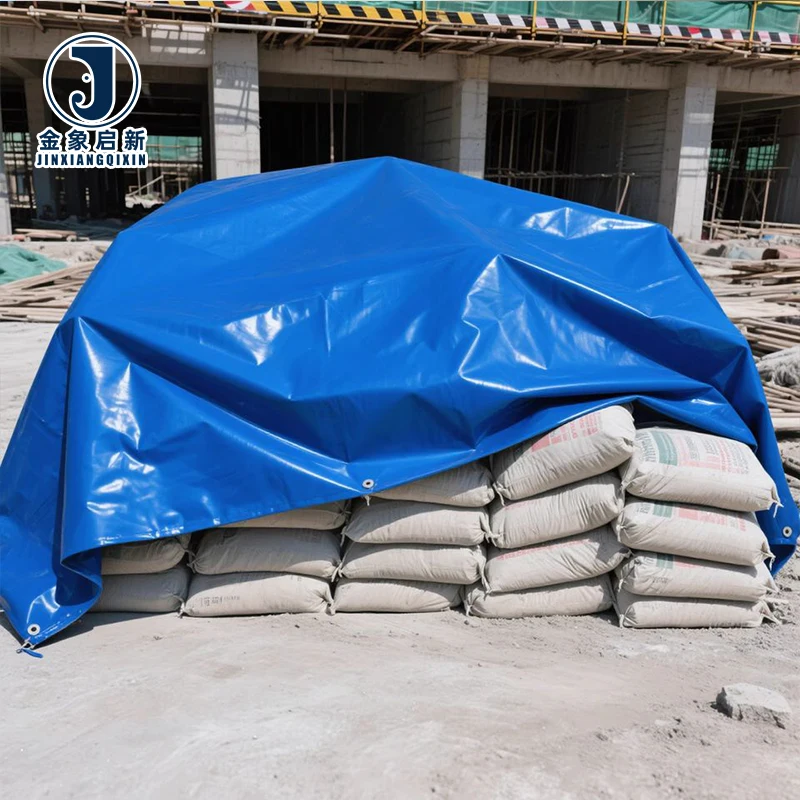
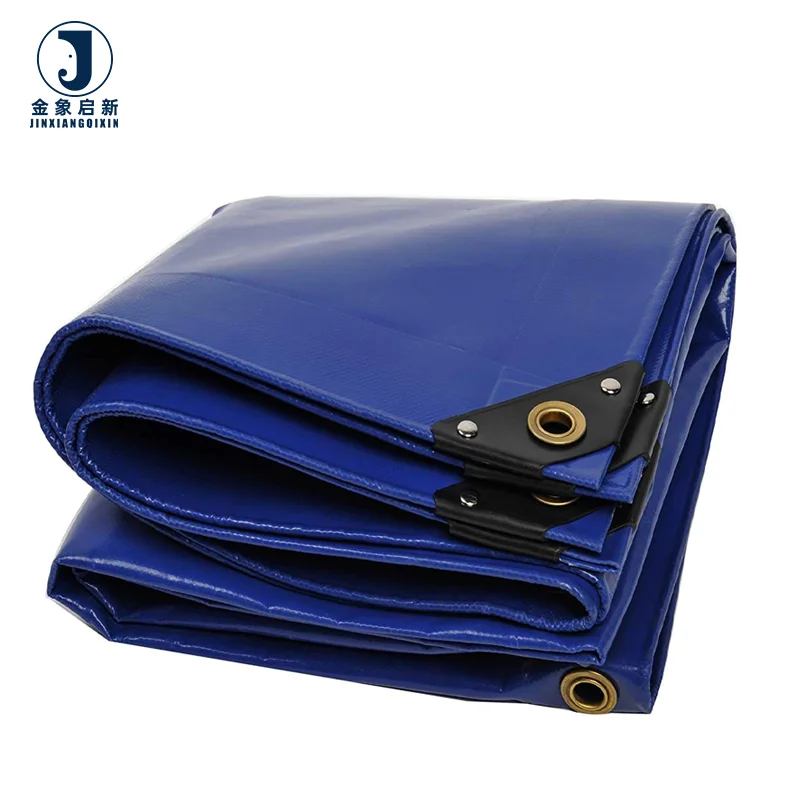
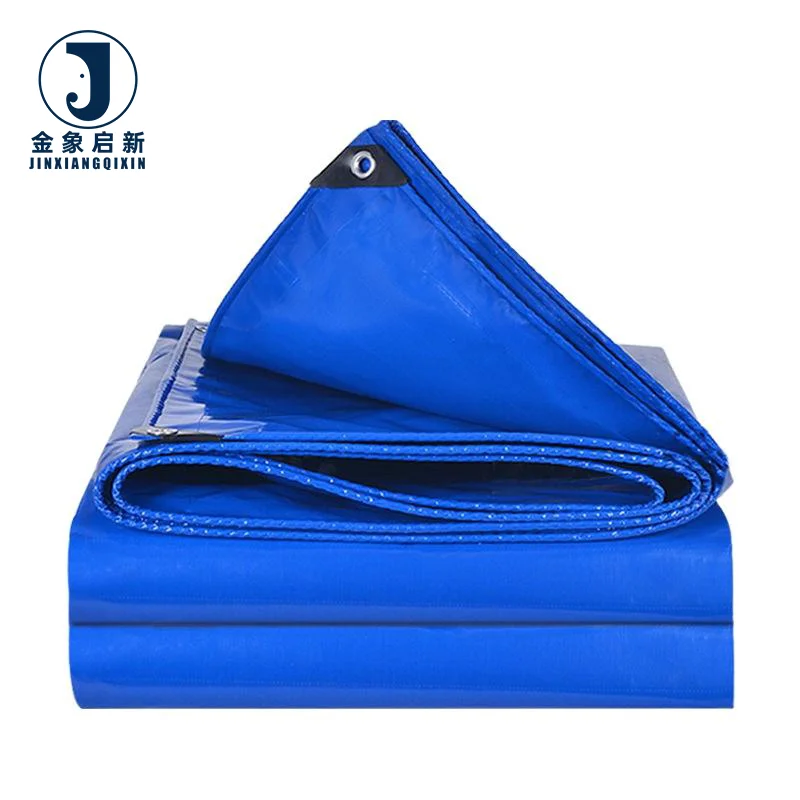
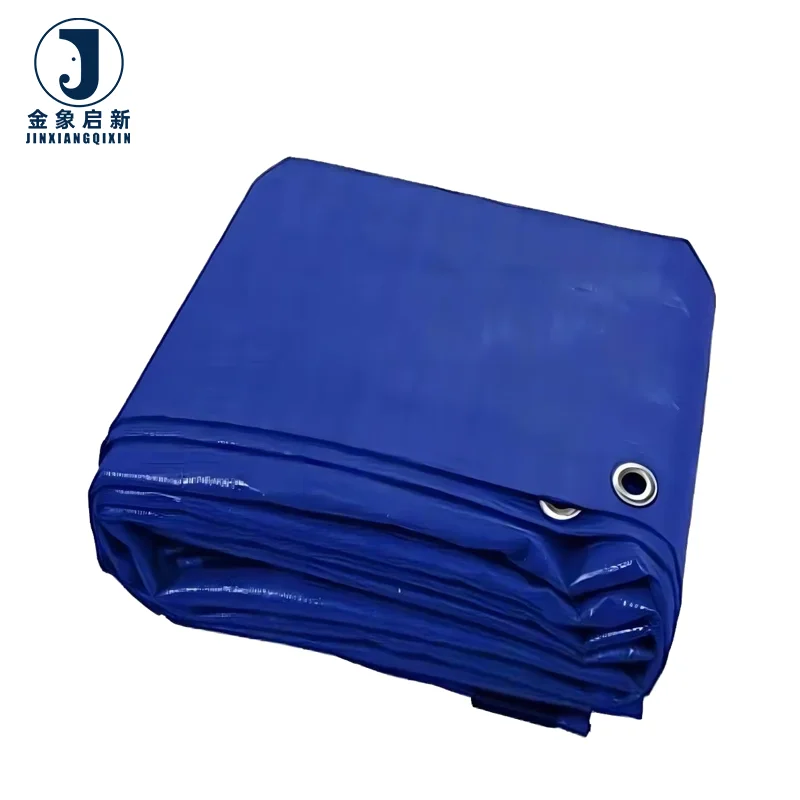
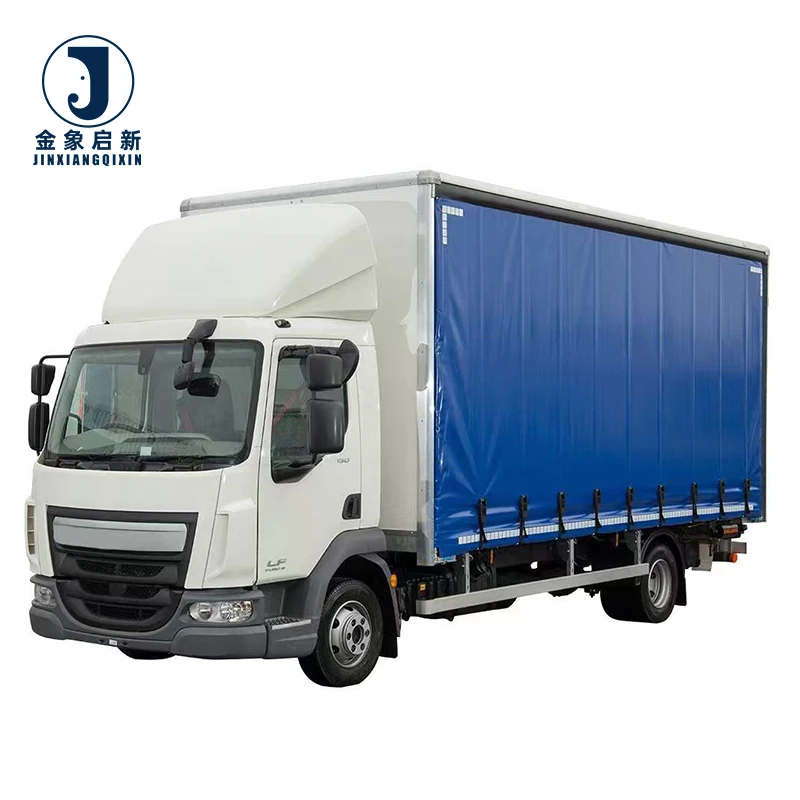
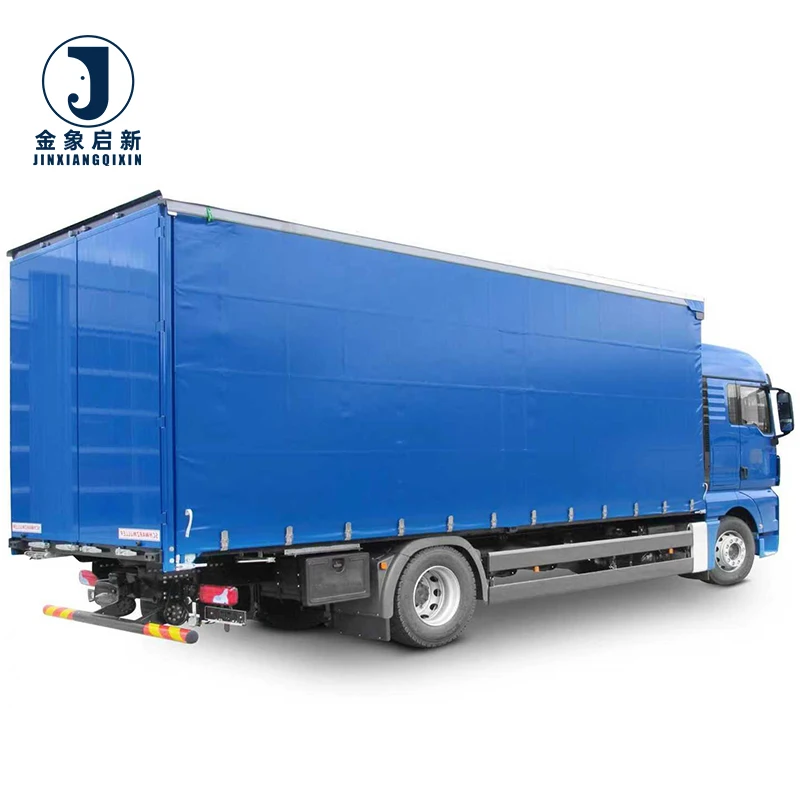
PVC Coated Tarpaulin for Truck Cover — available in 250gsm to 1500gsm with 1000DX1000D base fabric, waterproof, UV and FR treated for demanding transport and industrial applications.
- Selecting the right denier and coating weight together determines tensile and tear performance under road flex and load stress, not GSM alone.
- Glossy or matte surface options with reinforced hems and custom eyelet placement for trailer-specific fitment.
Backed by 30 years of coating process control, 100% pre-shipment inspection, and sample development within days for custom width, colour or print requirements.
Description
Specification Integrity — Every roll of PVC coated tarpaulin leaving our facility carries a documented weight verification, matching the GSM stated on your quotation.
Technical Specifications
| Parameter | Value |
|---|---|
| Product Type | PVC Coated Tarpaulin |
| Weight Range | 250gsm-1500gsm |
| Base Fabric Denier | 200DX300D, 500DX500D, 840DX840D, 1000DX1000D |
| Coating Material | PVC |
| Surface Finish | Glossy or matte |
| Temperature Range | -15ºC to 70ºC |
| Waterproof | Yes |
| UV Treatment | Customized (test basis not stated in source) |
| Flame Retardant | FR (grade not stated in source) |
| Anti-Mildew | Anti-fungal treated |
| Standard Sizes | 3x4m, 6x8m, 8x10m, 10x12m or custom made |
| Color Options | Blue, yellow, black, green, white, etc. |
| OEM/ODM | Available |
| Certifications | ISO, CE |
Application Suitability
| Application | Exposure & Requirement |
|---|---|
| Truck and trailer covers | Constant flexing at load points, road abrasion, UV exposure, wind load on tie-downs |
| Construction site protection | Heavy equipment contact, ground abrasion, prolonged sun and rain exposure |
| Equipment and machinery wraps | Dust ingress prevention, moisture barrier, repeated handling and folding |
| Pond and reservoir liners | Permanent water contact, soil chemistry, puncture risk from substrate |
| Tent and awning fabrication | Tension loading on seams, weather exposure, aesthetic finish requirements |
Why the Right PVC Coated Tarpaulin Grade Prevents Early Field Failure
Matching denier and coating weight to the mechanical stress profile is what separates a cover that lasts from one that fails at the first seam.
A 500DX500D base fabric behaves differently under load than a 1000DX1000D weave, even when both carry a PVC coating. Specifying by application rather than by price per square meter avoids the common scenario where a cover tears at the eyelet under wind load or where the coating delaminates from the base fabric after repeated folding. [NEED_CITE: tensile and tear test methods for coated fabrics per ISO 1421]. Sourcing a PVC coated tarpaulin without verifying the base denier against the actual working load invites premature replacement and project delays.
Selecting Base Fabric Denier for Your Load Profile
The denier of the base fabric determines how the PVC coated tarpaulin responds to tensile and tear forces in the field. A 200DX300D weave suits lighter covers where flexibility and low weight matter more than structural load. Moving to 840DX840D or 1000DX1000D increases the yarn cross-section, distributing stress across more filaments and slowing tear propagation at high-load points such as eyelets and welded seams.
Coating Weight and Surface Finish Options
The PVC coating weight applied to each side of the base fabric contributes to the overall GSM and affects abrasion resistance, waterproof integrity, and weld behaviour. A glossy surface finish sheds dirt and water more readily and is often specified for truck side curtains where appearance and cleaning frequency matter. A matte finish reduces glare and provides a different surface texture for welding and printing applications. Both finishes are available across the PVC coated tarpaulin range depending on the end use.
Reading the Specification Sheet Beyond GSM
GSM alone does not define how a PVC coated tarpaulin will perform. The base fabric denier and the weave density together determine tensile strength, while the coating method and weight influence peel strength and weld integrity. [NEED_CITE: relationship between base fabric construction and coated fabric mechanical properties]. A fabric at 650 GSM built on a 1000DX1000D base will outperform one at the same GSM on a 500DX500D base in tear resistance, because the thicker yarns resist tear propagation more effectively. The temperature range of -15ºC to 70ºC defines the operational boundaries where the PVC maintains flexibility without becoming brittle or softening under load. UV and flame-retardant treatments are available in various grades — confirm the grade required for your market and request test documentation before specifying.
The Hidden Cost of Specifying on Price Alone
When a PVC coated tarpaulin is selected primarily on cost per square meter, the base fabric denier is often the first value to be reduced. The material may pass a visual inspection on arrival but fail under the cyclic loading of a truck cover or the sustained tension of an awning frame. Colour variation between rolls in the same shipment becomes visible once installed side by side, requiring partial replacement. [NEED_CITE: colour consistency standards in batch production of coated fabrics]. Welded seams on lighter-grade material can separate before the fabric body shows any sign of wear, particularly at flex points on transport covers where the load shifts during transit.
Production Control That Protects Your Specification
Every PVC coated tarpaulin order is produced on dedicated coating lines with process control at each stage, from base fabric inspection through coating application and curing. A 10-person R&D team handles material selection, sample development, and custom sizing, ensuring the fabric you approve in sample form is the fabric that ships. In-process quality checks verify coating weight and adhesion before the roll proceeds to finishing. Pre-shipment inspection covers dimensional accuracy, GSM verification per roll, and visual defect screening, documented before dispatch. This level of control applies whether you order standard sizes like 6x8m or fully custom dimensions.
Documentation & Verification
- Material specification sheet confirming exact GSM, denier, and coating type per roll
- Test reports for UV and flame-retardant grades where applicable to your order
- Pre-shipment inspection record with dimensional and weight sampling results
- ISO and CE certificates included with each shipment for compliance purposes
- Certificate of origin and customs documentation prepared per destination country
Fabrication, Handling & Storage
- Heat welding parameters vary by GSM — confirm temperature and dwell time for your grade before production
- Eyelet placement on finished covers should align with the base fabric weave direction to distribute load
- Store rolls upright on pallets to prevent flat-spot deformation of the PVC coating surface
- Allow cold-transported rolls to reach ambient temperature before unrolling to avoid coating crack
- Clean glossy finish surfaces with mild detergent only; solvents may degrade the PVC top layer
- Repair minor field damage with PVC-compatible adhesive patches matching the coating weight
Requesting a Specification That Fits Your Project
Provide your application type, expected mechanical load, and environmental exposure so we can recommend the appropriate denier and GSM from the PVC coated tarpaulin range. Specify whether you need rolls in standard widths or custom cut sizes, and indicate any colour, UV, or flame-retardant requirements along with your target market compliance standards. Let us know if you require OEM branding, pattern printing, or finished fabrication with eyelets and reinforced hems.
Frequently Asked Questions
Q: How is GSM verified before my PVC coated tarpaulin order ships?
A: Each roll is sampled and weighed during pre-shipment inspection. The recorded GSM is documented against the value stated on your quotation, and the inspection record is included with your shipping documentation. Any deviation outside tolerance is flagged before dispatch.
Q: What flame-retardant grades are available and how do I confirm compliance?
A: Flame-retardant treatment is available in various grades depending on the PVC coated tarpaulin specification you select. Confirm the standard required for your market — such as B1, M2, or NFPA 701 — and request the corresponding test report with your sample or bulk shipment.
Q: How is batch colour consistency controlled across multiple rolls?
A: Colour matching is managed through controlled pigment dosing during the PVC coating process. For multi-roll orders, production runs are grouped within a single batch to minimise variation. A colour reference is documented on your specification sheet for incoming inspection.
Q: What custom sizes and widths can be produced for finished tarpaulins?
A: Beyond standard sizes such as 3x4m and 8x10m, custom widths and lengths are produced to your specification. Minimum order quantities depend on the GSM and colour selected. Provide your dimensions and quantity for a lead time and production assessment.
Q: What finishing options are available for fabricated PVC tarpaulin covers?
A: Finished covers can be produced with eyelets at specified intervals, reinforced hems with rope or webbing, and welded or stitched seams depending on the denier and application. Pattern printing and OEM branding are also available upon specification.
Related products
-
Lona de PVC recubierta Lona de tela de PVC lona de alta resistencia retardante de fuego lona de PVC recubierta impermeable lona de PVC enrollable
¥1.00 Select options This product has multiple variants. The options may be chosen on the product page -
Lona de PVC recubierta de 900GSM de alta resistencia, cortinas de lona Panamá para camiones.
¥7.78 Add to cart -
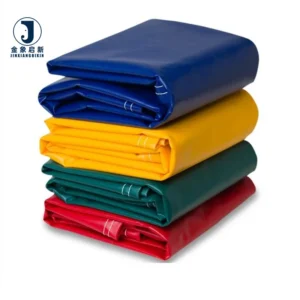
Cubierta de lona de PVC impermeable de alta resistencia para carpa de camión, almacenamiento al aire libre y uso industrial
¥1.48 Add to cart -
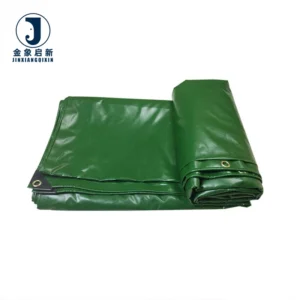
Lona verde impermeable multiusos de 500gsm para refugio de emergencia contra la lluvia. Cubierta para exteriores.
¥7.72 Select options This product has multiple variants. The options may be chosen on the product page