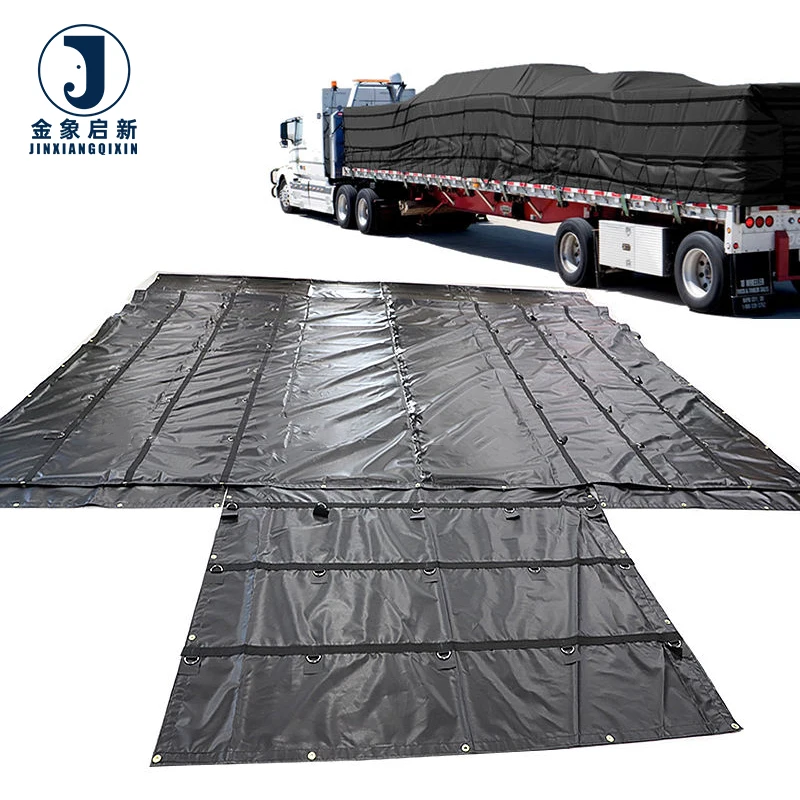
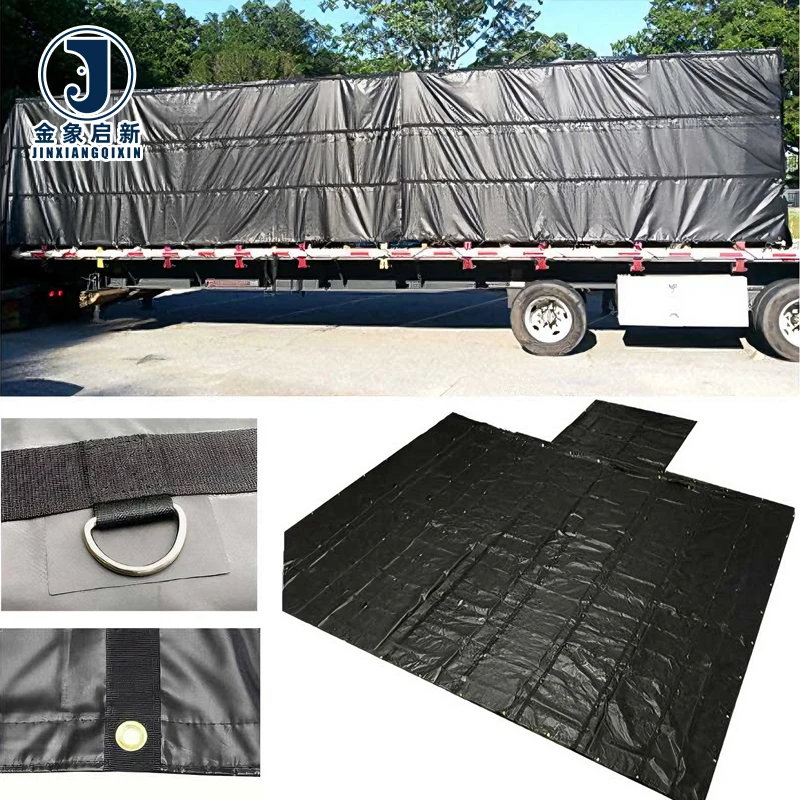
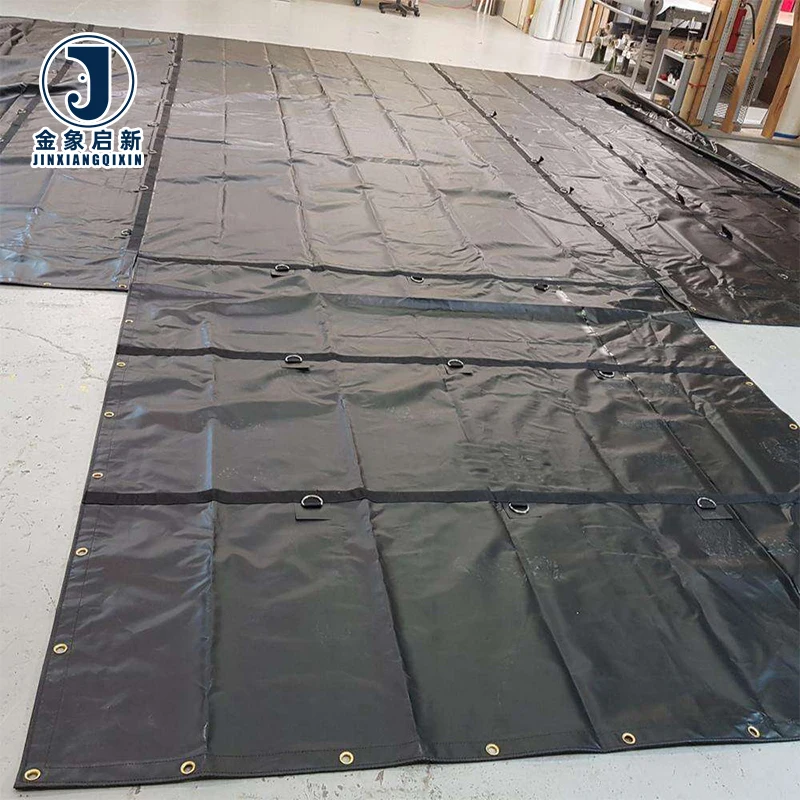
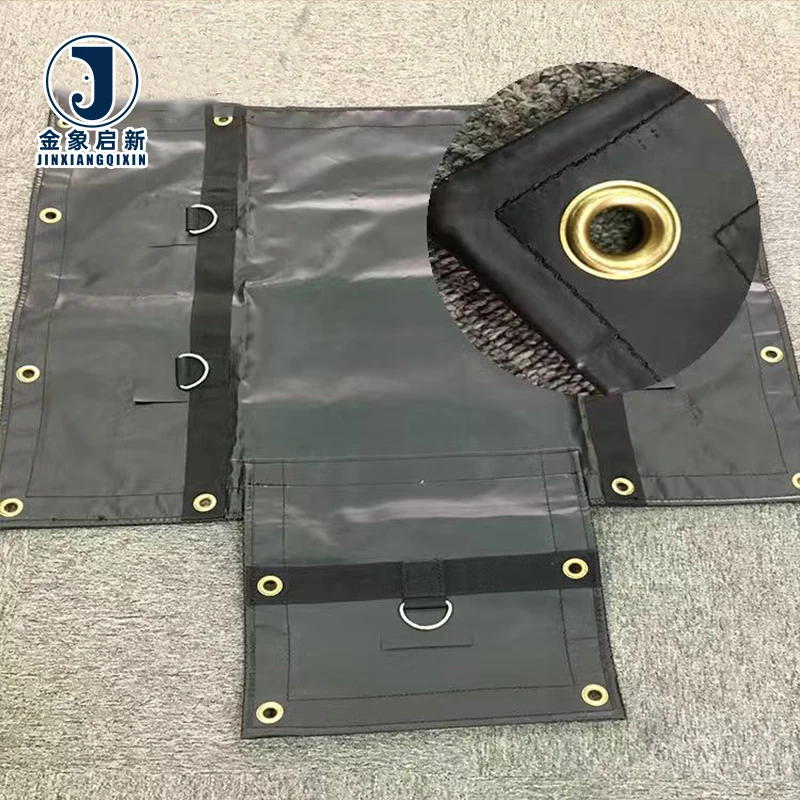
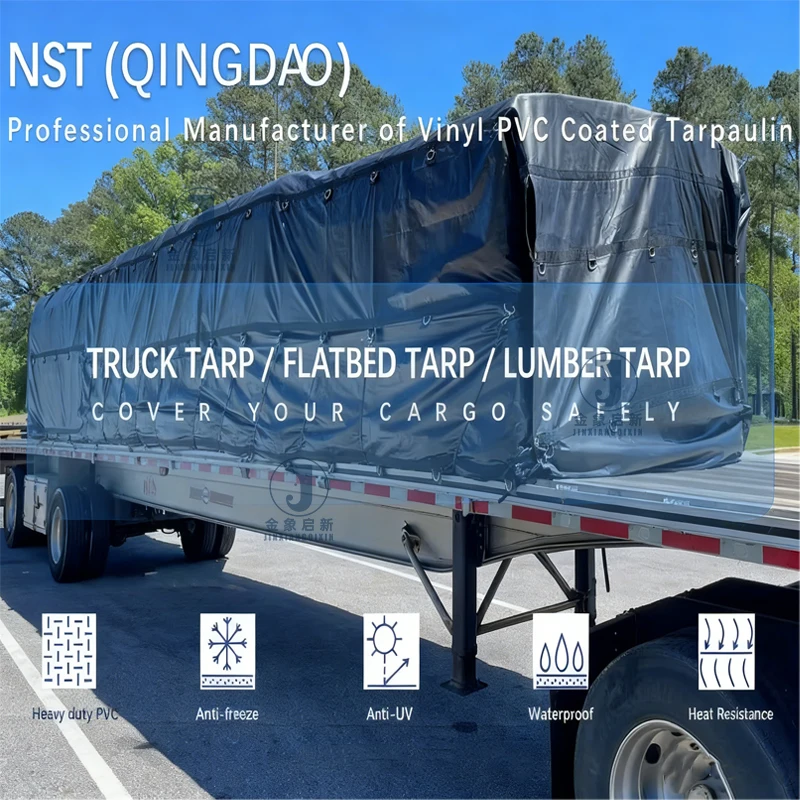
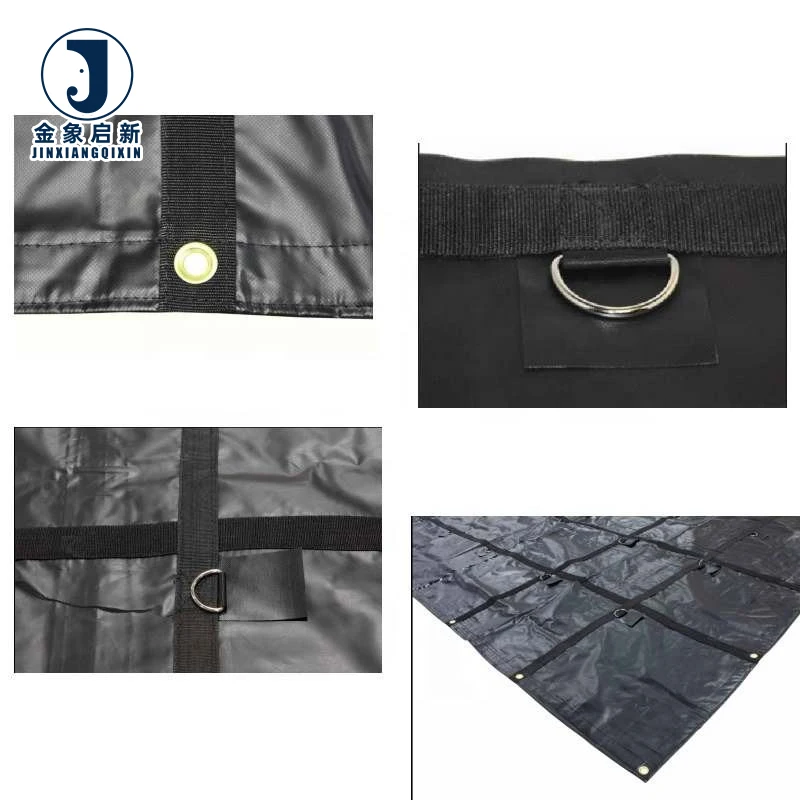
PVC Truck Cover in 12oz–18oz vinyl and RipSTOP construction, available in 8′ drop with 1PC / 2PC / 3PC panel configurations. Anti-pull reinforcement at eyelet and tie-down zones handles highway flex stress, while welded seams maintain integrity under load movement. Multiple weight grades cover light-duty to heavy lumber transport, sized to match specific flatbed trailer models rather than generic cuts.
- 100% pre-shipment inspection on every roll and finished cover before dispatch
- Dedicated QA checkpoints at coating, welding and eyelet stages
- Samples developed within days for custom trailer fitment validation
Description
Process Control Over Coated Fabric — three full production lines and 36 sets of equipment dedicated to producing PVC truck cover tarpaulins, with QA inspection at every coating and fabrication stage before dispatch.
Technical Specifications
| Parameter | Value |
|---|---|
| Product Type | PVC Truck Cover |
| Material | Vinyl / RipSTOP |
| Weight Options | 12oz, 14oz, 15oz, 18oz |
| Drop Length | 8′ |
| Panel Configuration | 1PC / 2PC / 3PC |
| Waterproof Rating | Waterproof |
| Key Features | Abrasion-Resistant, Anti-Mildew, Anti-Pull |
| Customization | Density, Size, Truck Model Fitment |
Application Suitability
| Application | Exposure & Requirement |
|---|---|
| Flatbed semi-trailer freight | Highway wind loading, road debris abrasion, rain and snow ingress at flex points |
| Lumber and building material transport | Splinter and sharp-edge contact, heavy load settlement stressing seams and hems |
| Mixed-fleet standardisation | Consistent fitment across trailer models, uniform specification for procurement and replacement |
Why a Generic-Size PVC Truck Cover Manufacturer Cannot Solve Fleet Fitment Problems
A cover that does not match your trailer dimensions fails at the seams and eyelets long before the fabric itself reaches end of life.
Fleet operators repeatedly order PVC truck cover tarpaulins based on a nominal size only to find the drops too short for the loaded deck height, the eyelet spacing misaligned with their tie-down rails, or the panels too rigid to fold and store between loads. [NEED_CITE: common flatbed tarp fitment failure modes in transport logistics] Generic sizing ignores the geometry of specific trailer models, the cargo profile that sits beneath the cover, and the flex zones where load movement concentrates stress on welded seams. The result is premature failure at the highest-stress points while the field fabric remains serviceable.
Material Grades Matched to Load Severity and Route Exposure
Not every load demands the heaviest fabric, and not every route exposes the cover to the same abrasion cycle. The available weight range — 12oz through 14oz, 15oz and 18oz — allows fleet operators to assign lighter vinyl to enclosed urban delivery and heavier RipSTOP to long-haul lumber runs where road debris and cargo edges work against the material surface. A PVC truck cover manufacturer that stocks across this range lets you match grade to actual exposure rather than defaulting to a single specification across every trailer.
Panel Configurations That Reflect How Drivers Handle the Cover
A single-piece cover may seal best against weather but becomes difficult for one driver to fold and store after unloading. The 2PC and 3PC options split the tarp into manageable sections that still overlap sufficiently at the ridgeline to shed water. Specifying panel configuration at the ordering stage, rather than adapting a stock sheet in the field, means the PVC truck cover arrives with factory-welded seams positioned where they do not bear the brunt of load flex.
How Weight, Coating and Fabric Construction Interact on a Flatbed
The 12oz to 18oz weight range spans two distinct constructions: vinyl-coated polyester for general freight and RipSTOP weave for loads where puncture and tear propagation are primary concerns. Heavier weight alone does not guarantee better tear resistance — the base fabric denier and weave pattern govern how a cut or nick spreads under tension. [NEED_CITE: tensile and tear test methods for coated fabrics per ISO 1421] RipSTOP incorporates reinforcement yarns at regular intervals that halt tear progression, making it suitable for lumber transport where splintered edges initiate damage. Anti-mildew treatment in the coating formulation prevents fungal growth on the underside where condensation accumulates during overnight stops, while the abrasion-resistant finish on the outer face withstands repeated contact with tie-down straps and cargo edges.
The Hidden Cost of Ordering Covers Without Model-Specific Sizing
When a PVC truck cover is cut to a generic flat size and hemmed with standard eyelet spacing, the mismatch surfaces the first time a driver secures a full load. Eyelets that do not align with the trailer’s tie-down rails force drivers to skip anchors, leaving sections of the cover loose and vulnerable to wind flutter. [NEED_CITE: wind flutter fatigue failure in heavy-duty transport tarpaulins] Flutter accelerates abrasion at every contact point and can tear the hem away from the body panel within a single season. Covers supplied with an 8′ drop that does not account for the loaded deck height leave the cargo’s lower course exposed to road spray. These are not material failures — they are specification failures that no amount of fabric quality can compensate for after the cover is already in service.
Why Source Your PVC Truck Cover From This Facility
Three full production lines allow simultaneous processing of multiple weight grades, so an order spanning 14oz side panels and 18oz ridge sections does not require sequential queuing. The 10-person R&D team reviews trailer model drawings before production begins, confirming that drop length, eyelet spacing and panel split align with the buyer’s fleet specification rather than a catalogue default. Every cover undergoes inspection before shipment, with GSM verified against the quotation to catch any deviation in coating weight. [NEED_CITE: pre-shipment inspection protocols for coated fabric products per ISO 9001] Custom sizing is developed as a physical sample for buyer approval, eliminating the risk of a production run that does not fit the intended trailer. The facility holds ISO and CE certification, supporting buyers who require documented compliance for procurement audits.
Documentation & Verification
- GSM verification per cover against the quoted weight before dispatch
- Material specification sheet stating base fabric type, coating and weight grade
- Pre-shipment inspection record with dimensional check against trailer drawings
- ISO and CE certificates included in the dispatch documentation package
- Packing list with roll or piece count, net weight and container load plan
- Certificate of origin for customs clearance in the destination market
Fabrication, Handling & Storage
- Weld temperature and dwell time adjusted to the specific 12oz–18oz grade to prevent coating burn-through at seams
- Anti-pull reinforcement applied at eyelet rows to distribute tie-down load across the base fabric
- Folded covers stored flat or on wide-radius rolls to avoid permanent crease marks in the vinyl coating
- Anti-mildew treated surfaces cleaned with mild detergent only — solvent-based cleaners degrade the treatment layer
- Field repairs on RipSTOP panels performed with compatible vinyl adhesive patches matching the base coating chemistry
What to Include in Your Enquiry
Provide the trailer make, model and deck dimensions so the cover can be patterned to fit rather than adapted from a stock size. Specify which weight grade suits your typical cargo and route exposure, and whether you require 1PC, 2PC or 3PC configuration for driver handling. If your fleet operates across regions with specific compliance or performance requirements, state those in the enquiry so the PVC truck cover manufacturer can confirm whether the available grades meet them or recommend the appropriate specification before production begins.
Frequently Asked Questions
Q: How do I confirm the right tarp size for my specific trailer model?
A: Send the trailer manufacturer’s deck length, width and loaded deck height drawings. The R&D team cross-references these against the drop length and panel split options, then produces a dimensioned layout for your approval before the PVC truck cover enters production.
Q: What is the difference between vinyl and RipSTOP for truck covers?
A: Vinyl-coated polyester provides a smooth, waterproof surface suited to general freight. RipSTOP adds reinforcement yarns at intervals within the weave that arrest tear propagation, making it preferable for lumber and building materials where sharp cargo edges are common.
Q: Can I get custom eyelet spacing to match my tie-down system?
A: Yes. Eyelet spacing is set during pattern cutting based on your trailer’s tie-down rail layout. Anti-pull reinforcement is applied at each eyelet row to handle the concentrated load during highway transit and wind gusts.
Q: Do you provide test reports for abrasion resistance claims?
A: Material specification sheets state the treatment applied. For independent abrasion or UV test reports, confirm the standard required by your market at the enquiry stage so the appropriate testing can be arranged before shipment.
Q: What is the lead time for custom-sized truck covers?
A: Lead time depends on order volume and the number of distinct trailer models in the batch. Custom samples are developed within days for fitment approval. Production scheduling is confirmed at the quotation stage once panel configuration and weight grade are finalised.
Related products
-
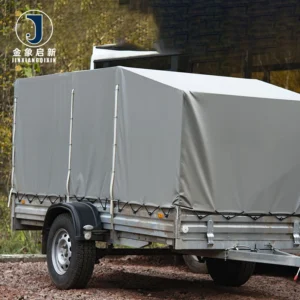
PVC Coated Truck Tarpaulin Cover for Truck – Custom Made
Read more -
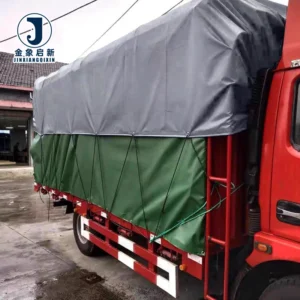
PVC Truck Cover Tarpaulin for Trailers – Custom Made
Read more -
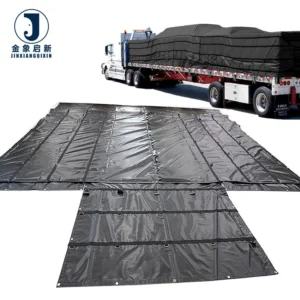
Custom PVC Truck Cover for Flatbed Semi – Manufacturer
Read more -
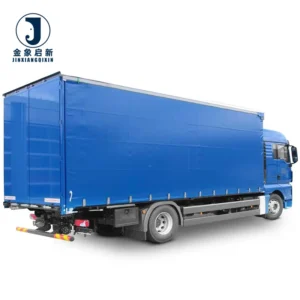
Cubierta de camión de PVC impermeable de alta calidad al por mayor, cortina lateral de camión para el remolque
¥1.25 Select options This product has multiple variants. The options may be chosen on the product page