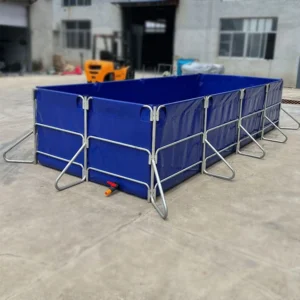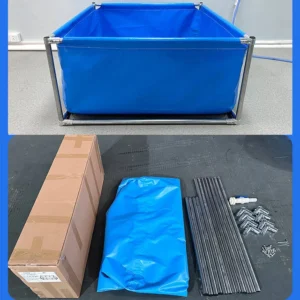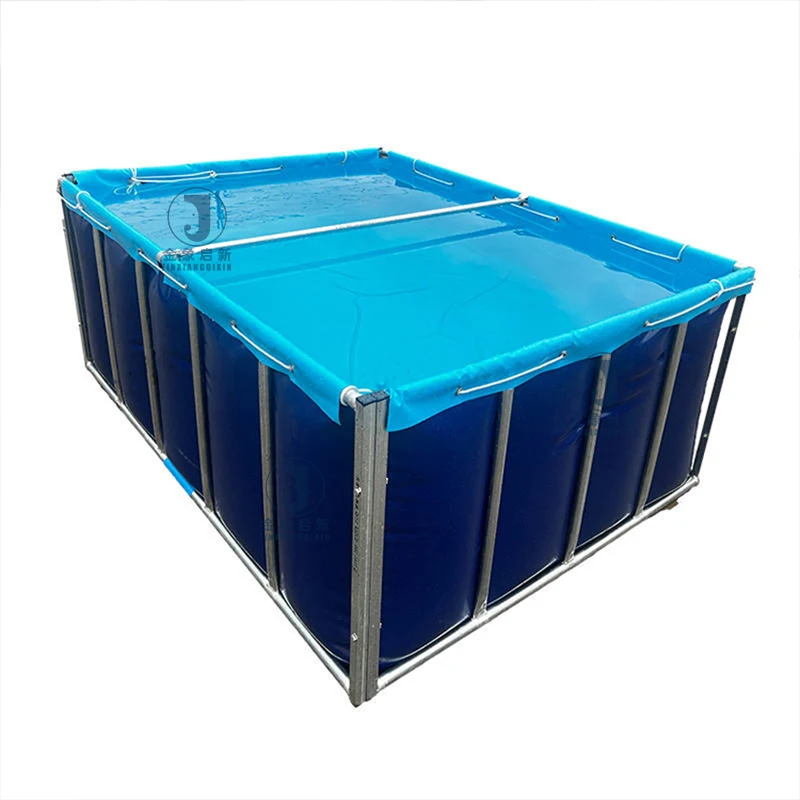
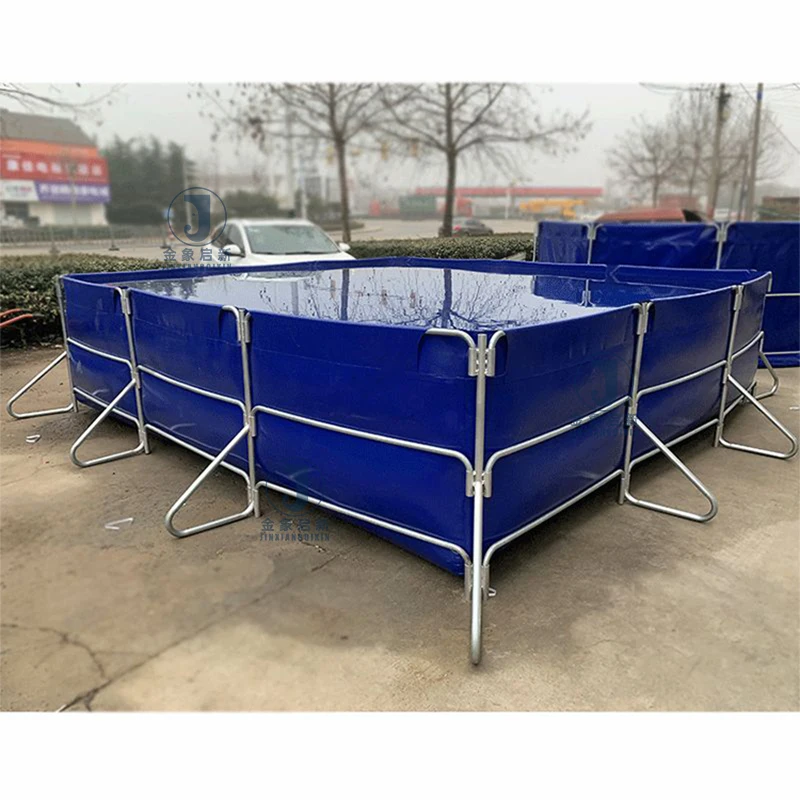
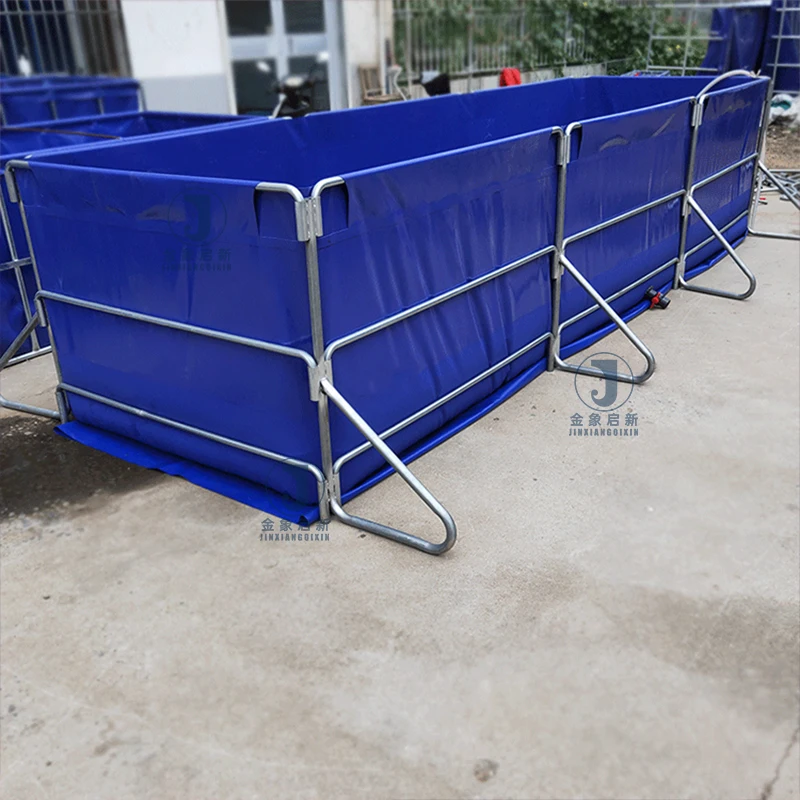
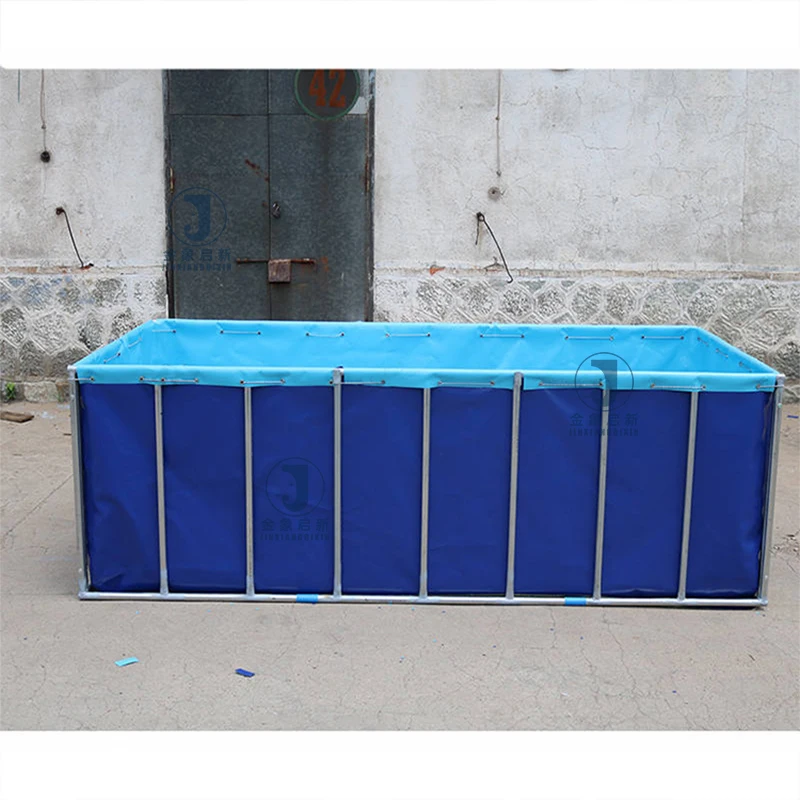
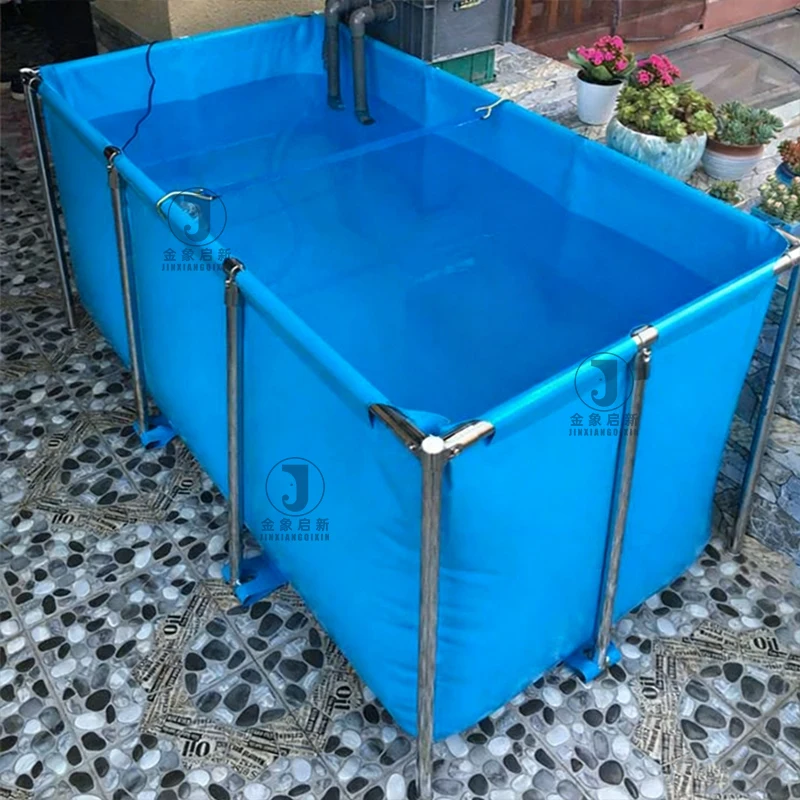
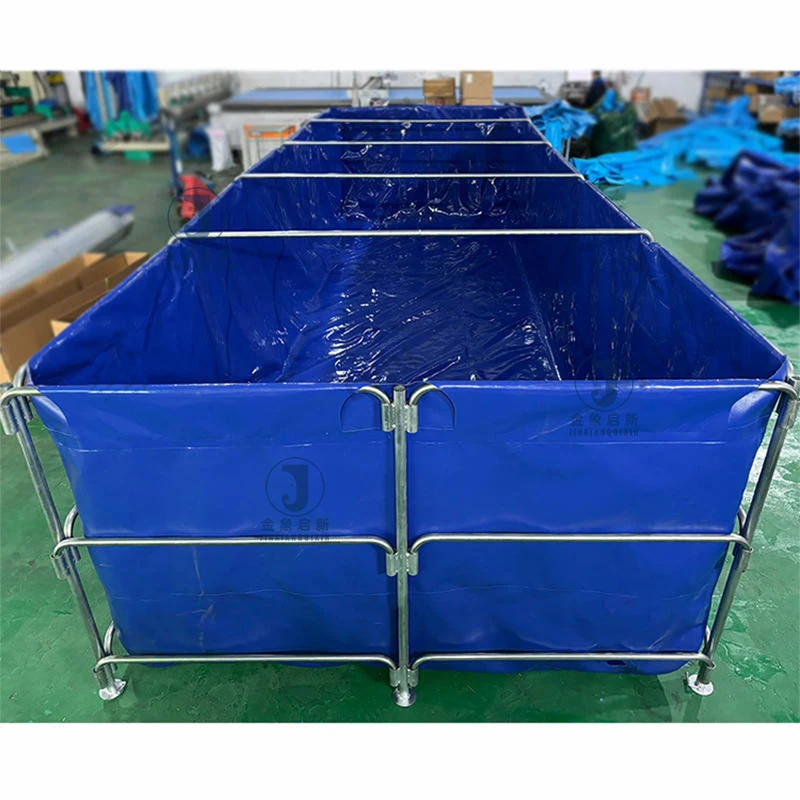
PVC Coated Tarpaulin for Fish Pond — 350gsm to 750gsm weight range, high-strength polyester mesh base, hot-melt coating technology for superior weld integrity. Laminated construction ensures consistent coating adhesion and cold crack resistance across varying temperatures.
- Available in 2m×75m and 2.1m×50m rolls with custom cut sizes
- Anti-mildew and anti-static treatment for aquaculture environments
- Color fastness maintained across batch production runs
Three full production lines with 36 professional equipment sets deliver bulk capacity with reliable on-time shipment. Every roll undergoes 100% pre-shipment inspection with documented quality records.
Description
Precision coating weight control — every roll of PVC coated tarpaulin leaves our facility with a verified GSM reading matched to the quotation, ensuring the material you specify is the material you receive.
Technical Specifications
| Parameter | Value |
|---|---|
| Product Type | PVC Coated Tarpaulin |
| Base Material | PVC + High-strength polyester mesh fabric |
| Coating Method | Laminated technology & Hot-melt Coating technology |
| Weight Options | 350gsm / 420gsm / 500gsm / 550gsm / 600gsm / 750gsm |
| Thickness Options | 0.32mm / 0.35mm / 0.4mm / 0.45mm / 0.5mm / 0.65mm |
| Roll Size | 2m × 75m / 2.1m × 50m |
| Color Options | Blue / Red / Yellow / Light blue / Grey (Customized) |
| Flame Retardant | Available in flame retardant grades — confirm the grade required for your market |
| UV Treatment | Anti-UV treated — test basis available on request |
| Anti-Static | Anti-static treated — surface resistance available on request |
| Anti-Mildew | Yes |
| Cold Crack Resistance | Yes |
| Waterproof | Yes |
| Key Features | Waterproof, sunproof, anti-mildew, cold crack resistant, color fastness maintained across production runs |
Application Suitability
| Application | Exposure & Requirement |
|---|---|
| Fish pond liner | Permanent water immersion, soil chemistry contact, puncture risk from substrate |
| Above ground pool wall | Hydrostatic pressure, UV exposure, flexing from water movement |
| Tent and awning cover | Weather exposure, wind load, repeated folding and unfolding |
| Truck awning and side curtain | Road debris abrasion, constant flexing at tie-down points, UV exposure |
| Cargo ship cover | Salt spray, heavy wind loads, prolonged sun exposure on deck |
What Happens When the Roll You Receive Is Lighter Than Quoted
A GSM shortfall at the coating stage means less PVC on the fabric, which directly reduces weld strength and long-term durability at the seams.
When a PVC coated tarpaulin arrives below its stated weight, the failure rarely shows up on day one. It appears months later, typically at the welded seam where the load flexes most. The coating was too thin to form a proper thermal bond, and the fabric peels apart under tension. Buyers who have experienced this know the cost is never just the replacement roll — it is the downtime, the re-fabrication, and the credibility lost with the end user [NEED_CITE: coating weight variance and weld peel strength correlation per ISO 1421 test methodology].
Coating Weight and the Real Cost of a Thin Layer
The weight of PVC applied to the polyester mesh determines more than just the feel of the fabric. It governs how well heat transfers through the material during welding, how deeply the coating penetrates the yarn intersections, and how much physical abrasion the surface can absorb before the base fabric is exposed. Selecting a PVC coated tarpaulin manufacturer that controls coating weight at every production stage — not just at the sample stage — is the difference between a liner that holds for seasons and one that develops pinholes within months.
Why the Base Fabric Matters as Much as the Coating
The high-strength polyester mesh underneath the PVC layer carries the tensile and tear loads. A heavier coating on a loosely woven base will still tear under stress. The interplay between denier, weave density, and coating adhesion is what gives this PVC coated tarpaulin its structural integrity. Hot-melt coating technology forces the PVC into the mesh openings under heat and pressure, creating a mechanical lock that laminated methods achieve through adhesive bonding — each approach has trade-offs in peel strength and flexibility that affect how the material behaves during fabrication [NEED_CITE: laminated versus hot-melt coating adhesion performance per DIN 53354 peel test].
Reading the Specs: What Weight, Thickness, and Coating Method Actually Mean Together
GSM alone does not define performance. A 500gsm fabric with a tight weave and thin coating behaves very differently from a 500gsm fabric with an open weave and thick coating. The former will have higher tensile strength from yarn density; the latter will offer better puncture resistance from coating mass. Thickness readings (0.32mm to 0.65mm available across this range) reflect the combined profile of mesh and coating — a thicker reading at the same GSM usually indicates a heavier, more open base fabric rather than more PVC. Laminated technology produces a cleaner surface suited to printing and visual applications, while hot-melt coating delivers deeper yarn penetration for applications demanding stronger weld lines and higher peel resistance. Anti-mildew treatment protects the fabric in permanently wet environments like fish ponds, and cold crack resistance ensures the PVC layer remains flexible in low-temperature conditions without becoming brittle.
The Hidden Cost of Specifying on Price Per Kilogram Alone
When buyers compare PVC coated tarpaulin suppliers purely on cost per kilogram, they often receive material where the base fabric has been downgraded — fewer yarns per centimeter, lower denier — while the GSM is maintained by adding filler to the coating. The roll feels the same weight, but the tear strength drops significantly. Once fabricated into a pond liner or pool wall, the material tears from a small puncture and the damage propagates across the panel. The cost of replacing an installed liner, draining the pond, and losing stock far exceeds the saving on the original roll [NEED_CITE: yarn denier reduction impact on tear propagation in coated fabrics].
Why Fabricators Choose This Source for Coated Fabric
Nearly thirty years of continuous production in coated fabric has built a process where coating weight is monitored at the headbox, not just checked at the end of the line. Three full production lines and 36 sets of professional equipment allow custom widths and colors to run without the extended lead times that single-line operations require. The 10-person R&D team develops samples for specific color matches and custom dimensions within days, not weeks, so fabricators can confirm the material before committing a full container order. Every roll undergoes inspection before dispatch, with weight verified against the quoted GSM and color checked against the approved reference to prevent batch variation from reaching the site.
Documentation & Verification
- Material specification sheet confirming GSM, base fabric denier, and coating type per roll
- Color reference card matched to the approved sample for visual batch consistency check
- Pre-shipment inspection record with measured weight readings from random roll samples
- UV and flame retardant test reports provided where applicable treatments are specified
- ISO and CE certificates included with customs documentation for international shipment
- Roll packing list detailing net weight, dimensions, and roll count per container
Fabrication, Handling & Storage
- Hot air welding at temperatures matched to the coating method — laminated and hot-melt grades respond differently to heat input
- Reinforce eyelet zones with additional PVC patches; the coated mesh carries load but concentrates stress at puncture points
- Store rolls upright on a flat surface; laying heavy-grade 750gsm rolls flat can cause permanent crease marks in the coating
- Allow cold-stored rolls to reach ambient temperature before unrolling to avoid cracking the PVC surface layer
- Cut panels with a 30–50mm weld allowance beyond the finished dimension to ensure full seam overlap on pond and pool liners
- Clean with mild detergent only; solvent-based cleaners can degrade the anti-mildew and anti-static surface treatments
Before You Request a Quote: What We Need to Know
Provide the end-use application and the environmental conditions the fabric will face — permanent water immersion, UV exposure level, and any fire safety compliance required at the installation site. Specify whether you need rolls at standard widths or custom dimensions, and indicate the target GSM and color with a Pantone or RAL reference if color matching is critical. Confirm whether you require finished cut panels with welded hems or raw roll stock for your own fabrication line.
Frequently Asked Questions
Q: How do you confirm the GSM on the quotation matches the roll that arrives?
A: Every production run includes in-process weight checks at the coating head and a final pre-shipment inspection where random rolls are sampled and weighed. The measured GSM readings are recorded on the inspection report included with your shipment documentation, so you can verify the material before it leaves our facility.
Q: What customization options exist for width, length, and color?
A: Rolls are available in standard widths of 2m and 2.1m, with custom widths possible through our R&D team. Colors include blue, red, yellow, light blue, and grey as stock options, with Pantone or RAL matching available for custom orders. Sample swatches are developed within days for approval before full production begins.
Q: How do you maintain color consistency across multiple rolls in one order?
A: All rolls within a single order are produced from the same coating batch using a single color formulation. A reference swatch is approved before production, and each roll is visually compared against it during the pre-shipment inspection. Rolls that fall outside the accepted color tolerance are pulled before packing.
Q: What documentation ships with the order for customs and compliance?
A: Each shipment includes a material specification sheet, ISO and CE certificates, a certificate of origin, a detailed roll packing list, and a pre-shipment inspection record. Test reports for UV and flame retardant treatments are provided where those options have been specified in your order.
Q: Can samples be produced for custom specifications before full order?
A: Yes. Our R&D team develops samples for custom width, color, GSM, and treatment combinations. Samples are typically ready within days, allowing you to test weld parameters, check color accuracy, and confirm material handling before committing to bulk production.
Related products
-
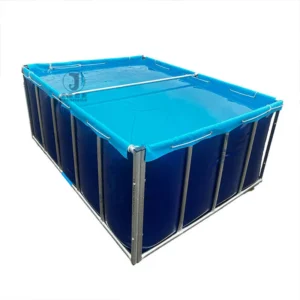
PVC Coated Tarpaulin for Fish Pond – Custom Made
Read more -
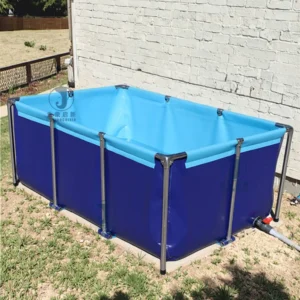
PVC Tarpaulin Roll for Fish Pond Lining & Aquaculture Tanks-Anti-Bacteria Abrasion-Resistant Medium Weight
¥0.53 Add to cart -
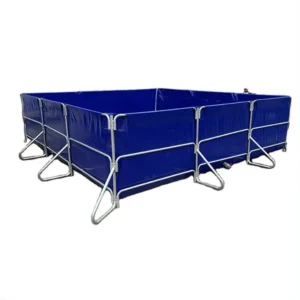
Custom Made PVC Fish Pond Tarpaulin for Circular & Rectangular Tanks
Read more -
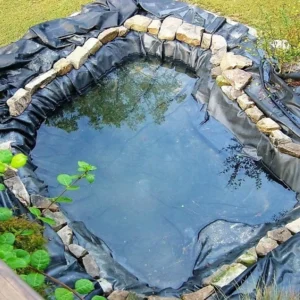
Lona de camión impermeable de alta resistencia recubierta para estanque de peces, cubierta de lona, tienda, liner para piscina, anti UV
¥1.00 Select options This product has multiple variants. The options may be chosen on the product page