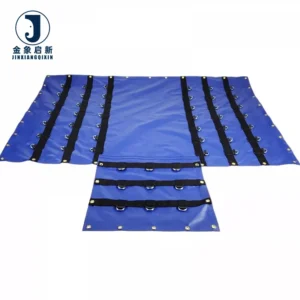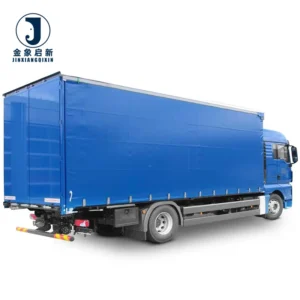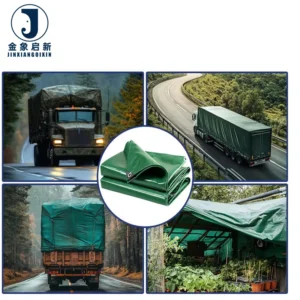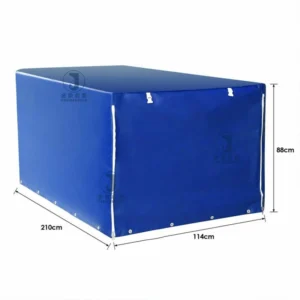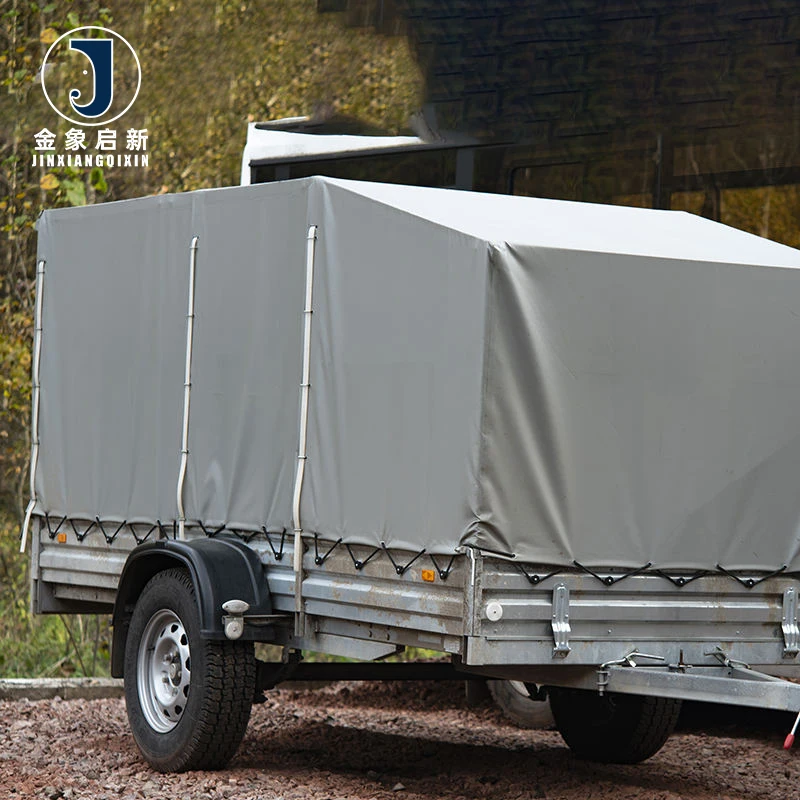
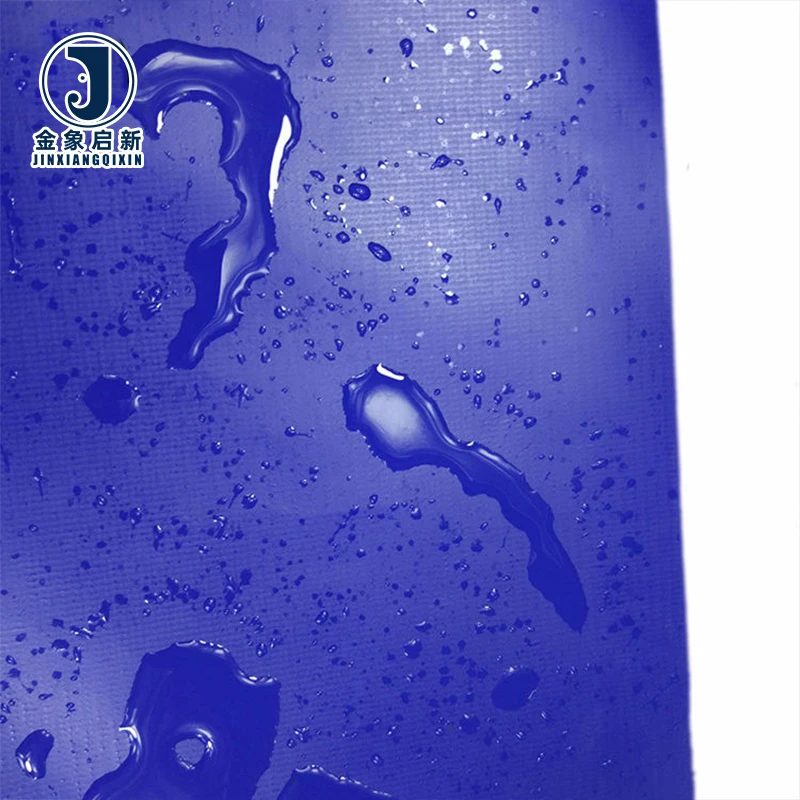
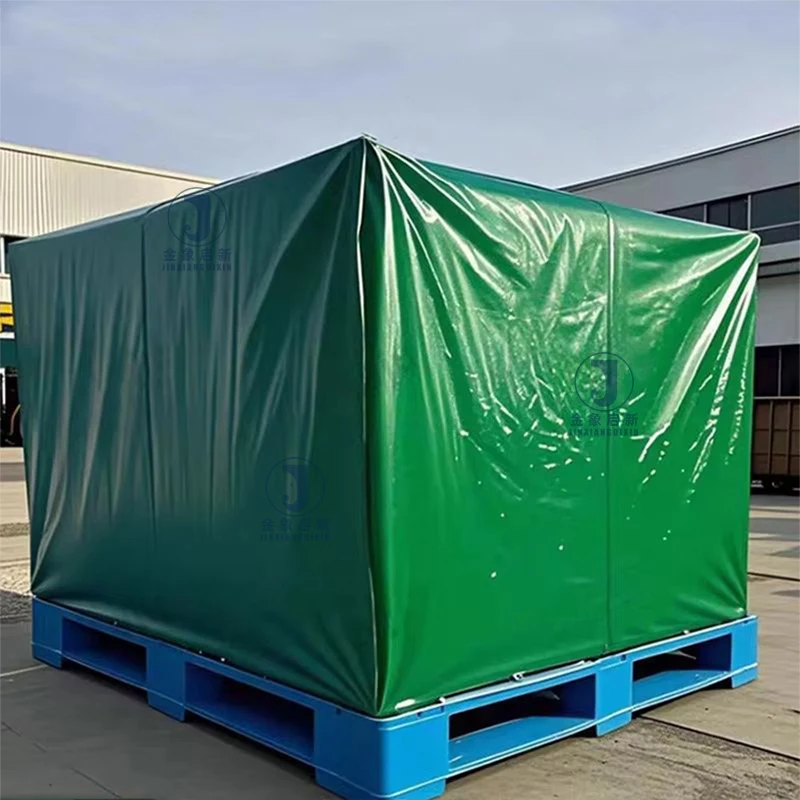
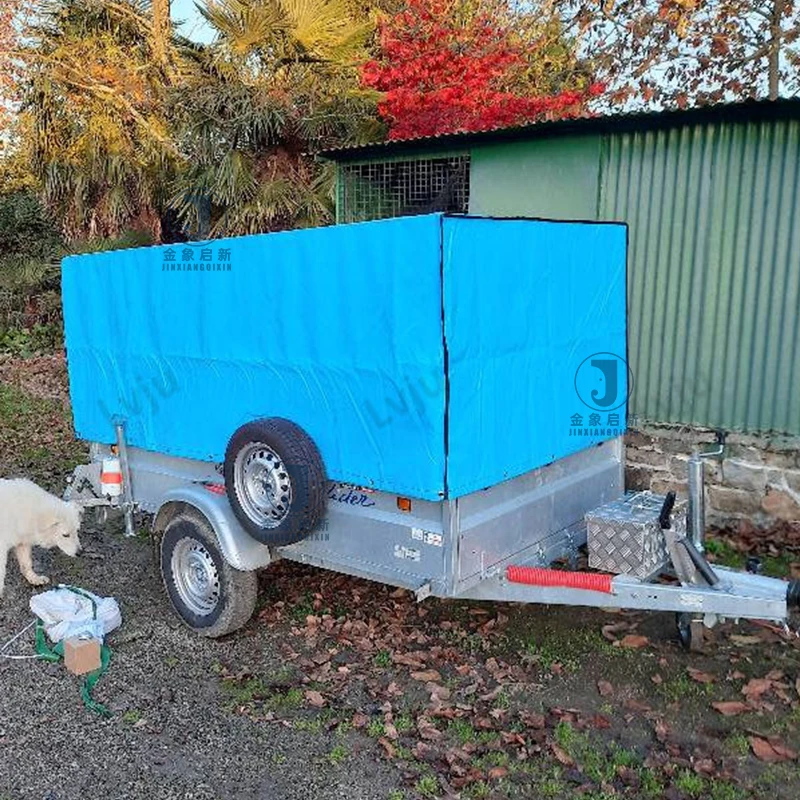
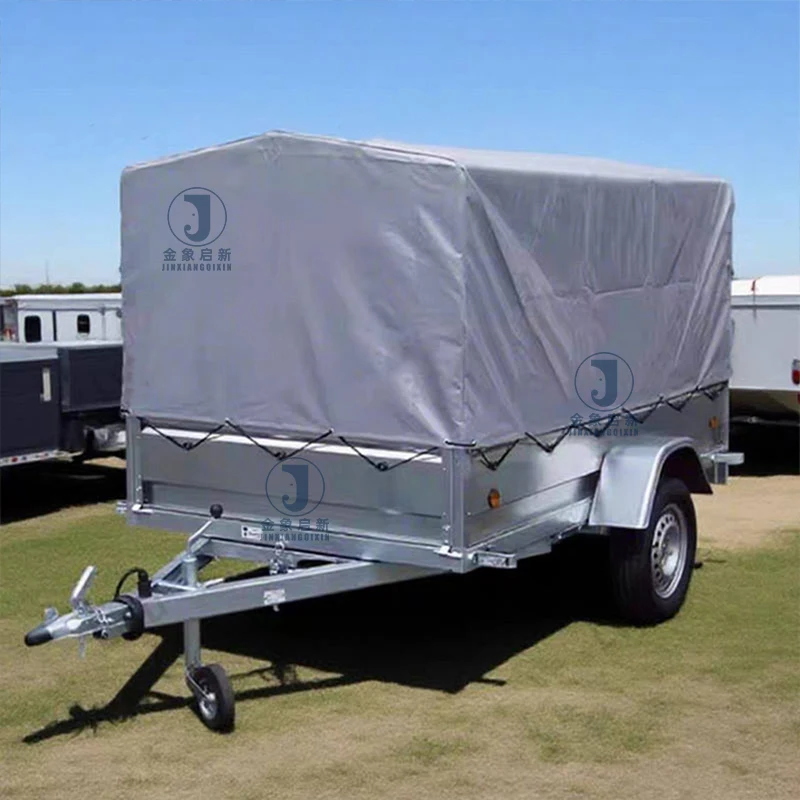
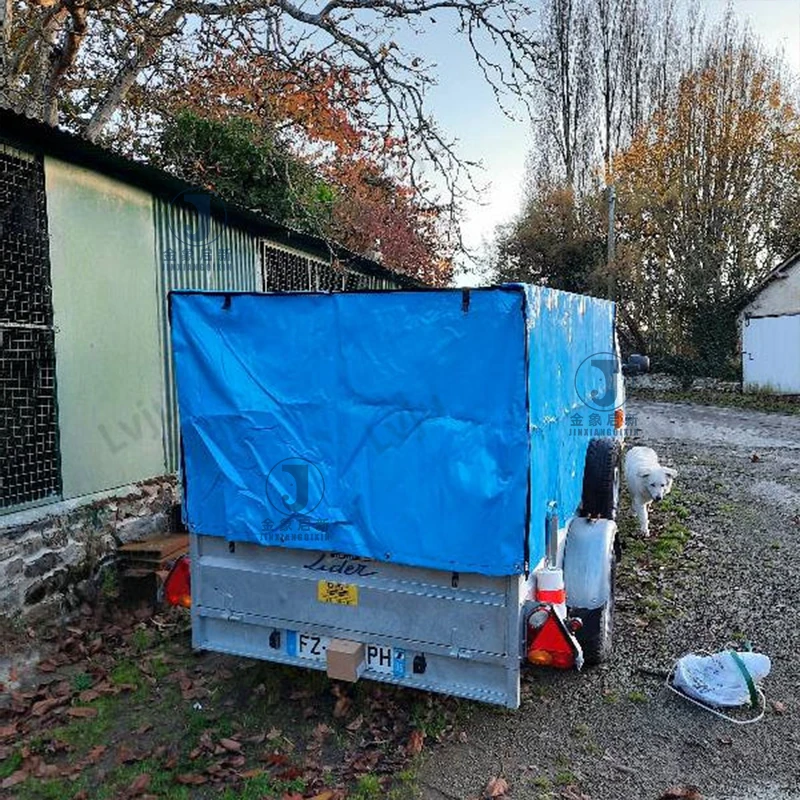
PVC Coated Tarpaulin Truck Cover, 350–750 GSM, High-Strength Polyester Mesh Base — hot-melt coated for consistent adhesion and weld strength at load flex points.
- Full roll-to-finished-cover capability: cut-to-model sizing, reinforced hems, eyelet placement and pattern printing under one roof
- Treatment options include flame retardant, anti-static, anti-mildew and anti-cold, each verified by test report before shipment
- GSM and coating weight confirmed against quotation with 100% pre-shipment inspection record included in documentation package
Description
Deep process control over coating weight and adhesion — every roll is produced under dedicated QA/QC with 100% pre-shipment inspection and a material specification sheet stating exact GSM, base fabric and coating weight.
Technical Specifications
| Parameter | Value |
|---|---|
| Product Type | PVC Coated Tarpaulin |
| Material | PVC + High-strength polyester mesh fabric |
| Coating Method | Laminated technology & Hot-melt coating technology |
| Weight (GSM) | 350gsm, 420gsm, 500gsm, 550gsm, 600gsm, 750gsm (multiple grades — confirm the grade for this item) |
| Total Thickness | 0.32mm, 0.35mm, 0.4mm, 0.45mm, 0.5mm, 0.65mm |
| Roll Width | 2m, 2.1m |
| Roll Length | 75m (for 2m width), 50m (for 2.1m width) |
| Finish Product Size | Custom items as per customer’s needs or sold by inventory |
| Color | Blue / Red / Yellow / Light blue / Grey (Customized) |
| Waterproof | Stated |
| Sunproof | Stated (test basis not stated — verify UV standard required) |
| Cold Crack Resistance | Stated (test basis not stated) |
| Anti-Mildew | Stated (test basis not stated) |
| Anti-Static | Stated (surface resistance or standard not stated) |
| Flame Retardant | Available as special treatment (grade not stated — confirm the grade required for your market) |
| Color Fastness | Stated as best color fastness (test standard not stated) |
| Key Features | High tenacity polyester yarns, good flexibility and adhesion strength, outstanding tearing strength for welding |
| Standards | ISO, CE |
Application Suitability
| Application | Exposure & Requirement |
|---|---|
| Truck and trailer tarpaulin covers | Constant flexing at load points, road abrasion, wind lift, rain and UV exposure during transit |
| Construction site enclosure and scaffolding wraps | Prolonged outdoor weathering, mechanical contact with scaffolding poles, dust and debris impact |
| Equipment and industrial machinery covers | Standing water, dust ingress, chemical splash from nearby processes, repeated covering and uncovering |
| Tent and awning fabric supplied to fabricators | Tension loading on frames, UV and rain exposure, requirement for clean heat-welded seams |
| Agricultural and aquaculture covers | Continuous moisture contact, biological growth pressure, seasonal temperature swings |
Why Stated GSM Does Not Guarantee Fabric Integrity on Arrival
The number on the quotation means nothing unless verified roll-by-roll before the container is sealed.
A PVC coated tarpaulin custom manufacturer may quote 650 GSM on paper, but the material that arrives on the dock can feel noticeably lighter once unrolled and handled. This gap between quoted weight and actual delivered weight is one of the most common reasons fleet operators and fabricators reject shipments or experience premature cover failure [NEED_CITE: pre-shipment weight verification practices for coated fabrics]. When GSM is controlled only at the batching stage and not re-checked after coating, curing and rolling, the final product can drift outside the tolerance band — and that drift shows up first at the seams, where the fabric is asked to carry the highest load.
What the Coating Method Decides for Your Truck Cover
Laminated and hot-melt coating technologies each produce a different relationship between the PVC film and the polyester mesh base. Hot-melt coating forces the PVC into the weave under heat and pressure, creating a mechanical bond that resists delamination when the cover flexes repeatedly over a load. Laminated technology bonds pre-formed PVC films to the fabric surfaces, which can offer a smoother finish and more uniform surface appearance. For a PVC coated tarpaulin custom manufacturer choosing between the two, the decision often comes down to whether the priority is weld strength at flex points or surface consistency for printed branding.
Matching Thickness and Weight to the Load Profile
Selecting the right grade means matching the total thickness and GSM to the mechanical demands of the application. A lighter grade in the range works for short-term construction covers or temporary equipment wrapping, where the fabric is installed and removed within a single project cycle. Heavier grades with greater thickness handle continuous tension on side curtains and long-haul truck tarps, where the material must resist wind flap fatigue and road debris impact over extended service [NEED_CITE: tensile and tear test methods for coated fabrics per ISO 1421]. The specification sheet provided with each order states the exact GSM and coating type so the material can be traced back to its production run.
Reading the Specification Sheet Like a Technical Buyer
Weight and thickness together determine how the fabric behaves under load, but neither number works in isolation. A higher GSM achieved through heavy coating rather than a dense base fabric will feel stiff and may crack along fold lines in cold weather, while a lighter coating over a tightly woven high-tenacity mesh can deliver strong tensile and tear values at a lower total weight. The coating method — laminated or hot-melt — influences peel strength, which directly affects how well heat-welded seams hold when the cover is under tension. Surface finish also plays a role: a smoother surface cleans more easily and accepts pattern printing more sharply, while a matte finish reduces glare and can hide minor scuff marks accumulated during handling and transport.
The Hidden Cost of Specifying on Price Alone
When a procurement decision is driven primarily by the lowest quoted GSM price, the savings tend to disappear once the covers are in service. Material that arrives lighter than specified fails first at the welded seams, because the coating layer is too thin to form a reliable bond under the heat and pressure of fabrication. Flame retardant treatments claimed without a supporting test report can cause a shipment to be rejected at the destination port or fail a site safety audit, leaving the buyer to source replacement material under deadline pressure [NEED_CITE: DIN 4102 fire classification for building materials]. Batch-to-batch colour variation across rolls in the same order becomes visible only after installation, when two panels hang side by side on a trailer or scaffold — and by then, the cost of re-cutting and re-welding far exceeds any initial price advantage.
Why Buyers Source This PVC Coated Tarpaulin Here
Three full production lines and 36 sets of professional equipment support bulk capacity with reliable on-time delivery, even when orders involve multiple GSM grades and custom widths in the same container. A 10-person R&D team handles material selection, pattern printing requirements, custom sizing and sample development, so buyers can validate fabric behaviour before committing to a full production run. Dedicated QA/QC at every production stage means coating weight, colour consistency and seam integrity are checked in-process rather than only at final packing. Samples are developed within days for custom requirements, giving technical buyers a physical reference to test on their own welding equipment. Every shipment includes a material specification sheet and pre-shipment inspection record, so the documentation trail matches what was quoted.
Documentation & Verification
- Material specification sheet stating exact GSM, base fabric and coating type per roll
- Test report for UV and flame-retardant grades supplied where applicable
- 100% pre-shipment inspection record verifying weight and colour consistency
- Certificate of origin and customs documentation for international dispatch
- Roll packing list matching roll numbers to stated GSM and colour reference
Fabrication, Handling & Storage
- Heat-weld seams using temperature and dwell settings matched to the coating method — hot-melt and laminated grades respond differently
- Reinforce eyelet zones with additional PVC patches at high-tension points to distribute tie-down loads across the mesh
- Store rolls upright on a flat surface in a shaded area to prevent flat-spot deformation on the outer wrap layers
- Allow cold-stored rolls to reach ambient temperature before unrolling to avoid cracking the PVC surface
- Clean with mild detergent and soft cloth — avoid solvents that can soften the coating and reduce surface adhesion
- Plan cutting layouts around the 2m or 2.1m roll width to minimise off-cuts and reduce the number of welded joins
What to Include in Your Enquiry
To match the right grade and treatment to your application, share the end-use conditions including exposure to UV, flame-retardant or anti-static requirements in your target market, and whether you need roll stock or finished cut sizes. Specify the roll width, colour and any printing requirements so samples can be prepared for your approval before bulk production begins.
Frequently Asked Questions
Q: How is GSM verified on arrival and what documentation supports the quoted weight?
A: Every roll is checked against the quoted GSM during production and again at pre-shipment inspection. A material specification sheet ships with the order stating the exact weight, base fabric and coating type, along with an inspection record so you can verify the material matches what was agreed at the quotation stage.
Q: What flame-retardant grades are available and how do they align with market regulations?
A: Flame retardant treatment is available as a special option — the specific grade depends on your target market’s fire safety requirements. Share your local standard or regulation with the enquiry, and the applicable test report will be supplied with the quotation so you can confirm compliance before ordering.
Q: How is colour consistency controlled across multiple rolls in the same order?
A: Colour reference samples are approved before bulk production begins, and rolls within the same batch are produced under controlled coating conditions to minimise variation. Pre-shipment inspection includes a visual check across rolls, and the packing list ties each roll number to its colour reference for traceability.
Q: What custom widths, cut sizes and printing options are available?
A: Roll stock is produced in 2m and 2.1m widths, with custom finished sizes cut to your specifications including eyelet placement and reinforced hems. Pattern printing and branding are handled in-house by the R&D team, and samples are prepared for approval before bulk production to confirm print quality and colour accuracy.
Related products
-
PVC Coated Tarpaulin for Truck Cover – Custom Made
Read more -
High-Quality Tarpaulin Products for Trucks. Trailers. and More – Coated Tarpaulin. 950 Gsm Pvc Tarpaulin Roll
¥1.48 Add to cart -
PVC Truck Cover Tarpaulin for Trailers – Custom Made
Read more -
PVC Coated Truck Tarpaulin Cover for Truck – Custom Made
Read more