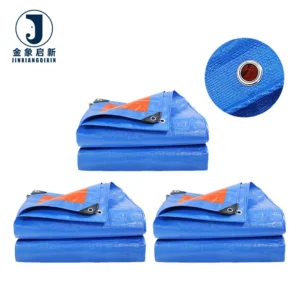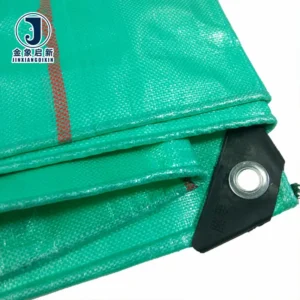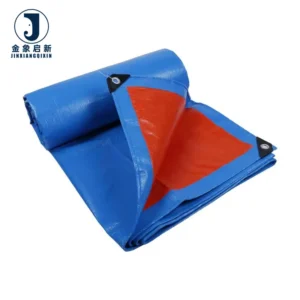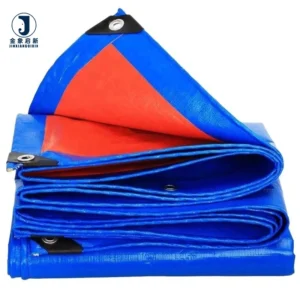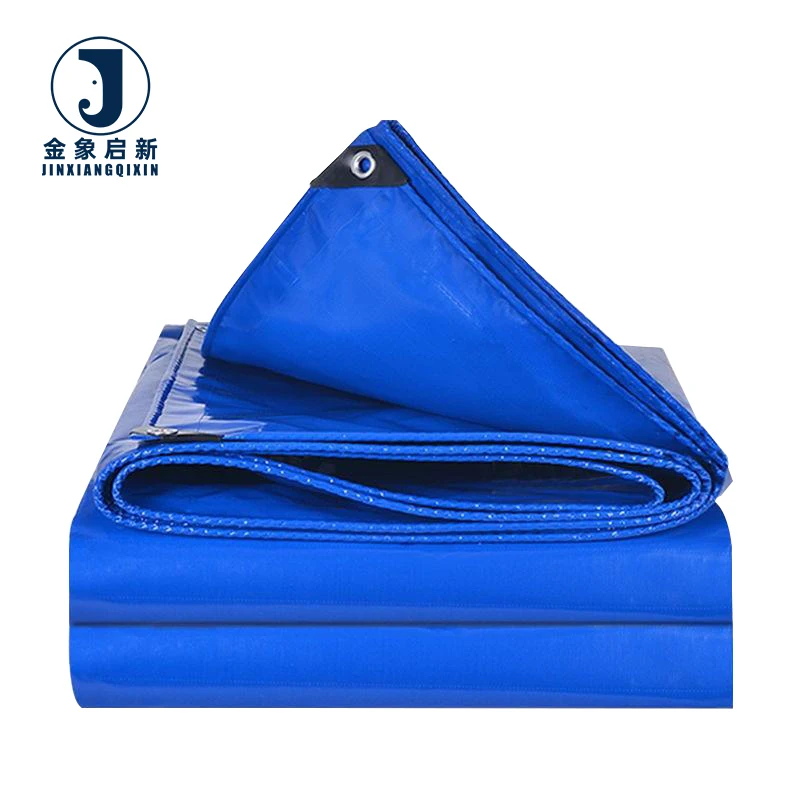
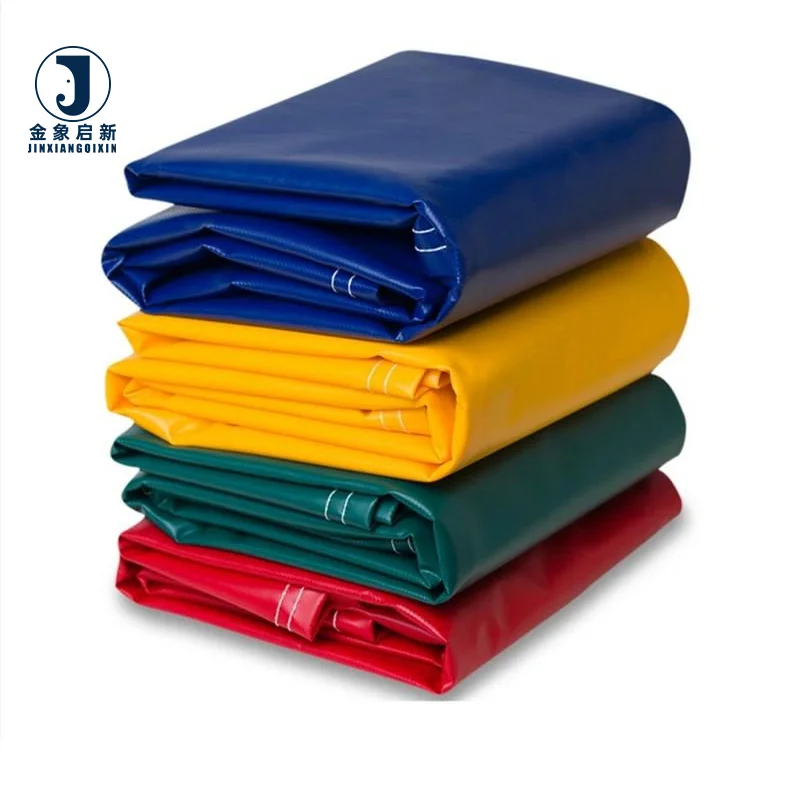
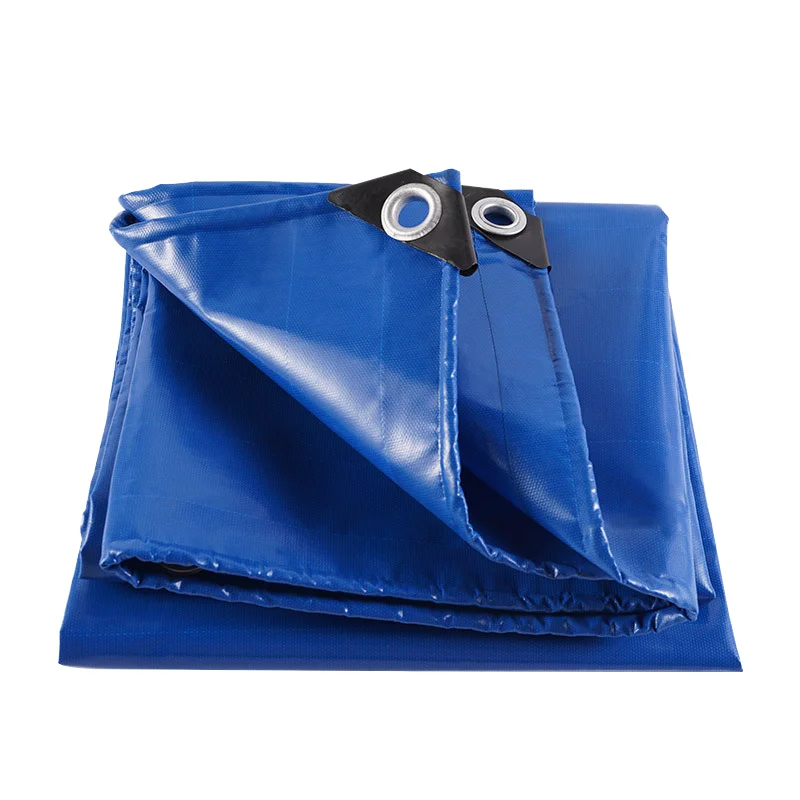
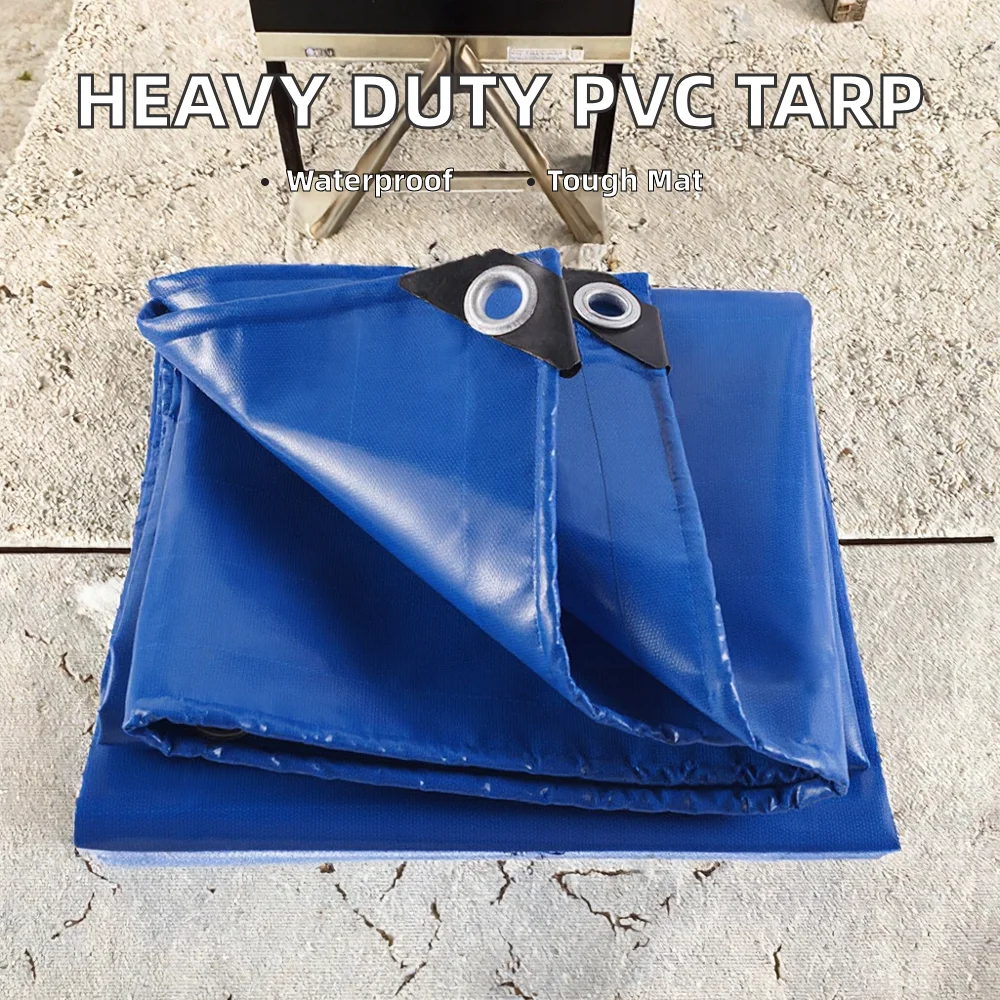
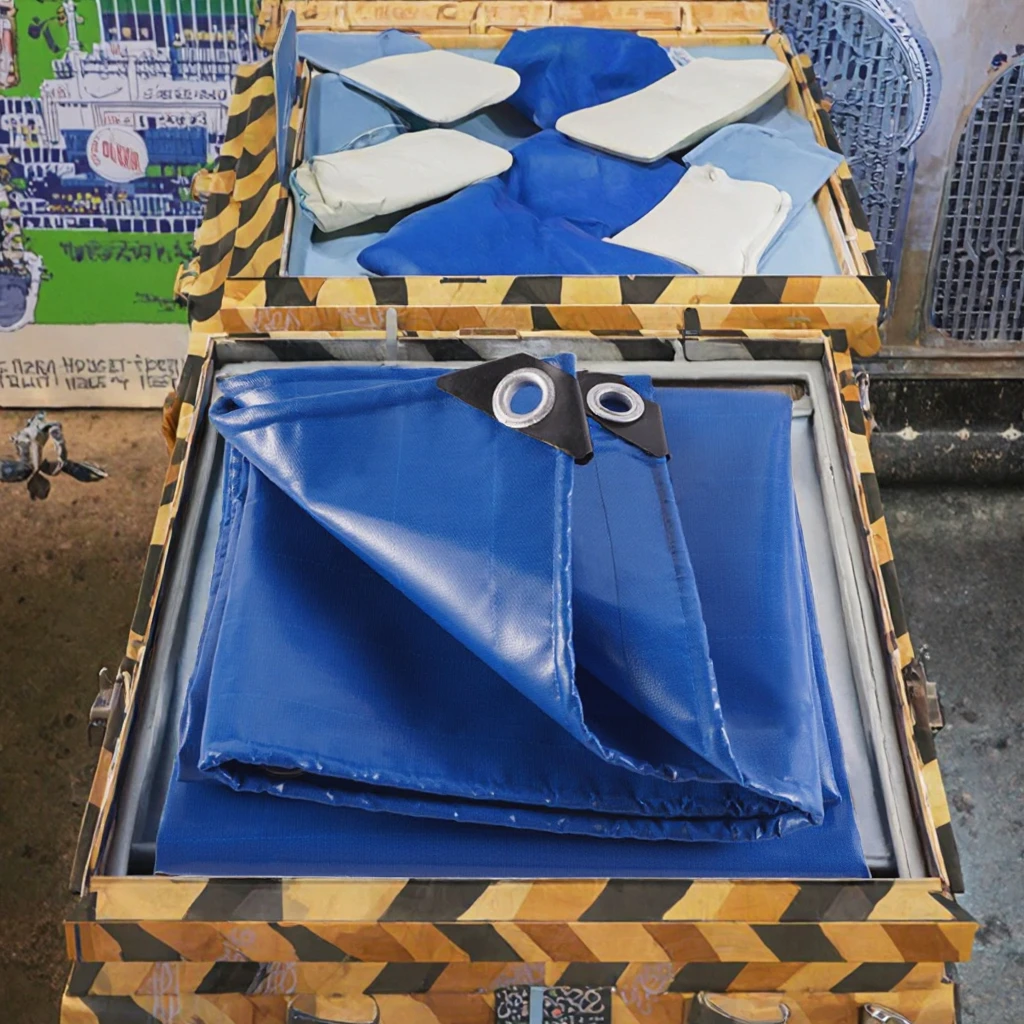
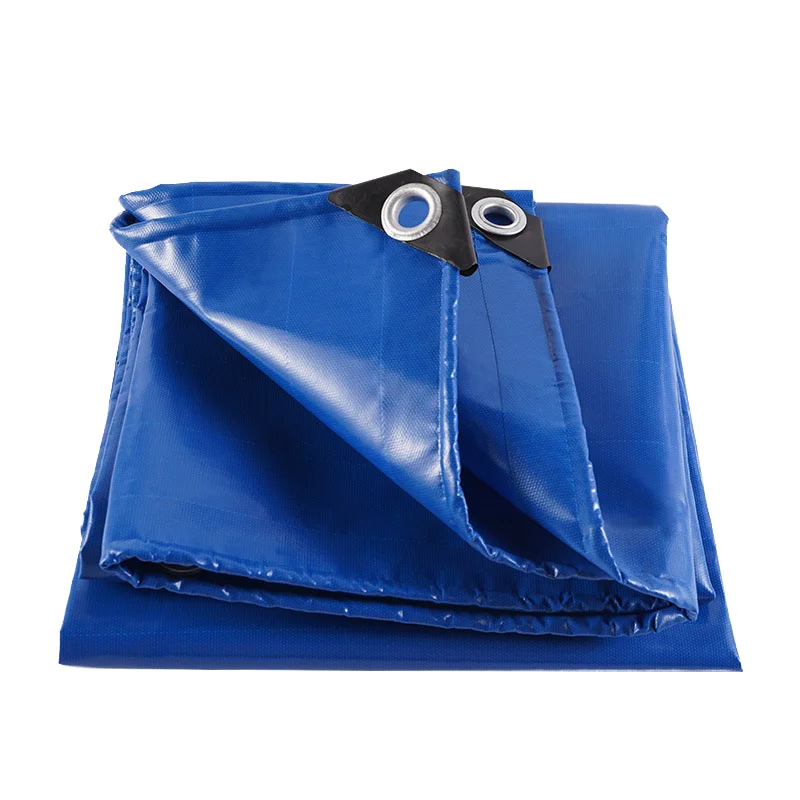
PVC Coated Tarpaulin 350–750 gsm, 0.32–0.65 mm Thickness — hot-melt coated on high-tenacity polyester mesh for truck tents, awnings and outdoor covers.
- Laminated and hot-melt coating ensures strong PVC-to-base adhesion and reliable heat-welded seams
- UV-stable, anti-mildew and cold-crack resistant treatments available across all GSM grades
- Full roll stock and custom-cut sizes with reinforced hems and eyelets
Samples developed within days — dedicated QA at every stage with 100% pre-shipment inspection and full documentation on dispatch.
Description
Coating Process Control — Every roll of PVC coated tarpaulin undergoes dedicated weight verification against the stated GSM before dispatch, ensuring coating adhesion and fabric specification match the order exactly.
Technical Specifications
| Parameter | Value |
|---|---|
| Product Type | PVC Coated Tarpaulin |
| Base Material | High-strength polyester mesh fabric |
| Coating Material | PVC |
| Coating Method | Laminated technology & Hot-melt Coating technology |
| Weight (GSM) | 350gsm / 420g / 500gsm / 550gsm / 600gsm / 750gsm |
| Total Thickness | 0.32mm / 0.35mm / 0.4mm / 0.45mm / 0.5mm / 0.65mm |
| Roll Size | 2m × 75m / 2.1m × 50m |
| Finish Product Size | Custom cut sizes or inventory roll stock |
| Color | Blue / Red / Yellow / Light Blue / Grey (Customized) |
| Waterproof | Fully waterproof coated construction |
| Cold Crack Resistance | Stated |
| Anti-Mildew | Stated |
| Anti-Static | Treatment available — confirm the standard required for your application |
| Flame Retardant | Available in flame retardant grades — confirm the grade required for your market |
| UV Treatment | UV stabilisation available — confirm test basis required for your market |
| Colorfastness | High colour fastness rating |
| Printing Option | Special printed paint for extended print life |
| Repair Method | Weldable |
| Recyclable | 100% recyclable |
| Service Life | 3-7 years under normal circumstances |
| Certifications | ISO 14001, ISO 45001, CE, RoHS |
Application Suitability
| Application | Exposure & Requirement |
|---|---|
| Truck cover and side curtain | Constant flexing at load points, road debris abrasion, weather and UV exposure, tie-down stress at hems |
| Truck awning | Repeated deployment and retraction, sun exposure, wind loading on seams |
| Cargo ship cover | Salt spray, heavy weather, prolonged water contact, deck abrasion |
| Tent cover | Wind load on welded seams, UV degradation, frequent assembly and disassembly |
| Fish tank and pool liner | Permanent water immersion, chemical exposure from water treatment, puncture risk from substrate |
| Equipment coverings | Outdoor weathering, dust ingress prevention, occasional handling and repositioning |
Why GSM Alone Does Not Tell You How Strong the Fabric Is
The base fabric denier and weave density determine tear propagation resistance — the PVC coating adds weight but not proportional strength.
A PVC coated tarpaulin custom manufacturer can quote identical GSM values with vastly different base fabrics underneath. A 550gsm roll built on a 500×500 denier mesh will behave differently under tension than one using a 1000×1000 denier base at the same coated weight. [NEED_CITE: relationship between base fabric denier and coated GSM in tensile performance per ISO 1421] Buyers who approve samples based on weight alone often discover the gap when the fabric is fabricated and installed under real load conditions.
Coating Adhesion and What It Means for Fabricated Products
Laminated and hot-melt coating technologies create a bond between the PVC layers and the polyester mesh base that directly influences how the material performs after cutting and welding. When adhesion is insufficient, the coating delaminates at cut edges and weld seams long before the fabric itself reaches the end of its service life. This is particularly critical for truck side curtains that flex continuously during transport. The PVC coated tarpaulin produced here uses controlled coating application to maintain consistent adhesion across the full roll width.
Width and Roll Length Considerations for Fabrication Yield
Roll widths of 2m and 2.1m in lengths of 50m or 75m represent the stock dimensions from which custom cut sizes are produced. For fabricators building truck covers or tent panels, the chosen roll width determines how many panels can be cut with minimal offcut waste. [NEED_CITE: typical material yield calculations for coated fabric cutting layouts] Narrower stock may require additional weld seams on larger covers, introducing potential failure points at locations where the material experiences the highest flex stress. Selecting the correct stock width against your finished product dimensions reduces both waste and seam count.
Reading the Specification Sheet Beyond Weight and Thickness
The weight range from 350gsm to 750gsm corresponds to thickness values between 0.32mm and 0.65mm, but these two figures together do not fully describe field performance. Cold crack resistance determines whether the PVC remains flexible in sub-zero transport conditions. Anti-mildew treatment matters for covers stored in humid environments between uses. The high-strength polyester mesh base provides the structural integrity, while the PVC coating delivers waterproofing and surface properties. Understanding which parameters govern your specific application prevents selecting a grade that meets the weight specification but fails in the exposure conditions you actually face.
The Cost of Overlooking Batch Consistency on Repeat Orders
Colour variation between rolls in the same order becomes immediately visible once the material is installed side by side on adjacent truck trailers or tent bays. This is not a cosmetic concern — it indicates inconsistent coating formulation between production batches, which may extend to GSM deviation and treatment concentration as well. [NEED_CITE: causes of roll-to-roll colour variation in PVC coated fabric production] When multiple rolls are required for a single project, confirming that all material comes from one production run eliminates this risk and avoids the expense of partial replacement and reinstallation.
Why Buyers Verify Before They Commit
A dedicated ten-person R&D team handles material selection, custom sizing, pattern printing and sample development in-house. Three full production lines with 36 sets of equipment provide capacity for bulk orders with controlled lead times. Every roll passes through dedicated QA/QC at each production stage with full pre-shipment inspection coverage. The coating weight and specification of the PVC coated tarpaulin are verified against the purchase order before any roll leaves the facility. Samples are developed within days for custom requirements, allowing buyers to validate colour, weight and fabrication behaviour before committing to production volumes.
Documentation & Verification
- Material specification sheet stating exact GSM, base fabric construction and coating type for every roll
- Colour reference sample approved before bulk production to ensure batch matching
- Test reports for UV and flame retardant treatments where grades have been specified
- Pre-shipment inspection record covering weight verification and visual quality check
- Roll packing list with individual roll weights and dimensions for receiving inspection
- Certificate of origin and customs documentation included with dispatch
Fabrication, Handling & Storage
- Hot-melt coated surfaces weld cleanly at standard temperature settings without coating delamination
- Reinforce hem areas on 350gsm and 420g grades where tie-down loads concentrate stress
- Store rolls upright on cores to prevent permanent creasing through the PVC coating layers
- Allow cold-stored rolls to reach ambient temperature before unrolling to avoid coating crack damage
- Weld seams on 750gsm material require adjusted heat and dwell time versus lighter grades
- Cut panels with sealed edges to prevent moisture ingress into the polyester mesh base
What We Need to Quote Accurately
To provide a specification that matches your application, share the intended use, exposure conditions and any compliance requirements your market mandates. Specify whether you need roll stock in standard widths or finished cut sizes with fabricated edges. Confirm the GSM range and any treatment requirements such as flame retardant grades or anti-static standards applicable to your site. If custom colour or printed branding is required, provide reference samples or colour codes so we can develop matching material for your approval before production.
Frequently Asked Questions
Q: How is the GSM verified before shipment?
A: Every roll is weighed and measured during pre-shipment inspection to confirm the actual coated weight matches the stated GSM on your order. A weight verification record accompanies the dispatch documentation. This process catches deviations before material leaves the facility, rather than discovering underweight rolls at your receiving dock.
Q: Can I get custom colour and printed branding on the tarpaulin?
A: Yes. Custom colours are matched to your reference sample, and printed branding uses special paint formulated for extended print life on PVC surfaces. Colour approval samples are produced before bulk manufacturing begins, ensuring the final rolls match your brand requirements across the entire order.
Q: Do you supply in roll stock or only finished cut sizes?
A: Both options are available. Standard roll stock comes in 2m × 75m or 2.1m × 50m dimensions. Custom cut sizes are fabricated to your specified dimensions with hem and edge treatment as required. The choice depends on whether you have in-house fabrication capability or need finished covers ready for installation.
Q: What certifications and test reports come with the shipment?
A: The facility holds ISO 14001, ISO 45001, CE and RoHS certifications. Where flame retardant or UV treatments are specified, test reports documenting the grade and test basis are provided with the shipment. Confirm your market requirements at inquiry stage so the correct treatment and documentation are included.
Q: How do I get a sample before placing a bulk order?
A: Samples are developed within days for custom requirements including colour, GSM grade and surface treatment. Submit your application details and any specific performance requirements. The sample allows you to test welding behaviour, colour accuracy and flexibility before authorising full production of your order.
Related products
-
PE Coated Blackout Tarpaulin Poly Tarp with UV Protection Standard Size Fabric Sheet for Agriculture & Industrial Use
¥0.35 Select options This product has multiple variants. The options may be chosen on the product page -
Cubiertas de lona recubiertas de PVC de alta resistencia, impermeables, plásticas para carpa de camión al aire libre.
¥3.10 Select options This product has multiple variants. The options may be chosen on the product page -
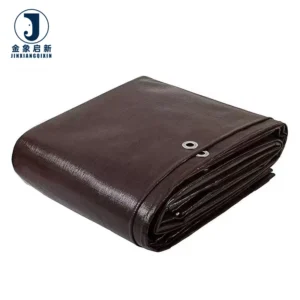
Custom PE Tarpaulin for Industrial Use – Full Range
Read more -
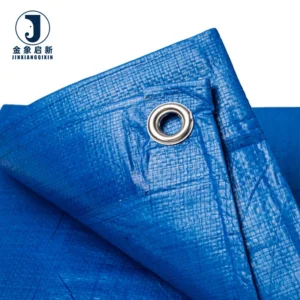
Lonas de polietileno orgánico impermeables recubiertas de blackout para invernaderos y carpas de jardín al aire libre
¥0.59 Select options This product has multiple variants. The options may be chosen on the product page