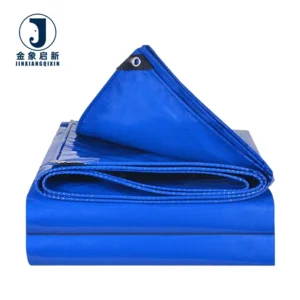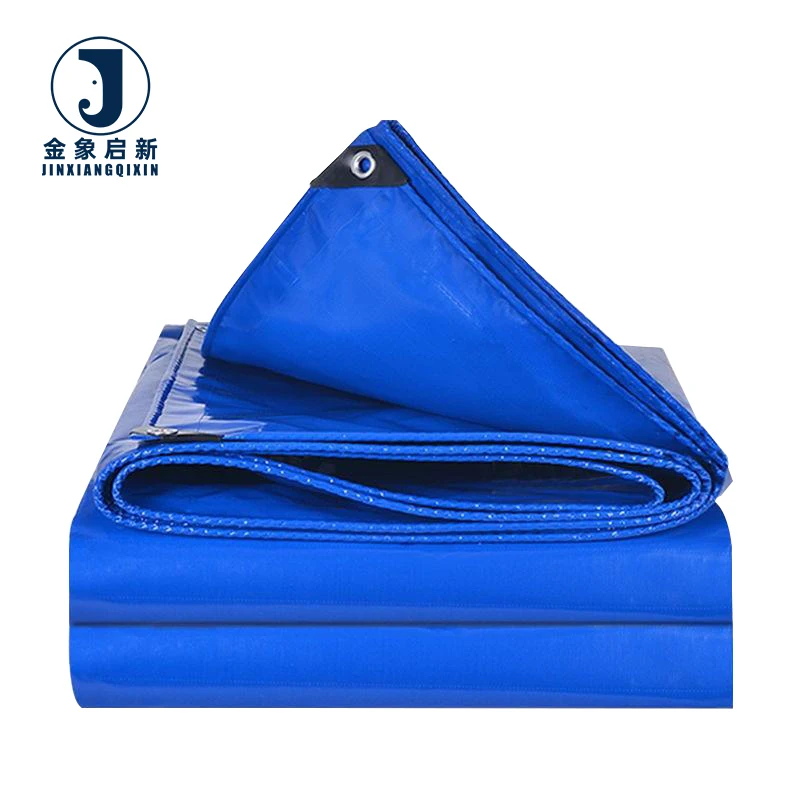
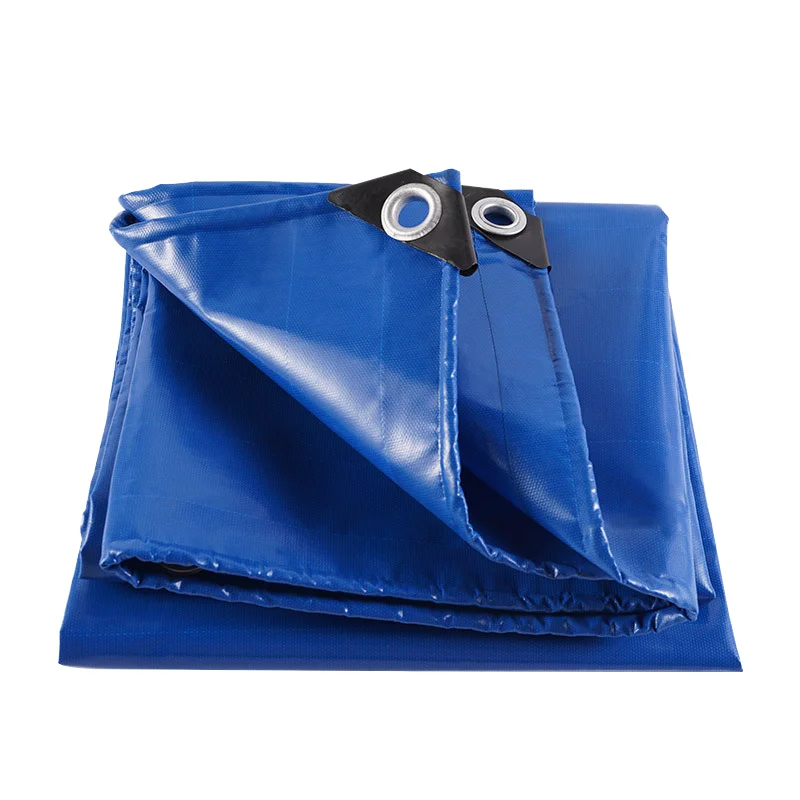
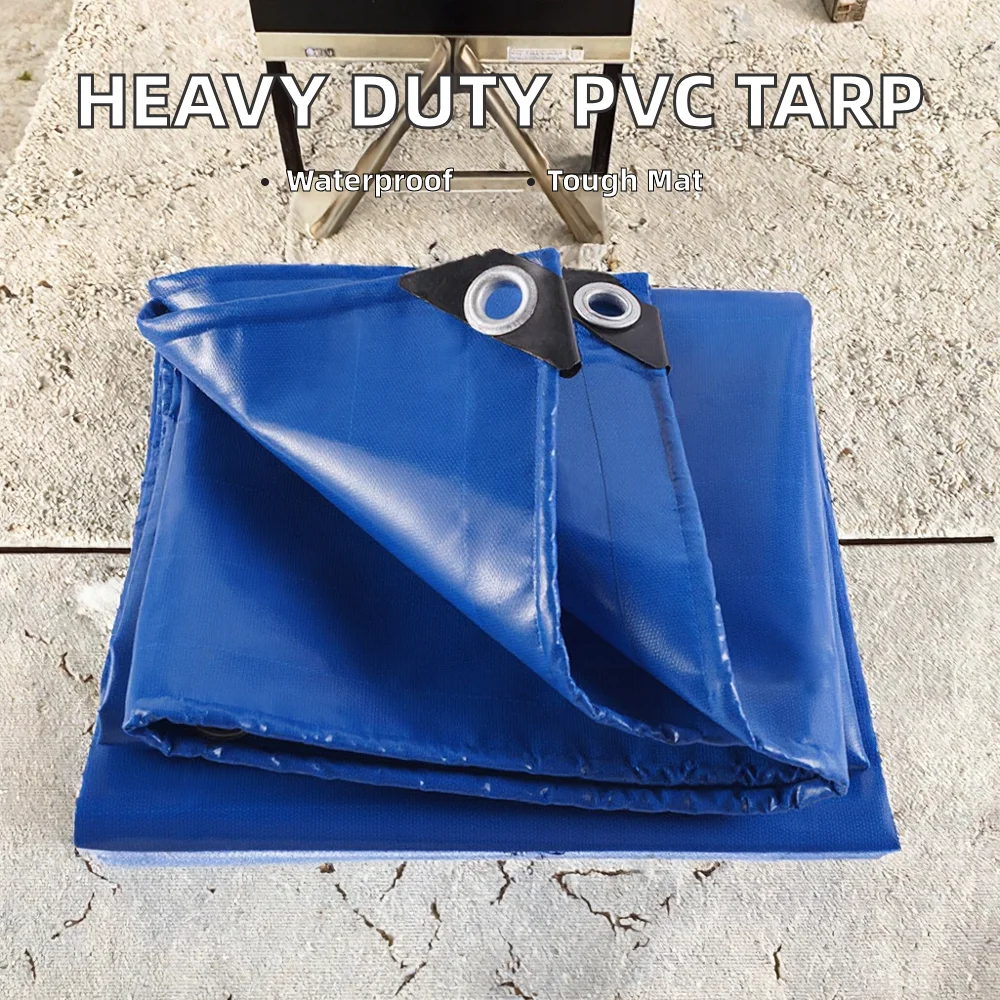
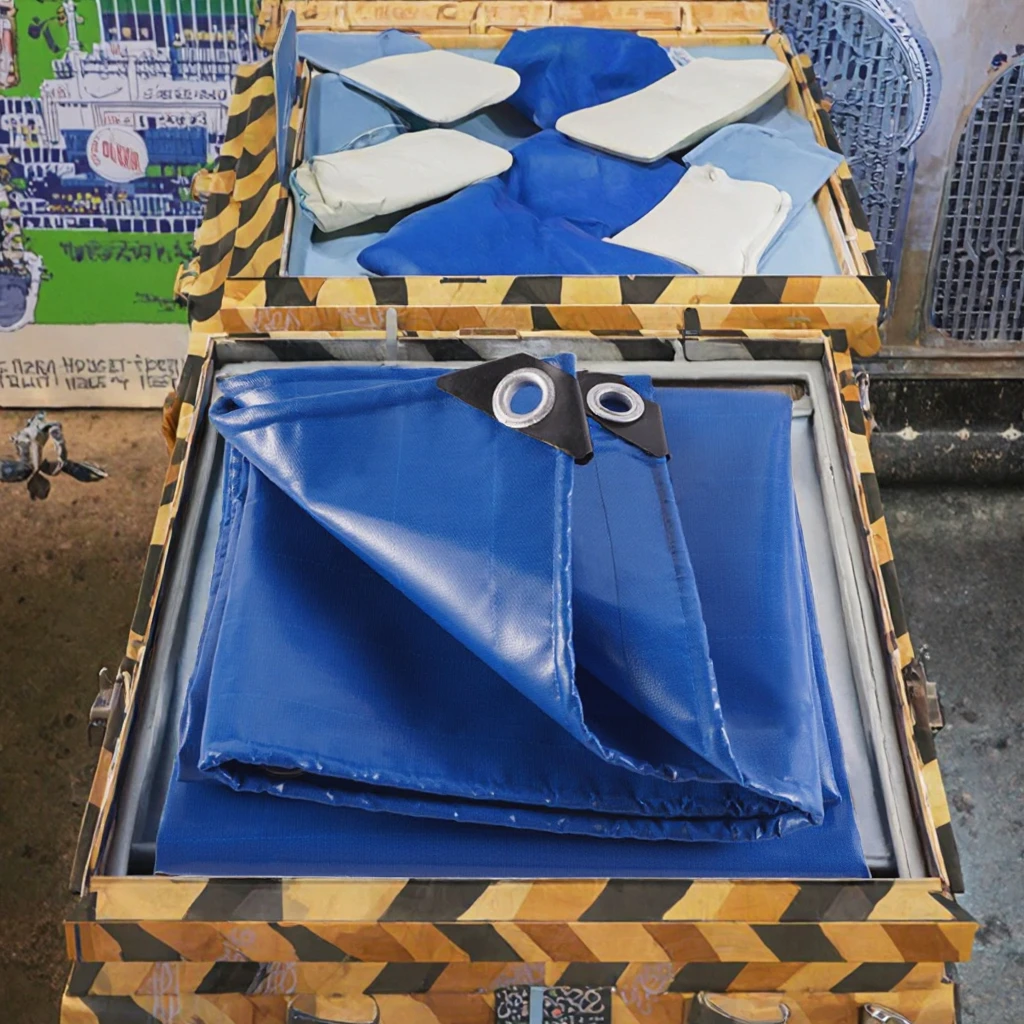
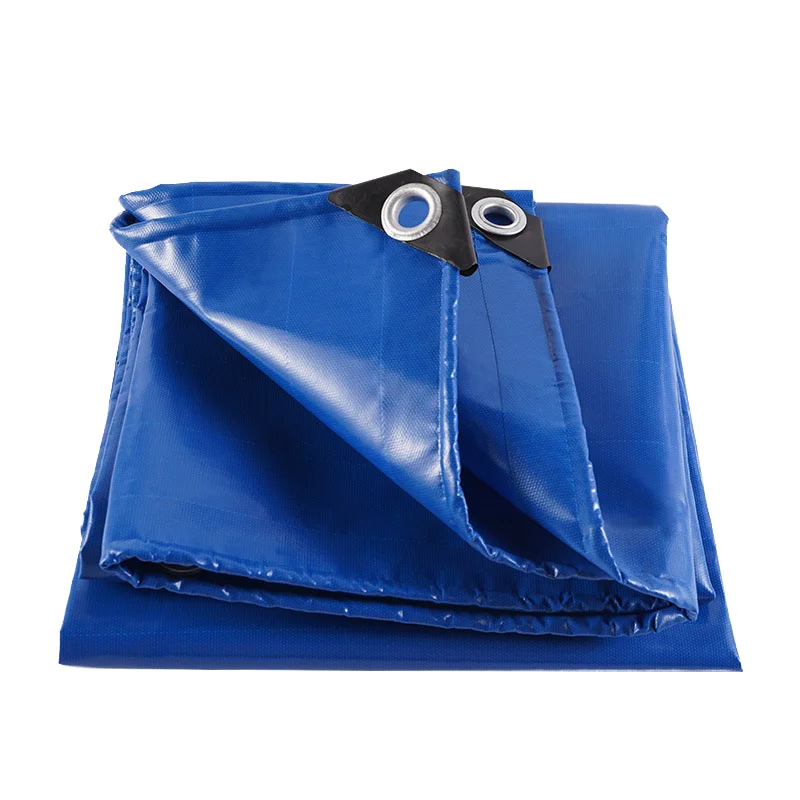
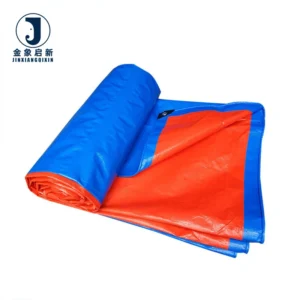
PVC Coated Tarpaulin for Truck Tent Outdoor — 350gsm to 750gsm, 0.32mm–0.65mm thickness, hot-melt coated on high-tenacity polyester mesh.
- Laminated and hot-melt coating methods deliver strong adhesion, ensuring welded seams match the fabric lifespan at flex points under load.
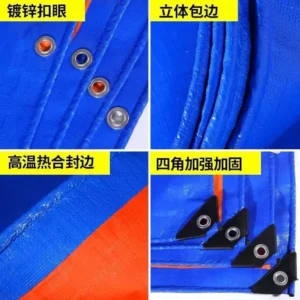
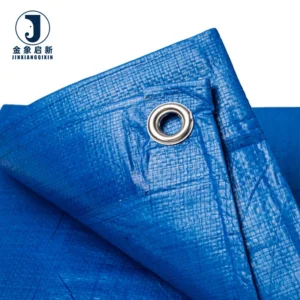
- Rolls from 2m×75m or custom cut-to-size with eyelets, reinforced hems, and pattern printing for fleet or site covers.
Backed by nearly 30 years of coating process control and 100% pre-shipment inspection on every roll.
Description
Precision-Coated Fabric Engineering — Every roll is weighed, measured, and verified against the quoted specification before dispatch, with a material sheet documenting exact coating weight and base fabric for full traceability.
Technical Specifications
| Parameter | Value |
|---|---|
| Product Type | PVC Coated Tarpaulin |
| Material | PVC + High-strength polyester mesh fabric |
| Coating Method | Laminated technology & Hot-melt Coating technology |
| Base Fabric | High tenacity polyester yarns |
| Weight (GSM) | 350gsm / 420gsm / 500gsm / 550gsm / 600gsm / 750gsm |
| Total Thickness | 0.32mm / 0.35mm / 0.4mm / 0.45mm / 0.5mm / 0.65mm |
| Roll Size | 2m width × 75m length / 2.1m width × 50m length |
| Finished Product Size | Custom cut sizes as per customer requirements, or sold by inventory |
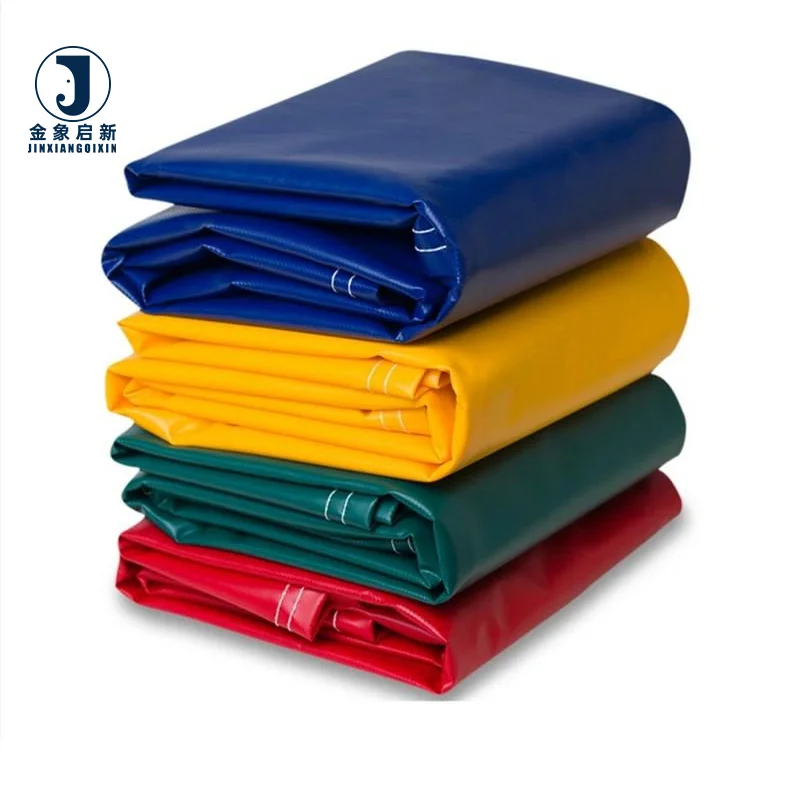
| Color Options | Blue / Red / Yellow / Light blue / Grey (customized) |
| Flame Retardant | Available in flame retardant grades — confirm the grade required for your market |
| UV Treatment | Available with UV stabilisation — request test basis for your climate zone |
| Anti-Static | Available upon request — confirm standard required for your application |
| Anti-Mildew | Stated |
| Cold Crack Resistance | Stated |
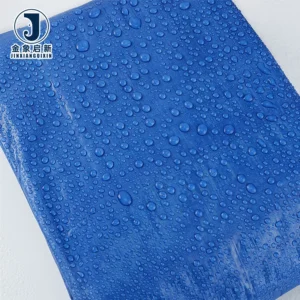
| Waterproof | Fully waterproof coated construction |
| Service Life | 3–7 years under normal circumstances (source value — verify against manufacturer catalog) |
| Printing Option | Special Printed Paint (source value — verify against manufacturer catalog) |
| Standards | ISO 14001, ISO 45001, CE, RoHS |
Application Suitability
| Application | Exposure & Requirement |
|---|---|
| Truck and trailer covers | Constant flexing at load points, road abrasion, weather and UV exposure, tie-down stress at hems |
| Tent and awning fabrication | Tension under wind load, repeated folding and deployment, colour consistency across panels |
| Cargo ship deck covers | Saltwater spray, heavy weather, prolonged UV exposure, securing loads against movement |
| Fish tank and pool liners | Permanent water immersion, chemical exposure from water treatment, puncture risk from substrate |
| Construction site covers | Abrasive dust, equipment contact, UV degradation over extended outdoor use |
| Equipment protection | Outdoor storage exposure, wind-driven rain, occasional contact and abrasion |
Why the GSM on Your Quotation May Not Match What Arrives
Every roll is weighed and verified against the stated GSM in our QA process before dispatch.
Buyers regularly report that the PVC coated tarpaulin they receive feels lighter than the spec sheet promised. A material quoted at 500gsm arrives closer to a lighter grade, and without a weigh-in record, the discrepancy goes unnoticed until the fabric fails prematurely under load [NEED_CITE: tensile and tear test methods for coated fabrics per ISO 1421]. When you are specifying PVC coated tarpaulin custom for a fleet or a construction project, the gap between quoted and actual weight directly affects how long the cover survives before tearing at the hem or flex point.
How Coating Weight Relates to Real-World Durability
GSM is the combined weight of the base polyester fabric and the PVC coating on both sides. A heavier PVC coated tarpaulin does not automatically mean a stronger one — a fabric with a dense, high-tenacity base and a thinner coating can outperform a heavier material that relies mostly on coating thickness for weight. The relationship between base fabric denier, yarn density, and coating proportion determines whether the material resists tearing at the yarn level or simply adds dead weight through excess PVC.
Laminated Versus Hot-Melt Coating and What It Means for Your End Use
The two coating methods available — laminated technology and hot-melt coating — produce different performance characteristics. Laminated construction bonds pre-formed PVC films to the base fabric under heat and pressure, delivering consistent coating thickness and strong adhesion that supports heat-welded seams [NEED_CITE: coating adhesion test methods for PVC-coated polyester]. Hot-melt coating applies liquid PVC directly* weave and improve flexibility at cold temperatures. Selecting the right method depends on whether your priority is weld strength for fabricated covers or cold-crack resistance for cold-climate deployment.
Reading the Specification Sheet Beyond the GSM Number
GSM alone does not predict how a PVC coated tarpaulin custom will behave in service. The base fabric construction — yarn tenacity, warp and weft density — governs tensile and tear strength independently of coating weight. Coating adhesion, measured as peel strength between the PVC layer and the polyester mesh, determines whether the coating delaminates at the weld line or at a hem fold. Thickness relates to puncture resistance and stiffness, affecting how easily the material handles during installation. A 550gsm material with high peel strength will hold a welded seam far longer than a 600gsm material with weaker coating adhesion, yet the spec sheet number alone would suggest otherwise.
What Happens When Specifications Are Chosen on Price Alone
When buyers select PVC coated tarpaulin aftermarket supplier based primarily on cost per square metre, they often receive material that meets the quoted GSM on paper but cuts corners on base fabric density. The result shows up months later — seams that fail at the weld before the body of the fabric wears through, or colour drift between rolls that becomes visible once installed side by side on a trailer [NEED_CITE: colour fastness testing for coated fabrics in outdoor applications]. Flame retardant or UV treatments claimed without supporting test documentation leave the buyer exposed at the point of compliance inspection, and the entire batch may need replacement if the certifying body rejects it.
Procurement Advantages Specific to This Range
Deep process control over coating weight and adhesion across the full 350gsm to 750gsm range means the GSM on the quote matches the GSM on the roll, verified through in-process QA at every production stage. Three full production lines and 36 sets of professional equipment support bulk roll orders with consistent batch-to-batch colour, critical when multiple rolls are fabricated into a single truck side curtain or tent structure. A 10-person R&D team handles custom sizing, pattern printing, and sample development, delivering samples within days so buyers can validate colour, weight, and weld behaviour before committing to full production. Dedicated QA/QC with 100% pre-shipment inspection catches weight deviations, coating defects, and colour variance before the material leaves the factory floor.
Documentation & Verification
- Material specification sheet stating exact GSM, base fabric, and coating type per roll
- Test reports for UV and flame retardant grades provided with documented test basis
- Weight verification per roll against the stated GSM before dispatch
- ISO and CE certificates included with full customs documentation package
- Pre-shipment inspection record accompanying every dispatch
- Certificate of origin provided for import compliance
Fabrication, Handling & Storage
- Hot-air welding temperature should be calibrated to the specific coating method — laminated and hot-melt coatings respond differently to heat input
- Eyelet placement at hem folds should distribute load across multiple yarns to prevent tear propagation on 350gsm to 500gsm grades
- Rolls stored horizontally on pallets prevent permanent creasing that compromises coating adhesion at the fold line
- Allow material to acclimatise before unfolding in cold weather — cold crack resistance ratings define the lower handling boundary
- Cut patterns should account for 2m and 2.1m roll widths to minimise waste and reduce the number of welded seams
- Surface cleaning should avoid solvents that attack PVC — mild detergent preserves the coating finish over repeated washes
What to Include in Your Inquiry
Specify the end-use application and the environmental exposure conditions the fabric will face — wind load, UV intensity, temperature range, and chemical contact all influence which GSM grade and coating method to select. Indicate whether you need rolls at stock width or custom cut-to-size finished covers with specific eyelet spacing and hem reinforcement. If your market requires flame retardant or anti-static compliance, state the standard your project must meet so the correct treatment and test documentation can be prepared before production begins.
Frequently Asked Questions
Q: How is GSM verified on arrival and what documentation comes with each roll?
A: Every roll is weighed during the pre-shipment inspection process and compared against the quoted GSM. A material specification sheet accompanies each order, documenting the exact coating weight, base fabric construction, coating method, and colour reference. The inspection record is included with the dispatch paperwork so you can verify the data on receipt before fabrication begins.
Q: What flame retardant and UV test reports are available for this PVC coated tarpaulin custom range?
A: Flame retardant treatment is available in various grades depending on market requirements — confirm which standard applies to your region or project specification. UV stabilisation treatment is offered with test documentation. Request the specific test basis during the inquiry stage so the correct grade is applied and documented before production commences.
Q: How is batch colour consistency controlled when ordering multiple rolls?
A: Colour consistency across rolls within a single order is managed through controlled coating batches and in-line inspection. For large orders spanning multiple production runs, reference samples are retained and compared against output to detect drift. If your project requires panels installed side by side — such as a tent or truck curtain — flag this at inquiry so tighter colour tolerance is applied.
Q: What custom sizing and finishing options are available for fabricated covers?
A: Beyond stock roll widths of 2m and 2.1m, the material can be supplied as finished covers cut to specific dimensions. Options include eyelet placement, reinforced hems, and custom printing using special printed paint. The R&D team develops samples within days, allowing you to confirm sizing, finish, and weld behaviour before authorising full production.
Q: What is the sample development process and how long does it take?
A: Submit your requirements for GSM grade, colour, coating method, and any functional treatments such as flame retardant or anti-static. The R&D team prepares a sample within days for your evaluation. Once approved, production proceeds with in-process QA checks at every stage and 100% inspection before dispatch to ensure the final output matches the approved sample.
Related products
-
Sunshade Awning Waterproof Cloth. 7X8 Waterproof Polyurethane Waterproof Cloth – Multi-purpose Cover Water tank Waterproof Cloth
¥0.18 Select options This product has multiple variants. The options may be chosen on the product page -
Lona de PE Impermeable para Jardín Exterior Hoja HDPE Laminada con Recubrimiento de PVC para Cubierta de Forro Cubierta de Camión Carpa Toldos Tejido Plano
¥0.31 Select options This product has multiple variants. The options may be chosen on the product page -
Custom Made PE Tarpaulin with Eyelets – Waterproof Tear-Resistant
Read more -
Lona ecológica de polietileno recubierta de PE resistente a desgarros JX, impermeable, opaca y orgánica con ojales.
¥1.31 Select options This product has multiple variants. The options may be chosen on the product page