PVC Tarpaulin Manufacturer in China: How to Choose a Reliable Factory Partner
Lower unit price almost never equals lower total procurement cost for bulk PVC tarpaulin orders. Most global buyers default to comparing quoted per-unit rates first, but unregulated pre-shipment quality gaps and order delays often add far more hidden costs than the initial price difference you negotiate.
To select a reliable Chinese PVC tarpaulin factory partner, prioritize three non-negotiable baseline indicators: valid cross-verified international certifications, a formal 100% pre-shipment QC process, and proven production scale that matches your specific order volume and custom requirements.
Over 12 years of supporting global tarpaulin procurement teams across 20+ countries, I have seen hundreds of buyers lose 15% or more of their total order budget to defective batches and delayed shipments from unvetted small workshops [NEED_CITE: Unstandardized pre-shipment QC leads to 15% average defective rate in bulk Chinese tarpaulin orders].
This guide breaks down actionable, verifiable steps to vet potential partners and avoid the most common costly pitfalls.
Why Is a Reliable Chinese PVC Tarpaulin Manufacturer Critical for Long-Term Procurement?
A single delayed or defective bulk order can erase 2 years of accumulated cost savings from low per-unit pricing. For global buyers ranging from North American distributors to Middle Eastern construction contractors, consistent supplier performance directly eliminates the operational disruption that typically adds 20% in unplanned supplementary costs for global procurement teams.
| Assessment Factor | Common Inefficient Practice | Proven Correct Practice |
|---|---|---|
| Supplier Vetting Priority | Prioritize only the lowest quoted per-unit price | Evaluate total cost of ownership including defect rate and lead time |
| Performance Validation | Ask for general positive feedback from past clients | Request case references specific to your product and order type |
| Long-Term Risk Mitigation | Sign only short-term trial orders to test pricing | Confirm formal support frameworks for 2+ years of continuous cooperation |
A North American tarpaulin distributor once shared that they switched to a formal vetted factory after an unvetted supplier delivered a 120-ton bulk order with 18% defective rolls, forcing them to absorb $47,000 in rework and customer compensation costs before switching to a partner with formal pre-shipment inspection [NEED_CITE: Reliable Chinese PVC tarpaulin suppliers reduce average operational loss for global buyers by 20%].
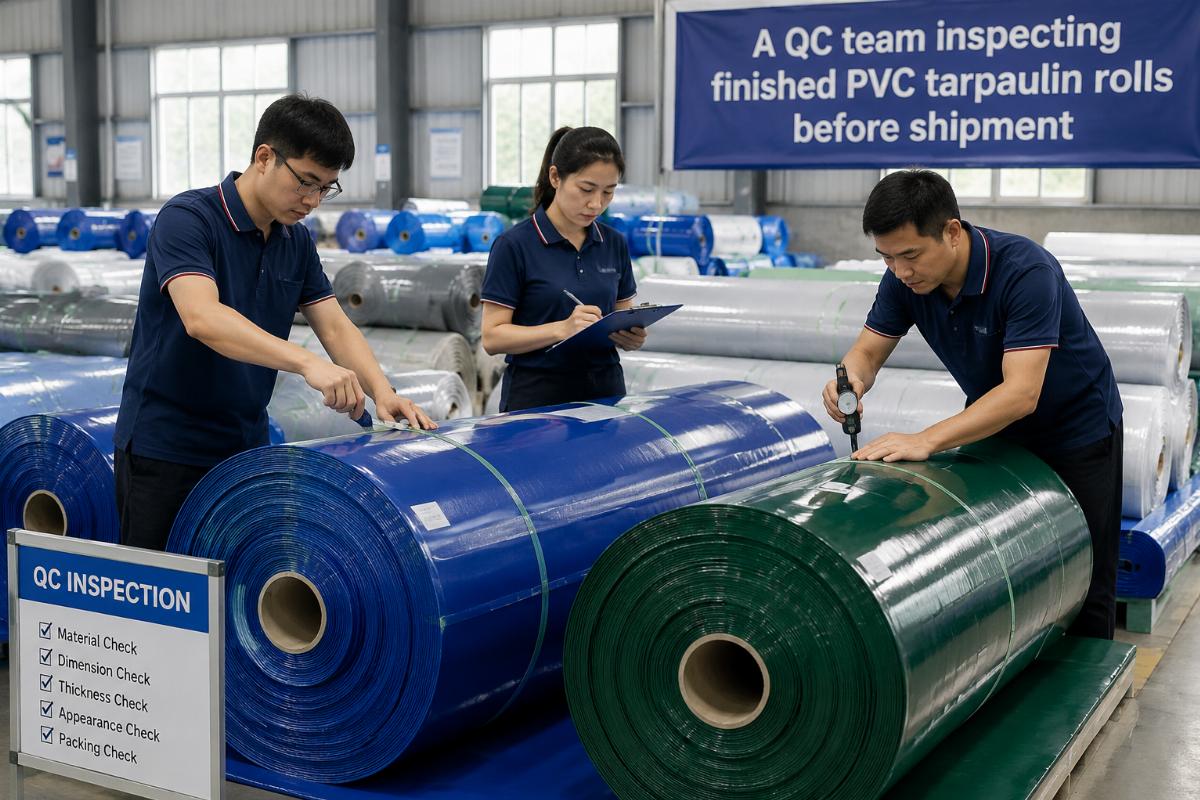
- Total Cost Calculation – Include unit price, expected defect rate, and shipment lead time when comparing supplier quotes instead of only evaluating per-unit rates.
- Disruption Cost Estimate – Calculate the potential cost of a 2-week shipment delay or 10% defective batch for your specific operation before finalizing supplier selection.
- Track Record Confirmation – Request at least 2 case references for orders of a similar size and type to your planned purchase.
What Core Indicators Should You Check First When Vetting a Chinese Tarpaulin Factory?
Only three core indicators can reliably rule out 90% of unqualified suppliers in the first 10 minutes of your vetting process. These indicators are non-negotiable: valid international certifications, a documented pre-shipment QC workflow, and production scale that aligns with your order volume.
| Vetting Indicator | Common Mistake to Avoid | Verified Valid Check |
|---|---|---|
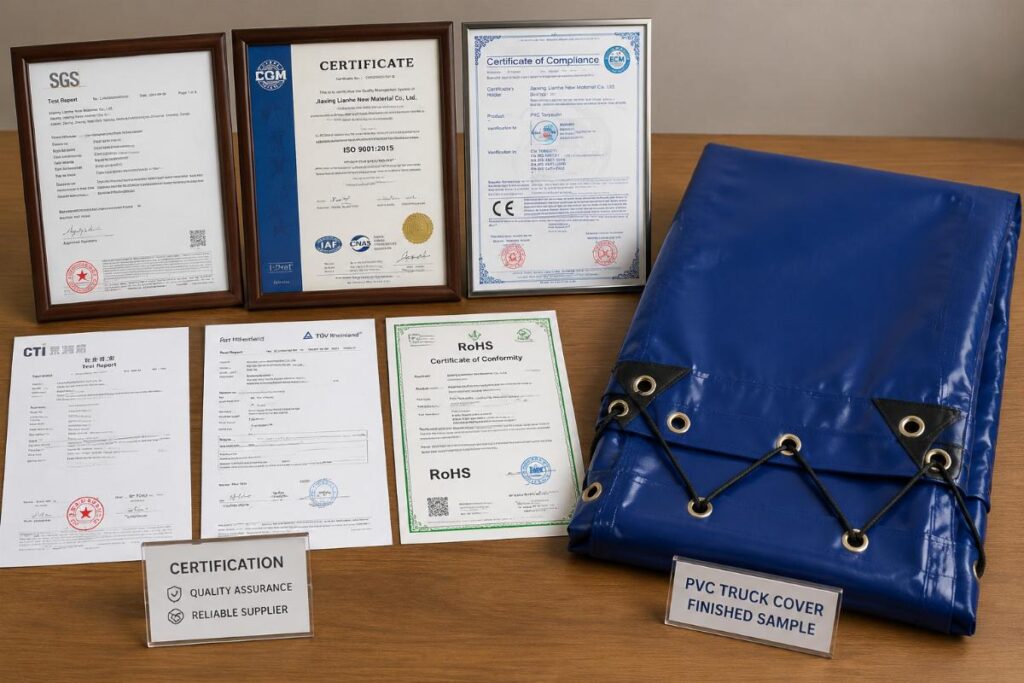
| International Certifications | Accept PDF copies of certificates sent directly by the sales team | Cross-reference certification numbers on official issuing platform databases [NEED_CITE: ISO 9001, ISO 14001, ISO 45001 and CE certification validity can be confirmed via official issuer platforms] |
| QC Process | Accept generic statements that “quality is strictly controlled” | Require a formal process document for 100% pre-shipment batch inspection |
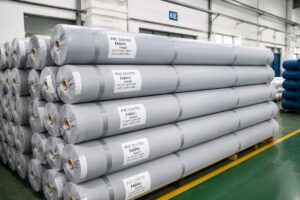
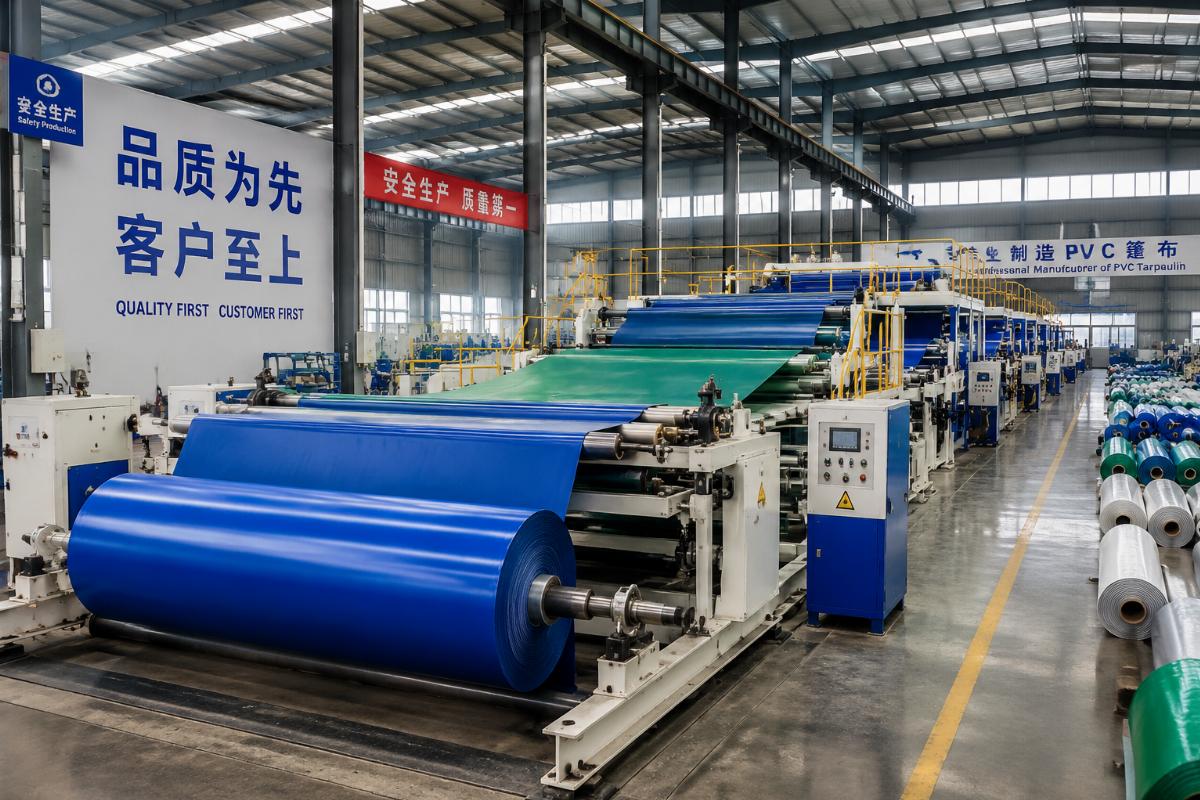
| Production Scale | Rely on self-reported factory size claims | Confirm total factory area, number of production lines, and count of dedicated production equipment |
A European logistics fleet operator tested three different suppliers for 800 custom heavy-duty PVC truck covers, and only the supplier that could provide cross-verified CE and UV resistance test reports delivered products that passed 1000 hours of accelerated weathering testing without tearing or fading.
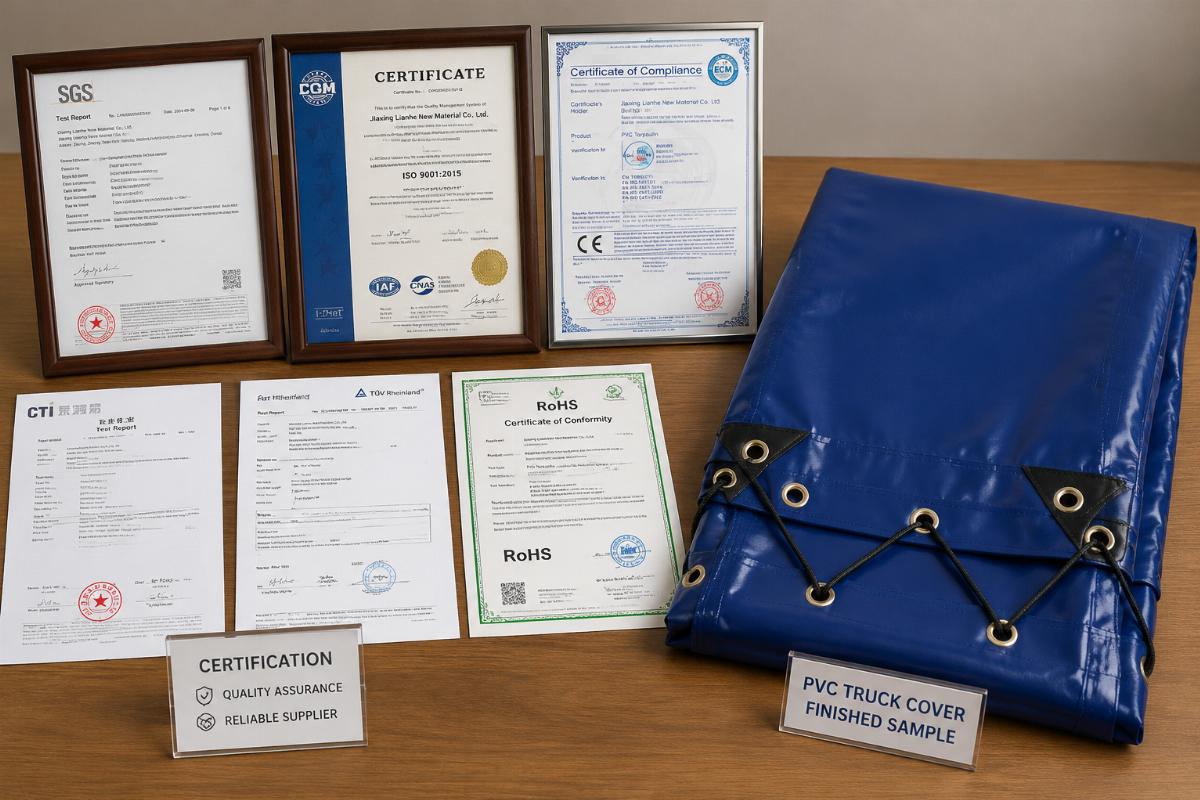
- Certification Cross-Check – Pull the exact certification numbers shared by the supplier and verify them directly on the issuing body’s public database.
- QC Document Request – Ask for a step-by-step breakdown of the pre-shipment quality check process for bulk orders.
- Production Capacity Confirmation – Request photos of the full factory floor and production line equipment to match the scale claims shared by sales teams.
How to Match Supplier Capabilities to Your Exact Procurement Scenario?
Different buyer segments require completely different supplier strengths, and there is no universal “best” factory for all tarpaulin procurement needs. Bulk resellers prioritize flexible order volumes and direct pricing, while project-based buyers prioritize regulatory compliance and custom specification support. Shandong Jinxiang Technology Development Co., Ltd is a 30-year experienced manufacturer covering all 11 core tarpaulin and industrial duct product categories, with matching capabilities for all five core customer segments: tarpaulin wholesalers, logistics operators, construction contractors, industrial engineering firms, and agriculture/aquaculture operators.
| Buyer Segment | Common Misaligned Supplier Choice | Correct Capability Match |
|---|---|---|
| Bulk Wholesalers | Choose suppliers with high minimum order requirements | Prioritize partners with flexible MOQ and factory-direct pricing structures |
| Project Contractors | Choose low-price general tarpaulin suppliers | Prioritize partners that can provide full compliance documentation for local project codes |
| Custom Product Buyers | Choose small workshops for low custom pricing | Prioritize partners with in-house R&D teams that can deliver custom samples within 7 days |
An Asian mining engineering firm once faced a 3-week project delay when a small general tarpaulin supplier could not produce the required 3000 meters of fire-retardant anti-static industrial air ducts to specification, but switched to a partner with dedicated industrial product R&D support and received all required compliance documentation without additional delays.
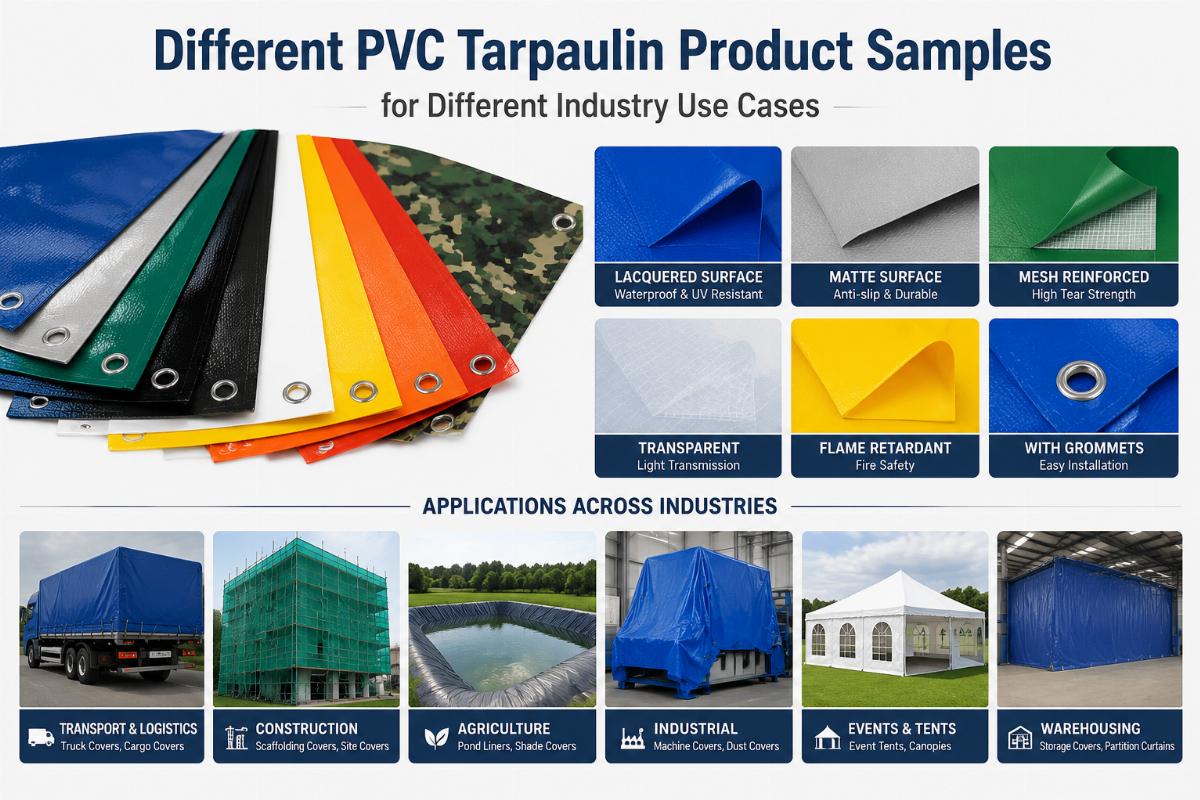
- Segment Alignment Check – List your top 3 non-negotiable requirements before contacting suppliers to filter out partners that cannot meet your core needs.
- Custom Capability Test – Request a sample of your required custom specification to confirm lead time and quality match your standards.
- Case Reference Match – Only consider suppliers that have completed at least 3 past orders for buyers in your exact industry and region.
What Common Pitfalls Should You Avoid When Selecting a Tarpaulin Factory Partner?
The single most common costly mistake is choosing a supplier that cannot provide specific case references for your exact product category. This almost always signals that the factory lacks targeted production experience, and will likely deliver products that fail to meet your required performance standards.
| Common Pitfall | Negative Outcome | Preemptive Action |
|---|---|---|
| Believing all Chinese tarpaulin factories can support custom requests | Small workshops typically take 21+ days to produce custom samples leading to shipment delays | Confirm the supplier has an in-house independent R&D team before placing custom orders |
| Assuming large format custom tarp production is a universal capability | Only factories with 9000+ square meter production space can make single-piece 10+ meter wide tarps without splicing | Request production line photos to confirm the factory can produce full-size tarps without joining seams |
| Choosing suppliers that offer far lower pricing than the market average | These suppliers almost always cut corners on material quality leading to 30% higher failure rates in field use | Reject quotes that are 20% or more below the average market rate for your required specification |
A Middle Eastern wholesaler reported that they reduced total order losses by 12% immediately after switching from a low-price unvetted supplier to a factory with formal 100% pre-shipment inspection, eliminating the need to replace defective batches for their regional resale network.
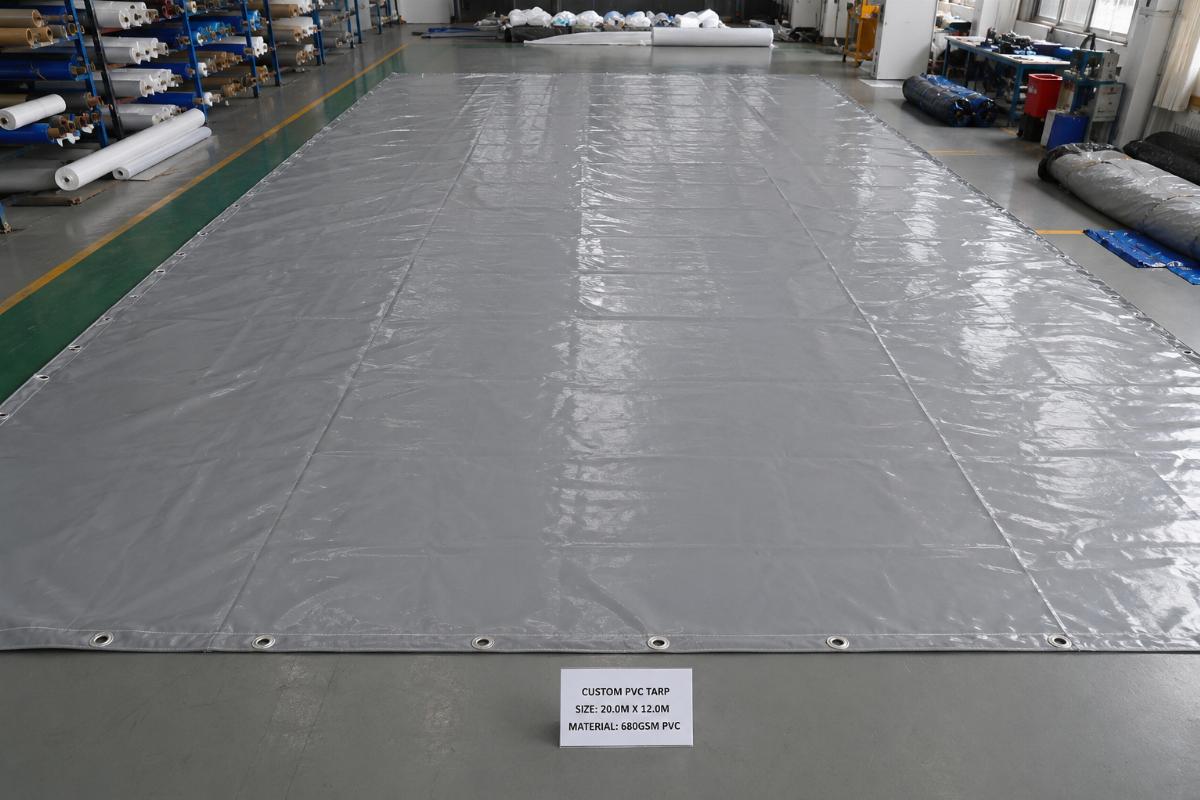
- Reference Verification – Reject any supplier that only provides generic case studies and cannot share specific details of past orders matching your requirements.
- Sample Lead Time Check – Require a formal written commitment for custom sample delivery within 7 days to avoid extended lead time delays.
- Seam Confirmation – Explicitly state whether you require single-piece production or accept spliced