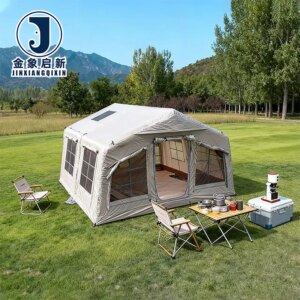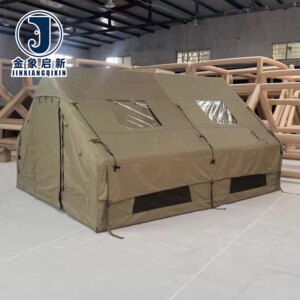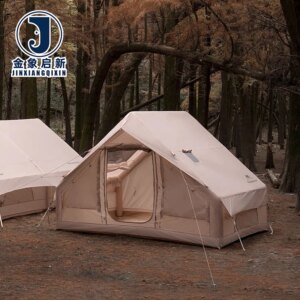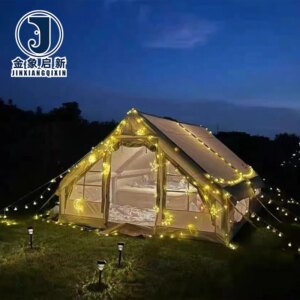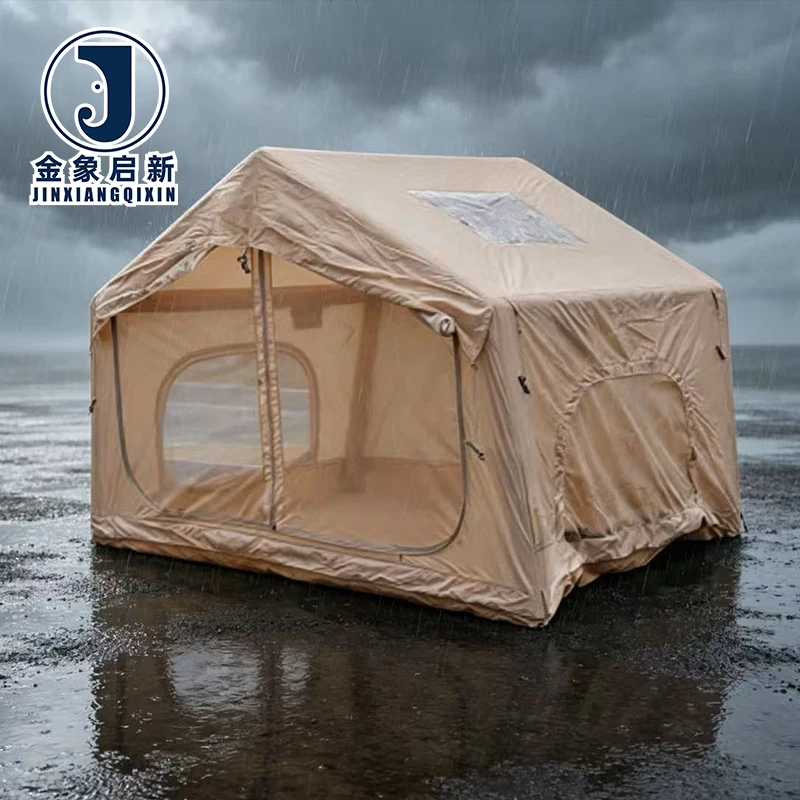
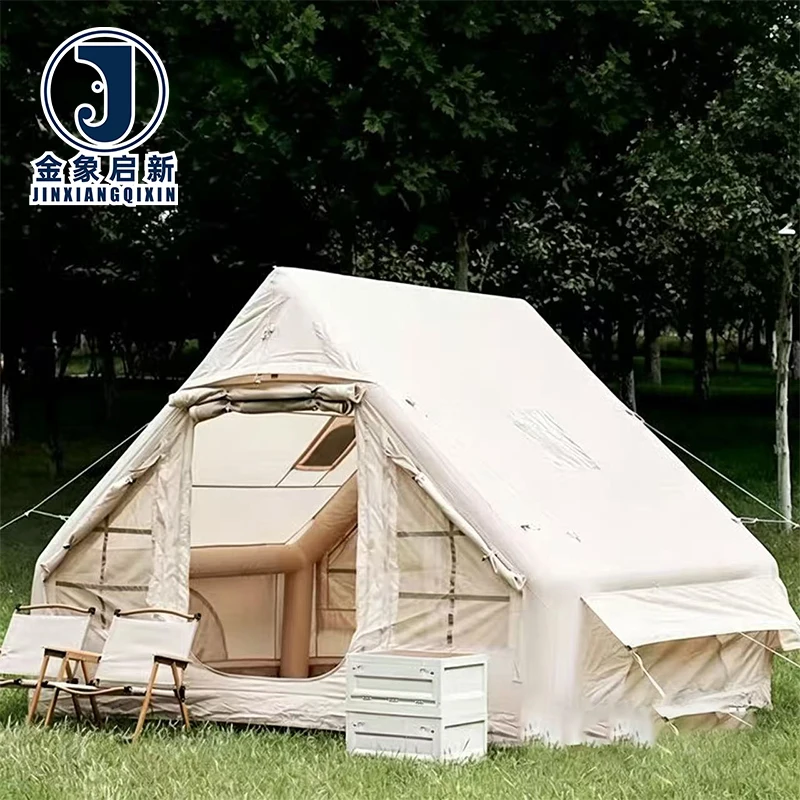
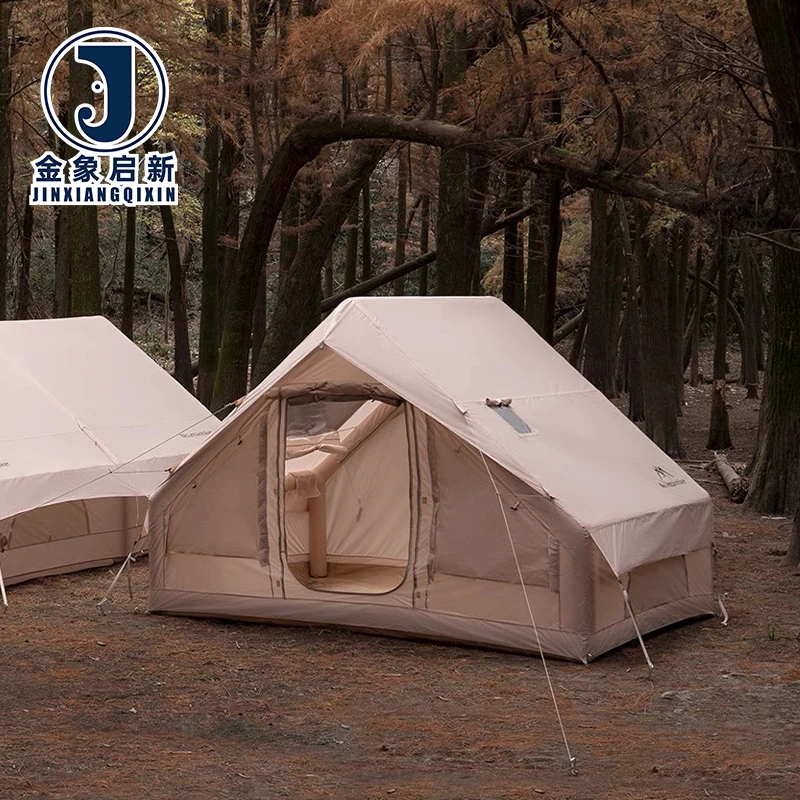
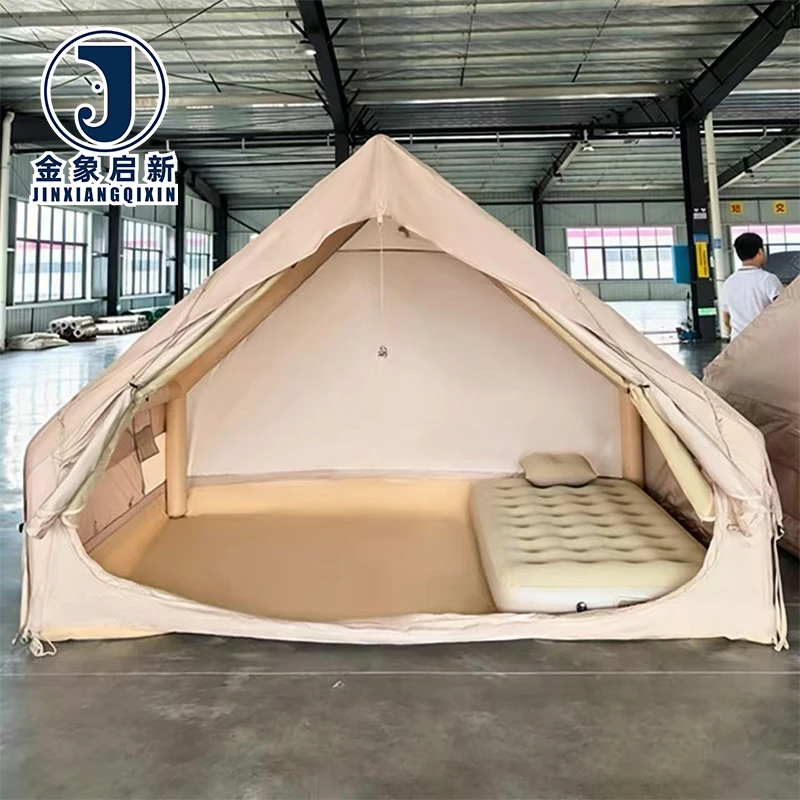
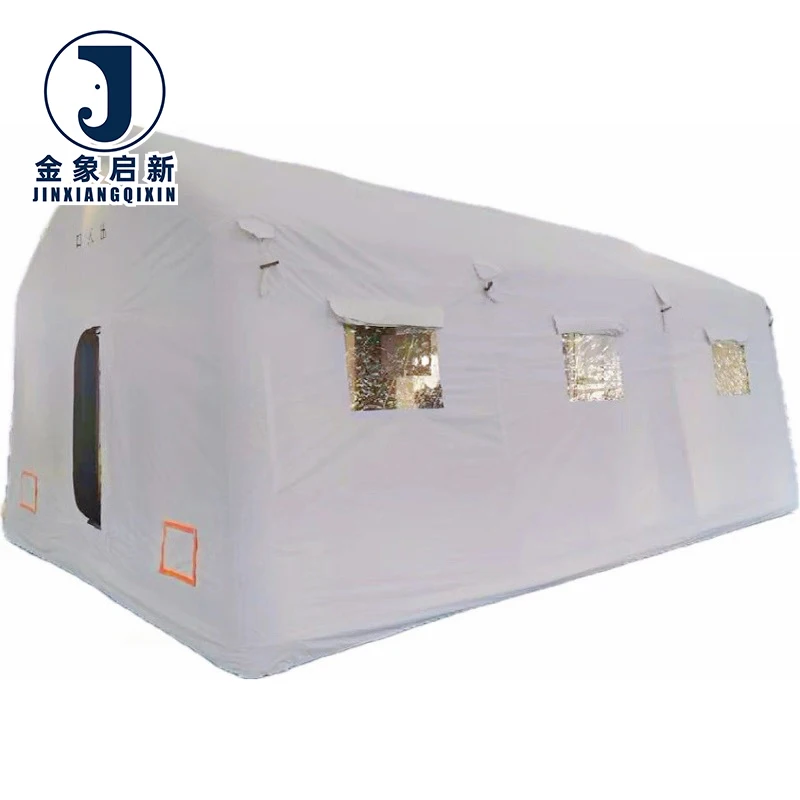
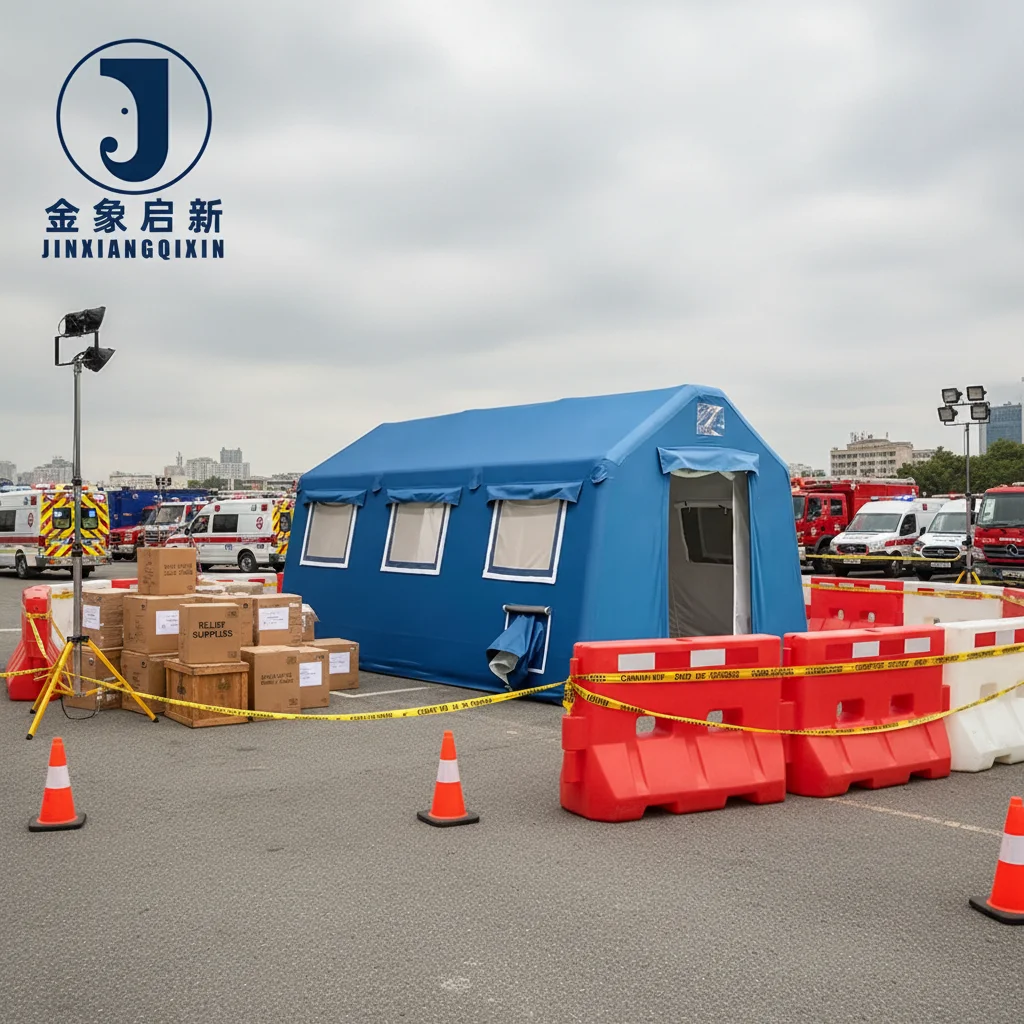
Inflatable Camping Tent — Waterproof UV-Resistant PVC Fabric, Quick Automatic Opening, Single-Layer Construction
- Engineered for rapid deployment with four-season design, balancing lightweight portability against reliable weather protection across variable outdoor conditions.
- Full OEM & ODM support from a 9,180 m² facility running 3 production lines with 36 professional equipment sets, backed by a 10-technician R&D team and 100% pre-shipment QA/QC inspection.
Description
Deep Process Control — every roll of inflatable tent fabric is coated, inspected, and verified on our own lines before dispatch.
Technical Specifications
| Parameter | Value |
|---|---|
| Product Type | Inflatable Tent |
| Core Material | Waterproof UV-Resistant PVC Fabric |
| Key Performance | Waterproof, UV-Resistant, Tear-Resistant |
| Construction | Single layer |
| Feature | Quick automatic opening, Four-season design |
| Production Facility Area | 9180 square meters |
| Production Lines | 3 full production lines |
| Processing Equipment | 36 sets of professional processing equipment |
| R&D Team Scale | 10 technicians |
| Customization Service | OEM & ODM (sample customization, pattern printing) |
| Quality Control System | Strict full-process quality inspection with dedicated QA&QC staff |
| Certifications | ISO9001, ISO14001, ISO45001, CE |
Application Suitability
| Application | Exposure & Requirement |
|---|---|
| Temporary construction site shelters | Wind loading, daily inflation cycles, UV exposure, site debris puncture risk |
| Mobile logistics storage units | Repeated deployment and packing, ground abrasion, weather exposure |
| Emergency disaster relief units | Rapid deployment, extreme weather, transport vibration, frequent relocation |
| Commercial camping equipment | Consumer handling, seasonal UV, rain and humidity, fold creasing |
| Outdoor gear component sourcing | Brand-specific pattern printing, material consistency across production runs |
Why Coating Adhesion Matters More Than Fabric Weight for Inflatable Structures
Weld integrity at the air-beam bend determines whether an inflatable tent holds pressure or bursts at the seam.
When an inflatable camping tent is pressurised, the air beams flex at every curve and joint. The coating must bond to the base fabric tightly enough that the heat-welded seam outlasts the shell itself. I have seen heavy-grade coated rolls fail at the weld line because the coating formulation did not match the welding temperature window, leaving the seam as the weakest point in the entire structure [NEED_CITE: tensile and peel test methods for coated fabrics per ISO 1421]. For an aftermarket supplier of Inflatable Tent fabric, controlling coating adhesion is not optional — it is the single variable that separates a shelter that holds air from one that collapses on the first cold night.
Air-Beam Fabric Selection and Pressure Cycles
Every inflation cycle puts the PVC coating under tensile stress at the beam curvature. An Inflatable Tent used in four-season camping conditions must endure temperature swings that stiffen the coating in cold weather and soften it in heat. The single-layer construction keeps the structure light enough for rapid deployment, but it also means there is no redundant layer to absorb a seam failure. Material selection therefore starts with matching the PVC formulation to the expected operating temperature range and the inflation pressure the beam geometry requires.
Balancing Portability with Tear Resistance
Logistics teams packing disaster relief units into transport vehicles need a fabric that resists puncture from sharp edges and folded creases. The tear-resistant PVC construction addresses this by maintaining coating continuity even when the fabric is tightly rolled and compressed during shipping. For commercial camping equipment manufacturers, the quick automatic opening mechanism depends on the fabric unfolding without catching or binding — a property influenced by surface finish and coating flexibility across the full temperature range [NEED_CITE: DIN 4102 fire classification for building materials].
Reading the Specification Sheet Beyond Surface Claims
GSM alone tells you how much material is in each square metre, but it does not tell you how that weight is distributed between base fabric and coating. A high GSM achieved through thick coating with a light base fabric will feel substantial on the scale but may tear easily at the weave. Conversely, a dense base fabric with a thin, well-bonded coating can deliver superior tensile strength at a lower overall weight. For inflatable tent applications, the critical numbers are the base fabric denier and weave density, which determine how the fabric resists tear propagation when a beam pressurises, and the coating weight, which governs abrasion resistance and weld-ability. Surface treatment — whether glossy or matte — affects how well printed branding adheres and how easily the shelter cleans after field use. Available in flame retardant grades — confirm the grade required for your market before specifying.
The Hidden Cost of Incorrect Specification Choices
Ordering inflatable tent fabric by GSM alone, without verifying coating adhesion or base fabric density, leads to field failures that are expensive and reputation-damaging. A coating that delaminates at the weld during inflation renders the entire structure useless, and the failure always happens at the point of highest stress — the beam joint. Batch-to-batch colour variation is another issue: when two rolls from the same order show visible differences after installation side by side, the buyer absorbs the rework cost [NEED_CITE: coating consistency standards for PVC tarpaulin rolls]. UV treatment claimed without a supporting test report means the fabric may chalk and embrittle after a single season of sun exposure, turning a commercial camping product into a warranty liability.
Why Buyers Source Inflatable Tent Fabric Here
Three full production lines and 36 sets of processing equipment give the capacity to hold delivery schedules on large-volume roll orders without splitting production across subcontracted coaters. A 10-technician R&D team handles material selection, pattern printing artwork, and sample development in-house, so specification changes are resolved before production starts rather than discovered at the inspection stage. Every roll passes through dedicated QA and QC checkpoints at each production stage, with 100% inspection before shipment — this catches coating weight drift and colour variation before the buyer sees it. OEM and ODM services cover size adjustment, custom pattern printing, and sample confirmation, giving brand owners a single source from material development through finished roll dispatch.
Documentation & Verification
- Material specification sheet confirming GSM, base fabric denier, and coating weight per roll
- UV resistance test report matching the grade specified on the purchase order
- Pre-shipment inspection record with coating adhesion and colour consistency checks
- ISO9001, ISO14001, ISO45001, and CE certification documentation on file
- Roll packing list with weight and dimension data for container loading plans
- Certificate of origin and customs documentation for international shipment
Fabrication, Handling & Storage
- Heat-weld parameters must match the specific PVC formulation — request the recommended temperature and dwell time before production
- Store rolls upright on a flat surface to prevent permanent creasing in the single-layer PVC construction
- Avoid folding the waterproof coating against itself during transport to prevent surface marking
- Use compatible PVC adhesive for field repairs on the UV-resistant coating surface
- Cut patterns with allowance for seam overlap to maintain air-tight weld integrity on inflatable beams
What to Include in Your Enquiry
Provide the intended application environment — whether the inflatable tent will serve construction sites, disaster relief, or commercial camping — along with the expected deployment frequency and climate conditions. Specify the required roll width, colour reference, and whether pattern printing is needed for brand identification. Confirm whether your market requires flame retardant certification and which grade applies, so the correct formulation is selected before sampling begins.
Frequently Asked Questions
Q: What customization options are available for inflatable tent fabric?
A: OEM and ODM services cover material selection, custom roll width, colour matching, and pattern printing. The 10-technician R&D team develops samples for approval before bulk production, allowing buyers to verify coating hand-feel, colour accuracy, and print registration on the actual PVC fabric that will ship.
Q: Can I get samples before committing to bulk production?
A: Yes, samples are developed within days for custom requirements. Each sample uses the same coating line and base fabric specified for the production order, so the material properties you test — including weld behaviour and surface finish — match the bulk delivery.
Q: What certifications ship with each order?
A: Every order includes ISO9001, ISO14001, ISO45001, and CE documentation, plus a material specification sheet and pre-shipment inspection record. UV resistance and flame retardant test reports are provided where applicable to the grade specified.
Q: How is batch-to-batch colour and weight consistency controlled?
A: Dedicated QA and QC staff inspect every roll at each production stage, checking coating weight against the stated specification and verifying colour match across the order. Rolls that fall outside tolerance are held before shipment rather than mixed into the delivery.
Q: What is the typical lead time for custom inflatable tent orders?
A: Lead time depends on the customisation scope — standard stock grades move faster, while custom colour, width, and pattern printing require additional setup. Confirm your delivery window at the quotation stage so the production schedule is locked before sampling begins.
Related products
-
Camping Tent Inflatable UV Resistant Customizable Four-season Waterproof PVC Quick Automatic Opening 2-3 Person Outdoor
Read more -
Four-Season Inflatable Tent Single Layer >3000mm Waterproof Windproof Quick Automatic Opening PVC Fabric Eco-Friendly
Read more -
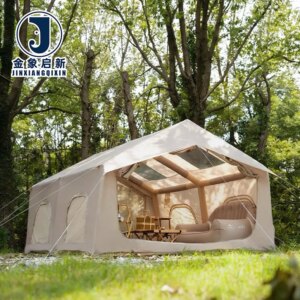
Inflatable Four-season Camping Tent-PVC Coated Waterproof Eco-Friendly Quick Inflation CE Certified ODM/OEM Accepted
Read more -
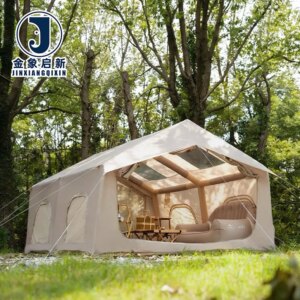
High Quality Four-Season Inflatable Tent for Camping Durable PVC Waterproof All-Weather Resistance Quick Automatic Opening
Read more