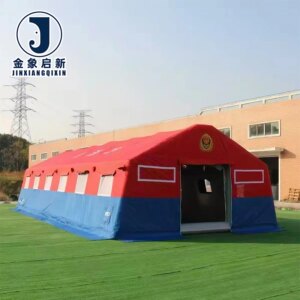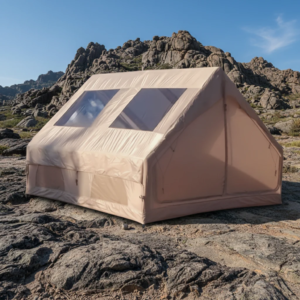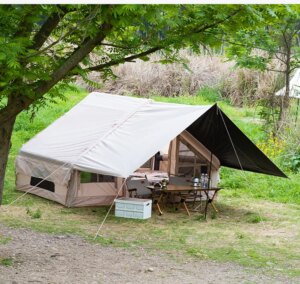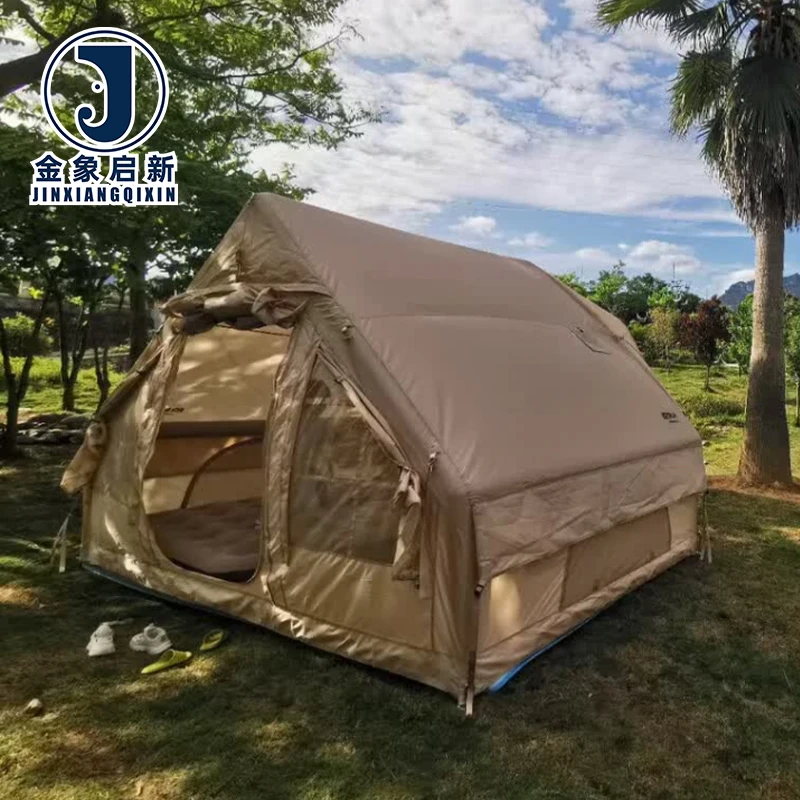
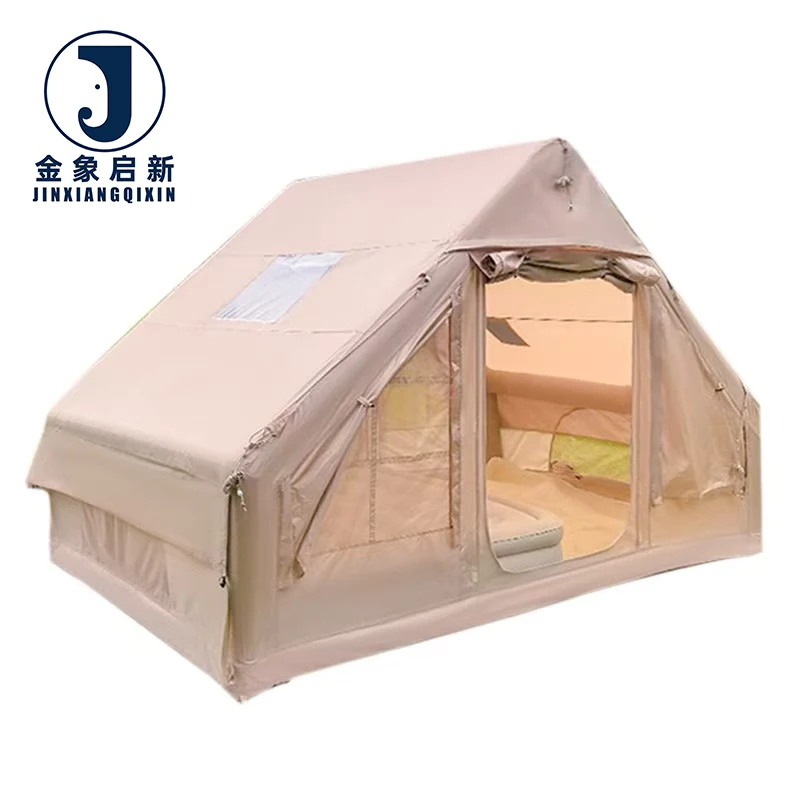
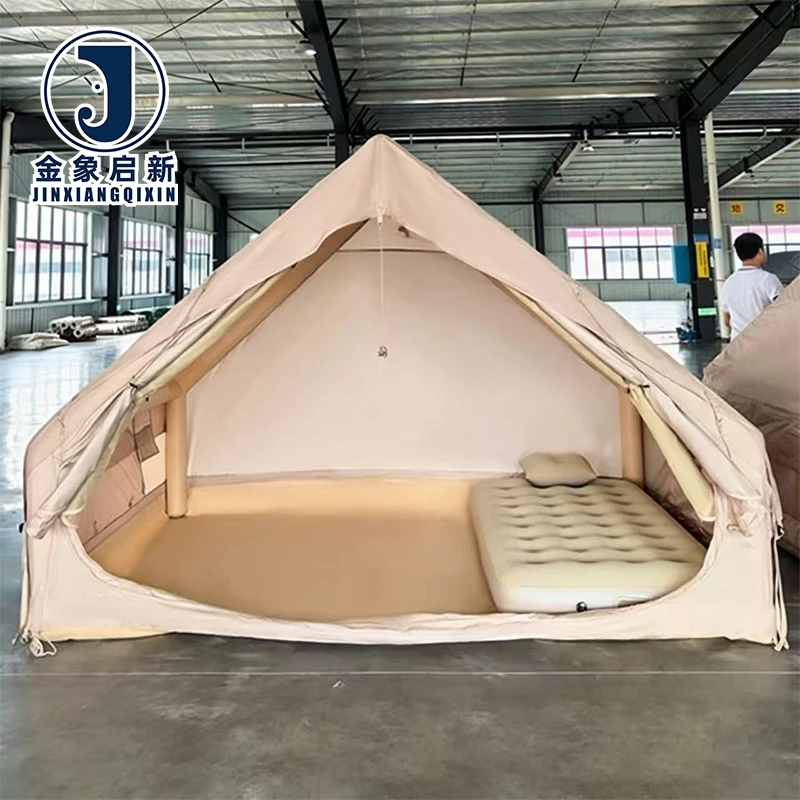
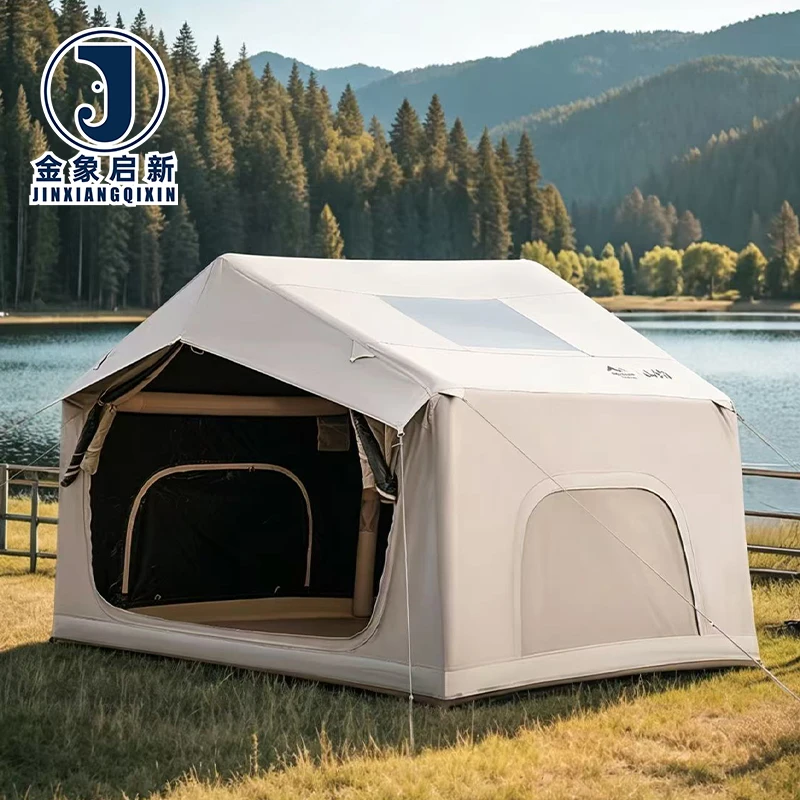
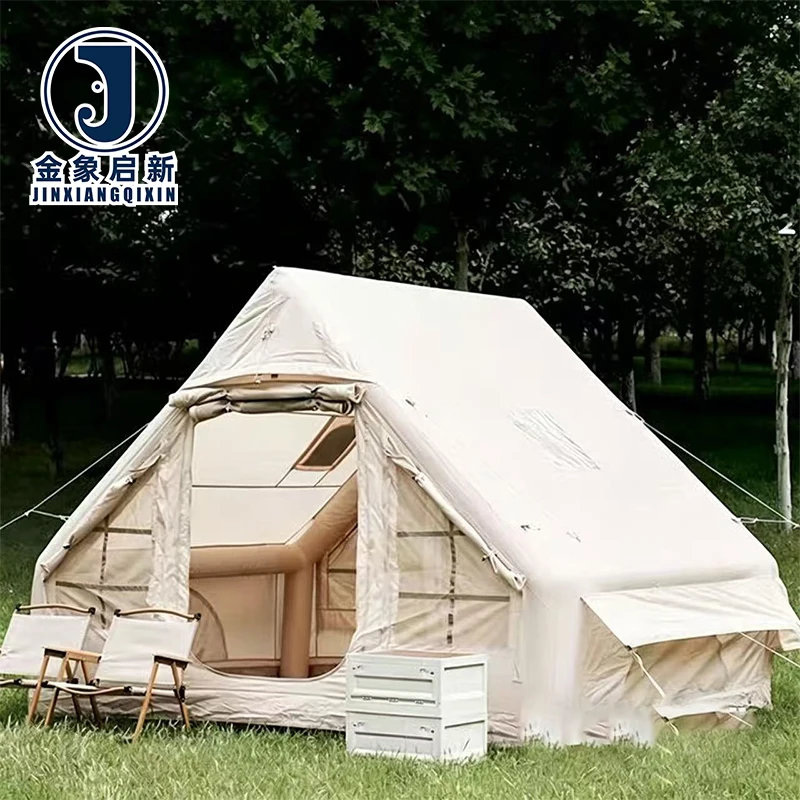
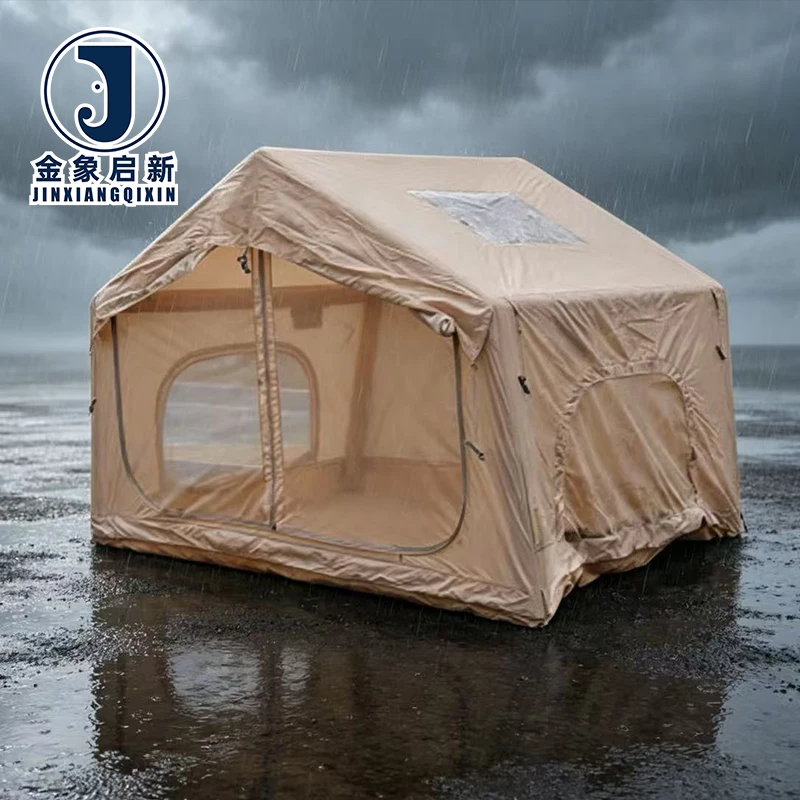
4 Season Inflatable Tent — waterproof, UV-resistant, tear-resistant PVC tarpaulin construction with full OEM & ODM customisation including pattern printing and material selection.
- Designed for commercial outdoor equipment manufacturers and large-scale event operators requiring durable, brand-specific shelter solutions with consistent roll-to-roll material quality.
- Coating weight and adhesion controlled in-house to ensure reliable heat-welded seam performance at flex points across repeated inflation cycles.
- Samples developed within days so you verify material grade, sizing and print before committing to bulk production.
Description
Dedicated QA/QC Process — 100% pre-shipment inspection applied to every roll of inflatable tent fabric, ensuring batch-to-batch consistency that protects your brand’s reputation across large production runs.
Technical Specifications
| Parameter | Value |
|---|---|
| Product Type | Inflatable Tent Fabric |
| Core Material | PVC Tarpaulin |
| Key Performance | Waterproof, UV-resistant, Tear-resistant |
| UV-Resistant Grade | Test basis not stated in source — confirm grade required |
| Flame Retardant Grade | Not stated — available on request with test documentation |
| Anti-Static | Not stated |
| Coating Method | Not stated |
| Base Fabric Denier | Not stated |
| Total Thickness | Not stated |
| Weight (GSM) | Not stated — confirm required weight for your application |
| Width | Not stated — custom widths available |
| Tensile Strength | Not stated |
| Tear Strength | Not stated |
| Temperature Range | Not stated |
| Customization | OEM & ODM, sample customization, pattern printing |
| Certification | ISO9001, ISO14001, ISO45001, CE |
Application Suitability
| Application | Exposure & Requirement |
|---|---|
| Commercial inflatable camping tent manufacturing | Repeated inflation and deflation cycles, constant internal air pressure stress, UV exposure across seasons |
| Large-scale outdoor event shelter structures | High wind load on membrane surfaces, rapid deployment and teardown handling, public safety compliance |
| Professional expedition inflatable shelters | Extreme temperature fluctuation, abrasive ground contact during setup, critical reliance on airtight seam integrity |
| Industrial-grade glamping tent production | Long-term outdoor installation, guest-facing aesthetic and branding requirements, commercial cleaning chemical exposure |
Why Roll-to-Roll Colour Variation Destroys Your Inflatable Tent Brand
Batch-to-batch colour consistency starts with process control at the coating stage, not just pigment selection.
Buyers sourcing Inflatable Tent Fabric manufacturer custom solutions frequently encounter a visible problem: two rolls from the same purchase order show a perceptible colour shift when cut and welded side by side on an inflatable tent panel. This is not a minor cosmetic issue. Commercial inflatable tent manufacturers producing branded product lines for the outdoor hospitality and event markets face wholesale rejection when adjacent panels on a single tent show mismatched tones. The root cause often traces back to inconsistent coating thickness or uneven pigment dispersion across the production run [NEED_CITE: colour consistency measurement methods for coated textile substrates].
Coating Consistency Across the Full Production Line
Maintaining uniform colour across multiple rolls of inflatable tent fabric requires tight control over coating weight, oven temperature profiles, and pigment batch blending. Our 3 full production lines and 36 sets of professional equipment allow us to dedicate specific lines to colour-critical orders, eliminating the cross-contamination risk that occurs when a line switches between white and dark-coloured PVC runs. The 10-person R&D team develops custom colour formulations and validates them against your Pantone or RAL reference before production begins, locking the formula for the entire order quantity.
Pattern Printing for Brand Differentiation
Commercial inflatable tent manufacturers increasingly require branded fabric with logos, wayfinding graphics, or decorative patterns printed directly onto the PVC surface. Our OEM and ODM customization service covers pattern printing with colour matching validated at the sample stage. The sample development process delivers a printed fabric swatch for your approval before mass production commitment, ensuring the ink adhesion and colour density meet your brand standards [NEED_CITE: adhesion test standards for printed graphics on PVC coated fabrics].
How Base Fabric and Coating Determine Inflatable Performance
The structural integrity of an inflatable tent depends on the relationship between the base fabric’s tensile properties and the PVC coating’s adhesion strength. When the inflatable beam is pressurised, the fabric experiences biaxial stress — the warp and weft yarns carry the load while the coating must resist delamination at the welded seams. Heavier base fabric denier generally correlates with higher tear resistance, but the actual tear propagation behaviour depends on the weave density and how thoroughly the PVC penetrates the yarn intersections. Coating method — whether knife-over-roll, dip, or calender — directly affects peel strength at heat-welded joints, which is the most common failure point on inflatable tent beams. A specification that states only GSM without denier and weave data leaves critical structural variables undefined.
The Cost of Specifying Inflatable Tent Fabric on Price Alone
Purchasing decisions driven primarily by per-kilogram cost create predictable downstream failures. Rolls that arrive lighter than the quoted GSM mean thinner coating, which translates directly to reduced airtightness at the heat-welded seams of inflatable beams. Fabric supplied without a documented UV test basis degrades prematurely under sustained sun exposure, causing chalking and embrittlement that leads to air leaks along the beam structure. Welded seams that fail before the fabric body does represent a systemic specification error, not a manufacturing defect — the peel strength was inadequate for the inflation pressure from the start [NEED_CITE: heat welding parameters and peel strength requirements for inflatable structure fabrics].
Why Procurement Teams Source Inflatable Tent Fabric From Jinxiang
Nearly 30 years of continuous PVC coated fabric production has built process knowledge that directly benefits inflatable tent material buyers. Three dedicated production lines provide the capacity to fulfil container-volume orders while maintaining the scheduling flexibility that custom colour and width requirements demand. The 10-person R&D team handles material selection consultations, translating your inflatable structure’s pressure and load requirements into specific fabric construction recommendations. Dedicated QA and QC personnel conduct in-process inspection at every coating stage and perform 100% pre-shipment inspection, documenting each roll against the order specification. Sample development within days allows your engineering team to test heat-weld parameters and seam geometry before committing to production volumes.
Documentation & Verification
- Material specification sheet stating GSM, base fabric construction, and coating type for each roll in your inflatable tent fabric order
- UV-resistance test report linked to specific batch numbers where applicable treatment is specified
- 100% pre-shipment inspection record with QA/QC sign-off confirming weight and colour against order specification
- ISO9001, ISO14001, ISO45001, and CE certificates included with shipment documentation for compliance verification
- Certificate of origin and customs support documentation for international inflatable tent fabric shipments
Fabrication, Handling & Storage
- Confirm heat-weld temperature and dwell time on sample pieces before production welding of inflatable beam seams
- Store PVC tarpaulin rolls horizontally on pallets to prevent permanent creasing that compromises airtight coating integrity
- Allow cold-stored inflatable tent fabric rolls to reach workshop temperature before unrolling to avoid coating micro-cracking
- Use compatible PVC-based repair patches and solvent cement for field repair of inflatable tent beam punctures
- Plan cutting layout to minimise welded seam count across inflatable beam panels, reducing potential air leak points
What We Need to Quote Your Inflatable Tent Fabric Correctly
To provide an accurate specification recommendation and quotation, we need to understand your inflatable tent’s design pressure, expected deployment environment, and any regulatory requirements your target market imposes. Please share your required fabric width, target GSM range, colour or print specifications, and annual volume estimate so we can align production scheduling with your delivery timeline. Let us know whether you require raw roll stock for your own fabrication facility or if you need sample yardage first to validate weld parameters and seam design.
Frequently Asked Questions
Q: How do we verify the GSM of inflatable tent fabric on arrival against the quoted specification?
A: Each shipment includes a pre-shipment inspection record documenting the measured weight per square metre for every roll. We recommend buyers perform their own cut-and-weigh verification using a standard template on receipt, comparing results against the material specification sheet provided. Any discrepancy should be reported immediately with photographic evidence and the roll identification number for resolution.
Q: What test basis supports the UV-resistant claim for inflatable tent fabric?
A: UV-resistant treatment is available with test documentation — confirm the specific test standard and exposure duration required for your target market before ordering. We provide test reports linked to the production batch when UV treatment is specified in the order. Commercial inflatable tent installations in high-UV regions should request accelerated weathering data relevant to their geographic market.
Q: How is pattern printing colour matching handled for branded inflatable tent production?
A: The R&D team develops a colour formulation based on your Pantone or RAL reference and produces a printed sample swatch for your approval before mass production begins. Colour density and ink adhesion are validated on the sample. Once approved, the formula is locked for the entire production run to maintain consistency across all rolls in your order.
Q: What customisation flexibility exists for width, length, and MOQ on inflatable tent fabric orders?
A: Custom widths and roll lengths are available subject to production line capability — share your required dimensions and we will confirm feasibility and lead time. Minimum order quantities vary by specification complexity, with standard stock grades carrying lower thresholds than fully custom colour or print orders. Early engagement allows us to align your requirements with scheduled production runs.
Q: How is batch-to-batch colour consistency maintained across multiple inflatable tent fabric orders?
A: Colour formulas are developed and archived by the R&D team, then locked into production parameters for repeat orders. In-process QA monitoring tracks coating weight and pigment dispersion during manufacturing. The 100% pre-shipment inspection includes visual colour comparison against the approved reference standard, with results documented before dispatch.
Related products
-
Camping Tent Inflatable UV Resistant Customizable Four-season Waterproof PVC Eco-Friendly Windproof Foldable Quick Automatic
Read more -
Tente gonflable en PVC de luxe pour le glamping extérieur imperméable avec ouverture automatique rapide, design pliable quatre saisons et pompe.
Read more -
Tente de camping gonflable imperméable PVC Air Tent extérieur installation facile abri de camping familial quatre saisons >3000mm imperméable rapide
Read more -
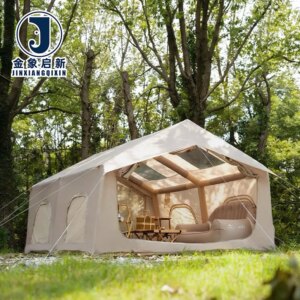
Inflatable Four-season Camping Tent-PVC Coated Waterproof Eco-Friendly Quick Inflation CE Certified ODM/OEM Accepted
Read more