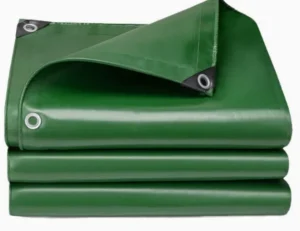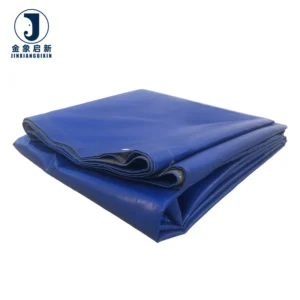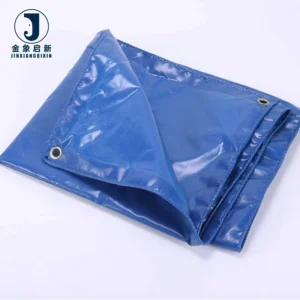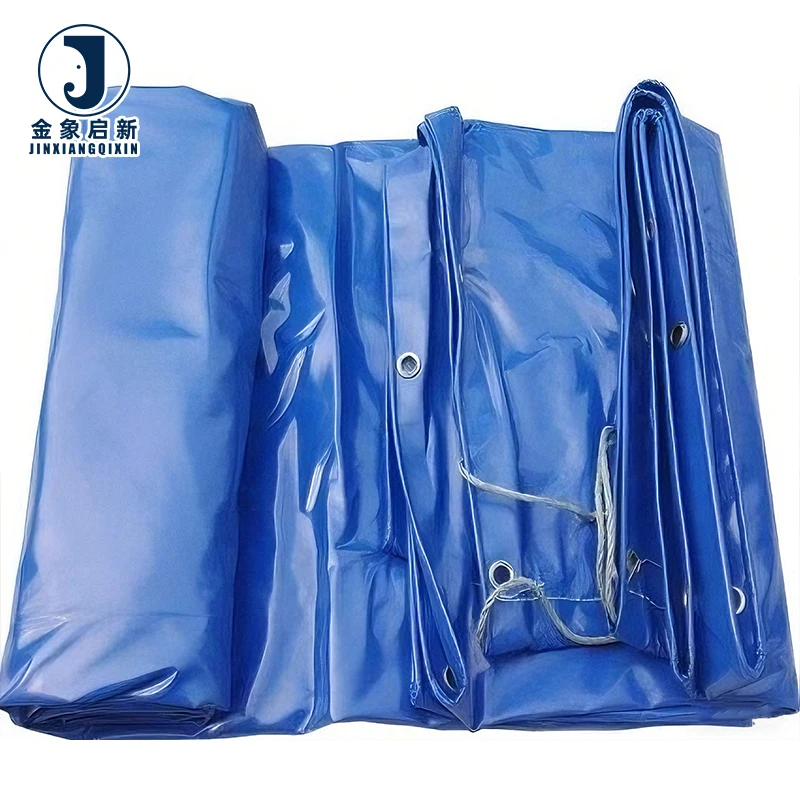
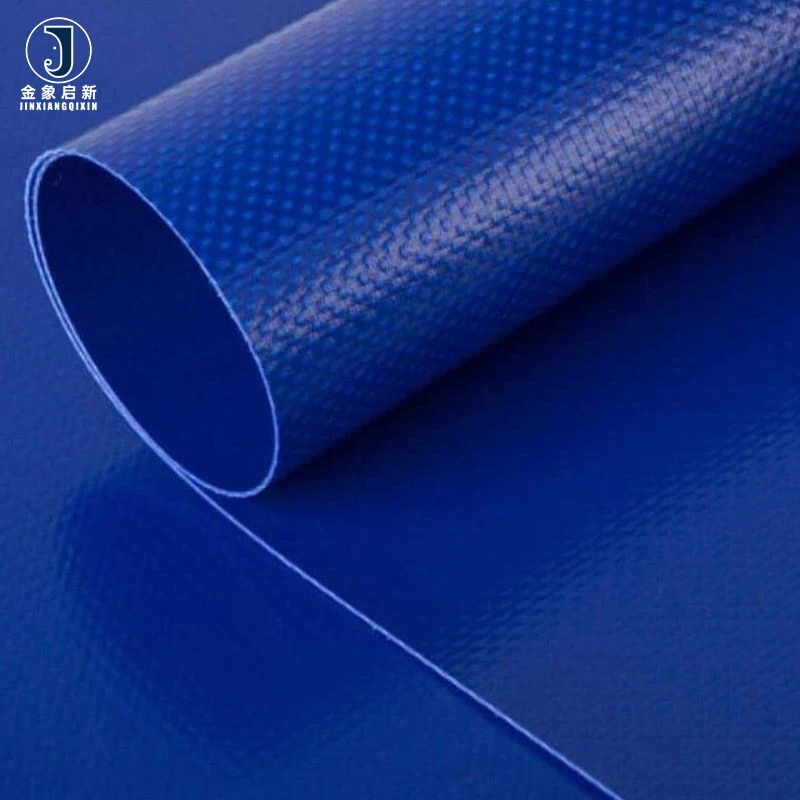
Custom Made PVC Coated Tarpaulin Fabric, 250gsm-1500gsm, 1000D×1000D Denier — waterproof with UV and flame-retardant treatment, glossy or matte surface options.
Full custom range from roll stock to cut sizes with pattern printing and reinforced hems. Select denier and coating weight matched to tensile and tear requirements, not just GSM alone.
- 30 years coating expertise with dedicated QA at every production stage
- 10-person R&D team handling sizing, printing and sample development
- 100% pre-shipment inspection with full documentation
Description
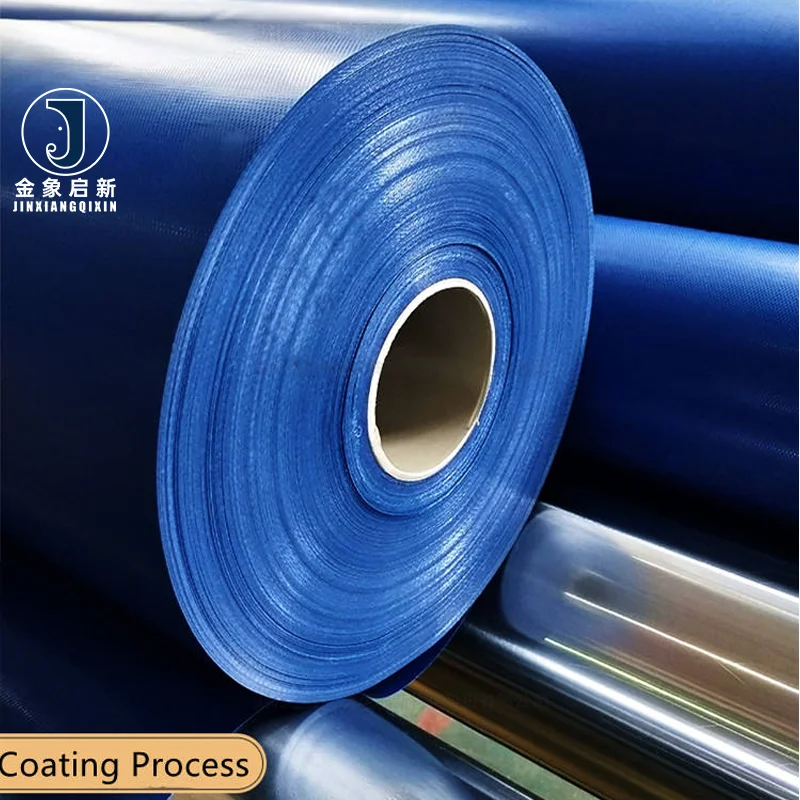
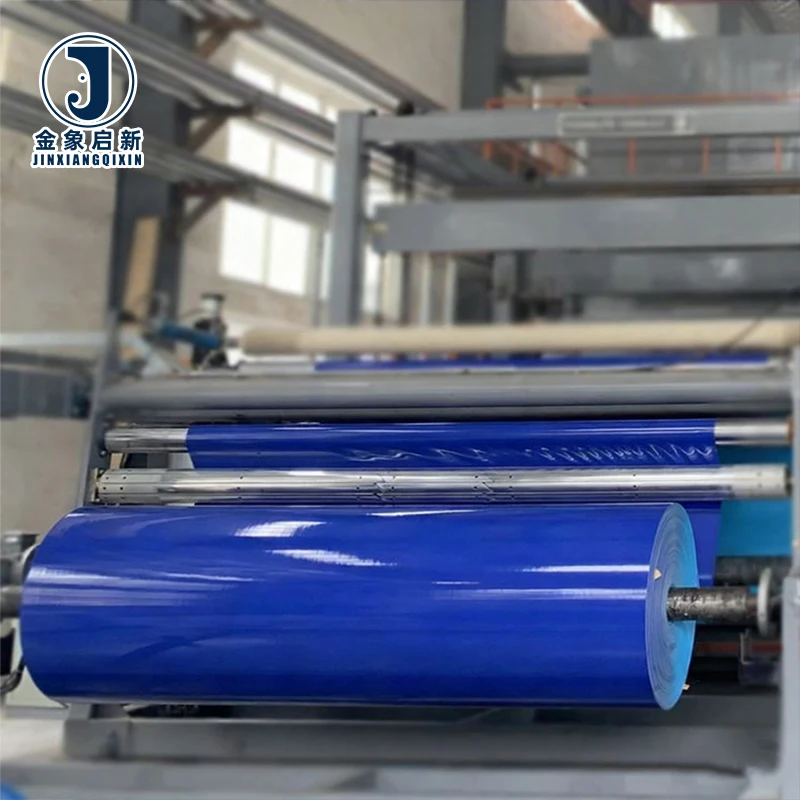
Proven Coating Expertise — Nearly three decades of PVC coating process control, backed by three dedicated production lines and a 10-person R&D team managing everything from base fabric selection to custom pattern printing.
Technical Specifications
| Parameter | Value |
|---|---|
| Product Type | PVC Coated Tarpaulin |
| Weight (GSM) | 250gsm–1500gsm (confirm grade required) |
| Base Fabric Denier | 200D×300D, 500D×500D, 840D×840D, 1000D×1000D |
| Coating Material | PVC |
| Available Colors | Blue, yellow, black, green, white, and custom |
| Surface Finish | Glossy or matte |
| Standard Sizes | 3×4m, 6×8m, 8×10m, 10×12m, or custom dimensions |
| UV Treatment | Available — confirm UV test standard required for your market |
| Flame Retardant | Available — confirm the FR grade required for your market |
| Anti-Fungal | Treated |
| Waterproof | Yes |
| Temperature Range | -15°C to 70°C |
| Working Life | 3–10 years depending on usage environment |
| OEM / ODM | Available |
| Standards | ISO, CE |
Application Suitability
| Application | Exposure & Requirement |
|---|---|
| Truck and trailer side curtains | Constant flexing at hinge points, road spray abrasion, prolonged UV exposure |
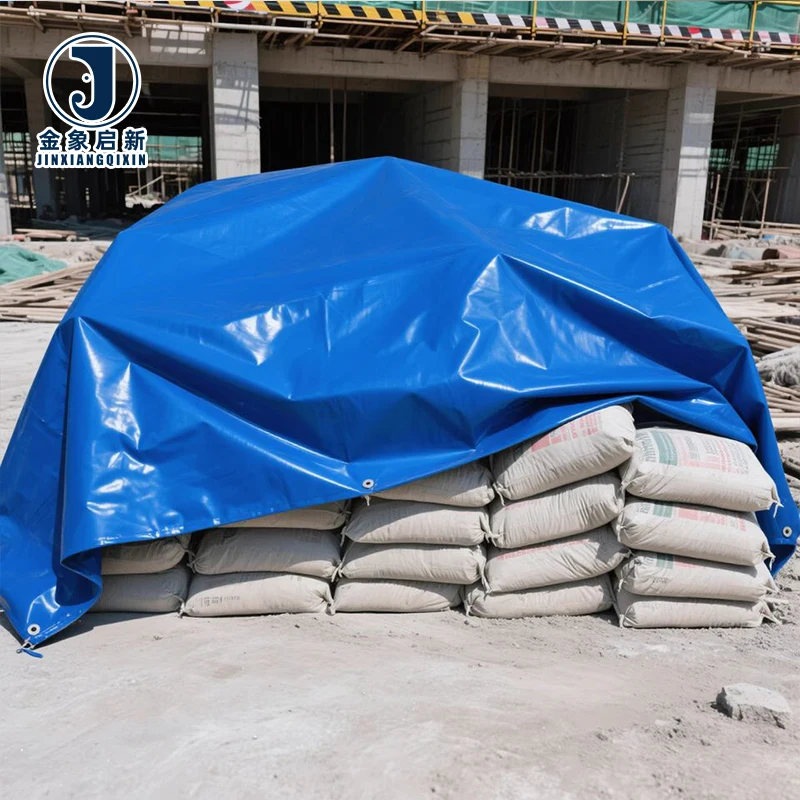
| Construction site enclosure | Wind-driven rain, dust containment, UV degradation, puncture from scaffolding contact |
| Equipment and machinery covers | Standing water, temperature swings, chemical splash, frequent handling |
| Tent and awning fabrication | Tension loading at frame points, weather exposure, colour consistency across panels |
| Agricultural pond and stock covers | Permanent water immersion, soil chemistry, biological growth |
What Happens When Quoted GSM Does Not Match What Arrives
Every roll is inspected against the stated coating weight before it leaves the factory.
Buyers regularly receive PVC coated tarpaulin fabric that measures lighter than the weight agreed on the purchase order. A quotation may specify a mid-range GSM, yet the delivered roll falls short once you cut a sample and weigh it on a calibrated scale. This gap typically originates from inconsistent coating application or unverified raw material batches [NEED_CITE: ISO 1421 tensile and tear test methods for coated fabrics]. The consequence is not just a specification breach — it is a tarpaulin that fails prematurely at the very flex and load points where full coating weight matters most.
Selecting the Right Denier for the Job
The base fabric denier directly determines how the PVC coated tarpaulin fabric handles mechanical stress. A 200D×300D weave suits lightweight covers and temporary enclosures where the material faces minimal abrasion, while 1000D×1000D provides the structural backbone for heavy-duty truck curtains and construction hoarding that must resist tearing under wind load and tie-down tension.
Colour and Finish Decisions That Matter on Site
Glossy finishes shed dirt and water more readily, making them practical for truck side curtains that need to stay presentable between washes. Matte finishes reduce glare and are often preferred for tent and awning panels. Both options are available across the full colour range, and double-side colour configurations can be specified where interior and exterior appearance must differ.
Reading the Specification Sheet Beyond GSM
GSM alone tells you how much the material weighs, not how strong it is. A 650 GSM PVC coated tarpaulin fabric built on a 500D×500D base with tight weave density will outperform a 650 GSM material on a looser 840D×840D weave in tear resistance, because the individual yarns in the denser weave distribute load across more fibres. Coating weight and base fabric work together: the PVC layer provides waterproofing and abrasion resistance, while the woven polyester skeleton carries the tensile and tear load. Surface treatment also plays a role — a lacquered finish extends the interval between cleaning and can improve resistance to plasticiser migration, which keeps the fabric flexible through repeated temperature cycles between -15°C and 70°C [NEED_CITE: PVC plasticiser migration and low-temperature embrittlement in coated fabrics].
The Hidden Cost of Specification Shortcuts
When coating weight is lighter than specified, the PVC layer wears through faster at high-friction contact points — the bottom edge of a truck curtain rubbing against a trailer rail, or the fold line where a tarpaulin is repeatedly folded for storage. Flame retardant grades that lack a documented test standard can cause a construction site enclosure to fail a fire safety inspection, halting the project until compliant material arrives. Colour inconsistency between rolls in a single order becomes visible once panels are installed side by side, forcing a full replacement rather than a patch repair [NEED_CITE: batch colour variation in PVC coated textiles].
What Sets This Production Capability Apart
Three full production lines and 36 sets of professional equipment give this operation the capacity to handle bulk roll orders alongside cut-to-size pieces without the scheduling conflicts that plague single-line factories.
The 10-person R&D team works directly with buyers on material selection, custom sizing, and pattern printing — sample development for bespoke PVC coated tarpaulin fabric projects is completed within days rather than weeks.
Dedicated QA/QC at every production stage means coating weight, colour match, and surface finish are checked during the run, not just at final packing.
A documented pre-shipment inspection record accompanies every order, confirming that the material you receive matches the specification on your purchase order.
Documentation & Verification
- Material specification sheet stating exact GSM, base fabric denier, and coating type per item
- Test reports for UV and flame retardant grades supplied with shipment where applicable
- Pre-shipment inspection record confirming GSM verification and colour consistency across rolls
- ISO and CE certificates included with dispatch documentation
- Certificate of origin and customs support provided for international shipment
Fabrication, Handling & Storage
- Heat-weld settings must be adjusted to the specific GSM and coating thickness of this PVC coated tarpaulin fabric
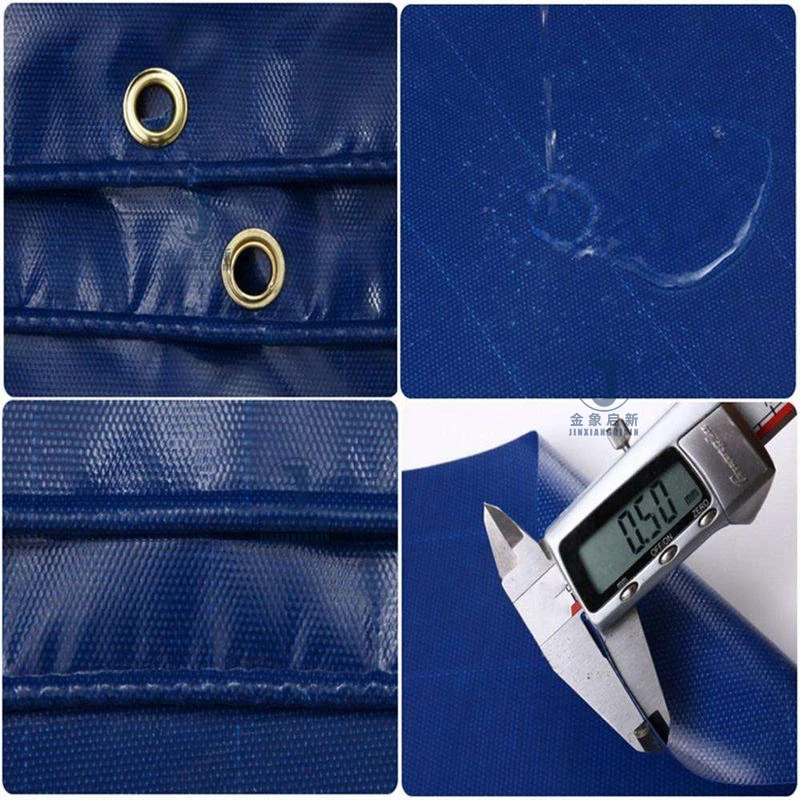
- Eyelet placement should account for base fabric denier direction to prevent tear propagation under load
- Store rolls horizontally on a flat surface to avoid permanent creasing in the coated surface
- Allow cold-stored rolls to reach ambient temperature before unrolling to prevent coating crack damage
- Clean glossy-finish panels with mild detergent; avoid solvents that degrade the PVC plasticiser layer
- When cutting custom sizes from standard dimensions, plan panel layout to minimise waste at selvedge edges
Specifying Your Order
To move forward with an enquiry, share the intended application and the environmental conditions the material will face — UV exposure levels, temperature extremes, and whether fire safety regulations apply at the installation site. Confirm whether you need full rolls, cut-to-size panels, or fabricated covers with specific eyelet spacing and reinforced hem configurations. Colour references, print artwork, and target order volume help us prepare an accurate PVC coated tarpaulin manufacturer custom quotation and sample for your approval.
Frequently Asked Questions
Q: How is GSM verified and what documentation supports the quoted weight?
A: Every roll undergoes a weight check against the stated GSM during pre-shipment inspection. The inspection record, included with your dispatch documentation, confirms the measured coating weight. You can also request a cut sample from the production batch for independent verification on your own calibrated scale before the full shipment leaves the factory.
Q: What UV and flame retardant test standards are available?
A: UV and flame retardant treatments are available across the product range. The specific test standard applied depends on your destination market requirements — confirm whether your project requires compliance with DIN, NFPA, or local building code classifications so the correct treatment grade and corresponding test report can be prepared and included with your shipment.
Q: How is colour consistency controlled across multiple rolls in one order?
A: Colour matching is monitored at the coating stage using controlled reference standards. Rolls within the same production run are checked side by side before packing, and the pre-shipment inspection record notes colour consistency results. For large multi-batch orders, we recommend requesting a colour swatch from each production batch before full dispatch.
Q: What custom sizing, printing, and eyelet options are available?
A: Standard cut sizes include 3×4m, 6×8m, 8×10m, and 10×12m, with fully custom dimensions available. Pattern printing and branding are handled in-house with sample development completed within days. Eyelet spacing, reinforced hem width, and welded seam placement can all be specified to match your installation and load-securing requirements.
Q: What documentation arrives with each shipment?
A: Each dispatch includes a material specification sheet, pre-shipment inspection record, roll packing list, certificate of origin, and customs support documents. Where applicable, UV and flame retardant test reports are included. ISO and CE certificates are available as part of the standard documentation package for every order.
Related products
-
Waterproof Heavy Duty Tarpaulin Water Proof Cover Tarpaulin Manufacturer
¥1.48 Add to cart -
Factory 12ftx20ft Construction Cold Weather Insulated Pe Tarps Poly Tarp Heavy Duty Concrete Curing Blanket Tarpaulin Roll Sheet
¥0.66 Add to cart -
Secure Green PVC Coated Blackout Tarpaulin Truck Tent Cover Anti-Aging Waterproof Folding Design Breathable Woven Technics
¥0.83 Select options This product has multiple variants. The options may be chosen on the product page -
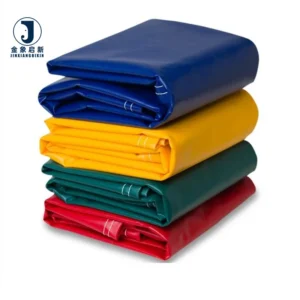
Heavy Duty Waterproof PVC Tarpaulin Roll Cover for Truck Tent Outdoor Storage and Industrial Use
¥1.48 Add to cart