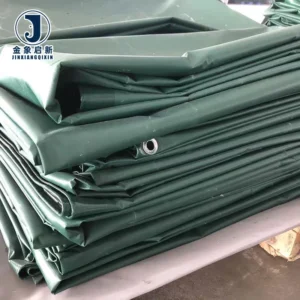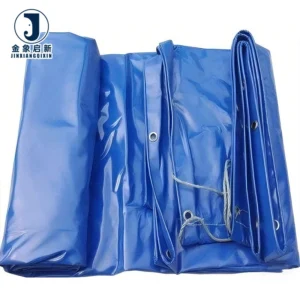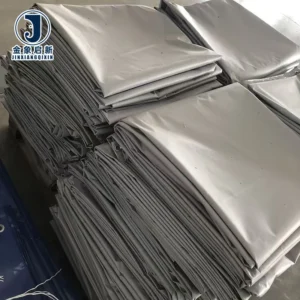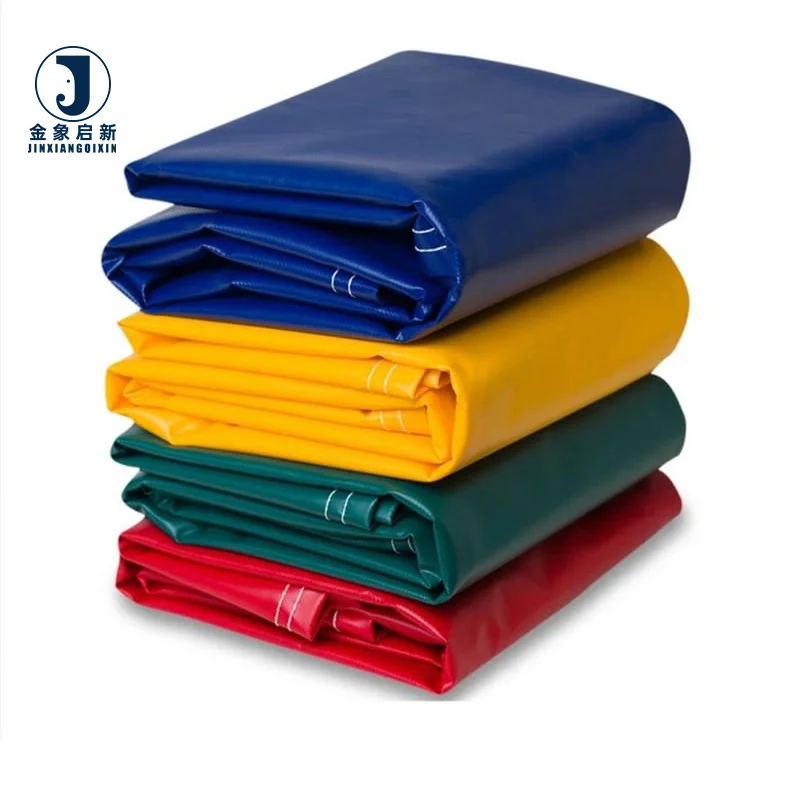
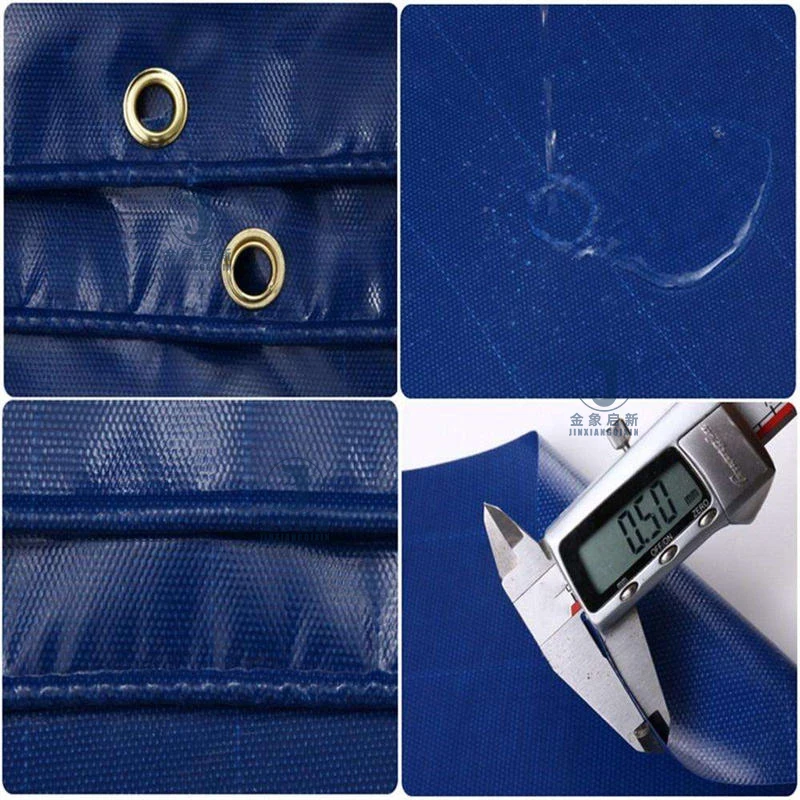
PVC Coated Tarpaulin Fabric — available in medium (400–500 g/m²), heavy (700–1000 g/m²) and super heavy-duty (1100–1500 g/m²) grades with 500D to 2000D base fabric options.
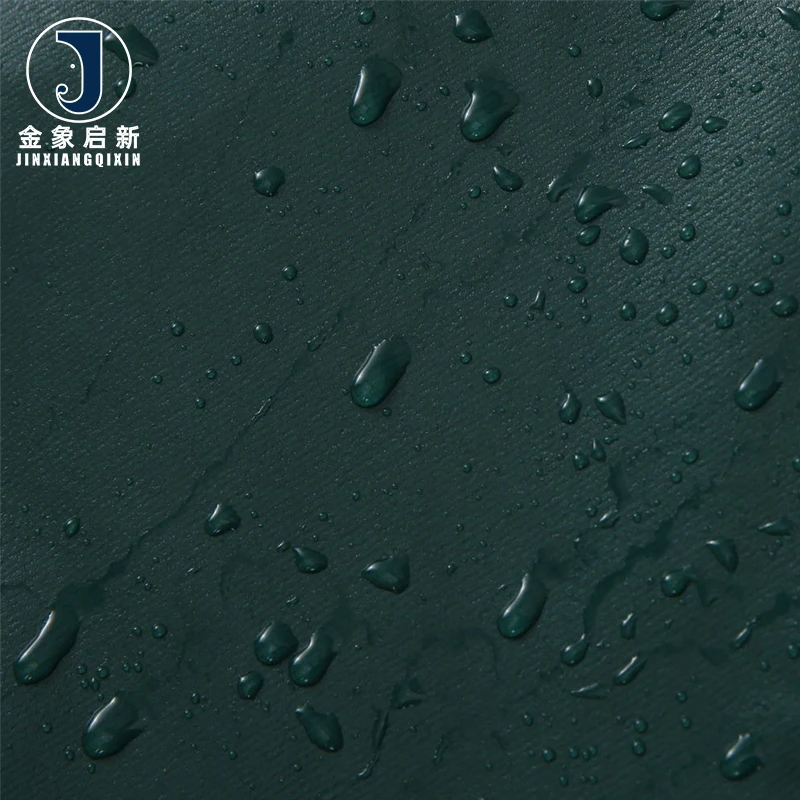
- Waterproof, UV resistant, and tear resistant for long-term outdoor exposure
- Custom width, length, color, double-side color, and branding supported
- Suitable for truck covers, tent fabric, side curtains, and membrane structures
Deep process control over coating weight and adhesion ensures consistent GSM roll-to-roll, backed by 100% pre-shipment inspection and sample development within days for custom specs.
Description
Precision-Coated Fabric — Every roll leaving our coating line carries a verified GSM reading matched to the quotation, because we control knife gap and oven cure from start to finish.
Technical Specifications
| Parameter | Value |
|---|---|
| Product Type | PVC Coated Tarpaulin Fabric |
| Material | PVC coated polyester fabric |
| Base Fabric Denier | 500D / 1000D / 500D–2000D (grade-dependent) |
| Weight Range | 400–500 g/m² (medium-duty) / 700–1000 g/m² (heavy-duty) / 1100–1500 g/m² (super heavy-duty) |
| Thickness | 0.35–0.45 mm (medium) / 0.70–1.0 mm (heavy) / 1.2–1.5 mm (super heavy) |
| Tensile Strength | Warp 1500–3000 N/5cm, Weft 1200–2800 N/5cm (grade-dependent) |
| Features | Waterproof, UV resistant, tear resistant, mildew proof, anti-aging |
| Colour Options | Blue, Blue/Orange, Green, Grey, Black, Clear, Grey/Green, Orange, or custom |
| Surface Finish | Glossy or matte (available per specification) |
| Customisation | Width, length, colour, branding |
| Certifications | ISO, CE |
Application Suitability
| Application | Exposure & Requirement |
|---|---|
| Truck tarpaulin covers & trailer side curtains | Constant flexing at tie-down points, road abrasion, UV and weather exposure, wind load stress |
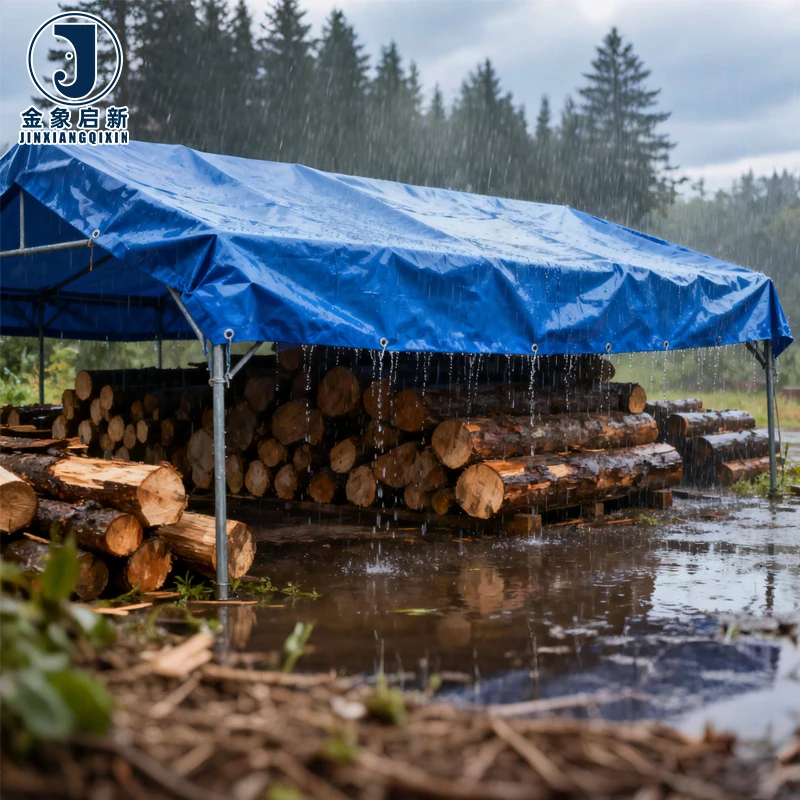
| Construction site protection & equipment covers | Punctures from scaffolding and debris, standing water, UV degradation over extended outdoor deployment |
| Tent and awning structures | Repeated folding and unfolding, wind tension, UV exposure requiring surface integrity retention |
| Tensioned membrane & inflatable structures | Permanent biaxial tension, UV and thermal cycling, weld seam reliability under load |
| Agricultural and aquaculture covers | Prolonged water contact, soil chemistry exposure, puncture from substrate irregularities |
When the Stated GSM Never Makes It to the Dock
Weighing every roll before it leaves the line is the only way to close the gap between quotation and delivery.
I have watched a container get refused dockside because the PVC coated tarpaulin fabric tested lighter than agreed. The quotation said one weight; the scale told a different story. That single failure cost the supplier an entire shipment and the buyer weeks of project delay [NEED_CITE: pre-shipment weight verification protocols for coated fabrics].
A GSM number on a data sheet is only meaningful when the production process is built around holding it. Coating weight, base fabric tension through the oven, and knife gap calibration all shift the final reading. Without in-line monitoring and a final per-roll check, any PVC coated tarpaulin fabric shipment is essentially a gamble. The buyers who have been burned once always ask for the test record before they ask for the price.
The Full Catalogue, Built Around Your Specification
Sourcing PVC coated tarpaulin fabric across multiple applications means managing a wide spread of weight grades, denier counts, and functional treatments. Our range covers medium-duty grades from 400–500 g/m² with 500D base fabric through to super heavy-duty constructions at 1100–1500 g/m² on up to 2000D polyester. Each grade sits in its own position in the matrix, matched to the mechanical demand of the end use rather than bundled into a generic offering.
Coating Process Control That Holds the Spec
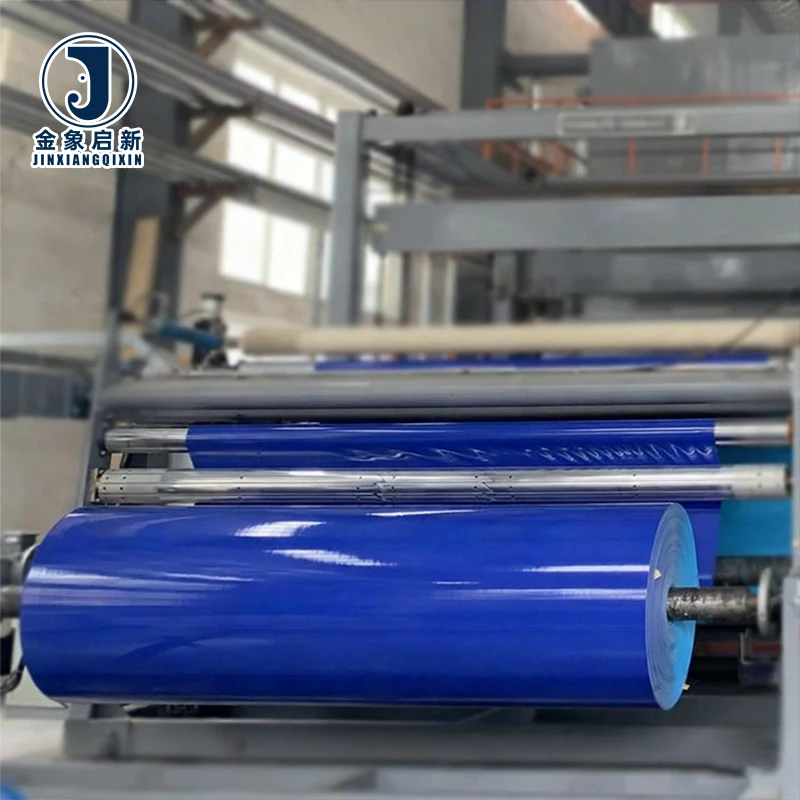
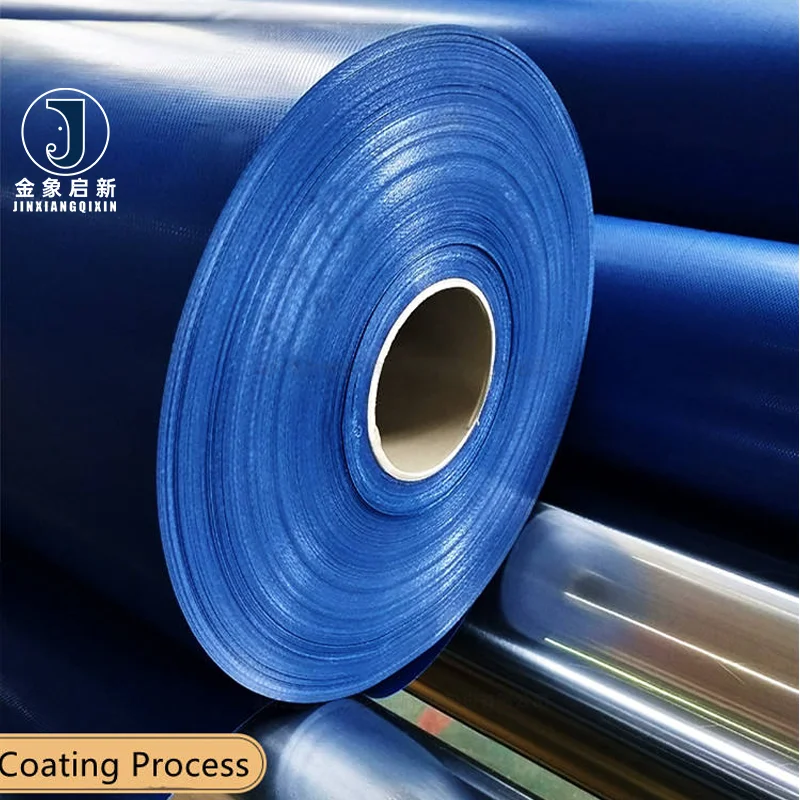
The gap between what the data sheet states and what arrives in the container comes down to how the coating line is managed. Knife-over-roll coating deposits PVC slurry onto the base fabric, and the knife gap directly governs how much coating mass sits on each side. Oven temperature profiles then determine cure quality and adhesion [NEED_CITE: knife coating process parameters and their effect on PVC adhesion strength].
On our three production lines, coating weight is monitored throughout the run. This is how batch consistency is maintained roll to roll, so that a buyer ordering twenty rolls of the same PVC coated tarpaulin fabric receives twenty rolls that weigh, feel, and perform identically.
Reading the Spec Sheet Beyond the Headline Number
Weight in g/m² and base fabric denier together define what the material can actually withstand. A 700 g/m² fabric on a 1000D polyester base will behave very differently under load than a 700 g/m² fabric on a lighter weave — the denier controls individual yarn strength, while the coating mass governs stiffness, waterproofing, and abrasion resistance at the surface.
Tensile strength readings across warp and weft directions reveal how the fabric handles biaxial stress, which is critical for applications like tensioned membrane structures where the material is permanently pulled in two directions. The available thickness range from 0.35 mm to 1.5 mm maps directly to puncture resistance and handling characteristics: lighter grades fold and pack easily for tents and awnings, while heavier grades hold their shape under wind load on construction barriers or truck covers.
Colour options and surface finish choices — glossy or matte — affect both aesthetics and practical performance, with matte surfaces reducing glare on large installed areas and glossy surfaces offering easier wipe-down cleaning.
The Cost of Getting the Specification Wrong
Ordering a medium-duty grade where a heavy-duty application demands more does not just mean earlier replacement. The seams fail first, because the flex load at welded joints exceeds what the lighter coating can bond to the base fabric. Installers discover the problem only after the material is cut, welded, and deployed [NEED_CITE: common failure modes at heat-welded seams in coated polyester fabrics].
Colour inconsistency across rolls in a single shipment is another hidden failure. When two rolls from the same order show a visible shade difference side by side on a truck trailer or a building facade, the entire installation looks compromised. This is not a material defect in the conventional sense — it is a batch management failure that no amount of post-delivery correction can fix without a full re-order.
What Thirty Years on the Coating Line Actually Buys You
Our 10-person R&D team handles material selection and sample development in-house, so when a buyer needs a specific width or colour matched, the sample is developed within days rather than weeks.
Three full production lines with 36 sets of professional equipment give us the capacity to run bulk orders without compromising the coating consistency that defines our PVC coated tarpaulin fabric output. Dedicated QA/QC runs at every stage — base fabric inspection before coating, in-line weight checks during the run, and 100% inspection before any roll is packed.
ISO and CE certification is maintained as a baseline, not a marketing claim. Every shipment leaves with documentation that matches the physical product: specification sheets, test reports where functional treatments are specified, and pre-shipment inspection records that the buyer can cross-reference on arrival.
Documentation & Verification
- Material specification sheet stating verified GSM, base fabric denier, and coating type per roll
- UV and flame-retardant test reports provided where treatment grades are specified
- Pre-shipment weight verification record confirming each roll against the quoted GSM
- ISO and CE certificates included with dispatch documentation
- Certificate of origin and customs support documents prepared per destination market
Fabrication, Handling & Storage
- Heat-weld at temperatures matched to the coating thickness — heavier grades above 1.0 mm require extended dwell time for full bond penetration
- Store rolls upright on pallets in a dry environment to prevent flat-spot deformation on the PVC coating surface
- Allow cold-stored rolls to acclimatise before unrolling to avoid coating micro-cracking at low temperature
- Clean glossy-finish surfaces with mild detergent only — solvent-based cleaners will attack the plasticiser in the PVC coating layer
- Reinforce tie-down eyelet zones with additional PVC patches welded over the base fabric to distribute point load
Before You Request a Quote
Tell us the end-use application and the exposure conditions the PVC coated tarpaulin fabric will face — wind load, UV hours, chemical contact, and whether the material will be permanently tensioned or repeatedly folded. Share your required roll width, annual volume, and any functional treatment your market demands so we can match the correct grade and supply the corresponding test documentation.
Frequently Asked Questions
Q: How do you guarantee the GSM matches what is quoted?
A: Every production run is monitored in-line for coating weight, and each roll is weighed individually before dispatch. We provide a pre-shipment verification record so you can cross-reference the actual GSM against the specification sheet before the container leaves our facility.
Q: Can I order custom widths, colours, and branding on the same roll?
A: Yes. Custom width, length, colour matching, and printed branding are available across the PVC coated tarpaulin fabric range. Minimum order quantities vary by specification, and samples for custom requirements are typically developed within days for your approval before bulk production begins.
Q: Do you supply test reports for UV and flame-retardant treatments?
A: Where UV-resistant or flame-retardant grades are specified, we supply the corresponding test report with the shipment documentation. Confirm the specific grade or standard your market requires so we match the correct treatment level to your application.
Q: How is colour consistency managed across multiple rolls in one order?
A: Each production batch runs under controlled coating parameters with in-process quality checks. Rolls are inspected side by side before packing, and our 100% pre-shipment inspection catches shade variation before it leaves the facility — not after it arrives on your installation site.
Q: What documentation ships with the order?
A: Each dispatch includes a material specification sheet, pre-shipment inspection record, packing list by roll, and applicable certificates. For orders specifying functional treatments like flame retardancy, the relevant test report is included so your site compliance team has what they need on arrival.
Related products
-
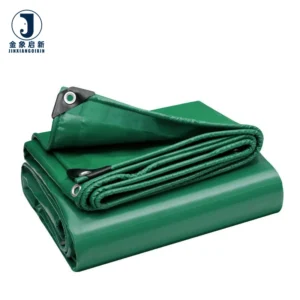
Factory Direct 20×30 Feet 13mil Heavy-Duty Vinyl Tarps PVC Tarpaulin for Firewood Roof Camping Patio Pool Boat Dump Trailer
¥2.60 Add to cart -
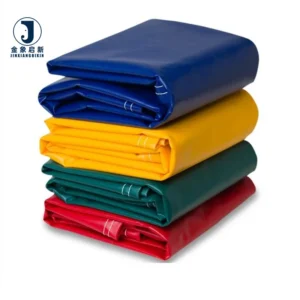
Heavy Duty Waterproof PVC Tarpaulin Roll Cover for Truck Tent Outdoor Storage and Industrial Use
¥1.48 Add to cart -
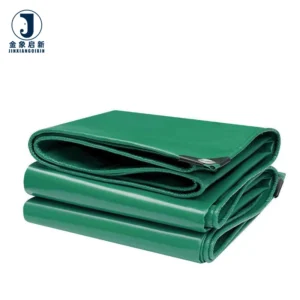
450gsm Green Heavy-duty Waterproof Tarps & Groundsheets Pvc Tarpaulin
¥1.25 Select options This product has multiple variants. The options may be chosen on the product page -
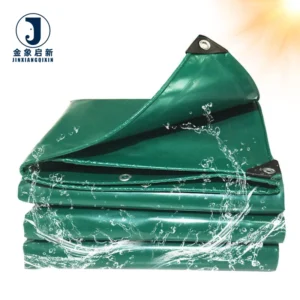
Waterproof Heavy Duty Tarpaulin Water Proof Cover Tarpaulin Manufacturer
¥1.48 Add to cart