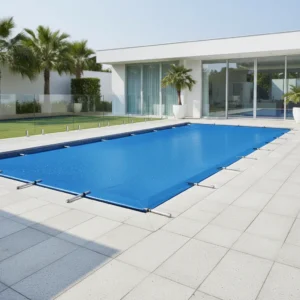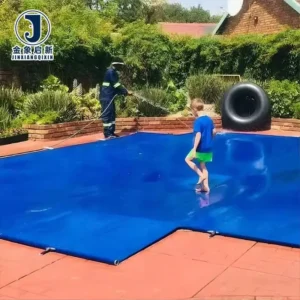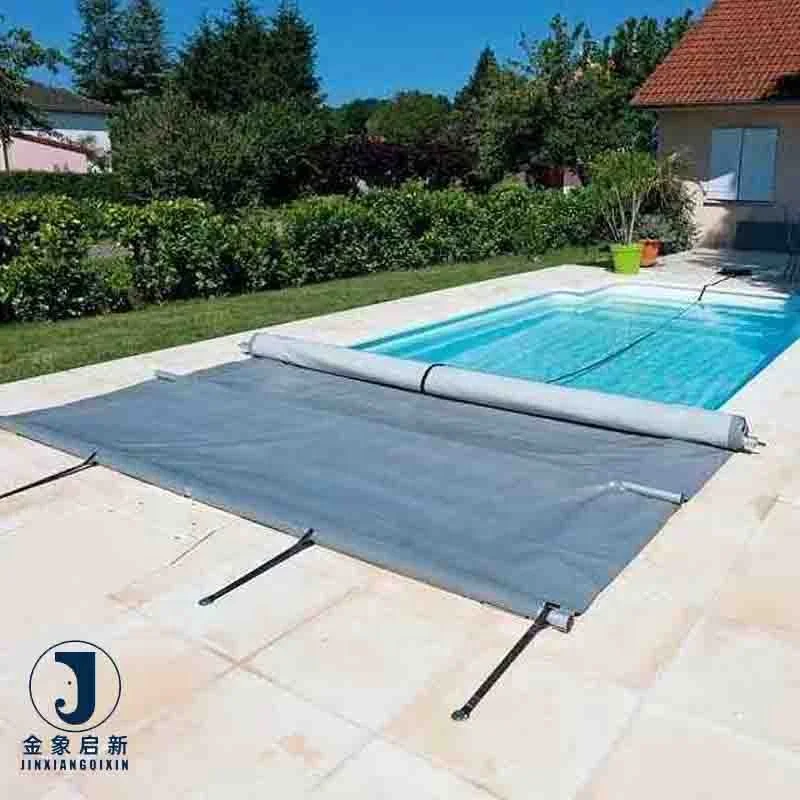
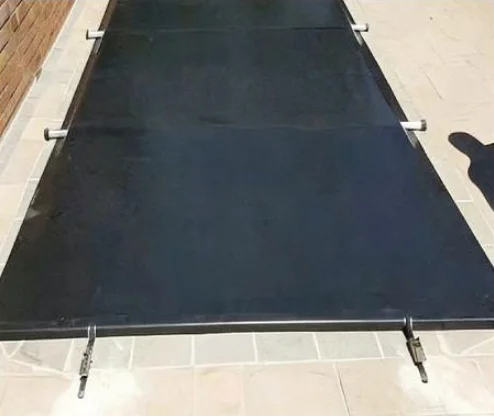
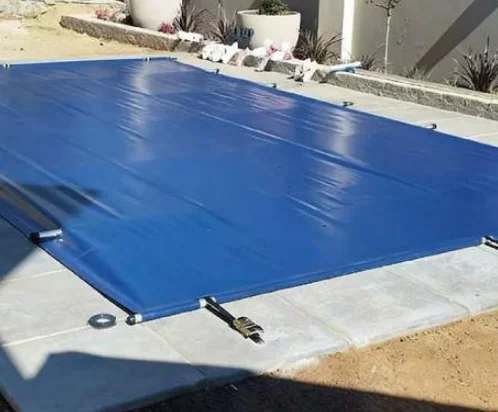
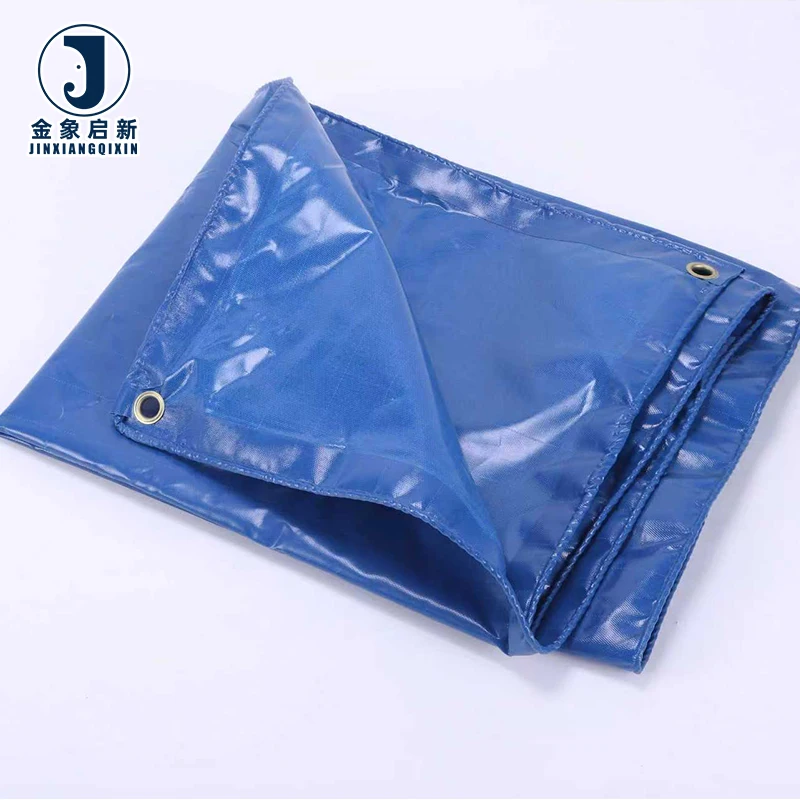
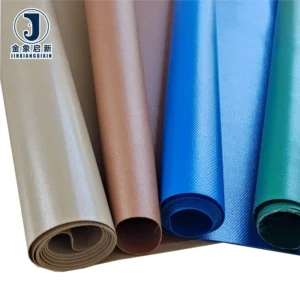
PVC Pool Cover 350gsm–750gsm, Anti-UV & Waterproof, Hot-Melt Coated — laminated or hot-melt coated on high tenacity polyester mesh for consistent adhesion and tear strength at welded seams.
- Multiple GSM and thickness grades (0.32mm–0.65mm) let you match cover weight to pool environment, from residential to commercial duty.
- Custom colour matched across rolls so adjacent panels show no visible variation once installed.
- Available in roll stock or finished cut-to-size, supporting pool operators and fabricators alike.
Backed by 100% pre-shipment inspection and material spec sheets confirming exact GSM and coating weight on every order.
Description
Deep Process Control Over Coating — Every roll of PVC pool cover fabric ships with a verified material specification sheet confirming exact GSM, base fabric, and coating weight, eliminating the gap between quotation and delivery.
Technical Specifications
| Parameter | Value |
|---|---|
| Product Type | PVC Pool Cover |
| Material | PVC + High-strength polyester mesh fabric |
| Weight Options | 350gsm / 420gsm / 500gsm / 550gsm / 600gsm / 750gsm |
| Thickness Options | 0.32mm / 0.35mm / 0.4mm / 0.45mm / 0.5mm / 0.65mm |
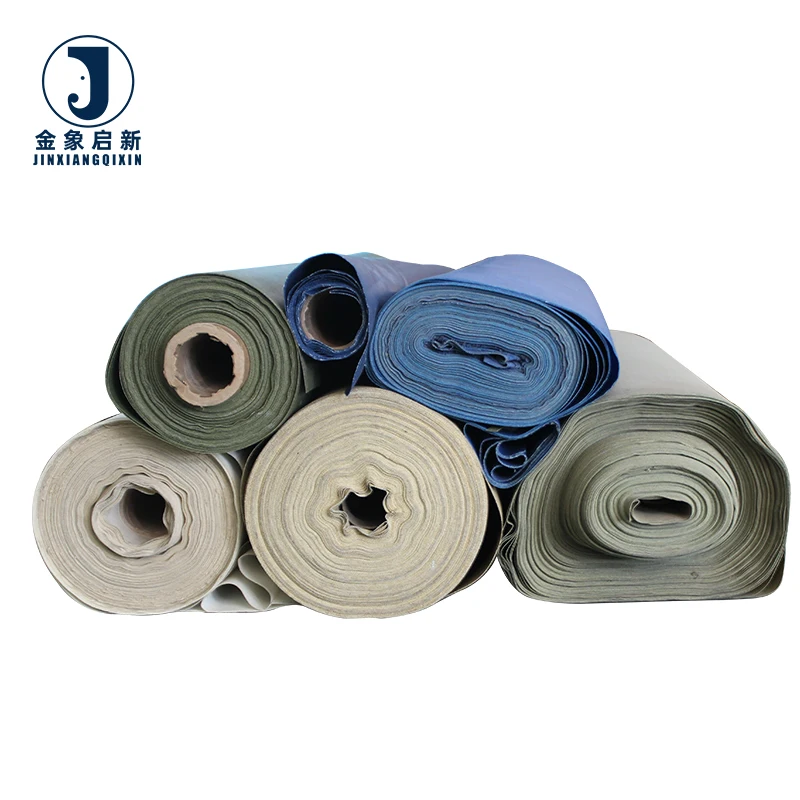
| Roll Dimensions | 2m × 75m or 2.1m × 50m |
| Coating Technology | Laminated & Hot-melt coating |
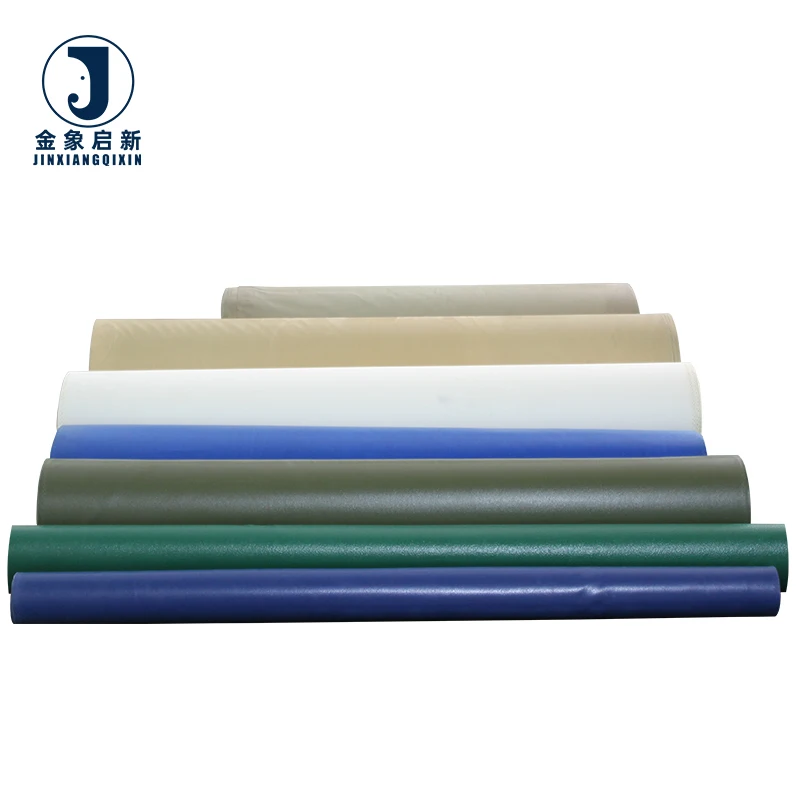
| Color Options | Blue, Red, Yellow, Light blue, Grey (custom colours available) |
| Special Treatments | Flame retardant (grade not stated); Anti-static; Anti-cold; Anti-mildew; 3P |
| Key Features | Waterproof, sunproof, cold crack resistance, anti-mildew, colour fastness, high tearing strength for welding |
| Service Life | 3–7 years under normal circumstances |
| Standards | ISO, CE |
Application Suitability
| Application | Exposure & Requirement |
|---|---|
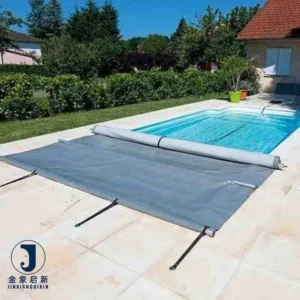
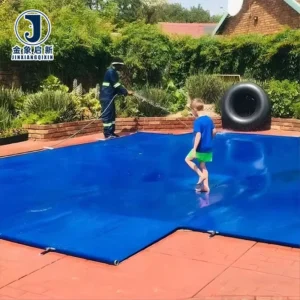
| Residential swimming pool covers | Seasonal UV exposure, rain, debris load, repeated folding and unfolding |
| Commercial pool covers | Daily handling, chemical splash, high UV hours, compliance with site safety standards |
| Fish tank and aquaculture pond liners | Permanent water contact, biological exposure, puncture risk from substrate |
| Tent and awning covers | Tension stress, wind load, prolonged sun and rain exposure |
| Cargo ship and truck awning covers | Road salt, abrasion at flex points, UV and weather extremes |
Why Buyers Lose Money on PVC Pool Cover Fabric That Looks Right on Paper
A quoted GSM means nothing unless it is verified roll by roll before the container is sealed.
I learned this the hard way early in my career. A shipment of pool cover fabric went out to a Middle East client, and on arrival the actual weight fell well below what was on the quotation. The entire container was rejected. Freight costs were lost, and the relationship nearly collapsed. Since then, I have seen this pattern repeat across the industry — buyers specify a weight, receive a lighter material, and discover the problem only after installation when the fabric tears under wind load or degrades faster than expected under UV. A PVC Pool Cover aftermarket supplier that does not verify weight at dispatch is passing risk directly to you. [NEED_CITE:]
What the Coating Process Means for Your Pool Cover
The difference between laminated and hot-melt coating technology is not academic. Laminated PVC bonds the coating film to the polyester mesh under heat and pressure, producing a smooth surface suited to applications where appearance and clean lines matter. Hot-melt coating penetrates deeper into the weave, building adhesion strength that holds up when the fabric is heat-welded at the seams. For a PVC Pool Cover aftermarket supplier offering both options, the choice depends on whether your priority is surface finish or weld integrity at the seams.
Matching Thickness to the Load Your Cover Will Carry
A 0.32mm cover flexes easily and stores compactly, making it practical for seasonal residential pools that are covered and uncovered frequently. A 0.65mm cover resists puncture and handles the static load of accumulated rainwater and debris on commercial installations. The polyester base fabric carries the tensile load, while the PVC coating handles abrasion and water resistance. Choosing the wrong thickness for your application means either paying for capacity you will never use, or watching a light cover fail under conditions it was never designed for. [NEED_CITE:]
How GSM, Base Fabric, and Coating Weight Interact
GSM alone does not tell you how a pool cover will perform. A 550gsm fabric with a heavy coating but a low-denier base fabric may resist puncture but tear easily along the warp. A 500gsm fabric with a tighter weave and thinner coating may outperform it in tensile and tear strength. The base fabric denier and the weft density determine how the load distributes across the panel, while the coating weight determines surface durability and water resistance. When you evaluate a PVC Pool Cover aftermarket supplier, ask for the base fabric specification alongside the GSM to understand what you are actually buying. The hot-melt and laminated processes here produce different adhesion profiles — hot-melt typically delivers stronger peel resistance at welded seams, which matters most at the stress points where the cover flexes over pool edges.
The Cost of Getting the Specification Wrong
I have seen coated rolls fail at the weld line before the fabric itself showed any sign of wear. This happens when the coating formulation is not matched to the welding temperature, or when the coating weight on the seam side is too thin to form a proper bond. Batch colour variation is another silent cost — two rolls that look identical on the sample card can show visible differences once installed side by side around a pool deck, forcing a full replacement of the affected panels. [NEED_CITE:]
Flame retardant claims without a stated grade create compliance risk on commercial projects where site inspectors demand test certificates. If the purchase order specifies flame retardant treatment, confirm the exact grade and test standard before production starts, rather than discovering the gap at the inspection stage.
Why Sourcing PVC Pool Cover Fabric Here Is Different
Nearly 30 years of focused work on coated fabric means process parameters are controlled at every stage, not adjusted after problems surface. Three full production lines and dedicated equipment sets give capacity for bulk roll orders while maintaining consistent coating weight across the run. A 10-person R&D team handles custom colour matching, sample development, and specification adjustment — samples for custom requirements are developed within days. Every roll undergoes 100% inspection before shipment, with weight verified against the stated GSM. Material specification sheets travel with each shipment, documenting base fabric, coating weight, and treatment details so you have evidence, not just assurances.
Documentation & Verification
- Material specification sheet stating exact GSM, base fabric denier, and coating weight per roll
- UV and flame retardant test reports supplied where treatments are specified on the purchase order
- Pre-shipment inspection record confirming weight and colour against approved references
- Roll packing list with colour reference verification for batch consistency checks
- ISO and CE certificates included in the documentation package for customs clearance
Fabrication, Handling & Storage
- Hot-weld seams at temperatures matched to the coating technology — laminated and hot-melt grades respond differently to heat input
- Reinforce eyelet zones with additional PVC patches, especially on 350gsm and 420gsm grades where base fabric is lighter
- Store rolls horizontally on pallets to prevent permanent creasing in the coating layer
- Allow cold-stored rolls to reach ambient temperature before unrolling to avoid coating crack in anti-cold treated grades
- Use mild detergent for cleaning — avoid solvents that attack the PVC surface on gloss and matte finishes alike
- Cut panels with allowance for thermal expansion in hot climates, particularly on wider 2.1m roll widths
What to Include in Your Enquiry
To specify the right material, we need your application environment — indoor or outdoor pool, residential or commercial, and the climate zone. Tell us whether you need roll stock for local fabrication or finished cut-to-size covers. If your market requires flame retardant or anti-static certification, state the standard you must meet. Colour requirements, annual volume, and any custom width needs will determine production scheduling and pricing.
Frequently Asked Questions
Q: How do I verify the GSM matches what was quoted before the roll arrives?
A: Every roll ships with a material specification sheet documenting the exact GSM, base fabric, and coating weight. Our pre-shipment inspection verifies weight roll by roll. You can request the inspection record before the container is sealed, so you have documentation in hand before the goods arrive at your warehouse.
Q: Can you match a specific Pantone or RAL colour across multiple rolls in one order?
A: Yes. Custom colour matching is handled by the R&D team, with samples produced for approval before full production runs. Colour reference verification is included in the pre-shipment inspection to ensure consistency across all rolls in the same order, eliminating visible variation once installed.
Q: What is the difference between laminated and hot-melt coating technology for pool covers?
A: Laminated coating bonds a PVC film to the polyester mesh under heat and pressure, giving a smooth finish. Hot-melt coating penetrates deeper into the weave, producing stronger adhesion at welded seams. The right choice depends on whether you prioritise surface appearance or seam strength for your fabrication process.
Q: Do you supply finished cut-to-size pool covers or only roll stock?
A: Both options are available. Roll stock in standard 2m × 75m or 2.1m × 50m formats suits distributors who cut and fabricate locally. Custom finished sizes with specific dimensions can also be produced to order, based on drawings or measurements you provide.
Q: What certifications come with flame-retardant grade pool cover fabric?
A: Flame retardant treatment is available as a special option. The specific test standard and grade depend on your market requirements. Confirm the standard your local regulations or project specification demands, and we will supply the matching test report with the shipment documentation.
Related products
-
PVC Laminated Waterproof Breathable Anti-UV Blackout Organic Plain Weft Swimming Pool Covers Tarpaulin Coated
¥1.78 Select options This product has multiple variants. The options may be chosen on the product page -
JX PVC Tarpaulin Swimming Pool Cover Material Knife Coated Fabric Waterproof UV-Resistant Windproof
¥13.00 Select options This product has multiple variants. The options may be chosen on the product page -
JX PVC Laminated Waterproof Breathable Anti-UV Blackout Organic Plain Weft Swimming Pool Covers Tarpaulin Coated
¥1.78 Select options This product has multiple variants. The options may be chosen on the product page -
JX PVC Tarpaulin Swimming Pool Cover Material Knife Coated Fabric Waterproof UV-Resistant Windproof
¥13.00 Select options This product has multiple variants. The options may be chosen on the product page