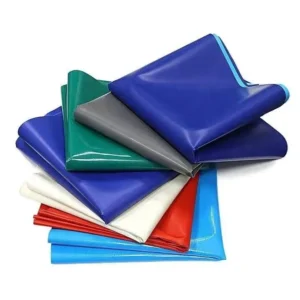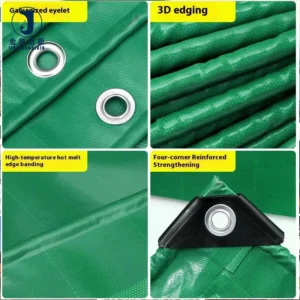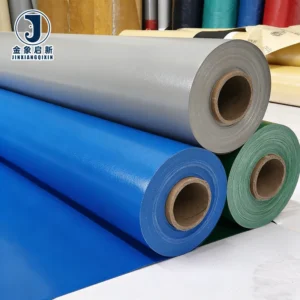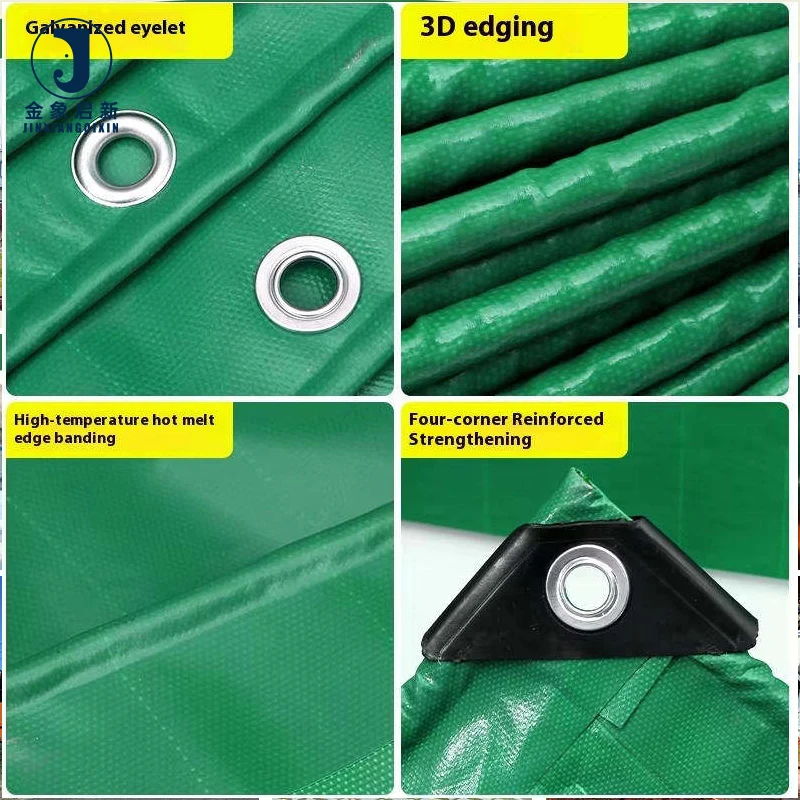
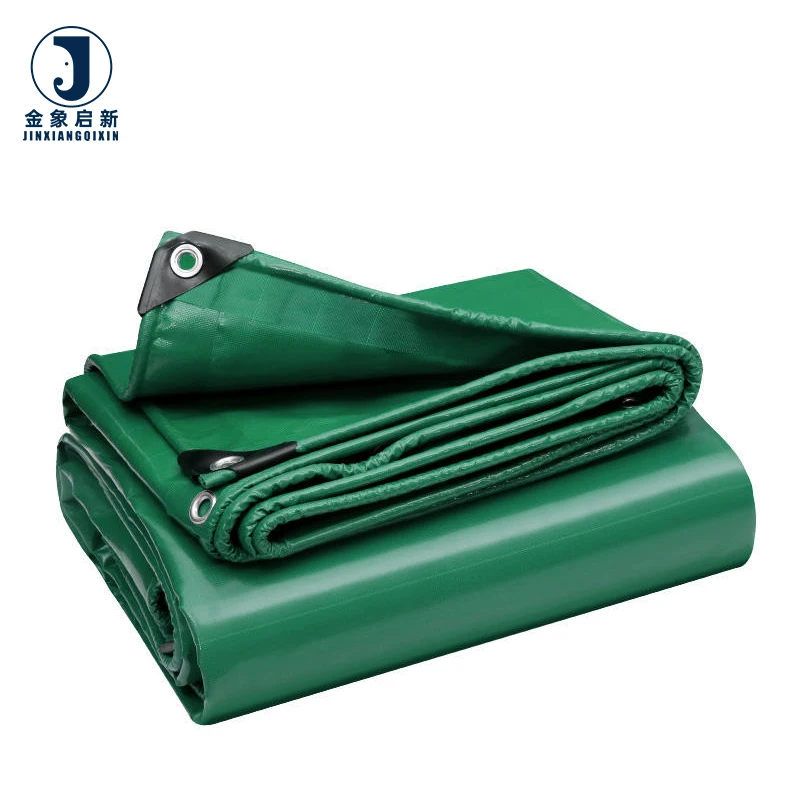
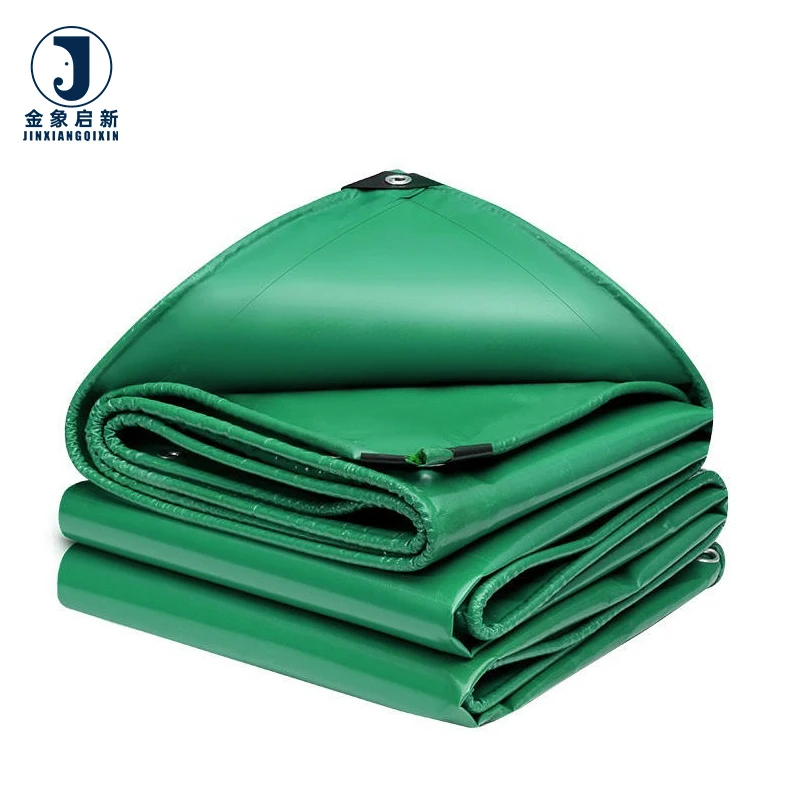
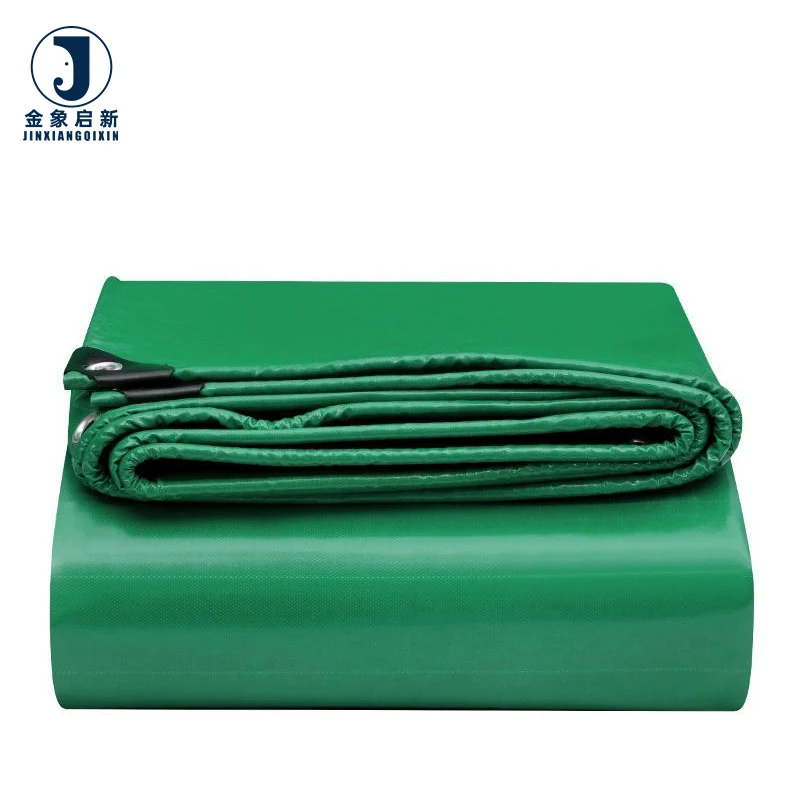
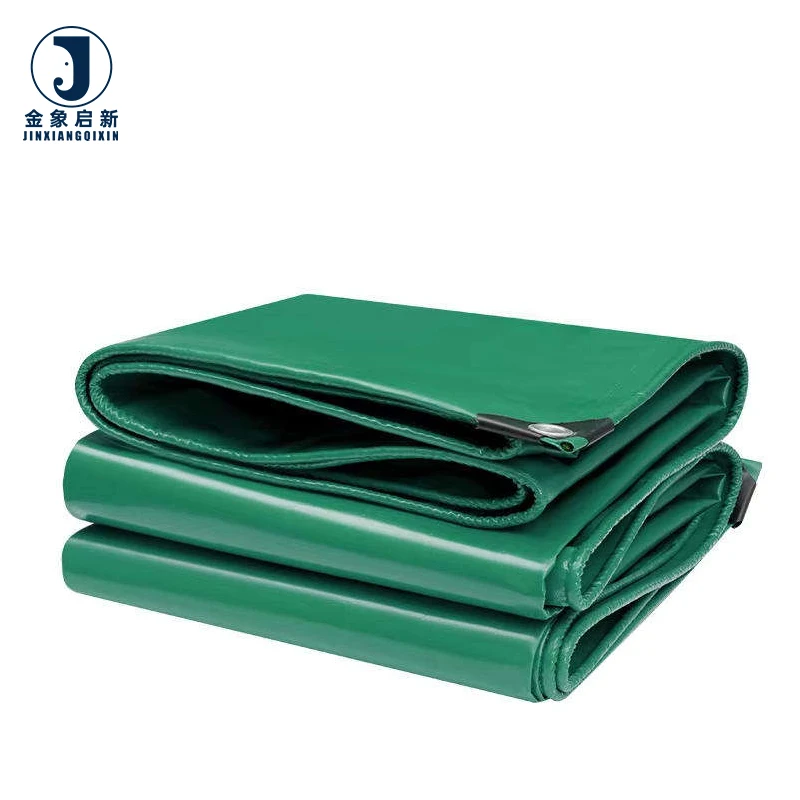
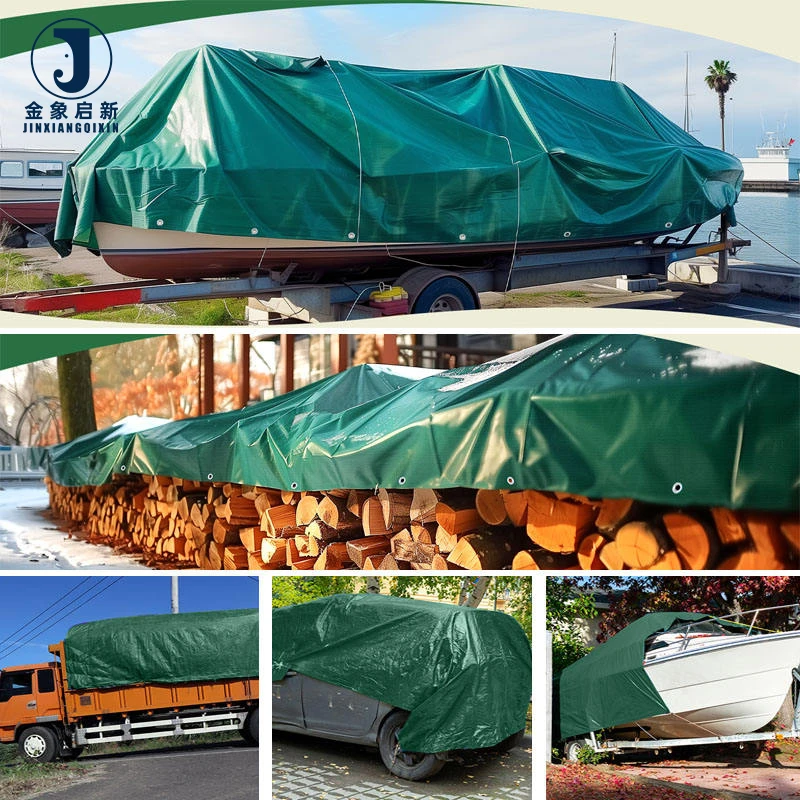
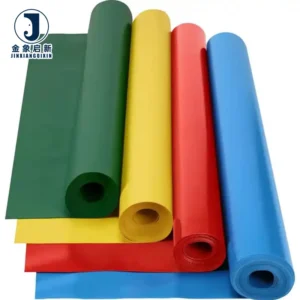
PVC Tarpaulin Roll, 500–800 g/m², Anti-permeable ≥20KPa — high-frequency heat combined coating for watertight seams at flex points. Flexible at -30°C without fracture, suitable for truck covers, tent fabrication and pond lining.
- Coating weight and adhesion controlled across three production lines for roll-to-roll consistency
- Custom width, colour and pattern printing with samples developed in days
- 100% pre-shipment inspection with verified GSM against agreed specification
Description
Deep Process Control — Three full production lines manage coating weight and adhesion on every roll, ensuring the PVC Coated Tarpaulin Roll you receive matches the GSM, colour, and treatment confirmed at the sample stage.
Technical Specifications
| Parameter | Value |
|---|---|
| Product Type | PVC Coated Tarpaulin Roll |
| Weight | 500 to 800 g/m² (range covers product family — confirm the grade for this item) |
| Waterproof Performance | Anti-permeable ≥20KPa |
| Flame Retardant | ≤10 seconds (grade not stated in source) |
| Low-Temperature Flexibility | Not fractured at -30°C |
| Coating Method | High-frequency heat combined |
| Fabric Types Available | PVC laminated, anti-static, woven, warp knitted |
| Water Absorption | Almost no absorbable |
| Anticorrosion | Acid, alkali and brine corrosion resistance |
| Standards | ISO, CE (verify against manufacturer catalog) |
Application Suitability
| Application | Exposure & Requirement |
|---|---|
| Truck and Trailer Load Covering | Constant flexing at tie-down points, road abrasion, weather exposure, UV load |
| Construction Site and Equipment Protection | Puncture risk from sharp tools, debris impact, chemical splash, wind uplift |
| Tent and Awning Fabrication | Weld seam integrity under tension, colour consistency across panels, print surface quality |
| Inflatable and Membrane Structure Fabric | Air retention, seam strength under inflation pressure, low-temperature flexibility |
| Agricultural and Aquaculture Pond Lining | Permanent water contact, soil chemistry, puncture risk from substrate |
Why Batch Colour Consistency Demands More Than a Pantone Reference
Colour drift across rolls on the same project can force a contractor to reject an entire shipment.
When a buyer sources PVC Coated Tarpaulin Roll stock for a multi-panel truck side curtain or a large awning installation, a visible shade difference between adjacent panels is a failure that cannot be hidden. This is not a matter of choosing a slightly different Pantone; it is a failure of process control during coating. A shift in pigment dispersion, oven temperature, or base fabric tension between production runs creates rolls that look identical on the supplier’s cutting table but show distinct bands of colour once installed side by side under natural light [NEED_CITE: colour consistency standards in coated fabric manufacturing].
Controlling Pigment and Tension Across the Production Line
The challenge with PVC Coated Tarpaulin Roll production is maintaining identical coating viscosity and curing temperature across a run that may span several tonnes. The base fabric must be held at a constant tension to prevent variations in the coating layer thickness, which directly alters how light reflects off the surface. When a PVC Coated Tarpaulin manufacturer custom develops a specific colour for a buyer, the reference sample must be matched not just on the first roll but on the fiftieth roll produced weeks later.
What Happens When Consistency Fails in the Field
For a fleet operator replacing side curtains across twenty trailers, or a tent manufacturer cutting panels for a large marquee, receiving rolls from different colour batches means the finished installation looks piecemeal. The buyer is then forced to sort rolls, return stock, or accept a visual defect that their own client will reject. This is why batch-level colour verification, checked against the original reference under standard lighting conditions, is a non-negotiable step in the pre-shipment inspection process [NEED_CITE: visual inspection standards for coated textiles].
Reading Between the Weight, the Weave, and the Coating Method
A specification sheet that lists only a GSM figure tells you very little about how the fabric will perform. The weight is a combination of the base fabric density and the coating mass, and two rolls can share the same GSM while having completely different tensile and tear characteristics. A heavier base yarn with a lighter coating will tear differently than a lighter base with a thick coating layer. The high-frequency heat combined coating method used here bonds the PVC to the base fabric at a molecular level, which influences how well the layers resist delamination when the material is flexed repeatedly or heat-welded into seams. For applications requiring flame retardant performance, the grade must be confirmed against the specific standard required in the destination market — a claim without a standard reference is not verifiable. The low-temperature flexibility at -30°C is relevant for buyers in cold climates, as PVC compounds can become brittle and crack if the plasticiser formulation is not suited to the operating temperature.
The Consequences of Overlooking Seam and Weld Specifications
The most common failure point in a finished tarpaulin is not the fabric itself but the join. When a PVC Coated Tarpaulin Roll is cut and fabricated into a truck cover or an inflatable structure, the seams are subjected to stress concentrations that the flat material never sees. If the welding temperature or pressure is set incorrectly for the specific coating formulation, the weld line can become brittle and crack, or remain too soft and peel apart under load. A seam that fails before the fabric does is a specification failure, not a material failure, and it is the reason why heat welding parameters must be matched to the coating method and thickness of the roll being used [NEED_CITE: heat welding parameters for PVC coated fabrics].
Process Control That Shows in the Documentation
Three full production lines and 36 sets of professional equipment provide the capacity to run bulk container orders with consistent scheduling. The 10-person R&D team handles the development of custom colours, widths, and pattern printing, producing samples within days so that buyers can verify the material before committing to a production run. Every stage of the coating process has a dedicated QA/QC checkpoint, with 100% inspection before any roll is packed for dispatch. This means the GSM, colour reference, and treatment specifications are verified against the order sheet on a per-roll basis, not just on a sample basis.
Documentation & Verification
- Material specification sheet stating exact GSM, base fabric type, and coating weight for each roll
- Test reports for UV and flame-retardant grades provided where the grade is confirmed and applicable
- Pre-shipment inspection record with roll-level traceability and verified coating weight
- Colour reference check and batch consistency log across all rolls in a single order
- Roll packing list with gross weight, net weight, and dimensions for customs clearance
Fabrication, Handling & Storage
- Heat welding temperature and dwell time must be matched to the high-frequency heat combined coating layer
- Store rolls upright on a clean pallet to prevent edge damage and permanent creasing of the PVC surface
- Allow rolls to acclimatise to workshop temperature before unrolling to avoid cracking the coating at low temperatures
- Use a compatible PVC-based adhesive for any field repairs on the anti-permeable coating layer
- Plan cutting layouts to minimise waste, noting the roll width against the panel dimensions required
What to Include When Requesting a Sample or Quotation
Provide the end-use application and the specific environmental conditions the fabric will face, including any chemical or temperature extremes. State the required GSM, width, and roll length, along with the colour reference or Pantone number if a specific shade is needed. Confirm whether the order is for raw roll stock or if finished cut sizes with welded seams and reinforcement are required, and specify any fire safety or compliance standards that apply in the destination market.
Frequently Asked Questions
Q: How is the actual GSM verified before the rolls are shipped?
A: Every roll is weighed and measured at the inspection stage to confirm the coating weight matches the specification sheet. This 100% pre-shipment check ensures that the PVC Coated Tarpaulin Roll you receive is not lighter than the GSM stated on the quotation, with results recorded on the inspection report.
Q: Can the colour be matched exactly across all rolls in a large order?
A: Yes. The production team references a master colour standard under controlled lighting, and each roll is checked against this reference before packing. This batch consistency control prevents the visible shade differences that occur when rolls from different production runs are used side by side.
Q: What test reports are available for flame-retardant or UV-treated grades?
A: Test reports are provided for the specific flame-retardant grade or UV treatment applied, once the required standard for the destination market is confirmed. The grade must be specified at the quotation stage, as generic claims are not supported without the corresponding test documentation.
Q: What is the process for ordering custom widths or printed rolls?
A: The R&D team develops a sample roll in the required width, colour, or pattern print within days. Once the sample is approved, the specification is locked for the bulk production run, ensuring the full order matches the confirmed sample exactly.
Q: What documentation is included with each shipment?
A: Each container ships with a material specification sheet, pre-shipment inspection record, roll packing list, certificate of origin, and full customs documentation. Test reports for specific treatments are included where applicable and confirmed at the order stage.
Related products
-
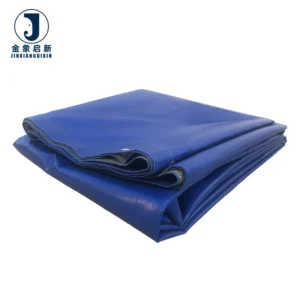
Hot Selling Heavy Duty Waterproof Large Camping Tarp Outdoor Use 500gsm Pvc Laminated Tarpaulin Tent
¥3.20 Add to cart -
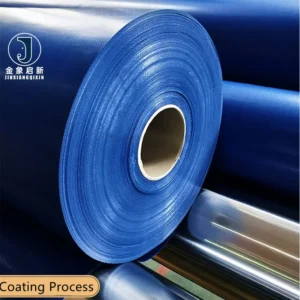
PVC Coated Tarpaulin Outdoor Poly Tarp Plastic Canvas Tarpaulin Roll 650 Gsm for Truck Tent. Roof Cover
¥2.70 Add to cart -
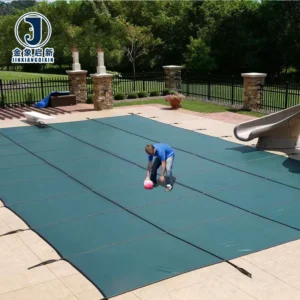
JX Manufacturer Direct Sales PVC Coated Swimming Pool Cover. Durable Waterproof and UV Resistant Floor Swimming Pool Cover Cloth
¥1.78 Select options This product has multiple variants. The options may be chosen on the product page -
Stock PVC Tarpaulin Fabric Rolls 500D*500D 18*17 Hot Selling Colors in Stock China Manufacture Wholesale Fabrics Best Price
¥1.26 Select options This product has multiple variants. The options may be chosen on the product page