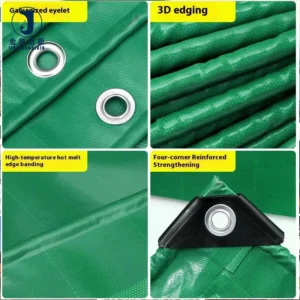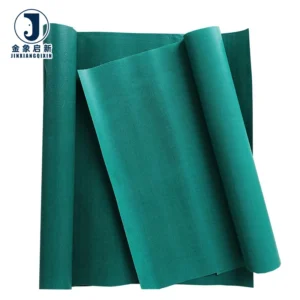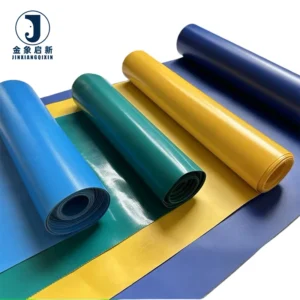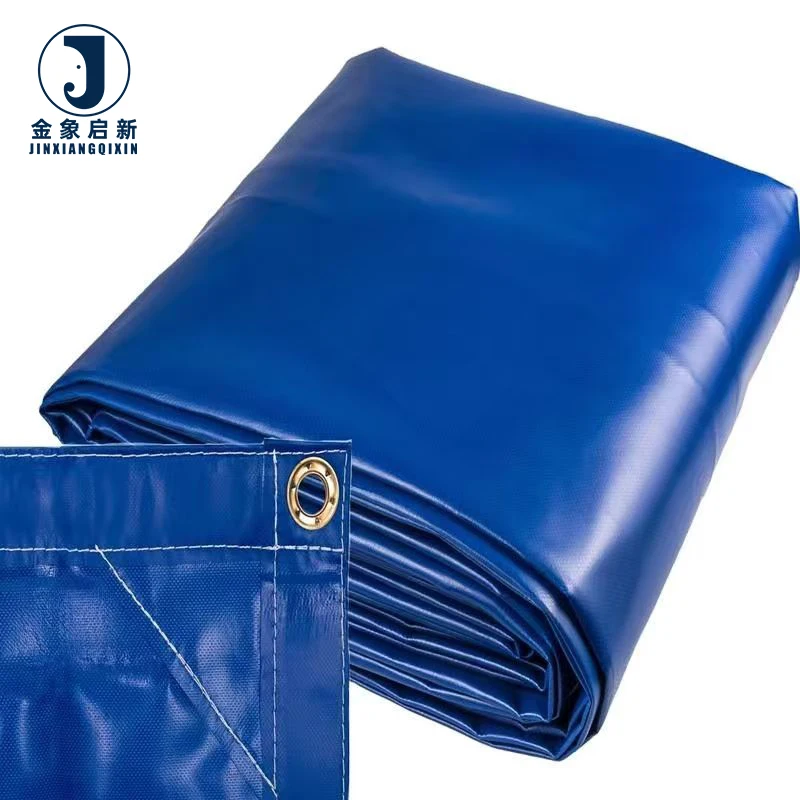
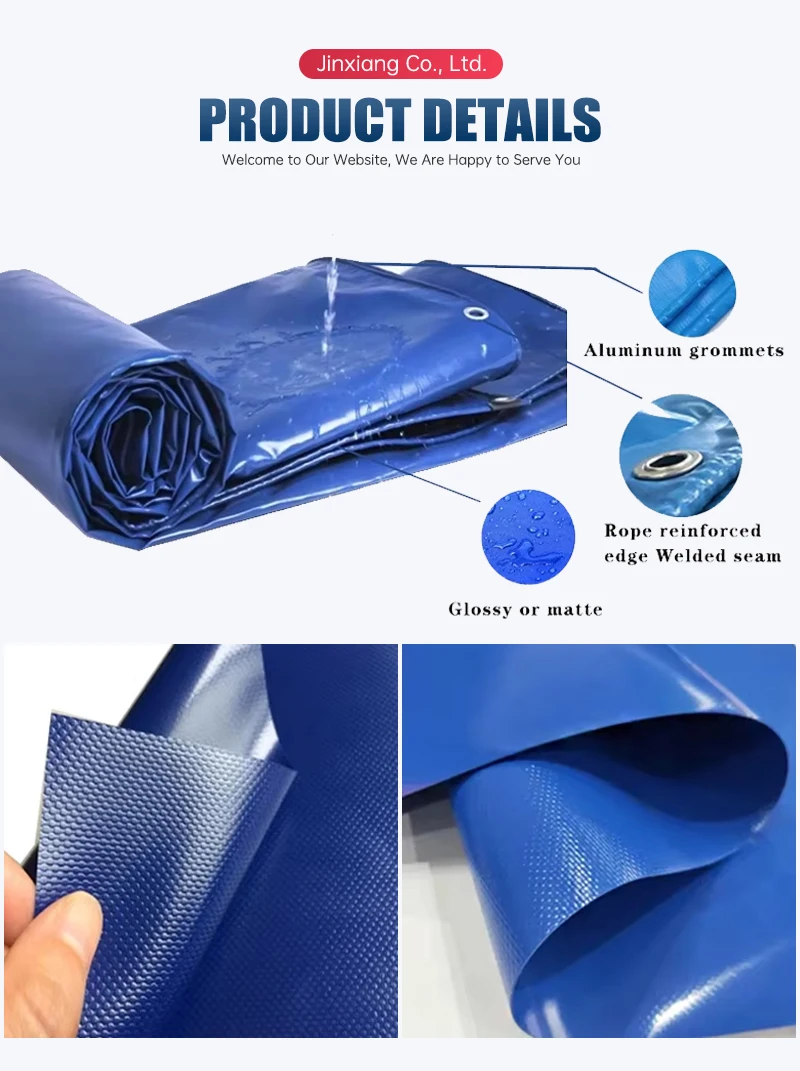
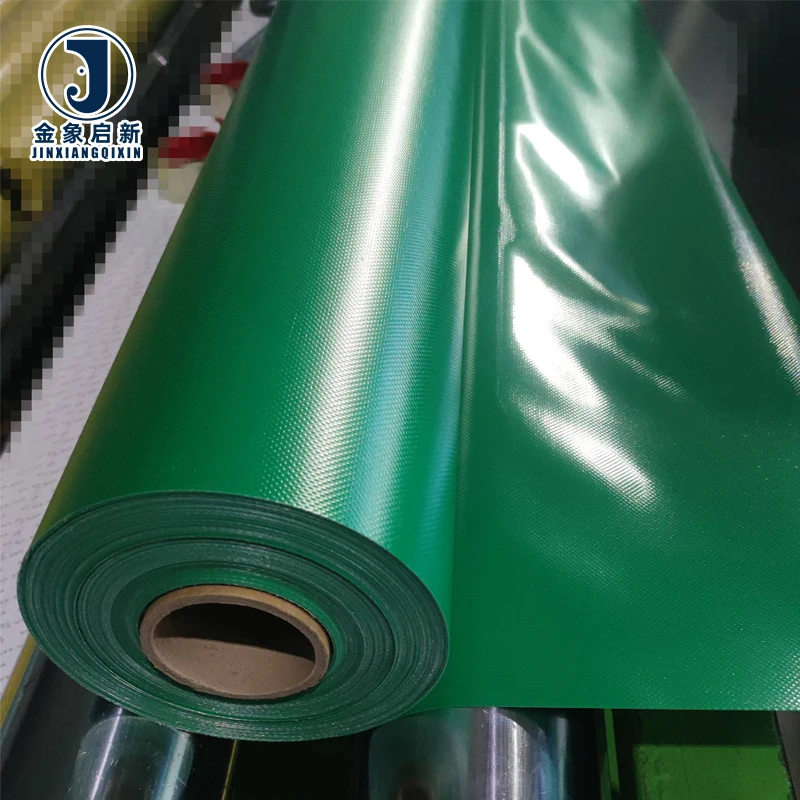
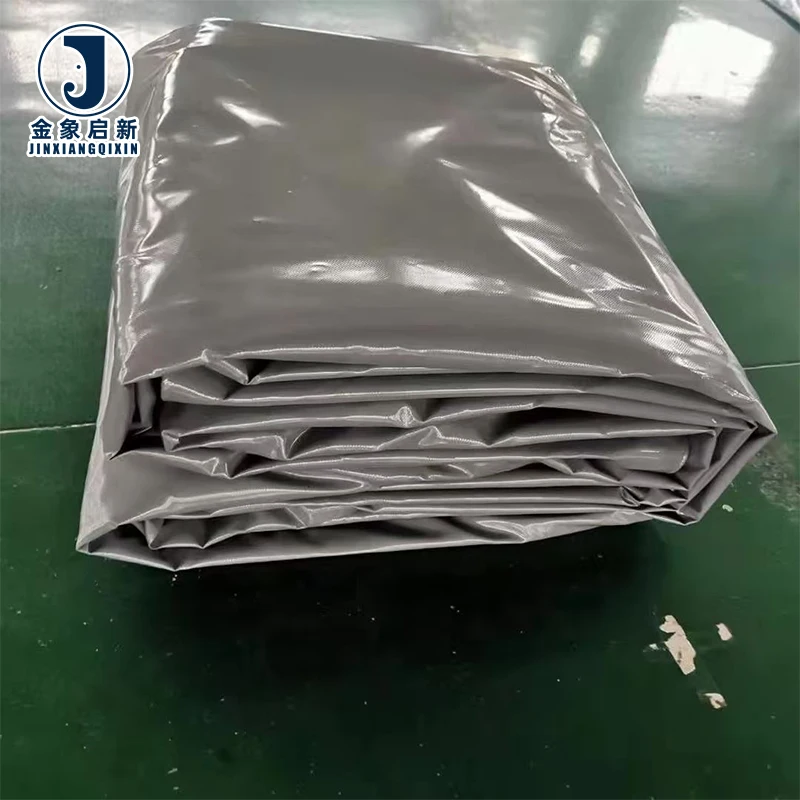
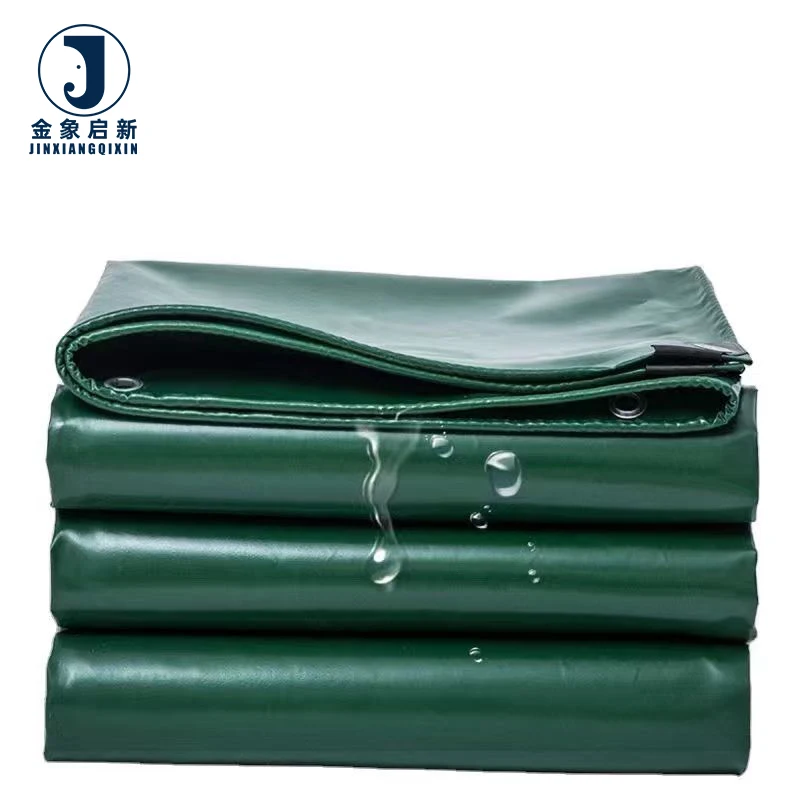
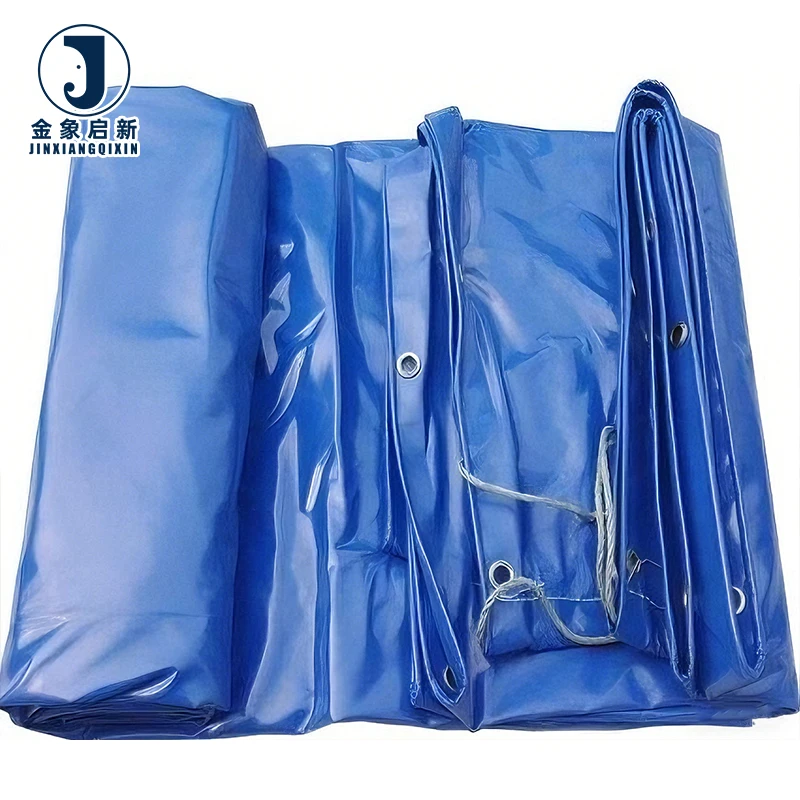
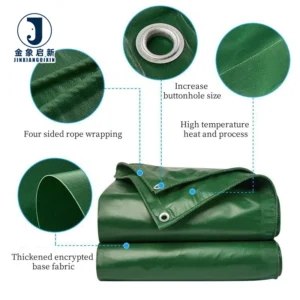
PVC Tarpaulin Roll 500–800 g/m² — waterproof, flame retardant (≤10 seconds), and tested for low-temperature flexibility at -30°C. High-frequency heat welded seams ensure water tightness and crack resistance at load flex points.
- Full custom range: width, length, colour, eyelets and reinforced hems configured to your spec
- Coating weight and adhesion tightly controlled so every roll matches the quoted GSM
- Backed by 100% pre-shipment inspection with test reports for UV and flame-retardant grades where applicable
Description
Full-Range Coated Fabric Production — Three in-house production lines support batch-to-batch consistency across custom widths, GSM grades, and colour runs for this PVC coated tarpaulin product family.
Technical Specifications
| Parameter | Value |
|---|---|
| Product Type | PVC Coated Tarpaulin |
| Coating Material | PVC (vinyl coated polyester) |
| Weight (GSM) | 500 to 800 grammes per square meter (range covers product family — confirm the grade for this item) |
| Waterproof Rating | Anti-permeable ≥20KPa |
| Flame Retardant Grade | ≤10 seconds (grade not stated in source — confirm the grade required for your market) |
| Low-Temperature Flexibility | Will not fracture at -30°C |
| Seaming Method | High-frequency heat combined |
| Chemical Resistance | Acid, alkali and brine corrosion resistance |
| Water Absorption | Almost no absorbable of water, quick drying |
| Anti-Mildew | Mildew proofing properties claimed (test basis not stated in source) |
Application Suitability
| Application | Exposure & Requirement |
|---|---|
| Truck and trailer load covering | Constant flexing at tie-down points, road debris abrasion, sustained weather exposure, UV degradation risk |
| Construction site and equipment covers | Extended outdoor exposure, potential contact with alkaline dust and brine environments, puncture from sharp edges |
| Open-air industrial storage | Continuous moisture contact, mildew risk in humid climates, chemical splash from adjacent processes |
| Tent and awning fabrication by roll | Batch colour consistency across panels, weld seam integrity under wind load, surface finish for printing |
Why Stated GSM Does Not Guarantee Fabric Strength
Coating weight and base fabric denier together determine real-world performance, not the GSM figure on the quotation alone.
Purchasing teams frequently receive PVC coated tarpaulin rolls where the stated weight matches the paperwork but the material feels lighter and performs below expectation. The discrepancy often originates from a heavier coating masking a lighter base fabric, which reduces tensile and tear resistance despite the overall GSM reading. I have seen heavy-grade coated rolls fail at the weld line while the fabric body remained intact, pointing to a process imbalance rather than a material defect [NEED_CITE: tensile and tear test methods for coated fabrics per ISO 1421]. Requesting a specification sheet that breaks down base fabric weight and coating weight separately is the only way to compare PVC coated tarpaulin custom quotations on a like-for-like basis.
How High-Frequency Welding Protects the Seam Line
Standard hot-air welding can leave micro-gaps along the join where the load flexes most, leading to water ingress and eventual delamination. The high-frequency heat-combined seaming used on this PVC tarpaulin roll fuses the coating layers at a molecular level, producing a water-tight bond that resists cracking under repeated bending. This matters most on truck side curtains and trailer covers where the fabric cycles between tension and slack with every journey.
Low-Temperature Flexibility in Cold-Chain and Winter Logistics
At -30°C, many coated fabrics become brittle and fracture under the stress of folding or tie-down tension. This PVC coated tarpaulin is verified to remain flexible at that threshold without fracture, which is critical for fleet operators running cold-chain routes or winter construction projects. The plasticiser formulation retains its migration resistance across the stated temperature range, preventing the stiffening that leads to corner cracks and hem failures [NEED_CITE: low-temperature bend test protocol for flexible PVC laminates].
Reading the Specification Sheet Beyond the Headline Number
A GSM range of 500 to 800 grammes per square meter spans light-duty covers through to heavy transport-grade fabric, and selecting the wrong point in that range is a common procurement error. Lower GSM grades suit temporary site covers and short-term equipment wraps where weight and cost are priorities. Higher GSM grades within the range provide the base fabric density needed for truck side curtains that face constant abrasion and wind load. The anti-permeable rating of ≥20KPa applies across the range, but tear resistance and weld seam holding strength scale with the base fabric denier, not the coating thickness alone. Buyers specifying for structural or long-term outdoor use should request the base fabric and coating weight breakdown to match the grade to the actual stress profile. Surface finish options are available in glossy or matte depending on cleaning frequency and printing requirements.
What Happens When Colour Consistency Fails Across Rolls
Distributors and fabricators who install panels side by side quickly discover that batch-to-batch colour variation turns a professional job into a visible patchwork. The issue is not always apparent in individual roll samples but becomes obvious once multiple rolls from the same order are unrolled and compared under daylight. This forces rework, panel replacement, and in some cases full order rejection. Consistent pigment dispersion and controlled coating-line temperature are the production variables that prevent this, and they require dedicated QA/QC checkpoints at the coating stage rather than only at final inspection [NEED_CITE: colour fastness and batch consistency standards for coated textiles].
Production Control Backed by Process Depth
Coating weight and adhesion are controlled in-house across three full production lines, eliminating the variability that comes from outsourcing the coating step. The 10-person R&D team develops samples within days for PVC coated tarpaulin custom requirements including width, colour, and finish, so buyers can verify material before bulk commitment. Every roll undergoes 100% inspection before dispatch, with a pre-shipment record provided rather than a random sampling approach. Specification sheets state exact GSM, base fabric, and coating weight so arrival goods can be verified against the quotation. High-frequency heat-combined seaming is standard on fabricated items, ensuring the weld matches the fabric body in durability.
Documentation & Verification
- Material specification sheet stating GSM, base fabric weight, and coating weight for each roll dispatched
- Flame retardant test report provided where applicable — confirm the grade required for your market before ordering
- Pre-shipment inspection record documenting visual and dimensional checks on every roll
- Roll packing list with individual roll weights and dimensions for container loading verification
- Certificate of origin and customs documentation prepared for destination-country import requirements
Fabrication, Handling & Storage
- High-frequency heat-combined seaming parameters should be matched to the specific GSM grade to avoid coating burn-through
- Store PVC coated tarpaulin rolls upright on pallets to prevent flat-spot creasing on the coating surface
- Allow rolls to acclimatise before unrolling in cold conditions to protect the low-temperature flexibility boundary at -30°C
- Clean matte finish surfaces with mild detergent only; solvent-based cleaners may degrade the PVC coating layer
- Reinforce tie-down and eyelet zones with additional PVC patches to distribute load across the base fabric weave
Before You Request a Quotation
Provide the end-use application, expected exposure conditions, and target market so the correct GSM grade and treatment can be recommended. If you are sourcing PVC coated tarpaulin custom rolls by volume, specify the required widths, annual quantity, and whether batch colour matching across multiple shipments is necessary. Let us know if you need fabricated items with specific eyelet spacing or hem reinforcement, or if you are purchasing roll stock for your own conversion.
Frequently Asked Questions
Q: How can I verify the GSM on arrival matches what was quoted?
A: Every shipment includes a material specification sheet stating exact GSM, base fabric weight, and coating weight. We recommend weighing a measured sample from each roll on receipt. Our 100% pre-shipment inspection record documents the weight check performed before dispatch, giving you a baseline to compare against your own incoming quality control.
Q: What flame retardant grade is available and will it meet my local fire code?
A: Flame retardant grades are available with performance rated at ≤10 seconds, but the specific test standard and classification depend on the grade produced. Share your target market’s fire safety requirement — such as DIN 4102, NFPA 701, or local building code — and the R&D team will confirm the matching grade and supply the corresponding test report before production.
Q: How is colour consistency controlled across multiple rolls in one order?
A: Pigment batches are mixed for the full order volume before coating begins, and in-line colour checks are performed at each production stage. A pre-shipment inspection compares rolls side by side under controlled lighting. If you are installing panels adjacent to each other, request a roll-to-roll colour comparison photo with your inspection record.
Q: What custom widths and lengths can be produced, and what are the minimums?
A: Custom widths and roll lengths are available across the PVC coated tarpaulin range, subject to production-line capability and the GSM grade selected. Minimum order quantities vary by colour and width. Provide your required dimensions and annual volume to receive a specific lead time and minimum for your configuration.
Q: What documentation ships with each order for customs and compliance?
A: Each dispatch includes a material specification sheet, roll packing list, certificate of origin, and pre-shipment inspection record. Where flame retardant or other treated grades are ordered, the relevant test report is included. Confirm any additional documentation your destination port requires at the quotation stage.
Related products
-
JX PVC Coated Tarpaulin/Cover for Farm Waterproof Warp Knitted Tent Pig Broiler Sheep Chicken Farm Plain Style
¥1.40 Add to cart -
Stock PVC Tarpaulin Fabric Rolls 500D*500D 18*17 Hot Selling Colors in Stock China Manufacture Wholesale Fabrics Best Price
¥1.26 Select options This product has multiple variants. The options may be chosen on the product page -
Best Quality 650gsm Waterproof Polyester Heavy Duty Bache PVC Tarpaulin Manufacturer
¥1.25 Select options This product has multiple variants. The options may be chosen on the product page -
New Design Waterproof Coated Heavy Duty Pool Cover Cargo Covers Tarp for Truck
¥1.15 Add to cart