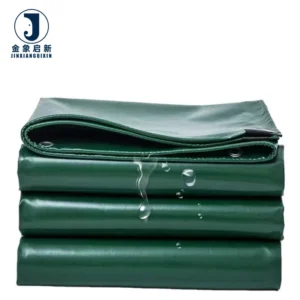
Heavy Duty Waterproof PVC Tarpaulin Roll — PVC coated fabric at 400-1500 g/m² with 500D to 2000D knitting density, available in 0.35-1.5 mm thickness for truck covers, tents, and industrial applications.
- Weight and base fabric density together determine tensile and tear performance — not heavier alone
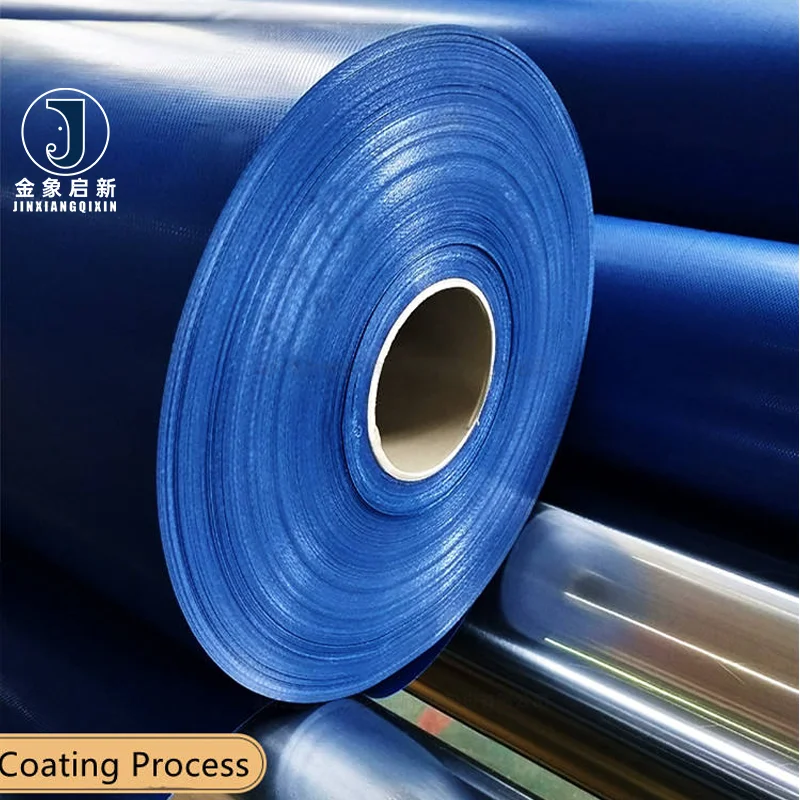
- Knife coating process controls coating weight and adhesion for reliable welded seams
- Custom width, length, color, and pattern printing with samples developed within days
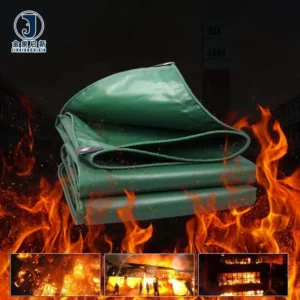
- Anti-UV and flame-retardant treatments available with test documentation on request
100% pre-shipment inspection across three full production lines ensures every roll meets your specification before dispatch.
Description
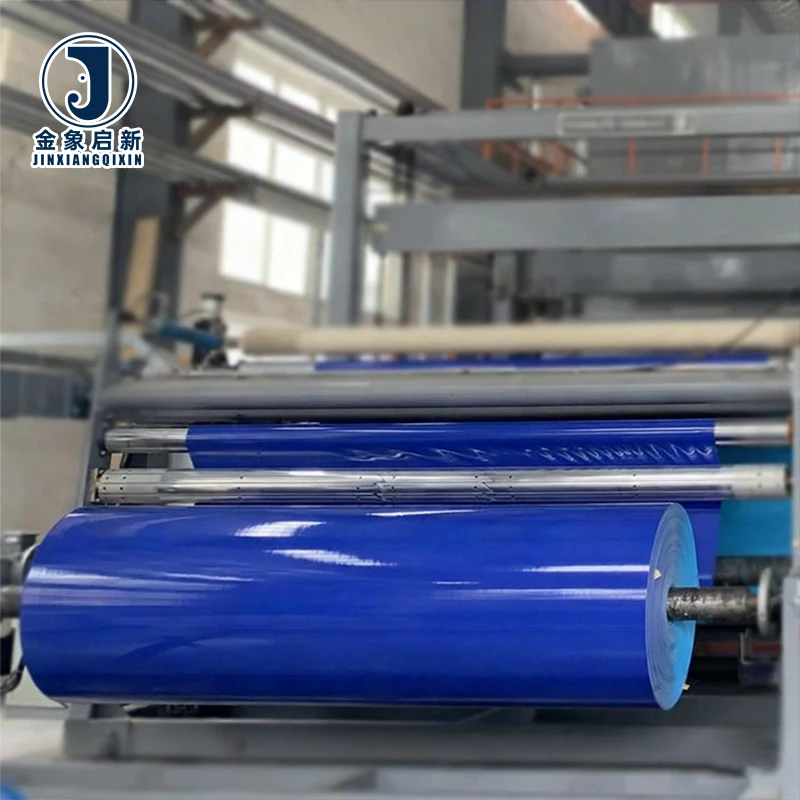
Complete Coated Fabric Range Under One Roof — three production lines covering 400–1500 g/m² PVC coated tarpaulin grades, each verified at dispatch with a roll-by-roll GSM inspection record.
Technical Specifications
| Parameter | Value |
|---|---|
| Product Type | PVC Coated Tarpaulin |
| Material | PVC coated on polyester base fabric |
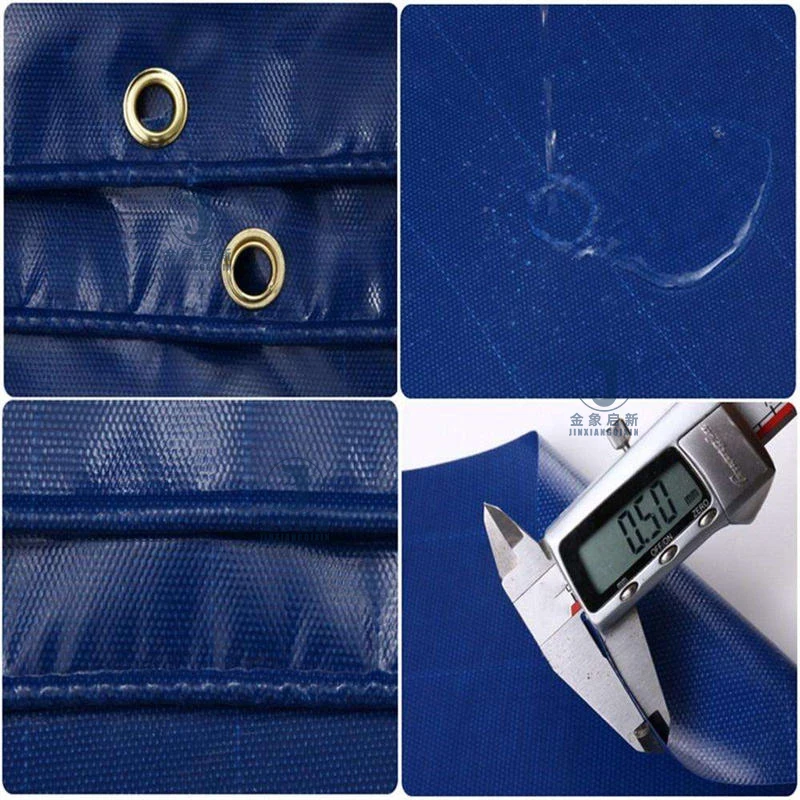
| Thickness Options | Medium-duty 0.35–0.45 mm / Heavy-duty 0.70–1.0 mm / Super heavy 1.2–1.5 mm |
| Weight Options | Medium-duty 400–500 g/m² / Heavy-duty 700–1000 g/m² / Super heavy 1100–1500 g/m² |
| Base Fabric Denier | 500D (medium) / 1000D (heavy) / 500D–2000D (super heavy) |
| Tensile Strength — Warp | Medium 1500–2000 N/5cm / Heavy 2000–2500 N/5cm / Super heavy 2500–3000 N/5cm (test standard not stated in source) |
| Tensile Strength — Weft | Medium 1200–1800 N/5cm / Heavy 1800–2200 N/5cm / Super heavy 2200–2800 N/5cm (test standard not stated in source) |
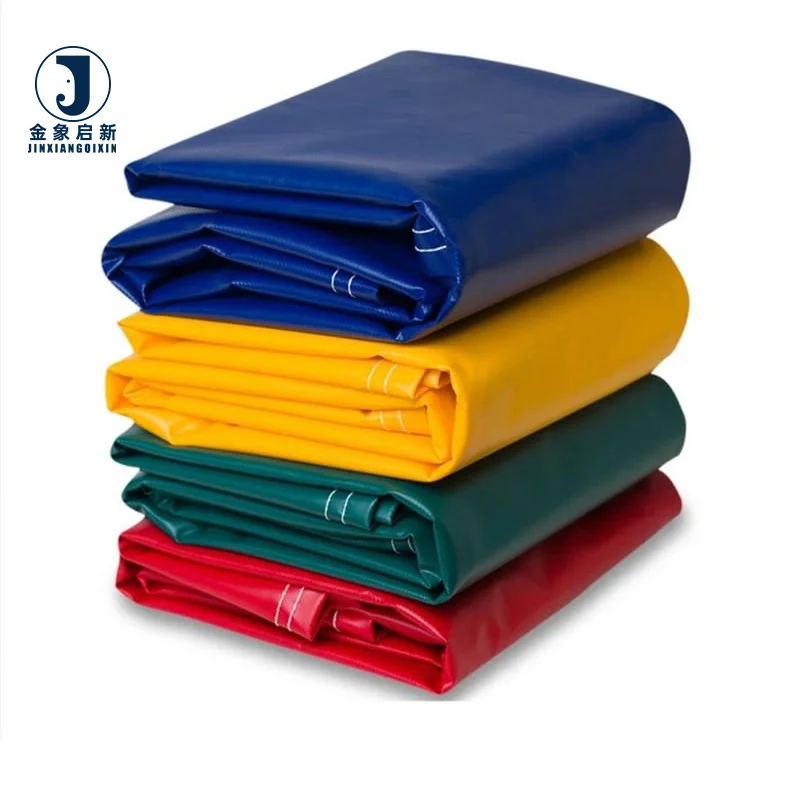
| Colour Options | Blue, Blue/Orange, Green, Grey, Black, Clear, Grey/Green, Orange, or custom |
| Surface Finish | Available in glossy or matte finish |
| UV Treatment | Available — confirm the grade required for your market |
| Flame Retardant | Available in flame retardant grades — confirm the grade required for your market |
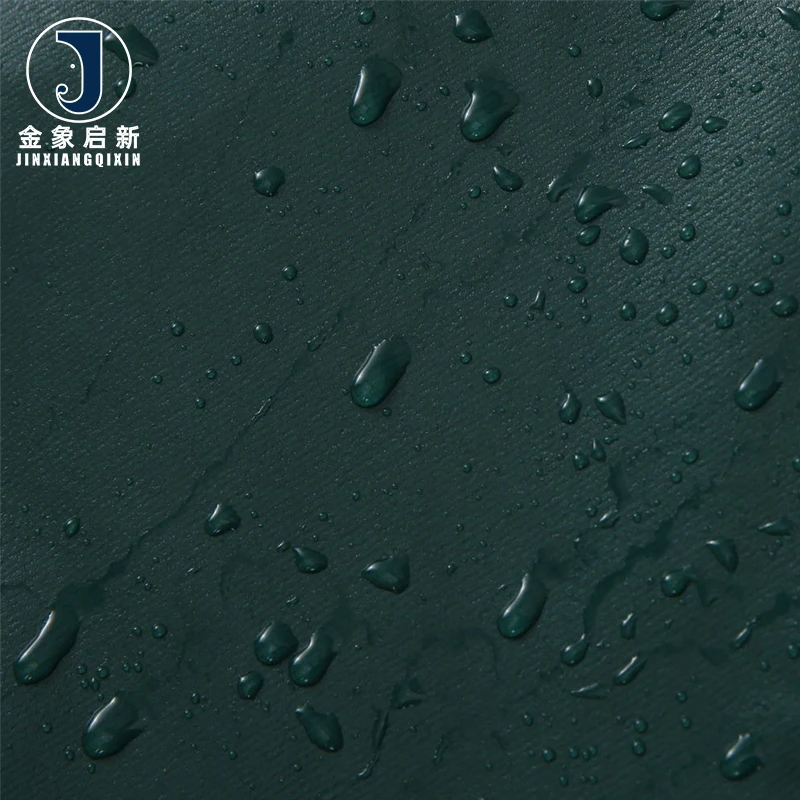
| Key Features | Waterproof, washable, tear resistant, weather proof, mildew proof, anti-aging |
| Custom Options | Width, length, colour matching, pattern printing, branding |
| Standards | ISO, CE |
Application Suitability
| Application | Exposure & Requirement |
|---|---|
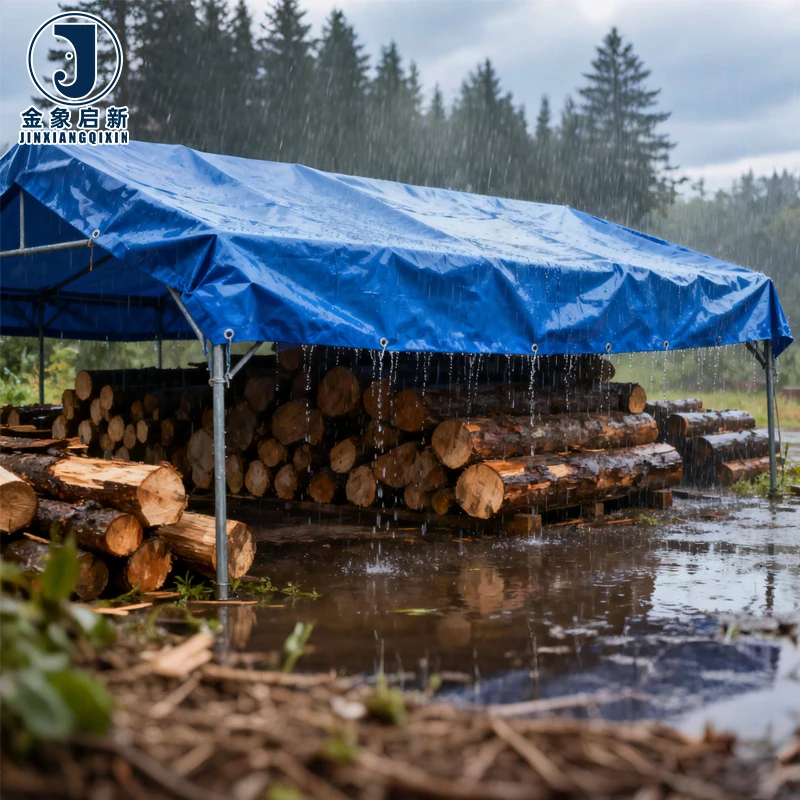
| Truck and trailer load covering | Constant flexing at tie-down points, road abrasion, sustained UV and rain exposure, wind uplift on highway transit |
| Tent, awning and inflatable structure fabric | Repeated folding and unfolding, solar heat gain, seam integrity under tension, colour fastness for visible exteriors |
| Construction site and equipment covers | Puncture from sharp materials, dirt and cement dust, wind-driven rain, daily handling and repositioning |
| Agricultural machinery and stockpile covers | Chemical contact from fertiliser residue, prolonged sun exposure, abrasion from rough surfaces during deployment |
| Industrial pipe canopy and tensioned structures | Permanent outdoor installation, high wind load on membrane, long-term UV degradation resistance |
Why a Quoted GSM Means Nothing Without a Dispatch Inspection Record
Every roll ships with a material specification sheet that states exact GSM, base fabric denier and coating weight — matched to the sample you approved.
Sourcing PVC coated tarpaulin across multiple suppliers often means the weight stated on the quotation does not survive the journey to your warehouse. A roll quoted at 700 g/m² can arrive closer to 620 g/m² when coating weight is cut to protect margin, and the deficit only becomes visible once the fabric is under tension on a truck or a structure [NEED_CITE: coating weight variation in imported tarpaulin shipments]. Without a pre-shipment inspection record tied to each roll, the buyer absorbs that risk silently — discovering the shortfall only when the material tears at a stress point months into service.
Mapping the Three-Tier PVC Range to Your Application Load
Choosing between medium, heavy and super heavy grades is a function of the mechanical load the fabric must carry, not simply the thickness of the coating. The 500D base at 400–500 g/m² suits applications where the PVC coated tarpaulin is handled frequently and weight matters — market stall covers, light equipment wraps and temporary shelters. Moving to the 1000D base at 700–1000 g/m² addresses truck side curtains, construction hoardings and agricultural covers where the fabric must resist puncture and sustained wind load.
Where the Super Heavy Grade Earns Its Place
At 1100–1500 g/m² on a base of up to 2000D, the super heavy tier is specified for permanent or semi-permanent tensioned structures, industrial pipe canopies and large-format inflatable membranes. Here the fabric is not handled daily but must hold dimensional stability under continuous tension and environmental load. The warp tensile strength reaches 2500–3000 N/5cm, which directly determines how much point load the membrane can accept at fixings before the yarn structure yields [NEED_CITE: tensile strength requirements for architectural membrane fabrics]. Specifying this grade for lighter applications adds unnecessary weight and cost; specifying anything lighter for structural membranes risks catastrophic failure at anchor points.
Reading the Specification Sheet Beyond the GSM Number
GSM alone tells you how much material is present per square metre, but it does not tell you how that mass is distributed between base fabric and coating. A 700 g/m² PVC coated tarpaulin can be achieved with a heavier coating on a lighter base or a lighter coating on a heavier base — and the two constructions behave very differently under load. The base fabric denier and weave density govern tensile and tear strength, while the coating weight governs waterproofing, UV shielding and weld adhesion. Tensile data published across all three tiers — warp and weft — allows you to match the grade to the directional load your application imposes, rather than relying on thickness as a proxy for strength. The surface finish, whether glossy or matte, further affects dirt retention and the adhesion of printed branding during fabrication.
The Hidden Cost of Specifying the Wrong Grade Tier
When a heavy-duty application is covered with a medium-duty grade to save on upfront material cost, the failure rarely appears immediately. The PVC coated tarpaulin holds through the first season, then begins to show micro-tears at flex points and around eyelets as the lighter base fabric fatigues under cyclic loading. Conversely, ordering a super heavy grade for a product that is folded and handled daily adds dead weight that accelerates fatigue in the fold lines and increases shipping cost across every roll. Batch inconsistency between orders compounds the problem — a replacement roll in a different shade breaks the visual continuity of an installed awning row or a fleet of branded trailers, forcing a full-panel replacement instead of a single-panel repair [NEED_CITE: colour variation complaints in multi-batch tarpaulin orders].
What Changes When Your PVC Coated Tarpaulin Source Controls the Full Line
Three full production lines mean medium, heavy and super heavy grades are manufactured on dedicated equipment rather than squeezed through a single line with frequent changeovers, which protects coating consistency across your order. A 10-person R&D team handles colour matching, pattern printing and custom width requests in-house, developing samples within days so you can verify hand feel, weld behaviour and colour under your own light source before committing to bulk. Dedicated QA/QC at every production stage with 100% inspection before dispatch means the roll packing list you receive matches the physical shipment — no short rolls, no substituted grades, no colour drift between consecutive rolls in the same container.
Documentation & Verification
- Material specification sheet stating GSM, base fabric denier and coating type for every roll
- UV and flame retardant test reports supplied where applicable, tied to the batch number
- Pre-shipment inspection record confirming colour consistency roll-to-roll
- Roll packing list with net and gross weight per roll for container loading verification
- ISO and CE certificates included with every shipment
- Certificate of origin and customs documentation prepared per destination country
Fabrication, Handling & Storage
- Heat-weld at temperatures matched to the coating weight — heavier grades require longer dwell time for full seam adhesion
- Reinforce eyelet zones with an additional patch layer on medium-duty 400–500 g/m² grades to prevent tear-out under tie-down load
- Store rolls upright on a flat surface to prevent flat spots that show as visible creases after unrolling
- Allow cold-stored rolls to acclimatise before unrolling to avoid coating micro-cracking at low temperature
- Use mild detergent for cleaning — solvent-based cleaners can degrade the PVC coating surface over repeated use
- Plan cut layouts to maximise yield from the ordered roll width and minimise transverse weld seams
What to Include in Your Enquiry
Specify the application, the mechanical and environmental exposure conditions, and whether you need the PVC coated tarpaulin supplied in roll form or as finished cut panels. Provide your target colour reference or Pantone, the required roll width, and the annual volume so the quotation reflects the correct production tier. If your market requires flame retardant or UV treatment, state the grade or standard your end user demands so test documentation is prepared alongside your samples.
Frequently Asked Questions
Q: How do I verify GSM on arrival against the quotation?
A: Every shipment includes a material specification sheet stating the exact GSM, base fabric denier and coating weight for each roll, backed by a 100% pre-shipment inspection record. You can weigh a sample cut against the stated value on receipt to confirm alignment before fabrication begins.
Q: How are UV and flame retardant treatments tested for different markets?
A: UV and flame retardant treatments are available across the PVC coated tarpaulin range, with test reports supplied where applicable and tied to the specific production batch. Confirm the standard required by your destination market — such as DIN, NFPA or local building codes — so the correct grade is selected and documented.
Q: What is the process for custom colour and branding?
A: Provide your Pantone or physical colour reference and any artwork for pattern printing. The R&D team develops a sample within days for your approval on hand feel, colour accuracy and weld behaviour before bulk production is scheduled on the matching production line.
Q: How do I choose between medium, heavy and super heavy grades?
A: Match the grade to the mechanical load: medium-duty 400–500 g/m² for frequent-handling applications, heavy-duty 700–1000 g/m² for truck covers and construction use, super heavy 1100–1500 g/m² for permanent tensioned structures. Tensile strength data is published for each tier to support your specification.
Q: What are the options for custom width and roll packing?
A: Custom width and length are available across all grades, with roll packing configured for container loading by count and weight. Provide your required dimensions and annual volume so the quotation reflects the correct production run and packing format for your logistics chain.
Related products
-
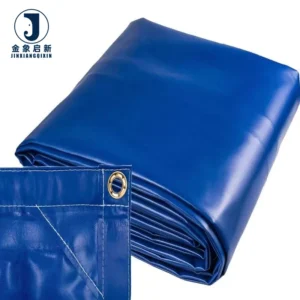
Heavy Duty Outdoor Tarpaulin Thickened for Outdoor Waterproof Large Tarpaulin with 3 Meter Width
¥7.78 Add to cart -
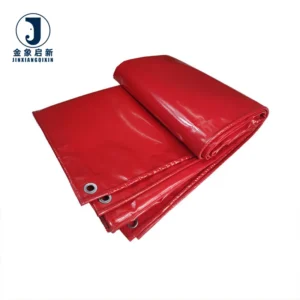
Tarpaulin Hot Selling 30M X 30M Finished PVC Tarpaulin for Farming Tarpaulin
¥1.48 Add to cart -
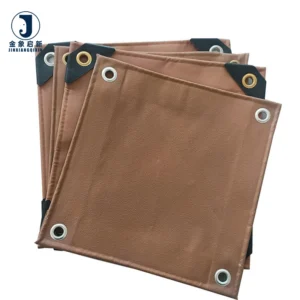
JX Fireproof 500gsm 600gsm Customizable PVC Tarpaulin Waterproof Truck Cargo Cover
¥0.79 Select options This product has multiple variants. The options may be chosen on the product page -
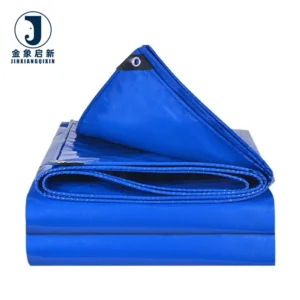
Factory Custom 9×11 Poultry Curtains Tarpaulin PVC Coated Waterproof Anti-Static Eco-Friendly Tarp for Chicken Coop Boys Girls
¥0.90 Select options This product has multiple variants. The options may be chosen on the product page