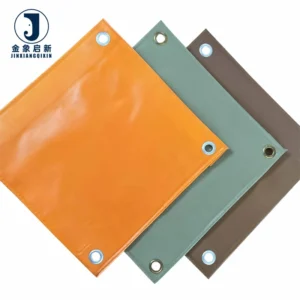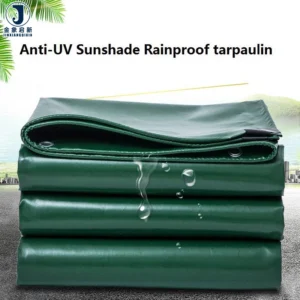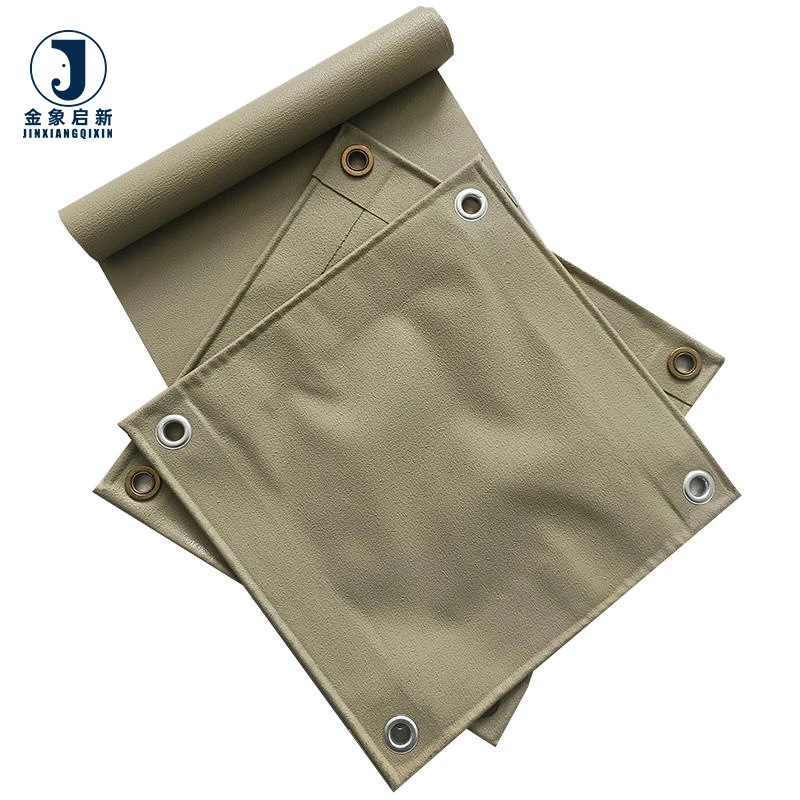
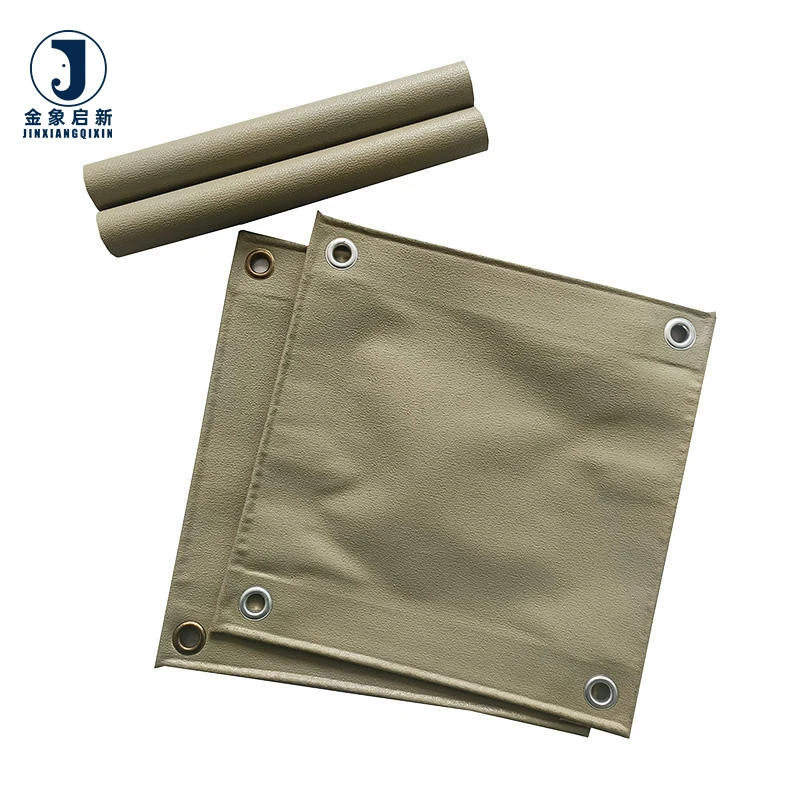
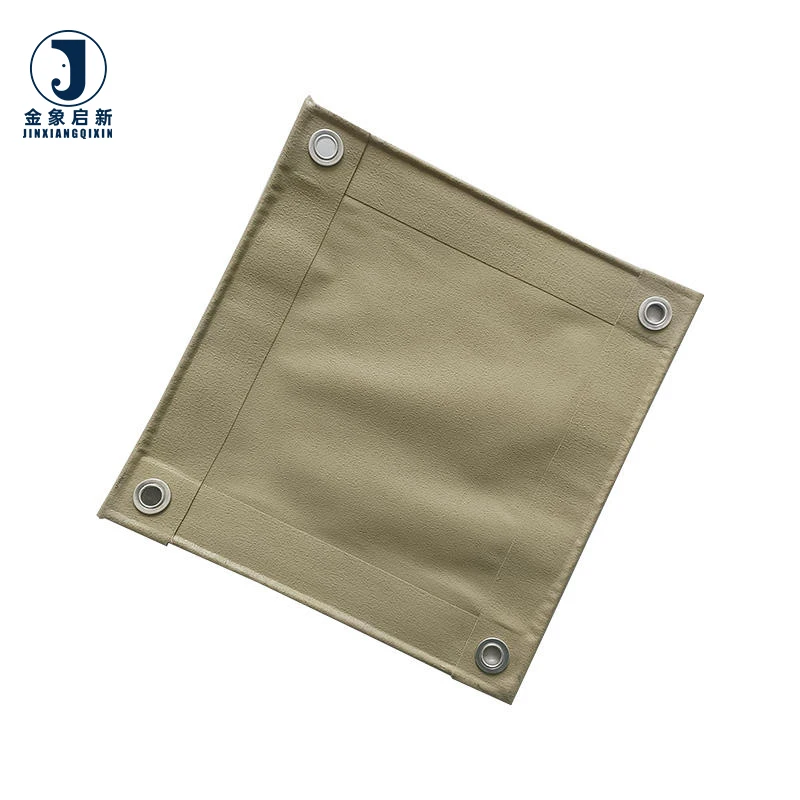
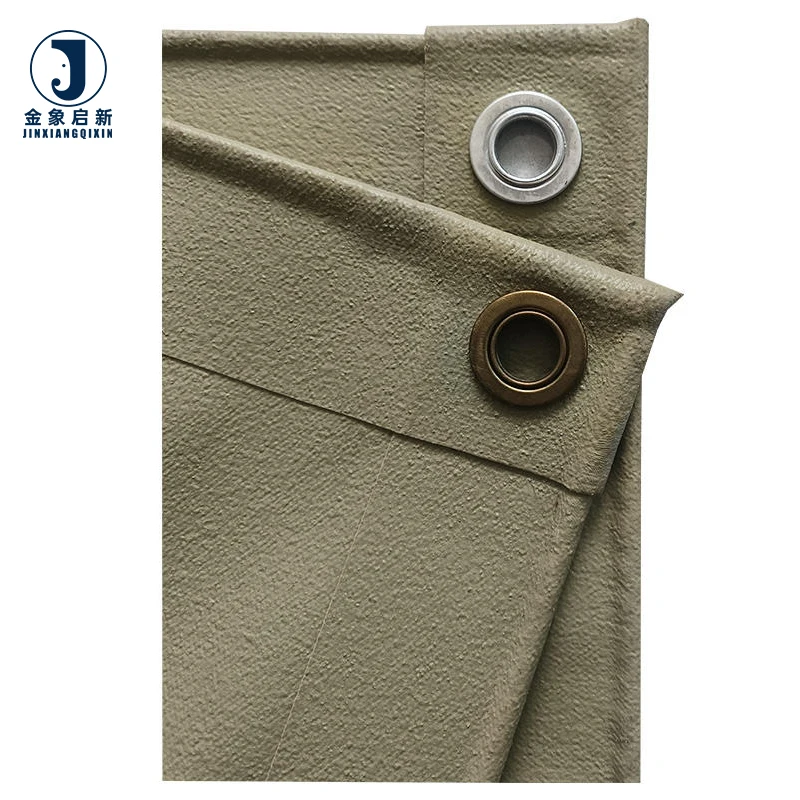
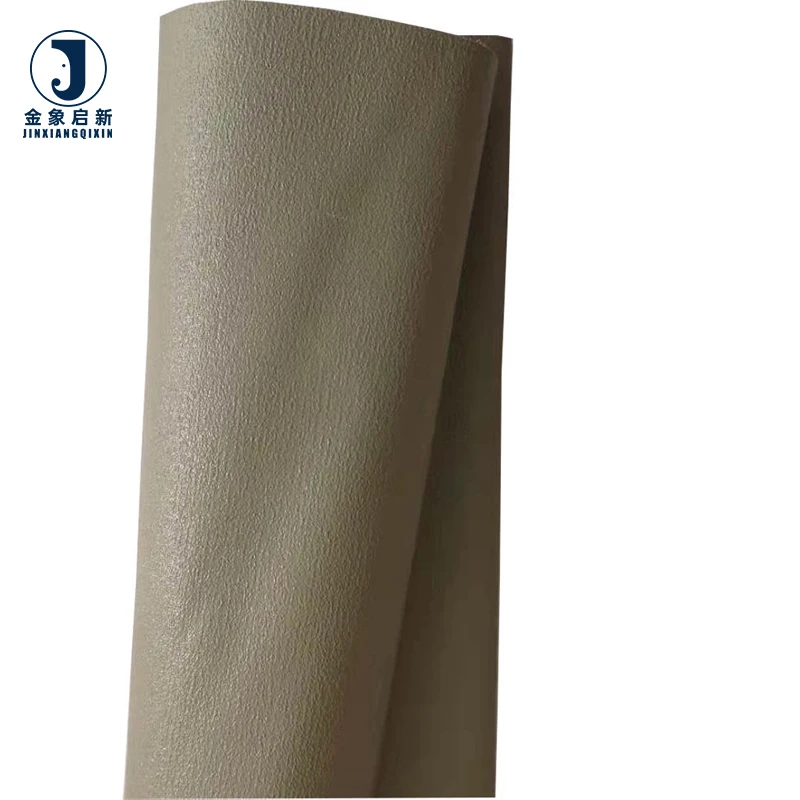
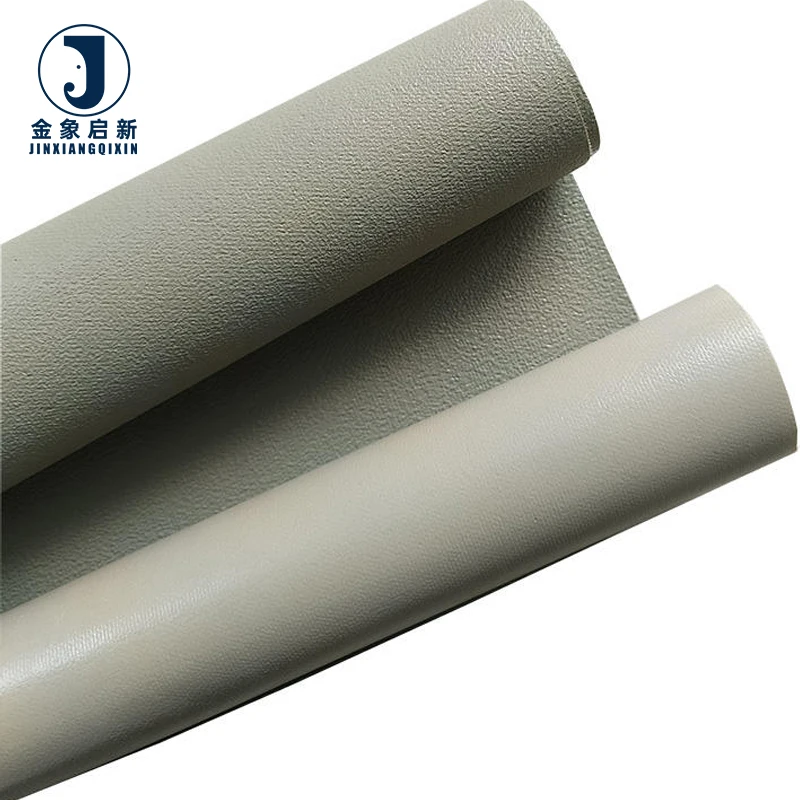
PVC Coated Tarpaulin Fabric — At least 450 GSM, knife coated, 1000×1000 denier woven base, anti-UV and tear-resistant for industrial outdoor covers.
- Built for truck covers, side curtains, tent fabric and equipment protection where flex-point durability matters
- Coating weight and base denier are matched to control tensile and tear performance, not just overall GSM
- Every roll goes through 100% pre-shipment inspection with full documentation before dispatch
Description
Coating Weight Mastery — Our knife coated PVC tarpaulin rolls undergo multi-stage coating control to maintain consistent GSM from the first roll to the last in your order.
Technical Specifications
| Parameter | Value |
|---|---|
| Product Type | PVC Coated Tarpaulin Fabric |
| Base Fabric | Woven Fabric, 1000×1000 Denier |
| Coating Method | Knife Coated |
| Coating Material | PVC |
| Weight | At least 450 GSM |
| Waterproof | Yes |
| Anti-UV Treatment | Anti-UV coated (test basis not stated) |
| Flame Retardant | Available in flame retardant grades — confirm the grade required for your market |
| Finish Options | Banner coated, Black back coated |
| Custom Sizing | Available |
| Standards | ISO, CE |
Application Suitability
| Application | Exposure & Requirement |
|---|---|
| Truck and Trailer Covers | Constant flexing at load points, road abrasion, UV exposure, rain and snow protection |
| Outdoor Tent Fabric | Long-term weather exposure, tension stress from frame structures, repeated setup and teardown |
| Industrial Equipment Covers | Dust ingress, outdoor weathering, chemical splash potential, handling abrasion |
| Car and Vehicle Protection | UV degradation, hail impact resistance, moisture barrier for parked inventory |
| Pond and Reservoir Liners | Permanent water contact, soil chemistry exposure, puncture risk from substrate |
Why Quoted GSM Often Fails the Real-World Tear Test
Actual tear resistance depends on base fabric weave density and coating adhesion working together, not on the weight number alone.
When sourcing PVC coated tarpaulin fabric for industrial applications, buyers frequently discover that the GSM stated on the commercial invoice does not translate into the expected field durability. A heavier coating layer applied over a loosely woven base fabric may register the target weight on a scale but will propagate tears rapidly once a puncture occurs at a stress concentration point. Conversely, a tightly woven 1000×1000 denier base with controlled knife coating achieves genuine structural integrity at the flex points where truck side curtains and tent roof panels experience the highest cyclic loading [NEED_CITE: tensile and tear test methods for coated fabrics per ISO 1421].
Knife Coating Adhesion Under Cyclic Flex Loading
The knife coated construction method forces PVC compound directly into the interstices of the woven base fabric, creating a mechanical bond that resists delamination when the material is repeatedly folded, tensioned, or subjected to wind flutter. This matters directly for truck curtain applications where the fabric flexes thousands of times during transit, and for inflatable structures that cycle between inflated and deflated states. The PVC coated tarpaulin fabric maintains coating integrity at these flex zones where laminated alternatives typically show separation.
Treatment Specification Requires Documented Proof, Not Quotation Claims
Anti-UV and flame retardant treatments are available across the product range, but claiming these properties without supporting test documentation creates compliance risk at the job site or during customs inspection. When your project specification calls for UV stabilization or fire retardancy, request the corresponding test report before committing to production. This ensures the PVC coated tarpaulin fabric you receive matches the regulatory requirements of your target market, whether for construction site hoarding or mining ventilation applications [NEED_CITE: DIN 4102 fire classification for building materials].
Base Fabric Density Determines Tear Propagation Behavior
The 1000×1000 denier woven base fabric provides the structural skeleton that governs how the material responds to puncture and tear initiation. Higher denier yarns in both warp and weft directions create a dense grid that arrests tear propagation, preventing a small cut from unzipping across the entire panel. This is particularly relevant for truck covers where load shifting can press sharp corners against the fabric, and for pond liners where substrate irregularities create point loads. The knife coating then locks this woven structure in place while providing the waterproof barrier and surface finish required for the application.
The Real Cost When Colour Shifts Between Rolls
Batch-to-batch colour variation becomes immediately visible when multiple rolls are installed side by side on a large tent structure or a fleet of branded truck curtains. This failure mode forces either acceptance of a visually inconsistent installation or complete replacement at significant cost and schedule impact. Colour consistency depends on tight control of pigment dosing and coating temperature throughout the production run — process variables that require dedicated QA checkpoints at every stage, not just a final visual check before packing [NEED_CITE: colour fastness testing standards for coated textiles].
Why Fabrication Fails Start at the Specification Stage
Selecting the wrong finish or weight grade for your fabrication method leads to problems that surface only after the material is on the welding table or sewing machine. Banner coated finishes behave differently under high-frequency welding than matte-finish grades, and a GSM that works for a static equipment cover may be insufficient for a tensioned tent roof panel. Specifying the exact application conditions, fabrication method, and end-use environment at the inquiry stage prevents costly material substitution or rework downstream.
Production Capacity Backed by Process Control
Three full production lines with dedicated coating stations support volume orders without sacrificing the batch consistency that fabrication shops depend on. Each roll of PVC coated tarpaulin fabric passes through in-process quality checks that verify coating weight and adhesion before the material reaches the packing stage. The R&D team handles material selection and sample development, allowing custom width, colour, and treatment combinations to be validated before bulk production commits. This approach eliminates the guesswork when your project requires a specification outside standard stock grades.
Documentation & Verification
- Material specification sheet stating exact GSM, base fabric construction, and coating method for each roll
- Anti-UV and flame retardant test reports supplied with treated grades, not upon special request
- Pre-shipment inspection record verifying weight and colour against approved sample before dispatch
- ISO and CE certificates included with every shipment for customs clearance
- Roll packing list with individual roll identifiers for warehouse traceability
Fabrication, Handling & Storage
- Knife coated PVC layers respond well to hot wedge and high-frequency welding; adjust temperature for the 450 GSM minimum weight
- Banner coated finish surfaces require solvent-based cleaners; avoid abrasive pads that damage the coating layer
- Store rolls horizontally on padded racks to prevent permanent creasing in the woven base fabric
- Allow cold-stored rolls to reach ambient temperature before unrolling to avoid cracking the PVC coating
- Cut panels with thermal or ultrasonic tools to seal edges and prevent fraying of the 1000×1000 denier base
- Reinforce eyelet and tie-down locations with additional PVC patches welded over the stress points
What We Need to Prepare Your Sample
To develop a representative sample of PVC coated tarpaulin fabric for your evaluation, specify the target application and the environmental exposure conditions the finished product will face. Indicate whether you require anti-UV treatment, flame retardant certification for a specific market standard, or particular finish options such as banner coated or black back coated. Provide your required roll width, annual volume estimate, and whether you need raw roll stock or finished cut-to-size panels with edge treatment.
Frequently Asked Questions
Q: How do you verify the GSM I’m paying for actually ships?
A: Every roll undergoes weight verification at the coating line and again during pre-shipment inspection. We provide a material specification sheet stating the exact GSM, base fabric construction, and coating method. The inspection record documents roll-by-roll weight measurements, ensuring the PVC coated tarpaulin fabric you receive matches the specification you approved at the sample stage.
Q: Can I get a test report for the UV or flame retardant treatment?
A: Yes. When you specify anti-UV or flame retardant treatment, we supply the corresponding test report with your shipment. These reports document the test method and results for the specific grade produced. Request this documentation at the inquiry stage so we can confirm the treatment grade meets your market requirements.
Q: What is the lead time and minimum for custom width or colour?
A: Custom width, colour, and printed branding are supported through our R&D sample development process. Minimum quantities and lead times depend on the specific customization required and current production line scheduling. Provide your target specification at the inquiry stage so we can confirm feasibility and provide a realistic delivery timeline.
Q: Will colour stay consistent if I order multiple rolls across different batches?
A: Colour consistency across rolls and batches is controlled through pigment dosing precision and coating temperature management at every production stage. Our pre-shipment inspection includes visual comparison against the approved sample. For large projects requiring absolute colour uniformity, we recommend ordering the full quantity in a single production run.
Q: What documentation comes with each shipment?
A: Each shipment includes a material specification sheet, pre-shipment inspection record, roll packing list, ISO and CE certificates, and certificate of origin. For treated grades, we include the relevant anti-UV or flame retardant test reports. This documentation package supports customs clearance and provides traceability from production through delivery.
Related products
-
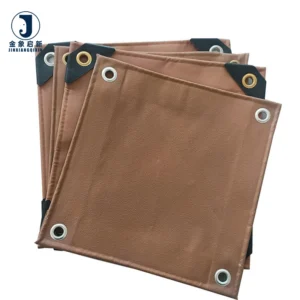
JX Fireproof 500gsm 600gsm Customizable PVC Tarpaulin Waterproof Truck Cargo Cover
¥0.79 Select options This product has multiple variants. The options may be chosen on the product page -
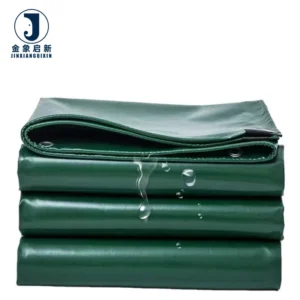
Pvc Coated Waterproof Tarpaulin Heavy Duty Tarp for Tent Roof Stocklot Lumber
¥1.60 Add to cart -
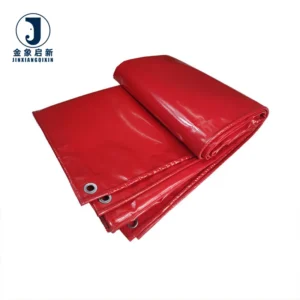
Tarpaulin Hot Selling 30M X 30M Finished PVC Tarpaulin for Farming Tarpaulin
¥1.48 Add to cart -
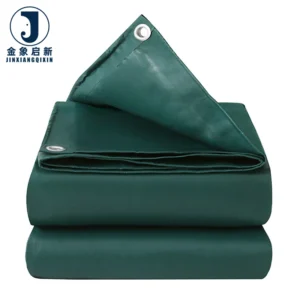
Secure Green PVC Coated Blackout Tarpaulin Truck Tent Cover Anti-Aging Waterproof Folding Design Breathable Woven Technics
¥0.83 Select options This product has multiple variants. The options may be chosen on the product page