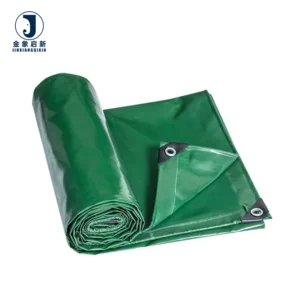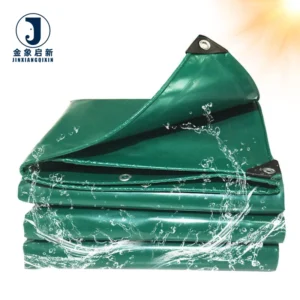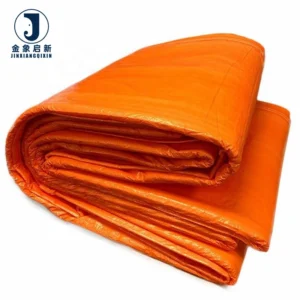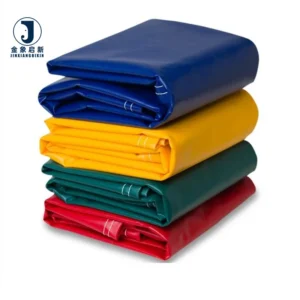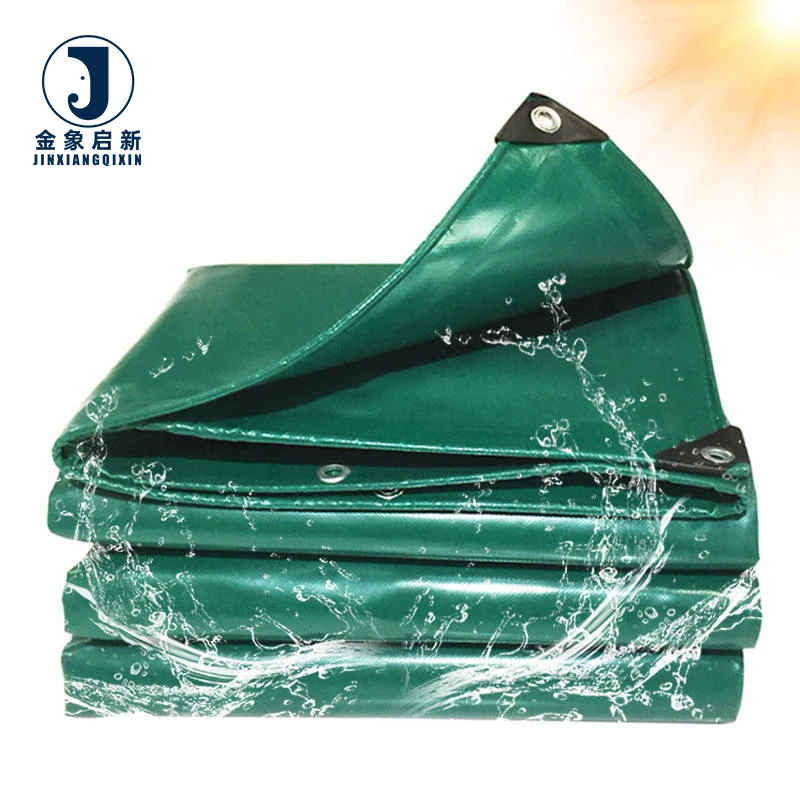
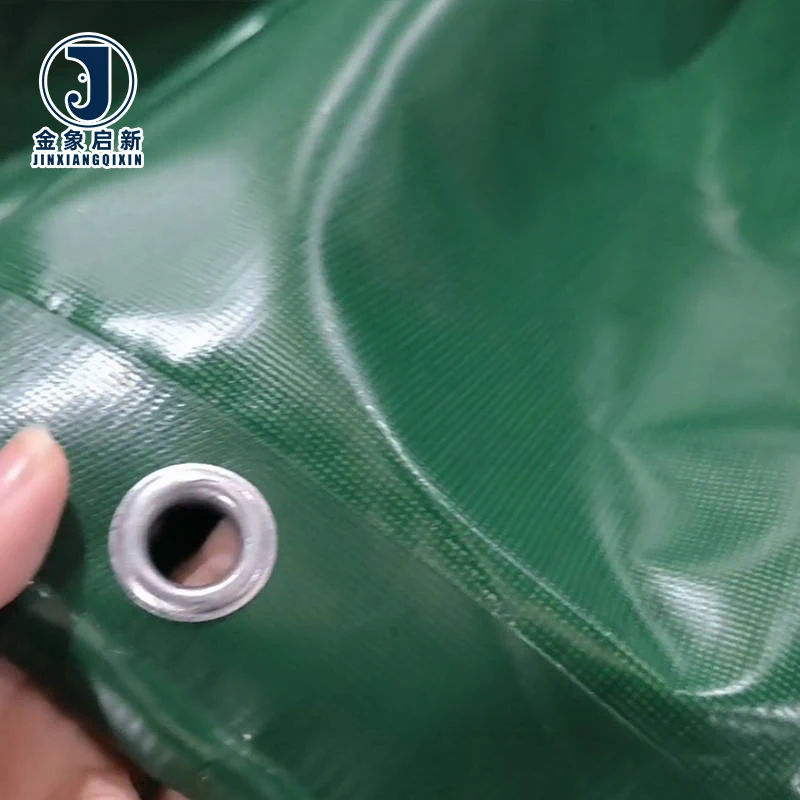
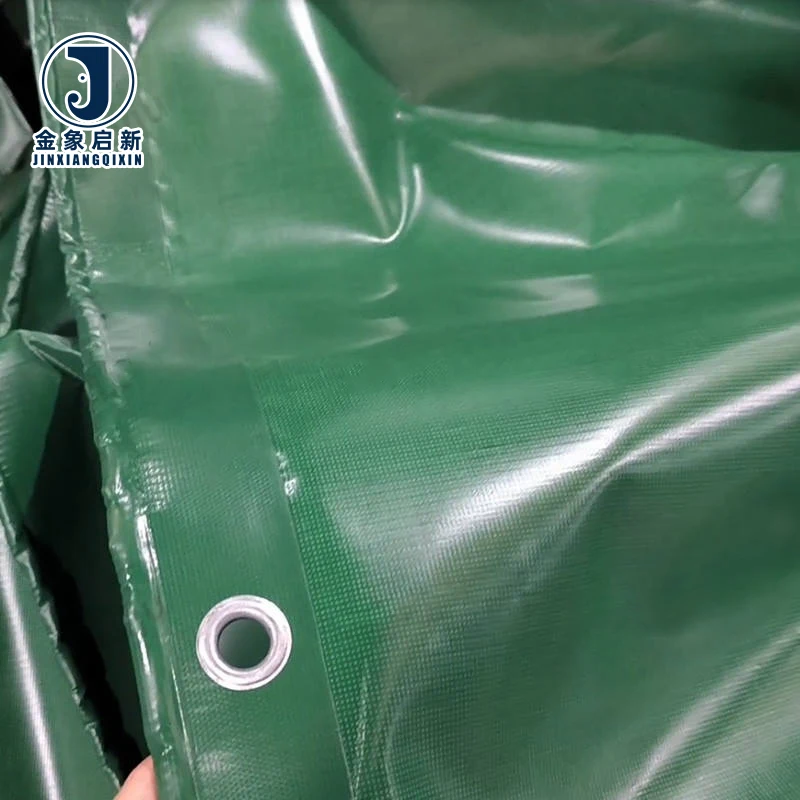
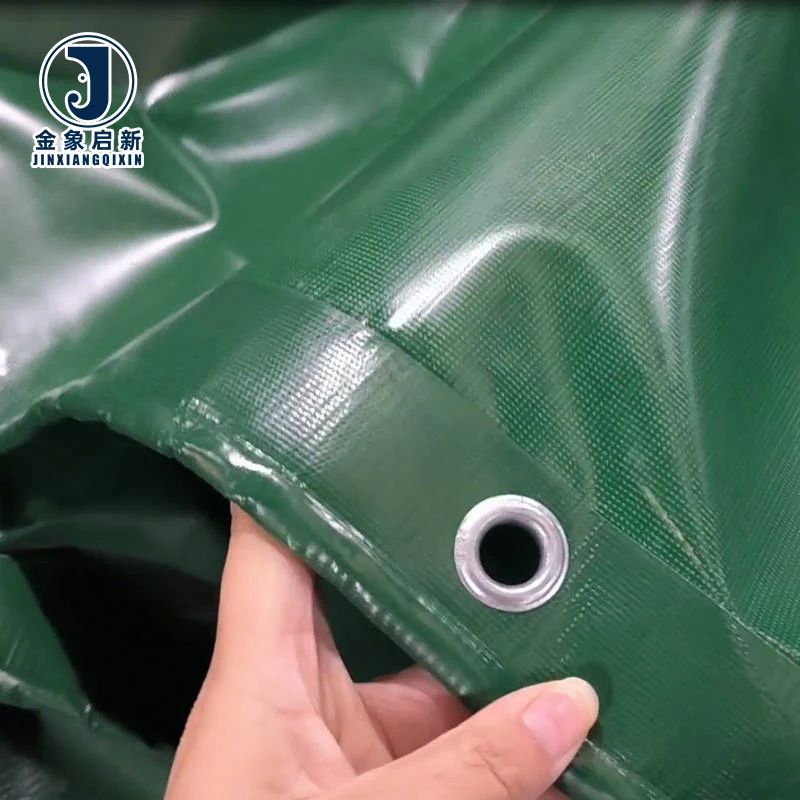
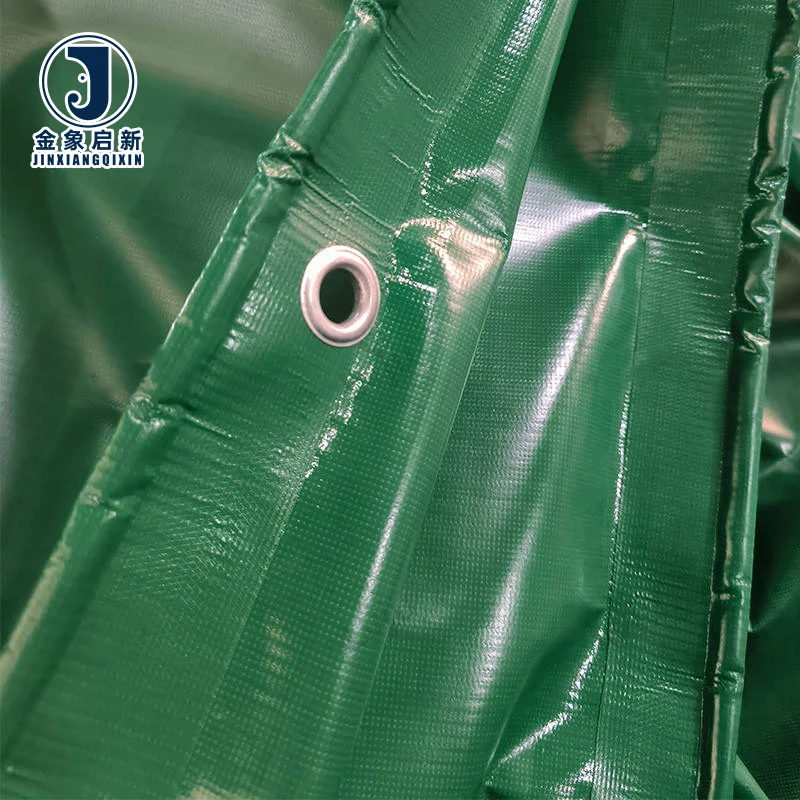
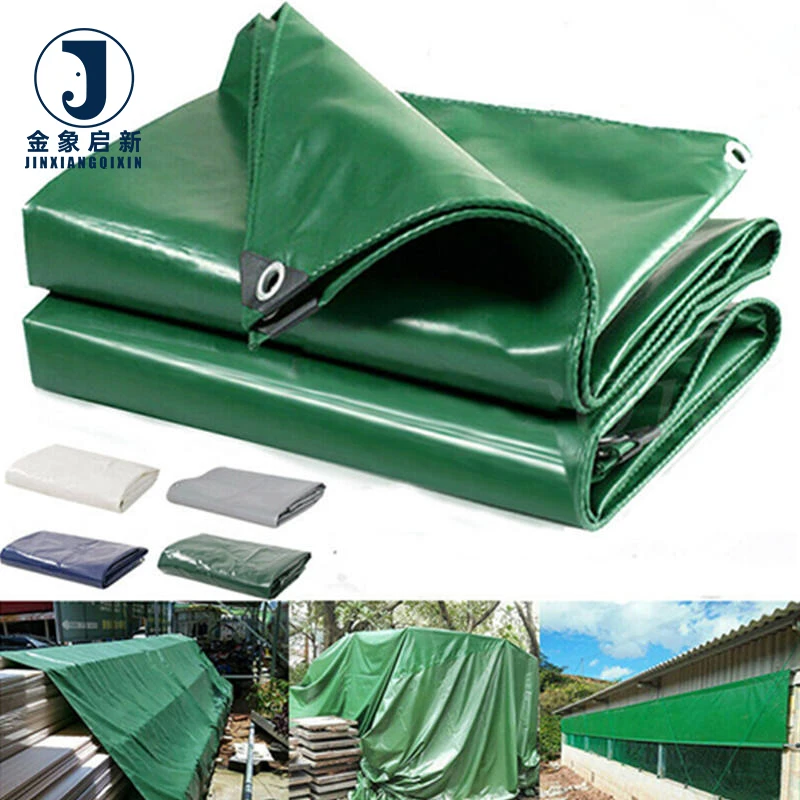
PVC Coated Tarpaulin — polyester base fabric with double-sided PVC coating, 500gsm–1000gsm, hot air and high-frequency heat-sealed seams for structural integrity at flex points. The full range supports custom width, length, colour, and pattern printing, with treatment options verified against test reports for UV resistance and flame retardancy where specified. Backed by dedicated QA/QC at every production stage, 100% pre-shipment inspection, and a 10-person R&D team handling material selection and sample development.
Description
Process-Controlled Coating Weight — every roll verified against the stated GSM at the coating head before winding, ensuring the material arriving at your dock matches the quotation.
Technical Specifications
| Parameter | Value |
|---|---|
| Product Type | PVC Coated Tarpaulin |
| Base Fabric | Polyester woven substrate |
| Coating | Double-sided PVC coating |
| Weight Range | 500gsm–1000gsm |
| Density | 1.15–2.00 g/cm³ |
| Tensile Strength | 50–80 MPa |
| Brittle Temperature | ≤ -50 to -60 °C |
| Softening Temperature | ≥ 80 °C |
| Melting Point | 212 °C |
| Fabrication Methods | High frequency hot melt, hot air welding, sewing |
| Surface Finish | Printable, customizable |
| Key Features | Waterproof, fire retardant (grade not stated), anti-UV (grade not stated), heavy metal free, anti-mildew, flexible, heavy duty, self-clean |
| Standards | ISO, CE |
Application Suitability
| Application | Exposure & Requirement |
|---|---|
| Truck and trailer side curtains | Constant flexing at tie-down points, road abrasion, UV exposure, wind load |
| Top roof covers for transport | Direct sunlight, rain pooling, thermal cycling across seasons |
| Outdoor event tents and awnings | UV saturation, wind tension, occasional snow load, block-out opacity |
| Construction site and equipment covers | Abrasion from scaffolding contact, rain, dust, chemical splash |
| Inflatable and membrane structures | Internal air pressure, seam integrity, puncture from handling |
| Pallet and cargo covers | Forklift contact, stacking compression, weather during yard storage |
Why "Heavy Duty" Means Nothing Without Verified GSM
A PVC coated tarpaulin aftermarket supplier can print any weight on a label, but the fabric that shows up in the container may tell a different story. The gap between quoted GSM and actual GSM is where covers fail early, seams split under load, and buyers lose trust in their entire supply chain.
Verify the weight per roll before it leaves the factory, not after it crosses an ocean.
I once watched a container of heavy-grade tarpaulin get rejected at destination because the buyer’s QC team measured the coating weight and found it well below the agreed specification. The entire shipment came back — freight costs absorbed, a long-standing relationship damaged, and months of production capacity wasted. The root cause was not dishonesty but a lack of in-line monitoring at the coating head. When you source PVC coated tarpaulin for fleet or industrial use, the conversation must start with how the supplier proves every roll meets the stated weight. [NEED_CITE: ISO 3801 method for determining mass per unit area of coated fabrics]
The Complete Range From Light Shelter to Heavy Transport
The PVC coated tarpaulin aftermarket supplier catalog covers the full spectrum of coated fabric weights used in transport and industrial applications. Lighter grades in the 500gsm range serve temporary shelters, pallet wraps, and event tent liners where flexibility and pack-down weight matter. Heavier grades approaching 1000gsm handle the sustained mechanical stress of truck side curtains that flex thousands of times per journey and resist abrasion from load shift and tie-down straps. The polyester base fabric provides the tensile backbone, while the double-sided PVC coating seals the weave against water ingress and gives the surface its self-clean and printable characteristics.
Fabrication Compatibility Across Welding Methods
This fabric supports three fabrication routes that cover most workshop capabilities. High frequency hot melt welding produces the strongest seam for PVC-coated polyester, fusing the coating layers into a continuous bond that often exceeds the base fabric strength. Hot air welding is the practical choice for on-site repairs and smaller shops without HF equipment, though operator skill determines weld consistency. Sewing remains valid for applications where needle holes can be sealed or where the cover must be disassembled. Each method interacts differently with the coating thickness, so confirming your workshop’s preferred route before ordering ensures the material arrives ready for your production line. [NEED_CITE: tensile and tear test methods for coated fabrics per ISO 1421]
Reading the Specification Sheet Beyond the Headline Number
Weight alone does not define a coated fabric’s performance. The tensile strength of 50–80 MPa reflects the combined contribution of the polyester base fabric denier, the weave density, and the coating adhesion. A heavier coating adds abrasion resistance and stiffness but does not automatically increase tear strength if the base fabric remains unchanged. The brittle temperature range of ≤ -50 to -60 °C matters for operators in cold climates — fabric that cracks when folded in winter is a liability on any truck or construction site. Conversely, the softening point at ≥ 80 °C sets the upper boundary for hot air welding parameters and warns against dark-coloured covers sitting on metal roofs in peak summer. The density range of 1.15–2.00 g/cm³ correlates with filler loading in the PVC compound, which influences both flexibility and fire retardant behaviour. Available in fire retardant grades — confirm the grade required for your market and request the corresponding test report.
The Hidden Cost of Specifying on Price Per Square Meter Alone
When buyers reduce the purchasing decision to the lowest cost per square meter, they often absorb losses elsewhere. A coating that is lighter than agreed may pass visual inspection but fail at the weld line within months because the reduced PVC thickness cannot sustain a proper HF bond. Colour variation between rolls in a single order becomes visible only after installation, when adjacent panels on a truck fleet or event tent show obvious shade differences. Anti-UV or anti-mildew treatments claimed on the quotation but unsupported by a test report leave the buyer with no recourse when the fabric degrades prematurely. These failures do not appear on the day of delivery — they surface six months later, when the cover is already in service and replacement involves downtime, labour, and reputational damage. [NEED_CITE: common failure modes in PVC coated polyester tarpaulins under field conditions]
What the Production Floor Actually Delivers
Three full production lines with dedicated coating heads allow this facility to hold coating weight tolerance tight on every roll, rather than averaging across a batch. The ten-person R&D team handles material selection and sample development, producing custom colour matches and printed branding proofs within days rather than weeks. Every roll passes through in-process quality checks at the coating, curing, and winding stages, with a full pre-shipment inspection before packing. Custom widths and lengths are produced on the same lines as stock grades, so lead times for non-standard orders remain realistic rather than theoretical. The fabrication guidance provided with each shipment reflects actual workshop testing, not generic data sheet values copied from a resin supplier.
Documentation & Verification
- Material specification sheet stating GSM, base fabric denier, coating weight, and colour reference per roll
- Test report for fire retardant and anti-UV grades where applicable to your market
- Pre-shipment inspection record with weight verification against the stated GSM
- Roll packing list with lot traceability for batch consistency claims
- Certificate of origin and customs documentation for international shipment
Fabrication, Handling & Storage
- Set HF welding power and dwell time to match the double-sided PVC coating thickness for full fusion
- Reinforce eyelet and tie-down zones with additional PVC patches to distribute load across the base fabric
- Store rolls upright on end cores to prevent flat-spot creasing in the coating layer
- Allow cold-stored rolls to reach workshop temperature before unrolling to avoid brittle cracking
- Use mild detergent only — solvent cleaners can attack the plasticiser in the PVC compound
- Lay out panels with the machine direction aligned to the primary stress axis for optimal tensile performance
Before You Request a Quote
Provide the specific truck or trailer models you need to cover, the operating climate, and any fire classification your local authority requires. If you are buying by the roll for your own fabrication, confirm the maximum roll width your welding table can handle and whether you need printed branding on the outer surface. For tent and inflatable structure projects, share the panel dimensions and seam construction method so the material can be supplied in widths that minimise offcut waste. Sample rolls are available for workshop trials before you commit to production volume.
Frequently Asked Questions
Q: How do you verify the GSM matches the quotation upon arrival?
A: Each roll is weighed and measured at the winding stage, and the result is recorded on the pre-shipment inspection report. We provide the weight-per-unit-area data for every roll in the shipment so your QC team can cross-check immediately on receipt. Any roll outside the stated tolerance is held before dispatch.
Q: Can fire retardant or anti-UV treatment be supported with a test report?
A: Yes. When you specify fire retardant or anti-UV requirements, we supply the corresponding test report from a recognised laboratory. Confirm the grade or standard your market requires — such as a building material fire classification — so we match the formulation to your compliance obligation.
Q: What customization options are available for width, length, colour, and printing?
A: The PVC coated tarpaulin range is produced in custom widths and lengths beyond standard stock sizes. Colour matching is done against your reference, and pattern printing or branding can be applied to the outer coating surface. Samples are developed within days for your approval before bulk production begins.
Q: How do you ensure colour consistency across multiple rolls in one order?
A: All rolls within a single order are coated from the same batch of compounded PVC, and colour is checked at the coating head against the approved reference. The packing list identifies the production lot, so you can trace every roll back to its coating run for consistency verification.
Q: What documentation is provided with shipment for customs and compliance?
A: Every shipment includes a material specification sheet, roll packing list, certificate of origin, and pre-shipment inspection record. Where applicable, fire retardant and anti-UV test reports accompany the documentation package to support your import compliance and end-use certification.
Related products
-
PVC Coated Tarpaulin PVC Fabric Tarpaulinheavy duty fire retardant waterproof pvc coated tarpaulin rolling pvc tarp
¥1.00 Select options This product has multiple variants. The options may be chosen on the product page -
JX PVC Waterproof Fabric High-strength Sheeting for Industrial and Outdoor Coverings
¥1.90 Select options This product has multiple variants. The options may be chosen on the product page -
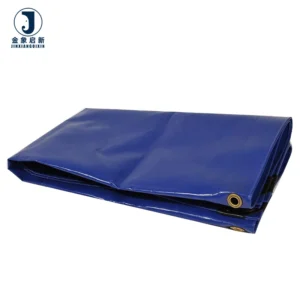
900GSM Heavy Duty PVC Coated Tarpaulin Panama Tarpaulin Curtains for Lorries
¥7.78 Add to cart -
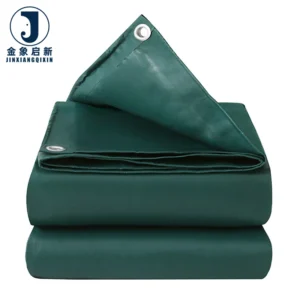
Secure Green PVC Coated Blackout Tarpaulin Truck Tent Cover Anti-Aging Waterproof Folding Design Breathable Woven Technics
¥0.83 Select options This product has multiple variants. The options may be chosen on the product page