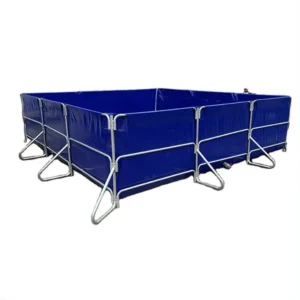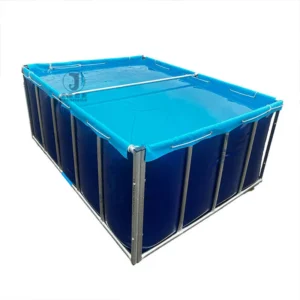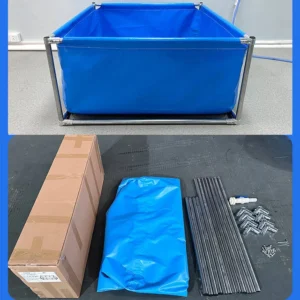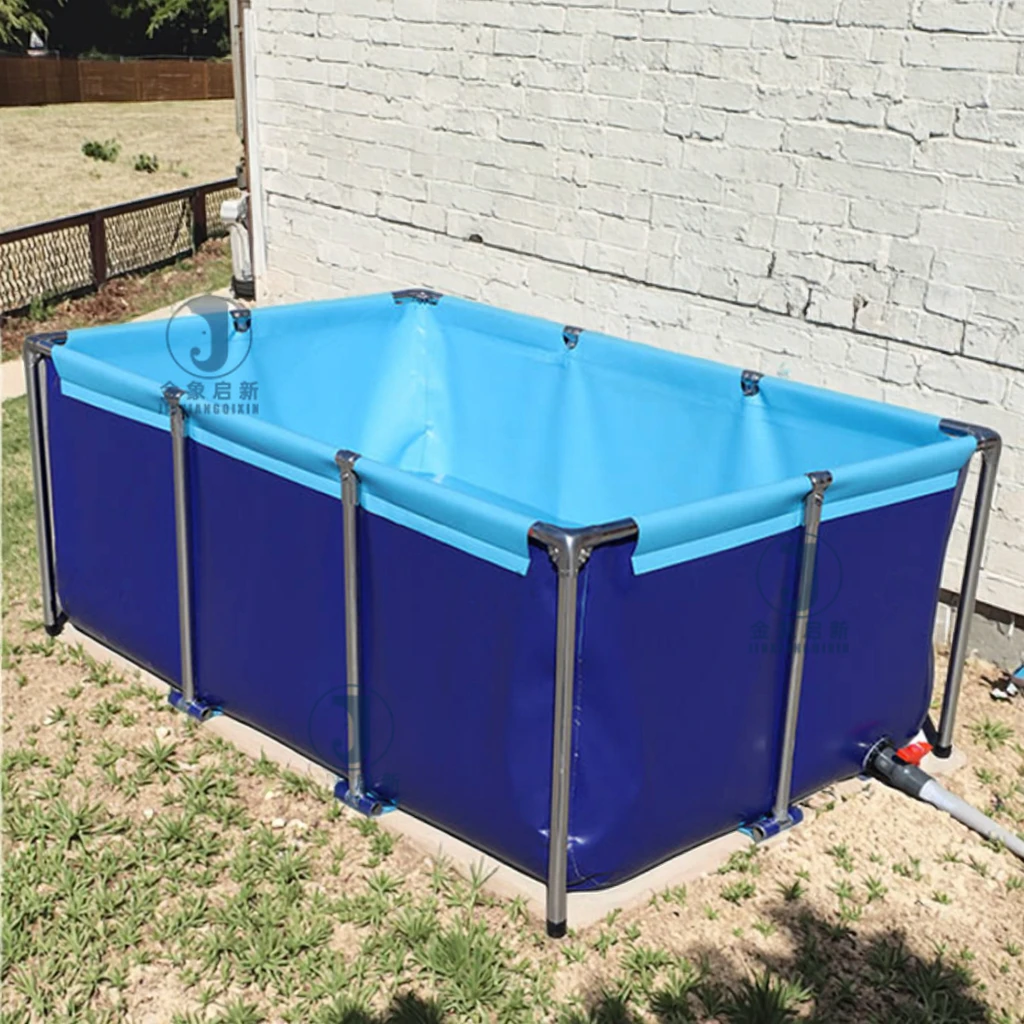
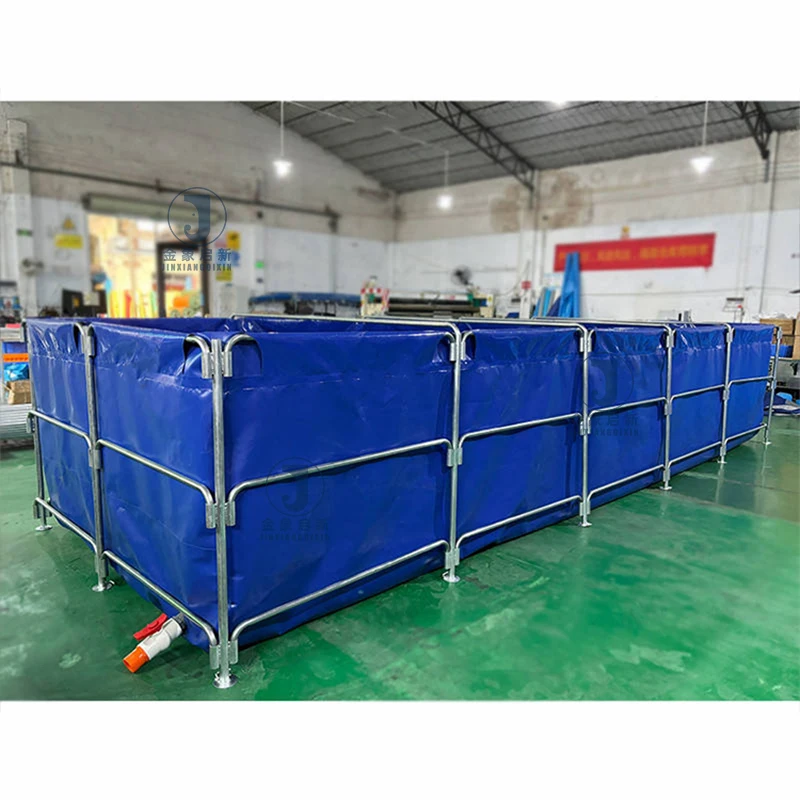
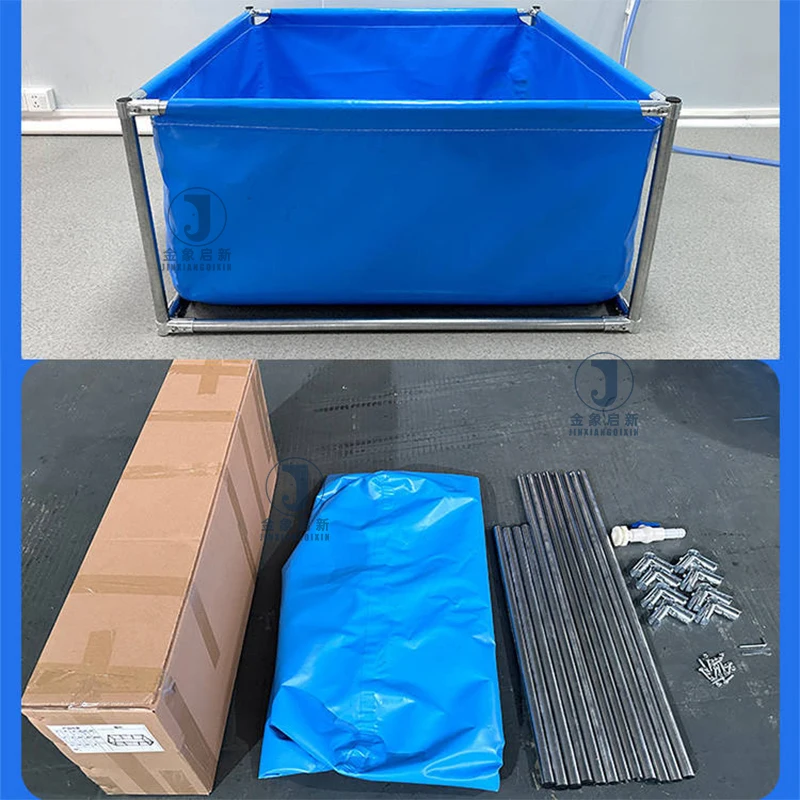
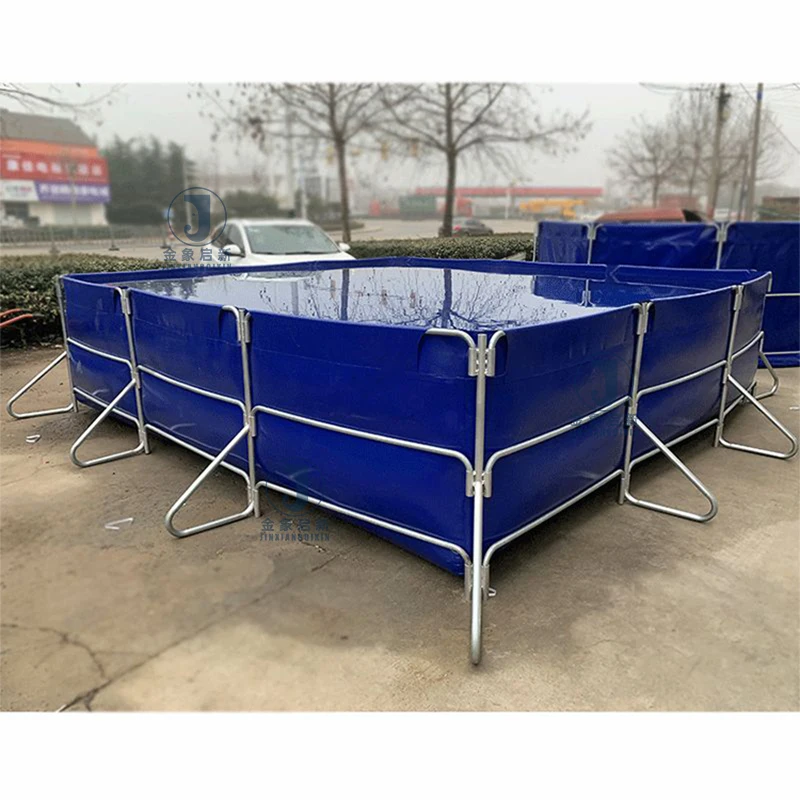
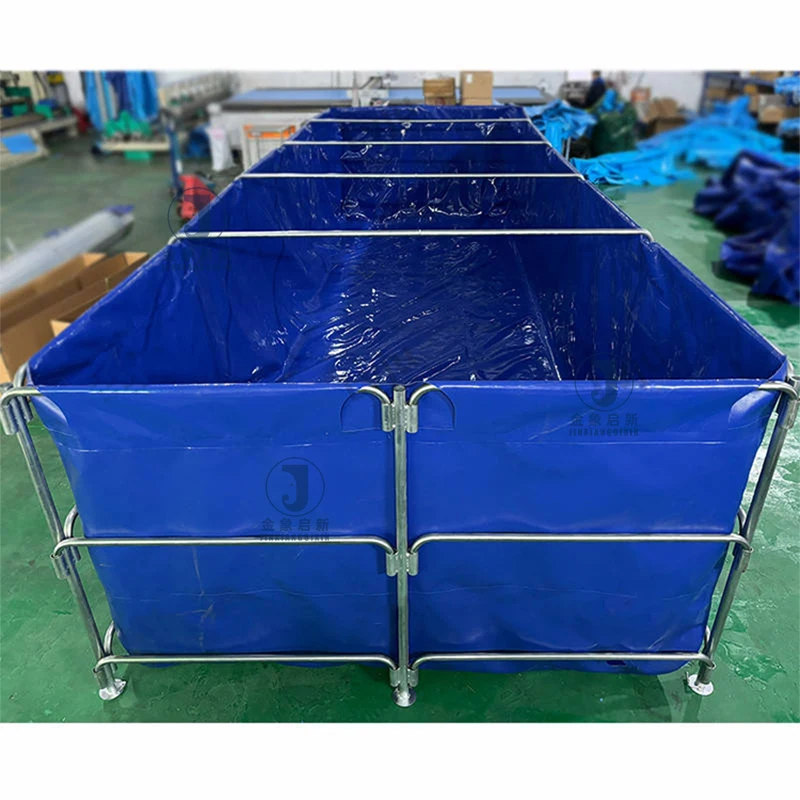
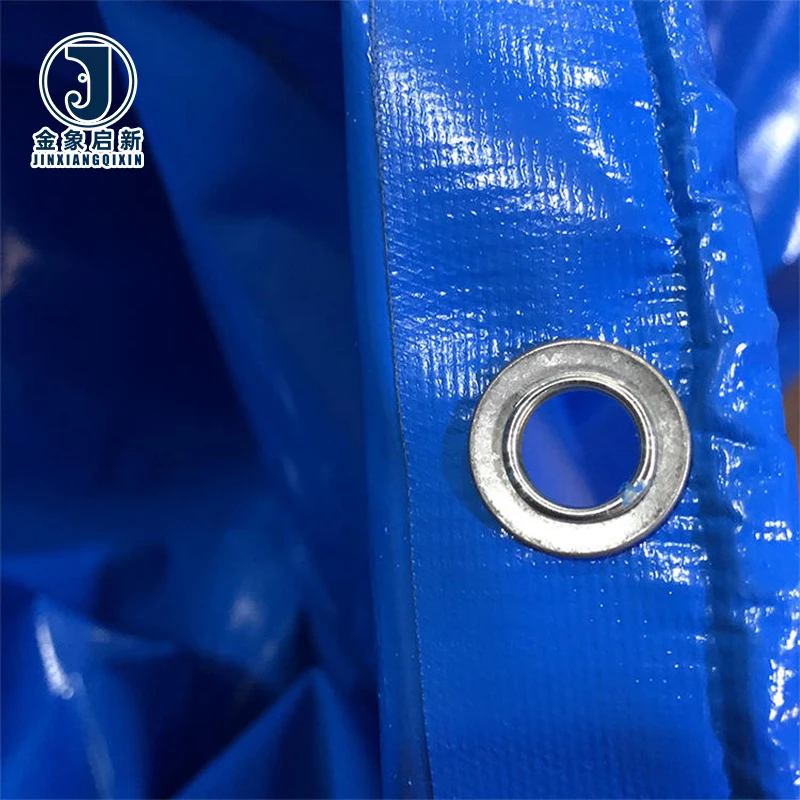
PVC Tarpaulin Roll for Fish Pond Lining — double-sided PVC coated polyester with anti-UV treatment, available in 350–900 GSM and multiple yarn counts from 500D×500D to 1300D×1300D, hot air weldable for leak-free seams.
- Engineered for aquaculture containment, the coating adhesion and base fabric weave are matched to resist hydrostatic pressure and abrasion at flex points
- Roll width and GSM selection directly affect pond seam count and long-term tensile retention under continuous water exposure
Backed by 100% pre-shipment inspection and dedicated QA at every coating stage to ensure batch consistency across your order.
Description
Coating Weight Control — every roll is verified against the stated GSM through in-process inspection before dispatch, ensuring the fabric you receive matches the specification you approved.
Technical Specifications
| Parameter | Value |
|---|---|
| Product Type | PVC Coated Tarpaulin |
| Weight Options | 350 / 400 / 420 / 500 / 600 / 650 / 750 / 900 GSM |
| Base Fabric Denier | 500D×840D (350–420 GSM) / 500D×1000D (500 GSM) / 1000D×1000D (600 GSM) / 1000D×1300D (650 GSM) / 1300D×1300D (750 GSM) / 1000D×2000D (900 GSM) |
| Mesh Count (Density) | 30×19 (350–500 GSM) / 20×20 (600–750 GSM) / 30×15 (900 GSM) |
| Coating Material | PVC over polyester base |
| Total Thickness | 0.29 mm (400 GSM) / 0.32 mm (420 GSM) / 0.38 mm (500 GSM) / 0.44 mm (600 GSM) / 0.46 mm (650 GSM) / 0.55 mm (750 GSM) / 0.65 mm (900 GSM) |
| Tensile Strength (Warp) | 1650 N (350 GSM) to 3900 N (900 GSM) (test basis not stated in source) |
| Tensile Strength (Weft) | 1600 N (350 GSM) to 3500 N (900 GSM) (test basis not stated in source) |
| Waterproof Performance | Water resistant, overall coating sealing |
| UV Treatment | Available in anti-UV grades — confirm the level required for your exposure conditions |
| Flame Retardant Grade | Available in flame retardant grades — confirm the grade required for your market |
| Abrasion Resistance | Very strong |
| Surface | Smooth, soft, leather-like texture |
| Repairability | Repairable by hot air welding |
| Custom Options | Colour, printing, width and length |
| Standards | ISO, CE (mentioned in supplier profile context — verify against manufacturer catalog) |
Application Suitability
| Application | Exposure & Requirement |
|---|---|
| Commercial fish pond lining | Permanent water contact, soil chemistry exposure, puncture risk from substrate, UV degradation over multi-year deployment |
| Hatchery and nursery tank containment | Constant immersion, bio-security surface demands, frequent cleaning and draining cycles |
| Agricultural reservoir and irrigation pond | Large surface area requiring seam welding, seasonal temperature swings, algae and sediment contact |
| Aquaculture equipment and feed storage covers | Outdoor weathering, mechanical handling abrasion, moisture ingress prevention |
Why the Quoted GSM Rarely Tells the Full Story for Pond Liners
Coating adhesion and base fabric denier matter more than weight alone when fabric sits submerged for seasons.
A PVC Tarpaulin Roll manufacturer custom order can arrive at the correct weight yet still underperform in aquaculture containment. The coating may be thick enough to register on the scale, but if the bond to the polyester base is weak, delamination begins at the weld seams — the exact point where pond liners flex most under hydrostatic pressure. I have seen rolls pass incoming weight inspection and still fail within the first filling cycle because the base fabric denier was too low for the tensile load the liner must carry [NEED_CITE: tensile and tear test methods for coated fabrics per ISO 1421].
For pond applications, the denier progression from 500D×840D at lighter grades up to 1000D×2000D at 900 GSM determines whether the fabric can resist puncture from sharp substrate and sustain welded seam integrity when the pond is full. Weight without denier context is an incomplete specification.
Coating Integrity for Submerged Environments
Double-sided PVC coating with overall sealing is the baseline requirement for any aquaculture liner. The coating must fully encapsulate the polyester scrim so that no wicking path exists between yarns — even a pinhole-level gap allows water to penetrate the base fabric, leading to internal mildew and progressive loss of tensile strength. This PVC Tarpaulin Roll for fish pond application demands a continuous coating film on both faces, and the hot air weldability of the material allows fabricators to create leak-free seams on site that match the waterproof integrity of the parent fabric.
Denier Progression and Load Matching
The eight available grades are not arbitrary weight steps. Each pairs a specific base fabric denier with a coating weight designed for a distinct load class. Nursery ponds with shallow water and smooth substrates can use 350–420 GSM on 500D×840D base, while commercial grow-out ponds with deeper water columns and rougher ground need 650–900 GSM on 1000D×1300D or heavier base [NEED_CITE: relationship between base fabric denier and hydrostatic load capacity in pond liners]. Selecting the correct grade prevents both over-specification and premature liner failure.
How GSM, Denier and Mesh Count Interact in Pond Liner Fabric
GSM alone is a surface measurement — it tells you how much material exists per square metre but says nothing about how that material is distributed. A 600 GSM fabric on a 20×20 mesh with 1000D×1000D yarn has fewer, thicker yarns carrying the load, which provides strong individual yarn tensile resistance but allows the coating to carry more shear stress between yarns. Compare this with a 500 GSM on 30×19 mesh where more yarn intersections per unit area distribute point loads more evenly — useful where the pond floor is uneven or contains sharp aggregate. The total thickness values, ranging from 0.29 mm to 0.65 mm, reflect both coating mass and base fabric bulk; thicker material is not automatically more puncture-resistant if the base yarn count is low. For welded seams, the coating thickness determines the heat energy and dwell time needed — a 0.55 mm fabric at 750 GSM requires more controlled heat input than a 0.32 mm at 420 GSM to achieve full fusion without scorching the PVC surface.
The Cost of Choosing the Wrong Grade for Your Pond
Specifying a lighter grade than the pond depth and substrate demand does not save money — it defers the cost to the first liner repair or replacement. A liner that is too thin for the hydrostatic head will stretch at the seams, and once the weld line elongates beyond the coating’s elastic limit, water escapes into the subsoil [NEED_CITE: field failure modes of PVC pond liners under hydrostatic pressure]. Conversely, specifying a heavy-duty 900 GSM for a shallow nursery tank adds material cost without proportional benefit, and the increased stiffness makes folding and fitting more difficult on small-format installations.
Why Source This PVC Tarpaulin Roll Manufacturer Custom Range Here
Three full production lines and 36 sets of professional equipment support bulk roll output with consistent coating weight across the entire batch, which matters when a single pond project may consume dozens of rolls that must weld together without thickness variation. A 10-person R&D team handles material selection and sample development, so if your aquaculture project needs a specific width or colour to distinguish pond zones, samples are developed within days rather than weeks. Dedicated QA/QC at every production stage with 100% inspection before shipment means the GSM on the packing list is the GSM that arrives at your facility — not a lighter material that was substituted to manage production cost. Nearly 30 years of focus on coated fabric provides the process depth to maintain coating adhesion standards that generic suppliers cannot replicate.
Documentation & Verification
- Material specification sheet stating exact GSM, base fabric denier and PVC coating type per roll
- UV and flame retardant test reports provided for the specific grades included in your order
- Pre-shipment inspection record confirming 100% weight and visual check before dispatch
- Roll packing list with individual roll dimensions and net weight for receiving verification
- Certificate of origin and customs documentation for international pond project shipments
Fabrication, Handling & Storage
- Hot air weld temperature and speed must be matched to the specific GSM grade — 900 GSM requires higher energy input than 350 GSM to achieve full seam fusion
- Store rolls upright on pallets in shaded, ventilated areas to prevent compression flat spots on the PVC coating surface
- Avoid dragging rolls across rough ground during pond deployment to protect the smooth leather-like surface finish
- Use PVC-compatible cleaning agents only; solvent-based chemicals will degrade the double-sided coating over time
- Field repairs on punctured liner sections are achievable with hot air welding and matching PVC patch material from the same GSM grade
- Plan cutting layout to minimise offcuts, particularly on wider custom widths used for large commercial pond installations
Requesting a Quote for Your Aquaculture Project
Provide the pond or tank dimensions, maximum water depth and substrate type so the correct GSM and denier combination can be recommended. Specify whether you need rolls only or finished panels with welded seams, and confirm any colour or width requirements for your installation. Include your target market’s compliance requirements if flame retardant or UV treatment grades apply to the project specification.
Frequently Asked Questions
Q: What GSM is recommended for a lined pond versus an above-ground tank?
A: Lined ponds in contact with soil and deeper water columns generally require 600–900 GSM on heavier base fabric denier to resist puncture and sustain hydrostatic pressure. Above-ground tanks with smooth internal surfaces and controlled filling can often use 350–500 GSM grades. Confirm the specific depth, substrate conditions and expected deployment duration so the correct weight and denier combination is matched to your containment requirement.
Q: Can the tarpaulin be heat-welded on site for custom pond shapes?
A: Yes, the double-sided PVC coating is fully compatible with hot air welding equipment used in field fabrication. Weld parameters — air temperature, speed and pressure — must be adjusted to the specific GSM and thickness of the roll being joined. We recommend conducting test welds on offcut pieces from the same batch before committing to the final pond geometry to confirm seam strength and surface finish.
Q: How is batch-to-batch colour consistency maintained across multiple rolls?
A: Pigment dosing is controlled at the compounding stage for each production run, and rolls from the same order are produced consecutively to minimise shade variation. When a project spans multiple production batches, colour reference samples from the first batch are used to calibrate subsequent runs. Request a pre-shipment roll photograph if visual verification is needed before the container is sealed.
Q: What documentation ships with each roll for export compliance?
A: Each shipment includes a material specification sheet confirming GSM and base fabric, a roll packing list with individual roll identifiers, certificate of origin and customs paperwork. Where UV or flame retardant treatment was specified, the corresponding test report accompanies the documentation package. Pre-shipment inspection records are available to verify that weight and visual checks were completed before dispatch.
Q: Can width and colour be customised for a specific aquaculture project?
A: Custom widths and colours are available across the full GSM range. Minimum order quantities and lead times apply to non-stock specifications. Provide the required roll width, colour reference and total linear metres so a production plan can be confirmed. Printed branding on the roll surface is also accepted if your project requires identification markings or company logos on the deployed liner.