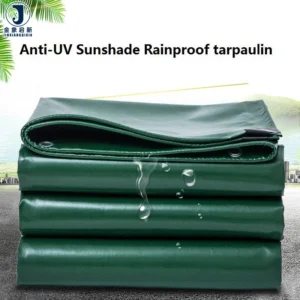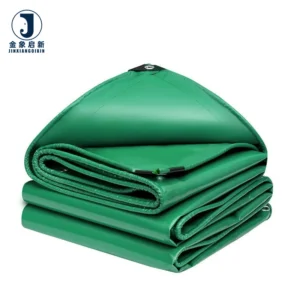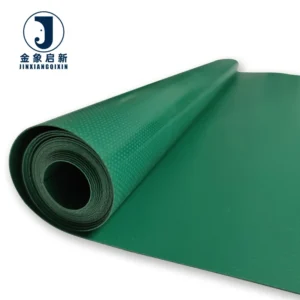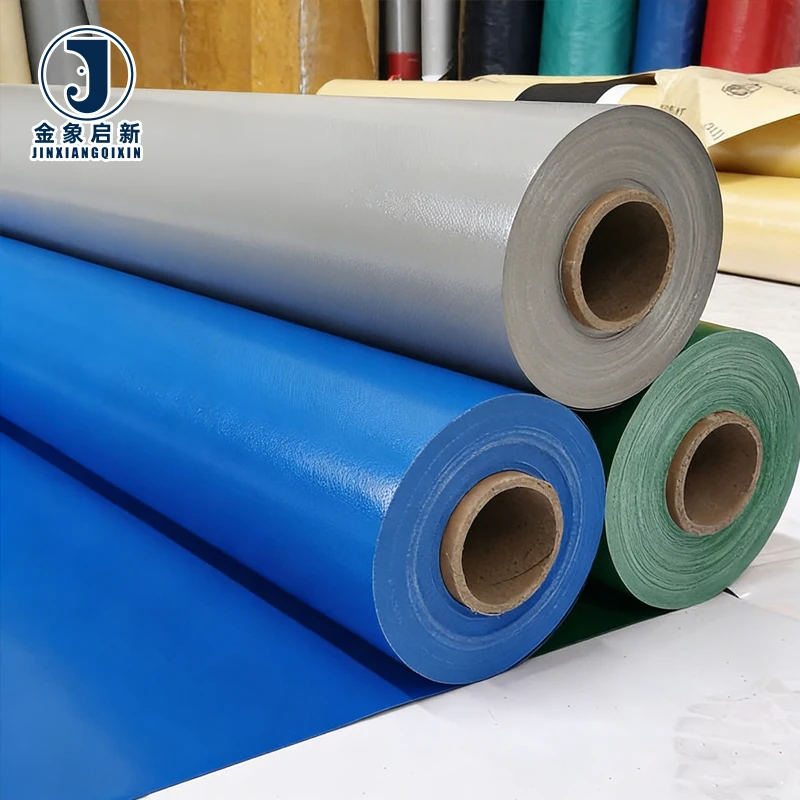
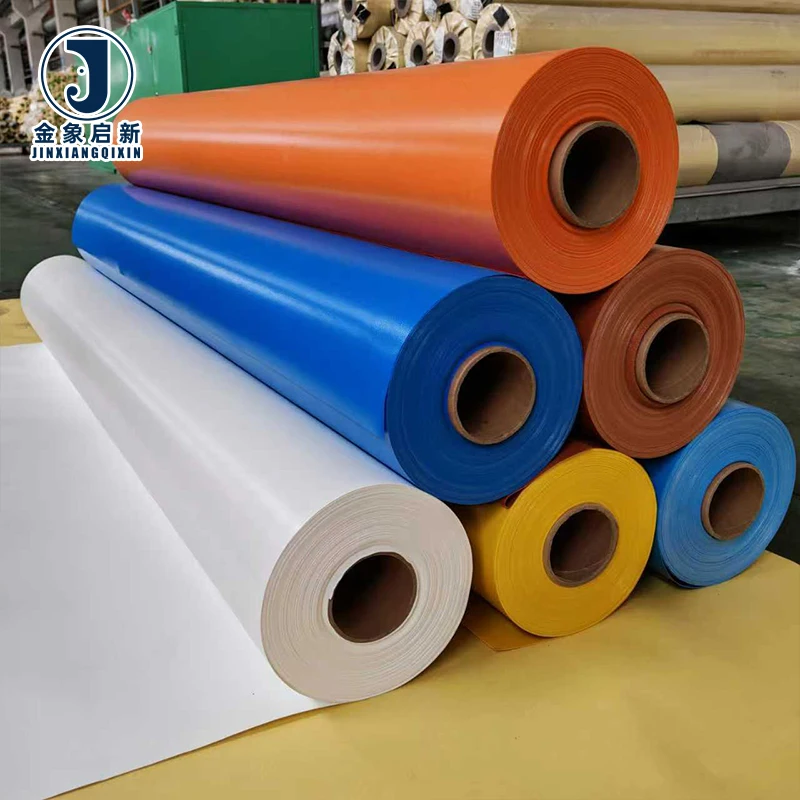
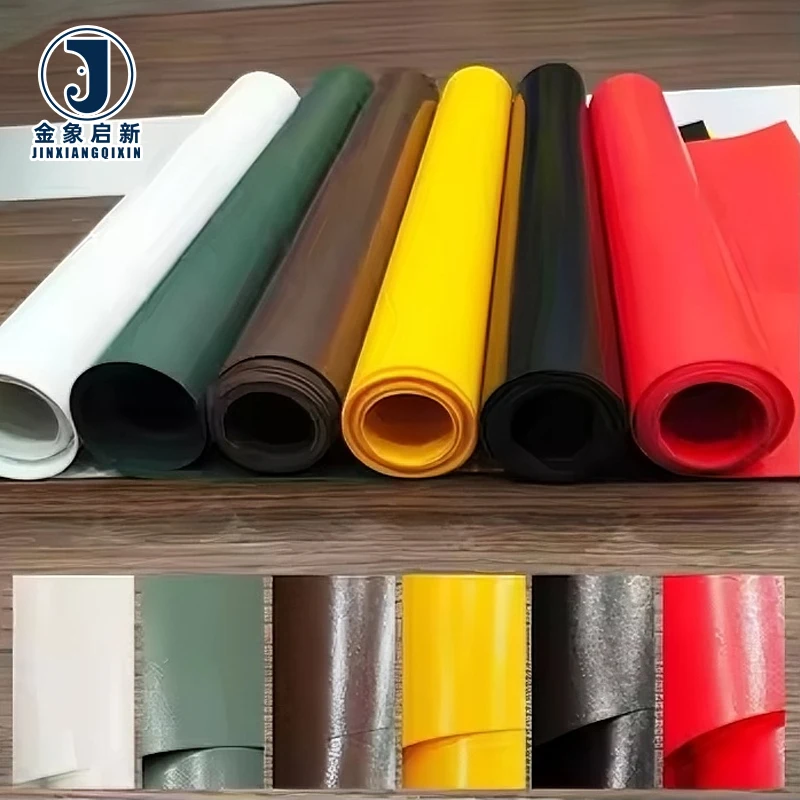
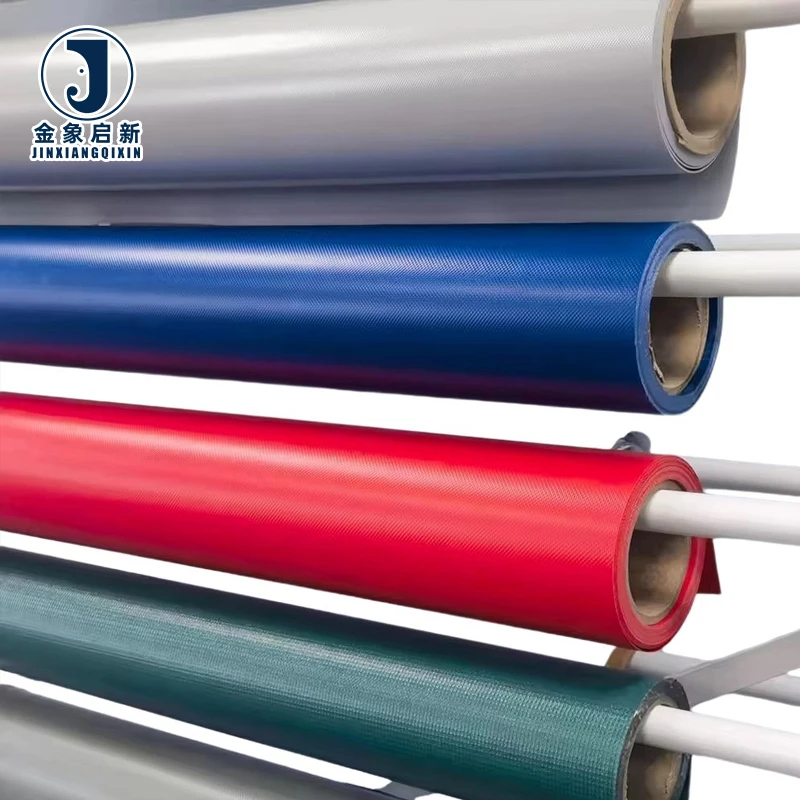
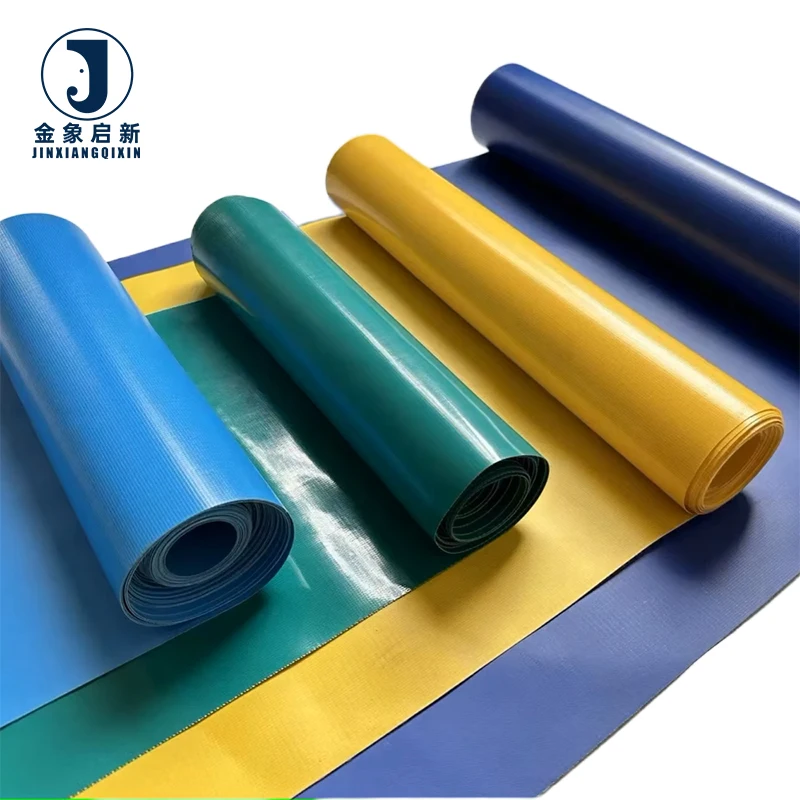
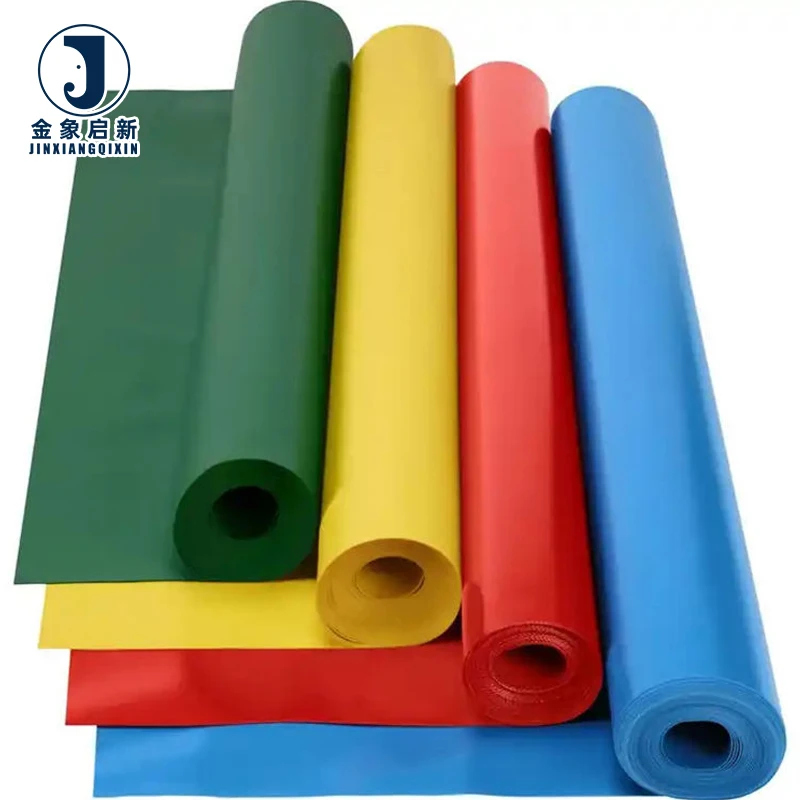
Waterproof Heavy Duty PVC Tarpaulin Roll available in 350–750gsm with glossy or matte finish, hot-melt coated on high-strength polyester mesh for reliable adhesion and weldable seams.
- Laminated and hot-melt coating technology ensures strong peel strength at seams and flex points
- Anti-UV, anti-mildew and cold-crack resistant treatments supported by test documentation
- Consistent colour across rolls within the same batch, verified before bulk production
Backed by nearly 30 years of coated fabric process control, 100% pre-shipment inspection and dedicated QA at every stage, with full roll packing list and certificate of origin included.
Description
Complete Custom Range — every PVC coated tarpaulin roll custom order is backed by dedicated QA/QC with 100% pre-shipment inspection and material specification sheets verifying exact GSM and base fabric.
Technical Specifications
| Parameter | Value |
|---|---|
| Product Type | PVC Coated Tarpaulin |
| Coating Material | PVC |
| Base Fabric | High-strength polyester mesh fabric |
| Weight (GSM) | 350gsm / 420gsm / 500gsm / 550gsm / 600gsm / 750gsm (range covers product family — confirm the grade for your application) |
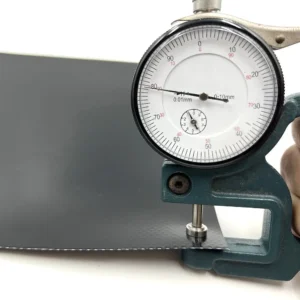
| Total Thickness | 0.32mm / 0.35mm / 0.4mm / 0.45mm / 0.5mm / 0.65mm |
| Coating Method | Laminated technology & Hot-melt Coating technology |
| Surface Finish | Available in glossy or matte finish |
| Color Options | Blue, Red, Yellow, Light blue, Grey, or customized to reference |
| Roll Size | 2m width × 75m length / 2.1m width × 50m length |
| Waterproof | Double-sided fully waterproof coated construction |
| UV Treatment | Available with sunproof treatment — confirm test basis for your market |
| Flame Retardant | Available in flame retardant grades — confirm the grade required for your market |
| Anti-Static | Available with anti-static treatment — confirm resistance standard required |
| Anti-Mildew | Anti-mildew treatment applied |
| Cold Crack Resistance | Cold crack resistant formulation |
| Color Fastness | High color fastness — confirm test basis for specific grade |
| Printing Option | Custom brand printing available on rolls |
| Standards | ISO, CE |
Application Suitability
| Application | Exposure & Requirement |
|---|---|
| Truck and trailer covers | Constant flexing at load points, road debris abrasion, sustained UV and weather exposure |
| Cargo ship tarps | Saltwater spray, heavy wind loading, prolonged sun exposure on deck |
| Tent and awning covers | Repeated assembly and folding, UV degradation, water pooling on horizontal spans |
| Fish tank and pool liners | Permanent water contact, chemical treatment exposure, puncture risk from substrate |
| Construction site covers | Abrasive dust, equipment contact, wind uplift on temporary enclosures |
| Equipment protection | Outdoor storage exposure, condensation cycles, handling during removal and replacement |
Why Quoted GSM Does Not Always Match What Arrives on the Dock
A PVC coated tarpaulin roll custom order should arrive with every roll matching the weight stated on the quotation — yet buyers across distribution and fabrication regularly receive material that measures lighter than agreed. The gap between quoted GSM and actual delivered weight is one of the most frequent disputes in coated fabric procurement, and it directly affects tensile performance, weld integrity, and service life. [NEED_CITE: common discrepancies between quoted and delivered GSM in coated fabric trade]
When a roll arrives below specification, the base fabric is often the variable that has been reduced — fewer denier in the polyester mesh or a looser weave pattern — while the coating weight stays roughly the same. This produces a material that looks correct on the surface but tears more easily under tension and fails earlier at welded seams. Buyers who do not verify GSM on arrival absorb this risk silently until a cover splits in service.
How Weight Grades and Coating Methods Shape the Final Roll
The six weight grades in this range — from 350gsm through 750gsm — each pair with a corresponding thickness from 0.32mm to 0.65mm. Lighter grades suit temporary covers and awning applications where handling weight matters, while heavier grades serve truck side curtains and industrial enclosures that face sustained mechanical stress. Confirming the correct grade before production avoids over-specifying cost or under-specifying durability.
Both laminated and hot-melt coating technologies are used across the range. Laminated construction bonds the PVC film to the polyester mesh under heat and pressure, producing a clean surface suitable for printing. Hot-melt coating drives the PVC into the mesh structure for stronger adhesion at the coating-to-fabric interface, which matters when the material flexes repeatedly at fold lines and weld seams.
Colour Consistency and Finish Selection Across Roll Stock
Glossy and matte finishes each serve different end uses. Glossy surfaces shed water and dirt more readily and accept printed branding with sharper definition, making them common for truck curtain and awning applications. Matte finishes reduce glare and are often preferred for tent and construction enclosure fabric where visual appearance under direct sunlight matters. A PVC coated tarpaulin roll custom order should specify finish clearly so that all rolls in a shipment carry the same surface character. [NEED_CITE: gloss and matte finish performance differences in PVC coated fabrics]
Colour matching across multiple rolls in the same production batch requires controlled pigment dosing and consistent coating temperature. When rolls from the same order show visible shade variation once installed side by side, the cause is typically inconsistent pigment dispersion or temperature fluctuation during the coating pass. Physical sample approval before bulk production is the standard control point for catching this before material ships.
Reading the Specification Sheet Beyond the GSM Number
GSM alone does not determine how a coated fabric performs under load. The base fabric denier and weave density work together with the coating weight to set tensile and tear strength — a 500gsm roll with a dense 1000-denier base may outperform a 550gsm roll built on a lighter mesh. The specification sheet should state both the GSM and the base fabric construction so that you can assess the balance between coating and reinforcement.
Roll dimensions directly affect fabrication yield and the number of welded seams needed to produce a finished cover. A 2.1m × 50m roll suits applications where narrower panels are heat-welded together, while a 2m × 75m roll reduces the number of transverse joins for longer continuous runs. Choosing the roll size that matches your cutting pattern minimises waste and reduces the number of seams that could fail under load.
Surface finish also governs how the material behaves during fabrication. Glossy PVC accepts solvent-based inks for brand printing and heat-transfers cleanly, while matte surfaces may require specific ink formulations to achieve adhesion. Cold crack resistance ensures the material remains pliable during winter fabrication and installation, preventing cracking at fold lines when the roll is unrolled in low temperatures.
The Hidden Cost of Specifying Without Verification
When a batch of rolls arrives with colour variation between them, the fabricator faces a choice: install mismatched panels side by side and accept a visible seam line, or reject the affected rolls and wait for replacement stock. Either outcome delays the project and erodes margin. This problem traces back to pigment control during coating, and it is preventable through sample approval and in-process colour checks during production. [NEED_CITE: colour consistency challenges in batch production of coated fabrics]
Welded seams failing before the fabric itself is a separate consequence of incorrect specification. If the coating formulation or thickness is not matched to the heat-welding parameters used by the fabricator, the seam peels apart under flex load while the surrounding fabric remains intact. Confirming weld compatibility with sample pieces before committing to a full production run avoids this failure mode.
Flame retardant or anti-static grades ordered without a stated certification create compliance risk at the installation site. Mining ventilation ducts and construction enclosures often require documented test results to pass inspection — material that arrives with a claim but no supporting report forces the contractor to source replacement fabric or commission independent testing at additional cost and delay.
Why This PVC Coated Tarpaulin Roll Custom Range Is Built for Procurement Confidence
Three full production lines and 36 sets of professional equipment support bulk roll output with reliable scheduling across multiple GSM grades simultaneously, so mixed-grade orders ship together rather than waiting on separate production runs.
A 10-person R&D team develops samples within days for custom colour, width, and print requirements, allowing buyers to approve physical material before bulk production begins rather than relying on digital proofs alone.
Dedicated QA/QC at every production stage with 100% inspection before shipment means each roll is checked against the stated GSM, colour reference, and surface finish — and the inspection record travels with the documentation package.
Full custom capability across colour matching, roll width, length, and brand printing means a single source supplies both standard stock grades and project-specific material without splitting the order across multiple mills.
Nearly 30 years of focused coated fabric production provides the process control depth needed to hold coating weight and adhesion consistent from the first roll to the last in a container load.
Documentation & Verification
- Material specification sheet stating exact GSM, base fabric construction, and coating type for each roll
- Pre-shipment inspection record confirming weight, colour, and finish against the purchase order
- UV and flame retardant test reports supplied where applicable to the specified grade
- Roll packing list detailing roll count, dimensions, and net weight for container loading
- Certificate of origin and customs documentation prepared for destination country requirements
- Colour reference sample retained on file for repeat orders and batch matching
Fabrication, Handling & Storage
- Hot-melt coated rolls require weld temperature calibration to match coating thickness — test on sample before production
- Matte finish surfaces need specific ink formulation for brand printing adhesion — confirm with ink supplier
- Store rolls upright on pallets to prevent flat-spot deformation on the 2m or 2.1m width
- Unroll cold crack resistant fabric gradually in low temperatures to avoid crease damage at fold lines
- Cut panels with allowance for weld seam overlap based on the selected GSM and thickness grade
- Clean glossy surfaces with non-solvent cleaners to preserve coating integrity and printed branding
What We Need to Prepare Your Quotation
To provide an accurate specification and lead time for your PVC coated tarpaulin roll custom order, share the intended application and the environmental exposure conditions the fabric will face in service. Let us know which GSM grade and thickness you are targeting, or describe the end use and we will recommend the appropriate weight. Specify whether you need rolls only or finished cut-to-size products, and provide any colour reference or brand printing artwork for sample development.
Frequently Asked Questions
Q: How can I verify the GSM of each roll when it arrives against what was quoted?
A: Every shipment includes a material specification sheet stating the exact GSM and base fabric for your order, along with a pre-shipment inspection record. We recommend cutting a measured sample from each roll on arrival and weighing it on a calibrated scale to confirm it matches the stated specification before fabrication begins.
Q: How do I choose the right roll width and length for container loading efficiency?
A: Standard rolls are available in 2m × 75m and 2.1m × 50m configurations. The choice depends on your cutting pattern and how many transverse welds your finished product requires. Share your panel dimensions and we will recommend the roll size that minimises waste and maximises container utilisation by roll count.
Q: How is colour consistency maintained across multiple rolls in the same order?
A: Colour is controlled through pigment dosing and coating temperature during production, with physical samples approved before bulk runs begin. All rolls in a single order are produced in the same batch to minimise shade variation. If your project requires multiple shipments over time, we retain colour reference samples on file for batch matching.
Q: What is involved in approving custom brand printing on rolls?
A: Provide your artwork and colour references, and we will produce a printed sample for your approval before bulk production. The sample confirms print definition, colour accuracy, and adhesion to the selected glossy or matte surface. Lead time for printed samples is typically a matter of days, with bulk production scheduled once the sample is signed off.
Q: Is there a minimum order quantity for custom width, colour, or print options?
A: Custom specifications are available across the full GSM range without prohibitive minimums for trial orders. The minimum depends on the specific combination of width, colour, and printing required. Share your target specification and annual volume, and we will confirm the minimum and pricing tier that applies to your order pattern.
Related products
-
Factory Custom 9×11 Poultry Curtains Tarpaulin PVC Coated Waterproof and Anti-Static Tarp for Chicken Coop Farms
¥0.85 Add to cart -
Custom Reinforced Edges Rip-Stop Rubberized PVC Tarpaulin Industry Covering Vinyl Coated Polyester Tarps for Trucks
¥8.00 Select options This product has multiple variants. The options may be chosen on the product page -
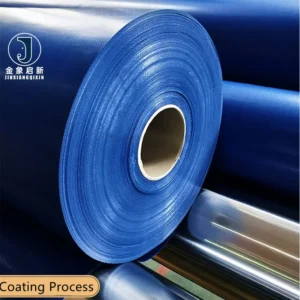
PVC Coated Tarpaulin Outdoor Poly Tarp Plastic Canvas Tarpaulin Roll 650 Gsm for Truck Tent. Roof Cover
¥2.70 Add to cart -
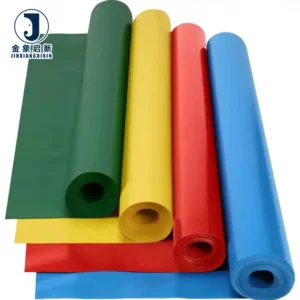
PVC Tarpaulin Glossy 650GSM 1000D*1000D 23*23 1.50*50M/R for Multi-purpose Cover SAMPLE FREE
¥2.70 Add to cart