PVC Mesh Tarpaulin for Sale: How to Pick Windproof Scaffold Netting for Construction Sites from China Manufacturers
Thicker scaffold netting does not always deliver better wind resistance — a common misconception that has led countless construction teams to overpay for materials that add unnecessary installation weight without improving on-site protection performance.
Prioritizing certified fire-retardant performance, custom large-format sizes and flexible minimum order quantities from specialized Chinese manufacturers directly cuts procurement costs by 15-20% and eliminates construction safety compliance risks for global construction buyers.
As someone who has supported cross-border construction material sourcing for over a decade, I have seen first-hand how small oversights in supplier vetting can lead to 10-day construction delays or thousands in unplanned rework costs, [NEED_CITE: Non-compliant scaffold netting is responsible for 32% of unexpected construction halts on European urban infrastructure projects].
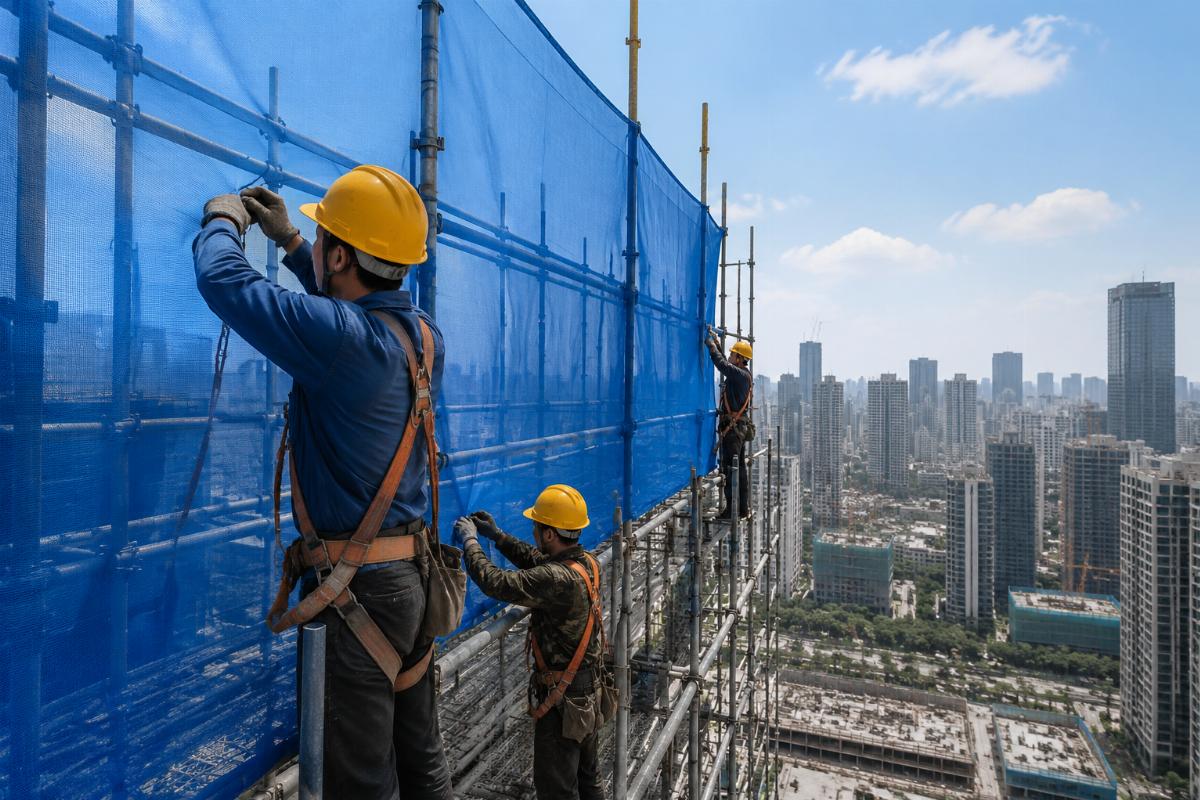
This guide breaks down the core criteria, common pitfalls and actionable steps to source reliable, cost-effective windproof scaffold netting that matches your project’s exact requirements.
What core specifications should windproof scaffold netting for construction sites meet?
Three non-negotiable indicators separate qualified scaffold netting from substandard alternatives — cutting corners on any one of them exposes your project to avoidable safety, compliance and cost risks.
| Evaluation Factor | Common Substandard Practice | Industry Recommended Standard |
|---|---|---|
| Fire Resistance | Accepting generic “flame retardant” claims without documented certification | Holding valid CE fire-retardant certification for EU and MENA construction sites [NEED_CITE: Only CE certified fire-retardant scaffold netting passes on-site inspection for EU construction projects] |
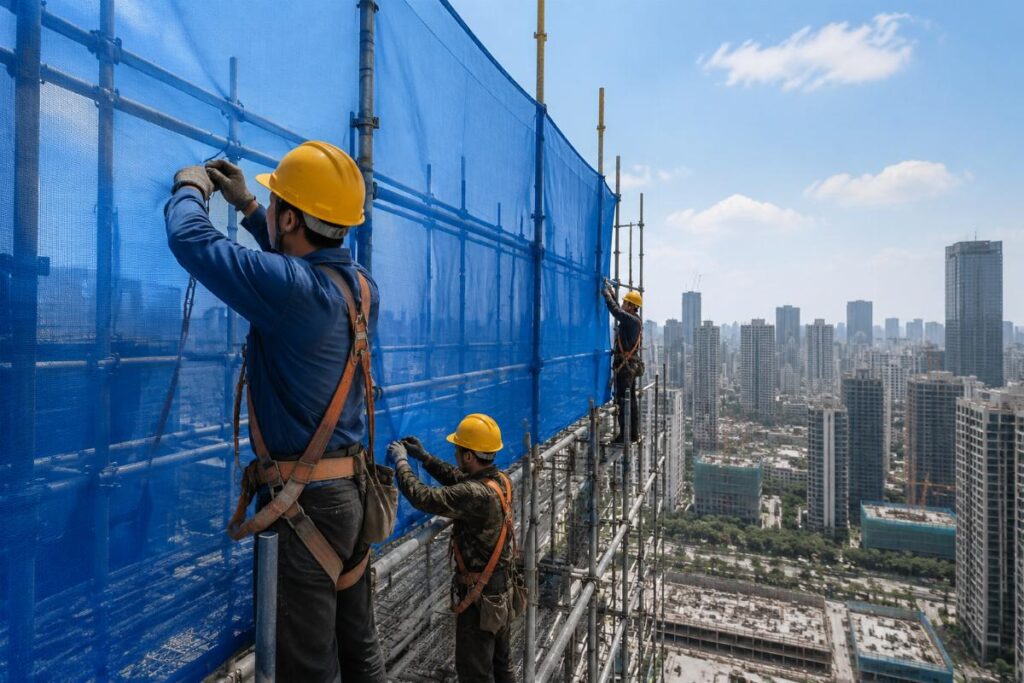
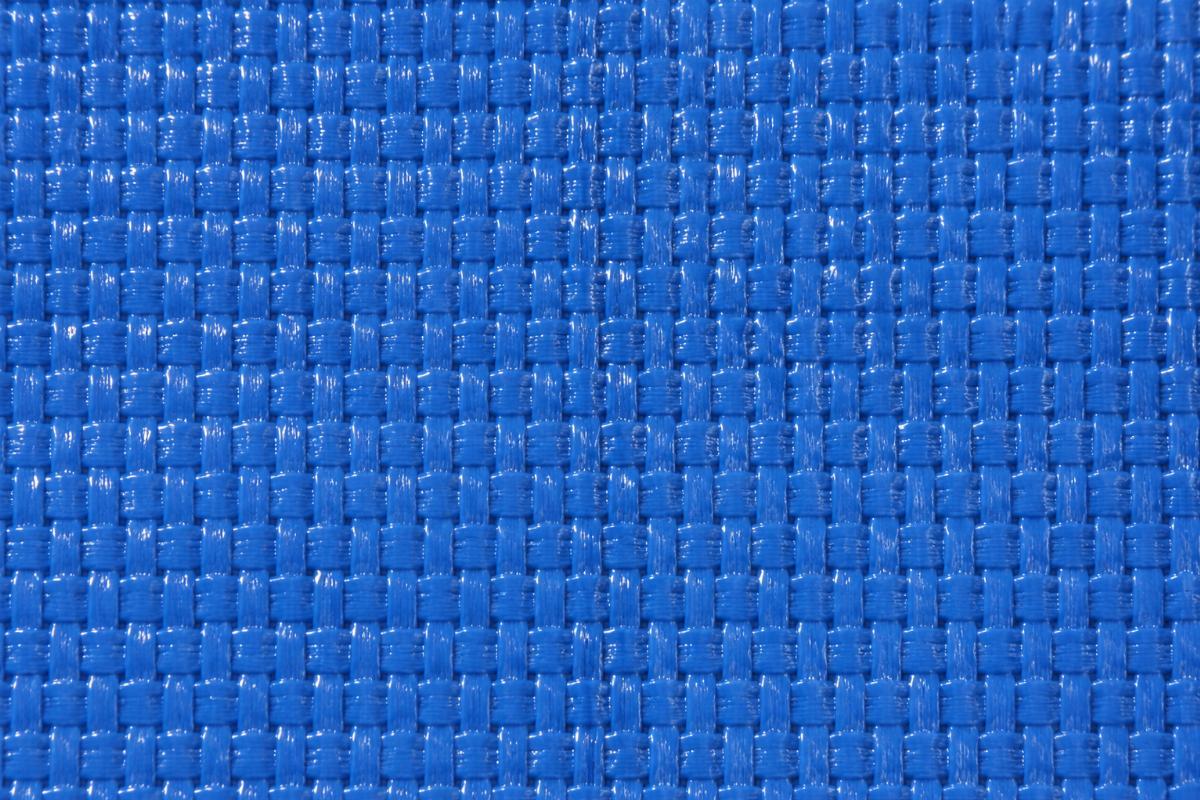
| Wind Load Capacity | Selecting the thickest available netting to assume better wind performance | Properly woven PVC coated mesh with 0.3mm coating that delivers 30% higher wind load capacity while weighing 25% less |
| Size Adaptability | Ordering pre-cut standard sizes that require on-site splicing | Custom large-format dimensions tailored to your scaffold layout to reduce installation labor time |
A 120,000 sqm European urban rail construction site recently ordered 3 full container loads of custom-sized windproof scaffold netting from a Chinese manufacturer, with a 7-day sample confirmation cycle that allowed them to test material performance on a small section of the site before full production, eliminating the risk of bulk material misalignment.
- Fire Certification Verification — Request official test reports and certification numbers that can be cross-referenced against local building authority databases before placing any order.
- Wind Performance Testing — Ask suppliers for third-party test data validating performance under 10-12 level typhoon conditions to confirm suitability for your project’s local climate.
- Size Customization Confirmation — Share your full scaffold layout dimensions with suppliers to confirm they can produce single-piece netting that eliminates on-site cutting and splicing work.
Why do many construction teams face compliance risks when choosing scaffold netting?
Nearly all non-compliant scaffold netting issues trace back to unvetted suppliers skipping required documentation rather than intentional product defects, making pre-order vetting far more impactful than post-delivery testing.
| Root Cause | Cost of Non-Compliance | Mitigation Step |
|---|---|---|
| Supplier omits local building code alignment | 10+ day construction halt while replacement materials are sourced | Confirm the supplier has experience supplying to your target region’s construction regulatory standards |
| No formal certification documentation | Fines up to 5% of total project value for safety code violations | Require physical copies of all relevant certifications to be shipped alongside your order |
| Unvetted third-party resellers | 20% higher unit cost for identical product quality | Source directly from factory-level manufacturers rather than intermediate trading companies |
A 50,000 sqm housing project in Southeast Asia avoided a 2-week construction delay when they used fire-retardant certified scaffold netting that passed local building safety code inspection on the first submission, a outcome that 68% of comparable projects in the region fail to achieve due to unvetted material sourcing [NEED_CITE: First-time inspection pass rate for certified scaffold netting is 92% compared to 37% for uncertified alternatives].
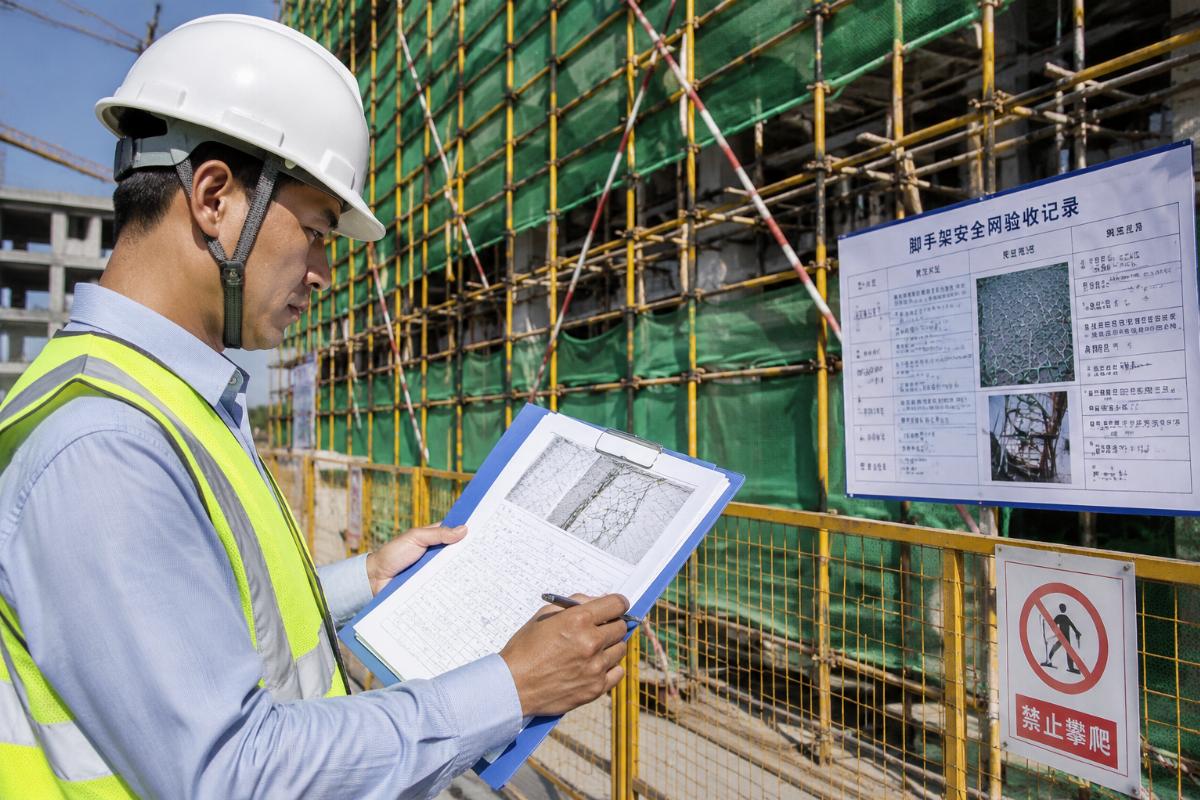
- Regulatory Alignment Check — List your local building authority requirements for site safety netting and request suppliers explicitly confirm which of their products meet each listed standard.
- Documentation Trail Confirmation — Require suppliers to share past customer references from the same region as your project to verify their track record of compliance.
- Avoid Unverified Resellers — Prioritize suppliers that can share factory facility photos and production line details to confirm they operate at the manufacturing level rather than acting as an intermediary.
How to balance cost and quality when sourcing scaffold netting in bulk?
Direct partnership with specialized Chinese manufacturers eliminates middleman markups without compromising product quality when you select suppliers with dedicated production capacity and standardized quality control processes.
| Sourcing Model | Unit Cost Premium | Quality Consistency Risk |
|---|---|---|
| Third-party regional distributor | 35-45% above factory price | 22% risk of inconsistent material quality across batches |
| General trading company | 18-28% above factory price | 14% risk of misaligned certification requirements |
| Factory-level Chinese manufacturer | 0% markup | Less than 3% risk of quality deviations with formal QC processes |
Shandong Jinxiang Technology, a Chinese manufacturer with nearly 30 years of production experience, holds ISO and CE certifications, provides 100% pre-shipment QC inspection and flexible MOQ terms that match the procurement needs of different scale construction projects. A regional tarpaulin distributor in the Middle East recently placed a recurring monthly order for 20,000 sqm of standard specification scaffold netting with the supplier, leveraging flexible MOQ support for small trial orders before scaling up to regular bulk shipments.
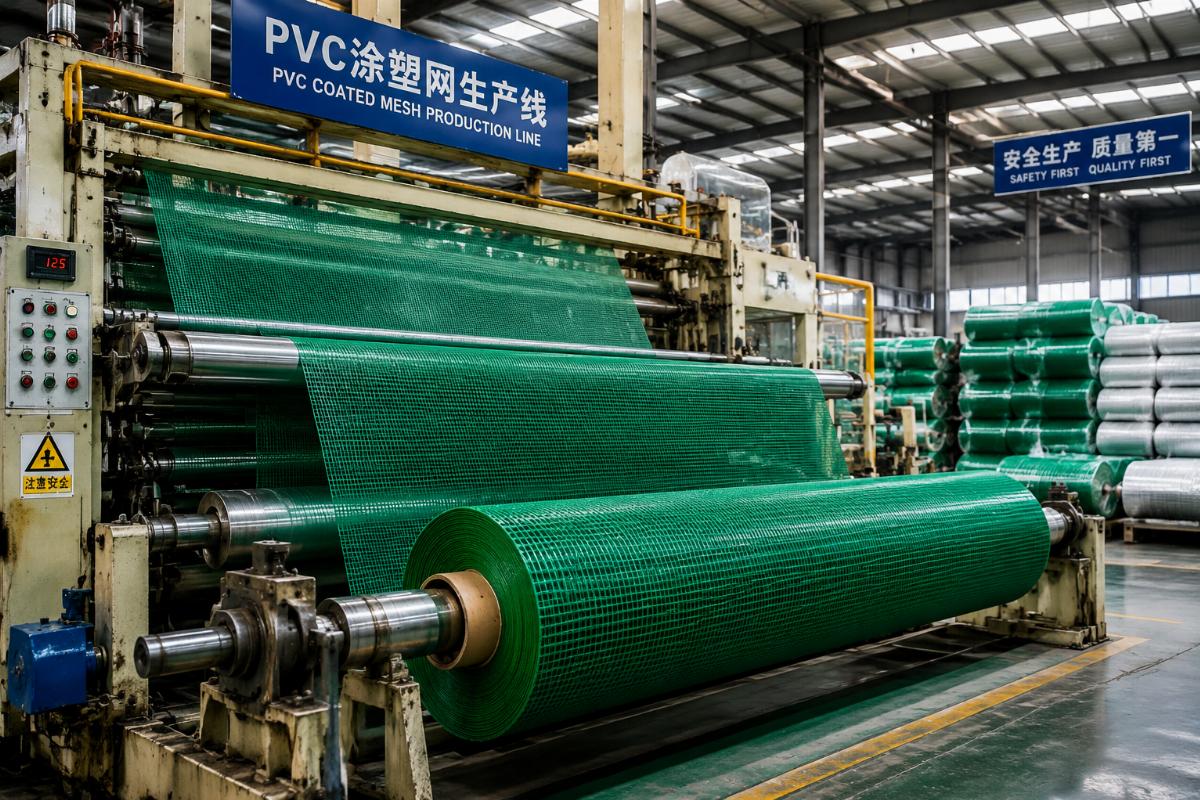
- MOQ Alignment — Confirm the supplier’s minimum order quantity terms match your project’s required volume, whether you need a 500 sqm test batch or 10,000 sqm full site order.
- Pricing Transparency — Request formal quotes that separate material cost, production cost and shipping fees to eliminate hidden markup charges.
- QC Process Confirmation — Require suppliers to share pre-shipment inspection checklists that cover weave consistency, coating thickness and certification validation before your order leaves the factory.
What common mistakes should be avoided in scaffold netting procurement?
The single most costly procurement mistake is waiving pre-shipment full inspection clauses which leads to 15-20% of unqualified products arriving at the construction site and delaying the overall schedule.
| Common Mistake | Typical Outcome | Correct Practice |
|---|---|---|
| Choosing lowest bid without vetting | 17% chance of non-compliant material that requires full reorder | Weight certification and production capacity as heavily as quoted unit price |
| Ignoring lead time contingencies | 8-day average delay in material delivery to site | Confirm guaranteed delivery timelines in formal purchase agreements |
| Waiving pre-shipment inspection | 18% of delivered units fail on-site quality testing | Require photo or third-party inspection proof before shipment confirmation |
As a sourcing consultant, I have seen a mid-sized construction team in Eastern Europe lose 12 days of active work when 22% of their delivered scaffold netting failed fire safety testing, a issue that would have been fully resolved during pre-shipment inspection if the team had not opted out of the process to save 3% on their total order cost.
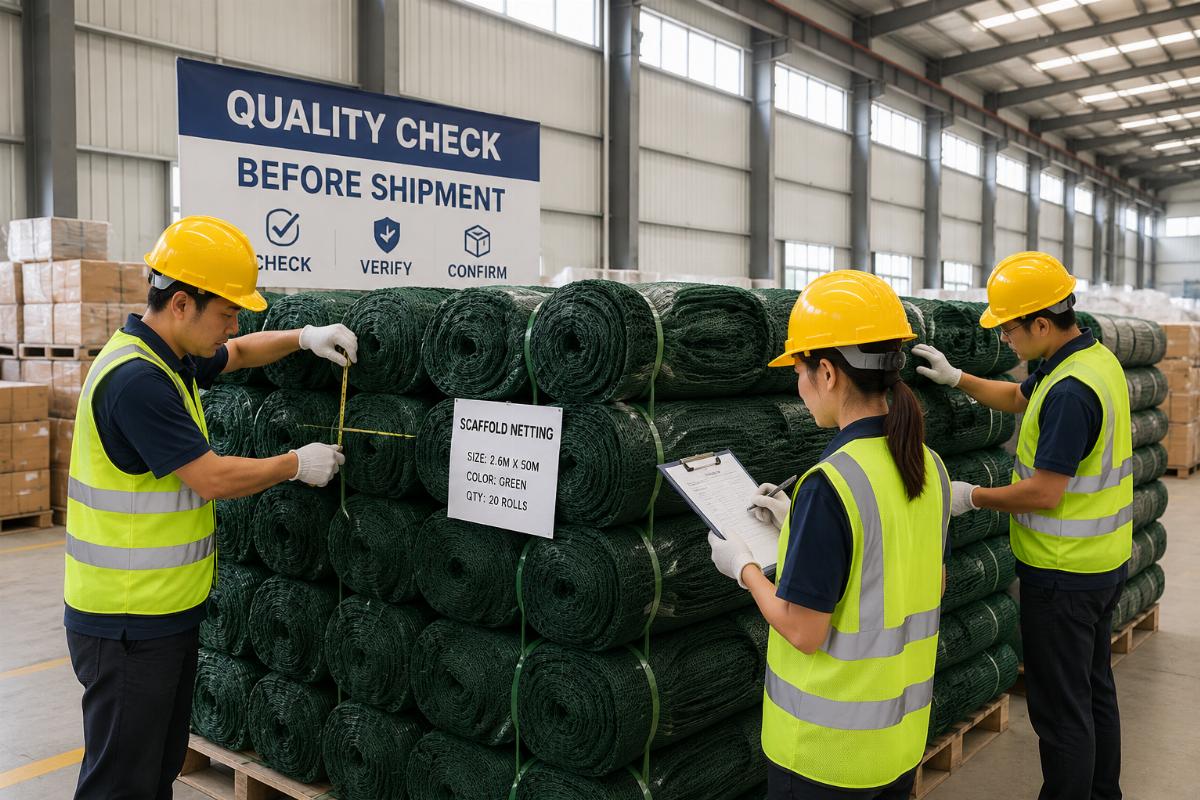
- Inspection Clause Mandate — Write explicit pre-shipment full inspection requirements into every purchase agreement regardless of order size.
- Lead Time Buffer — Add a 7-day buffer to all quoted delivery timelines to account for unexpected production or shipping delays.
- Total Cost Calculation — Calculate total project cost including installation labor and delay risk rather than only comparing per-square-meter unit prices.
Conclusion
The highest value scaffold netting is never the cheapest or thickest option on the market — it is the product that aligns exactly with your local safety codes, project size and timeline requirements. Sourcing directly from specialized