Machinery Cover Tarp Pricing Guide Finland: OEM Wholesale Supplier
The cheapest unit price often results in the highest total cost of ownership for Finnish importers.
Machinery cover tarp pricing in Finland is primarily determined by compliance with European fire and UV standards, customization complexity, and material durability rather than raw GSM weight alone. Buyers must evaluate the total landed cost, including potential customs delays from missing EN/CE certifications, waste from non-standard cutting, and the longevity of the cover under Nordic weather conditions. A compliant mid-weight PVC tarp often offers better value than a non-compliant heavy-duty alternative due to reduced risk of shipment rejection and extended service life.
Having spent years handling售后 issues in harsh climates, I have seen how a minor oversight in material specification can lead to major logistical headaches. In Chile, I watched entire shipments of mining covers get held at ports because the fire-retardant certificates did not match the local regulations. When I shifted to working with Northern European clients, the focus changed from pure durability to regulatory precision. Finnish procurement managers are meticulous. They do not just ask for a quote; they ask for the test reports behind the quote. This shift in perspective reveals that the real cost of a machinery cover is not just the fabric, but the assurance that it will pass inspection upon arrival.
Understanding these nuances is critical for anyone sourcing machinery cover tarp pricing Finland solutions. The market is flooded with options, but few suppliers provide the transparency needed to make an informed decision. Let us break down the factors that truly drive costs.
What Drives Machinery Cover Tarp Prices in Finland?
Compliance costs and material quality outweigh base weight in modern pricing models.
Many buyers assume that the weight of the tarp, measured in grams per square meter (GSM), is the primary driver of cost. While material volume matters, the hidden costs of certification and testing play a larger role in the final price for the Finnish market. European standards for fire retardancy and UV stability are strict. Manufacturers must invest in regular testing and quality control to ensure their products meet EN or CE requirements. These costs are embedded in the unit price.
[NEED_CITE: EU regulations on construction product regulation and fire safety standards for temporary covers]
A common mistake is comparing FOB prices without accounting for these compliance layers. A supplier offering a significantly lower price may be skipping third-party testing or using inferior resin blends that degrade quickly under UV exposure. For a Finnish buyer, the risk of customs detention due to missing documentation can incur storage fees and demurrage charges that far exceed the initial savings on the tarp itself.
Another factor is the complexity of the design. Simple rectangular covers are cheaper to produce because they generate less waste during cutting. However, machinery often has irregular shapes. Custom-fitted covers require precise pattern making and additional labor for sewing and welding reinforced edges. This customization adds to the production time and cost but prevents water pooling and wind flapping, which extends the life of the cover.
When analyzing machinery cover tarp pricing Finland, it is essential to look beyond the headline number. Ask for the breakdown of costs related to certification and custom fabrication. This transparency helps distinguish between a low-quality product and a efficiently produced high-quality one.
How Do GSM and Material Choices Affect Wholesale Costs?
Higher GSM PVC offers better ROI for heavy machinery despite higher upfront cost.
Choosing the right material involves balancing durability with cost. Polyethylene (PE) tarps are lightweight and inexpensive, suitable for short-term storage or light agricultural use. However, they lack the tear resistance and weatherproofing needed for heavy industrial machinery. PVC tarpaulins, especially those in the 440-1000gsm range, provide superior protection against snow, ice, and mechanical abrasion.
| Material Type | Durability | Weather Resistance | Cost Level | Best Use Case |
|---|---|---|---|---|
| Standard PE | Low | Moderate | Low | Short-term agricultural storage |
| Mid-range PVC (440-650gsm) | High | High | Medium | Seasonal equipment coverage |
| Heavy-duty PVC (850gsm+) | Very High | Very High | High | Mining and construction machinery |
[NEED_CITE: Comparative lifecycle analysis of PE vs PVC tarpaulins in cold climates]
For example, a construction firm in Lapland needs covers that can withstand extreme cold without cracking. Standard PE becomes brittle in sub-zero temperatures. A high-GSM PVC with specific cold-crack resistance additives will last several seasons longer, reducing the frequency of replacement. Although the initial purchase price is higher, the total cost over three years is lower.
Agricultural cooperatives often face different challenges. They need covers for harvesters during the off-season. Here, a mid-range GSM with strong UV stabilization is ideal. It offers sufficient protection against sun degradation while keeping costs manageable for bulk orders. The key is matching the GSM to the specific environmental stressors the machinery will face.
Suppliers like Jinxiang offer a wide range of GSM options, allowing buyers to scale their orders based on specific needs. This flexibility ensures that you do not pay for unnecessary weight where lighter materials suffice, nor do you compromise on protection where heavy-duty performance is required. Understanding this balance is crucial when evaluating machinery cover tarp pricing Finland.
Why Are Certifications Critical for Finnish Imports?
Missing EN/CE fire or UV docs causes customs delays, adding hidden financial penalties.
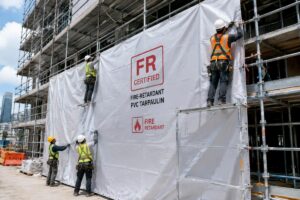
Finland, as part of the EU, adheres to strict import regulations regarding construction and industrial materials. Fire retardancy is a major concern. Tarps used on construction sites or near industrial facilities must meet specific fire safety standards. Without valid test reports from accredited laboratories, shipments can be held at customs for inspection or even rejected entirely.
[NEED_CITE: Finnish Customs guidelines on importing textile and plastic covered goods]
I recall a case where a buyer sourced tarps from a supplier who claimed "fire-resistant" properties but could not provide an EN-certified test report. The shipment arrived in Helsinki and was flagged. The buyer had to pay for independent testing at their own expense, which delayed the project by weeks. The cost of the delay and the testing fee wiped out any savings from the lower purchase price.
UV stability is another critical certification. Nordic summers have long daylight hours, exposing materials to prolonged UV radiation. Tarps without proper UV stabilization will degrade rapidly, losing strength and becoming brittle. Certification ensures that the material has been tested for extended UV exposure, guaranteeing a longer service life.
When requesting quotes, always ask for copies of the relevant certifications. Verify that they are current and issued by recognized bodies. This step is non-negotiable for smooth imports. It protects your investment and ensures that the machinery cover tarp pricing Finland you pay includes the necessary compliance assurances.
Customization vs. Standard Sizes: Where Is the Value?
Standard rolls reduce waste, but custom-fitted covers prevent equipment damage, justifying the premium.
One of the most significant factors in pricing is whether you buy standard rolls or custom-fitted covers. Standard rolls are cheaper because they involve minimal processing. The manufacturer cuts the fabric to width and rolls it. There is little labor involved, and waste is minimal.
However, standard rolls do not fit machinery perfectly. Loose flaps can catch wind, causing tearing and noise. Water can pool in sagging areas, leading to mold and corrosion on the equipment underneath. Custom-fitted covers are designed to match the exact dimensions of the machinery. They include features like reinforced eyelets, elastic hems, and zippers for easy access.
| Feature | Standard Roll | Custom-Fitted Cover |
|---|---|---|
| Production Waste | Low | Higher due to pattern cutting |
| Labor Cost | Low | High due to sewing and welding |
| Fit | Poor | Exact |
| Risk of Damage | High (wind/water) | Low |
| Unit Price | Lower | Higher |
[NEED_CITE: Industry data on equipment maintenance costs related to poor weather protection]
A mining operator in Northern Finland found that using standard tarps for their excavators led to frequent repairs due to water ingress and wind damage. Switching to custom-fitted covers reduced these maintenance issues significantly. The higher initial cost of the custom covers was offset by the reduction in repair downtime and parts replacement.
Non-standard sizes also increase cutting waste by a noticeable margin, which manufacturers factor into the price. Efficient pattern nesting can minimize this, but complex shapes still require more material than simple rectangles. Buyers should work with suppliers who can optimize these patterns to reduce waste and cost.
When discussing machinery cover tarp pricing Finland, consider the long-term benefits of customization. A well-fitted cover protects your asset better, reducing overall operational costs. It is an investment in equipment longevity rather than just a purchase of fabric.
Conclusion
Smart buying balances upfront cost with compliance and durability.
Pricing for machinery covers in Finland is complex, driven by regulatory requirements and material performance rather than just weight. Buyers should prioritize suppliers who provide transparent certification and offer flexible customization options. By focusing on total cost of ownership, including compliance risks and maintenance savings, Finnish importers can make smarter purchasing decisions. Understanding these dynamics ensures that you get value for money and reliable protection for your equipment.