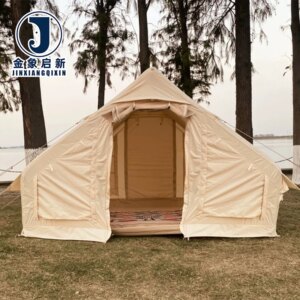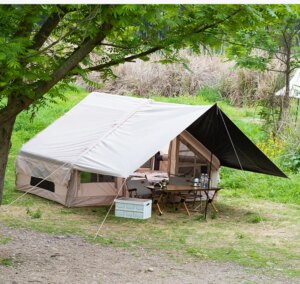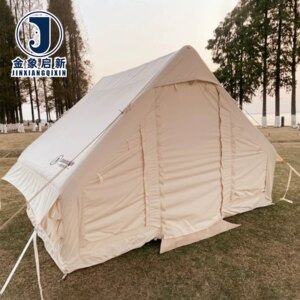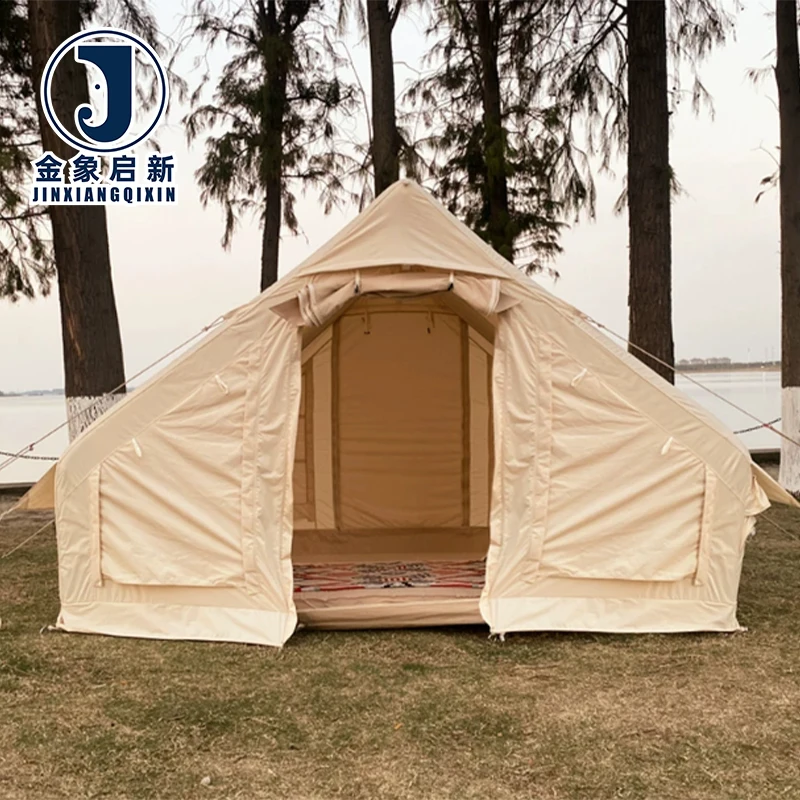
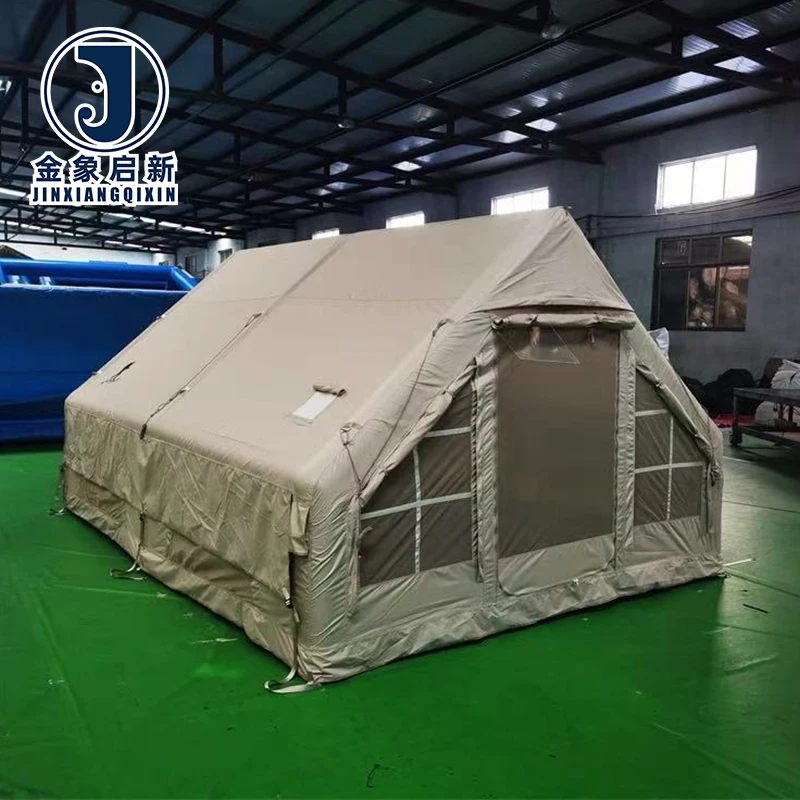
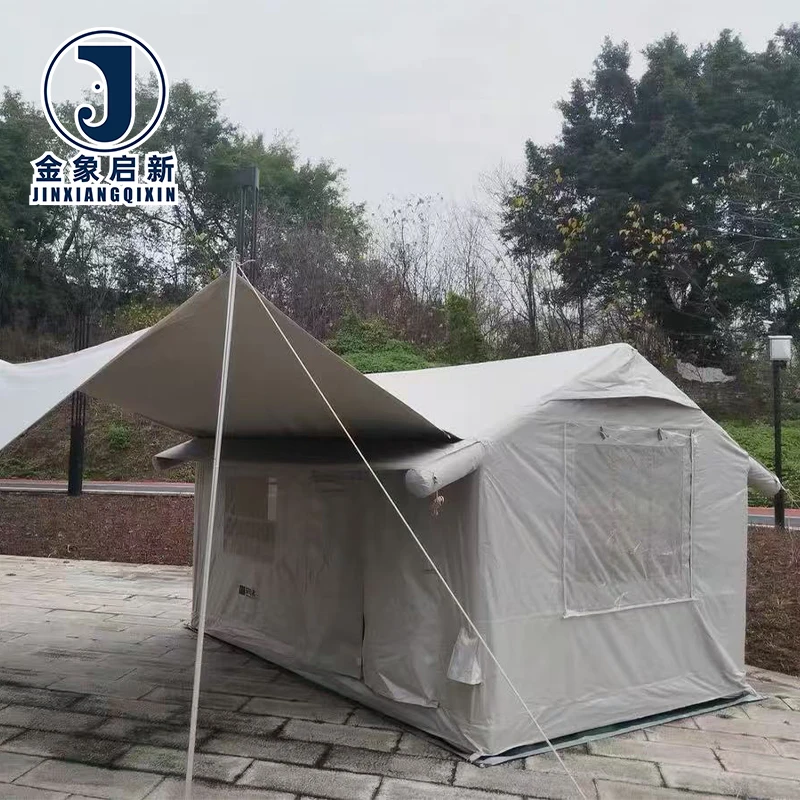
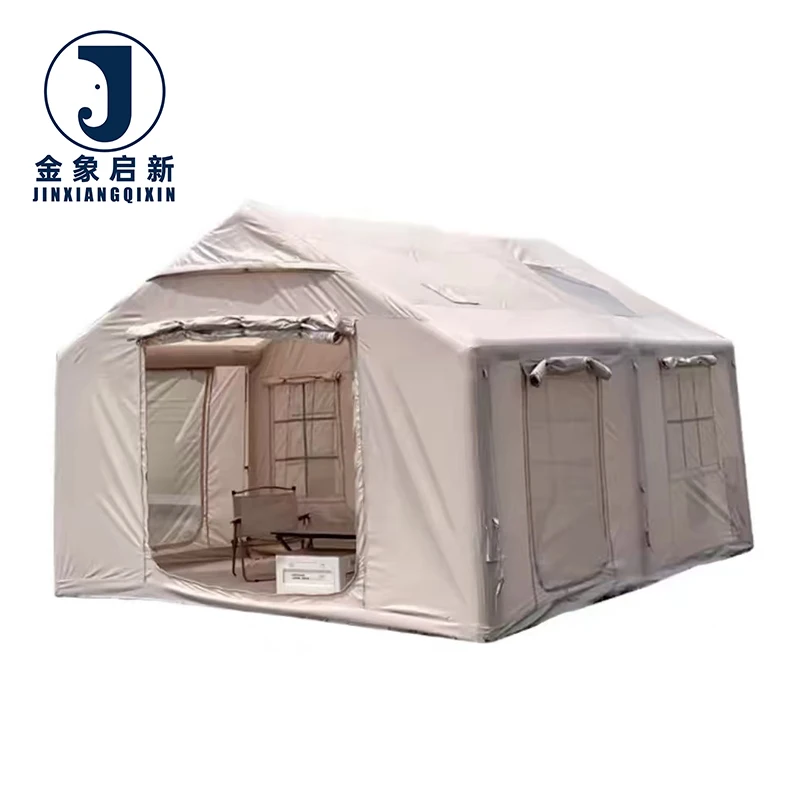
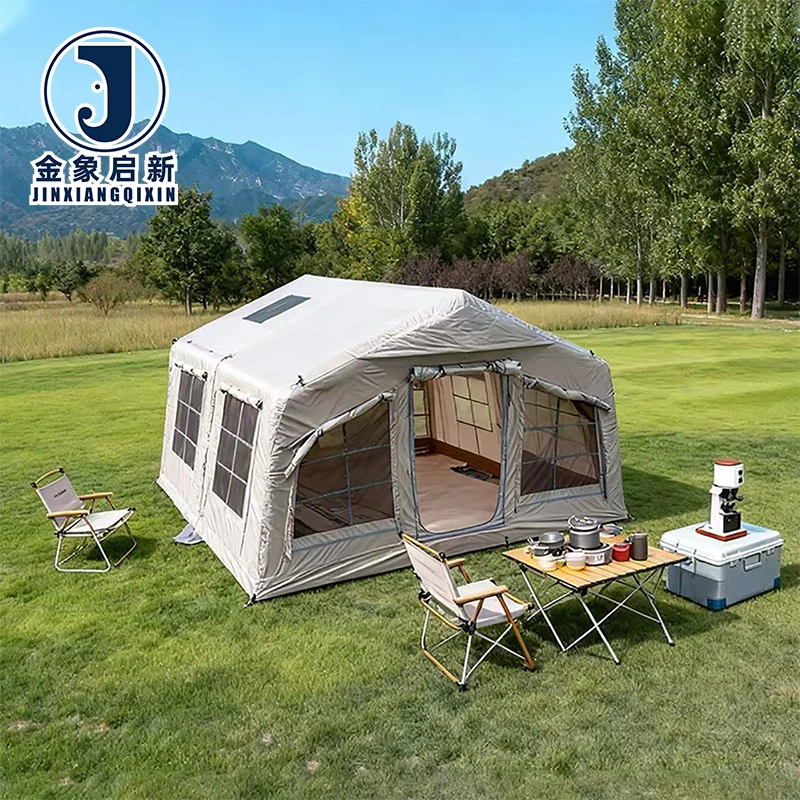
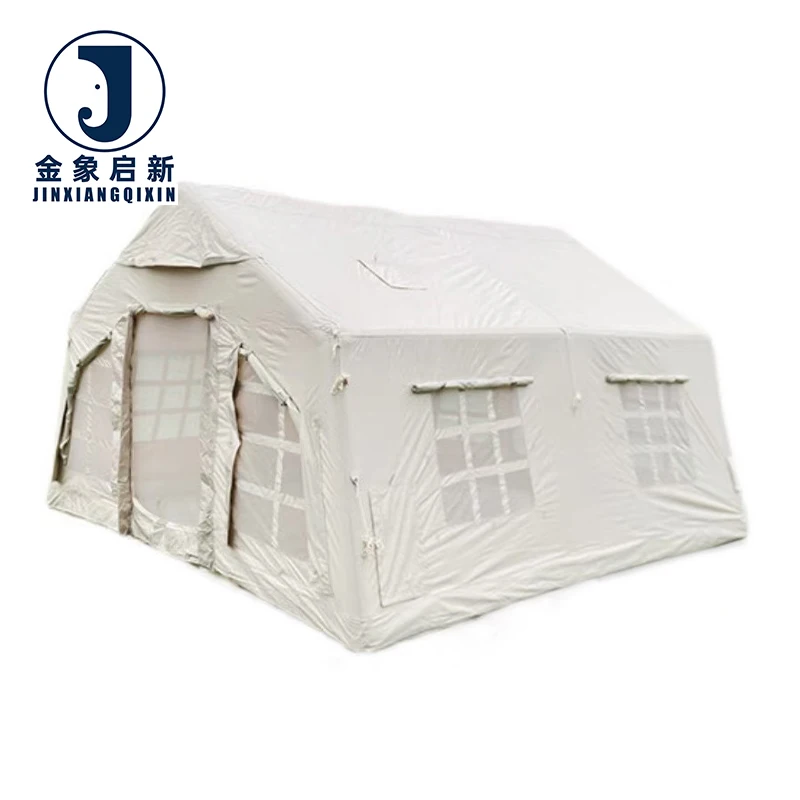
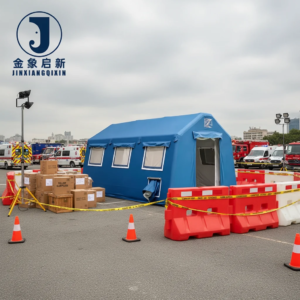
Four-Season Inflatable Tent, Single Layer PVC Fabric, >3000mm Waterproof — quick automatic opening with windproof construction for rapid emergency deployment.
- Designed for industrial buyers sourcing reliable shelter fabric that performs consistently across batches, with waterproof integrity verified before dispatch.
- Single-layer PVC balances tear resistance and transport efficiency, reducing field setup time during disaster recovery and construction site operations.
Backed by 100% pre-shipment inspection, dedicated QA/QC at every production stage, and sample development within days for custom dimensions.
Description
Custom Made Inflatable Tent for Emergency Shelter – Manufacturer
Proven coating expertise — Nearly 30 years of PVC fabric process control translate into verified waterproof consistency across every inflatable shelter produced, backed by three full production lines and a 10-person R&D team.
Technical Specifications
| Parameter | Value |
|---|---|
| Product Type | Inflatable Tent |
| Core Material | PVC tarpaulin |
| Construction | Single Layer, Extended Type |
| Waterproof Rating | >3000mm |
| Season Rating | 4-Season |
| Opening Mechanism | Quick Automatic Opening |
| Windproof | Yes |
| Customization | OEM & ODM, sample customization, pattern printing |
| Quality Control | Full-process inspection, dedicated QA & QC staff |
| Certifications | ISO9001, ISO14001, ISO45001, CE |
Application Suitability
| Application | Exposure & Requirement |
|---|---|
| Temporary site offices during disaster recovery | Rapid deployment, heavy rainfall, wind loading, repeated relocation |
| Equipment storage shelters on construction sites | UV exposure, dust ingress, standing water, mechanical abrasion from loading |
| Temporary workspace for industrial maintenance | Continuous occupation, ventilation requirements, weather isolation across seasons |
| Emergency preparedness for commercial operations | Long-term storage then sudden deployment, certification compliance on short notice |
| Material storage in exposed worksites | All-weather protection, ground moisture barrier, wind-driven rain resistance |
Why Inconsistent Waterproof Ratings Undermine Emergency Shelter Procurement
Verified waterproof performance per batch eliminates the guesswork that causes shelter failures when conditions deteriorate.
When sourcing inflatable tents for disaster recovery or industrial maintenance, buyers frequently encounter products where the stated waterproof rating holds for the sample but drifts across production batches. In an emergency scenario, a shelter that leaks under sustained rainfall compromises equipment worth far more than the tent itself. This inconsistency typically originates from uneven coating application or uncontrolled lamination pressure — issues that escape detection without stage-by-stage inspection. [NEED_CITE: ISO 1421 tensile and tear test methods for coated fabrics] An inflatable tent manufacturer that inspects every roll of PVC tarpaulin before fabrication catches these deviations before they reach the finished product.
Rapid Deployment Without Sacrificing Weather Isolation
The quick automatic opening mechanism built into this PVC inflatable tent allows site crews to establish a weatherproof enclosure within minutes, removing the multi-hour setup delays that inflate project costs during emergency response. Unlike frame tents requiring pole assembly and sequential guy-line tensioning, the inflatable structure reaches full rigidity through pressurised beam inflation, keeping the single-layer PVC fabric under uniform tension. This uniform tension is what enables the >3000mm waterproof rating to perform as designed — water pressure concentrates at slack points, and an unevenly tensioned membrane will leak at pressures well below its rated threshold.
Single-Layer Construction and Field Logistics
Single-layer PVC tarpaulin construction reduces packed volume and transport weight, a decisive factor when shelters must be airfreighted or carried over rough terrain to remote worksites. The extended-type design provides sufficient interior clearance for personnel movement and equipment staging without requiring a double-wall insulation layer, keeping the product suited to rapid-turnaround industrial and commercial emergency scenarios. The trade-off is thermal performance, which is managed through site-level heating or ventilation rather than fabric mass.
Reading the Specification Sheet Beyond the Headline Numbers
The >3000mm waterproof rating indicates hydrostatic head resistance — the height of a water column the fabric can withstand before penetration occurs. For inflatable emergency shelters exposed to wind-driven rain, this rating provides a meaningful margin above typical storm conditions. The PVC tarpaulin core material contributes both waterproofness and structural rigidity once the air beams are pressurised, since the coated fabric must resist deformation under internal pressure without stretching or delaminating at the seam lines. [NEED_CITE: hydrostatic head testing methods for coated textile membranes] Windproof construction depends on the combination of air-beam geometry, base anchoring, and the tensile behaviour of the PVC fabric under dynamic gust loading — a parameter that interacts directly with the coating adhesion strength between the base fabric and the PVC layer.
The Cost of Overlooking Coating Adhesion in Inflatable Structures
Inflatable tents place continuous stress on every welded seam because internal air pressure pushes outward at all times. When coating adhesion is weak, seams separate not at the weld line itself but in the coating layer immediately adjacent to it — a failure mode that looks like a material defect but is actually a lamination or coating process issue. This failure typically appears after several inflation cycles, meaning the shelter passes initial inspection but fails during the emergency it was procured for. Buyers should request peel-strength data or at minimum a seam inspection record documenting that welded joints were tested under pressure before dispatch. [NEED_CITE: seam peel strength testing for PVC coated fabrics]
Sourcing From a Coated Fabric Specialist
Every inflatable tent produced here starts with PVC tarpaulin manufactured in-house across three production lines, meaning coating weight and adhesion are controlled from the raw material stage rather than sourced from an external supplier with competing priorities. The 10-person R&D team handles pattern printing, custom sizing, and sample development, enabling buyers to validate dimensions and print accuracy before committing to a production run. Dedicated QA and QC staff inspect each production stage, and 100% pre-shipment inspection covers waterproof integrity and inflation performance — not just visual defects. This vertical integration from coating to finished shelter is what allows consistent batch-to-batch performance across custom inflatable tent orders.
Documentation & Verification
- Material specification sheet stating PVC tarpaulin type, waterproof rating, and construction format
- Batch-specific inspection report with waterproof performance and inflation pressure test results
- Pre-production sample approval record documenting agreed dimensions and print specifications
- ISO9001, ISO14001, ISO45001, and CE certificates for cross-border procurement compliance
- Pre-shipment inspection record confirming 100% quality check before dispatch
Fabrication, Handling & Storage
- Heat-weld seams using temperature settings matched to the single-layer PVC tarpaulin thickness to avoid coating burn-through
- Store deflated shelters in dry conditions away from direct compression to prevent permanent creasing in the PVC membrane
- Clean exterior with mild detergent only; solvent-based cleaners may degrade the PVC coating surface
- Inspect air-beam valve seals before each deployment to maintain internal pressure and waterproof tension
- Repair minor punctures with PVC-compatible adhesive patches applied to a clean, dry surface
What to Include in Your Enquiry
To specify a custom inflatable tent that matches your operational requirements, provide the intended deployment scenario, expected duration of continuous use, and the weather conditions the shelter must withstand. Include any pattern printing or branding requirements, the dimensions needed for personnel and equipment clearance, and the compliance certifications your procurement process requires. If you need pre-production samples to validate fit or colour before full manufacturing, state this in your initial enquiry.
Frequently Asked Questions
Q: What dimensions and MOQ apply to custom inflatable tent orders?
A: Dimensions are developed to your site-specific requirements through the pre-production sample process. Minimum order quantities vary based on size, print complexity, and material specification. The R&D team provides a recommended MOQ alongside the initial quotation so buyers can plan volume commitments before sample approval.
Q: How is pattern printing handled and what is the sample approval process?
A: Pattern printing is managed by the 10-person R&D team using colour-matching against your supplied references. A printed sample is produced for client review before full-scale manufacturing begins, allowing verification of colour accuracy, logo placement, and print durability on the PVC tarpaulin surface before the production run is authorised.
Q: How can buyers verify PVC tarpaulin weight and coating integrity on arrival?
A: Each shipment includes a batch-specific inspection report documenting coating parameters and waterproof test results. Buyers should cross-reference the material specification sheet against the received goods, checking that the documented PVC tarpaulin type and waterproof rating match the physical product. Discrepancies can be raised through the after-sales support channel.
Q: What lead time should industrial buyers plan for OEM/ODM inflatable tent orders?
A: Lead times depend on customisation complexity, sample approval cycles, and order volume. Standard specifications move through production faster, while OEM and ODM orders requiring custom dimensions, pattern printing, or specific certifications involve additional development stages. The sales team provides a confirmed timeline with the quotation after reviewing all technical requirements.
Q: What maintenance and repair procedures extend service life of PVC inflatable tents in field use?
A: Regular cleaning with mild detergent preserves the PVC coating surface. Inspect air-beam valves and welded seams before each deployment cycle. Store deflated shelters flat or loosely rolled in dry conditions to prevent crease damage. Minor punctures can be sealed with PVC-compatible repair patches applied to a thoroughly cleaned area.
Related products
-
Outdoor Waterproof Inflatable Tent for Camping Portable Air Camping Tent Shelter
Read more -
Inflatable PVC Camping Tent Four-Season Waterproof CE Certified Quick Automatic Opening 3000mm+ Factory Direct Sale
Read more -
High Quality Four-Season Inflatable Tent for Camping Durable PVC Material All-Weather Resistance Quick Automatic Opening
Read more -
Inflatable Camping Tent Waterproof PVC Outdoor Air Tent Easy Setup Family Camping Shelter Four-Season >3000mm Waterproof Quick
Read more