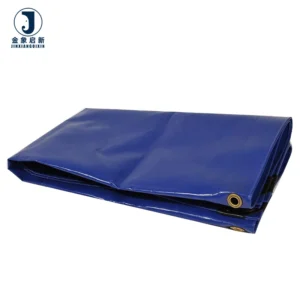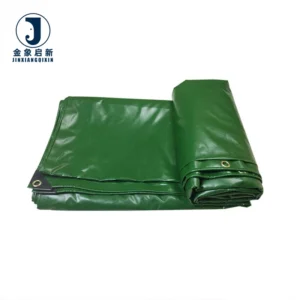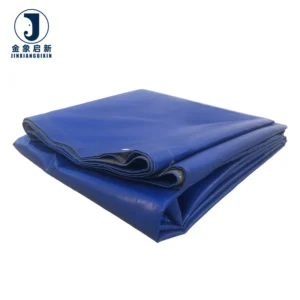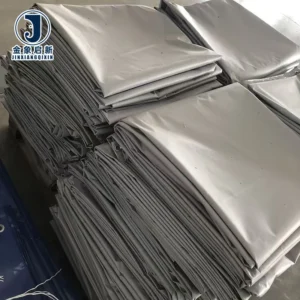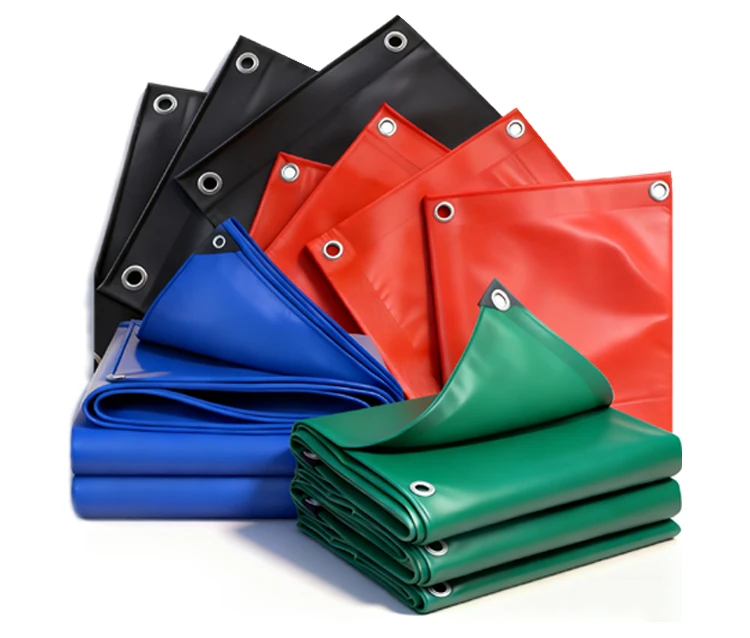
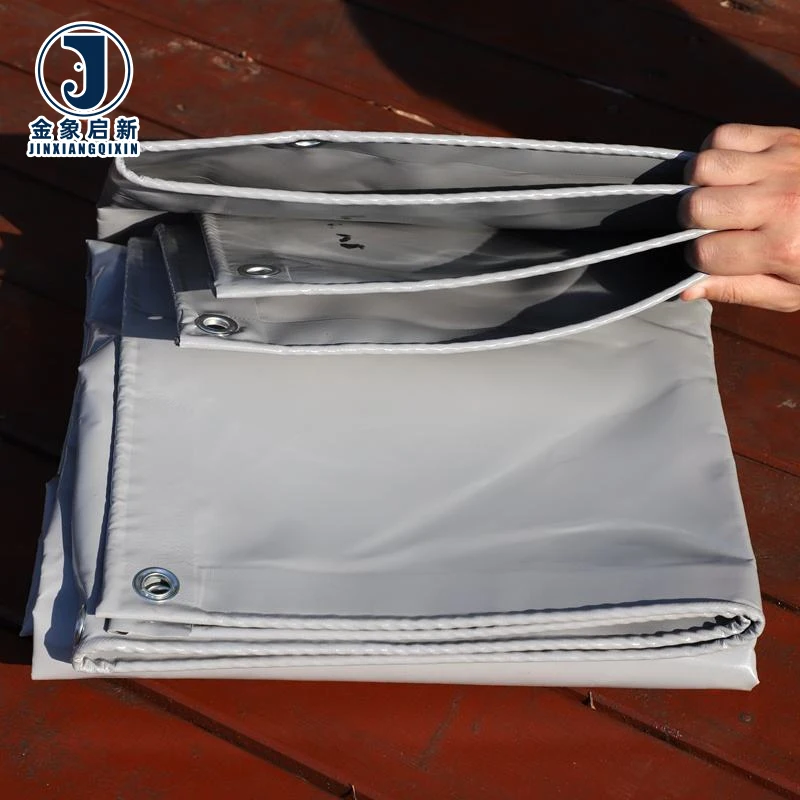
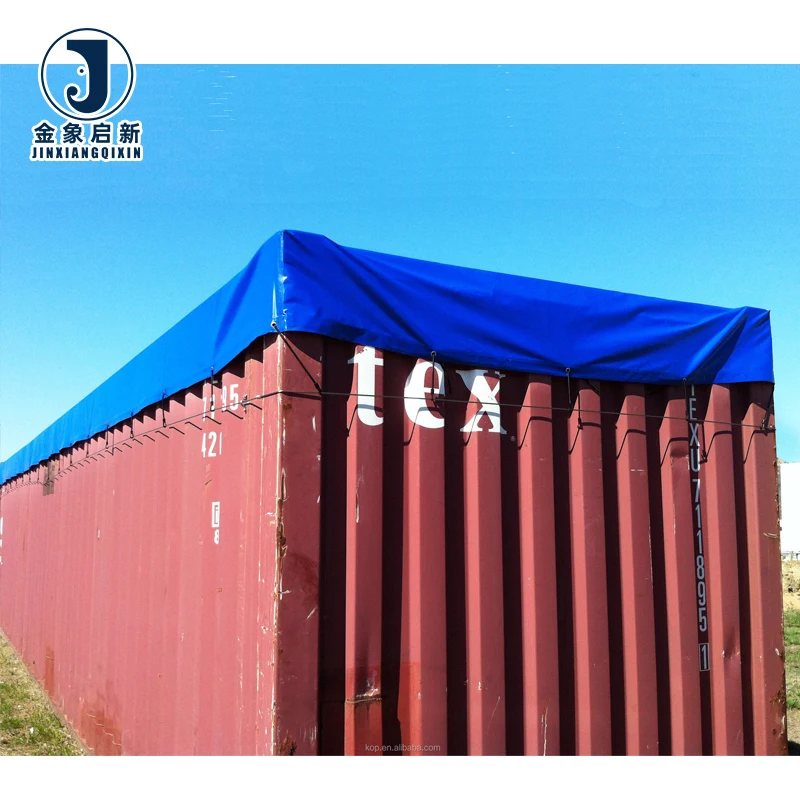
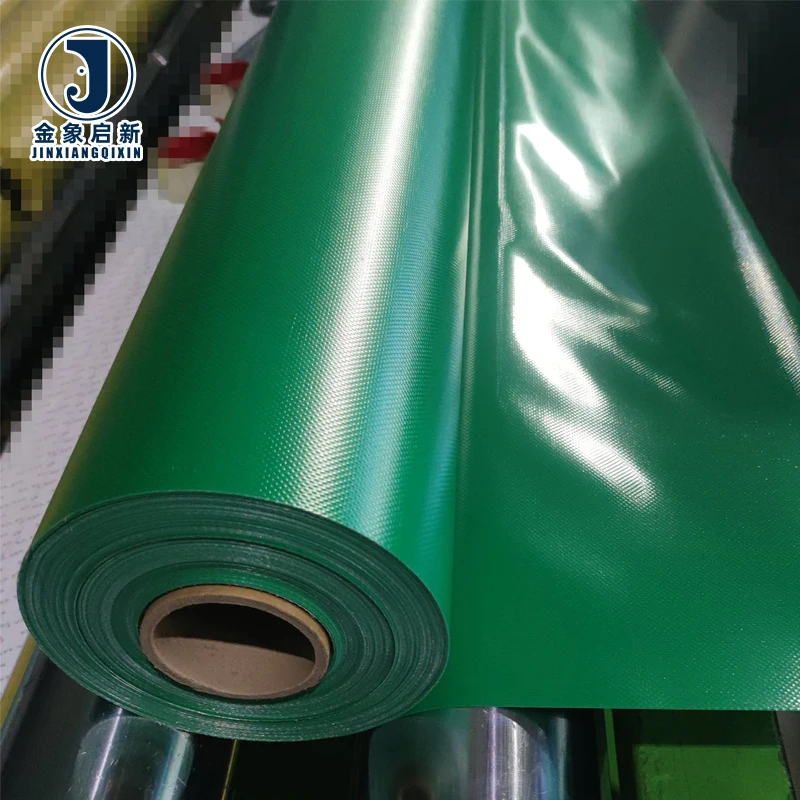
PVC Coated Tarpaulin with 100% high toughness polyester yarn, hot melt coated for consistent 400-1500 g/m² weight and strong base-to-coating adhesion across the full roll.
- Full custom range from lightweight to heavy-duty grades with width, color, and pattern printing options
- Base fabric denier 500D-2000D matched to application stress, with verified GSM on pre-shipment inspection
- Excellent welding tear strength at flex points where loads experience maximum stress
Three full production lines with 100% inspection before dispatch ensure every roll meets your exact specification.
Description
Coated Fabric Control — Every roll is weighed and inspected at each production stage with 100% pre-shipment verification, ensuring the PVC coated tarpaulin roll you receive matches the material specification sheet exactly.
Technical Specifications
| Parameter | Value |
|---|---|
| Product Type | PVC Coated Tarpaulin |
| Base Fabric Denier | 500D (medium), 1000D (heavy-duty), 500D-2000D (super heavy) |
| Total Thickness | 0.35-0.45 mm (medium), 0.70-1.0 mm (heavy-duty), 1.2-1.5 mm (super heavy) |
| Weight (GSM) | 400-500 g/m² (medium grade) |
| Coating Material | PVC |
| Coating Method | Lamination technology and hot melt coating technology |
| Tensile Strength | Warp 1500-3000 N/5cm / Weft 1200-2800 N/5cm (grade dependent) |
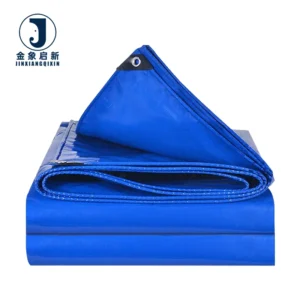
| Color | Blue, other custom colors available |
| Flame Retardant | Available as special treatment (grade not stated in source) |
| Anti-Static | Available as special treatment (test basis not stated in source) |
| Anti-Mildew | Mold proof treatment available |
| UV Treatment | Weather resistance 3-5 years claimed (test standard not stated in source) |
| Cold Resistant | Cold resistant cracking treatment available |
| Waterproof | Yes |
| Welding Tear Strength | Excellent (quantitative value not stated in source) |
| Certifications | ISO, CE |
Application Suitability
| Application | Exposure & Requirement |
|---|---|
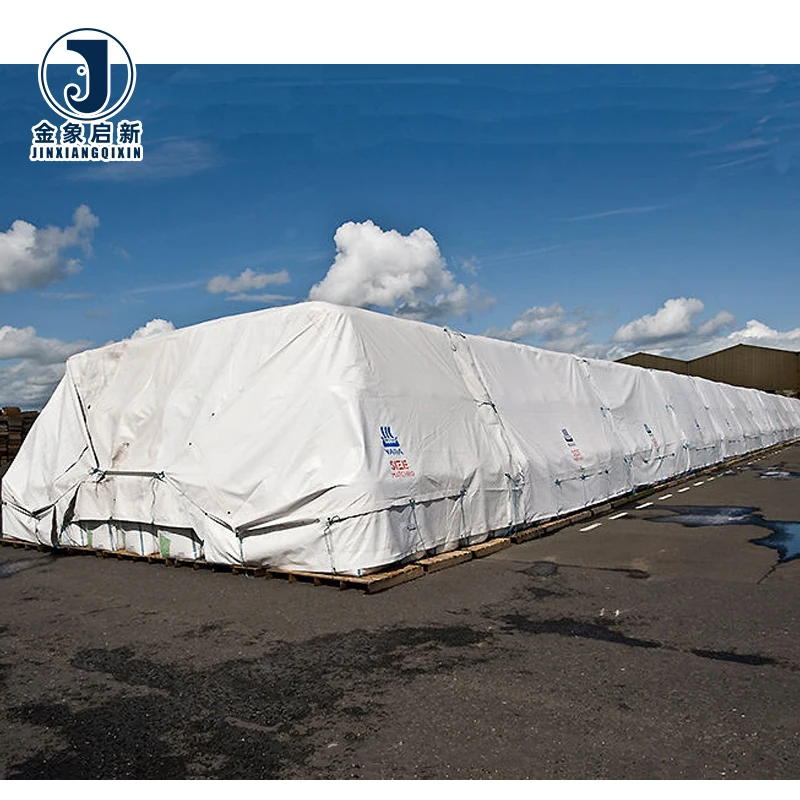
| Truck tarpaulin covers | Constant flexing at load points, road abrasion, UV exposure, weather sealing for cargo protection |
| Waterproof fabric for outdoor use | Permanent weather exposure, UV degradation, temperature cycling |
| Heavy truck tarpaulin | High tensile stress from tie-down loads, abrasion from load movement, wind loading |
| Engineering protective cloth | Construction site debris impact, chemical exposure, temporary weather protection |
| Industrial pipe canopy | Long-term UV exposure, wind uplift forces, thermal expansion and contraction |
| Tensioned structural fabric | Sustained tension loads, wind and snow loading, UV degradation over extended periods |
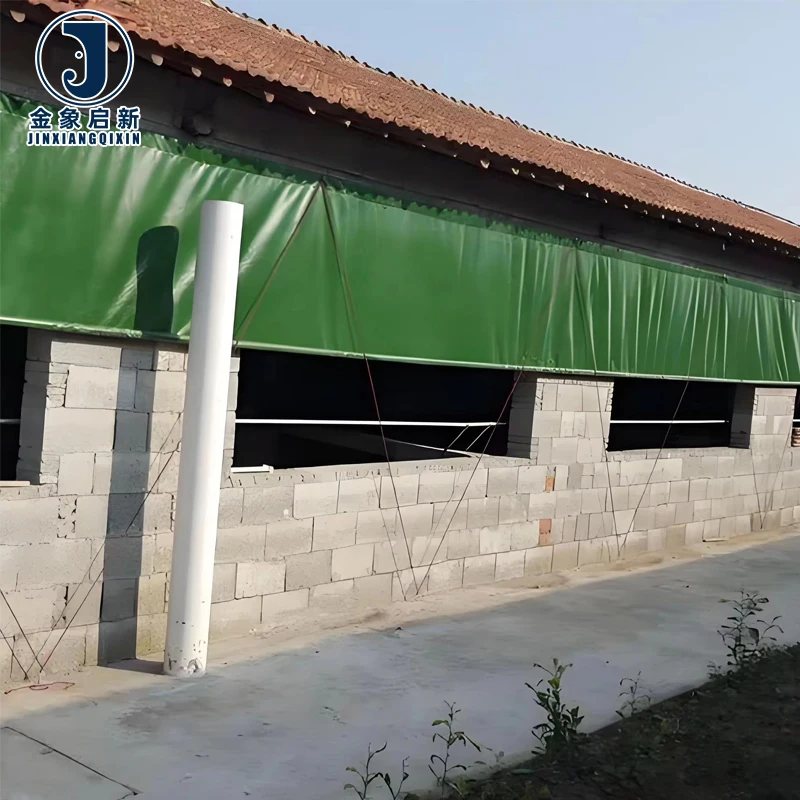
| Agricultural covers | Moisture exposure, biological growth potential, UV degradation |
| Construction site protection | Abrasion from construction activities, puncture risk from tools and materials, weather exposure |
Why GSM Alone Does Not Tell You How Strong the PVC Coated Tarpaulin Roll Is
Weight and base fabric density together determine actual field performance, not GSM in isolation.
I have seen buyers reject shipments because the roll felt lighter than expected, only to discover the coating weight was lower but the base fabric denier was correct for their application. Conversely, a heavier roll with poor adhesion between PVC coating and polyester base will delaminate at the first weld point under load. [NEED_CITE: relationship between coating weight, base fabric denier, and composite tensile performance in coated fabrics]. The PVC coated tarpaulin aftermarket supplier you work with should provide a material specification sheet stating both base fabric denier and coating weight separately, not just a combined GSM figure.
Hot Melt Coating Technology and Adhesion Performance
Hot melt coating and lamination technology deliver strong adhesive strength between the PVC layer and the polyester base fabric, which directly determines how the material behaves at welded seams and cut edges.
When the coating bonds properly to the base fabric, the composite material tears through the yarn rather than peeling apart at the interface. This is critical for PVC coated tarpaulin roll buyers who fabricate finished products — if adhesion fails, the weld line becomes the weakest point rather than the fabric itself. [NEED_CITE: peel strength testing methods for coated fabrics per ISO standards].
Denier Selection and Load Matching
Choosing between 500D, 1000D, and 500D-2000D base fabric depends on the tensile and tear loads the finished product will experience in service.
Medium-weight 500D fabric suits applications where weight savings matter more than maximum strength, such as temporary covers and lightweight engineering fabric. Heavy-duty 1000D handles sustained tie-down loads on truck and trailer covers where the fabric flexes at every bump. Super heavy grades with 500D-2000D denier serve tensioned structures and industrial pipe canopies where wind uplift and snow loading create sustained stress. [NEED_CITE: tensile strength test methods for coated fabrics]. Matching denier to application prevents both over-specification and premature failure.
How Coating Method, Base Fabric, and Surface Treatment Determine Real Performance
Hot melt coating technology creates a continuous PVC layer that penetrates the base fabric weave, filling the interstices and bonding mechanically to the polyester yarns. This produces higher peel strength compared to simple lamination, which matters when the material is cut and welded into finished shapes — the coating stays bonded at cut edges rather than lifting. Base fabric denier and knitting density work together: a 500D yarn with high knitting density can outperform a 1000D yarn with loose weave in tear resistance, because tear propagation is arrested by the number of yarn crossover points the tear must cross. Surface treatment options including anti-UV, flame retardant, anti-static, and mold prevention are applied during or after coating — each affects the surface chemistry and may influence how the material accepts printing or how it behaves during thermal welding.
The Hidden Cost of Unverified Material Specifications
Rolls that arrive lighter than quoted GSM create downstream failures that show up weeks after installation, not at the receiving dock.
A truck cover cut from underweight material will tear at the eyelet reinforcement point when the tie-down strap is tensioned — not because the eyelet failed, but because the fabric around it could not distribute the load. Flame retardant treatment claimed without a supporting test report means the material may pass a visual inspection but fail the fire marshal’s test on site, shutting down the entire project until replacement material arrives. [NEED_CITE: fire safety compliance requirements for temporary structures and construction site covers]. Batch-to-batch colour variation across rolls in the same order becomes visible when the panels are installed side by side on a large structure, forcing the contractor to reject the entire shipment and delay the project timeline.
Why Source PVC Coated Tarpaulin Roll From This Production Line
Nearly 30 years focused exclusively on coated fabric production means process control over coating weight and adhesion is embedded in every production step, not just final inspection.
Three full production lines and 36 sets of professional equipment provide the capacity to run bulk PVC coated tarpaulin roll orders while maintaining consistent GSM and colour across every roll in the shipment. The 10-person R&D team handles material selection, custom width development, and pattern printing specifications, delivering samples within days rather than weeks for custom requirements. Dedicated QA/QC at every production stage with 100% inspection before shipment means every roll is weighed, measured, and visually inspected against the material specification sheet before it leaves the factory. ISO and CE certified production processes provide the documentation framework that international buyers need for customs clearance and regulatory compliance in their destination markets.
Documentation & Verification
- Material specification sheet stating GSM, base fabric denier, coating method, and colour reference for every roll
- Test reports for UV and flame-retardant grades supplied where applicable with stated grade and standard
- Pre-shipment inspection record confirming weight, width, length, and visual quality for each roll
- ISO and CE certificates included with shipment documentation for customs and compliance
- Certificate of origin and customs support documentation for international shipments
- Roll packing list detailing quantity, weight, and dimensions for container loading verification
Fabrication, Handling & Storage
- Hot melt coated surface accepts thermal welding at standard PVC tarpaulin temperature settings — test weld parameters on sample before production run
- Cut edges on hot melt coated fabric remain bonded without additional sealing — no delamination risk at fabrication points
- Store rolls vertically on pallets to prevent flat-spot deformation on the PVC coating surface
- Unroll medium and heavy-duty grades at ambient temperature — cold-resistant treatment prevents cracking during low-temperature handling
- Clean coated surface with mild detergent and soft cloth — avoid abrasive cleaners that damage the PVC coating finish
- When fabricating finished covers, reinforce eyelet points with additional PVC patches to distribute tie-down loads across the base fabric
What to Include in Your PVC Coated Tarpaulin Roll Inquiry
To receive an accurate specification recommendation and quotation, provide the application type and the environmental conditions the material will face — including UV exposure duration, temperature range, and any fire safety or anti-static requirements for your market. Specify whether you need rolls in stock width and colour or custom width, length, colour, and pattern printing, along with your target GSM range and annual volume. Indicate whether you require finished cut sizes with eyelets and reinforced hems or if you are purchasing PVC coated tarpaulin roll stock for your own fabrication facility.
Frequently Asked Questions
Q: How do you verify the actual GSM matches what was quoted on the PVC coated tarpaulin roll?
A: Every roll is weighed during production and again at pre-shipment inspection, with the actual weight recorded against the quoted GSM on the material specification sheet. If the roll weight falls outside the agreed tolerance, it is held and reworked before dispatch. The inspection record travels with the shipment so you can verify on arrival.
Q: What test documentation comes with UV or flame retardant treated fabric?
A: For UV-treated and flame retardant grades, a test report stating the grade and test standard is included with the shipment documentation. Before production, specify the exact grade and standard your market requires so the treatment is formulated and tested accordingly. Untreated grades ship without these reports.
Q: Can you match colour across multiple rolls for side-by-side installation?
A: Batch-to-batch colour consistency is controlled across production runs for the same order, with colour reference stated on the material specification sheet. For orders requiring multiple rolls installed visibly side by side, provide the colour reference early so production scheduling keeps all rolls in the same coating batch.
Q: What is the process for custom width, length, and pattern printing on tarpaulin rolls?
A: Submit your required width, roll length, and printing specifications with the inquiry. The R&D team develops a sample within days showing the coating weight, colour, and print result for your approval. Once approved, production runs the full order to the same specification with in-process QA at each stage before 100% pre-shipment inspection.
Q: What documentation is included with each shipment for customs and compliance?
A: Each PVC coated tarpaulin roll shipment includes a material specification sheet, pre-shipment inspection record, roll packing list, ISO and CE certificates, and certificate of origin. For flame retardant and UV-treated grades, the corresponding test reports are included. Additional customs support documentation is provided based on destination country requirements.
Related products
-

PVC Coated Tarpaulin PVC Fabric Tarpaulinheavy duty fire retardant waterproof pvc coated tarpaulin rolling pvc tarp
¥1.00 Select options This product has multiple variants. The options may be chosen on the product page -
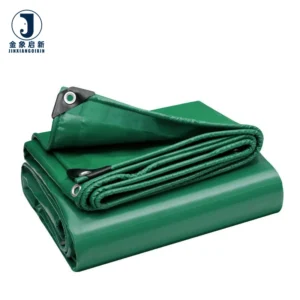
Factory Direct 20×30 Feet 13mil Heavy-Duty Vinyl Tarps PVC Tarpaulin for Firewood Roof Camping Patio Pool Boat Dump Trailer
¥2.60 Add to cart -
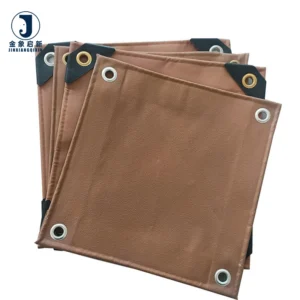
JX Fireproof 500gsm 600gsm Customizable PVC Tarpaulin Waterproof Truck Cargo Cover
¥0.79 Select options This product has multiple variants. The options may be chosen on the product page -
Pvc Plastic Canvas Strong Waterproof PVC Tarpaulin HDPE Coated Tarpaulin
¥1.80 Select options This product has multiple variants. The options may be chosen on the product page