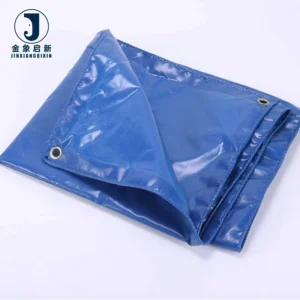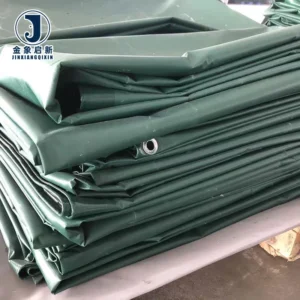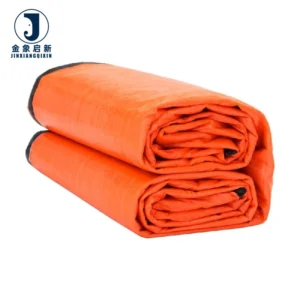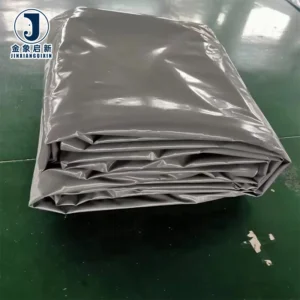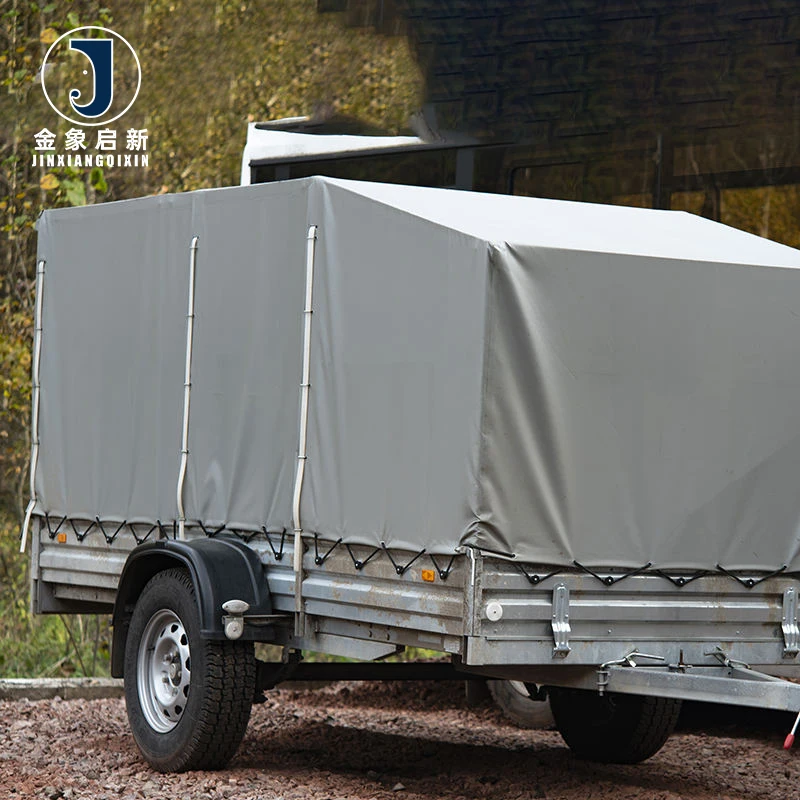
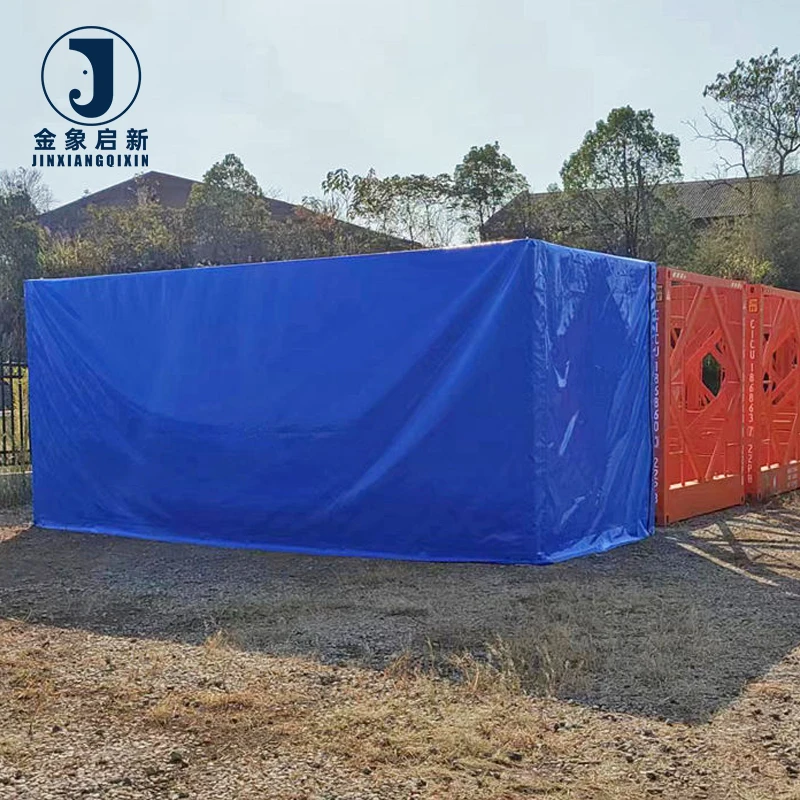
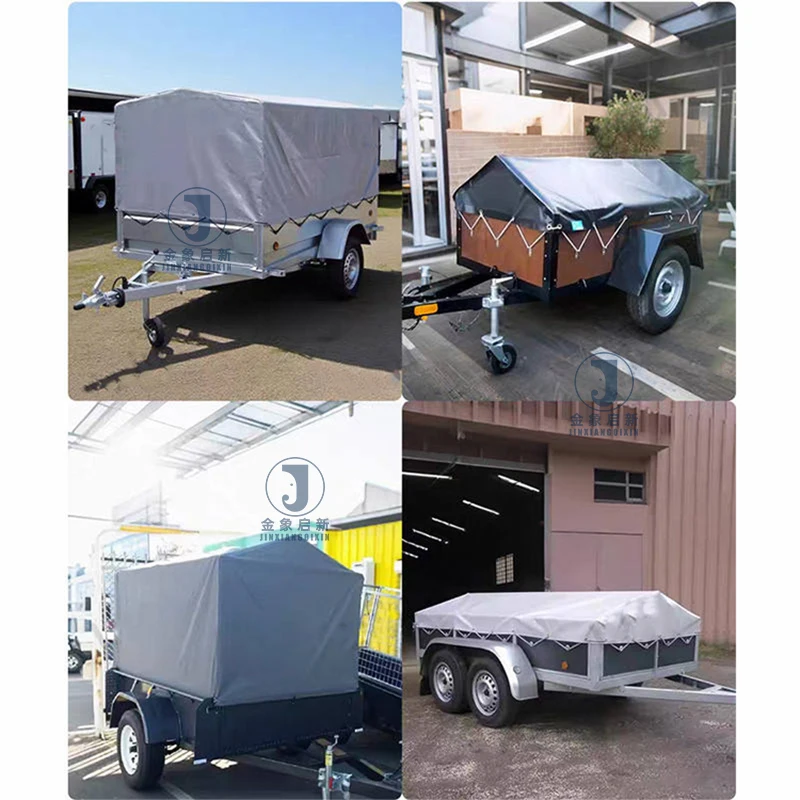
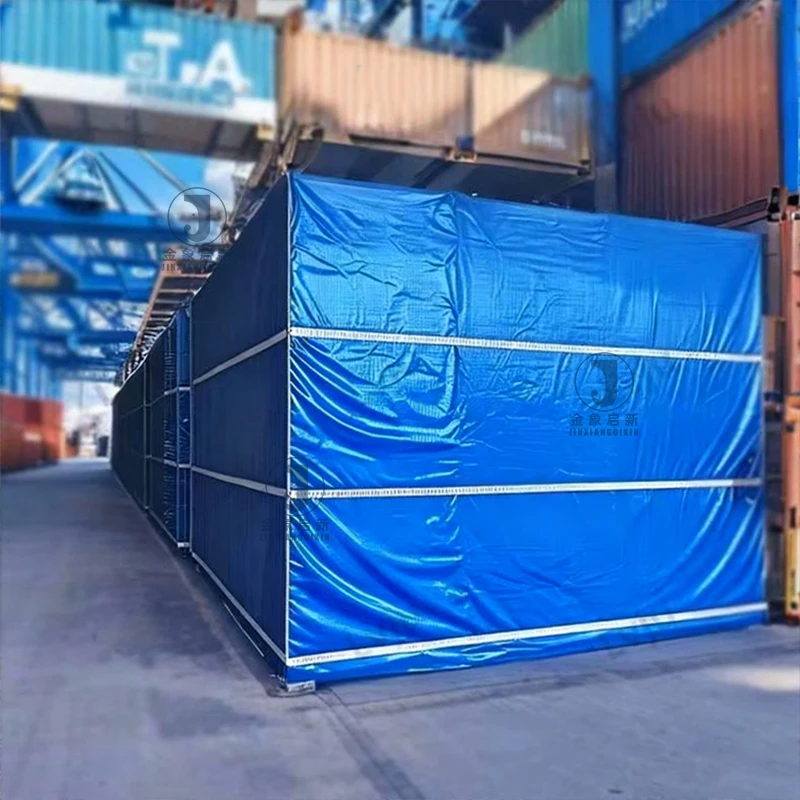
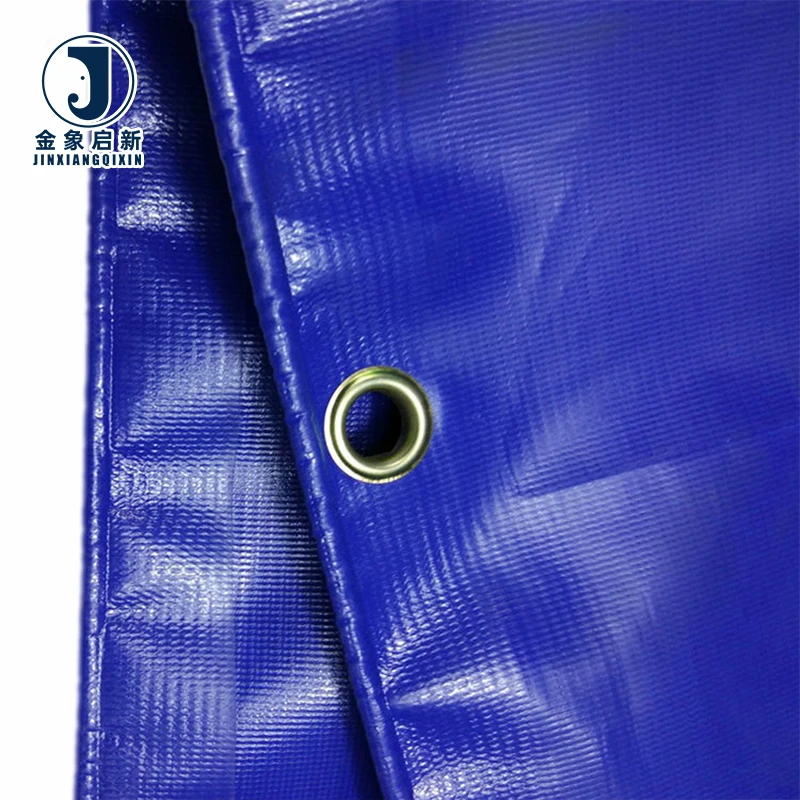
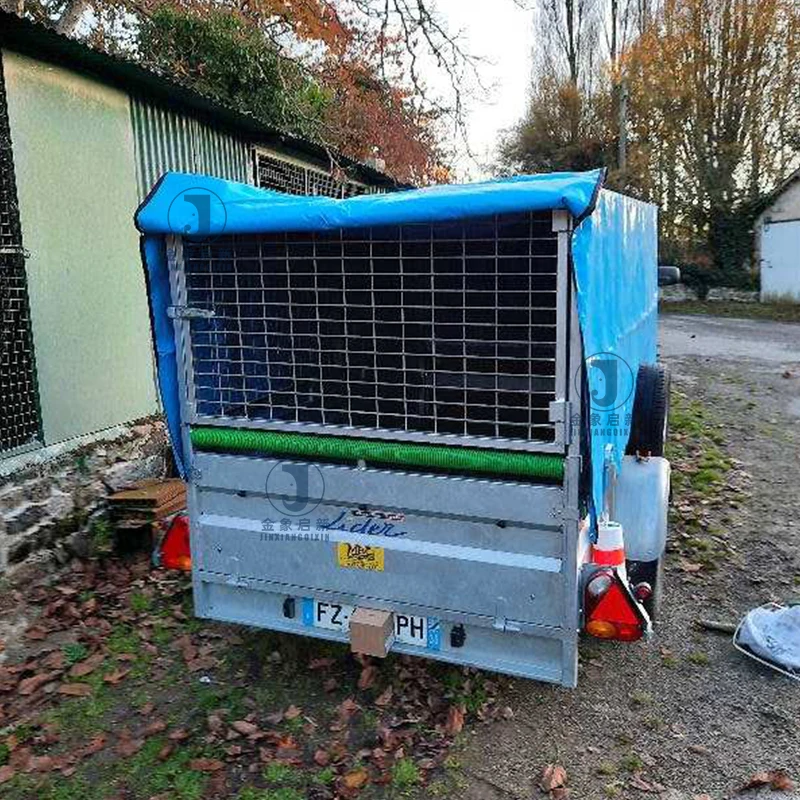
Fire Retardant PVC Coated Fabric — 100% high toughness polyester yarn base, flame retardant to B1 standard, available in 400–1500 g/m² with 0.35–1.5 mm thickness, roll form assembly with multiple color options including custom.
- Hot melt coating ensures strong PVC-to-polyester adhesion, delivering reliable welded seam strength at flex points where generic tarps typically fail.
- Anti-static treatment available for environments where discharge poses operational hazards.
- Verify GSM and request flame retardant test reports before committing to volume — samples developed within days for your specification.
Description
Production line control — three coating lines with dedicated QA checkpoints keep batch-to-batch GSM and colour within tolerance for every Fire Retardant PVC Tarpaulin Roll shipped.
Technical Specifications
| Parameter | Value |
|---|---|
| Product Type | PVC Coated Fabric |
| Material | 100% high toughness polyester yarn with PVC coating |
| Weight | 400–1500 g/m² |
| Thickness | 0.35–1.5 mm |
| Base Fabric Denier | 500D–2000D |
| Tensile Strength | 1500–3000 N/5cm |
| Surface Treatment | Flame retardant B1 standard, anti-static, cold resistant, mold proof, UV treatment available |
| Assembly State | Roll form |
| Color Options | Blue, Green, Grey, Black, Orange, Blue/Orange, Grey/Green, Clear, custom colors available |
| Certification | ISO, CE |
Application Suitability
| Application | Exposure & Requirement |
|---|---|
| Warehouse cover | Static load bearing, prolonged UV exposure, wind uplift at seams, fire code compliance |
| Truck tarpaulin side curtain | Constant flexing at load points, road abrasion, weather cycling, tie-down stress |
| Construction site protection | Debris impact, temporary enclosure, flame retardant certification for site approval |
| Industrial pipe canopy | Chemical splash, thermal fluctuation, welded seam integrity at span joints |
| Tensioned structural fabric | Sustained tensile load, wind-driven vibration, UV and mold exposure |
Why a Flame Retardant Rating Matters More Than the Label
A B1 classification per DIN 4102 is the documentation your site inspector will ask for — not the words "flame retardant" on a data sheet.
When a PVC Coated Fabric aftermarket supplier quotes fire-resistant material without attaching a test report, the risk lands on the buyer at inspection time. I have watched entire roll batches get held on a European construction site because the fabric carried no traceable B1 certificate, forcing the contractor to source replacement stock at short notice. The delay cost far more than the original fabric order. [NEED_CITE: DIN 4102 fire classification for building materials]
Matching Treatment to the Actual Hazard on Site
Not every warehouse or transport application demands the same level of fire safety documentation. A logistics operator covering trailers for cross-border transit may need B1 compliance for tunnel passage, while a domestic storage cover might only require basic flame retardant treatment. The PVC Coated Fabric aftermarket supplier must confirm which grade your destination market enforces before production starts, so the roll you receive matches the certificate you submit.
Anti-Static Treatment Where Dust Ignition Is a Real Concern
In grain handling, coal transfer, or chemical storage environments, static discharge across a standard PVC surface can become an ignition source. Anti-static treatment alters the surface resistivity of the coated fabric, reducing charge accumulation. This treatment must be specified at order stage because it changes the coating formulation and cannot be applied after the roll leaves the line. [NEED_CITE: anti-static surface resistivity standards for industrial fabrics]
How Base Fabric Denier and Coating Weight Interact
A 2000D polyester base provides high tear resistance, but without sufficient PVC coating weight the yarn remains exposed at flex points where abrasion concentrates. Conversely, heavy coating on a 500D base adds stiffness without proportional tensile gain. The balance between denier and GSM determines how the fabric behaves during fabrication — particularly when heat-welded seams must carry the same load as the body of the panel. Hot melt coating technology used here ensures the PVC penetrates the weave rather than sitting on the surface, which improves both peel strength and weld consistency across the roll.
What Happens When Rolls Are Specified on GSM Alone
A buyer who selects material based only on quoted GSM often discovers that two rolls at the same weight behave very differently under tension. The reason sits in the base fabric construction — a tighter weave at lower denier can match the tensile reading of a heavier, looser weave, but will tear more easily once a puncture starts. I have seen warehouse covers fail along a single rip line because the specification focused on weight without addressing tear propagation. Welded seams on underweight base fabric tend to delaminate before the coating itself breaks down, which is why in-process QA checks adhesion at every stage. [NEED_CITE: tensile and tear test methods for coated fabrics per ISO 1421]
Colour Drift Across Rolls in a Single Shipment
When a warehouse cover spans multiple panels stitched from different rolls, even a slight shade variation becomes visible once the structure is erected in daylight. Batch-to-batch colour consistency depends on pigment dosing precision and coating temperature stability on the line. Production runs for a single order must stay on the same dye lot and coating batch to avoid the situation where three rolls laid side by side show a visible step in tone. This is one reason pre-shipment inspection records every roll against the approved colour reference before packing.
Why Procurement Verification Starts Before the Roll Ships
The production process behind this PVC Coated Fabric aftermarket supplier range includes dedicated QA at coating, laminating, and winding stages. A 10-person R&D team handles material selection for specific hazard environments, whether that means adjusting the flame retardant additive ratio for a mining ventilation application or reformulating the coating for cold-climate flexibility. Three full production lines with 36 sets of equipment provide the throughput to keep roll orders on schedule without sacrificing in-process checks. Every roll is inspected against the purchase specification before it leaves the facility, and sample development for custom widths or treatments is turned around within days so the buyer can confirm hand feel, weld behaviour, and colour before committing to bulk.
Documentation & Verification
- Material specification sheet stating GSM, base fabric denier, and coating weight for each roll
- Flame retardant B1 test report per DIN 4102 where applicable to the order
- Anti-static surface resistivity test data for treated rolls
- Pre-shipment inspection record with roll-by-roll weight and colour check
- ISO and CE certificates covering the production facility
- Roll packing list with batch traceability for colour consistency verification
Fabrication, Handling & Storage
- Heat weld at temperatures matched to the PVC coating weight to avoid seam delamination on heavy GSM rolls
- Allow cold-stored rolls to reach ambient temperature before unrolling to prevent coating crack at low thickness grades
- Store rolls upright on pallets to prevent flat-spot deformation across the 0.35–1.5 mm thickness range
- Use compatible PVC adhesive for field repairs on flame retardant treated surfaces to maintain B1 rating continuity
- Plan panel layout to minimise cross-roll seams, reducing visible shade variation on multi-roll orders
What to Include in Your Enquiry
Specify the application environment, including any fire safety classification your local authority requires, and whether anti-static treatment is needed for the hazard zone. Confirm the roll width and linear meter quantity you need, along with colour references or custom shade requirements. Indicate whether you need the material in roll form for your own fabrication line or require pre-cut panels with welded hems.
Frequently Asked Questions
Q: What test reports support the flame retardant and anti-static claims?
A: Each order of flame retardant PVC Coated Fabric ships with a B1 classification report per DIN 4102. Anti-static treated rolls include surface resistivity test data. Reports are matched to the specific production batch, so the certificate you submit to your site inspector traces directly back to the rolls you received.
Q: Can the GSM on the roll match the quotation exactly?
A: Every roll undergoes weight verification during pre-shipment inspection. The inspection record compares actual measured GSM against the quoted specification, and any deviation outside tolerance is flagged before packing. This eliminates the situation where material arrives lighter than agreed.
Q: How is colour consistency maintained across multiple rolls?
A: Rolls for a single order are produced on the same coating batch with identical pigment dosing. Pre-shipment inspection checks each roll against the approved colour reference under standard lighting. This prevents visible shade differences when panels from different rolls are installed side by side.
Q: What information do I need to provide for a custom specification?
A: Share your target GSM range, required flame retardant or anti-static treatment, roll width, and colour. If you have a specific fire classification for your market, include the standard reference so the R&D team can confirm formulation compatibility before sample development begins.
Related products
-
Heavy Duty Truck Tarpaulin 1000d Pvc Tarp Waterproof Pvc Canvas
¥1.20 Add to cart -
JX Fireproof 500gsm 600gsm Customizable PVC Tarpaulin Waterproof Truck Cargo Cover
¥0.79 Select options This product has multiple variants. The options may be chosen on the product page -
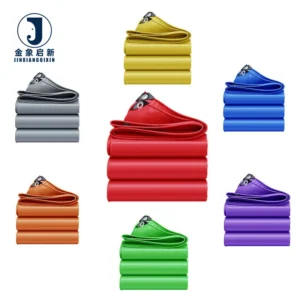
PVC-coated Waterproof Heavy-duty Vinyl Industrial Outdoor Reinforced Tarpaulins for Tents and Truck Covers
¥1.45 Add to cart -
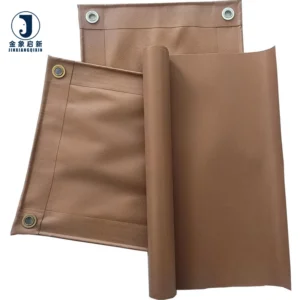
Waterproof Custom 1000D 550GSM/900GSM Self Clean PVC Coated Tarpaulin for Truck. Tent. Roof Cover Flood Barrier
¥0.99 Select options This product has multiple variants. The options may be chosen on the product page