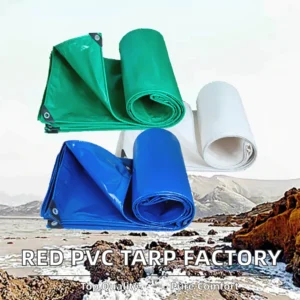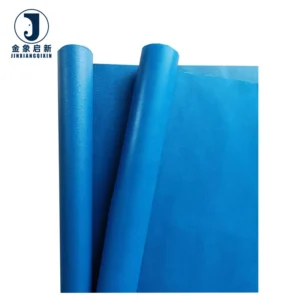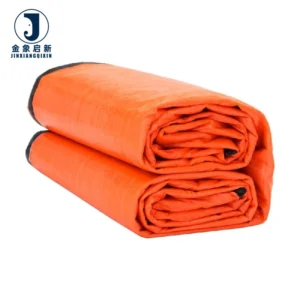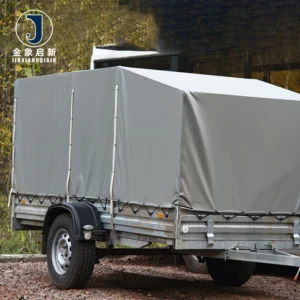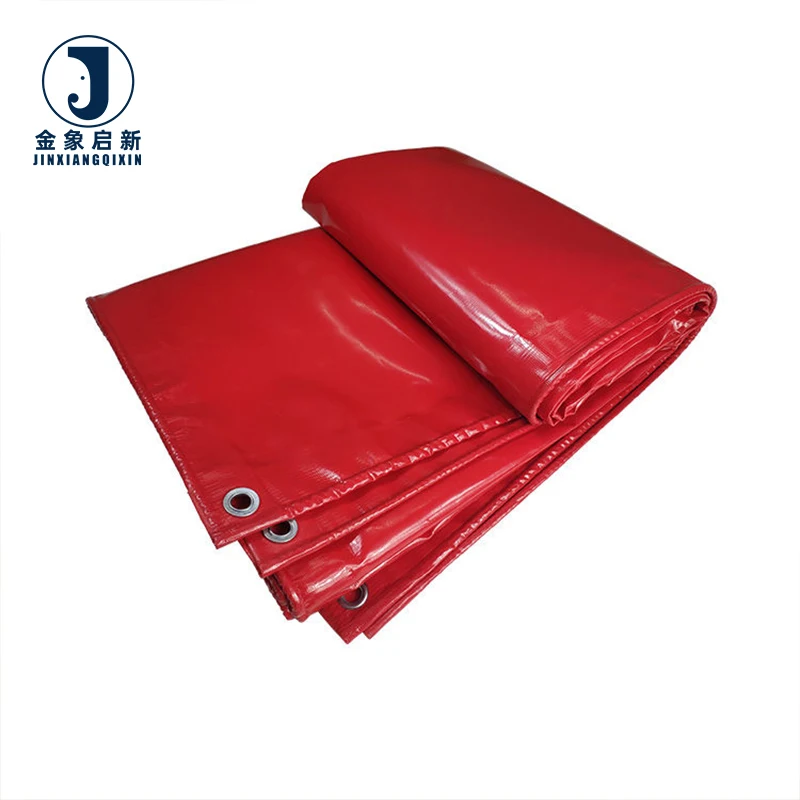
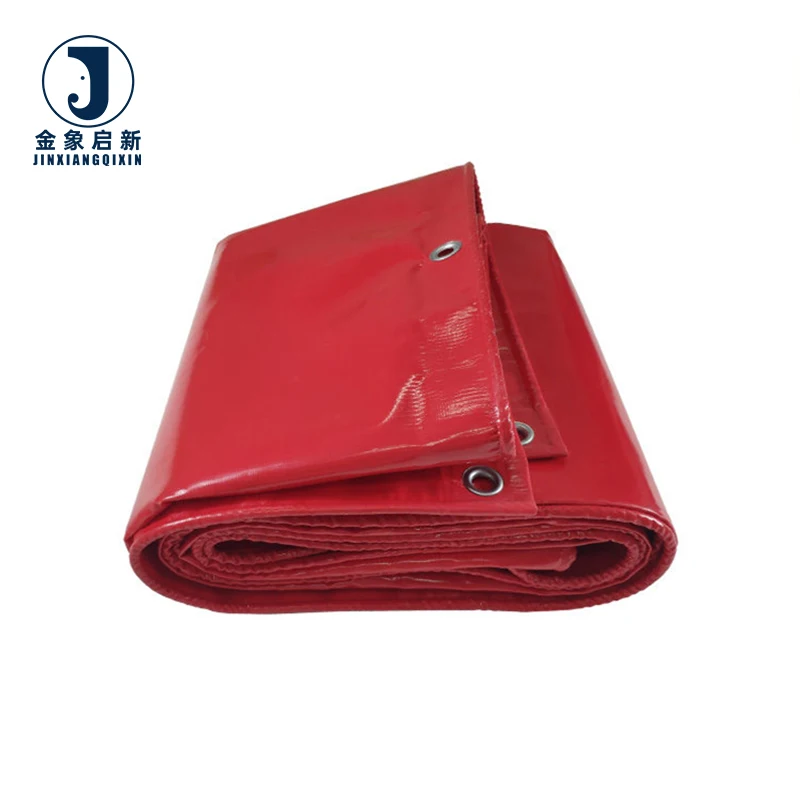
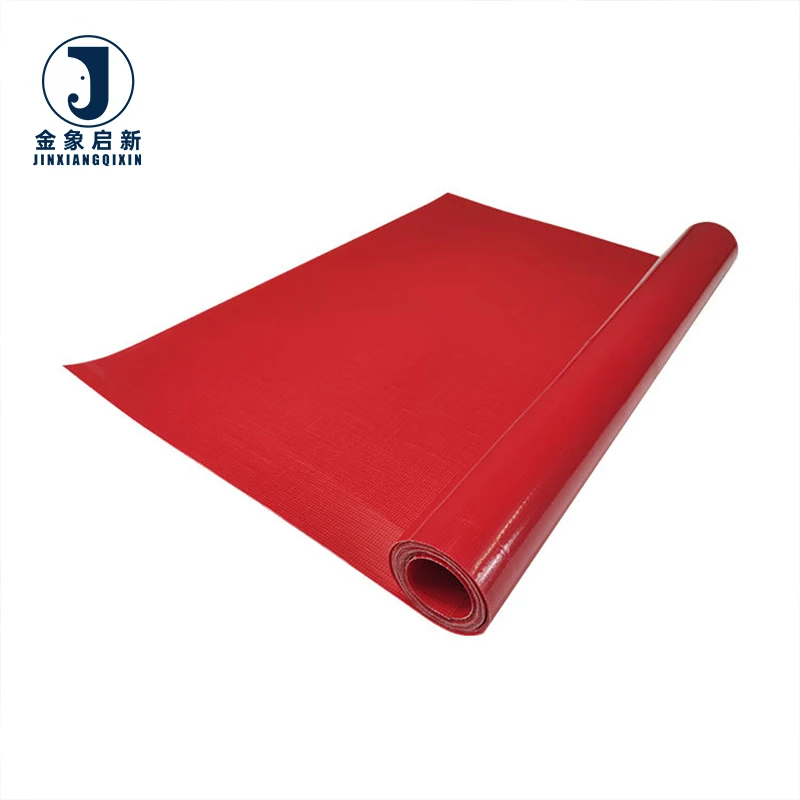
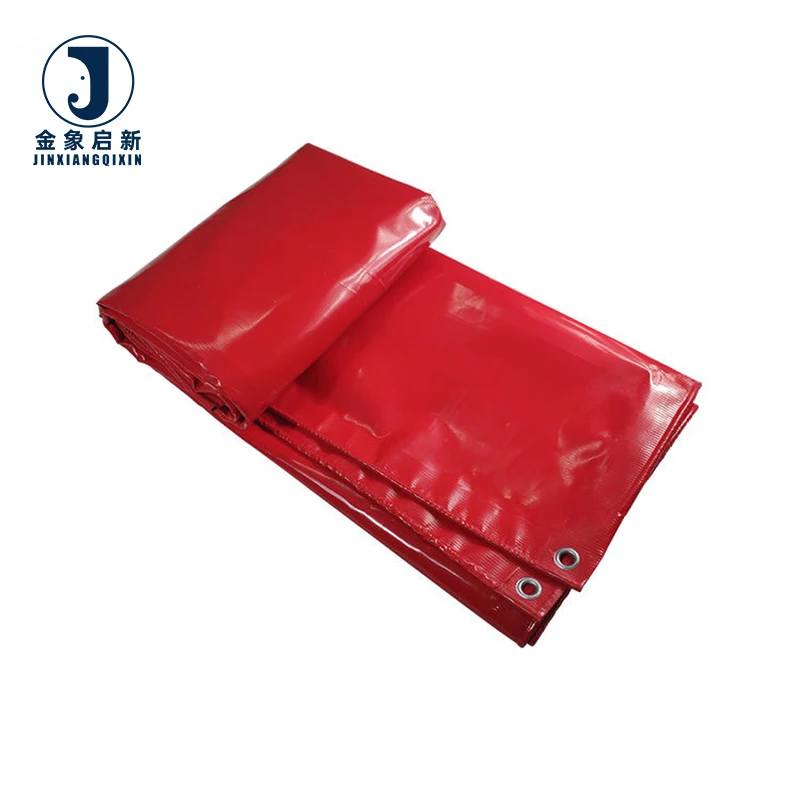
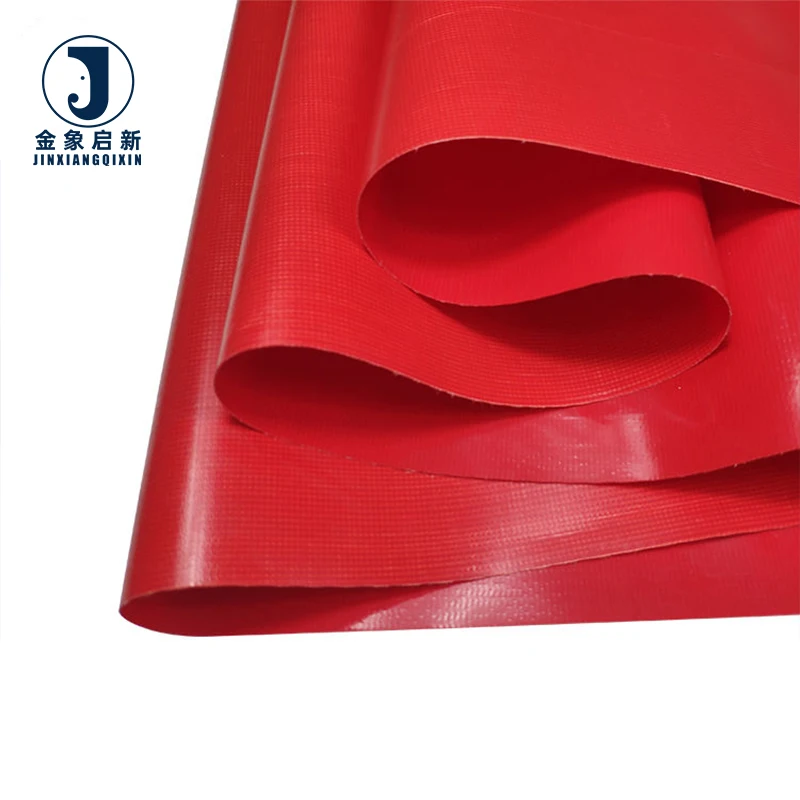
PVC Coated Tarpaulin 30M X 30M for Farming, polyester base with double-sided PVC coating, 500gsm–1000gsm range and 500D–2000D yarn count options.
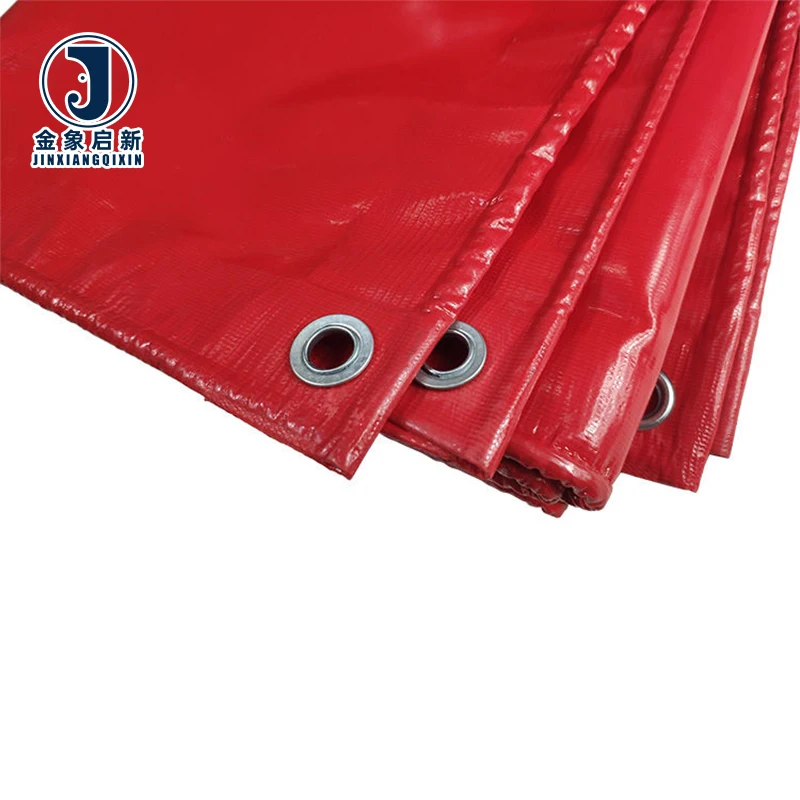
- Heat-sealed seamless edge wrapping with reinforced aluminum alloy eyelets at stress points
- Waterproof, anti-mildew and UV-treated surface for sustained outdoor agricultural exposure
- Full custom sizing with batch colour consistency verified per roll before dispatch
- Supported by a 10-person R&D team and 100% pre-shipment inspection across 3 dedicated production lines
Description
Deep Process Control Over Coating Weight — verified through per-roll GSM and thickness checks before dispatch, ensuring every metre of PVC coated tarpaulin meets the stated specification without material substitution.
Technical Specifications
| Parameter | Value |
|---|---|
| Product Type | PVC Coated Tarpaulin 30M X 30M for Farming |
| Material Composition | Polyester Base Fabric + Double-Sided PVC Coating |
| Available Weight Grades | 350 / 400 / 420 / 500 / 600 / 650 / 750 / 900 GSM |
| Thickness Range | 0.29mm – 0.65mm |
| Yarn Count Options | 500D×840D / 500D×1000D / 1000D×1000D / 1000D×1300D / 1300D×1300D / 1000D×2000D |
| Base Fabric Density | 20×20 to 30×19 |
| Warp Strength | 1650N – 3900N |
| Pick Strength | 1600N – 3500N |
| Edge Construction | 5mm thick rope without splicing, high temperature heat sealed seamless edge wrapping |
| Eyelets | 3cm enlarged aluminum alloy buttonhole, reinforced corners |
| Treatment Options | Fire Retardant (grade not stated) / Anti UV / Anti Mildew / Heavy Metal Free |
| Key Features | Waterproof / Flexible / Heavy Duty / Self Clean / Printable |
| Joining Methods | High frequency hot melt / Hot air / Sewing |
| Standards | ISO / CE |
Application Suitability
| Application | Exposure & Requirement |
|---|---|
| Farming tarpaulin cover (30M × 30M) | Full-field UV exposure, wind uplift on large unsupported spans, seasonal chemical contact from fertiliser overspray |
| Succulent and crop rainproof cover | Constant moisture contact, condensation buildup under film, anti-mildew requirement |
| Garden and greenhouse roof sheeting | Direct sun load, thermal cycling between day and night, need for light transmission control |
| Truck and trailer top roof cover | Road vibration, flex fatigue at tie-down points, diesel soot and abrasion |
| Outdoor event and block-out tent | Crowd safety requiring verified fire retardant grade, repeated rigging and folding |
| Pond and reservoir liner | Permanent water immersion, soil chemistry, puncture risk from substrate |
Why a 30M × 30M Farming Cover Demands More Than a GSM Number
A 900 GSM fabric with a low-density base weave can tear more easily than a 650 GSM fabric with a tight 1300D×1300D construction — weight alone is not a reliable indicator of field performance.
When buyers specify a large-format farming tarpaulin, the focus often narrows to a single number on the quotation. In practice, the base fabric denier and weave density carry more influence on tensile and tear behaviour than coating weight does. A PVC coated tarpaulin aftermarket supplier that quotes GSM without disclosing yarn count leaves you unable to verify whether the fabric can handle wind load across a 900 m² unsupported span. [NEED_CITE: tensile and tear test methods for coated fabrics per ISO 1421]
Base Fabric Architecture Determines Real-World Tear Behaviour
The yarn count options for this PVC coated tarpaulin span from 500D×840D to 1000D×2000D, each producing a fundamentally different response to puncture and tear propagation. Lower denier constructions suit applications where the fabric is fully supported, such as pallet covers or short-term event sheeting. For a 30M × 30M farming installation where the membrane spans between anchor points, a higher denier base like 1000D×1300D or 1300D×1300D provides the warp and pick strength needed to resist tearing when wind lifts the centre of the sheet.
Coating Adhesion and Edge Integrity at Scale
At 30 metres in each direction, the edge construction carries disproportionate structural responsibility. This PVC coated tarpaulin uses a 5mm thick rope without splicing, sealed with high temperature heat sealed edge wrapping to eliminate the most common failure path: adhesive breakdown at the hem where the load flexes most. The 3cm enlarged aluminum alloy eyelets are set into reinforced corners so that tie-down tension transfers into the base fabric rather than pulling through the coating layer. [NEED_CITE: coated fabric edge and seam performance under cyclic loading]
How GSM, Weave Density and Coating Method Interact
GSM measures total weight per square metre — base fabric plus coating — so a high GSM reading can result from thick coating over a weak base, or from a dense weave with a thinner coat. The double-sided PVC coating on this fabric is applied to denier-specific base weaves, meaning the 650 GSM grade built on 1000D×1000D will behave differently under tension than 650 GSM on a lighter 500D×1000D base. Warp and pick strength values reflect the combined system: yarn tenacity, weave density (20×20 through 30×19), and coating penetration into the interstices. Buyers comparing two quotations at the same GSM should request the yarn count and weave density to make a like-for-like assessment of how the material will perform once tensioned in the field.
What Happens When Specification Gaps Reach the Field
I once supervised a custom farming tarpaulin order for a North African site where the contract specified B1 fire retardant, but the production run used standard PVC compound without the additive package. The material passed visual inspection and weight check at the factory, yet failed fire classification on arrival — the entire 900 m² cover was rejected at site inspection. [NEED_CITE: fire classification test standards for PVC coated textiles in agricultural structures] Gaps like this are invisible until a third-party inspector or site engineer asks for documentation. Colour variance between rolls in the same shipment is another issue that only becomes apparent once adjacent panels are installed side by side under full sun, making batch consistency a procurement concern, not just a quality control checkbox.
Procurement Backed by Production Verification
Three full production lines and 36 sets of professional equipment allow this PVC coated tarpaulin aftermarket supplier to maintain output volume without batching corners on large-format orders like 30M × 30M farming covers. The 10-person R&D team handles material selection and sample development, so custom sizing and treatment requirements are validated before production starts rather than adjusted mid-run. A dedicated QA/QC protocol runs at every production stage with full inspection before shipment, catching GSM deviation and colour drift before the roll leaves the factory. ISO and CE certified processes mean documentation is generated as part of production, not assembled after the fact. Samples can be developed within days when custom width, colour or treatment is required, giving buyers a physical reference before committing to the full order.
Documentation & Verification
- Material specification sheet confirming GSM, base fabric denier and coating weight per roll
- Fire retardant and anti-UV test reports issued against named standards where applicable
- Pre-shipment inspection record covering weight, colour consistency and edge finishing
- ISO and CE certificates supplied as part of the dispatch documentation package
- Roll packing list with individual roll identifiers for traceability back to production batch
Fabrication, Handling & Storage
- High frequency hot melt joining suits the double-sided PVC coating for clean, flexible seams across the 30M span
- 3cm aluminum alloy eyelets should be set with reinforced patches to distribute tie-down load into the base fabric
- Store rolls vertically on pallets to prevent flat-spot creases that weaken the coating at fold lines
- Allow the PVC coated tarpaulin to acclimatise before unfolding in cold weather to avoid coating micro-cracking
- Use mild detergent for cleaning; solvent-based agents can degrade the self-clean surface treatment
- Field repairs on heavy-duty grades respond well to hot air welding with matching PVC repair strip
Preparing Your Enquiry for a Large-Format Cover
For a 30M × 30M farming installation, share the site exposure conditions — prevailing wind direction, seasonal UV intensity, and whether the cover will be tensioned or laid flat. Confirm whether your local authority requires a specific fire retardant grade for agricultural membranes, as treatment levels vary by market. Specify the colour reference and whether multiple rolls need to match visually once installed side by side.
Frequently Asked Questions
Q: What GSM and yarn count do I need for a 30M × 30M farming tarpaulin?
A: For a span this size under wind load, a heavier base fabric such as 1000D×1300D at 650 GSM or above generally provides better tear resistance than a high-coating-weight option on a lighter base. The right combination depends on whether the cover will be fully tensioned or partially supported. We recommend requesting a material specification sheet listing both GSM and yarn count before confirming the order.
Q: Can fire retardant treatment be verified with a test report?
A: Fire retardant grades are available for this PVC coated tarpaulin range, and we supply test reports tied to named standards such as DIN 4102 or NFPA 701 where applicable. Confirm the specific grade required by your local authority or project specification before ordering, as treatment formulations differ between classification systems and not all markets accept the same test basis.
Q: How is batch colour consistency maintained across multiple rolls?
A: Colour matching is controlled through reference standards checked during production, and the pre-shipment inspection record documents consistency across the full order. For large-format installations where adjacent panels must match visually under direct sunlight, we recommend requesting a sample from the production batch before dispatch to confirm the colour meets your site expectations.
Q: What edge finishing and eyelet options are available for cut-size tarpaulins?
A: Standard finishing includes 5mm rope-edge heat sealing without splicing and 3cm enlarged aluminum alloy eyelets at reinforced corners. Custom eyelet spacing, additional corner reinforcement patches and alternative hem treatments can be configured based on how the tarpaulin will be anchored. Share your tie-down layout so we can align the finishing to your load distribution.
Q: What is the maximum custom width and minimum order per colour?
A: Custom widths and colours are available across the full GSM range, with minimums depending on the specific grade and treatment combination required. Large-format orders such as 30M × 30M farming covers typically meet production minimums within a single run. Confirm your target width, length and colour reference so we can quote an accurate lead time and batch arrangement.
Related products
-
Waterproof Custom 1000D 550GSM/900GSM Self Clean PVC Coated Tarpaulin for Truck. Tent. Roof Cover Flood Barrier
¥0.99 Select options This product has multiple variants. The options may be chosen on the product page -
500gsm MULTI-PURPOSE Green Waterproof Green Tarp for Emergency Rain Shelter. Outdoor Cover
¥7.72 Select options This product has multiple variants. The options may be chosen on the product page -
Heavy Duty Truck Tarpaulin 1000d Pvc Tarp Waterproof Pvc Canvas
¥1.20 Add to cart -
Wholesale Pvc Tarpaulin Wear-resistant Waterproof Multi-purpose Heat-resistant Tarpaulin
¥2.00 Add to cart