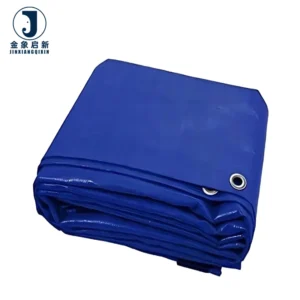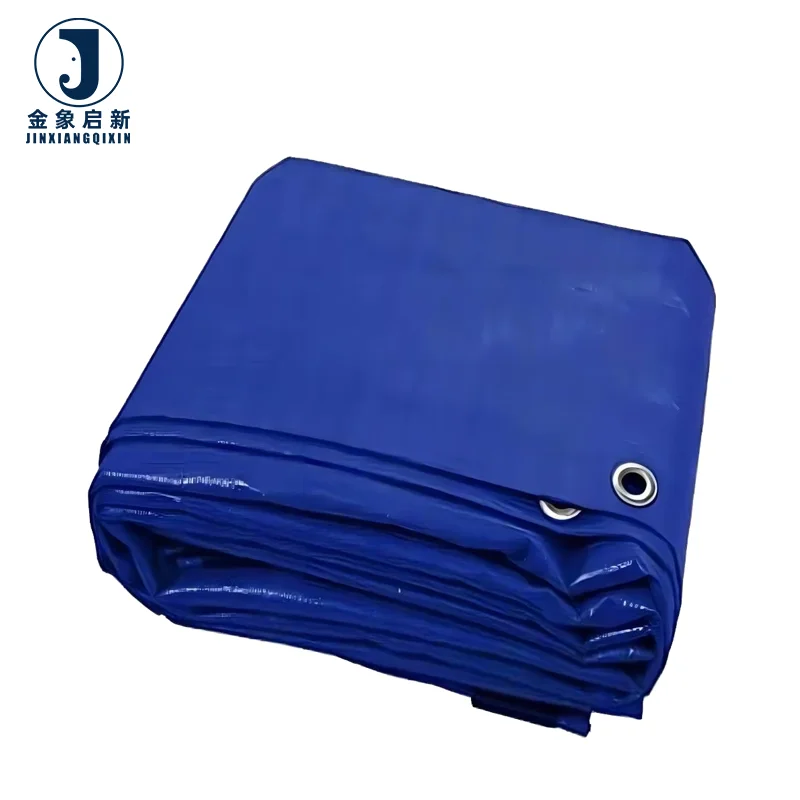
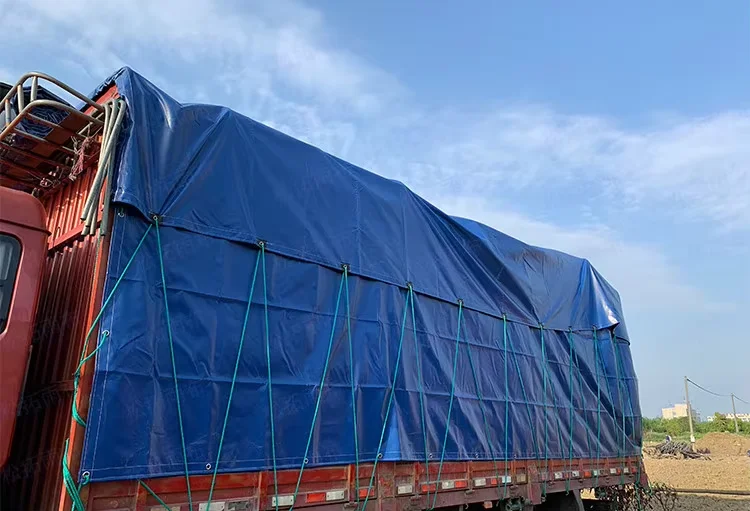
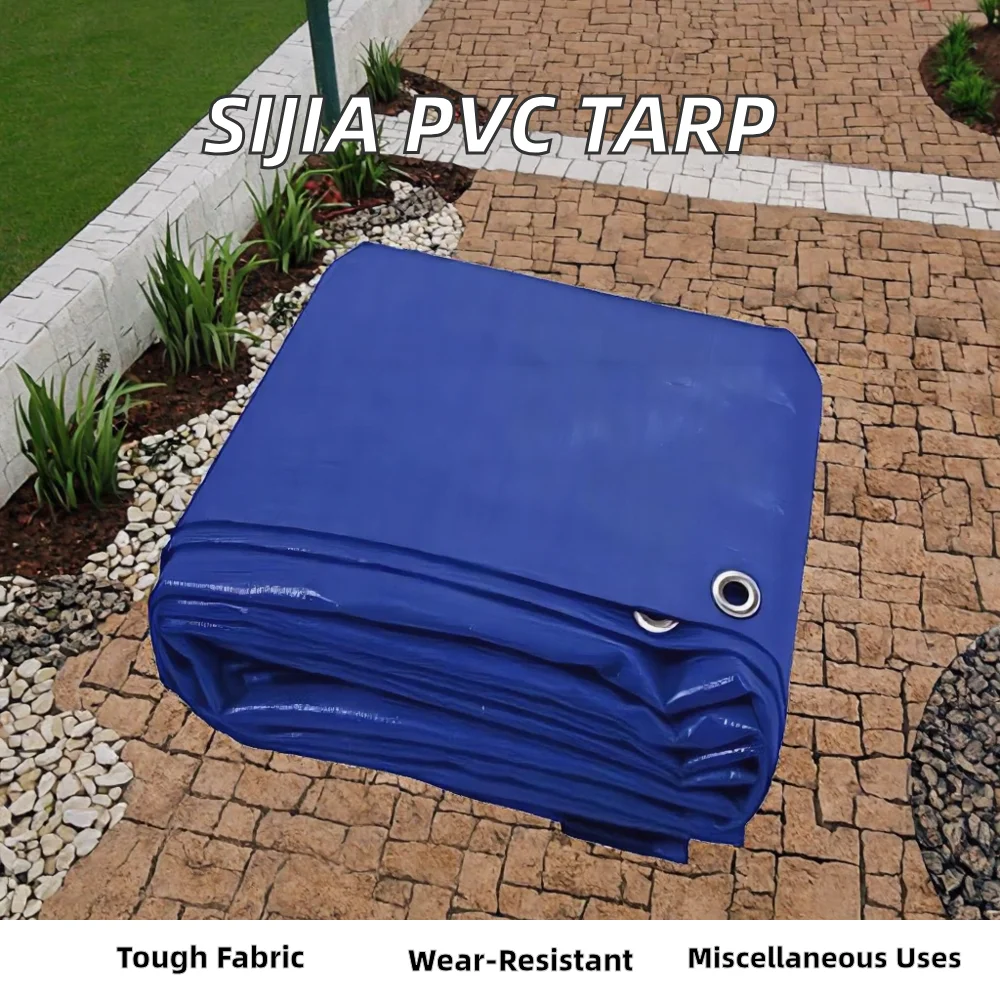
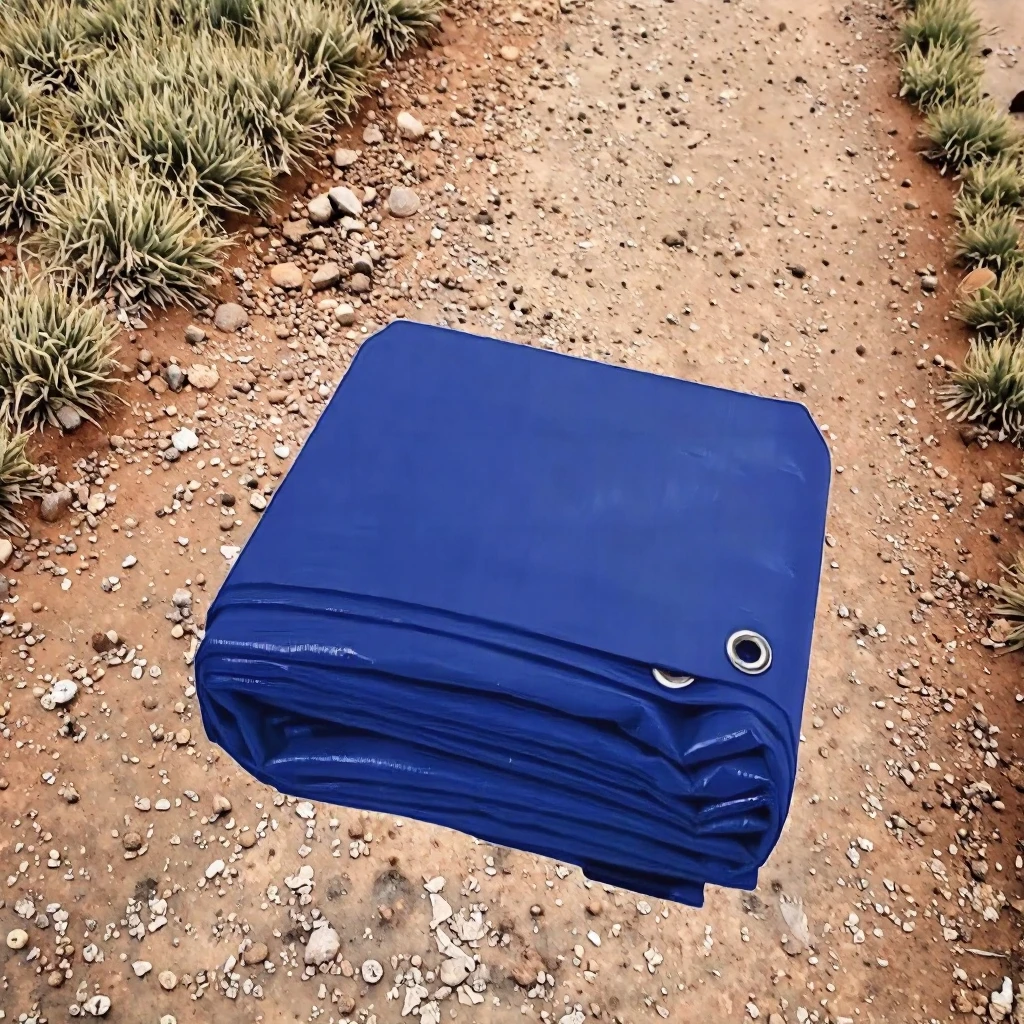
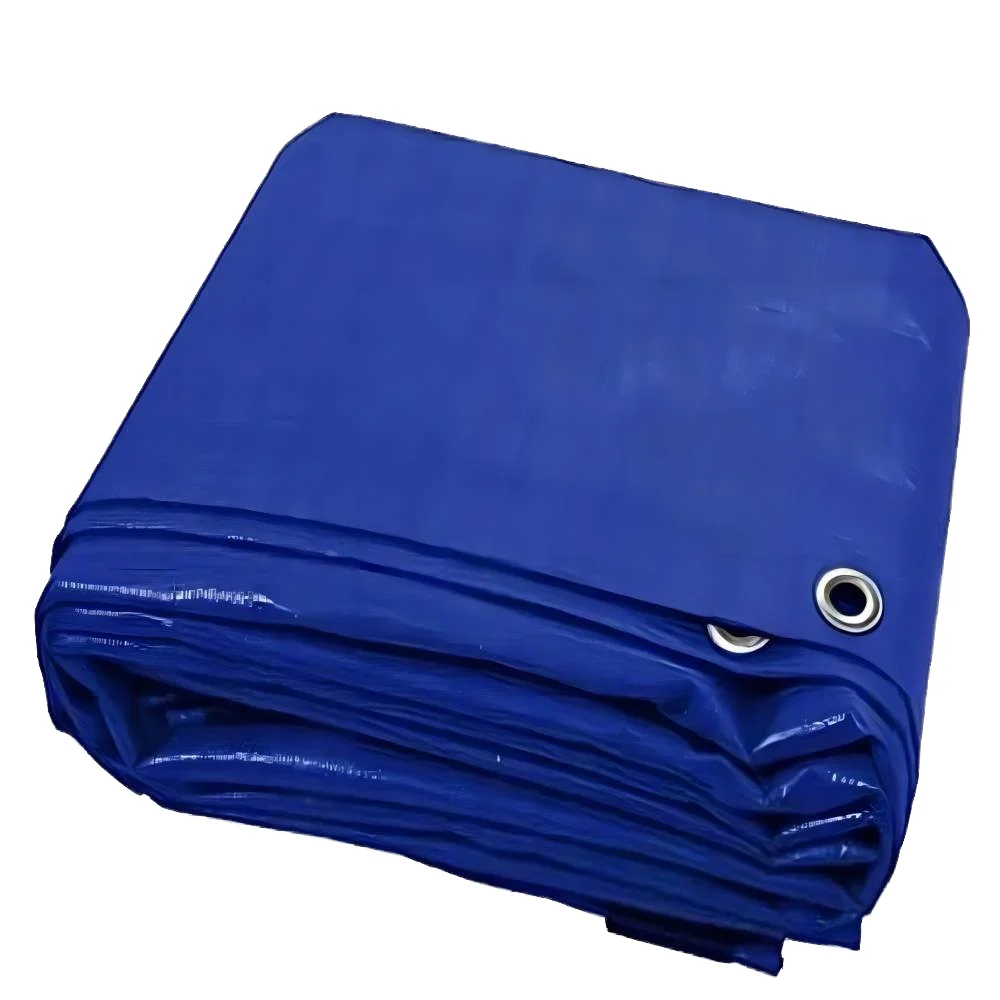
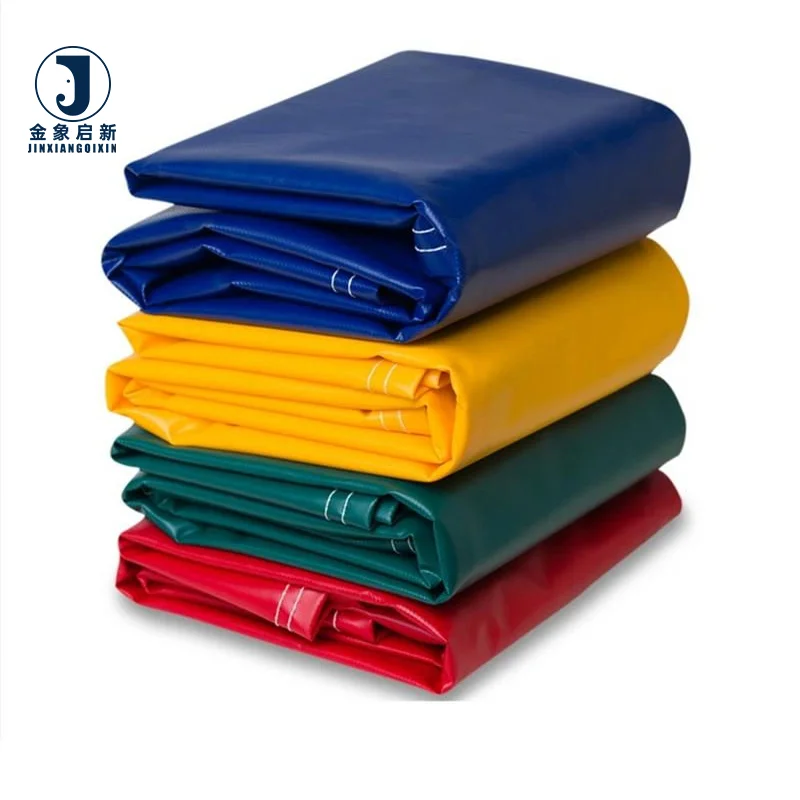
Waterproof Heavy Duty Pvc Lorry Tarpaulin Truck Cover — PVC coated tarpaulin in 350–750 gsm, 0.32–0.65 mm thickness, hot-melt coated on high-strength polyester mesh.
- Hot-melt coating and lamination ensure consistent coating weight and adhesion, directly affecting welded seam tearing strength at flex points
- Multiple GSM grades available to match load exposure, from 350 gsm light-duty covers to 750 gsm heavy-duty side curtains
- Cold crack resistant, anti-mildew, waterproof and sunproof with best color fastness
Supported by three full production lines, 10-person R&D team for custom sizing, and 100% pre-shipment inspection with specification sheet verification.
Description
Deep Process Control — nearly 30 years of coating expertise applied to every roll of PVC coated tarpaulin we produce, from base fabric selection through final weight verification.
Technical Specifications
| Parameter | Value |
|---|---|
| Product Type | PVC Coated Tarpaulin |
| Material | PVC + High-strength polyester mesh fabric |
| Coating Method | Laminated technology & Hot-melt Coating technology |
| Weight Options | 350gsm, 420gsm, 500gsm, 550gsm, 600gsm, 750gsm |
| Thickness Options | 0.32mm, 0.35mm, 0.4mm, 0.45mm, 0.5mm, 0.65mm |
| Available Widths | 2m, 2.1m |
| Roll Lengths | 75m (at 2m width), 50m (at 2.1m width) |
| Colour Range | Blue, Red, Yellow, Light blue, Grey (customizable) |
| Key Features | High tenacity polyester yarns, good strength and flexibility, outstanding tearing strength for welding, cold crack resistance, anti-mildew, anti-static treatment (grade not stated), waterproof, sunproof, color fastness |
| Service Life | 3-7 years under normal circumstances |
| Standards | ISO, CE |
Application Suitability
| Application | Exposure & Requirement |
|---|---|
| Truck and trailer covers | Constant flexing at load points, road debris abrasion, UV exposure, rain and snow ingress |
| Cargo ship deck covers | Salt spray, sustained wind load, water pooling, long-term UV saturation |
| Tent and awning structures | Repeated erection and strike cycles, wind uplift tension, public-use fire codes |
| Fish tank and pond liners | Permanent water contact, algae and chemical exposure, puncture from substrate |
| Construction site enclosures | Scaffold abrasion, wind-driven dust and rain, crane-lift handling stress |
Why a Spec Sheet Without Weight Verification Is Worthless
Every roll we ship carries a documented GSM check against your purchase order before it leaves the factory.
A PVC coated tarpaulin manufacturer custom order that quotes 650gsm but delivers 580gsm is not a discount — it is a hidden structural deficit. The coating weight directly affects peel strength, flex endurance and the seam integrity that holds a truck cover together under highway vibration [NEED_CITE: tensile and tear test methods for coated fabrics per ISO 1421]. When the PVC layer is thinner than agreed, welded joints become the first failure point because the adhesive bond has less material to grip. Fleet operators discover this six months in, when a seam opens on the trailer side curtain during a routine inspection. The replacement cost and vehicle downtime far exceed the original material savings.
From Roll Stock to Finished Truck Cover Under One Production Line
We supply this PVC coated tarpaulin range as parent rolls for fabricators or as finished panels cut and welded to your trailer dimensions. The hot-melt coating process produces consistent adhesion across the full width, which matters when a truck cover flexes thousands of times per journey. Available GSM grades from 350gsm to 750gsm let you match material weight to axle configuration and cargo type without over-specifying on lighter-duty routes.
Colour Consistency Across a Multi-Roll Order
Batch-to-batch colour variation is a recurring complaint in bulk PVC tarpaulin procurement. Two rolls of grey delivered side by side can show a visible tonal shift once welded into a single truck cover. Our coating lines run colour-matched batches sequentially, and pre-shipment inspection includes a visual roll-to-roll check against the confirmed colour reference [NEED_CITE: colour fastness evaluation methods for coated textiles]. If your fleet branding requires an exact Pantone or RAL match, we develop a sample roll for approval before full production begins.
What the Specification Numbers Actually Mean for Your Cover
GSM alone does not predict service life. A 650gsm fabric woven from low-denier yarns with loose pick density will tear more easily than a 550gsm fabric built on a tighter, higher-tenacity base. The polyester mesh construction in this range is engineered for high tear propagation resistance, which is critical at the welded seams where flex stress concentrates on a moving truck cover.
The two coating methods — laminated and hot-melt — differ in how the PVC bonds to the base fabric. Hot-melt coating drives the PVC compound into the weave under heat and pressure, producing higher peel strength that resists delamination at fold lines and eyelet zones. Laminated construction offers a cost advantage on applications where the fabric undergoes less repeated flexing.
Width selection affects cutting waste. The 2.1m roll width suits standard European trailer side curtains with minimal off-cut, while the 2m width aligns with container-loadable roll dimensions for export markets where the fabricator cuts to local trailer profiles.
Thickness correlates with puncture resistance and stiffness at low temperatures. The 0.65mm grade resists abrasion from tie-down straps and shifting cargo but requires higher heat input during welding. The 0.35mm grade suits lighter enclosures where drape and handling ease take priority.
The Hidden Cost of Skipping Pre-Shipment Verification
When PVC coated tarpaulin arrives underweight or under-treated, the failure rarely shows on day one. A truck cover installed in spring may perform until the first cold snap, when cold-crack resistance proves inadequate and the coating fractures at the fold [NEED_CITE: cold crack testing standards for flexible PVC compounds]. Anti-UV treatment claimed without a supporting test report may hold through one summer before the surface chalks and loses tensile integrity. Anti-mildew treatment absent from the actual production run leaves pond liners and construction enclosures vulnerable to biological staining within a single wet season. Each of these failures traces back to a specification that was stated on paper but never verified against the physical roll.
What Supports Your Order Beyond the Fabric Itself
Three full production lines and 36 sets of professional equipment give us the capacity to fulfil multi-container PVC coated tarpaulin manufacturer custom orders within committed delivery windows. A 10-person R&D team handles material selection, sample development and custom sizing requests, producing trial rolls within days rather than weeks. Dedicated quality control runs at every production stage — base fabric inspection, coating weight monitoring, and a 100% final inspection with documented weight readings on every roll. ISO and CE certification underpins the production system, with test reports available for UV and flame-retardant grades where applicable.
Documentation & Verification
- Material specification sheet confirming exact GSM, coating type and base fabric for each roll shipped
- UV and flame-retardant test reports referencing stated standards and grades where applicable
- Pre-shipment inspection record with individual roll weight readings against purchase order values
- Roll packing list detailing quantity, dimensions and colour reference per roll
- Certificate of origin and customs documentation for cross-border shipment
Fabrication, Handling & Storage
- Hot-melt coated rolls weld cleanly at standard RF or hot-air temperatures — verify settings on a scrap piece before production welding
- Store rolls horizontally on pallets to prevent permanent creasing in the 0.65mm heavy grades
- Unroll cold-stored fabric and allow it to reach ambient temperature before cutting or welding to avoid cold-crack damage
- Use compatible PVC-based adhesive for field repairs on the hot-melt coating surface
- Plan cutting layout on 2.1m width rolls to minimise off-cuts on standard trailer panel dimensions
Specify What You Need Before We Quote
To match the correct GSM grade and treatment package, share your trailer model dimensions, typical cargo weight and the climatic conditions your covers will face. Let us know if your market requires specific flame-retardant or anti-static certification so we can confirm the grade and supply supporting test documentation with your sample.
Frequently Asked Questions
Q: How do I verify the GSM matches the quotation on arrival?
A: Every roll ships with a pre-shipment inspection record showing actual measured weight. We recommend you weigh a sample cut from the received roll using a calibrated scale and compare it against the documented value. Any discrepancy outside normal tolerance should be reported before the roll enters production.
Q: Can the truck cover be cut to my specific trailer model dimensions?
A: Yes. Provide the trailer make, model and year along with panel-by-panel dimensions including door openings and strap anchor positions. We develop a cutting pattern, produce a sample panel for fitment verification and proceed to bulk once approved.
Q: Is there a test report for UV or flame-retardant treatment?
A: Test reports are available for grades produced with verified UV stabiliser packages and flame-retardant compounds. Specify the standard your market requires — such as a building code classification or transport regulation — so we can confirm the applicable grade and supply documentation.
Q: What is the minimum order for custom colour or custom width?
A: Custom colour runs require a minimum batch volume to ensure consistent pigment dispersion across all rolls. Custom width is available subject to coating line configuration limits. Contact us with your target colour reference and width to receive the applicable minimum and lead time.
Q: How do you ensure colour consistency across multiple rolls in one order?
A: Rolls for a single order are coated sequentially from the same pigment batch. Pre-shipment inspection includes a side-by-side visual comparison under controlled lighting. If a tonal difference is detected, the affected roll is held and re-coated before dispatch.
Related products
-
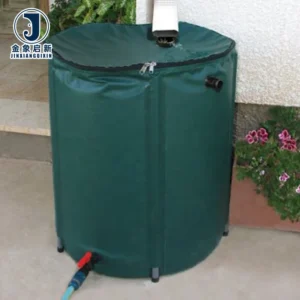
Collapsible Rain Barrel for Water Storage – Custom Made
Read more -
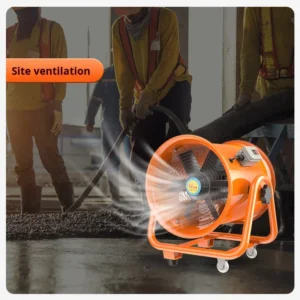
Industrial Axial Flow Fan with Flexible Duct – Manufacturer
Read more -
Portable 3000RPM Axial Flow Fan with Flexible Duct Hose for Industrial Exhaust Ventilation in Factories and Construction Sites
¥67.00 Select options This product has multiple variants. The options may be chosen on the product page -
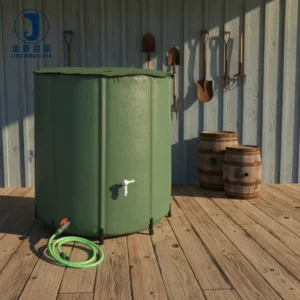
Collapsible PVC Rain Water Tank for Garden Use – Custom Made
Read more