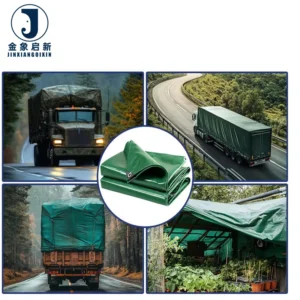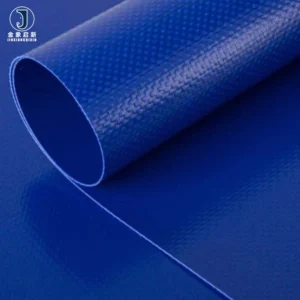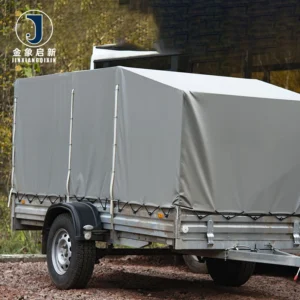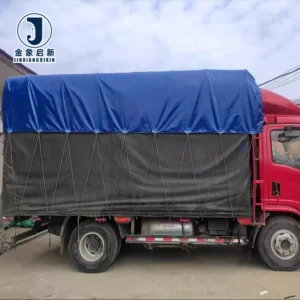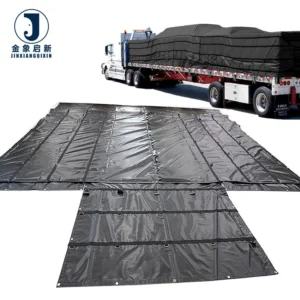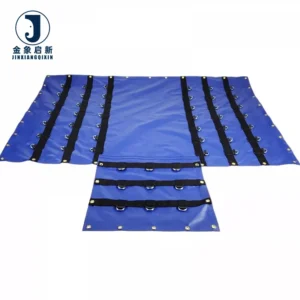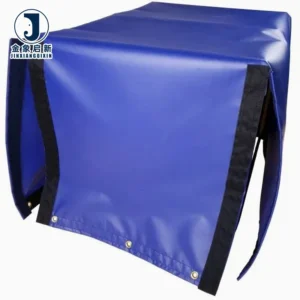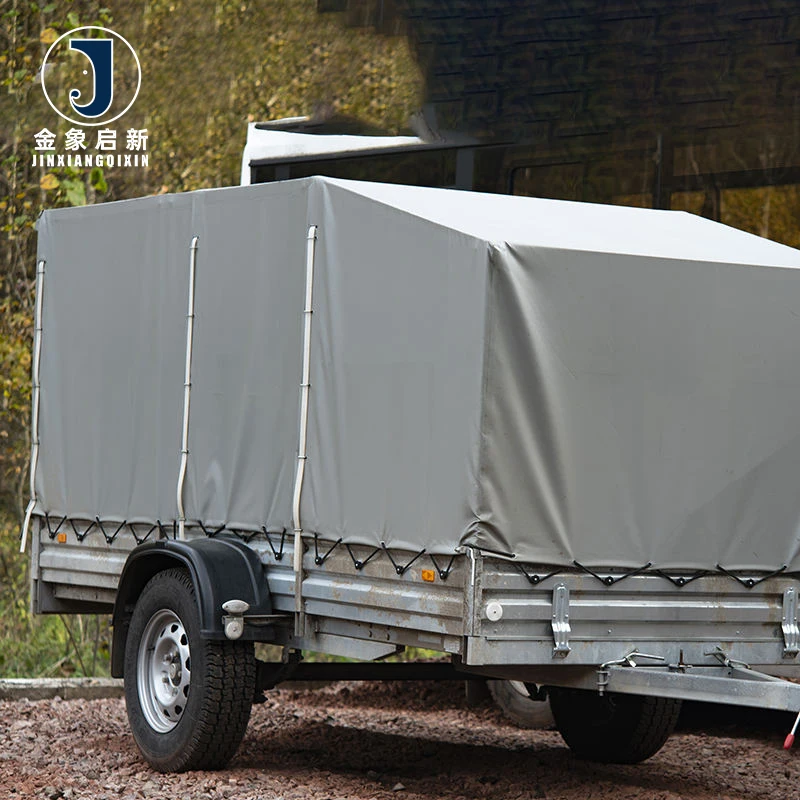
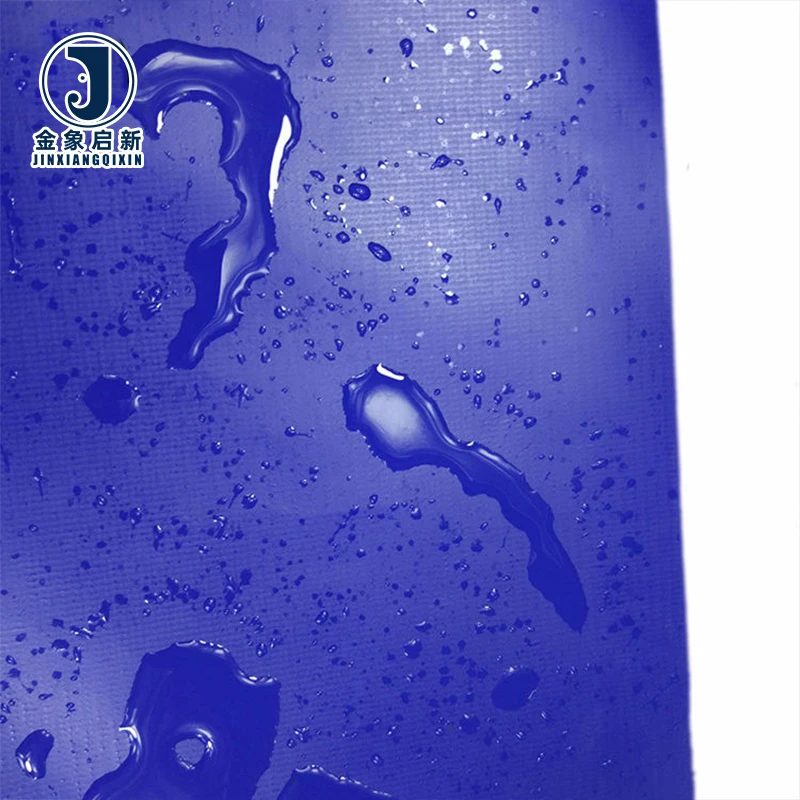
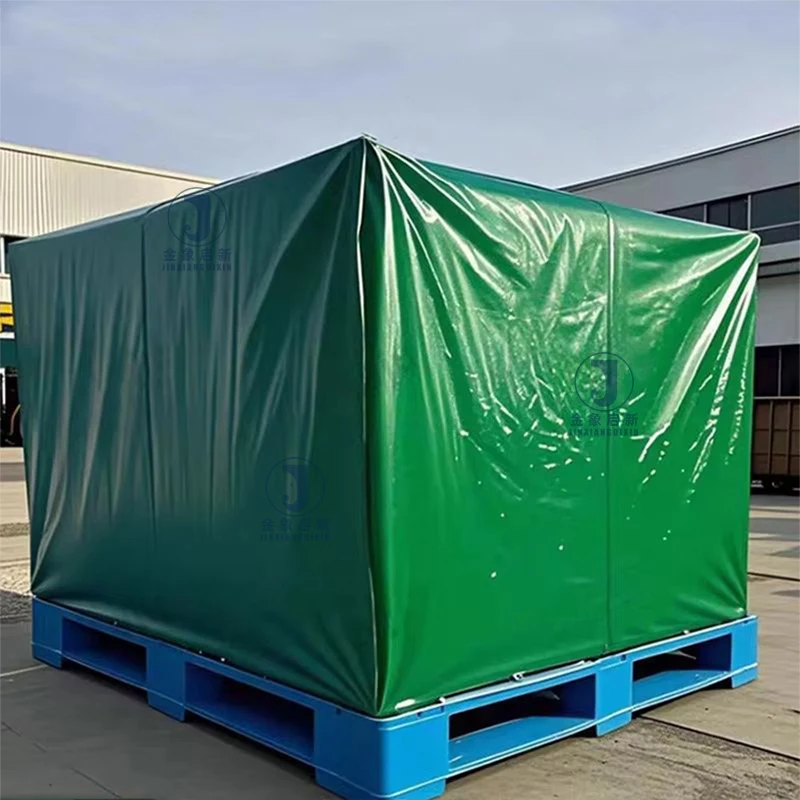
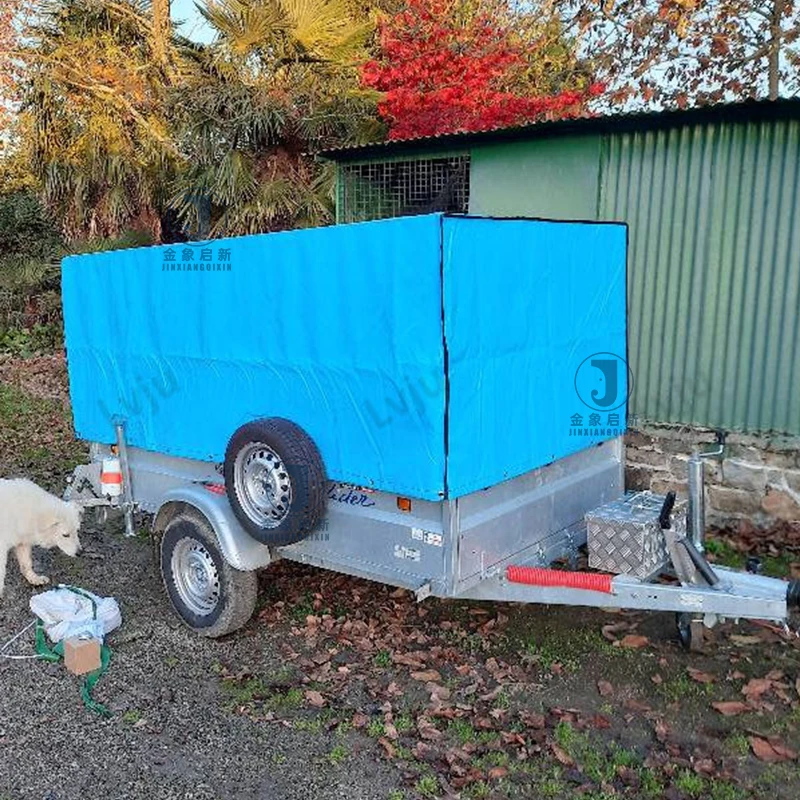
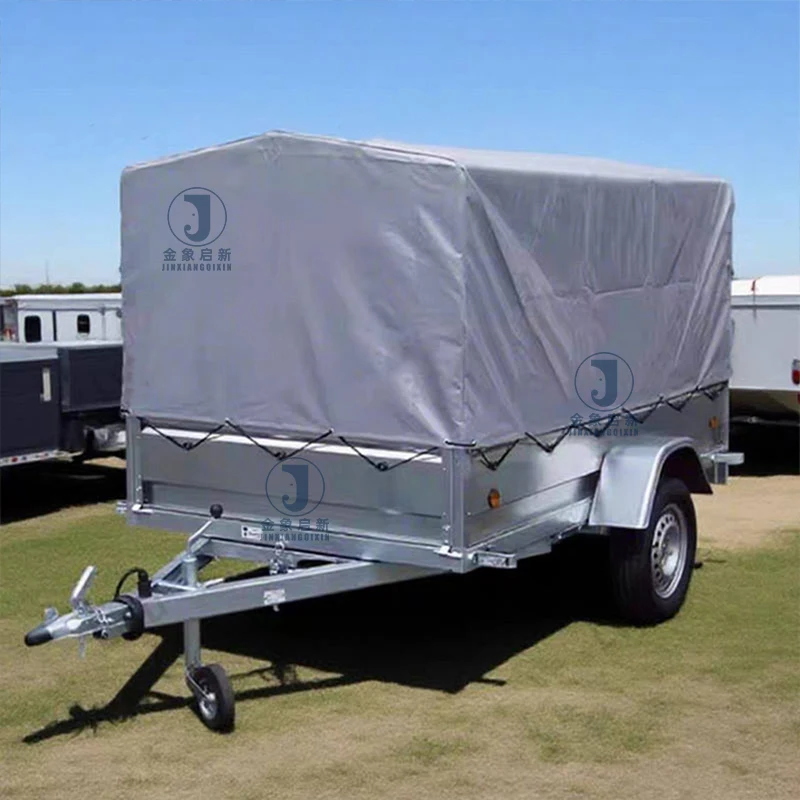
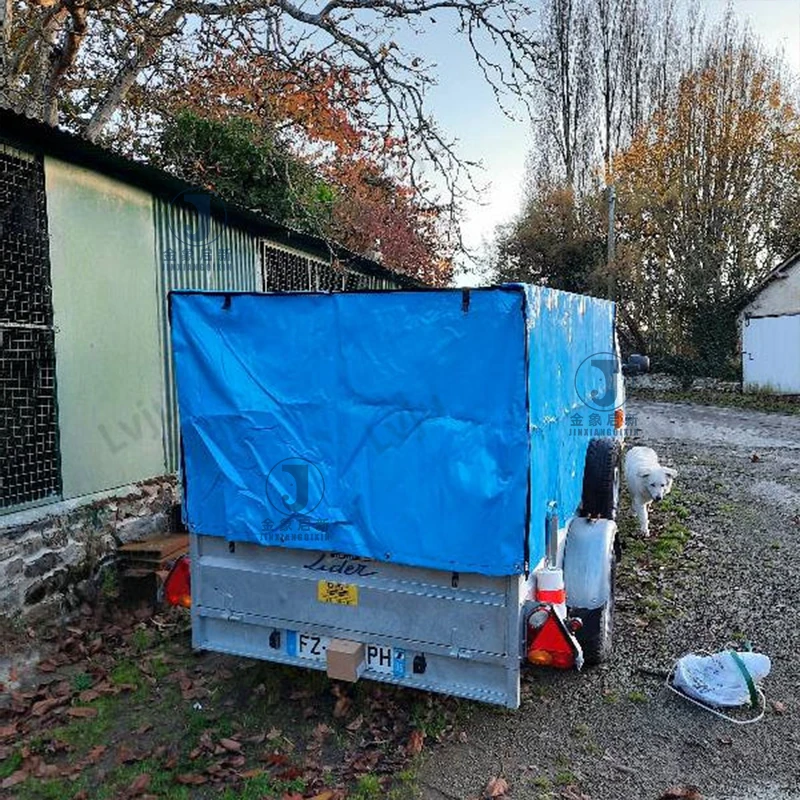
PVC Coated Tarpaulin Truck Cover — 350–750 gsm range with high-strength polyester mesh base, available in 0.32–0.65 mm thickness and multiple widths for roll stock or custom cut-to-size finished covers. Deep process control over coating weight and adhesion ensures batch-to-batch GSM accuracy and roll-to-roll colour consistency across full production runs.
- 10-person R&D team delivers custom sizing, pattern printing and samples within days for fleet-specific fitment approval before bulk commitment.
Description
Deep Coating Adhesion Control — Hot-melt and laminated coating lines bond PVC to high-tenacity polyester mesh at weights from 350gsm to 750gsm, keeping weld seams intact where truck loads flex most.
Technical Specifications
| Parameter | Value |
|---|---|
| Product Type | PVC Coated Truck Tarpaulin |
| Base Fabric | High-strength polyester mesh fabric |
| Coating Method | Laminated technology & Hot-melt Coating technology |
| Available Weight Grades | 350gsm / 420gsm / 500gsm / 550gsm / 600gsm / 750gsm |
| Available Thickness | 0.32mm / 0.35mm / 0.4mm / 0.45mm / 0.5mm / 0.65mm |
| Standard Roll Size | 2m × 75m / 2.1m × 50m |
| Colour Options | Blue, Red, Yellow, Light Blue, Grey — custom colours available |
| Key Features | Waterproof, sunproof, cold crack resistant, anti-mildew, anti-static treatment available, flame retardant treatment available (confirm grade required for your market) |
| Certifications | ISO, CE |
Application Suitability
| Application | Exposure & Requirement |
|---|---|
| Truck side curtain systems | Constant flexing at load shift points, road debris abrasion, prolonged UV exposure |
| Flatbed and tipper load covers | Tie-down strap tension, wind flap stress, weather during long-haul transit |
| Fleet-branded trailer enclosures | Colour consistency across multiple units, custom print surface for logos |
| Construction equipment transport | Heavy machinery contact, hydraulic fluid exposure, repeated fold-and-unfold cycles |
| Curtain-side OEM trailer production | Roll-to-roll batch consistency, predictable weld behaviour on automated lines |
Why a Quoted GSM Does Not Guarantee a Reliable PVC Coated Truck Tarpaulin
GSM tells you what the fabric weighs — not how well the coating bonds to the base cloth or whether the weld seams will hold under load flex.
Fleet buyers frequently receive covers that match the quoted weight on a scale but fail at the seams within months. The coating delaminates from the polyester mesh at stress points, or the heat-welded joints peel apart where the fabric bends around trailer frames. Weight verification alone cannot catch these failure modes — coating adhesion strength and weld compatibility are the specifications that determine whether a PVC Coated Truck Tarpaulin custom order survives real working conditions [NEED_CITE: coating adhesion peel test methods per ISO 2411].
Hot-Melt Coating and Weld Seam Integrity
Hot-melt coating technology forces molten PVC into the polyester mesh under pressure, producing a mechanical bond that resists delamination when the fabric is heat-welded. This matters for truck covers because welded seams carry the majority of mechanical stress during transit. Laminated coating adds a secondary bonding stage for grades that require higher peel strength. The combination gives fabricators confidence that the weld line will not become the weakest point in a finished truck cover.
Six Weight Grades Matched to Trailer Duty Cycles
A light-haul curtain-side running urban deliveries does not need the same fabric as a heavy-equipment flatbed cover crossing mountain routes in winter. The 350gsm through 750gsm range lets fleet specifiers select by actual exposure severity rather than defaulting to a single heavy grade. Lower GSM grades reduce dead weight on fuel-sensitive routes, while the upper grades handle sustained abrasion and tie-down point loading [NEED_CITE: relationship between coated fabric GSM and tensile performance per ISO 1421].
Colour Matching Across a Fleet Order
When a logistics company replaces covers on twenty trailers, visible colour variation between adjacent units is unacceptable. Batch colour consistency is controlled at the compounding stage — pigment ratios are locked per production run so that rolls cut from different batches within the same order install side by side without visible shift. Custom Pantone or RAL references are matched before bulk production begins, with a physical sample sent for approval.
Reading GSM, Thickness and Coating Method Together
GSM alone is a misleading purchase criterion because two fabrics can share the same weight yet behave very differently. A 550gsm product with a high-denier base cloth and thin coating will tear more predictably but may show poor weld adhesion. A 550gsm product with a heavier coating layer will seal better under heat welding but adds stiffness that complicates installation on curtain tracks. Thickness readings confirm whether the coating mass is concentrated on the surface or distributed through the mesh. Specifying all three parameters — GSM, thickness and coating method — gives a complete picture of how the PVC Coated Truck Tarpaulin custom product will perform in fabrication and service.
The Hidden Cost of Specifying on Weight Alone
When procurement teams focus on GSM as the single acceptance criterion, suppliers have an incentive to load calcium carbonate filler into the coating to hit the target weight cheaply. The resulting fabric feels stiff, cracks at fold lines in cold weather and produces weak weld seams that separate under dynamic load. Cold crack resistance and anti-mildew treatments add cost that filler-heavy products avoid — but those costs surface later as warranty claims, replacement orders and downtime for trailers taken off the road [NEED_CITE: plasticiser migration and cold-temperature embrittlement in PVC coated textiles].
Why Fleets Source PVC Truck Covers Through This Facility
Three full production lines and 36 sets of professional equipment run concurrently, giving the capacity to fill a multi-container fleet order without splitting it across outsourced coaters. A 10-person R&D team develops colour-matched samples and custom cut patterns within days, not weeks, so approval cycles stay short. Dedicated QA/QC checks at every coating stage catch GSM drift and adhesion faults before rolls reach the packing line. Material specification sheets ship with every consignment so that receiving inspection can confirm the exact grade, coating weight and colour reference against the original quotation.
Documentation & Verification
- GSM verification record per roll measured against the quoted weight before dispatch
- Material specification sheet listing base fabric denier, coating type and colour reference
- UV and flame retardant test reports provided where the specified grade applies
- Pre-shipment inspection record with photographic evidence of roll condition
- Certificate of origin and roll packing list for customs clearance at destination
- ISO and CE certification documents referenced on commercial paperwork
Fabrication, Handling & Storage
- Set hot-melt welder temperature to match the 0.32mm–0.65mm thickness range of the ordered grade
- Reinforce hem sections at tie-down points to distribute strap load across the polyester mesh
- Store rolls upright on pallets to prevent permanent creasing of the PVC coating surface
- Allow cold-stored rolls to reach ambient temperature before unrolling to avoid coating crack
- Use mild detergent only — solvent cleaners will attack the plasticiser in the PVC layer
- Plan cutting layout from standard 2m or 2.1m widths to minimise off-cuts and weld joins
Request a Quotation with the Right Detail
To receive an accurate specification and sample, provide the trailer model or exact cover dimensions, the GSM grade or exposure severity your fleet operates in, and any colour or print requirements for fleet branding. Confirm whether the order calls for finished cut-and-hemmed covers or roll stock for in-house fabrication. Specifying the target market early ensures any flame retardant or anti-static grade is matched to the correct regional standard.
Frequently Asked Questions
Q: How do you verify the GSM on arrival matches the quotation for each truck cover order?
A: Every roll is weighed and measured at the packing stage, and a verification record is included in the shipping documentation. Receiving teams can cross-check against the material specification sheet that states the quoted GSM, base fabric denier and coating weight for the exact product ordered.
Q: Can truck covers be cut to fit a specific trailer model rather than generic dimensions?
A: Yes. The R&D team patterns each PVC Coated Truck Tarpaulin custom cover to the vehicle’s exact dimensions, positioning eyelets and access flaps to match tie-down rails and curtain tracks. A physical sample is produced for fitment approval before bulk cutting begins.
Q: Will colour be consistent across all rolls in a large fleet order?
A: Pigment compounding is locked per production batch, and rolls allocated to a single order are drawn from matched batches. This prevents visible colour shift when covers are installed on adjacent trailers within the same fleet deployment.
Q: What documentation ships with the order for customs and receiving inspection?
A: Each consignment includes a roll packing list, certificate of origin, material specification sheet and pre-shipment inspection record. Where flame retardant or anti-static grades are specified, the corresponding test reports are included in the documentation package.
Q: How quickly can custom samples be developed before bulk production?
A: The 10-person R&D team typically produces colour-matched and sized samples within days of receiving confirmed specifications. Buyers review the sample for weight, finish and weld behaviour before authorising the full production run.