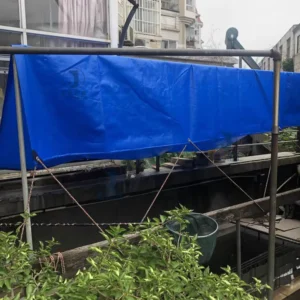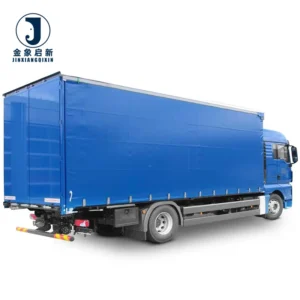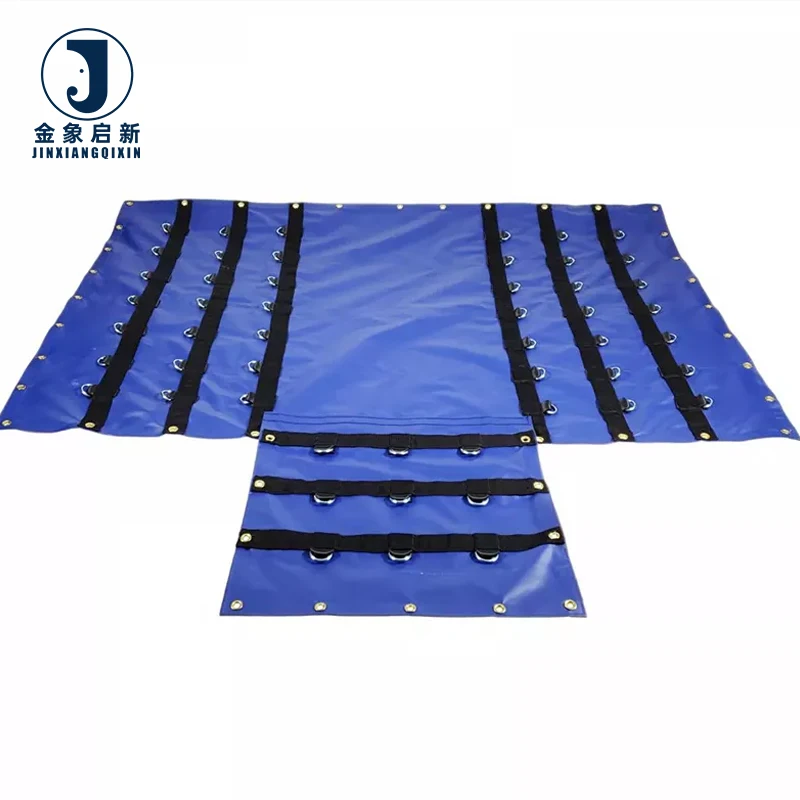
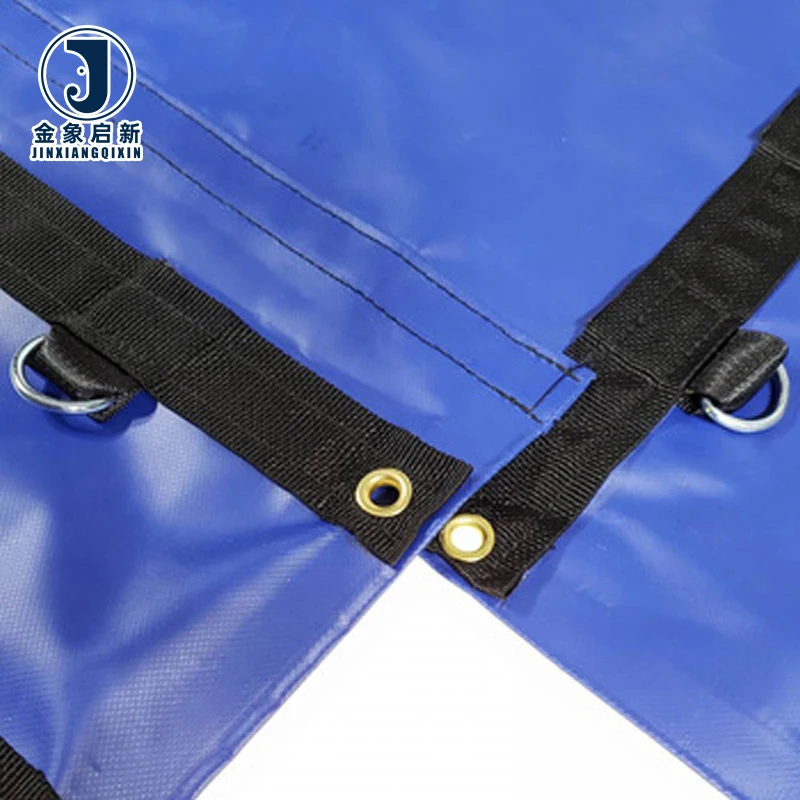
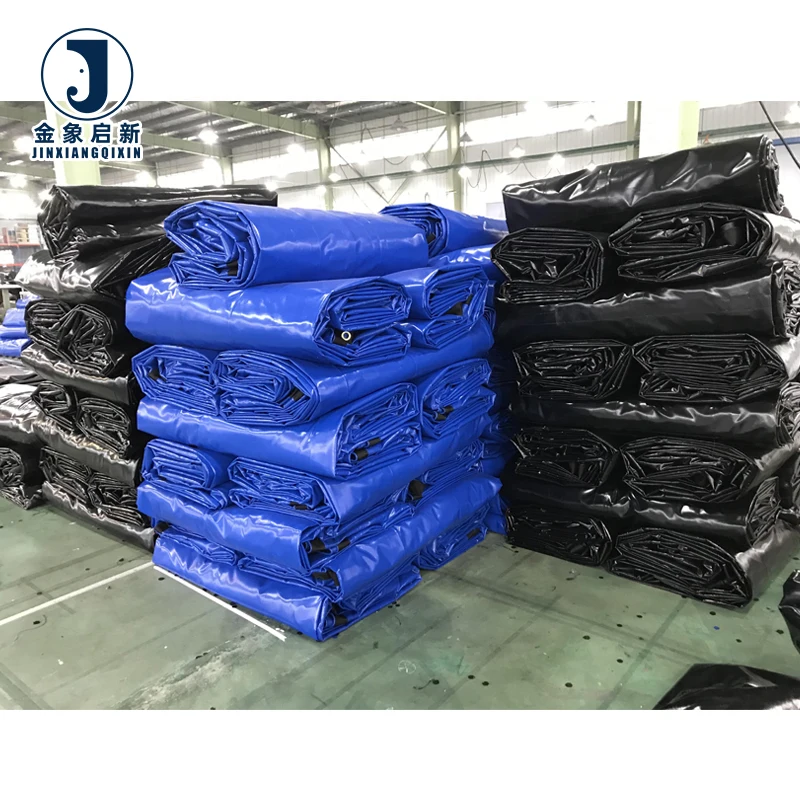
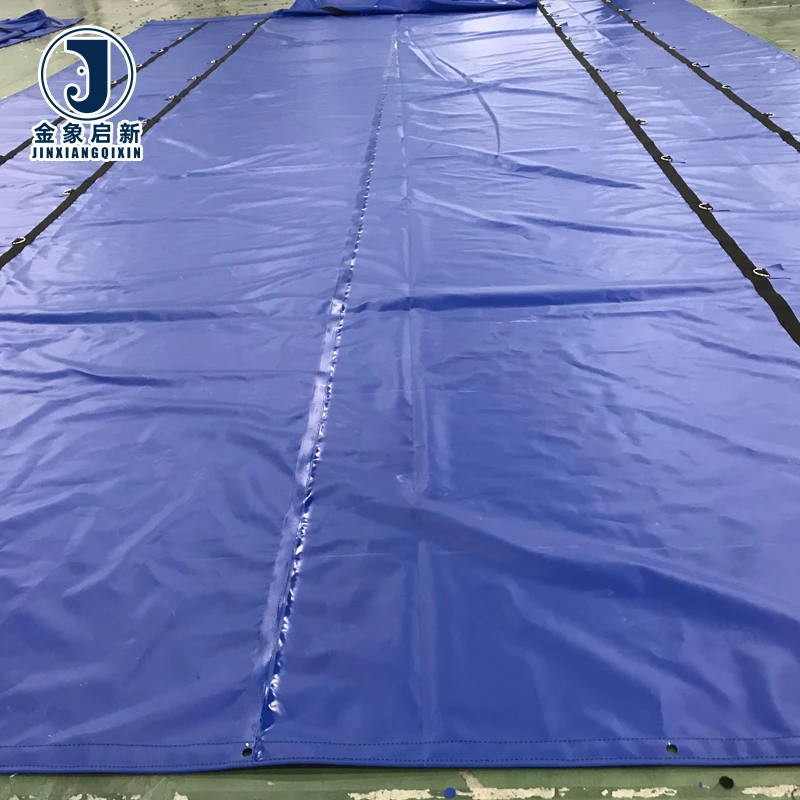
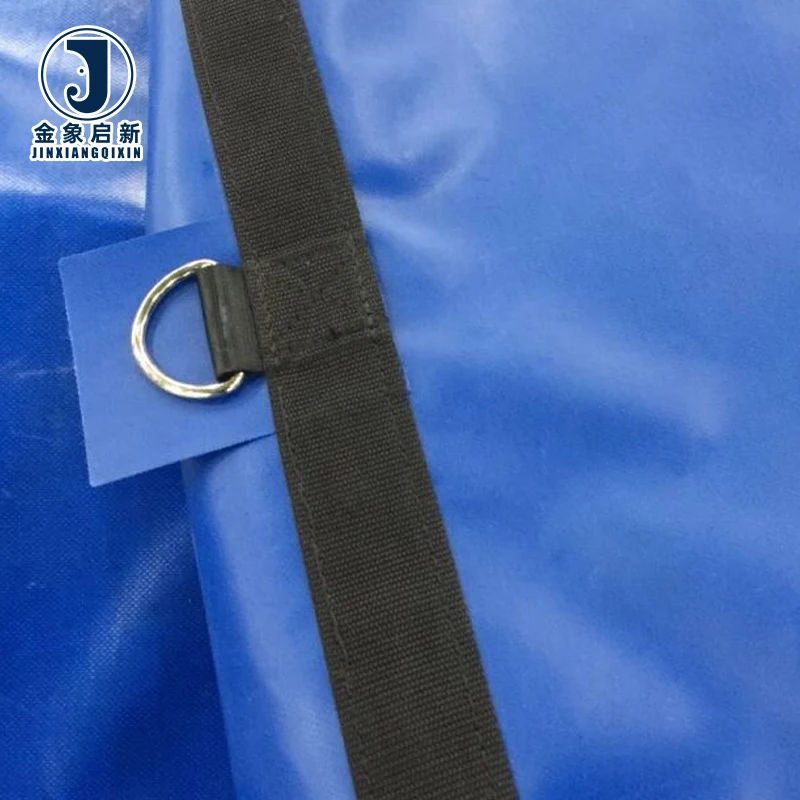
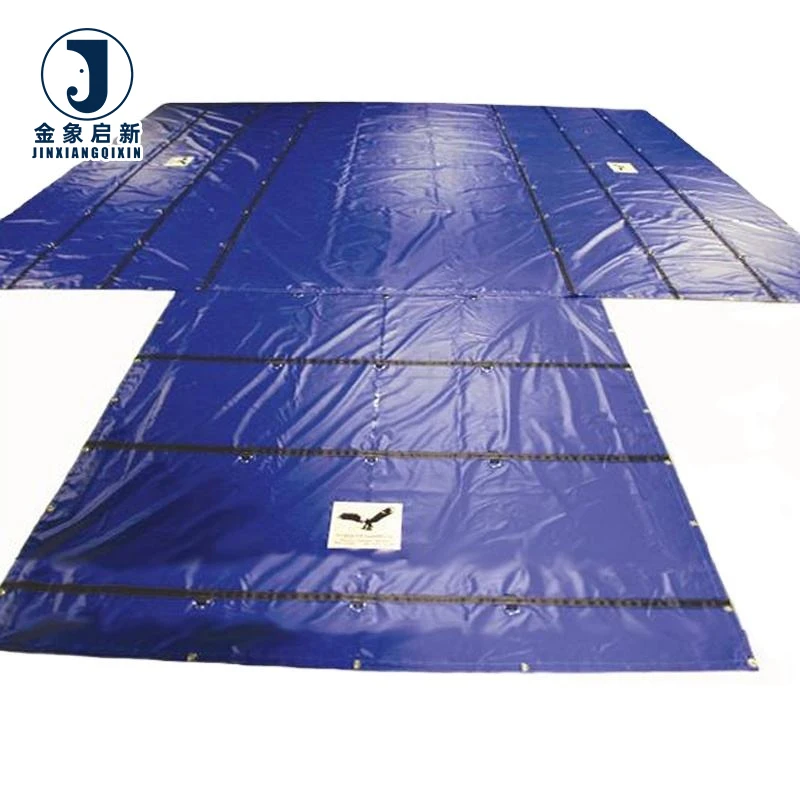
PVC Lumber Tarpaulin for Flatbed Trailer, 18 oz / 610gsm, 1000×1000D Base, 24’×27′ with 8ft Drop — engineered with 3 rows of reinforced D-rings on drop panels and welded seams tested at high-flex points.
- 14 oz, 16 oz and 18 oz weight options with 20×20 or 18×18 weave density for lumber, steel and pipe loads
- Knife-coated PVC with waterproof, acid-resistant and UV-resistant treatment
- Cut to specific flatbed trailer dimensions, not generic templates — colour consistency verified roll-to-roll before dispatch
Description
Fabric Weight Verification — every roll leaves our Jinan facility with a documented GSM reading, so the lumber tarpaulin on your flatbed matches the quotation exactly.
Technical Specifications
| Parameter | Value |
|---|---|
| Product Type | PVC Lumber Tarpaulin for Flatbed Trailer |
| Base Fabric Denier | 1000 × 1000D |
| Mesh Count | 20×20 / 18×18 |
| Weight Options | 18 oz (610 GSM) / 16 oz / 14 oz |
| Coating Material | PVC (polyvinyl chloride) |
| Construction | Coated and Woven |
| Thickness Range | 0.35–0.45 mm / 0.70–1.0 mm / 1.2–1.5 mm |
| Temperature Range | -35 ~ 70 °C |
| Drop Size | 8 ft. |
| Reinforcement | 3 Rows of D-Rings |
| Color Options | Black / Blue |
| Waterproof | Yes |
| UV Treatment | Available — confirm the UV grade required for your market |
| Flame Retardant | Available in flame retardant grades — confirm the grade required for your market |
| Chemical Resistance | Acid-resistant |
| Standards | ISO, CE |
Application Suitability
| Application | Exposure & Requirement |
|---|---|
| Flatbed lumber transport | Rainwater ingress, UV degradation during long-haul transit, road debris impact at highway speed |
| Wall panel and stacked board loads | Abrasion against sharp timber edges, wind lift under the tarp edges, repeated tie-down stress at D-rings |
| Construction material haulage | Jobsite dust and chemical splash, daily fold-and-store cycles, cold-weather stiffness below freezing |
| Heavy equipment carriers | Puncture risk from protruding hardware, load flexing at the welded seams during braking |
Why a Flatbed Lumber Tarp Fails Before Its Time
Most early tarp failures trace back to one decision: buying on weight alone while ignoring how the fabric was built.
A PVC lumber tarpaulin quoted at 18 oz that arrives lighter than agreed will tear at the D-ring row within months, not years. The base fabric denier and mesh count carry the structural load — the coating adds weather protection and abrasion resistance. When a supplier lists GSM without disclosing the yarn specification underneath, you have no way to predict how the material will handle a fully loaded flatbed flexing through a mountain pass. [NEED_CITE: relationship between base fabric denier and tensile performance per ISO 1421]
D-Ring Placement That Survives Highway Wind
A three-row D-ring configuration across the 8 ft. drop section distributes tie-down tension away from single stress points. On long-haul lumber loads, the outer rows absorb crosswind lift while the inner row anchors the load against longitudinal shift. Each ring is backed by a welded patch that spreads the pull across a wider fabric area, preventing the ring from cutting through the coating at the hem. This matters most when a driver tightens straps in high winds on an open highway.
Cold-Weather Flexibility Without Cracking
PVC coating compounds behave differently once ambient temperature drops. Our formulation maintains flexibility down to -35 °C, which means a lumber tarp deployed on a January morning in a northern climate can be folded, dragged, and re-secured without micro-cracking at the fold lines. The 1000 × 1000D base fabric provides dimensional stability so the tarp does not stretch unevenly when cold-stiffened, keeping the D-ring rows aligned with the trailer stake pockets. [NEED_CITE: low-temperature flexibility testing methods for PVC coated textiles]
What the Mesh Count Actually Controls
The 20×20 and 18×18 mesh options determine how tightly the yarns are woven before coating. A higher count produces a denser substrate that resists tear propagation — when a sharp timber edge catches the surface, the tear is contained within a smaller area. The 1000 × 1000D denier provides the individual yarn strength, while the mesh count governs how that strength is distributed. Together, they define the tear and tensile behaviour far more accurately than weight alone. A heavy GSM reading with a loose weave will still tear easily; a moderate weight on a tight weave often outperforms it.
The Cost of Skipping Pre-Shipment Verification
When colour varies between covers in the same fleet order, the mismatch becomes visible the moment two tarps sit side by side on adjacent trailers. A batch that arrives underweight will abrade faster at the contact points where lumber rubs against the inside surface. And a welded seam that was not tested at the flex zone — the area that bends every time the load shifts under braking — will delaminate long before the fabric itself wears out. These failures rarely appear during the first inspection; they surface three months into daily use. [NEED_CITE: welded seam peel strength testing for coated fabrics]
Why Source This PVC Truck Cover From Jinxiang
Deep process control over PVC coating weight and adhesion means the 18 oz (610 GSM), 16 oz, or 14 oz grade you specify is the grade that ships — verified at every production stage.
Three full production lines with 36 sets of professional equipment support bulk flatbed tarp orders with consistent delivery schedules, whether you need fifty covers or five hundred.
A 10-person R&D team handles custom sizing cut to your specific flatbed trailer model, not generic templates — including tailored drop lengths and D-ring spacing matched to your stake pocket layout.
Dedicated QA/QC runs 100% pre-shipment inspection on every cover, checking D-ring count, weld integrity, and colour match before packing.
Samples are developed within days so you can verify material hand, coating feel, and reinforcement layout before committing to a production run.
Documentation & Verification
- Material specification sheet stating exact GSM, base fabric denier, and coating weight for each lumber tarp order
- Pre-shipment inspection record verifying D-ring count, row spacing, and hem weld integrity
- Colour consistency check documented across all covers in a fleet order before dispatch
- Test reports for UV or flame retardant treatments supplied when applicable to the specified grade
- ISO and CE certificates included with every shipment
- Roll packing list and certificate of origin for customs clearance
Fabrication, Handling & Storage
- Heat-weld seams using temperature settings matched to the selected PVC coating thickness to prevent delamination at flex zones
- Store folded 18 oz tarps in a dry, shaded area to avoid UV exposure before deployment on the flatbed
- Clean with mild detergent only — solvents may degrade the PVC coating surface and compromise waterproof integrity
- Inspect D-ring patches periodically on the 8 ft. drop section where tie-down load concentrates during transit
- Avoid dragging the 1000 × 1000D fabric over sharp timber edges during loading to protect the coating face
- Allow cold-stiffened tarps to warm slightly before folding to prevent micro-cracks in the PVC layer
Requesting a Quotation for Your Flatbed Fleet
Provide your flatbed trailer make, model, and deck length so we can recommend the correct tarp dimensions and drop configuration. Specify the cargo type — raw lumber, finished wall panels, or mixed construction materials — along with your operating climate range. If your market requires a particular flame retardant grade or UV performance level, note the standard so we can match the formulation and supply the corresponding test documentation.
Frequently Asked Questions
Q: How do I specify a tarp that fits my exact trailer model rather than a generic size?
A: Provide the deck length, width, and the height from deck top to the load peak. We pattern the PVC lumber tarpaulin to those measurements, including the drop length and D-ring placement aligned with your trailer’s stake pockets and rub rails. A sample is produced for fitment approval before the full run.
Q: What GSM and fabric denier should I choose for lumber versus steel loads?
A: Lumber loads generate surface abrasion from bark and splinters, favouring a heavier coating for abrasion resistance. Steel loads concentrate point loads at edges and corners, demanding higher base fabric denier and denser mesh. We recommend the grade based on your specific cargo profile and haul distance.
Q: Can I get UV or flame retardant test reports before placing a bulk order?
A: Yes. Request the test report for the specific grade you are evaluating. We supply documentation that states the treatment level and the test method used, so you can verify compliance with your market or jobsite requirements before committing.
Q: How do you ensure colour consistency across multiple covers in one shipment?
A: Every production batch is checked against the colour reference on the specification sheet. For fleet orders with multiple covers, our pre-shipment inspection compares all units side by side and documents the result. Covers that fall outside the tolerance are replaced before dispatch.
Q: What is the lead time for custom-sized lumber tarps with specific reinforcement?
A: Typical lead times depend on order volume and the complexity of custom sizing and D-ring layout. We provide a confirmed schedule at quotation stage. Sample development runs in parallel so approval does not delay the production window once you sign off.
Related products
-
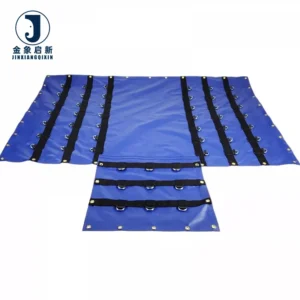
Custom Made PVC Lumber Tarpaulin 24′ x 27′ with D-Rings
Read more -
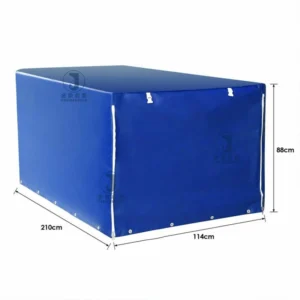
Waterproof PVC Coated Tarpaulin Double Sided Coating Environmentally Friendly Multifunctional Vehicle Open Trailer Cover
¥68.50 Select options This product has multiple variants. The options may be chosen on the product page -
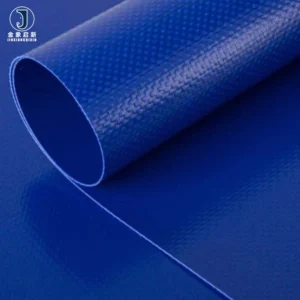
610g Blackout Coated PVC Tarpaulin for Tents & Truck Covers Waterproof Outdoor Use Boys & Girls
¥1.20 Select options This product has multiple variants. The options may be chosen on the product page -
Heavy Duty 24′ X 27′ PVC Lumber Tarpaulin Waterproof 8ft. Drop with 3 Rows of D-Rings Coated and Woven Flatbed Tarps
¥190.00 Add to cart