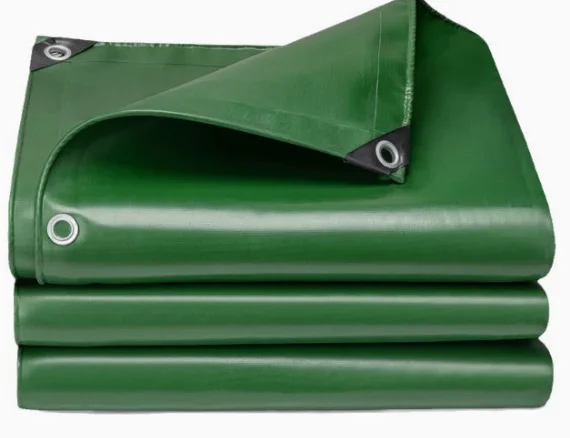
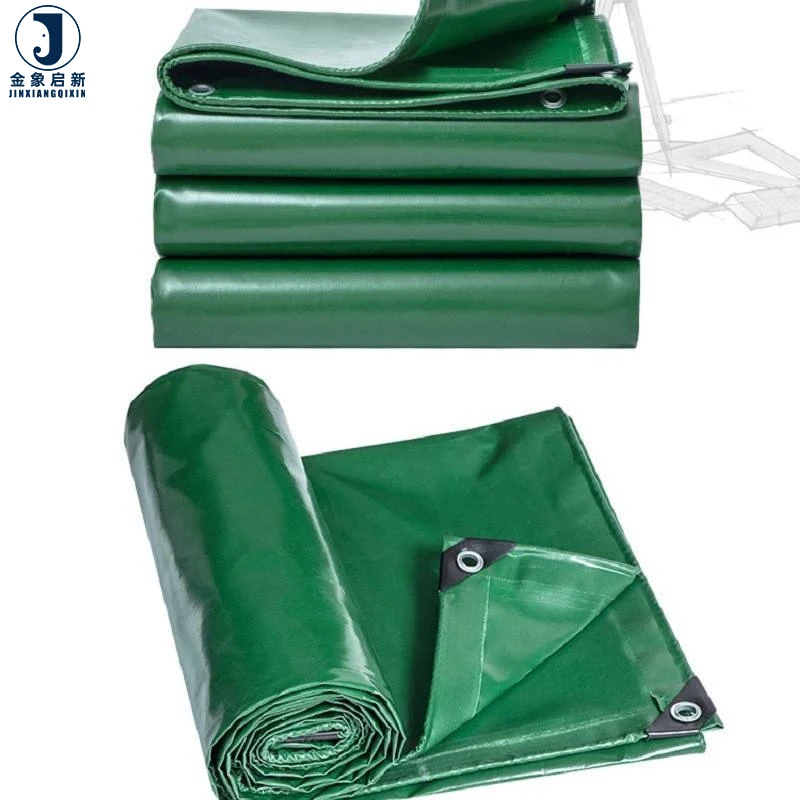
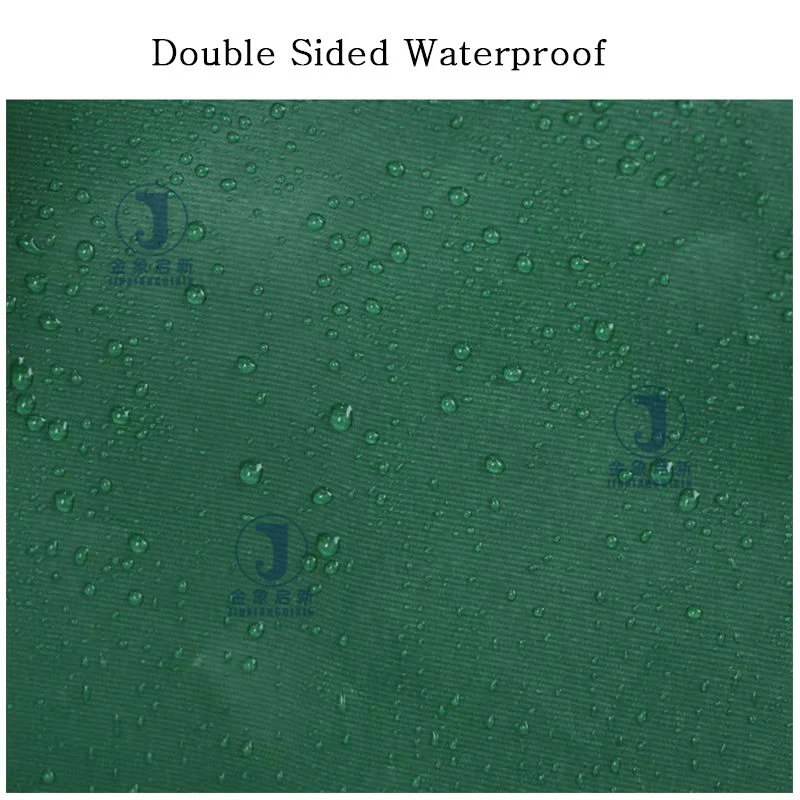
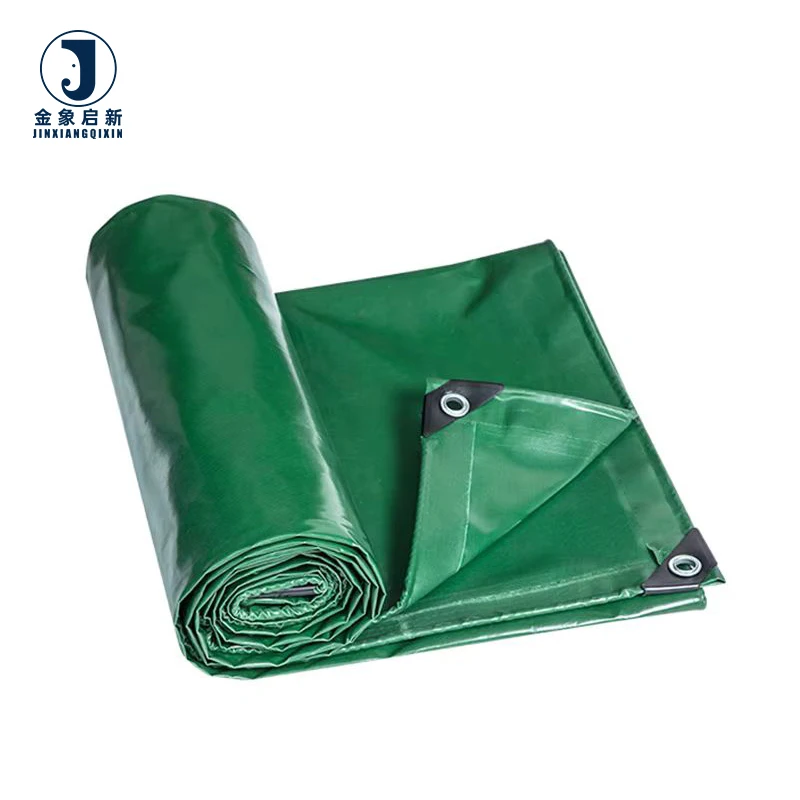
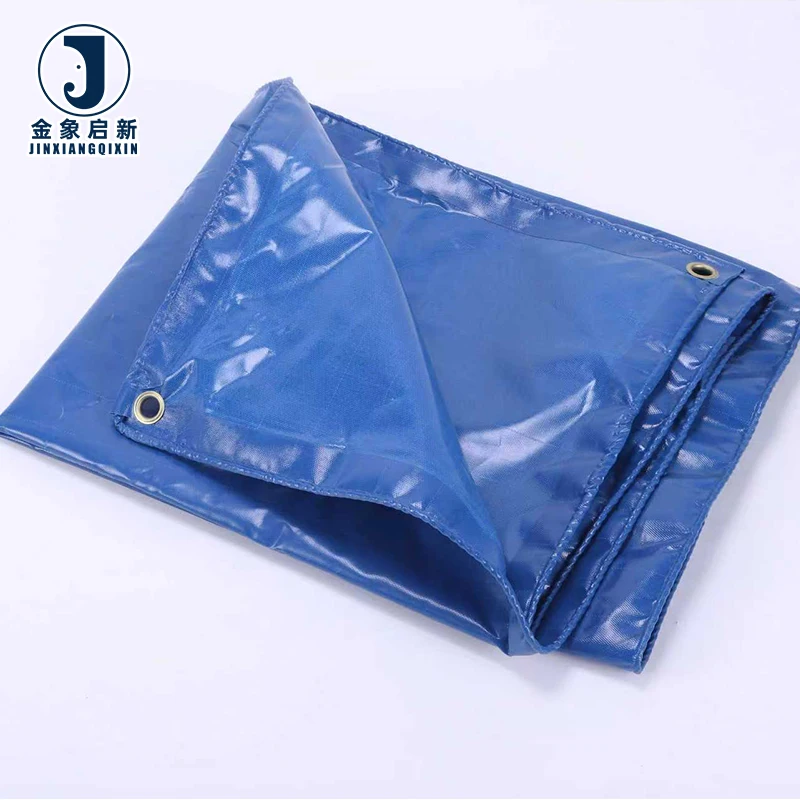
PVC Coated Fabric — Waterproof, High-strength, Wear and Tear Resistant woven vinyl sheeting for industrial and outdoor protective covers, available in roll and cut sizes with full customisation on colour, finish and treatment. Coating weight and GSM verified at every production stage through dedicated QA/QC, not just stated on paper. Supported by nearly 30 years of coating process control and 100% pre-shipment inspection across three full production lines.
Description
Coating Control at Every Stage — Each roll of this PVC Coated Fabric undergoes in-process QA checks on coating weight and adhesion before leaving the line, ensuring the GSM on your specification sheet matches the material on your dock.
Technical Specifications
| Parameter | Value |
|---|---|
| Product Type | PVC Coated Fabric |
| Material | PVC Vinyl |
| Weight | At least 450 GSM |
| Fabric Type | Woven Fabric |
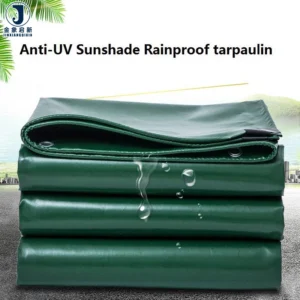
| Key Features | Waterproof, High-strength, Wear and tear resistant, Tearing resistant |
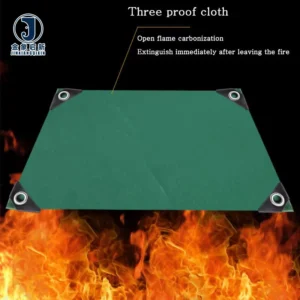
| Treatment Options | Anti-UV and flame retardant grades available — confirm the grade required for your market |
| Certification | ISO, CE |
Application Suitability
| Application | Exposure & Requirement |
|---|---|
| Industrial equipment covers | Constant outdoor UV exposure, abrasion from handling, moisture ingress prevention |
| Vehicle and truck covers | Wind load flexing, road debris impact, tie-down stress at attachment points |
| Structure and warehouse covers | Permanent weather exposure, thermal cycling, long-term tensile load on frame |
| Outdoor protective sheeting | Water pooling, puncture from sharp objects underneath, repeated folding and deployment |
Why GSM Alone Does Not Define a PVC Coated Fabric Purchase Decision
GSM tells you how much material is on the roll — it does not tell you how that material was put there or how it will perform under load.
I once watched a buyer reject an entire shipment because the rolls weighed in lighter than the quotation stated. That scene stuck with me because the problem was not just the weight discrepancy — it was the lack of any production record to explain where the coating weight dropped. A stated GSM means nothing without verification at the coating head. [NEED_CITE: coating weight verification methods for PVC coated fabric]
Batch Consistency Across the Production Run
When you order multiple rolls of PVC Coated Fabric for a single project, colour and weight must match from the first roll to the last. Our three full production lines are monitored by a dedicated QA team that tracks coating weight at each stage. Roll-to-roll consistency is not assumed — it is measured and recorded before any roll is cleared for packing.
Custom Sizing Without Prohibitive Minimums
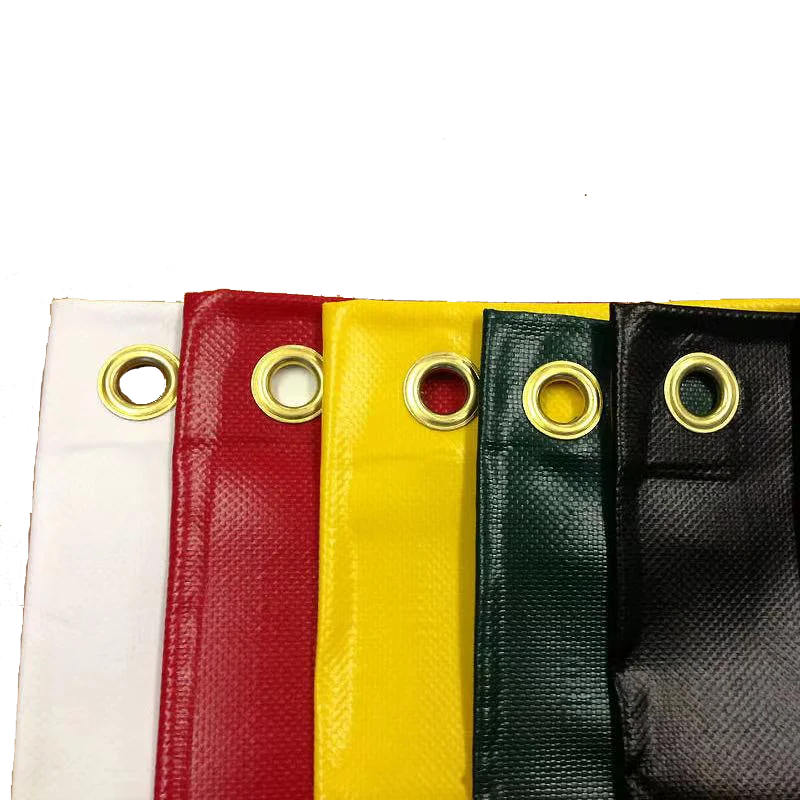
Fabricators and cover manufacturers often need specific widths, lengths, colours or printed branding. We develop samples within days for custom requirements and keep minimums accessible for PVC Coated Fabric aftermarket supplier orders. This means you can test a new colourway or width on a single roll before committing to a full container load.
How Base Fabric and Coating Weight Interact to Determine Real Strength
The woven fabric base provides tensile and tear resistance, while the PVC coating adds waterproofing, abrasion protection and UV shielding. The relationship between these two layers is what defines field performance. A heavier coating on a loosely woven base may give a high GSM reading but will not resist tearing as well as a moderately coated, tightly woven fabric. The denier of the yarn and the density of the weave determine how force distributes when the material is stressed at a seam or tie-down point. [NEED_CITE: tensile and tear test methods for coated fabrics per ISO 1421] Coating method also matters — knife-over-roll application typically produces stronger adhesion between coating and base than lamination, which affects how the material behaves during heat welding and long-term flexing. A glossy finish allows water to sheet off quickly and is easier to wipe clean, while a matte finish reduces glare and can improve print adhesion for branded covers.
The Hidden Cost of Specifying the Wrong Grade
A cover that fails at the welded seam before the fabric itself tears is almost always a specification error, not a material defect. When coating weight is too low for the flexing stress at the weld line, the heat-affected zone becomes the weakest point. Similarly, specifying a standard grade for an application that requires flame retardant treatment — without requesting a test report — leads to failed site inspections and rejected installations. Colour variation between rolls, visible only after installation side by side, forces costly replacement. These failures all originate in the specification stage, not on the production floor. [NEED_CITE: common failure modes in coated fabric specifications]
Why Buyers Source This PVC Coated Fabric Here
Our 10-person R&D team handles material selection, custom sizing and sample development specifically for coated fabric applications, meaning your specification question reaches someone who understands coating chemistry and weave structure. Three full production lines with 36 sets of professional equipment provide the capacity to deliver bulk roll orders on schedule. Every roll passes 100% pre-shipment inspection with documented weight checks — the same scrutiny I have applied since watching a lighter-than-specified batch get rejected at the unloading bay. We provide material specification sheets, test reports and customs documentation as standard, not as an afterthought. ISO and CE certification underpin our production process, and we have refined our coating control over years of focused production in this material category.
Documentation & Verification
- Material specification sheet stating GSM, base fabric denier, weave density and coating weight per roll
- Test reports for UV stability and flame retardant grades where applicable to your specification
- Pre-shipment inspection record with weight verification against the quoted GSM before dispatch
- Roll packing list with individual roll weights, dimensions and batch traceability codes
- ISO and CE certificates plus certificate of origin for customs clearance
Fabrication, Handling & Storage
- Heat welding parameters should be adjusted for the PVC coating thickness to ensure full bond without scorching the woven base
- Store rolls vertically on a clean, dry surface to prevent edge creasing that transfers into permanent marks on the coated surface
- Allow cold-stored rolls to acclimatise before unrolling to avoid coating stiffness and potential surface cracking
- Use mild detergent and a soft brush for cleaning — aggressive solvents can degrade the PVC coating layer over time
- Cut panels with allowance for weld seam overlap to maintain full waterproof coverage at fabricated joints
What We Need to Quote Your PVC Coated Fabric Requirement
To provide an accurate specification and lead time, please share your intended application, the environmental exposure conditions the cover will face, and whether you require flame retardant or UV treatment with a specific grade for your market. Let us know your required roll widths and lengths, annual volume estimate, and whether you need finished cut-to-size panels or roll stock for your own fabrication. If you have colour, finish or branding requirements, a reference sample or Pantone code helps us develop a matching sample quickly.
Frequently Asked Questions
Q: How do you guarantee GSM matches the quotation on delivery?
A: We monitor coating weight at the coating head during production and weigh each finished roll before packing. Our pre-shipment inspection record documents the actual weight per roll against your specified GSM, so you have written proof of what was shipped — not just what was quoted.
Q: Can you supply flame-retardant or anti-UV fabric with a verifiable test report?
A: Yes, we offer both flame retardant and anti-UV grades for this PVC Coated Fabric. We provide test reports that document the grade achieved under the relevant test standard. Confirm the specific grade your project or local code requires, and we will match the treatment accordingly.
Q: What are the minimums and lead times on custom colour, width or print?
A: Custom colour, width and printed branding are available with accessible minimums designed for trial runs before full commitment. Our 10-person R&D team develops colour and print samples within days. Lead times vary by order size and specification complexity — share your requirement and we will confirm the schedule.
Q: How do you ensure colour consistency across multiple rolls in one order?
A: Colour consistency is controlled through batch-matched raw material preparation and monitored across our production lines. Rolls in the same order are produced under identical coating conditions and inspected side by side before packing, preventing the visible variation that causes rejection after installation.
Related products
-
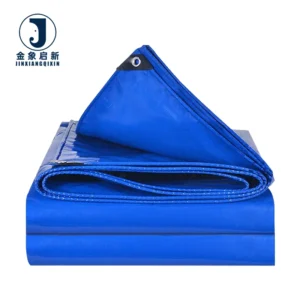
Pvc Plastic Canvas Strong Waterproof PVC Tarpaulin HDPE Coated Tarpaulin
¥1.80 Select options This product has multiple variants. The options may be chosen on the product page -
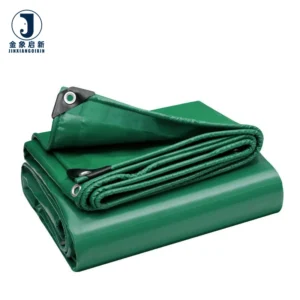
Factory Direct 20×30 Feet 13mil Heavy-Duty Vinyl Tarps PVC Tarpaulin for Firewood Roof Camping Patio Pool Boat Dump Trailer
¥2.60 Add to cart -
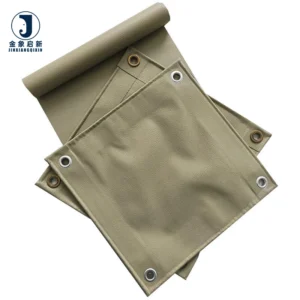
JX PVC Waterproof Fabric High-strength Sheeting for Industrial and Outdoor Coverings
¥1.90 Select options This product has multiple variants. The options may be chosen on the product page -
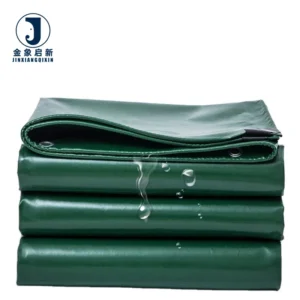
Factory Direct Sale Flatbed Trailer Tarps Black Heavy Duty Lumber Pe Tarp Flatbed Truck Transportation Tarpaulin Roll Sheet
¥1.25 Select options This product has multiple variants. The options may be chosen on the product page