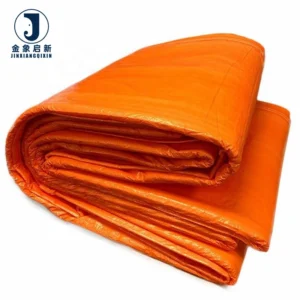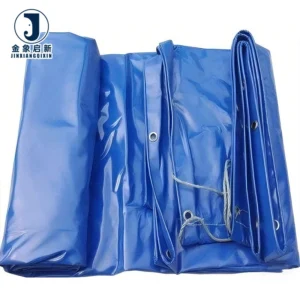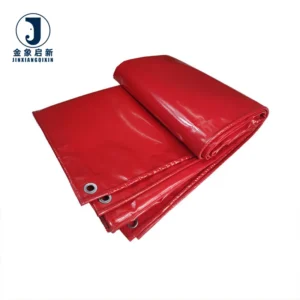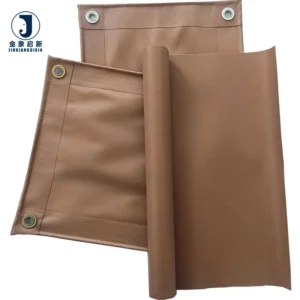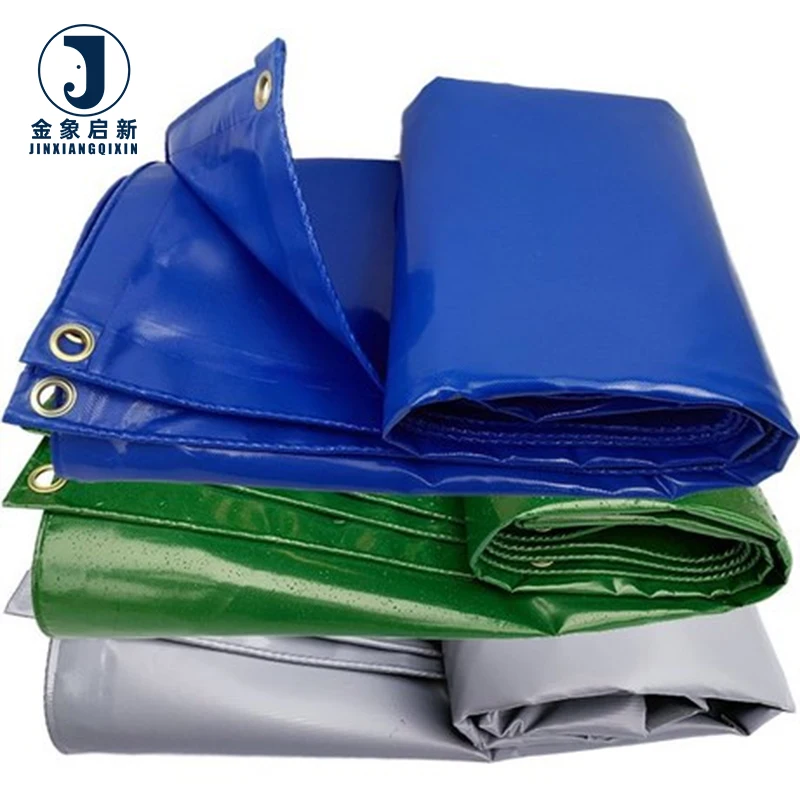
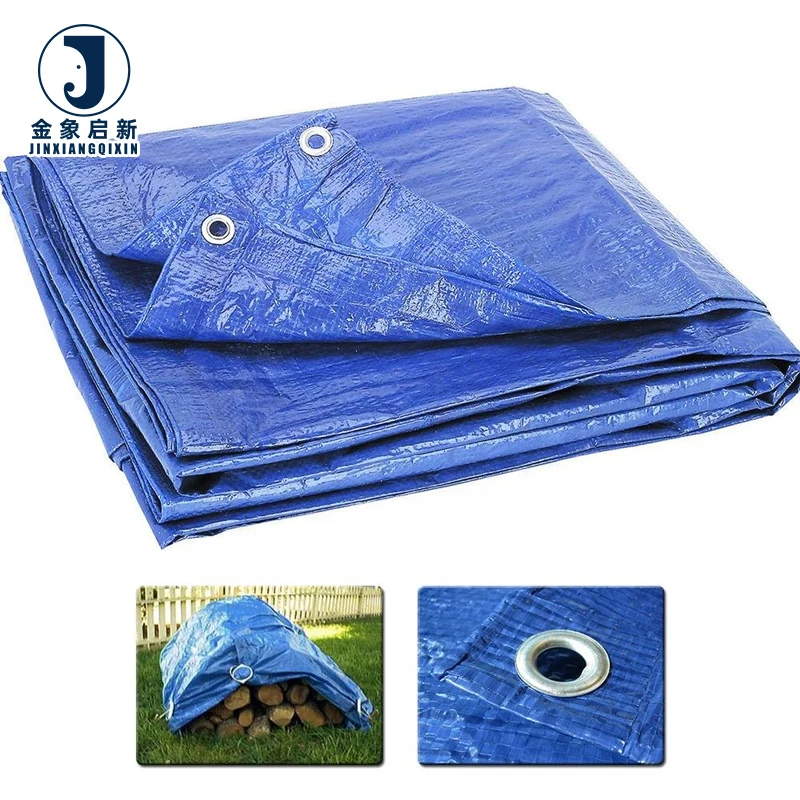
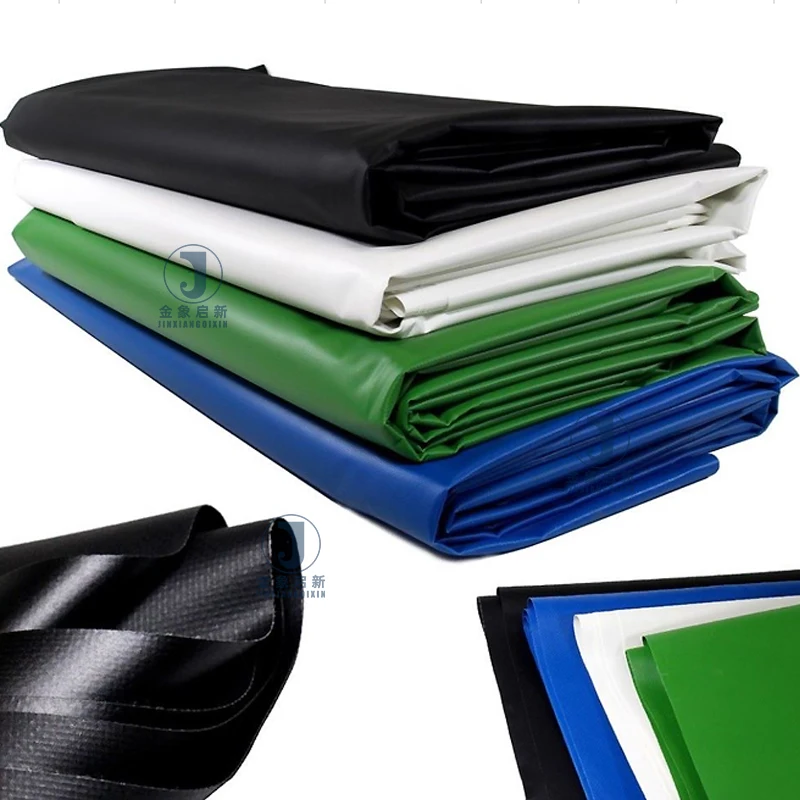
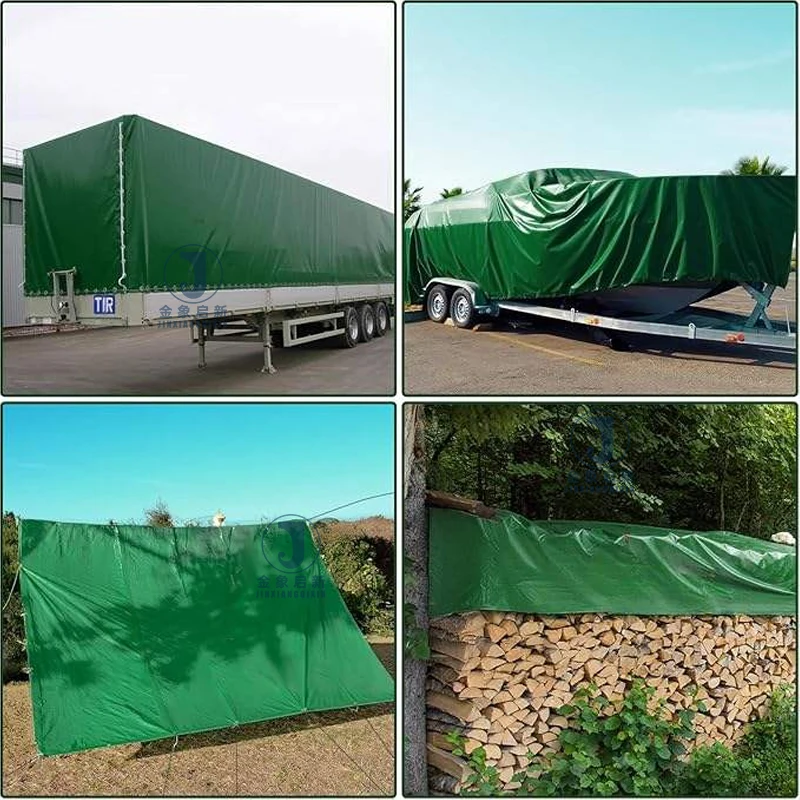
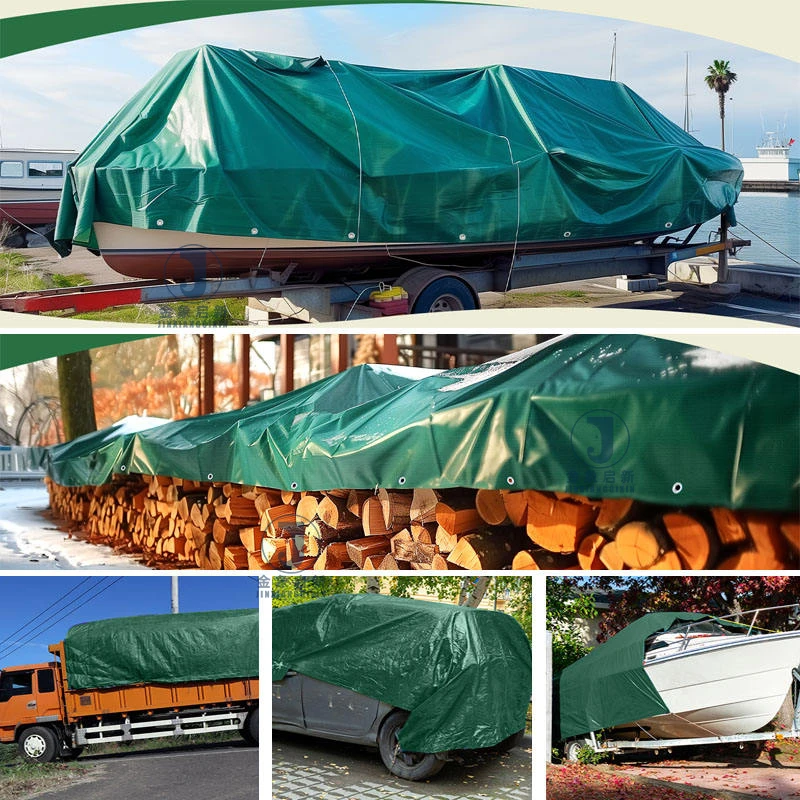
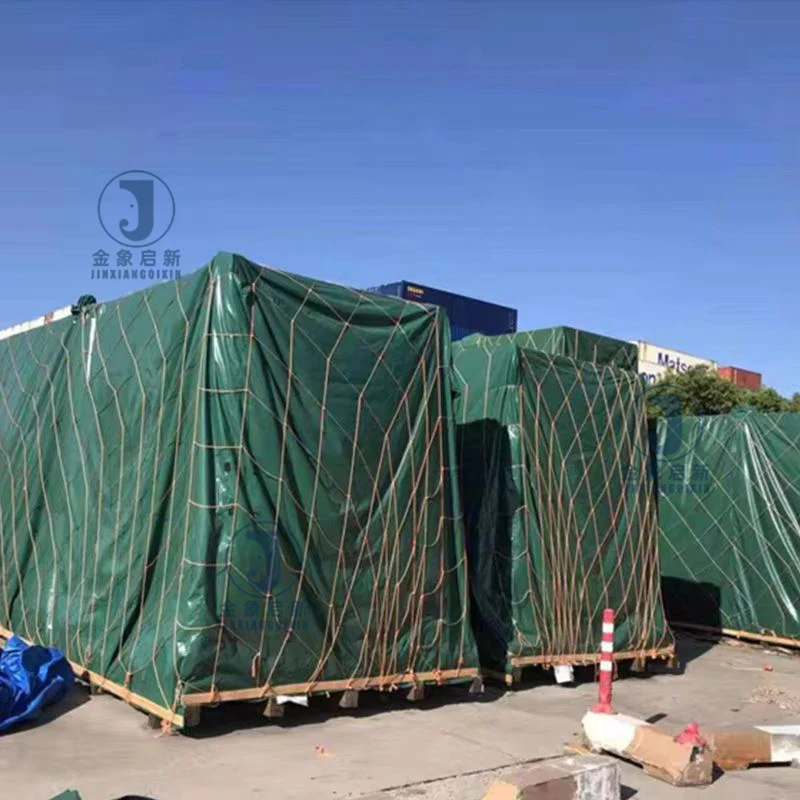
PVC Coated Fabric 450-900 g/m², 500D-500D Polyester Base, Anti-UV & Flame Retardant — engineered for truck covers, trailer side curtains, awnings, tents and industrial equipment protection.
Double-sided PVC coating ensures full waterproof sealing, while smooth leather-like surface allows clean welding and flex-resistant seams. Custom width, colour and print available per order with roll-to-roll consistency guaranteed.
- Water resistant, anti-UV and flame retardant treatments with test documentation
- Hot air weldable for durable on-site repairs and fabrication
Backed by 100% pre-shipment inspection, 3 production lines and dedicated QA at every stage.
Description
Coating Weight Control — Three dedicated production lines maintain precise PVC coating weight across the 450-900 g/m² range, verified roll-by-roll at pre-shipment inspection rather than quoted and forgotten.
Technical Specifications
| Parameter | Value |
|---|---|
| Product Type | PVC Coated Fabric |
| Yarn Count | 500D×500D |
| Base Material | PVC & Polyester |
| Weight Range | 450-900 g/m² (source value — verify against manufacturer catalog) |
| Surface Characteristics | Smooth and soft surface with a leather-like texture |
| Key Features | Water Resistant, Flame Retardant, Waterproof, Anti-UV |
| Service Life | 3-5 years (source value — verify against manufacturer catalog) |
| Repairability | Repairable by hot air welding |
| Packaging | Roll packing, bale packing, carton |
| Certifications | ISO, CE |
Application Suitability
| Application | Exposure & Requirement |
|---|---|
| Truck and trailer covers | Constant flexing at load points, road spray, UV exposure, abrasion from tie-down straps |
| Machine and equipment covers | Outdoor weathering, dust ingress prevention, repeated removal and refitting |
| Car covers | UV degradation, rain pooling, surface scratching from wind-driven debris |
| Wood and timber covers | Moisture penetration, fungal growth risk, long-term static loading |
| Awning structures | Tension loading, wind uplift, direct solar exposure, colour fastness under UV |
| Tent fabric | Weather sealing, structural tension, flame retardant compliance for public venues |
Why GSM Claims Without Verification Leave Buyers Exposed
The quotation says 650 GSM, but the roll that arrives weighs 580 — and nobody checks until the first seam tears in a crosswind.
I have seen this happen more times than I can count across the Shandong manufacturing belt. A buyer specifies a heavy-grade PVC coated fabric for trailer side curtains, the supplier quotes a GSM figure, and the material that ships is lighter than agreed. The fabric feels thinner on the roll, the tensile strength drops below what the application demands, and the welded seams fail within months. The problem is not always dishonesty — sometimes the coating line drifts between production runs and the discrepancy goes unnoticed because there is no pre-shipment weight verification in place. For anyone sourcing PVC coated fabric as an aftermarket supplier, the gap between quoted specification and delivered reality is where most disputes begin [NEED_CITE: pre-shipment inspection practices for coated fabric exports].
Coating Adhesion and the Double-Side Seal
This PVC coated fabric uses a polyester base fabric with PVC applied to both faces, creating a continuous waterproof envelope. The coating method determines how well the PVC bonds to the yarn — poor adhesion shows up as delamination when the fabric flexes repeatedly under load. On truck covers and side curtains, every kilometre of highway driving cycles the material through thousands of flex events. The double-sided construction here is designed to keep the coating locked to the base fabric through that fatigue cycle, which matters more than raw thickness when you are specifying a PVC coated fabric aftermarket supplier for fleet applications.
Colour Matching Across Multi-Roll Orders
One of the hardest problems in coated fabric production is holding colour consistency when an order spans several rolls. Slight variations in pigment batch, coating temperature, or line speed can shift the shade enough to become visible once two panels hang side by side on a structure. This PVC coated fabric is produced with colour matching controlled within a single batch, so that rolls cut from the same production run install without visible mismatch. For tent manufacturers and awning fabricators buying by the roll, this batch-level colour control removes the need to sort and reject panels on the factory floor.
How Yarn Count and Coating Weight Shape Real Performance
The 500D×500D polyester base provides the structural skeleton — the denier count determines individual yarn thickness, and the weave density controls how those yarns distribute load. A heavier coating does not automatically mean a stronger fabric. If the base fabric is loosely woven, the PVC simply fills the gaps without adding meaningful tensile or tear resistance. The coating weight across the 450-900 g/m² range works in conjunction with the 500D yarn to balance flexibility with mechanical strength. Lower GSM grades suit applications where the fabric must fold and drape — car covers, temporary enclosures — while the upper range serves heavy-duty truck tarps and construction covers that resist puncture and sustained wind loading [NEED_CITE: tensile and tear test methods for coated fabrics per ISO 1421]. The smooth, leather-like surface texture also plays a functional role: it sheds water and dirt more effectively than a coarse finish, which reduces the cleaning burden on site equipment covers and extends the intervals between maintenance washes.
The Cost of Overlooking Flame Retardant Grades
Flame retardant is written on the quotation, but which grade? A B1 classification under DIN 4102 means something entirely different from a basic self-extinguishing claim with no test report behind it. I once worked with a buyer who specified flame retardant PVC coated fabric for a temporary event structure — the material arrived, the fire inspector rejected it because the test report did not match the local building code requirement. The entire installation had to be pulled down and replaced at the buyer’s cost. This PVC coated fabric is available in flame retardant grades — confirm the grade required for your market before placing the order, and request the corresponding test report so there are no surprises at inspection time [NEED_CITE: DIN 4102 fire classification for building materials]. The same principle applies to anti-UV treatment: if the quotation claims UV stabilisation, ask for the test basis rather than accepting the claim at face value.
Why Buyers Consolidate PVC Coated Fabric Orders Here
Coating weight control starts at the formulation stage and is monitored through each of the three production lines, so the GSM stated on the specification sheet is the GSM that ships.
A 10-person R&D team handles custom width, colour matching, and pattern printing requests — sample development runs within days rather than weeks, which matters when you are trying to lock down a specification before a project deadline.
Every roll passes through a dedicated QA/QC check at multiple production stages, with a full pre-shipment inspection before dispatch — not a spot check, a complete verification against the order specification.
The product range spans from lightweight covers to heavy-duty industrial grades, which means you can source your entire PVC coated fabric requirement from one production facility rather than managing multiple suppliers with different lead times and colour standards.
Documentation travels with the shipment: material specification sheets, test reports for treated grades, and packing lists that let you verify roll counts and weights on arrival without guesswork.
Documentation & Verification
- Material specification sheet listing GSM, base fabric denier, and coating type per roll
- Flame retardant and anti-UV test reports provided for treated grades upon confirmation
- Pre-shipment inspection record confirming weight and colour against order specification
- Roll packing list with individual roll identification for receiving verification
- Certificate of origin and customs documentation for international dispatch
Fabrication, Handling & Storage
- Hot air welding suits the PVC coating composition — calibrate temperature and speed to the specific GSM grade before production runs
- Reinforced hems and eyelet placement should be positioned to match the load-bearing direction of the 500D×500D base weave
- Store rolls upright on pallets in a shaded area to prevent flat-spotting and surface deformation of the coating
- Allow cold-stored rolls to acclimatise before unrolling to avoid cracking the PVC coating at low temperature
- Use mild detergent for cleaning — solvent-based cleaners can degrade the smooth leather-like surface finish over time
- Field repairs are feasible with hot air welding equipment, matching the base coating composition for a lasting bond
What to Include in Your Enquiry
Specify the application and the environmental conditions the fabric will face — truck side curtain, outdoor equipment cover, or tensioned tent structure each demand different GSM grades and treatment levels. Indicate your target market’s fire safety or building code requirements so the correct flame retardant grade can be matched. Provide your required width, roll length, colour reference, and whether you need finished cut-to-size panels or roll stock for your own fabrication line.
Frequently Asked Questions
Q: What GSM range is available and how is it verified on delivery?
A: This PVC coated fabric covers the 450-900 g/m² range. Each roll is checked during pre-shipment inspection against the GSM stated on the material specification sheet. Weight verification is documented so you can confirm the delivered material matches what was quoted — not just at the sampling stage but on the actual production rolls that ship to your facility.
Q: Can flame retardant or anti-UV treatment be confirmed with a test report?
A: Yes — flame retardant and anti-UV grades are available for this fabric. The specific grade must be confirmed against your local regulatory requirements before production. Test reports corresponding to the specified treatment level are supplied with the shipment documentation, so your compliance team has the evidence needed for inspection approval on site.
Q: Is custom width, colour and print available on small trial orders?
A: Custom width, colour matching, and pattern printing are supported by the in-house R&D team. Samples are developed within days for approval before bulk production proceeds. Trial order minimums and lead times depend on the specific customisation requested — confirm your requirements during the enquiry stage so the quotation reflects accurate minimums and scheduling.
Q: How do you ensure colour consistency across multiple rolls in one order?
A: Colour consistency is controlled by producing all rolls within the same order from matched pigment batches on the same production line. This eliminates the shade variation that occurs when rolls from different production runs are installed side by side. The pre-shipment inspection includes a visual colour check across all rolls before dispatch.
Q: What documentation ships with the order?
A: Every shipment includes a material specification sheet, a roll packing list with individual roll identification, and a certificate of origin. For treated grades, the relevant flame retardant or anti-UV test report accompanies the documentation package. ISO and CE certificates are available for compliance records and can be provided during the enquiry stage if required.
Related products
-
450gsm Green Heavy-duty Waterproof Tarps & Groundsheets Pvc Tarpaulin
¥1.25 Select options This product has multiple variants. The options may be chosen on the product page -
500gsm MULTI-PURPOSE Green Waterproof Green Tarp for Emergency Rain Shelter. Outdoor Cover
¥7.72 Select options This product has multiple variants. The options may be chosen on the product page -
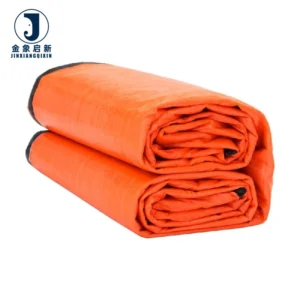
Factory 12ftx20ft Construction Cold Weather Insulated Pe Tarps Poly Tarp Heavy Duty Concrete Curing Blanket Tarpaulin Roll Sheet
¥0.66 Add to cart -
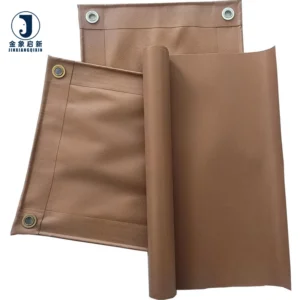
Waterproof Custom 1000D 550GSM/900GSM Self Clean PVC Coated Tarpaulin for Truck. Tent. Roof Cover Flood Barrier
¥0.99 Select options This product has multiple variants. The options may be chosen on the product page