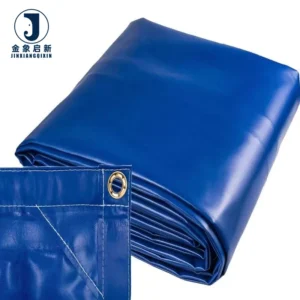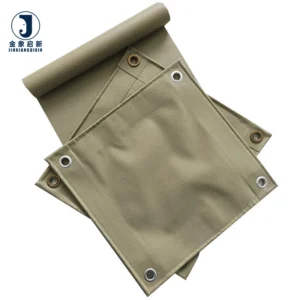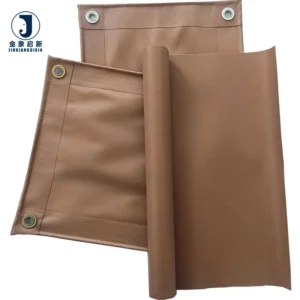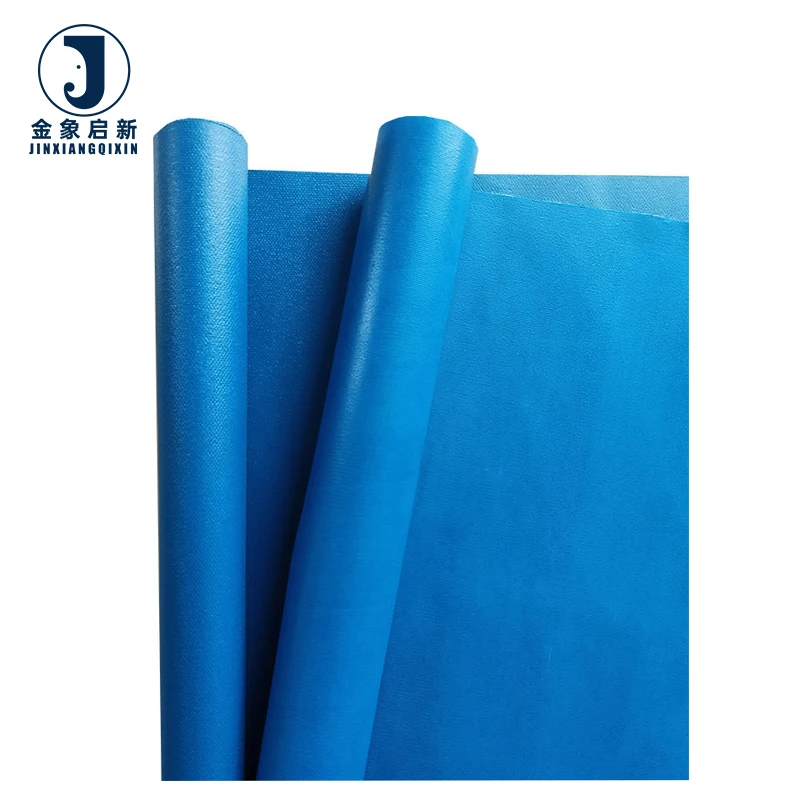
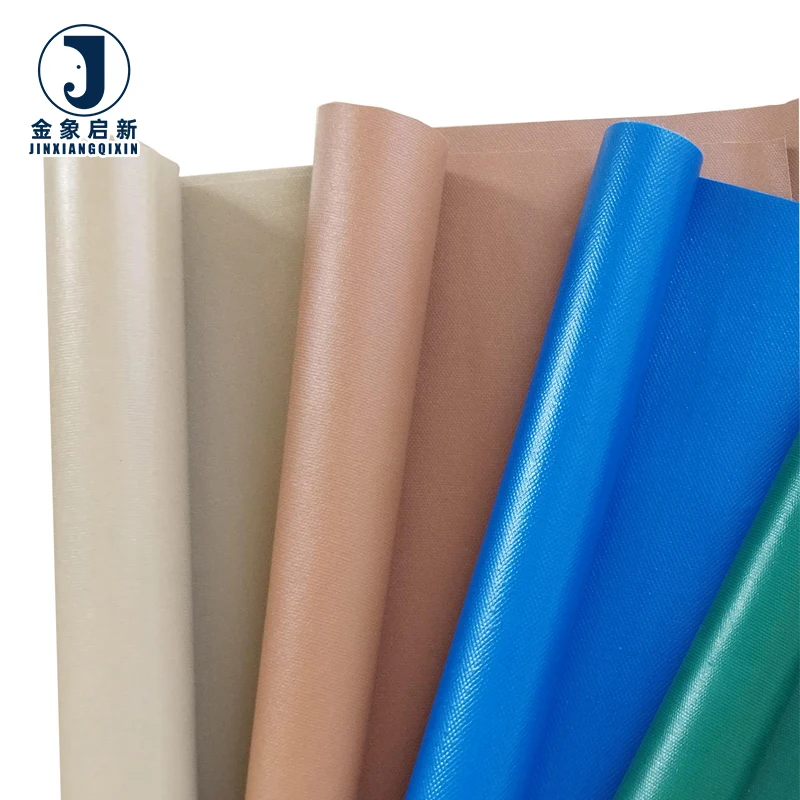
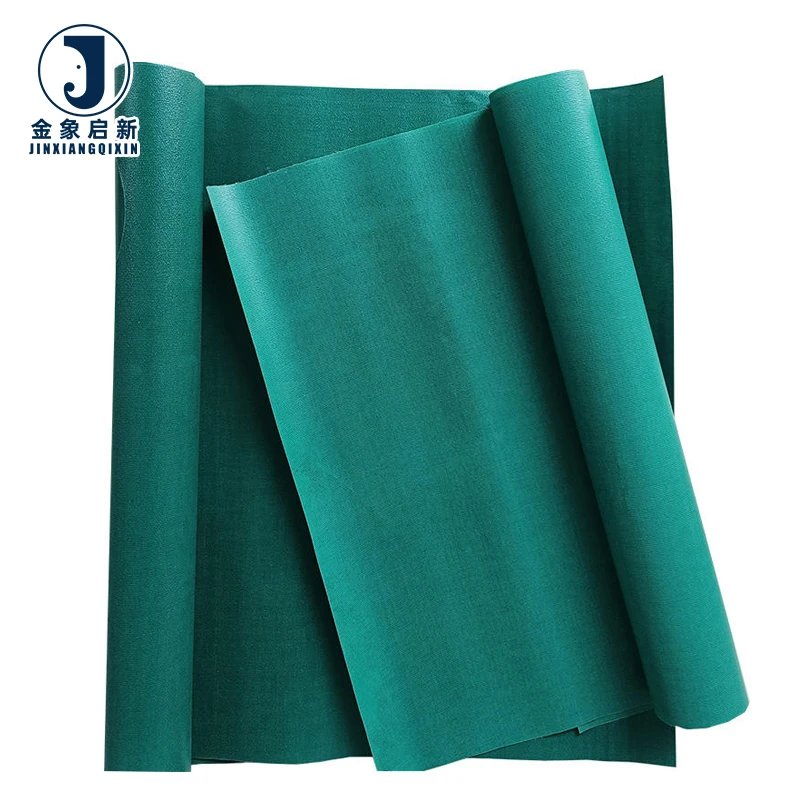
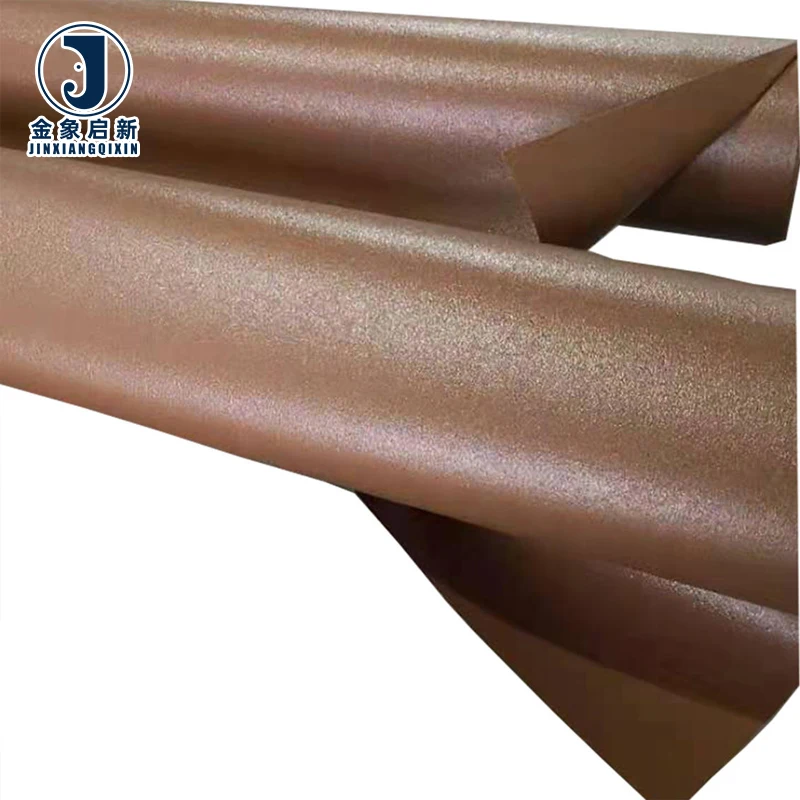
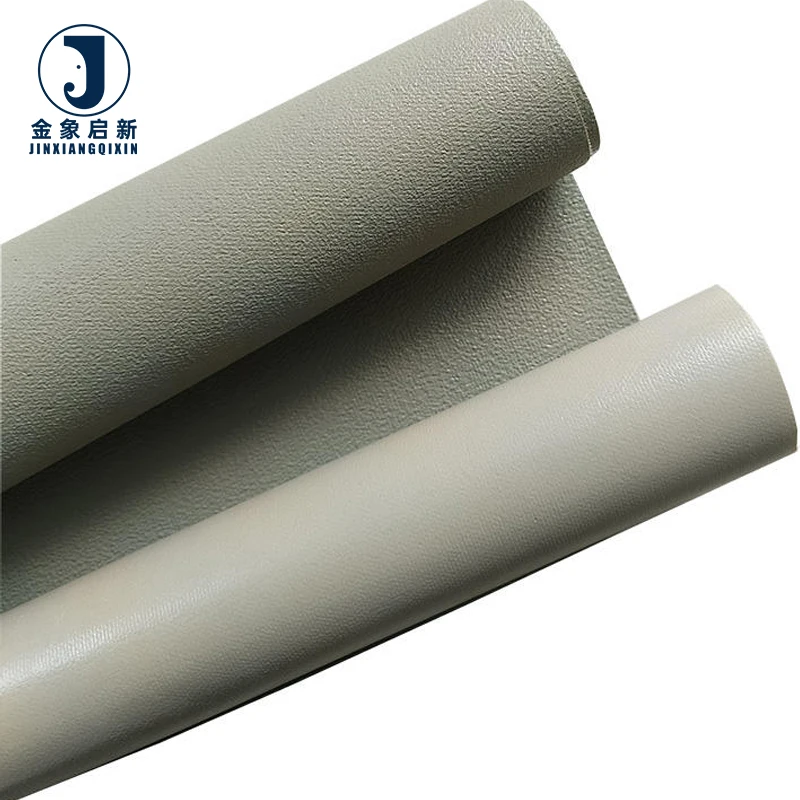
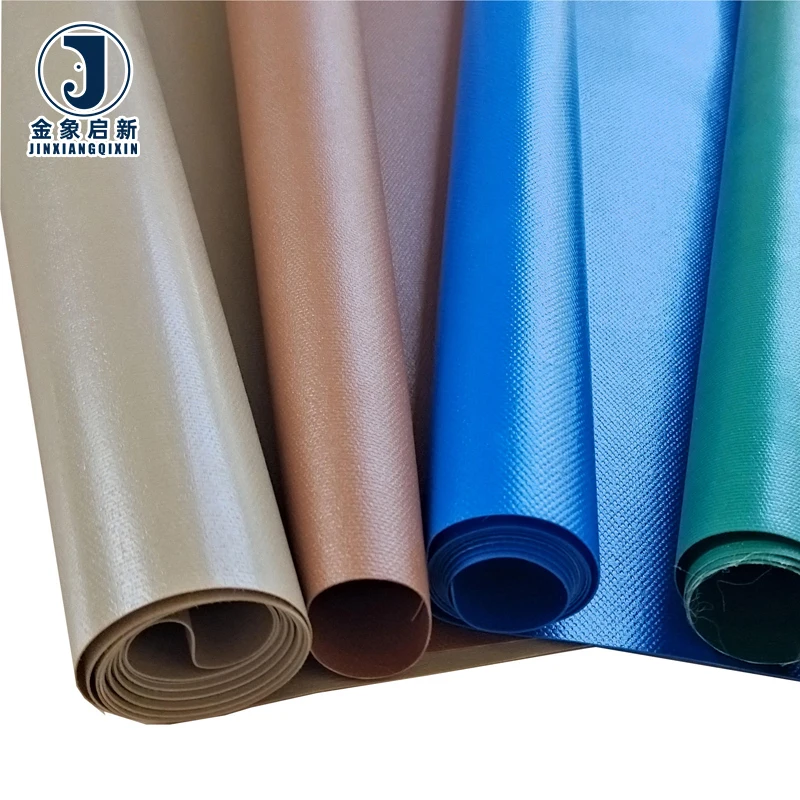
Fireproof PVC Coated Tarpaulin available in 500gsm and 600gsm with flame retardant, anti-static, anti-cold, and anti-mildew treatments. Customizable dimensions cut to exact trailer models rather than generic sizes.
- Full catalogue range covering product families, treatment options, sizing and printing from design to delivery
- Dedicated QA/QC at every production stage with 100% inspection before shipment, ensuring GSM weight on arrival matches quotation specification
- Material specification sheet, test reports for applicable treatments, and pre-shipment inspection record provided with every dispatch
Description
Precision-Coated Fabric Capability — Every roll of fireproof PVC coated tarpaulin undergoes 100% pre-shipment weight verification against your specified GSM, ensuring truck cargo covers perform to exact material requirements without variance.
Technical Specifications
| Parameter | Value |
|---|---|
| Product Type | PVC Coated Tarpaulin |
| Weight | 500gsm, 600gsm |
| Coating Material | PVC |
| Flame Retardant Grade | Fireproof (grade not stated — confirm required standard) |
| Anti-Static Treatment | Anti-static (standard not stated — verify compliance need) |
| Anti-Mildew | Available |
| Weather Protection | Waterproof, UV treated |
| Customization | Size, colour, eyelet placement, reinforced hems |
Application Suitability
| Application | Exposure & Requirement |
|---|---|
| Truck cargo covers | Road abrasion, constant flexing at load points, weather exposure, tie-down stress |
| Construction site covers | UV degradation, puncture from equipment, wind loading, temporary weather barrier |
| Industrial transport loads | Chemical splash, moisture ingress, static discharge risk in hazardous zones |
| Equipment covers | Outdoor storage, temperature cycling, mildew in humid climates |
Why "Fireproof" Needs a Grade Specification Behind It
A flame retardant claim without a documented test standard leaves your shipment vulnerable to rejection at the destination port.
When logistics fleets specify fire-retardant truck covers, they need documentation that maps to their local fire safety codes. A PVC coated tarpaulin manufacturer custom producing to order must provide the specific grade — whether that aligns with European building material classifications, transport safety standards, or industrial workplace regulations. Without this alignment, covers pass factory inspection but fail site audits, forcing costly replacement mid-contract [NEED_CITE: fire classification standards for transport and construction textiles].
Coating Weight Control Across the Product Range
The 500gsm and 600gsm grades serve different load-protection requirements within fleet operations. Lighter grades suit temporary covers where weight impacts fuel consumption on long-haul routes. Heavier grades handle continuous outdoor exposure and resist puncture from sharp-edged cargo. As a PVC coated tarpaulin manufacturer custom producing to your specification, we verify coating weight at multiple production stages — not just at the quoting phase — to ensure the roll leaving the factory matches the material you approved in sampling.
Treatment Packages Matched to Operating Environment
Flame retardant and anti-static treatments address distinct hazards. Static buildup matters in environments handling combustible dust or flammable vapours, where a discharge could ignite the atmosphere. Flame retardant grades address scenarios where the cover itself must not propagate fire — think construction sites with hot work nearby or transport through tunnels with strict fire codes. Anti-mildew treatment extends service life in humid storage or tropical route operations where fungal growth degrades coating adhesion over time [NEED_CITE: anti-microbial treatment standards for coated technical textiles].
How GSM and Base Fabric Interact to Determine Real Strength
Coating weight alone does not predict how a truck cargo cover handles tie-down loads or resists tear propagation. The base fabric denier and weave density work together with PVC coating thickness. A 600gsm fabric with low-density base weave may tear more easily than a 500gsm fabric engineered with high-tenacity yarns. The coating method — whether knife-over-roll, dip coating, or calendering — affects how deeply PVC penetrates the weave, influencing peel strength at welded seams. For truck covers flexing constantly during transit, seam integrity often determines useful life more than face fabric strength. This is why material specification sheets should detail base fabric construction alongside total GSM, allowing technical buyers to evaluate the complete system rather than a single number.
The Cost of Specification Drift Between Quote and Delivery
Covers arriving lighter than quoted create cascading failures. A truck cover specified at 600gsm but delivered at 540gsm will abrade through faster at high-wear points — corners where tie-downs attach, edges rubbing against trailer rails. The PVC coating thins prematurely, exposing base fabric to UV degradation and moisture. Flame retardant treatment applied at lower concentration to save cost may not achieve the claimed performance, discovered only when a site safety officer requests documentation. Colour variation between rolls in the same order becomes visible once installed on adjacent vehicles, forcing aesthetic complaints from brand-conscious fleet operators [NEED_CITE: common failure modes in coated fabric covers under transport conditions].
Production Capability Aligned with Transport Sector Requirements
Three full production lines and 36 sets of professional equipment support consistent output across custom truck cargo cover orders. The 10-person R&D team develops samples within days when you need to validate sizing, eyelet placement, or treatment combinations before committing to bulk. Dedicated QA/QC at every stage means coating weight gets measured during production, not just assumed from formulation settings. Nearly 30 years focused on PVC coated fabric has built process knowledge that prevents the adhesion failures and seam delamination that plague generic tarpaulin supplies. Material specification sheets, test reports for applicable treatments, and pre-shipment inspection records ship with every order, giving your procurement team the documentation trail they need.
Documentation & Verification
- Material specification sheet stating GSM, base fabric denier, coating type, and colour reference for your PVC coated tarpaulin order
- Test reports for flame retardant and anti-static grades where specified, mapping to your target market requirements
- Pre-shipment inspection record with roll-by-roll weight verification against quoted 500gsm or 600gsm specification
- Certificate of origin and customs documentation supporting smooth import clearance
Fabrication, Handling & Storage
- Heat welding parameters must account for PVC coating thickness at 500gsm or 600gsm to achieve proper seam fusion without scorching
- Eyelet placement at stress points requires reinforced hem construction to prevent pull-through under tie-down tension
- Store rolls horizontally on pallets to prevent permanent creasing that weakens coating adhesion at fold lines
- Allow cold-stored PVC coated tarpaulin to reach ambient temperature before unrolling to avoid coating crack damage
- Cut patterns to maximise yield from roll width while maintaining grain direction for consistent drape and strength
What We Need to Quote Your Truck Cargo Cover Project
Provide your trailer dimensions or standard cover sizes, annual volume requirements, and the specific fire safety or anti-static standards your operating regions mandate. If you need custom colour matching or printed branding across multiple rolls, share Pantone references and artwork early to validate batch consistency. Confirm whether you require finished covers with eyelets and hems, or roll stock for your own fabrication facility. Sample development happens before production commitment, so you can verify material hand, weld behaviour, and treatment performance against your application requirements.
Frequently Asked Questions
Q: How do you verify the GSM weight matches what was quoted?
A: Every roll undergoes weight measurement during pre-shipment inspection. We provide a documented record showing actual GSM for each roll against your specified 500gsm or 600gsm requirement. This verification catches any variance before the material leaves our facility, not after arrival when returns become costly and time-consuming.
Q: Can you provide test reports for flame retardant or anti-static treatments?
A: Yes, test reports are issued for treatment grades where applicable. Specify the standard your destination market requires — different regions mandate different fire classifications and anti-static thresholds. We confirm which grades we can supply with documentation before production begins, avoiding shipment rejection due to compliance gaps.
Q: Do you make truck covers to fit specific trailer models?
A: Custom sizing is standard capability. Provide trailer dimensions or model references, and we produce covers cut to exact fitment rather than generic sizes that leave excess material flapping in wind or fail to protect vulnerable corners. Eyelet placement and reinforcement can be positioned to match your tie-down configuration.
Q: How do you ensure colour consistency across multiple rolls in one order?
A: Batch colour control happens through formulation management and in-process comparison. Rolls within a single production run are checked side-by-side before dispatch. For large orders spanning multiple production batches, we retain reference samples to maintain colour continuity, preventing visible variation once covers are installed on adjacent vehicles.
Related products
-
Pvc Plastic Canvas Strong Waterproof PVC Tarpaulin HDPE Coated Tarpaulin
¥1.80 Select options This product has multiple variants. The options may be chosen on the product page -
PVC-coated Waterproof Heavy-duty Vinyl Industrial Outdoor Reinforced Tarpaulins for Tents and Truck Covers
¥1.45 Add to cart -

Hotsale Custom China Supplier Super Strength Industrial Grade 680GSM RIPSTOP PVC Tarpaulin for Builders Roof Tarp and Sheeting
¥2.80 Add to cart -
Secure Green PVC Coated Blackout Tarpaulin Truck Tent Cover Anti-Aging Waterproof Folding Design Breathable Woven Technics
¥0.83 Select options This product has multiple variants. The options may be chosen on the product page