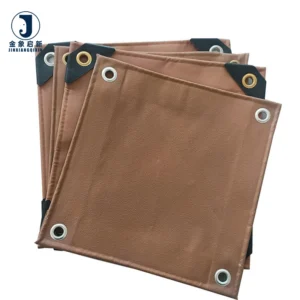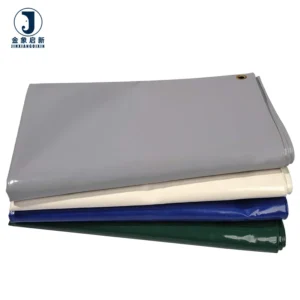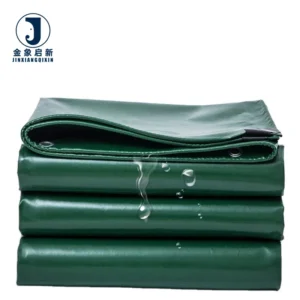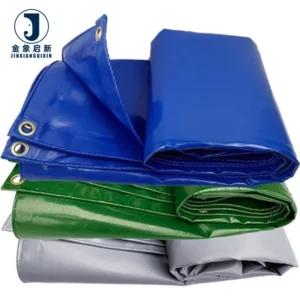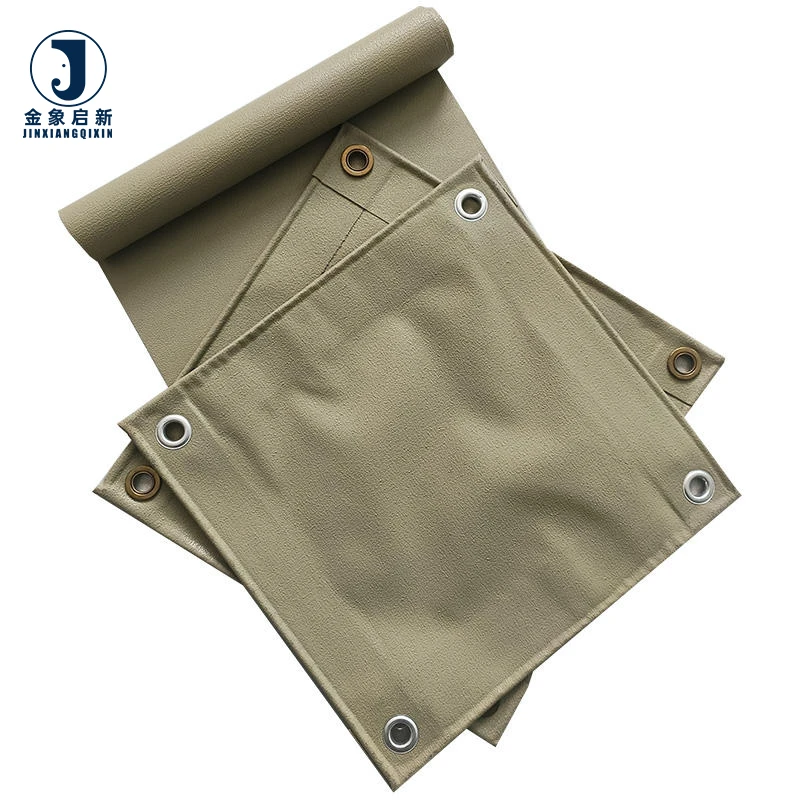
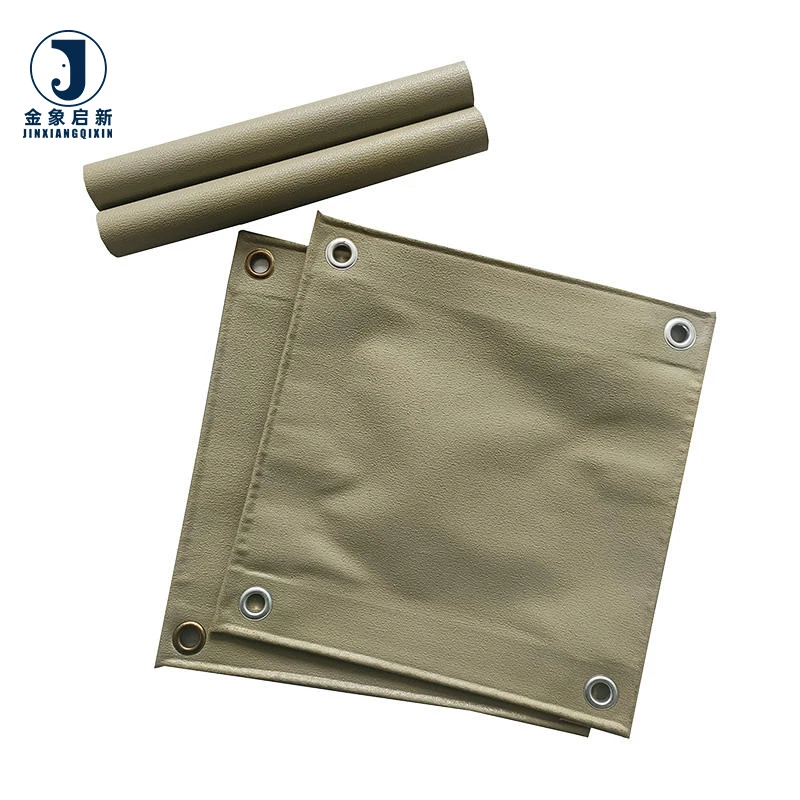
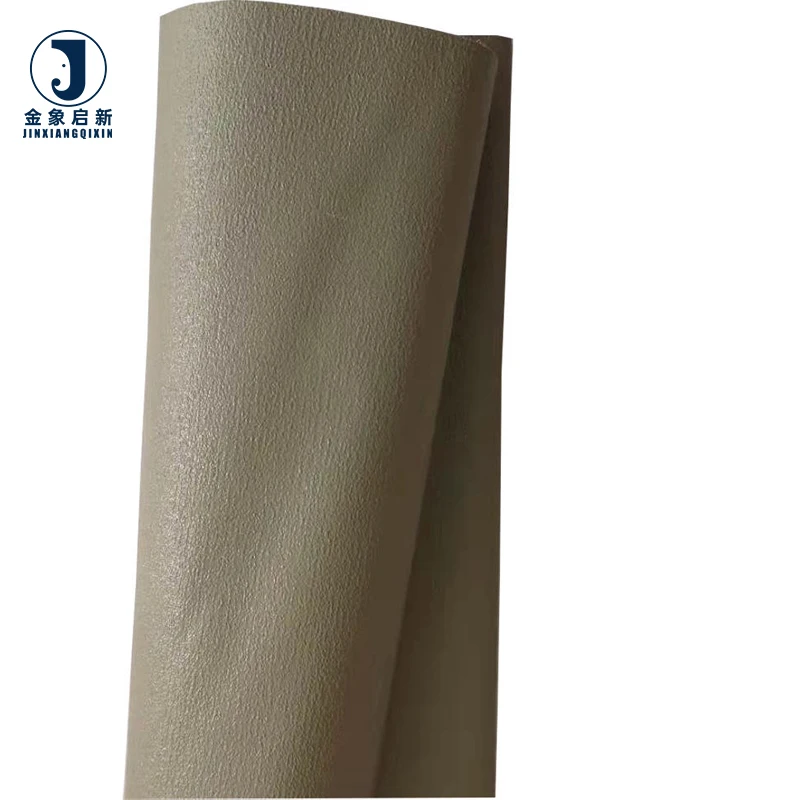
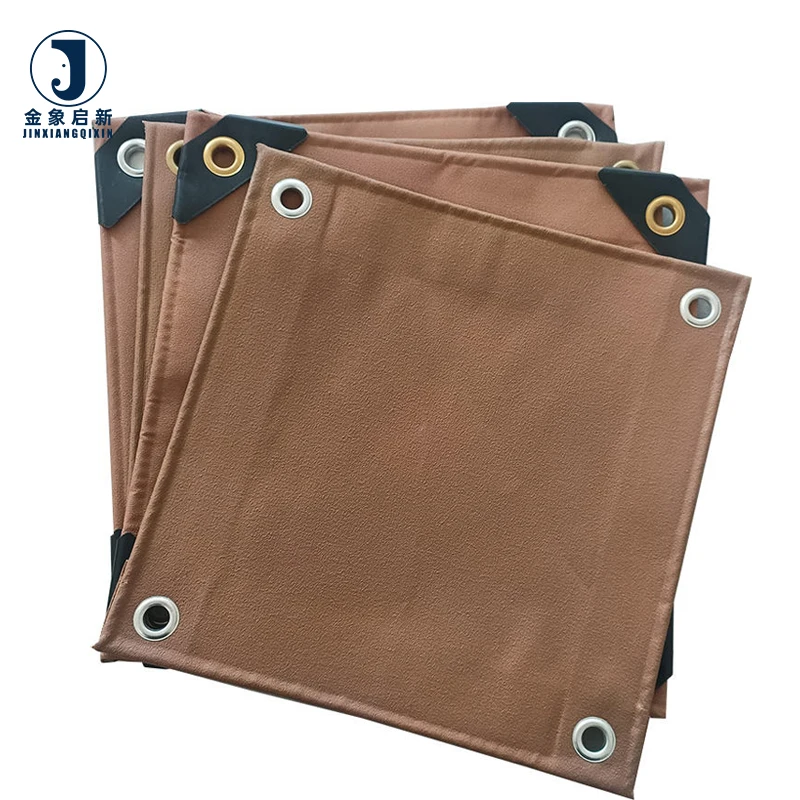
PVC Coated Tarpaulin Truck Cargo Cover 700gsm / 850gsm / 900gsm — full-range truck tarpaulin with flame retardant, anti-static, anti-cold and anti-mildew treatment options for transport fleet load protection.
- Deep process control over coating weight and adhesion built on nearly 30 years of coated fabric expertise ensures GSM matches your specification on arrival.
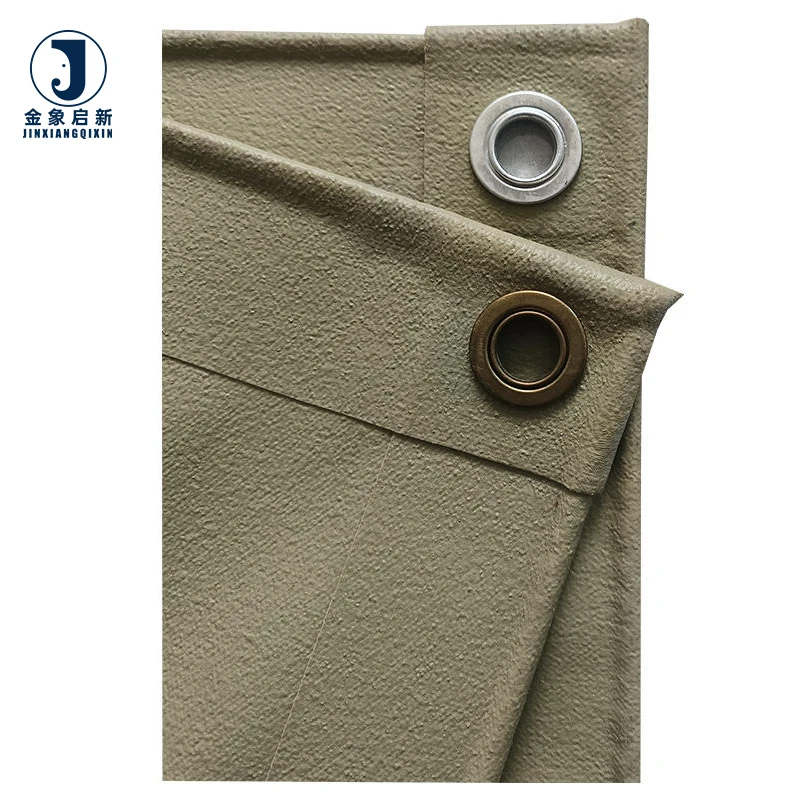
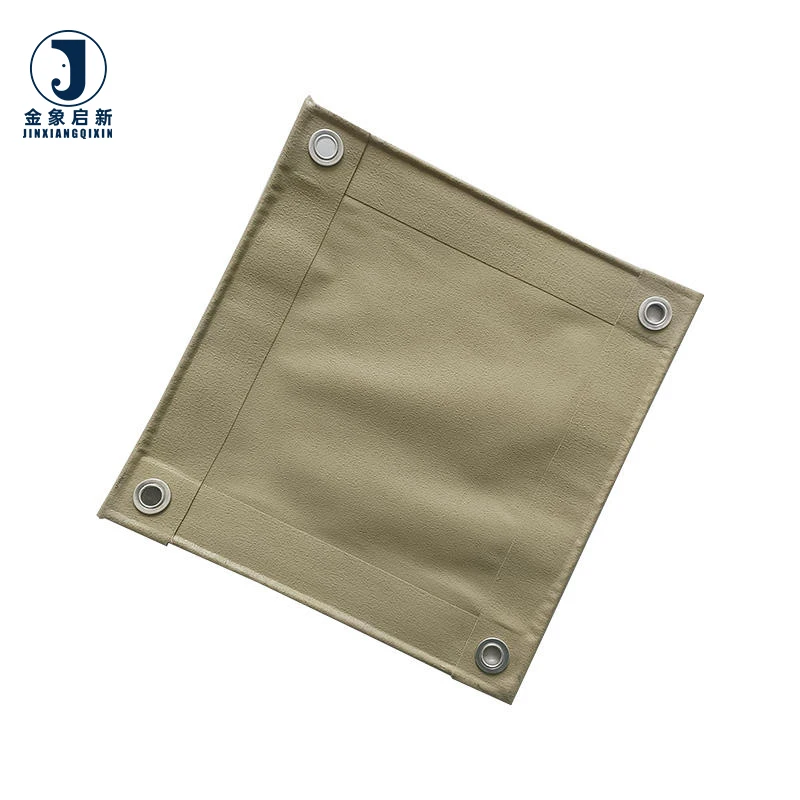
- Custom width, length, eyelet placement and reinforced hems handled in-house by our 10-person R&D team — one source from roll stock to finished cover.
Backed by 100% pre-shipment inspection and documented QA at every production stage.
Description
Custom PVC Coated Tarpaulin for Truck Cargo Cover – Full Range
Deep Coating Process Control — Nearly 30 years focused on PVC coated fabric ensures consistent coating weight and adhesion across every roll and finished cover produced.
Technical Specifications
| Parameter | Value |
|---|---|
| Product Type | PVC Coated Tarpaulin |
| Material | PVC Coated Fabric |
| Weight Options | 700gsm / 850gsm / 900gsm |
| Coating Material | PVC |
| Waterproof | Yes |
| Anti-Mildew | Yes |
| Anti-Cold Treatment | Yes |
| Flame Retardant | Available in flame retardant grades — confirm the grade required for your market |
| Anti-Static | Available in anti-static grades — confirm the standard required for your site |
| UV Treatment | UV stabilised options available — request test basis for your climate zone |
| Weather Resistance | 1–3 years outdoor life assurance |
| Application Feature | High strength base fabric for installation durability |
Application Suitability
| Application | Exposure & Requirement |
|---|---|
| Long-haul truck and trailer cargo covers | Continuous road vibration, wind flap, UV and rain exposure, tie-down load at eyelets |
| Construction equipment protection on open-bed vehicles | Abrasion from shifting loads, dust and moisture ingress, site handling damage |
| Transport fleet side curtain systems | Repeated flex cycles at load points, thermal expansion in sun, road spray |
Why Generic-Cut Covers Fail Where the Load Flexes Most
A cover must be patterned to the exact vehicle make and model, not cut from a standard sheet.
Truck covers cut to generic dimensions leave excess material that flaps in highway winds, creating abrasion at the hem and allowing water to pool and seep through. When a PVC tarpaulin truck cover custom fitted to your trailer replaces that generic cut, the fabric sits taut against the load profile. [NEED_CITE: wind flap as primary cause of tarpaulin edge abrasion on transport covers]. Operators running mixed fleets often discover that a single generic size does not account for differences in trailer height, side rail position or rear door clearance between manufacturers.
Sizing That Follows the Trailer, Not the Cutting Table
Every PVC tarpaulin truck cover custom built in this range starts from the vehicle dimensions, not from a stock roll width. The pattern accounts for side curtain overlap, rear door clearance and the specific tie-down rail position on your trailer model. This eliminates the slack zones where water collects and the tight zones where eyelet reinforcement tears under load.
Treatment Selection Based on Route and Cargo
Flame retardant grades are adopted to fit different industries and destination markets. Anti-static treatments are available where dust or combustible atmospheres are a concern. Anti-cold treatment keeps the PVC compound flexible in winter transit routes. Anti-mildew treatment protects covers stored damp between loads. [NEED_CITE: flame retardant classification requirements for transport covers across regional markets].
Reading GSM in Context, Not in Isolation
Weight in GSM alone does not define cover performance. A 700gsm fabric with a high-denier base weave and tight warp-weft density can outperform a 850gsm material built on a lighter scrim. The coating method — whether knife-over-roll, laminating or calendering — determines how much PVC compound sits on the surface versus penetrating the base fabric, which directly affects peel strength and heat-weld behaviour at the seams. The three weight grades offered here — 700gsm, 850gsm and 900gsm — span light-duty to heavy-duty fleet applications, and the correct selection depends on the load profile, route exposure and expected service cycle rather than weight alone.
The Cost of Specifying on Weight Alone
A fleet operator who selects a cover based only on the lowest GSM quotation may receive material that meets the scale test but fails at the welded seams where the load flexes most. Colour variation between rolls in a single order becomes visible when covers are installed side by side across a fleet. Anti-UV or flame-retardant claims made without a supporting test report leave the buyer exposed when the destination market requires documented compliance. [NEED_CITE: coated fabric test methods for tensile and tear per ISO 1421]. These failures are not material defects — they are specification gaps that compound over a full operating season.
What Production Depth Means for Your Cover Order
Three full production lines and 36 sets of professional equipment support volume truck cover orders without splitting batches across subcontracted coaters. A 10-person R&D team handles pattern development for new trailer models, custom eyelet spacing and hem reinforcement layouts. Dedicated QA/QC runs at every production stage, with 100% inspection before shipment rather than sampling. Deep process control over coating weight and adhesion means the GSM stated on the quotation is the GSM that arrives at the dock. Samples are developed within days when custom sizing, colour or treatment combinations are specified.
Documentation & Verification
- Material specification sheet stating exact GSM, base fabric construction and coating weight for the selected grade
- Flame retardant test report where applicable, matched to destination market fire safety requirements
- Pre-shipment inspection record confirming finished cover dimensions against the specified trailer model
- Roll packing list with weight verification per unit before dispatch
- ISO and CE certificates with certificate of origin and customs support documentation
Fabrication, Handling & Storage
- Heat-weld seams using temperature and dwell settings matched to the selected GSM grade and PVC coating type
- Reinforce eyelet positions at tie-down and load flex points with additional PVC patches before punching
- Store rolls on pallets in a dry, shaded area to prevent surface marking before fabrication
- Allow cold-stored covers to reach ambient temperature before unfolding to avoid crease damage at low temperatures
- Clean with mild detergent compatible with PVC coatings to preserve surface finish and anti-mildew treatment
How to Structure Your Enquiry
Provide the truck or trailer make and model, the route climate conditions, and the specific treatment requirements your destination market mandates. Confirm whether you need finished covers cut to vehicle dimensions or roll stock for in-house fabrication. Specify colour references and any branding or pattern printing requirements so that batch consistency can be planned from the coating stage.
Frequently Asked Questions
Q: How is the truck cover sized to fit a specific trailer model rather than a generic cut?
A: Each PVC tarpaulin truck cover custom order is patterned from the exact vehicle make and model dimensions, including side curtain overlap, rear door clearance and tie-down rail position. This eliminates wind flap, water pooling and eyelet stress caused by generic sizing.
Q: What flame retardant grade is available and does it meet my destination market standard?
A: Flame retardant grades are available for this PVC coated tarpaulin range. The specific grade must be confirmed against your destination market fire safety requirements at enquiry stage, and a test report is supplied with the shipment documentation where applicable.
Q: How do I verify the GSM on arrival matches the quoted weight?
A: A material specification sheet stating the exact GSM, base fabric and coating weight is supplied with each order. Pre-shipment inspection records include weight verification per roll or finished cover before dispatch.
Q: What eyelet spacing and reinforced hem options are available for tie-down and load flex points?
A: Eyelet spacing and hem reinforcement are configured to the load profile and tie-down system of your trailer. The R&D team develops a sample with the proposed layout for approval before bulk production begins.
Q: How is batch colour consistency maintained when ordering multiple covers for a fleet?
A: Colour references are locked at the coating stage, and the in-process QA system checks consistency across rolls in a single production run. The 100% pre-shipment inspection includes a visual colour comparison before dispatch.
Related products
-
PVC Fabric Material Woven Tarpaulin Waterproof Woven Fabric Tarpaulin
¥0.50 Add to cart -
Heavy Duty Truck Tarpaulin 1000d Pvc Tarp Waterproof Pvc Canvas
¥1.20 Add to cart -
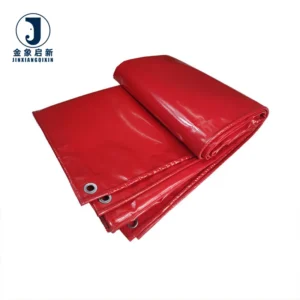
Tarpaulin Hot Selling 30M X 30M Finished PVC Tarpaulin for Farming Tarpaulin
¥1.48 Add to cart -
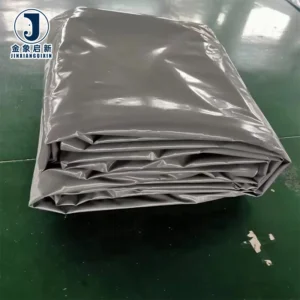
630 Gsm Blue/Grey/Orange Pvc Tarpaulin Roll Pvc Tarpaulin Truck Tarpaulin Pvc Coated Tarpaulin
¥1.66 Add to cart