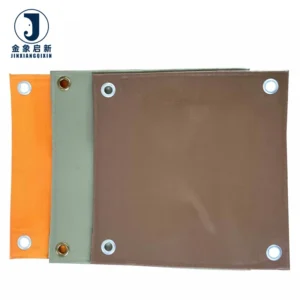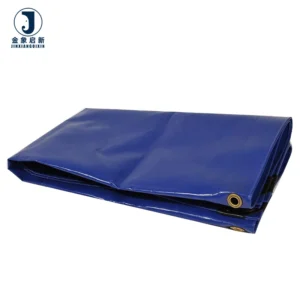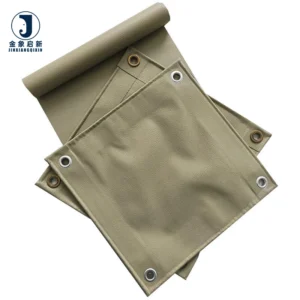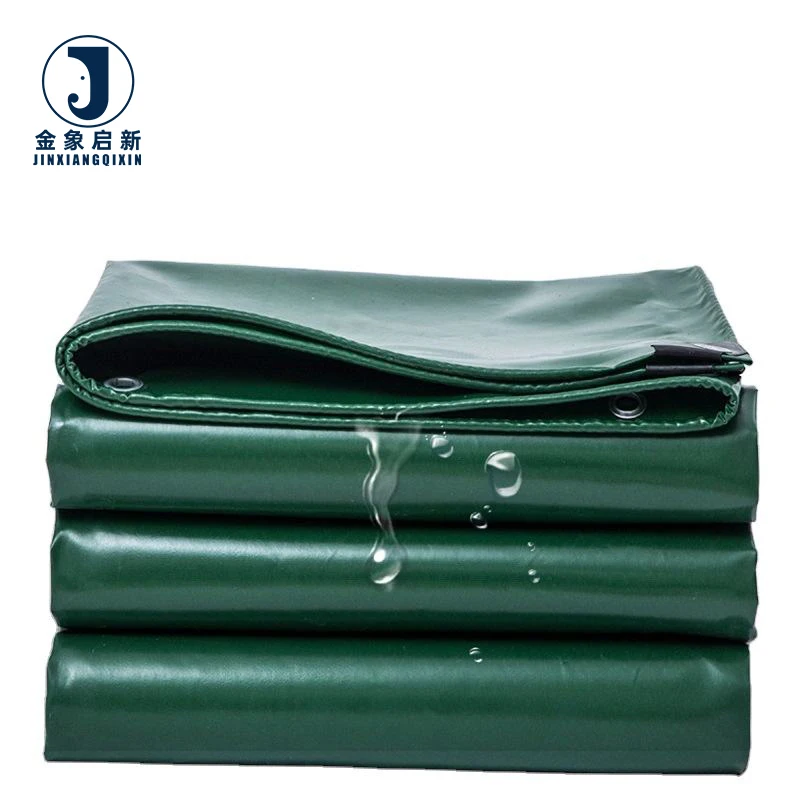
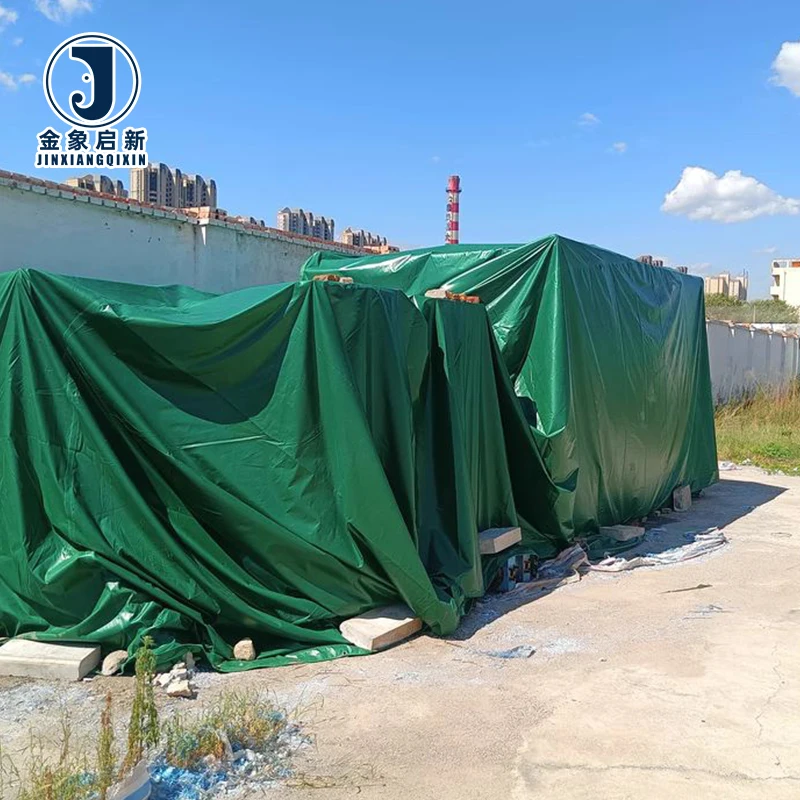
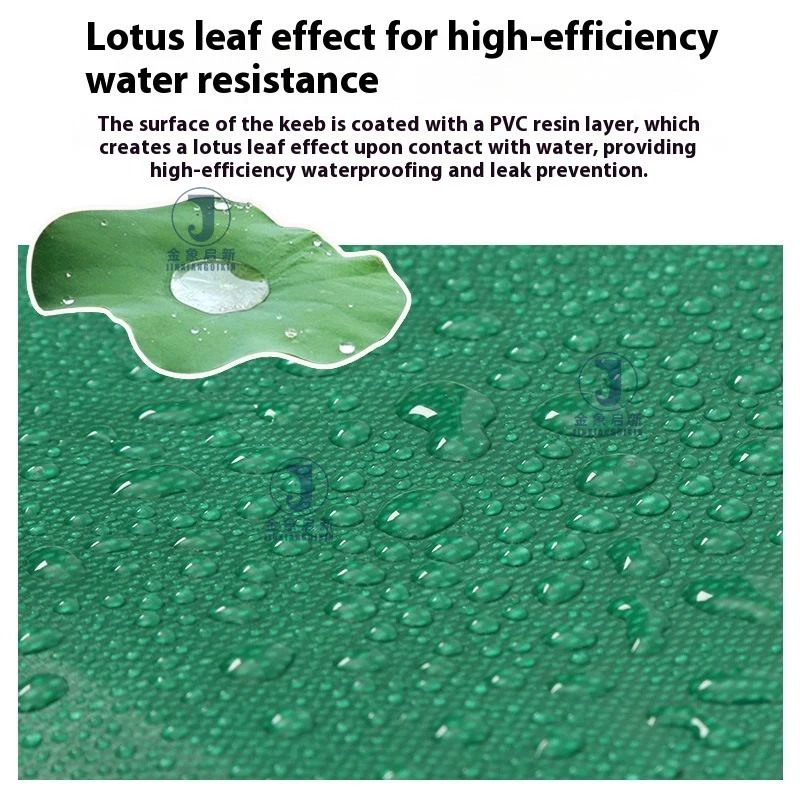
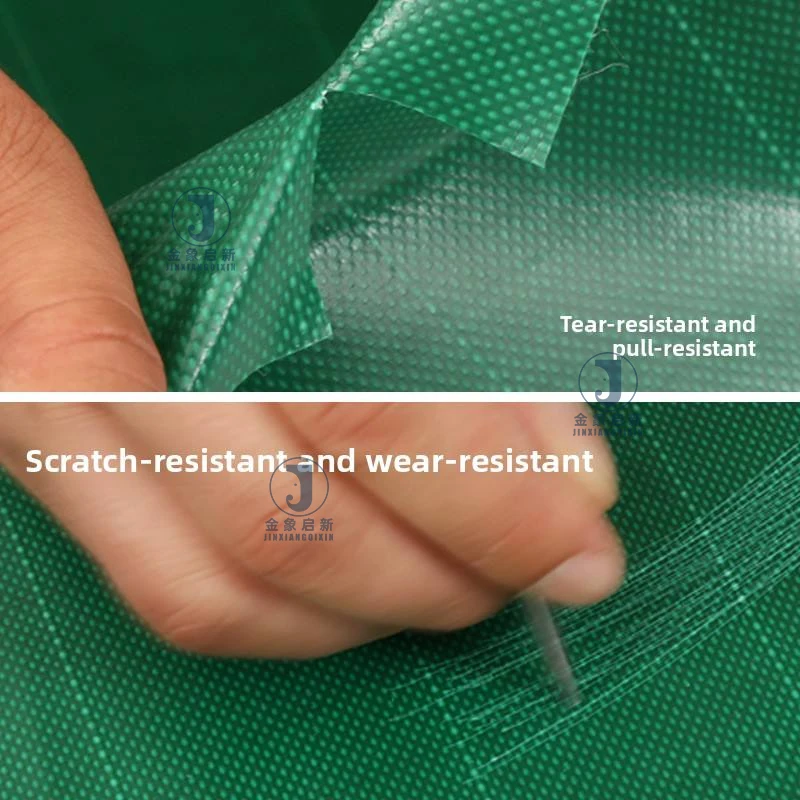
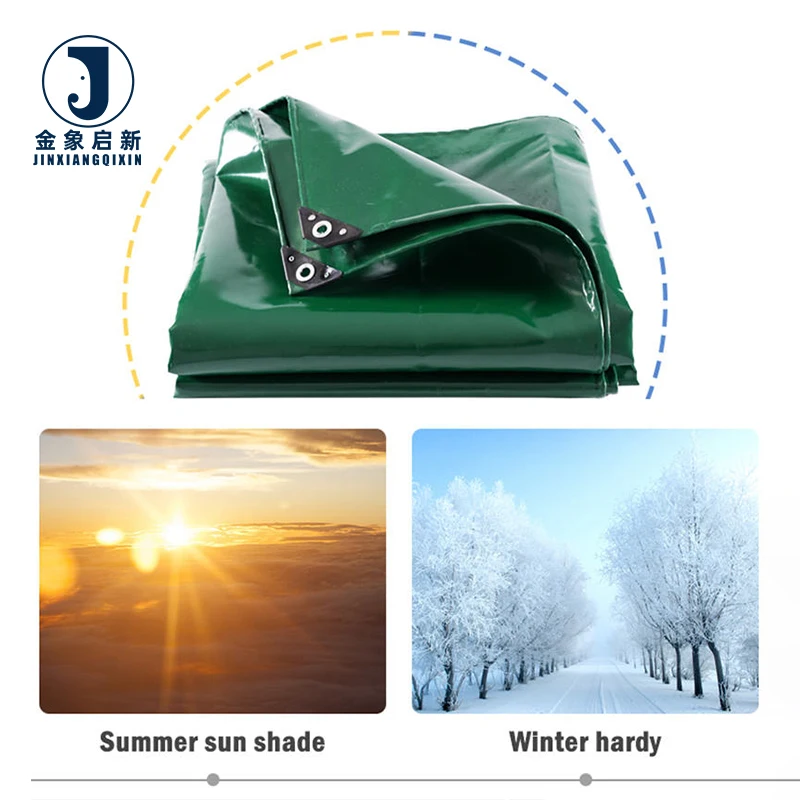
PVC Coated Tarpaulin Roll, Water-Resistant & Anti-UV, Double-Faced — engineered for flatbed trailer and freight covering across logistics fleets and tarpaulin distributors.
- Coating weight and GSM verified at every production stage, ensuring roll-to-roll consistency across full container orders
- Welded seam strength matched to fabric tear resistance at high-flex points where loads shift and stress concentrates
- Anti-UV and flame-retardant treatments backed by test reports, not just datasheet claims
Full customisation of width, length, colour and reinforcement, backed by 100% pre-shipment inspection and nearly 30 years of coating process expertise.
Description
Consistent coating control — every roll leaves the line with measured GSM verification, ensuring flatbed trailer covers meet the exact weight and thickness agreed at the quotation stage.
Technical Specifications
| Parameter | Value |
|---|---|
| Product Type | PVC Coated Tarpaulin |
| Material | PVC Coated |
| Face Type | Double-Faced |
| Water Resistant | Yes |
| Anti-UV Treatment | Yes |
| Flame Retardant | Yes |
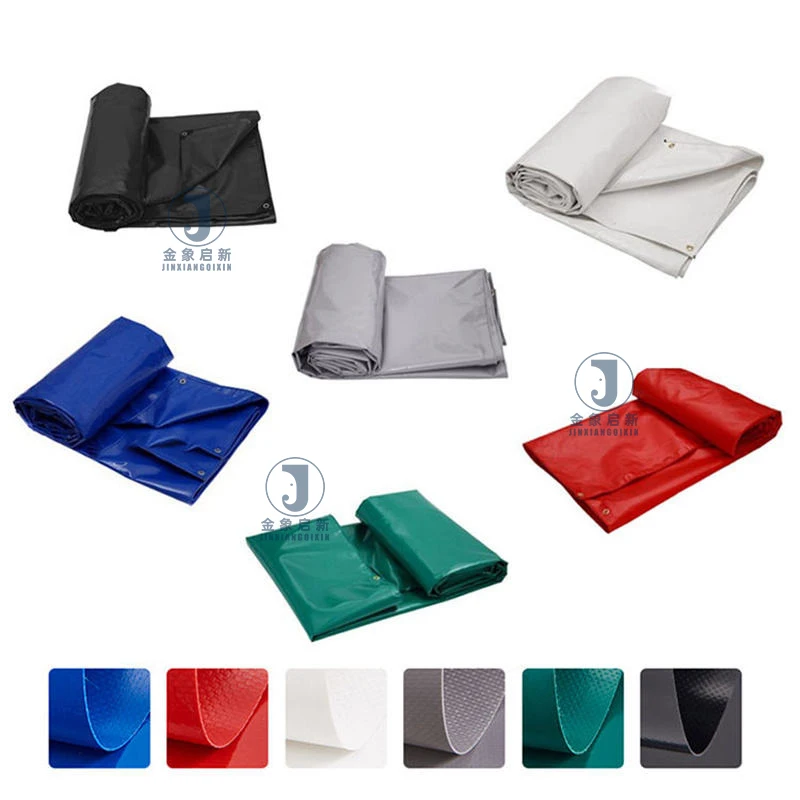
| Colors | Multiple Colors Available |
| Roll Format | Supplied in roll stock for fabrication |
| Surface Finish | Available in glossy or matte finish |
Application Suitability
| Application | Exposure & Requirement |
|---|---|
| Flatbed trailer cargo covering | Continuous UV exposure, highway wind lift, road debris abrasion, rain ingress at speed |
| Lumber transport protection | Heavy load flexing, moisture penetration, tie-down strap compression at edges |
| Heavy-duty truck tarpaulin | Daily deployment and folding, diesel soiling, temperature swings across regions |
| General freight weather protection | Prolonged outdoor parking, UV degradation, water pooling on horizontal surfaces |
Why Quoted GSM Rarely Matches What Arrives on the Dock
A material specification sheet is only as reliable as the inspection record that accompanies it.
Sourcing PVC coated tarpaulin rolls for flatbed trailer fleets often starts with a clear GSM requirement, yet the rolls that arrive can fall short of what was agreed. I have watched fabricators cut into a shipment only to find the material lighter than the quotation stated — the difference is not always visible until the cover is tensioned across a load and the weave shows through under sunlight. [NEED_CITE: GSM variance in imported coated fabrics] When the coating weight drops, the base fabric takes the full abrasion load from tie-down straps, and the seams start to part long before the fabric itself reaches its service limit. Roll-to-roll consistency matters just as much as the average weight across the batch, because one light roll hidden in a container can mean one trailer cover that fails its first winter.
How We Hold GSM Accountable Before Dispatch
Each PVC coated tarpaulin roll passes through weight verification at multiple points on the production line, not just a single check at the end. The coating heads are monitored for deposit consistency, and sample cuts are taken from both edges and the centre of the web to confirm that the GSM holds across the full width. This matters especially for flatbed trailer covers, where the outer edges of the fabric endure the most strain from wind flutter and strap contact. A roll that is light at the selvedge will tear at the eyelet line before the centre of the cover shows any wear.
Colour Drift Between Rolls and Why It Matters
When a fleet operator orders enough PVC coated tarpaulin to cover an entire trailer fleet, colour consistency across every roll becomes a visible issue the moment the covers are deployed side by side on the yard. Pigment batches can shift between production runs, and a cover that is half a shade off from the others stands out immediately to anyone walking the loading dock. [NEED_CITE: colour matching tolerances in PVC coated fabric production] We control pigment dosing per batch and retain a reference swatch from each order so that any re-order months later can be matched back to the original colour without guesswork.
Reading the Spec Sheet Beyond the Weight Number
The GSM figure tells you the mass per square metre, but it does not tell you how that mass is distributed between the base fabric and the coating layers. A roll with a heavy coating over a light base fabric will feel stiff on the table yet tear easily once a nick starts at a cut edge, because the yarn density in the weave is what arrests tear propagation. Conversely, a tighter base fabric with a moderate coating weight will hold up better under the daily flexing that a flatbed trailer cover endures every time it is deployed and folded. The coating method also plays a role — knife-coated fabrics typically show better adhesion between the PVC layers and the base yarns, which directly affects how well welded seams hold under tension. When specifying material for lumber transport, where covers are dragged across rough timber edges, both the denier of the base yarn and the coating bond strength deserve as much attention as the headline GSM figure. [NEED_CITE: relationship between base fabric denier and tear resistance in coated textiles]
What Happens When the Specification Is Off
A flatbed trailer cover made from material that is lighter than specified does not fail evenly — it fails at the stress points first. The welded seams part where the fabric flexes over the trailer bolster, the eyelet strip tears through where the tarp is pulled tight with ropes, and the coating delaminates along fold lines that have seen repeated deployment in cold weather. I recall a shipment of heavy-grade coated rolls that arrived at a fabrication shop, and the weld line gave way under a standard pull test while the body fabric remained intact — the coating adhesion was simply not matched to the base fabric strength. [NEED_CITE: welded seam failure rates in PVC coated tarpaulin fabrication] For fleet operators running tight delivery schedules, a cover that fails mid-route means an uncovered load, a traffic stop, and a replacement that has to be fabricated and shipped under emergency lead times.
What This Supply Chain Actually Delivers
Our coating lines run dedicated production schedules rather than blending small orders into mixed batches, which is how GSM drift and colour variation typically enter the supply chain. The 10-person R&D team develops physical samples within days when a buyer needs a specific width, colour, or surface finish confirmed before committing to a container load. Every PVC coated tarpaulin roll receives full inspection before it leaves the facility — not a statistical sample, but a roll-by-roll check against the agreed specification. Custom widths and colours carry production minimums that we confirm at the quotation stage, so there are no surprises when the order goes to the line. We ship to fabricators and distributors across multiple markets, and the documentation package travels with the goods so that the receiving warehouse can verify what arrived against what was ordered.
Documentation & Verification
- Material specification sheet listing GSM, base fabric denier, and coating weight per roll batch
- UV and flame retardant test reports provided where treatment grades are specified on the order
- Pre-shipment inspection record showing roll-by-roll weight verification against quoted GSM
- Roll packing list with individual roll numbers, dimensions, and net weight for receiving checks
- Certificate of origin and customs documentation prepared per destination market requirements
Fabrication, Handling & Storage
- Set heat welder temperature and dwell time to match the double-faced coating thickness before running production seams
- Store PVC coated tarpaulin rolls upright on end caps to prevent flat spots from forming on the coating surface
- Use wide-base eyelet plates when punching through heavy GSM grades to distribute strap load across the reinforced hem
- Avoid unfolding covers below the rated low-temperature threshold to prevent coating crease marks from becoming permanent
- Clean soiled surfaces with mild detergent only — solvent-based cleaners attack the plasticiser in the PVC coating layer
What to Include in Your Enquiry
Tell us the trailer models the covers need to fit, the operating climate, and whether flame retardant certification is required for your market. Specify the roll width and length you prefer, along with colour references or swatch samples if matching an existing fleet. Let us know whether you need finished cut-to-size covers or roll stock for your own fabrication line, and we will return a specification recommendation with lead times and production minimums.
Frequently Asked Questions
Q: How is GSM verified on each roll before shipment?
A: We cut sample swatches from both edges and the centre of every PVC coated tarpaulin roll after coating is complete and weigh them on calibrated scales. The results are recorded on the pre-shipment inspection report that ships with the order, so you can cross-check the actual weight against the quoted GSM before the rolls enter your fabrication line.
Q: Can I get a test report for anti-UV and flame retardant claims?
A: Yes — when your order specifies UV treatment or flame retardant grades, we supply the corresponding test reports from accredited laboratories. Confirm the specific grade or standard your market requires at the enquiry stage, and we will match the treatment to that specification before production begins.
Q: What is the minimum order for custom width, colour or print?
A: Minimum quantities depend on the width and colour requested, and we confirm the exact figure at the quotation stage. Custom colours require a pigment batch to be mixed for the run, so the minimum is set to ensure colour consistency across every roll in that production cycle.
Q: How do you ensure colour consistency across multiple rolls?
A: We dose pigment per production batch rather than per roll, and we retain a reference swatch from each order on file. This means re-orders placed months later can be matched back to the original colour, and every roll within a single shipment carries the same pigment batch reference.
Q: What documentation ships with the order?
A: Each shipment includes a material specification sheet, a pre-shipment inspection record with roll-by-roll GSM data, a packing list with individual roll details, and any applicable test reports for UV or flame retardant treatments. Certificate of origin and customs documents are prepared according to the destination country requirements.
Related products
-
630 Gsm Blue/Grey/Orange Pvc Tarpaulin Roll Pvc Tarpaulin Truck Tarpaulin Pvc Coated Tarpaulin
¥1.66 Add to cart -

450gsm Green Heavy-duty Waterproof Tarps & Groundsheets Pvc Tarpaulin
¥1.25 Select options This product has multiple variants. The options may be chosen on the product page -
500gsm MULTI-PURPOSE Green Waterproof Green Tarp for Emergency Rain Shelter. Outdoor Cover
¥7.72 Select options This product has multiple variants. The options may be chosen on the product page -
JX Fireproof 500gsm 600gsm Customizable PVC Tarpaulin Waterproof Truck Cargo Cover
¥0.79 Select options This product has multiple variants. The options may be chosen on the product page