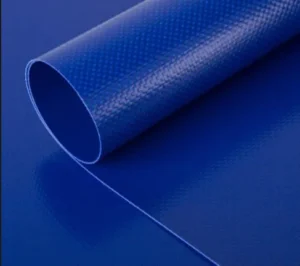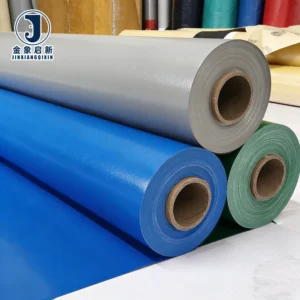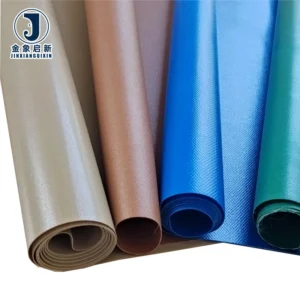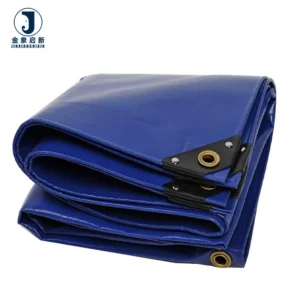
PVC Knife Coated Fabric for Tensile Structures — engineered with fire retardant, UV resistance and self-cleaning surface finish for architectural membrane and shade systems.
- HF, hot air and sewing compatible for flexible fabrication of stadium roofs, airport hangars and portable storage structures
- Anti-oxidation and weather resistance with high flexibility to prevent cracking under tension
- Mildew proof and acid-alkali resistant treatment for long-term outdoor exposure
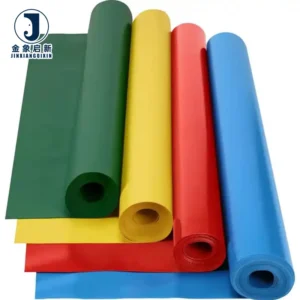
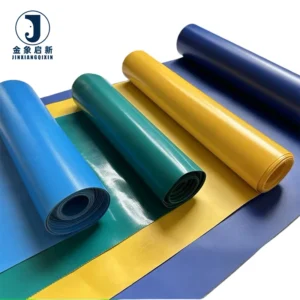
Full roll stock with custom width, colour and treatment options — 10-person R&D team supports sample development within days and 100% pre-shipment inspection verifies every specification.
Description
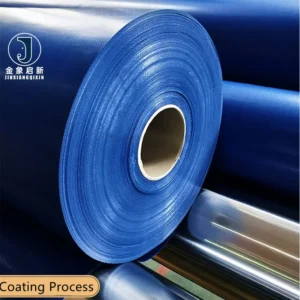
Coating Process Mastery — Every roll of PVC knife coated fabric we dispatch carries a verified coating weight record signed at the line, because GSM on paper means nothing if it does not match the scale at receiving.
Technical Specifications
| Parameter | Value |
|---|---|
| Product Type | PVC Coated Tarpaulin Fabric |
| Welding Options | HF / Hot Air / Sewing |
| Surface Finish | Self-Cleaning |
| Treatment Options | Fire retardant / UV resistance / Antibacterial / Mildew proof / Oil and stain resistance / Acid and alkali resistance |
| Temperature Performance | High temperature and cold resistance |
| Weather Resistance | Anti-oxidation and weather resistance |
| Flexibility | Highly flexible, resistant to cracking |
Application Suitability
| Application | Exposure & Requirement |
|---|---|
| Tensile membrane structures | Permanent UV exposure, wind load cycling, panel tension stress, colour stability over adjacent sections |
| Large format technical textiles | Wide-format printing surface, ink adhesion, dimensional stability under heat |
| Portable storage structures | Repeated assembly and teardown, fold creasing, abrasion at frame contact points |
| Airport hangars and aviation shelters | Fire safety compliance, large unsupported spans, wind uplift resistance |
| Shade systems and stadium roofs | Long-term solar exposure, thermal expansion, rain pooling on low-slope sections |
Why Coating Weight Consistency Matters More Than Quoted GSM
GSM on the quotation is a promise — the coating line is where that promise is kept or broken.
I have seen rolls arrive at a buyer’s warehouse and fail the scale check before they even reach the fabrication table. The PVC coated tarpaulin fabric aftermarket supplier you choose determines whether the weight you paid for is the weight you receive. A gap between quoted and actual coating weight does not just mean thinner material; it means reduced peel strength between the PVC layers and the base fabric, weaker weld lines, and a membrane that ages faster under tension. [NEED_CITE: peel strength test methods for coated fabrics per ISO 2411]
How Knife Coating Builds the Fabric Layer by Layer
The knife coating process forces PVC paste into the base fabric under controlled pressure, filling the gaps between warp and weft yarns before the coating cures. This is what gives PVC knife coated fabric its adhesion between layers. When that adhesion holds, the fabric behaves as a single composite rather than a laminate that can delaminate at the weld or under sustained tension. For tensile structure fabricators, this means the membrane carries load uniformly across the panel.
Matching Treatment Chemistry to the Installation Environment
Treatment selection starts with the environment the membrane will face. A stadium roof in a coastal climate needs mildew resistance and UV stabilisation working together, because salt air and solar exposure compound degradation. A warehouse shelter near industrial operations may require oil and stain resistance on the outer face. We supply the PVC coated tarpaulin fabric with treatment combinations selected at the coating stage, not sprayed on after the roll leaves the line. [NEED_CITE: UV stabiliser migration in plasticised PVC under thermal cycling]
Reading the Specification Sheet Beyond the Headline Numbers
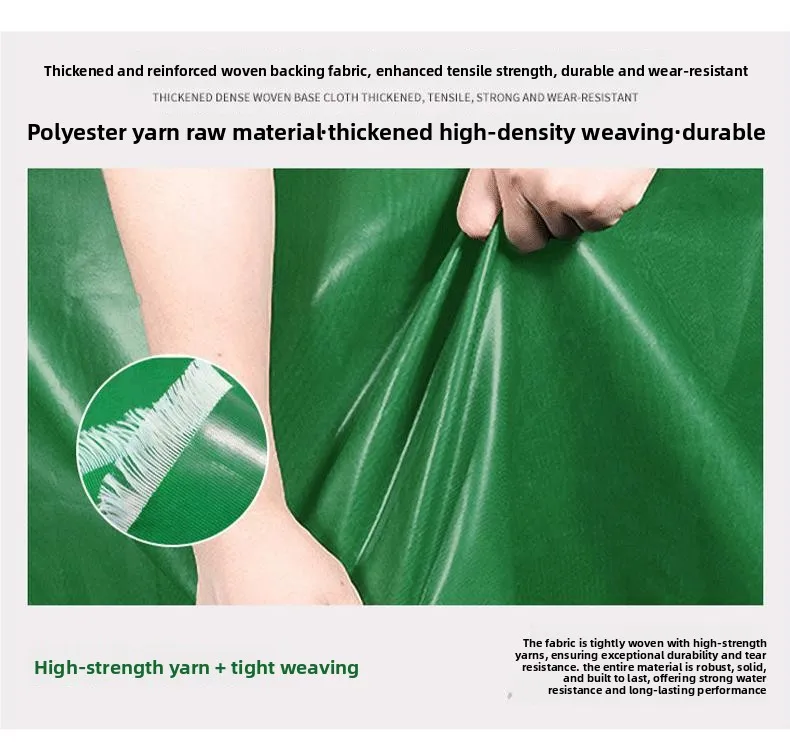
A specification sheet lists GSM, but the base fabric denier and weave density are what determine how that weight performs under load. Two fabrics at the same GSM can behave completely differently in a tensile application if one uses a heavier base yarn with fewer picks per centimetre and the other uses a lighter yarn woven tighter. The self-cleaning surface finish on this PVC coated tarpaulin fabric reduces dirt accumulation on installed membranes, which matters for shade systems and stadium roofs where cleaning access is limited. Welding compatibility across HF, hot air, and sewing gives fabricators the flexibility to choose the joining method that matches their equipment and the structural demands of the finished panel.
The Cost of Colour Drift Across Adjacent Panels
When rolls from the same order vary in shade, the difference is invisible on the warehouse floor but obvious once panels are installed side by side on a tensile canopy or shade structure. The buyer then faces a choice between accepting a visually inconsistent installation or pulling panels down for replacement, which means wasted material, delayed handover, and disputed invoices. Colour matching across the production batch is a process control issue at the coating line, not something that can be corrected after the roll is wound. [NEED_CITE: colour measurement tolerances for coated textile batches per ISO 105]
What We Control on Every Roll Before It Ships
Three full production lines and 36 sets of professional equipment give us the capacity to hold delivery schedules on bulk roll orders without cutting corners on coating weight. A 10-person R&D team develops samples for custom width, colour, and treatment combinations before bulk production starts, so the approved sample is the reference standard for the full order. QA inspection runs at every stage from base fabric intake through coating, curing, and winding, with 100% pre-shipment checking. Our facility carries ISO and CE certification, and we have supplied PVC coated tarpaulin fabric to buyers across North America, Europe, and Asia for nearly 30 years.
Documentation & Verification
- Material specification sheet stating base fabric, coating type, and treatment package per roll
- Fire retardant and UV test reports included where applicable to the ordered grade
- Pre-shipment weight verification record signed against stated coating weight
- Roll packing list with batch reference for traceability to production date
- Certificate of origin and customs documentation for cross-border shipment
Fabrication, Handling & Storage
- HF and hot air welding both compatible; adjust dwell time to the self-cleaning surface finish for full bond strength
- Store rolls upright on pallets to prevent flat-spot deformation on the outer layers of heavy-grade fabric
- Allow cold-stored rolls to reach ambient temperature before unrolling to avoid crease damage to the coating
- Use compatible PVC-based repair adhesives that bond to the knife coated surface without solvent attack
- Plan panel layout to minimise offcuts; custom widths reduce waste on wide tensile membrane sections
What to Include in Your Enquiry
Send us the membrane span and expected wind load so we can recommend the right base fabric construction. Tell us the target market and any fire classification your local building code requires, along with the colour and surface finish you need for the finished structure. Let us know whether you need full rolls or finished cut panels, and whether you want a sample roll for welding trials before committing to the production batch.
Frequently Asked Questions
Q: Can I get a sample roll before committing to a bulk order?
A: Yes. We develop sample rolls matching your specified treatment, colour, and surface finish within days. Use the sample for welding parameter trials on your HF or hot air equipment, confirm the self-cleaning surface meets your cleaning protocol, and approve it as the production reference before we run the bulk order.
Q: How do you verify coating weight and treatment on delivery?
A: Every roll passes a pre-shipment inspection where coating weight is checked against the specification. Fire retardant and UV resistance test reports are supplied with the documentation package when those treatments are included in your order, so you have third-party evidence to present to your client or building inspector.
Q: What is the lead time for custom width or colour?
A: Custom widths and non-standard colours require a separate production run after sample approval. Typical lead times run several weeks depending on order volume and treatment complexity. We confirm the schedule at quotation stage so you can plan your fabrication and installation timeline accordingly.
Q: Do you supply test reports for fire retardant and UV claims?
A: Test reports are provided for fire retardant grades and UV resistance where the ordered specification includes those treatments. Available test standards depend on the grade selected — confirm the classification required for your market and project specification at enquiry stage.
Q: Can you cut to finished panel sizes or only supply by the roll?
A: We supply both full rolls and custom-cut panels. For tensile membrane fabricators who prefer to control their own panel layout and welding, full rolls with custom width minimise waste. For buyers who need finished sizes with hems and welding already completed, we cut and fabricate to your drawing.
Related products
-
PVC Tarpaulin Industry Fabric PVC Tarpaulin 620gsm for Fish Pond Factory Swimming Pools Cover PE Tarpaulin
¥0.90 Select options This product has multiple variants. The options may be chosen on the product page -
Stock PVC Tarpaulin Fabric Rolls 500D*500D 18*17 Hot Selling Colors in Stock China Manufacture Wholesale Fabrics Best Price
¥1.26 Select options This product has multiple variants. The options may be chosen on the product page -
PVC Coated Tarpaulin Outdoor Poly Tarp Plastic Canvas Tarpaulin Roll 650 Gsm for Truck Tent. Roof Cover
¥2.70 Add to cart -
Heavy Duty Fire Retardant Waterproof PVC Coated Tarpaulin Rolling Tarp Materials for Truck Cover Tents Outdoor Usage
¥1.40 Add to cart