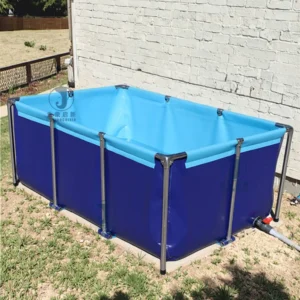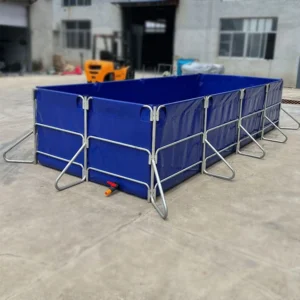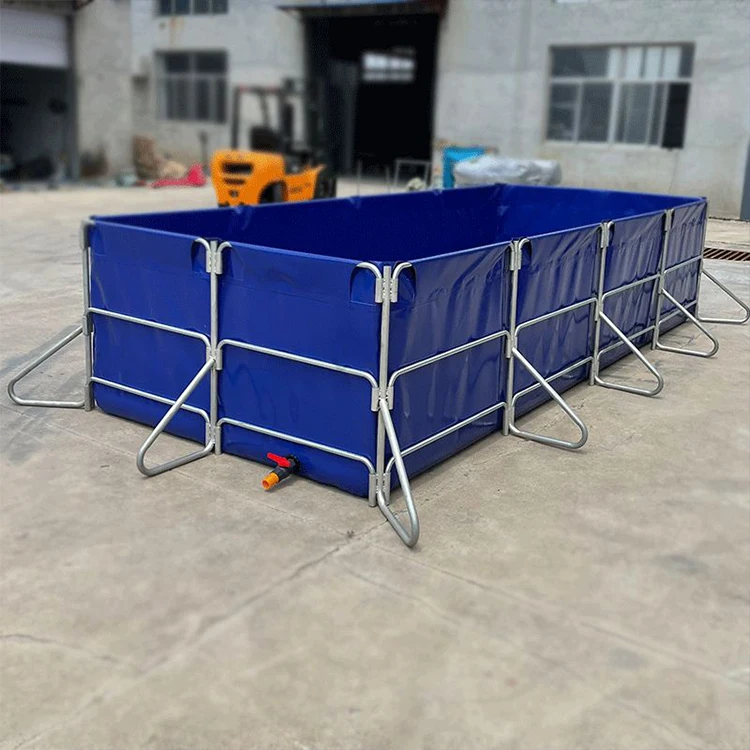
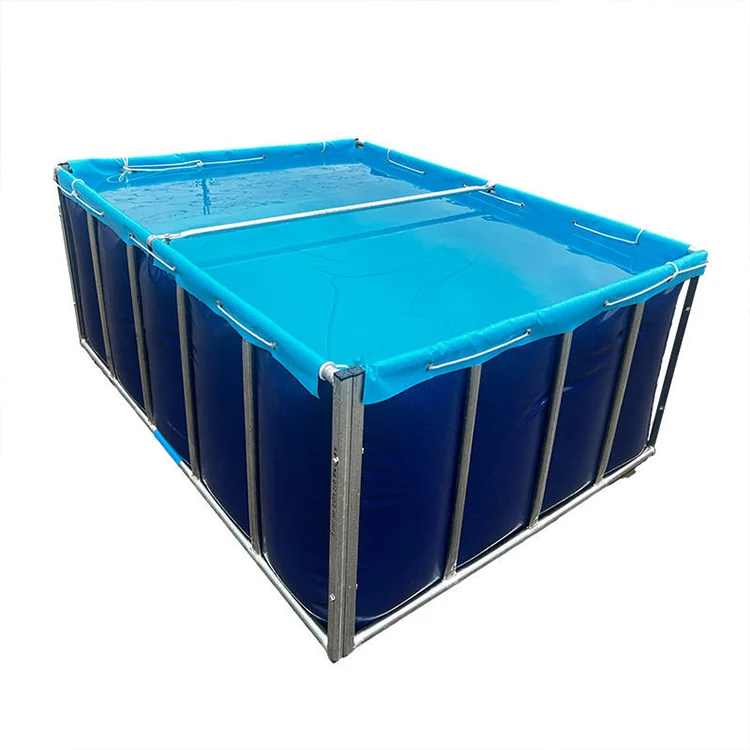
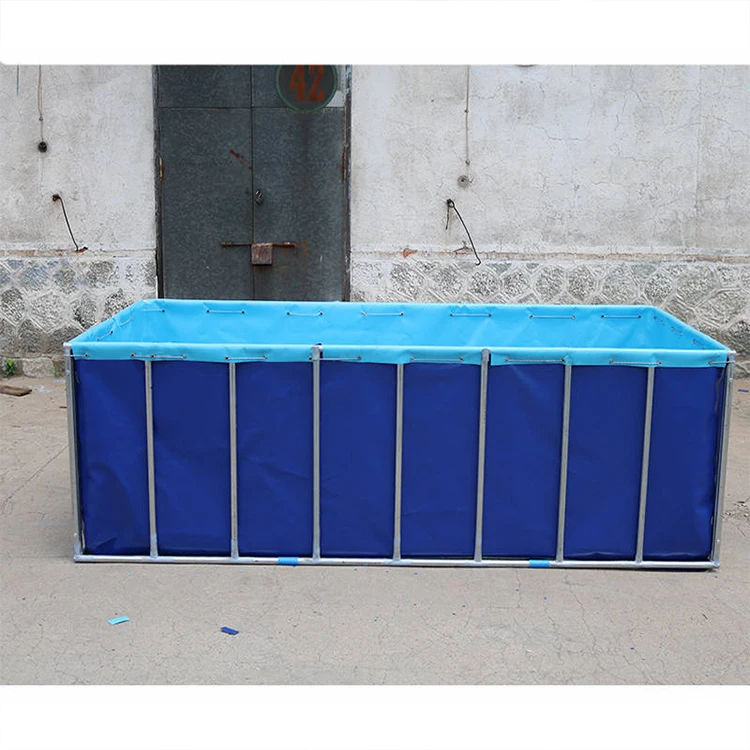
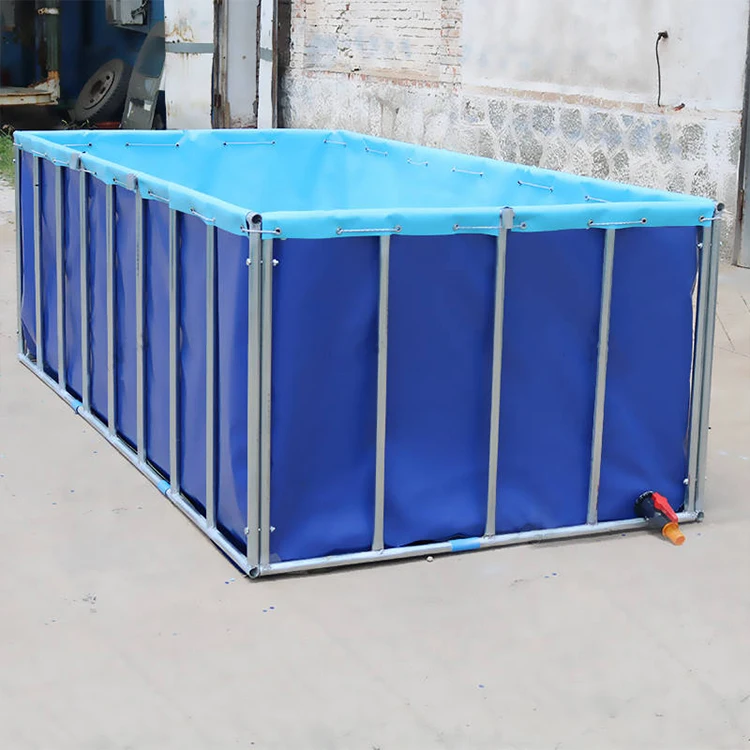
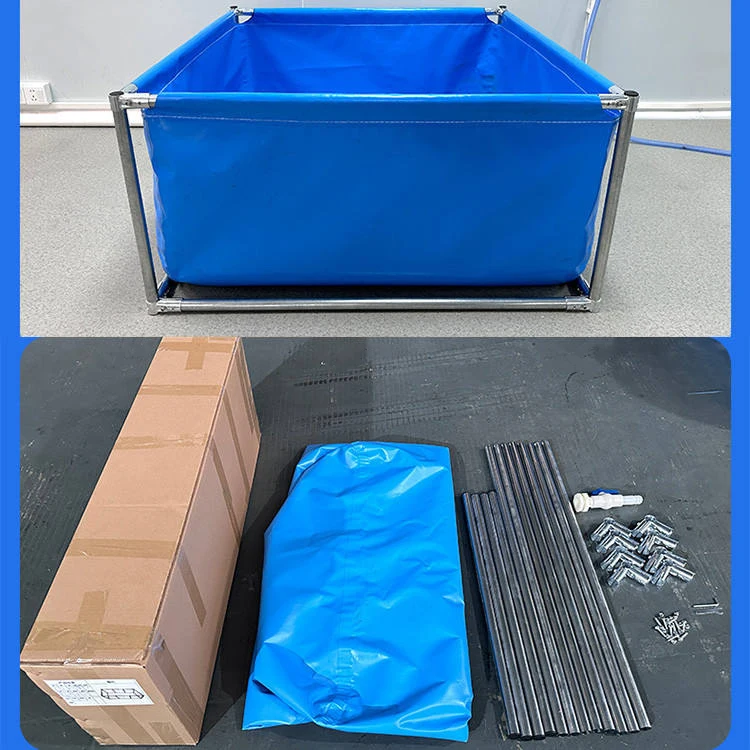
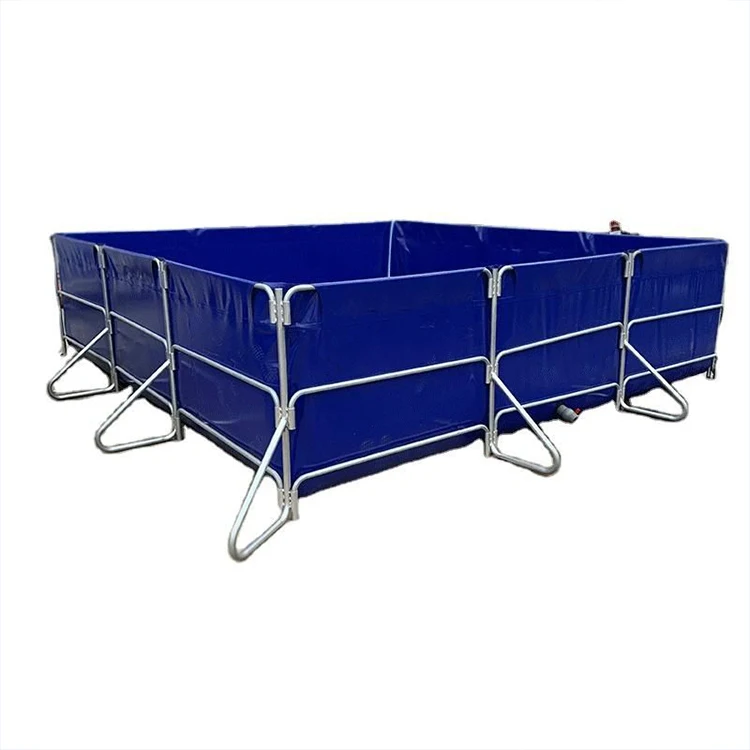
Foldable Circular Rectangular PVC Tarpaulin Fish Pond Liner — reinforced welded seams and custom sizing for aquaculture containment.
- Process-controlled coating weight ensures consistent GSM verified at production, not just on the quotation
- High-frequency welded seams tested to outlast the fabric under flex and water pressure
- UV and puncture resistance grades backed by test reports, not marketing claims
Three full production lines and 36 sets of equipment deliver reliable on-time capacity for bulk aquaculture orders.
Description
Deep process control over coating weight and adhesion — verified at every production stage through dedicated QA/QC, ensuring each PVC tarpaulin fish pond liner meets the exact specification you approved before dispatch.
Technical Specifications
| Parameter | Value |
|---|---|
| Product Type | PVC Tarpaulin Fish Pond Liner |
| Coating Material | PVC |
| Shape Options | Circular / Rectangular |
| Feature | Foldable |
| Application | Fish Tank / Fish Pond |
| Standards | ISO, CE |
Application Suitability
| Application | Exposure & Requirement |
|---|---|
| Commercial aquaculture pond lining | Permanent water contact, soil chemistry exposure, puncture risk from substrate |
| Fish farming tanks and hatchery containment | Repeated water filling and draining, foldable storage between cycles, clean-out chemical contact |
| Agricultural water storage | Standing water load, UV exposure (grade to confirm), seasonal deployment |
Why GSM Alone Does Not Tell You If a Pond Liner Will Hold
GSM tells you how heavy the fabric is, not how well the coating bonds to the base fabric under sustained water pressure.
A PVC tarpaulin fish pond liner that reads the correct weight on the quotation but separates at the coating layer once submerged is a common failure in aquaculture procurement. The adhesion between coating and base fabric determines whether the liner survives a full production cycle, yet this property is rarely shown on a standard specification sheet. Buyers who specify only GSM without requiring adhesion verification often discover the gap between quoted and delivered performance after the pond is filled [NEED_CITE: tensile and peel adhesion test methods for coated fabrics per ISO 1421].
Coating Integrity Under Continuous Water Exposure
The primary failure mode in aquaculture liners is not puncture but coating delamination under hydrostatic pressure. When a PVC tarpaulin fish pond liner holds thousands of litres of water, every square metre of coating surface is under sustained load. Our coating process controls the bond between PVC layers and the base fabric, so the liner maintains structural continuity through fill-and-drain cycles. Each production run includes in-process peel strength checks to confirm adhesion holds before the roll is approved for cutting and welding.
Foldable Construction for Deployment Flexibility
Aquaculture operators frequently need to relocate, reconfigure, or store pond infrastructure between growing seasons. The foldable design of this PVC tarpaulin fish pond liner allows it to be transported flat, stored compactly, and deployed on-site without the rigid panel limitations that constrain fibreglass or concrete alternatives. Circular and rectangular shape options, handled by our 10-person R&D team, let you match the liner precisely to your pond footprint. Custom sizing eliminates the overlap waste and field trimming that generic off-the-shelf dimensions force upon you [NEED_CITE: coated fabric folding and crease recovery behaviour].
How Material Parameters Translate to Pond Performance
The base fabric weave and denier define how the liner resists tearing when a sharp stone or tool point concentrates force on one spot. Higher denier yarns in the warp and weft slow tear propagation, giving you time to patch a puncture before it splits open under water load. The PVC coating weight must be balanced against this base fabric — too thin a coat leaves the weave exposed to abrasion and water ingress, while excessive coating weight without proportional base fabric strength creates a stiff material that cracks at fold lines during deployment. Shape selection between circular and rectangular also influences stress distribution: circular liners spread hydrostatic load more evenly, while rectangular liners concentrate pressure at corners, demanding stronger seam reinforcement at those points.
The Hidden Cost of Specifying the Wrong Liner Grade
When a pond liner is specified without verifying the UV treatment grade for outdoor aquaculture exposure, degradation often becomes visible only after one full growing season — by which point the crop cycle is compromised and replacement means draining, dismantling, and relining mid-operation. Similarly, welded seams that have not been tested against the specific water load of the pond depth will split at the flex point long before the body fabric shows wear. These failures are rarely caught at incoming inspection because the liner looks and feels correct when dry and flat [NEED_CITE: field failure patterns in PVC-coated aquaculture liners].
What Sets This Sourcing Decision Apart
Our three full production lines and 36 sets of professional equipment support the volume consistency that commercial aquaculture projects demand — every roll in your order is produced under the same coating parameters. Dedicated QA/QC at every production stage means coating weight, adhesion, and seam integrity are checked before the liner leaves the factory, not after it arrives on your site. The 10-person R&D team develops custom shape and size samples within days, so you can validate fit and function before committing to bulk production. Full material specification sheets accompany each order, closing the gap between what was quoted and what is delivered.
Documentation & Verification
- Material specification sheet stating coating type, base fabric, and colour reference per order
- Pre-shipment inspection record confirming PVC coating weight verification before dispatch
- UV and treatment test reports provided where applicable grades are specified
- ISO and CE certificates included in the dispatch documentation pack
- Certificate of origin and customs support documentation for cross-border shipment
Fabrication, Handling & Storage
- High-frequency welding recommended for seam joints to match PVC coating adhesion strength
- Fold stored liner flat or loosely rolled to avoid permanent crease lines in the coating
- Avoid dragging liner over sharp substrate — inspect pond floor before deployment
- Clean with mild detergent only to preserve PVC coating surface integrity
- Repair minor punctures with compatible PVC patch material using solvent welding
Request a Quote With the Right Detail
To provide an accurate specification for your PVC tarpaulin fish pond liner project, share the exact pond dimensions, preferred shape (circular or rectangular), and the depth of water the liner must hold. Let us know whether the installation is permanent or seasonal, and whether UV treatment or specific flame-retardant grades are required for your market. Confirming these details early allows us to develop a sample that matches your site conditions before production begins.
Frequently Asked Questions
Q: How is coating weight verified on pond liners before shipment?
A: Every roll undergoes in-process QA checks during production, and a dedicated pre-shipment inspection confirms the PVC coating weight matches the material specification sheet. The inspection record is included in your documentation pack, so you receive written verification — not just a quoted figure — before the liner is dispatched.
Q: What UV treatment options are available for long-term outdoor pond exposure?
A: UV treatment is available in multiple grades suited to different climate intensities and exposure durations. Confirm the grade required for your region and installation type with our team, and we will provide the corresponding test report to substantiate the UV performance claim for your specific PVC tarpaulin fish pond liner.
Q: How are welded seams inspected to prevent failure under water load?
A: Seam integrity is tested during production using high-frequency welding parameters matched to the PVC coating grade. Samples from each production batch are peel-tested to confirm the weld outlasts the fabric itself under flex and hydrostatic pressure, reducing the risk of seam-line splitting once the pond is filled.
Q: What custom shapes and sizes are available for pond liners?
A: Both circular and rectangular configurations are produced to your exact pond dimensions by our R&D team. Custom sizing eliminates generic overlap waste. Samples are developed within days for shape, size, and material confirmation, and lead times depend on the order volume and complexity of the specification.
Q: What documentation comes with each pond liner shipment?
A: Each dispatch includes a material specification sheet, pre-shipment inspection record, ISO and CE certificates, roll packing list, and certificate of origin. Where applicable, UV and treatment test reports matching the quoted grade are also provided to support compliance and quality verification at your end.
Related products
-
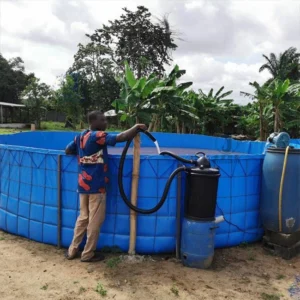
PVC Tarpaulin for Fish Pond – Custom Made
Read more -
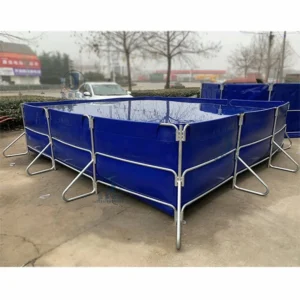
Custom PVC Tarpaulin Fish Pond Liner for Aquaculture – Manufacturer
Read more -
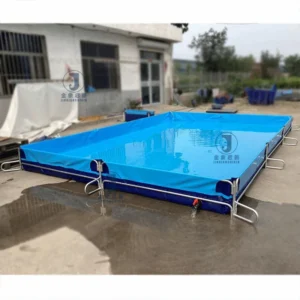
Custom PVC Tarpaulin for Fish Pond – Full Range
Read more -
PVC Tarpaulin 0.65mm Industrial Woven Fabric Plain Style Waterproof Coating for Fish Pond Tank Pool From Vietnam
¥0.50 Add to cart