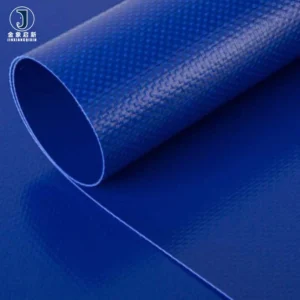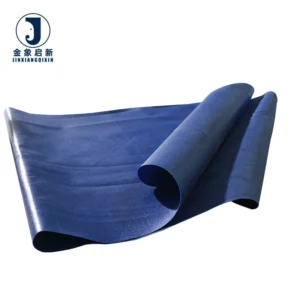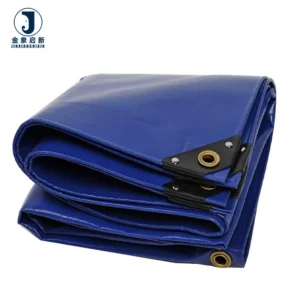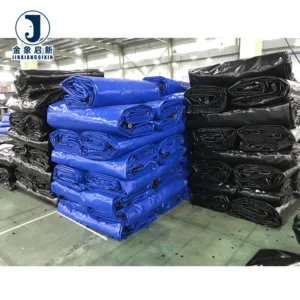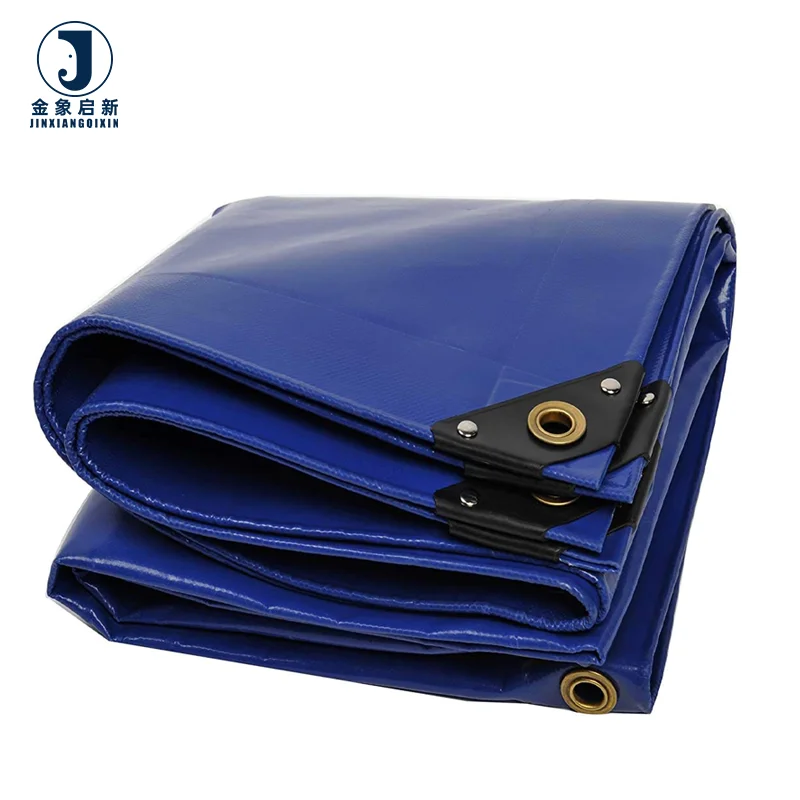
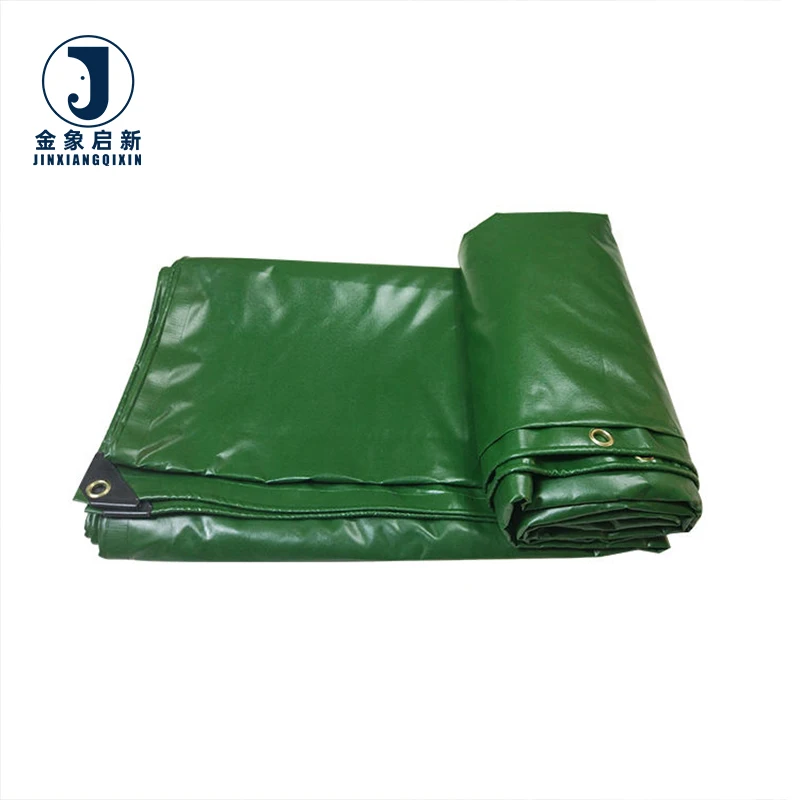
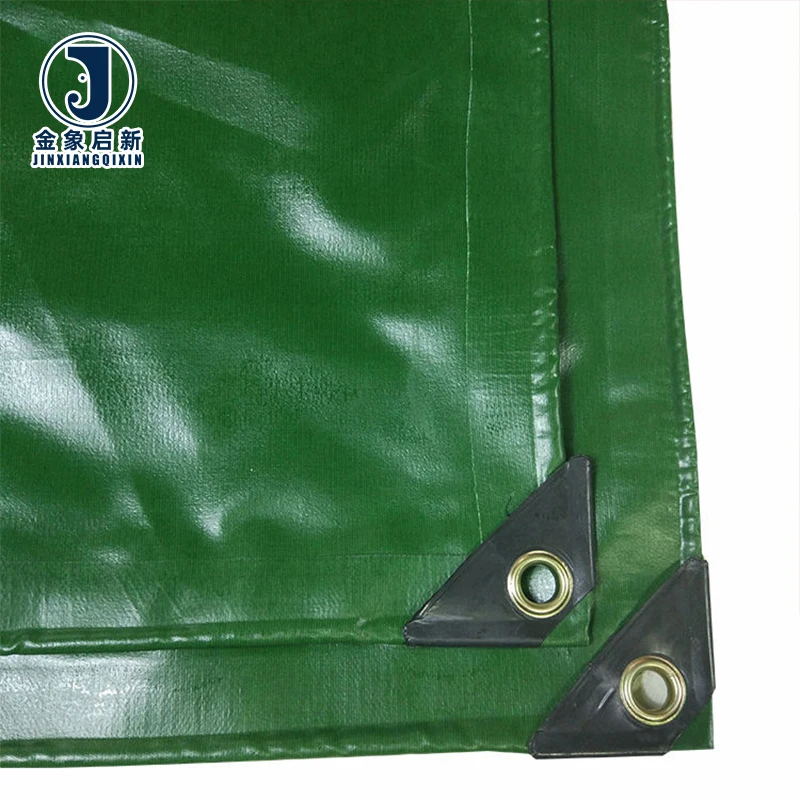
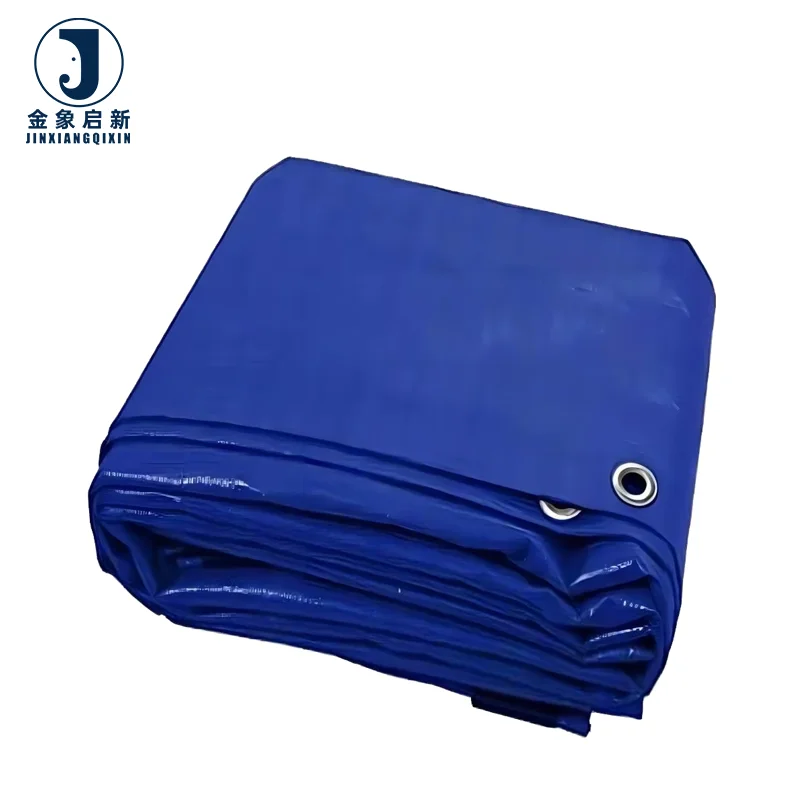
PVC Tarpaulin Roll for poultry curtains with HDPE weaving and LDPE lamination, available in 6ft to 12ft widths and 50gr/m2 to 300gr/m2 GSM grades.
- Choose GSM and weave density (6×6 to 14×16) based on tensile and tear requirements, not weight alone
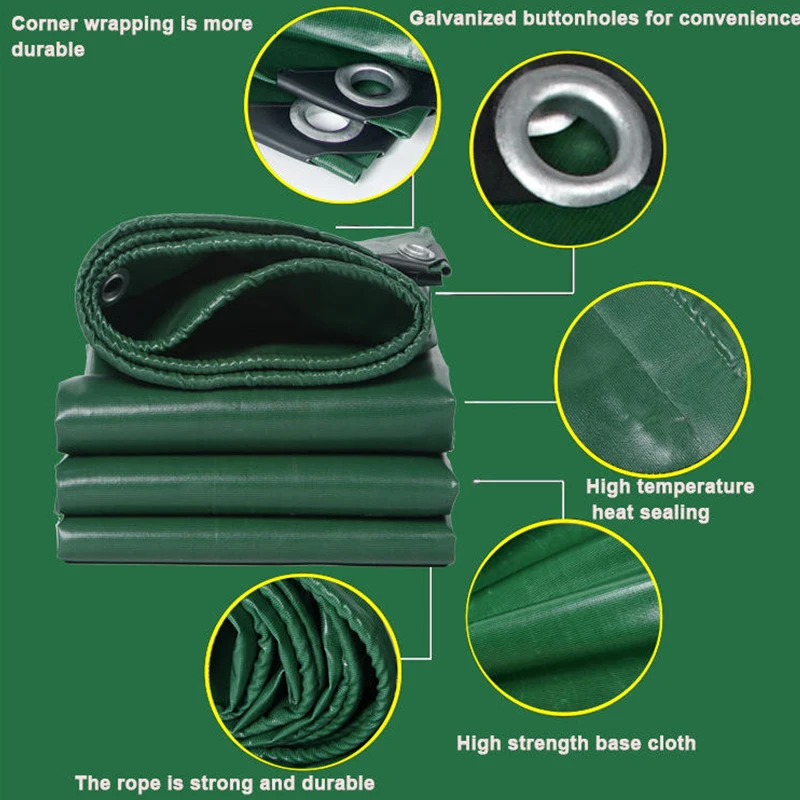
- UV-treated, waterproof, and mildew-proof fabric with reinforced PP rope hem and galvanized eyelets every 3ft
- Custom width, length, color, and pattern printing supported with roll-to-roll batch consistency checks
Backed by 100% pre-shipment inspection, ISO and CE certified production, and nearly 30 years of coated fabric process control.
Description
Coating Process Control — Every roll of PVC Coated Waterproof and Anti-Static Tarpaulin for Poultry Curtains runs through dedicated QA checks against the stated GSM, colour reference, and treatment requirement before leaving our Jinan facility.
Technical Specifications
| Parameter | Value |
|---|---|
| Product Type | PVC Coated Waterproof and Anti-Static Tarpaulin for Poultry Curtains |
| Base Material | HDPE weaving with LDPE lamination on both sides |
| Roll Width Options | 6ft, 8ft, 10ft, 12ft or 2m, 4m, 6m |
| Roll Length Options | 100 yards, 100 meters, or custom |
| GSM Range | 50gr/m2 ~ 300gr/m2 |
| Thickness Range | 0.2-0.4mm / 8 mil-16 mil / Custom |
| Weave Density | 6×6, 7×7, 8×8, 9×9, 8×10, 10×10, 12×12, 14×14, 14×16 |
| Key Features | Waterproof, washable, tear resistant, mildew proof, anti-aging |
| UV Treatment | Available — confirm the grade required for your market |
| Flame Retardant | Available in flame retardant grades — confirm the grade required for your market |
| Finished Edges | All four edges reinforced with PP rope in hem |
| Eyelets | Galvanized eyelets every 3ft or 1 meter interval |
| Corners | Reinforced plastic corners |
| Certifications | ISO, CE |
Application Suitability
| Application | Exposure & Requirement |
|---|---|
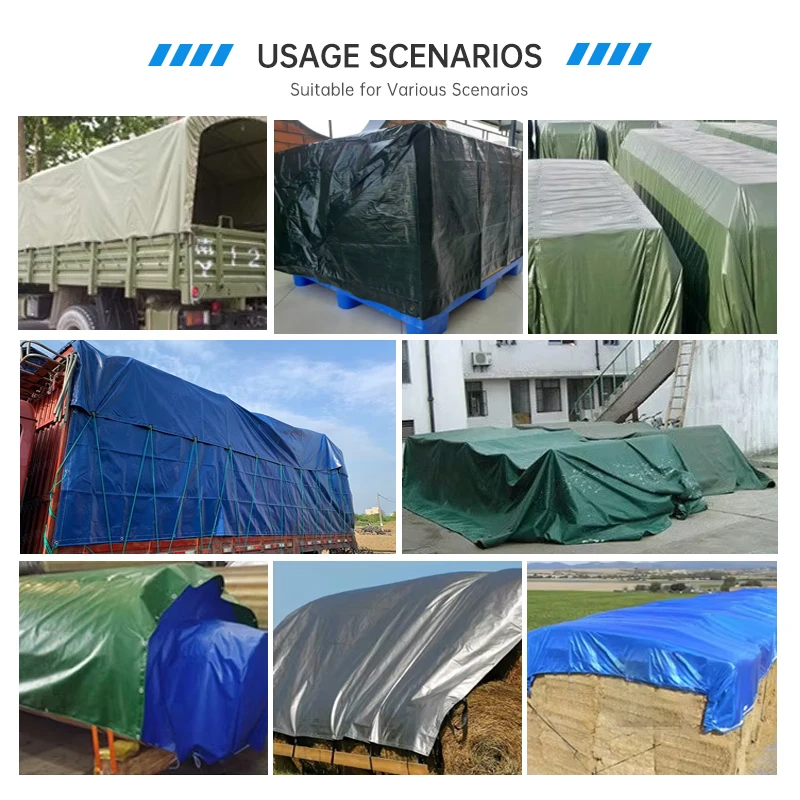
| Poultry farm curtains | Daily roll-up and roll-down flexing, ammonia-laden air, high humidity, UV exposure from open-sided housing |
| Industrial truck and container covers | Road debris impact, prolonged sun exposure, wind flutter causing repeated fabric stress |
| Agricultural crop and hay covers | Standing water pooling, soil contact, microbial growth risk in damp conditions |
| Construction scaffolding wraps | Wind load, scaffolding tube abrasion, dust containment, seasonal UV exposure |
| Home and garden furniture covers | Intermittent outdoor storage, pooling rainwater, UV degradation from seasonal exposure |
Why Quoted GSM Often Fails the Poultry Curtain Test
Rolls that measure lighter than the quoted GSM will thin out first at the curtain’s flex zone, where daily winding concentrates stress.
When a poultry farmer orders curtains rated at a certain GSM and the arriving roll comes in under that figure, the fabric fails earliest along the winding bar where the material bends thousands of times per season. The coating is simply too thin to hold the base yarns together under repeated flex. We learned this the hard way: one batch of curtains we supplied without a UV test report went chalky and started shedding after a single summer, and we replaced the entire run. Since then, every roll of this PVC Tarpaulin Roll aftermarket supplier ships with documented GSM verification and treatment data where applicable. [NEED_CITE: tensile and tear test methods for coated fabrics per ISO 1421]
Sizing the Roll to Your Poultry Housing Layout
Poultry curtain systems vary significantly in drop height and bay width, which is why this PVC Tarpaulin Roll aftermarket supplier offers widths from 2m up to 6m and lengths in 100-yard or 100-meter standard rolls. Choosing a roll width close to your finished curtain drop minimises horizontal seams, and every seam is a potential failure point in the humid, ammonia-rich environment inside a broiler or layer house. Custom lengths are available when standard rolls create excessive waste on your cutting table.
Matching Weave Density to Curtain Flex Life
The weave density options — from 6×6 through to 14×16 — directly determine how the base fabric resists tear propagation when the curtain rolls up and down on the winch. A tighter weave distributes the flex load across more yarns, delaying the point where a small nick grows into a full-width split. For mechanically operated curtain systems that cycle multiple times daily, specifying the higher end of the density range gives the base fabric a longer working life before edge fraying becomes visible. [NEED_CITE: relationship between weave density and tear resistance in woven laminated fabrics]
How GSM, Coating, and Weave Density Interact
The stated GSM of 50gr/m2 to 300gr/m2 covers the full range, but the number alone does not tell you how the fabric will behave on the curtain. A lighter GSM with a tight 14×16 weave may outperform a heavier GSM laid over a loose 6×6 base, because the coating has more yarn surface to grip and the load distributes more evenly. The LDPE lamination on both sides of the HDPE woven base locks the yarns in place and provides the waterproof barrier, while the thickness range of 0.2-0.4mm gives you options from lightweight seasonal curtains to heavier year-round panels that withstand higher wind loads on open-sided houses.
What Happens When the Specification Misses the Mark
When the curtain fabric is too light for the mechanical stress of daily winding, the first sign is coating delamination along the fold line — the LDPE layer separates from the HDPE base because the bond was never strong enough for that flex radius. Batch-to-batch colour drift becomes visible the moment you hang two rolls side by side on the same house, and replacing one panel means the whole side looks mismatched. Curtains installed without verified UV treatment data simply break down faster under direct sunlight, turning brittle and tearing at the eyelet line during the first strong wind. [NEED_CITE: field reports of laminated tarpaulin failure modes in agricultural ventilation applications]
Why Buyers Source This PVC Tarpaulin Roll Here
Our coating process control means GSM is checked on the production line, not just stated on the quotation — the roll you receive matches the roll you ordered. The 10-person R&D team develops samples within days when you need a specific width, colour, or treatment combination for your curtain system. Three full production lines running dedicated equipment support bulk orders without pushing lead times out. Every roll passes 100% pre-shipment inspection, so colour consistency and edge reinforcement are verified before packing. Nearly 30 years of working with coated and laminated fabrics means we have encountered most poultry curtain failure modes and built the specifications to address them.
Documentation & Verification
- Material specification sheet stating exact GSM, HDPE base fabric type, and LDPE coating weight per roll
- UV and flame retardant test reports supplied where the treatment grade has been specified at order
- Pre-shipment inspection record confirming roll-to-roll colour match and eyelet placement
- Roll packing list with individual roll dimensions, net weight, and batch reference
- Certificate of origin and customs documentation included with every export shipment
Fabrication, Handling & Storage
- Heat-seal the PP rope hem at temperatures matching the LDPE lamination to avoid melting through the base fabric
- Space galvanized eyelets at 1-meter intervals along the reinforced hem to distribute curtain winch load evenly
- Store rolls flat or upright on their core to prevent permanent creasing in the 0.2-0.4mm laminated surface
- Allow cold-stored rolls to reach ambient temperature before unrolling to prevent LDPE coating crack at the fold
- Use mild detergent only when cleaning — solvent-based cleaners will degrade the LDPE lamination surface
- Cut panels with a slight oversize to allow for hem take-up when folding the PP rope into the reinforced edge
How to Structure Your Inquiry
Tell us the curtain drop height, bay width, and whether your winch system is manual or motorised, so we can recommend the appropriate GSM, weave density, and roll width. If your market requires a specific UV or flame retardant grade, include the standard reference so we can confirm availability and provide the matching test report. Let us know whether you need full rolls for your own fabrication or finished curtains cut to size with eyelets installed, and whether you want to review a sample before committing to the production run.
Frequently Asked Questions
Q: How do you verify that the GSM on the roll matches what was quoted?
A: Every roll is weighed and measured during pre-shipment inspection. We record the actual GSM against the specification sheet and include this data with your documentation. If the roll falls outside the agreed tolerance, it does not leave the factory. This applies to every PVC Tarpaulin Roll aftermarket supplier order we fulfil, regardless of volume.
Q: Can you supply test reports for UV or flame retardant treatments?
A: Yes, where a specific treatment grade has been confirmed at the ordering stage. We provide the relevant test report documenting the performance level. If your local building code or farm standard requires a particular classification, share that reference so we match the correct grade. Treatment claims without supporting data are not something we put on a spec sheet.
Q: What is the lead time for custom widths or colours?
A: Custom widths within the 2m to 6m range and non-standard colours are produced on our standard lines, so lead times depend on current line scheduling and the size of your order. We confirm the production window and dispatch date at the quotation stage. Requesting a sample first adds a short development period but ensures colour and weight match your requirements before bulk runs.
Q: How do you prevent colour variation between rolls in a single order?
A: All rolls in one order are produced from the same coating batch where possible, and each roll is checked against the colour reference during the pre-shipment inspection. If we spot a visible drift between consecutive rolls on the line, the off-batch roll is pulled and re-run. This is critical when curtains hang side by side on the same poultry house.
Related products
-
PVC Coated Tarpaulin Outdoor Poly Tarp Plastic Canvas Tarpaulin Roll 650 Gsm for Truck Tent. Roof Cover
¥2.70 Add to cart -
High Quality Windproof Waterproof PVC Coated Plain Tarpaulin for Industrial Shelter Use
¥0.53 Add to cart -
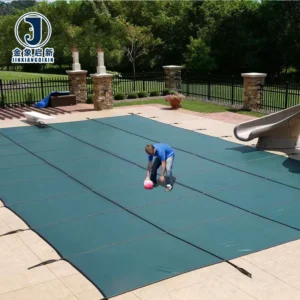
JX Manufacturer Direct Sales PVC Coated Swimming Pool Cover. Durable Waterproof and UV Resistant Floor Swimming Pool Cover Cloth
¥1.78 Select options This product has multiple variants. The options may be chosen on the product page -
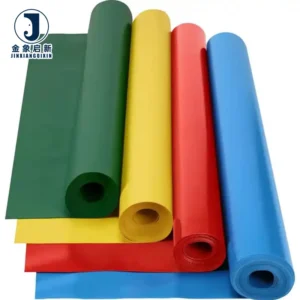
Stock PVC Tarpaulin Fabric Rolls 500D*500D 18*17 Hot Selling Colors in Stock China Manufacture Wholesale Fabrics Best Price
¥1.26 Select options This product has multiple variants. The options may be chosen on the product page