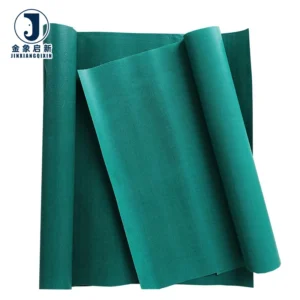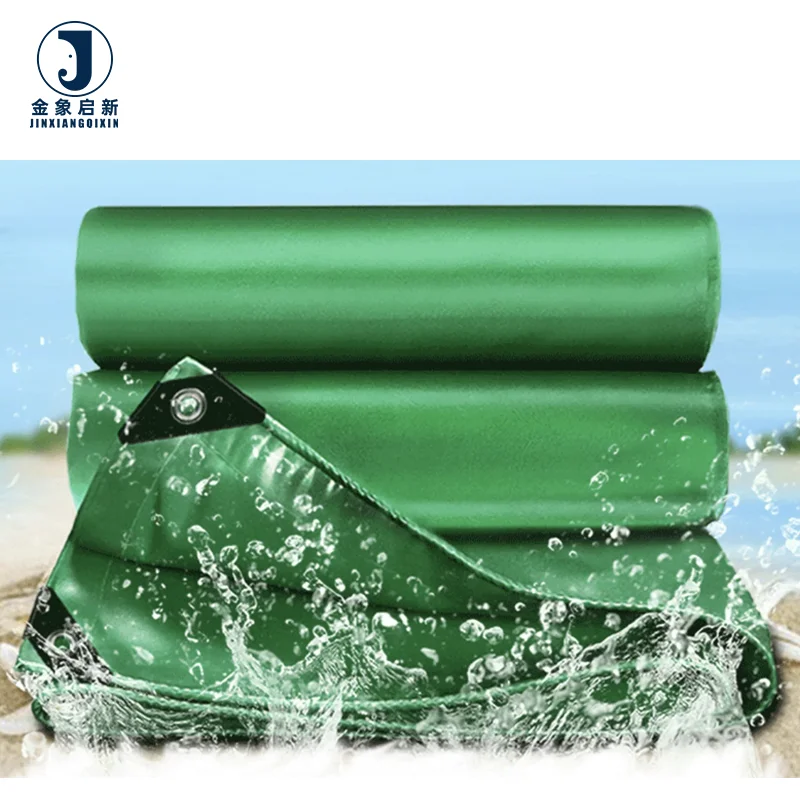
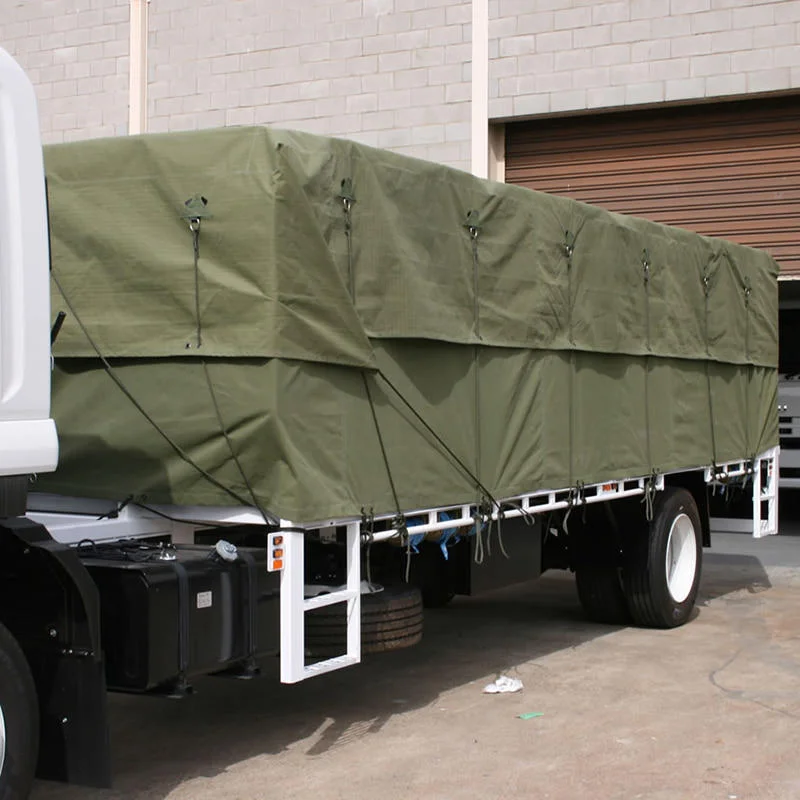
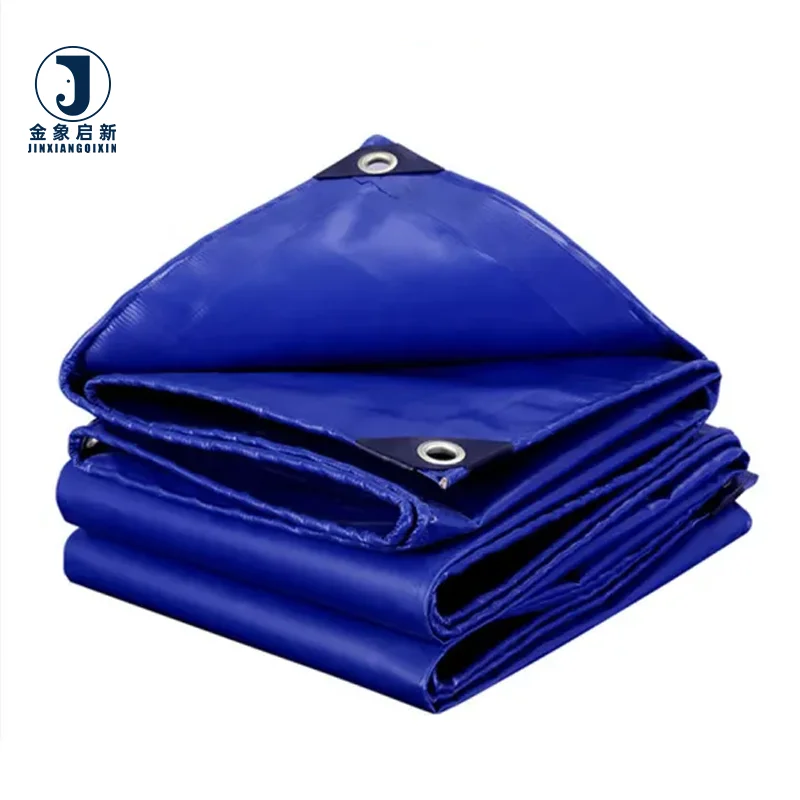
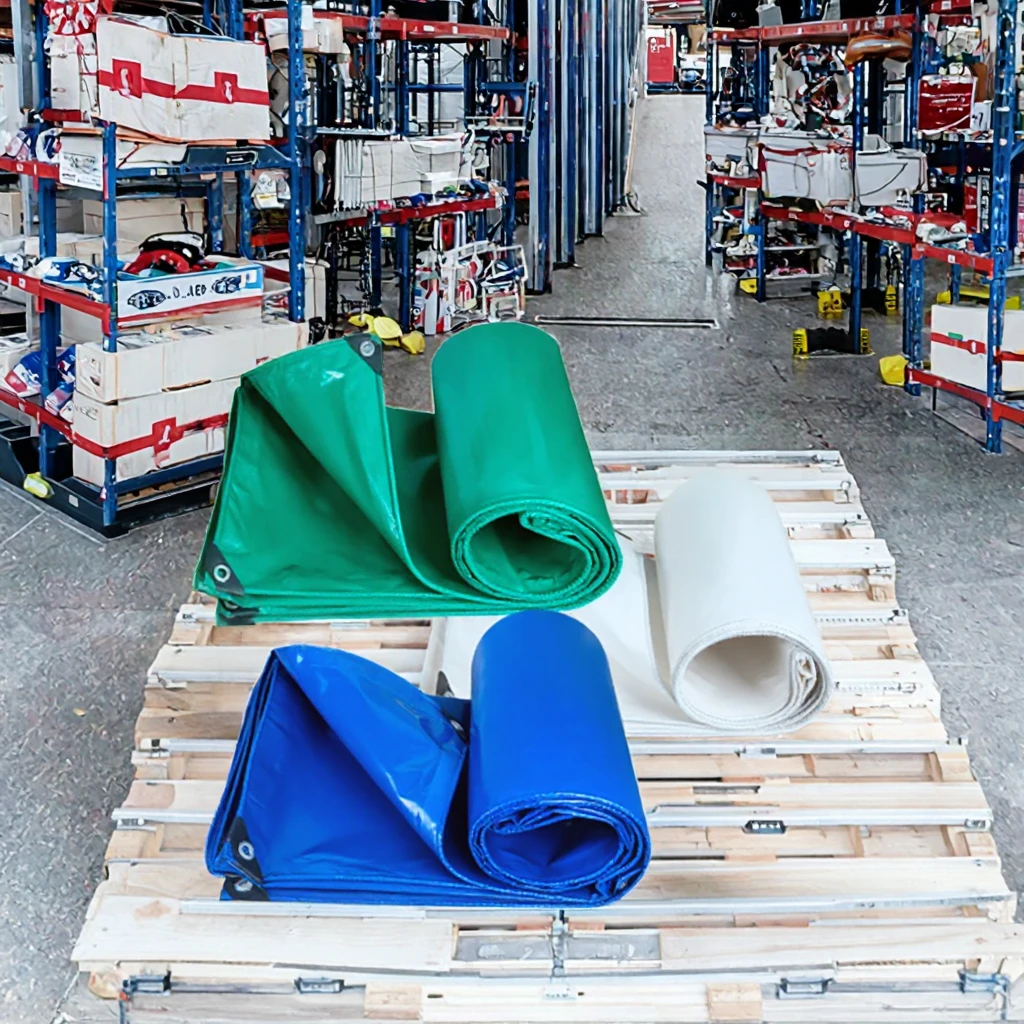
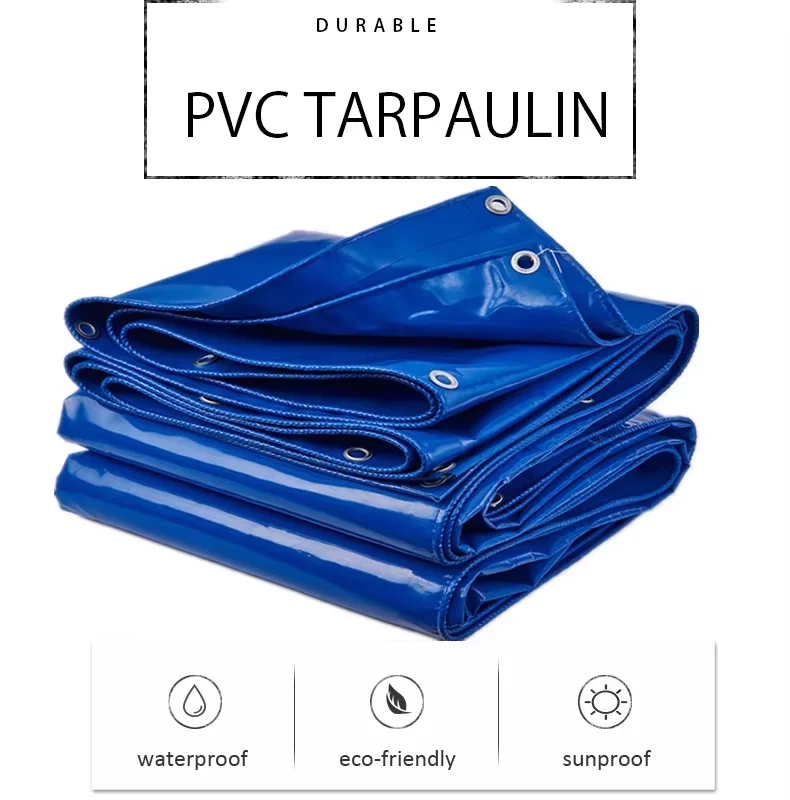
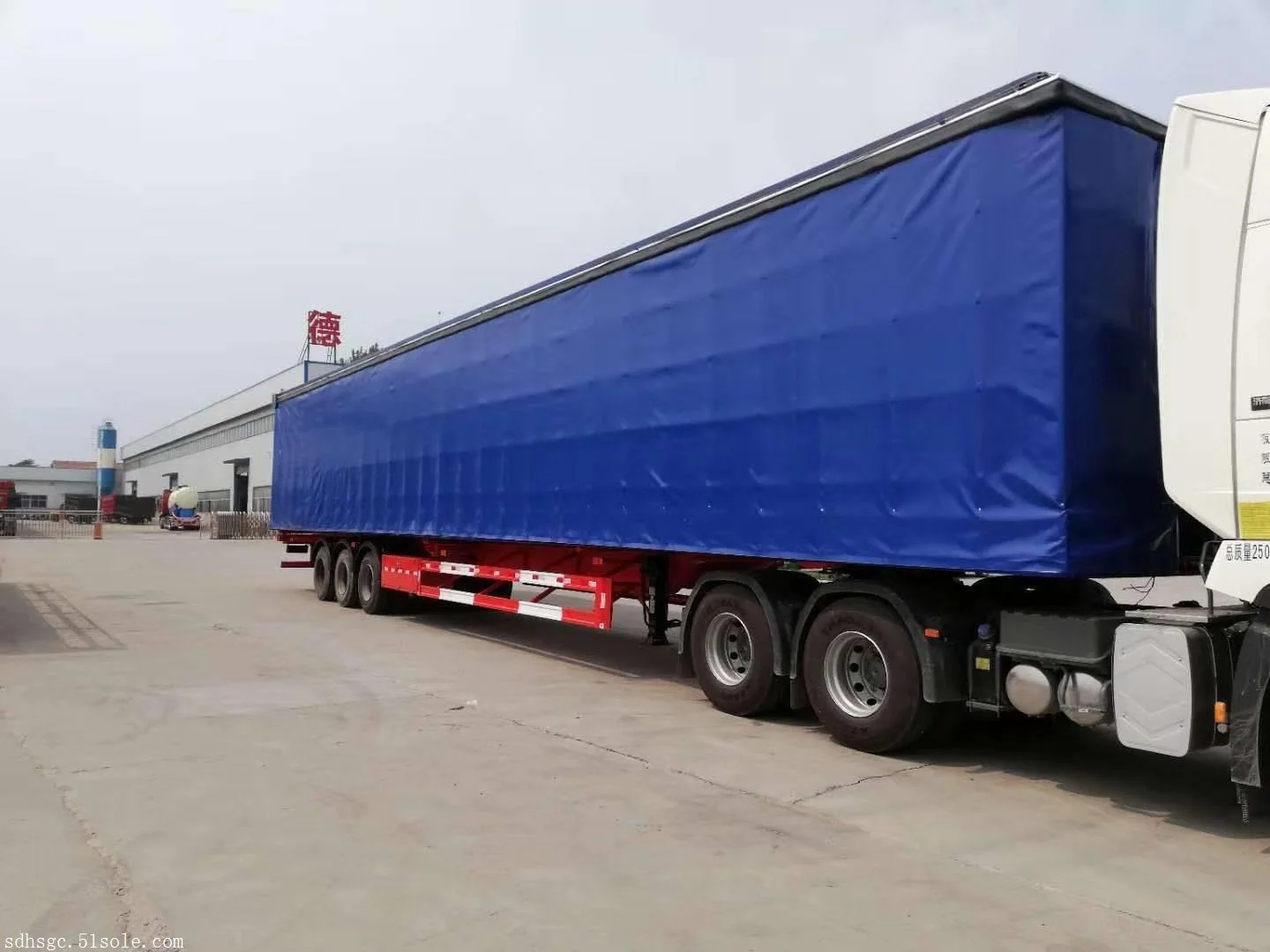
PVC Tarpaulin Roll for Truck Cover, 250–1000 GSM, Laminated & Hot-Melt Coating — waterproof polyester fabric with cold crack resistance, anti-static treatment, and outstanding tearing strength for welded seams at flex points.
- Roll-to-roll color consistency with 100% pre-shipment inspection across every batch
- Custom width, length, eyelet placement, reinforced hems, and pattern printing supported
Backed by nearly 30 years of coated fabric process control, ensuring stated GSM is delivered on every roll.
Description
Precision-Matched Grades — Every roll ships with a documented GSM and base fabric denier verified at our coating lines, eliminating the gap between quotation and delivery for your PVC Coated Tarpaulin Roll orders.
Technical Specifications
| Parameter | Value |
|---|---|
| Product Type | PVC Coated Tarpaulin Roll |
| Coating Material | PVC + High-strength polyester mesh fabric |
| Coating Method | Laminated technology & Hot-melt Coating technology |
| Weight (GSM) | 250 / 300 / 350 / 400 / 420 / 450 / 500 / 550 / 560 / 600 / 650 / 680 / 750 / 950 / 1000 |
| Total Thickness | 0.32 mm / 0.35 mm / 0.4 mm / 0.45 mm / 0.5 mm / 0.65 mm |
| Roll Width | 2 m / 2.1 m |
| Roll Length | 75 m (for 2 m width) / 50 m (for 2.1 m width) |
| Base Fabric Denier Options | 500D×500D / 500D×1000D / 840D×840D / 1000D×1000D / 2000D×2000D |
| Mesh Count Options | 20×20 / 18×25 / 30×17 / 18×18 / 23×24 / 15×15 / 30×30 |
| Color Options | Blue / Red / Yellow / Light Blue / Grey (Customized) |
| Key Features | Waterproof, anti-mildew, anti-static treatment (test basis not stated), cold crack resistance (test basis not stated), sunproof UV treatment (test basis not stated) |
| Weld Performance | Outstanding tearing strength for welding (no test standard stated) |
| Color Fastness | Best color fastness claimed (no test standard stated) |
| Service Life | 3–7 years under normal circumstances |
| Standards | ISO, CE |
Application Suitability
| Application | Exposure & Requirement |
|---|---|
| Truck and trailer covers | Constant road vibration, flex at load points, rain and spray, UV exposure on long-haul routes |
| Side curtain fabric for fleets | Repeated rolling and tension cycling, abrasion against cargo edges, colour consistency across curtain panels |
| Push and pull tent structures | Wind loading on membrane surfaces, folding and unfolding stress, prolonged outdoor weathering |
| Goods yard and equipment covers | Puncture from sharp metal edges, standing water, dust and chemical fallout |
| Fish tank and pond liners | Permanent water immersion, soil chemistry contact, puncture from substrate irregularities |
| Cargo ship covers | Salt spray, heavy rain, deck abrasion, UV degradation on open ocean routes |
| Liquid storage and water tanks | Hydrostatic pressure, chemical resistance depending on stored liquid, seam integrity under constant load |
Why Quoted GSM Rarely Matches What Arrives on the Dock
A stated GSM is only meaningful when the base fabric denier, mesh count, and coating weight are each controlled and verified independently.
Buyers regularly open containers and find the material feels lighter than expected. The reason is often that the supplier quoted a total GSM figure but used a lighter base fabric and compensated with excess coating — or simply did not verify the final weight roll by roll [NEED_CITE: tensile and tear test methods for coated fabrics per ISO 1421]. When the base fabric is under-spec, the tensile strength drops regardless of the coating weight, and the fabric fails at the weld line long before the surface shows wear. This is why every PVC Coated Tarpaulin Roll we supply carries a specification sheet mapping GSM to its exact denier and mesh count.
How the 15-Grade Family Covers Every Weight Class
Selecting the correct grade from a PVC Coated Tarpaulin Roll catalogue depends on the load the fabric must carry, not just the environment it sits in. The 250 GSM and 300 GSM grades use a 500D×500D base with tight mesh counts, suitable for light dust covers and short-term yard protection where the fabric is not under structural tension. Moving to 500 GSM, the range offers three different base fabric constructions — 840D×840D at 18×18, 500D×1000D at 20×20, and an enforced 1000D×1000D at 20×20 — each producing different tear propagation and weld behaviour. The 950 GSM and 1000 GSM grades use 2000D×2000D and 1000D×1000D at 30×30 respectively, designed for membrane structures and heavy containment where the fabric itself forms the structural skin.
Coating Technology and What It Means for Your Fabrication Line
The two coating methods available — laminated and hot-melt — produce different adhesion profiles between the PVC surface and the polyester base fabric. Laminated technology bonds pre-formed PVC films to the mesh under heat and pressure, yielding a smooth, consistent surface well suited to pattern printing and branding applications. Hot-melt coating pushes liquid PVC into the mesh interstices, creating a mechanical lock that resists delamination when the fabric is flexed repeatedly at fold lines or welded seams [NEED_CITE: coating adhesion test methods for PVC-coated polyester]. For truck curtain applications where the fabric rolls open and closed daily, hot-melt coated grades typically maintain adhesion longer at the stress points. Your fabrication method — whether you heat-weld, RF-weld, or sew — also influences which coating technology is the better match.
Reading Base Fabric Denier Beyond the GSM Number
Two rolls both rated at 500 GSM can behave completely differently under load because the base fabric denier and mesh count determine how force distributes across the weave. A 500D×1000D construction at 20×20 mesh places heavier yarns in the fill direction, producing higher tear resistance across the width — useful for side curtains that experience lateral wind gusts. A 1000D×1000D at 20×20 distributes strength more evenly in both warp and fill, which suits applications like pond liners where stress comes from multiple directions [NEED_CITE: relationship between denier, mesh count and tear propagation in woven coated fabrics]. Understanding this relationship prevents overspending on a high-GSM roll when a lighter roll with the correct denier orientation would perform equally well in your application.
Specifying Thickness, Width, and Roll Length for Production Efficiency
Roll width options of 2 m and 2.1 m directly affect how many panels you cut and how many weld seams your finished product requires. A 2.1 m width can eliminate a cross-seam on standard pallet covers, reducing fabrication time and removing a potential failure point. Roll lengths of 75 m for 2 m width and 50 m for 2.1 m width are set to balance container loading efficiency with handling weight on the shop floor. Thickness ranges from 0.32 mm at the lightest grades to 0.65 mm at the heaviest, and this value correlates with puncture resistance and drape stiffness — thicker grades are harder to fold tightly around complex shapes but resist sharp-edge contact far better.
The Cost of Specifying on GSM Alone Without Denier Verification
When a truck cover fails at a welded seam after a few months, the first instinct is to blame the welder’s temperature settings. In many cases, the root cause is a base fabric with insufficient denier for the load flexing at that point — the coating may meet the quoted GSM, but the polyester yarns underneath are too fine to hold the weld bead [NEED_CITE: weld peel strength requirements for PVC-coated polyester in transport applications]. Similarly, colour variation between rolls in a single order becomes visible only after installation, when panels sit side by side on a truck or tent structure. Batch-to-batch colour inconsistency forces costly rework or replacement, and the problem traces back to pigment dosing that was not controlled per production run.
What Production Control Looks Like at Our Coating Lines
Three full production lines and 36 sets of professional equipment run dedicated shifts for PVC Coated Tarpaulin Roll output, giving us the capacity to hold lead times even on custom colour and width requests. A 10-person R&D team develops samples for custom specifications within days, letting you confirm colour, hand feel, and weld behaviour before committing to a production run. Dedicated QA/QC staff check coating weight and adhesion at every stage rather than relying on end-of-line sampling, so deviations are caught before a full roll is wound. Every order undergoes 100 percent pre-shipment inspection with recorded measurements, not statistical spot checks. Custom width, length, and printing requirements are handled on the same lines as stock grades, so you receive the same process control regardless of order size.
Documentation & Verification
- Material specification sheet stating confirmed GSM, base fabric denier, mesh count, and colour reference for every roll shipped
- Pre-shipment inspection record with measured coating weight verified against the quoted specification
- UV and flame-retardant test reports supplied where applicable grades are specified — confirm the grade required for your market
- ISO and CE certificates included with dispatch documentation
- Certificate of origin and customs support documents prepared per destination country requirements
- Roll packing list with individual roll IDs for traceability back to the production batch
Fabrication, Handling & Storage
- Heat-weld temperature and dwell time must be matched to the coating method — hot-melt coated grades tolerate higher energy input without surface scorching
- Store rolls horizontally on pallets to prevent permanent creasing, especially on thicker 0.5 mm and 0.65 mm grades that resist re-flattening
- When cutting panels from 2.1 m × 50 m rolls, plan nesting layouts to minimise offcut waste at the selvedge edges
- Allow cold-stored rolls to reach workshop temperature before unrolling to prevent micro-cracking in the PVC coating layer
- Reinforce eyelet and tie-down positions with additional PVC patches, as the base fabric mesh alone concentrates point loads
- Clean surfaces with mild detergent only — solvent-based cleaners can soften the plasticisers in the PVC coating over time
Before You Send the Inquiry
Tell us the end-use application and the specific loads or exposure conditions the fabric will face, so we can recommend the correct GSM-and-denier combination rather than defaulting to the heaviest option. If your market requires fire classification or anti-static certification, state the standard your local authority enforces so we confirm whether the available grades meet it. Let us know whether you need rolls in stock widths or custom dimensions, and whether pattern printing or brand colour matching is part of the specification.
Frequently Asked Questions
Q: How is GSM verified before shipment and what documentation accompanies each roll?
A: We measure coating weight and total GSM at multiple points during production, not just at the end. Each PVC Coated Tarpaulin Roll ships with a specification sheet stating the confirmed GSM, base fabric denier, mesh count, and colour reference. A pre-shipment inspection record with actual measured values is included so you can verify the roll matches the quotation before it leaves our facility.
Q: How do you control batch-to-batch colour consistency when multiple rolls are ordered?
A: Pigment dosing is controlled per production run using calibrated metering on the coating line, and colour is checked against the approved reference under standardised lighting before each roll is wound. For large orders spanning multiple batches, we run a side-by-side panel comparison during the pre-shipment inspection to catch any visible shift before dispatch.
Q: What custom widths, lengths, and printing options are available, and what is the minimum order?
A: Standard roll widths are 2 m and 2.1 m with lengths of 75 m and 50 m respectively, and custom widths and cut-to-size panels are available on the same production lines. Pattern printing and brand colour matching are handled by our R&D team with samples produced for approval first. Minimum quantities depend on the grade and customisation level — share your specification and we will confirm.
Q: How are samples developed for custom colour or print requirements, and how fast?
A: Our 10-person R&D team prepares colour-matched and printed samples on the actual coating line, not on a separate lab coater, so the sample accurately represents production output. Samples are typically ready within days for review. Once you approve, the same formulation and print parameters carry through to the full production run.
Q: What is the process for specifying UV or flame-retardant treatment, and what test reports are provided?
A: Available treatment options are confirmed during the specification stage — tell us the standard or classification your market requires and we will advise which grades carry a supporting test report. For UV treatment and flame-retardant grades, test documentation is supplied with the shipment. If your required standard falls outside the available grades, we will state this clearly before production begins.
Related products
-
JX Manufacturer Direct Sales PVC Coated Swimming Pool Cover. Durable Waterproof and UV Resistant Floor Swimming Pool Cover Cloth
¥1.78 Select options This product has multiple variants. The options may be chosen on the product page -
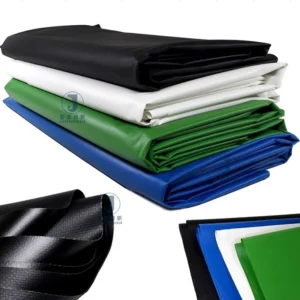
Custom Reinforced Edges Rip-Stop Rubberized PVC Tarpaulin Industry Covering Vinyl Coated Polyester Tarps for Trucks
¥8.00 Select options This product has multiple variants. The options may be chosen on the product page -
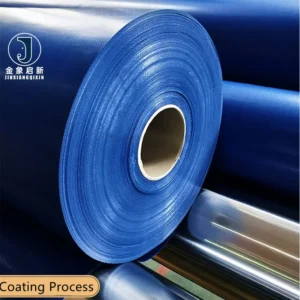
PVC Coated Tarpaulin Outdoor Poly Tarp Plastic Canvas Tarpaulin Roll 650 Gsm for Truck Tent. Roof Cover
¥2.70 Add to cart -
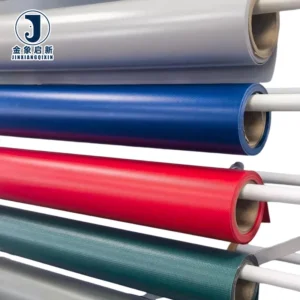
PVC Tent Fabric Shelter Blackout Anti-UV PVC Tarpaulins 1000D for Tent Fabric for Event Exhibition Shade Tents
¥1.45 Select options This product has multiple variants. The options may be chosen on the product page