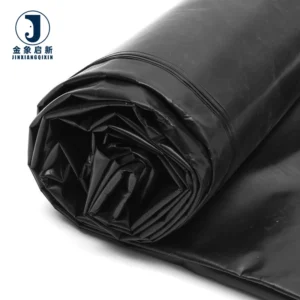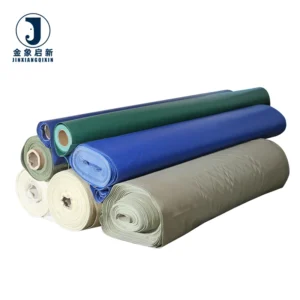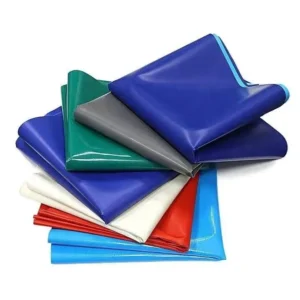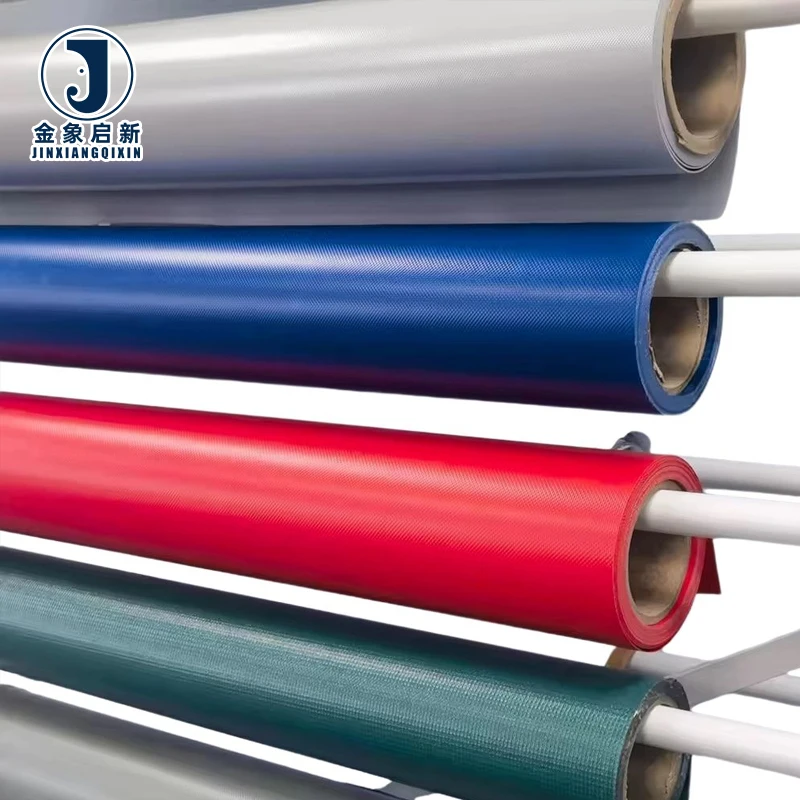
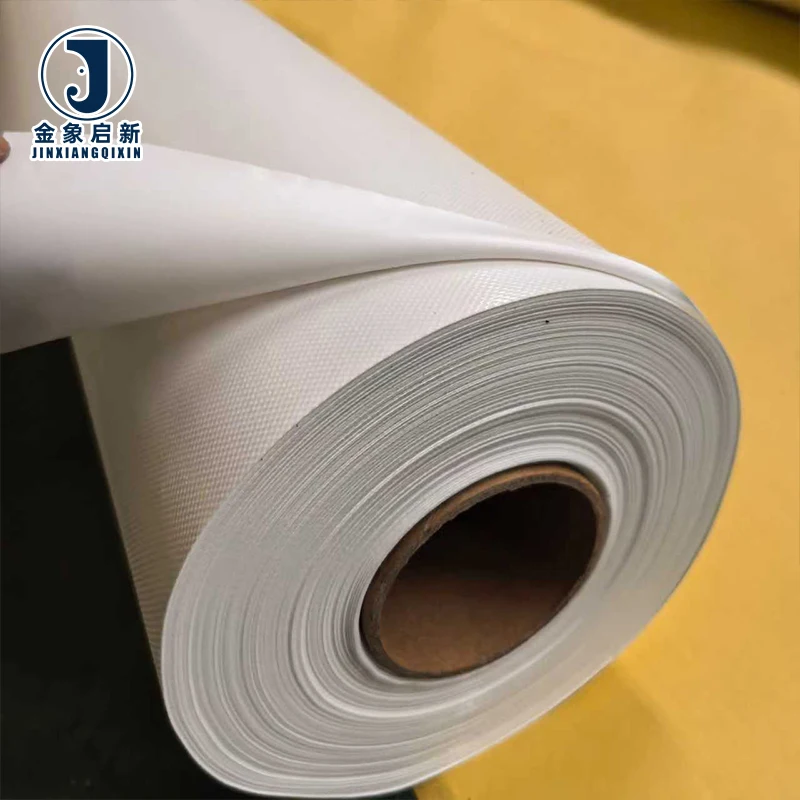
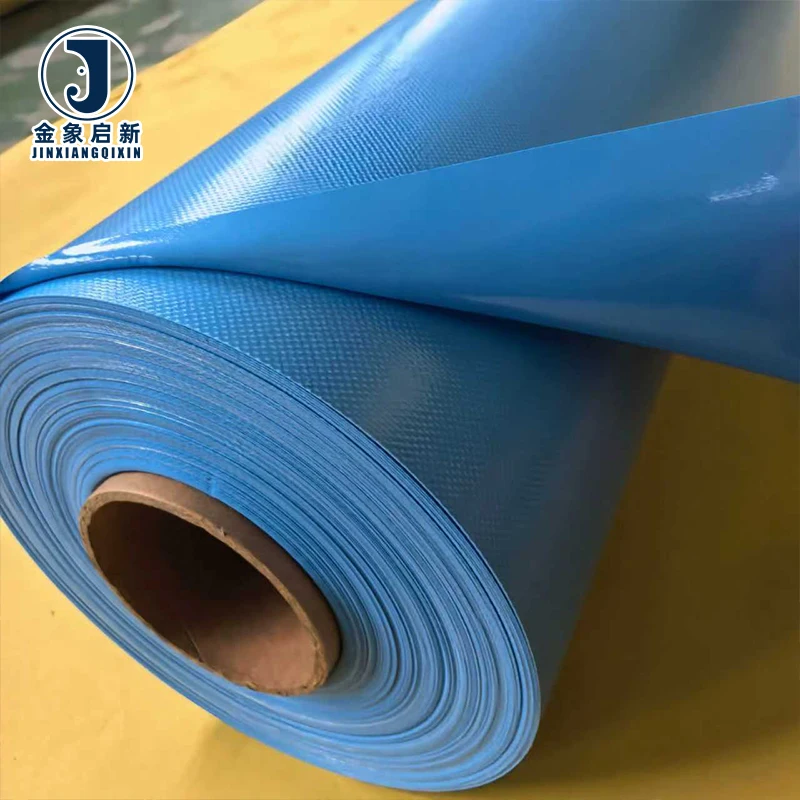
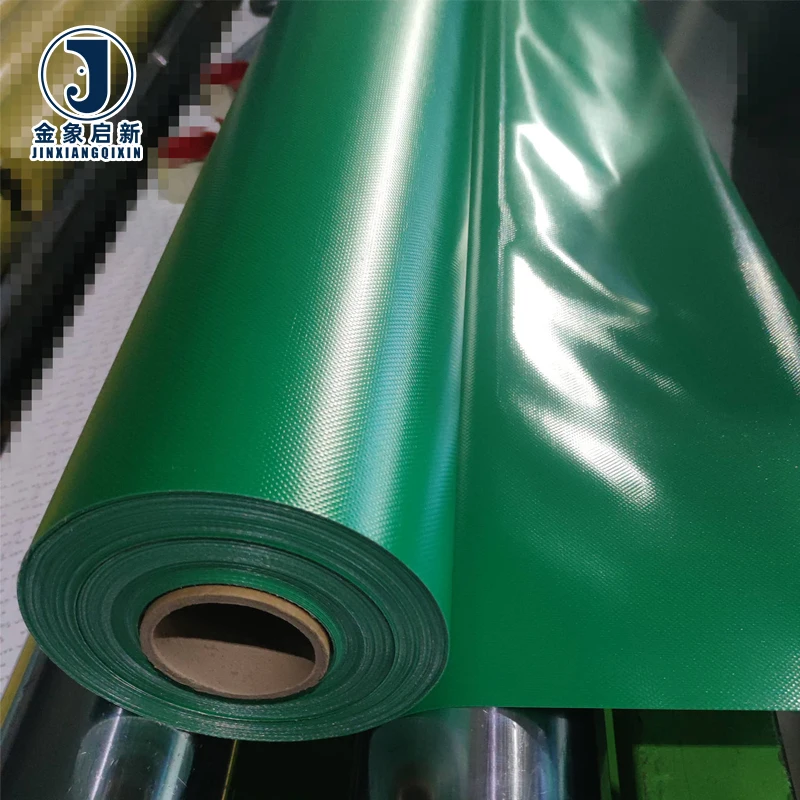
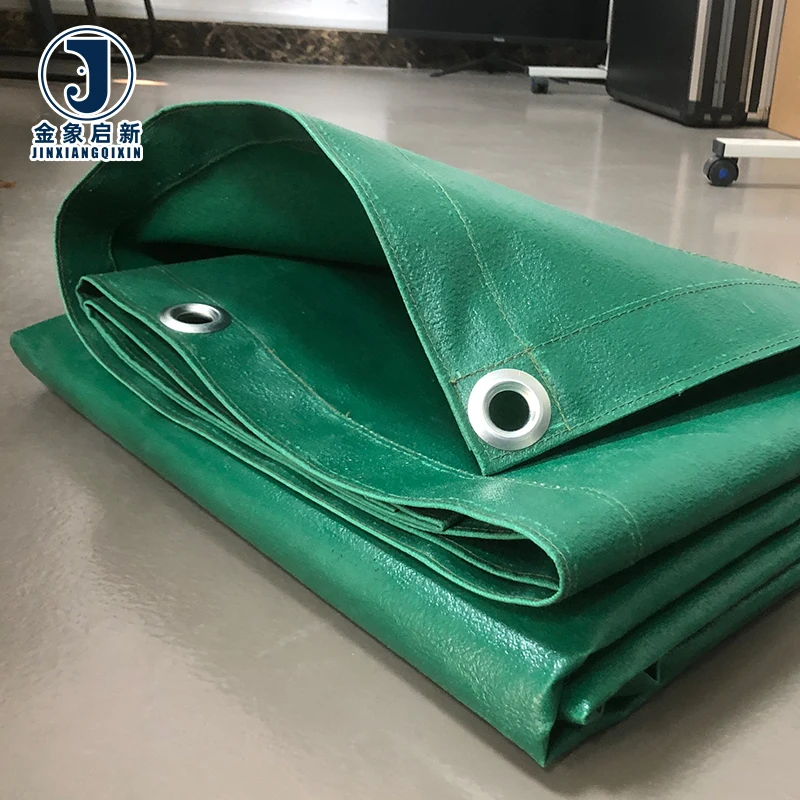
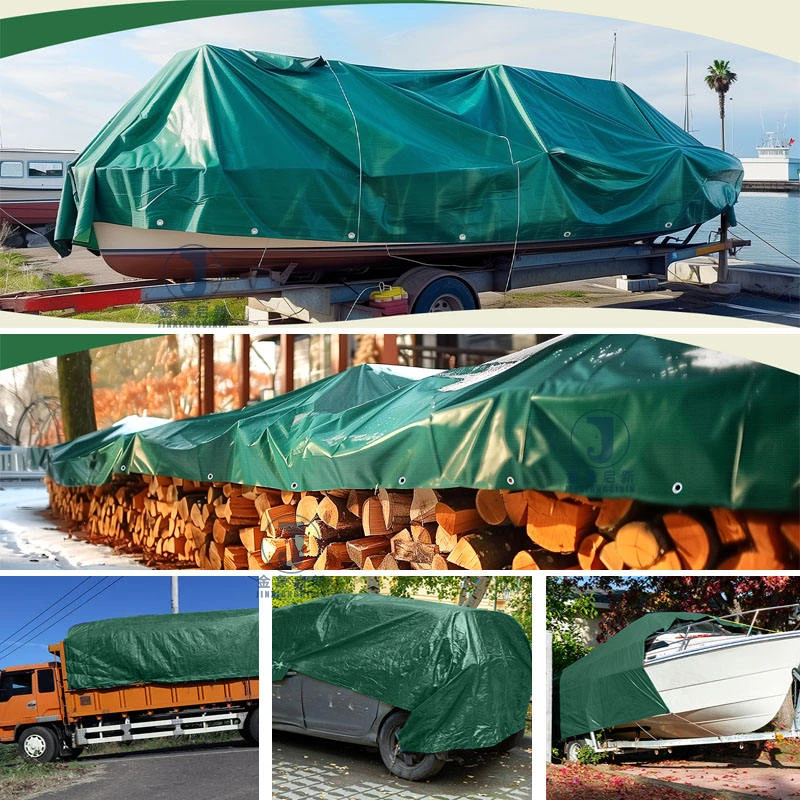
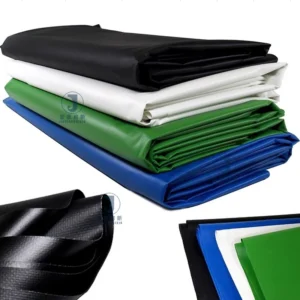
PVC Tarpaulin Roll for Tent and Shelter — 1000D base fabric with tensile, tearing and peeling resistance. Fire retardant and UV resistant treatment with antibacterial and mildew proof finish. HF, hot air and sewing weldable for flexible fabrication.
- Full treatment menu backed by test reports — no claim without documentation
- Deep process control over coating weight and adhesion across three production lines ensures roll-to-roll batch consistency
- Custom width, GSM grade and colour available with sample development within days before bulk commitment
Description
Batch-to-Batch Coating Consistency — our three full production lines apply PVC coating to 1000D base fabric with tight weight control, keeping every roll in your order within the specified GSM tolerance before dispatch.
Technical Specifications
| Parameter | Value |
|---|---|
| Product Type | PVC Coated Tarpaulin |
| Base Fabric Denier | 1000D |
| Coating Material | PVC |
| Blackout Construction | Yes |
| UV Treatment | Anti-UV (grade not stated in source — confirm requirement) |
| Flame Retardant | Available in flame retardant grades — confirm the grade required for your market |
| Antibacterial & Mildew Proof | Yes |
| Oil & Stain Resistance | Yes |
| Acid & Alkali Resistance | Yes |
| Temperature Performance | High temperature and cold resistance (specific range not stated) |
| Flexibility | Highly flexible, resistant to cracking |
| Surface | Self-cleaning system |
| Welding Options | HF, Hot Air, Sewing |
| Key Features | Tensile, tearing and peeling resistance; anti-oxidation and weather resistance; easy maintenance |
Application Suitability
| Application | Exposure & Requirement |
|---|---|
| Event and exhibition tents | Repeated assembly and teardown, direct sun, rain, wind loading on seams |
| Tensile and membrane structures | Permanent tension loads, UV exposure, thermal cycling, architectural aesthetics |
| Portable storage structures | Abrasion from stored goods, weather exposure, requirement for blackout interior |
| Airport hangars | Large-span coverage, wind load, fire safety compliance, fuel and chemical proximity |
| Shade systems and shadings | Continuous UV exposure, self-cleaning requirement, colour retention over seasons |
| Stadium architectural structures | Permanent outdoor tension, high wind, public safety fire classification |
Why Roll-to-Roll Colour Drift Matters on Installed Tensile Panels
Colour shift between rolls becomes visible the moment two panels hang side by side on a structure.
When you order PVC coated tarpaulin roll stock for a large shade system or tensile canopy, even a slight hue variation between consecutive rolls shows up clearly once the fabric is tensioned and lit by natural daylight. This is not a cosmetic complaint — it forces the fabricator to cut around the mismatch, wasting material and delaying the installation schedule. [NEED_CITE: colour consistency standards for architectural coated fabrics] A PVC Coated Tarpaulin Roll manufacturer with deep process control addresses this at the coating stage, not after the rolls are already packed.
Coating Weight Control Across the Production Line
Maintaining consistent coating weight on a 1000D base fabric requires precise control of the PVC compound viscosity and the gap between the coating knives. Our production lines run continuous monitoring so that the PVC Coated Tarpaulin Roll leaving the line carries the same coating mass from the first metre to the last. This consistency is what allows fabricators to set their hot-air welding parameters once and trust them across the entire batch.
Welding Compatibility for Fabricators
Tensile structures and event tents rely on seams that carry structural load. This PVC coated fabric supports HF welding, hot air welding and traditional sewing, giving fabricators the flexibility to choose the method that matches their equipment and the stress profile of the finished panel. HF welding produces a bond where the PVC layers fuse together, creating a seam whose strength approaches that of the parent fabric — essential for tensioned membranes.
How 1000D Base Fabric and PVC Coating Interact
The 1000D denier yarn provides the mechanical backbone: tensile strength and tear resistance come primarily from the base fabric weave, while the PVC coating adds waterproofing, UV screening and chemical resistance. A heavier denier does not automatically mean a stronger panel if the coating adhesion is poor — peeling at the weld line or delamination under thermal cycling can negate the base fabric advantage. That is why coating adhesion and the bond between PVC and yarn are as important as the denier count itself. The blackout layer within the construction blocks light transmission, making this PVC coated tarpaulin roll suitable for temporary shelters and exhibition interiors where light control is specified. [NEED_CITE: relationship between base fabric denier and coating adhesion in tensile applications]
What Happens When the Spec Does Not Match the Structure
A shade canopy that specifies a generic PVC roll without confirmed UV or flame-retardant grades faces two risks: the local fire inspector may reject the installation because the fabric lacks a recognised test classification, or the surface may chalk and stiffen prematurely under sustained sun exposure. In tensile structures, a seam that was hot-air welded at the wrong temperature — because the coating weight varied roll to roll — can fail before the fabric body does, right at the point where the membrane flexes under wind load. These are not theoretical concerns; they appear on site during commissioning and are expensive to remedy once the structure is partially erected. [NEED_CITE: weld failure modes in PVC coated architectural membranes]
What Consistent Roll Supply Looks Like in Practice
Our 10-person R&D team develops samples within days, letting you confirm colour, finish and treatment before committing to bulk PVC Coated Tarpaulin Roll production. Three full production lines with 36 sets of professional equipment support the volume needed for container-load orders while maintaining the batch consistency your fabrication line depends on. Every roll undergoes 100% inspection before shipment, with GSM verified against the quotation value. Custom widths and lengths are available — you specify the roll dimensions that fit your cutting table, reducing off-cuts and improving your material yield. Full documentation accompanies each dispatch, from material specification sheets to pre-shipment inspection records.
Documentation & Verification
- Material specification sheet stating base fabric denier, coating type and confirmed GSM per roll
- Test report for UV and flame-retardant grades where applicable — no claim without documentation
- Pre-shipment inspection record confirming 100% roll inspection before dispatch
- Roll packing list with batch reference for full traceability
- Certificate of origin and customs documentation included with every shipment
Fabrication, Handling & Storage
- HF welding recommended for tensile panels — ensure PVC coating surfaces are clean before electrode contact
- Hot air temperature must match this 1000D PVC coating viscosity to avoid cold welds or burn-through
- Sewn seams should use UV-stable thread compatible with the PVC surface for long-term weather exposure
- Store rolls upright on a flat surface to prevent permanent creasing of the blackout PVC layer
- Clean with mild detergent only — solvents may degrade the self-cleaning surface treatment
- Allow rolls to acclimatise before unrolling in cold conditions to preserve flexibility and avoid cracking
Before You Request a Quote
Tell us the end-use structure — whether it is a tensioned membrane, an event tent, or a portable storage unit — along with the environmental exposure it will face. Confirm the fire classification your local authority requires so we can match the correct flame-retardant grade and supply the supporting test report. Specify your preferred roll width, length and any colour or printing requirements so we can prepare an accurate PVC Coated Tarpaulin Roll quotation and develop a sample for your approval before production begins.
Frequently Asked Questions
Q: How is GSM verified on arrival and what does your pre-shipment inspection cover?
A: Every roll is weighed and measured during our 100% pre-shipment inspection. The recorded GSM is compared against the value on your quotation and material specification sheet. Any roll outside tolerance is replaced before packing. You receive the inspection record with your shipment so you can cross-check on arrival.
Q: What flame-retardant grades are available and which test standards do they meet?
A: We supply this PVC coated tarpaulin roll in multiple flame-retardant grades. The specific grade and corresponding test standard depend on your market requirements — share the classification your project specifies and we will confirm the matching grade along with its test report before production.
Q: How do you control colour consistency roll-to-roll across a bulk order?
A: Our R&D team establishes a colour reference sample before production begins. During coating, inline monitoring checks pigment density and coating weight across every roll. The pre-shipment inspection includes a visual comparison of consecutive rolls against the approved reference under standardised lighting.
Q: What custom widths, roll lengths and printing options are available?
A: Rolls are produced in custom widths and lengths to fit your cutting table and reduce waste. Pattern printing and branding are handled by our R&D team. Minimum quantities depend on the specific width and colour — confirm your requirements and we will provide the applicable threshold with your quotation.
Q: Which welding methods do you recommend for tensile structure seams?
A: HF welding delivers the strongest bond for structural tensile seams on this 1000D PVC coated fabric. Hot air welding works well for field repairs and smaller panels. Sewing is suitable where mechanical fastening is preferred. We recommend testing your chosen method on the approval sample before full production.
Related products
-
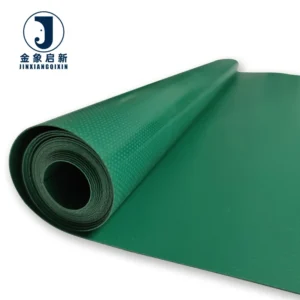
Wholesale Pricehigh Quality Outdoor Waterproof Tarp Customized Pvc Tarpaulin Roll
¥1.20 Add to cart -
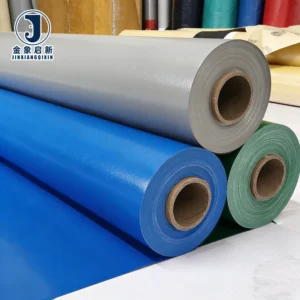
Tarp Factory 610gsm 650gsm 800gsm Awnings Tent PVC Coated Fabric Waterproof Bache Lona PVC Tarpaulin Roll
¥1.45 Select options This product has multiple variants. The options may be chosen on the product page -
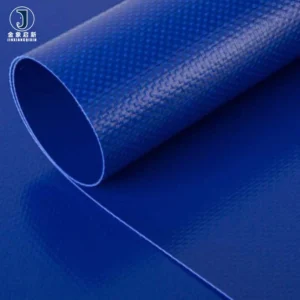
Nylon-coated Trailer Tarpaulin. Waterproof Canvas. Heavy-duty PVC Tarpaulin for Truck Tents
¥1.04 Add to cart -
Best Quality 650gsm Waterproof Polyester Heavy Duty Bache PVC Tarpaulin Manufacturer
¥1.25 Select options This product has multiple variants. The options may be chosen on the product page