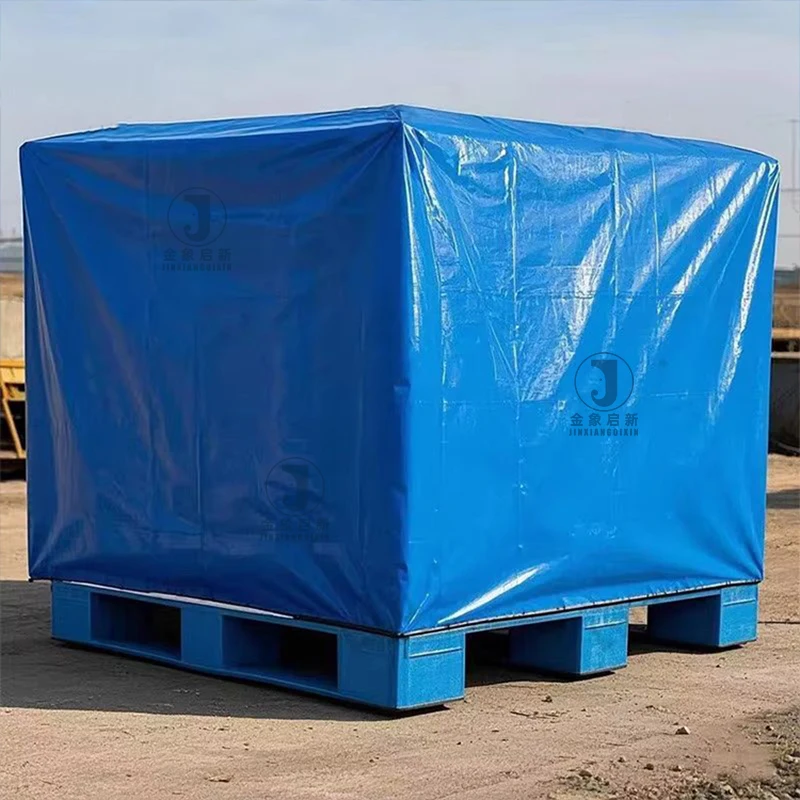
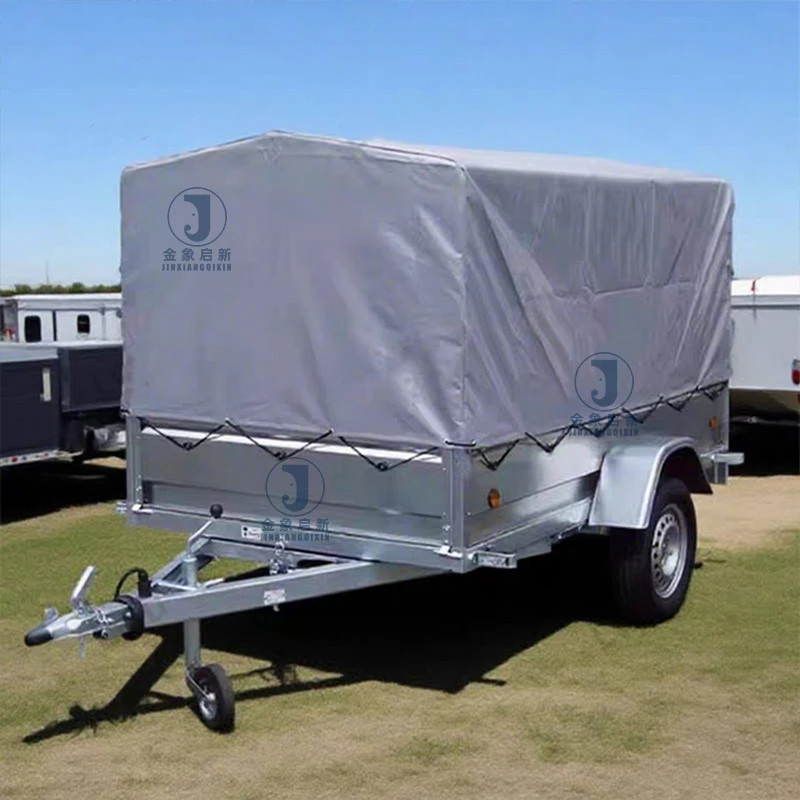
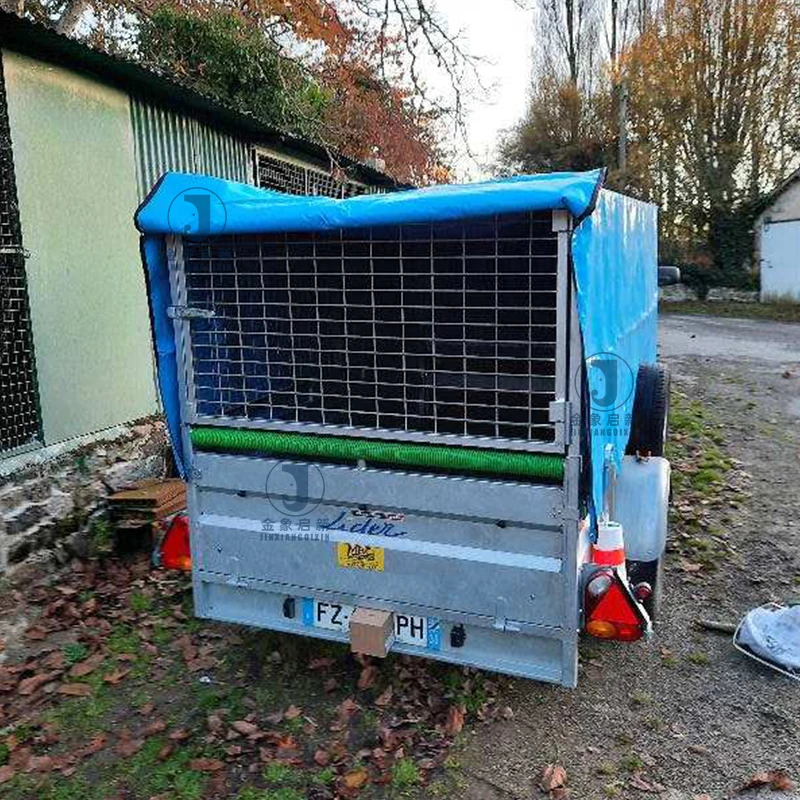
PVC Coated Tarpaulin Truck Cover, 350gsm–750gsm, High-Strength Polyester Mesh Base — hot-melt coated with laminated technology for superior adhesion and weld strength at flex points where loads shift most.
- Double-sided PVC coating delivers cold-crack resistance, anti-mildew performance, and outstanding tear strength for heat-welded seams
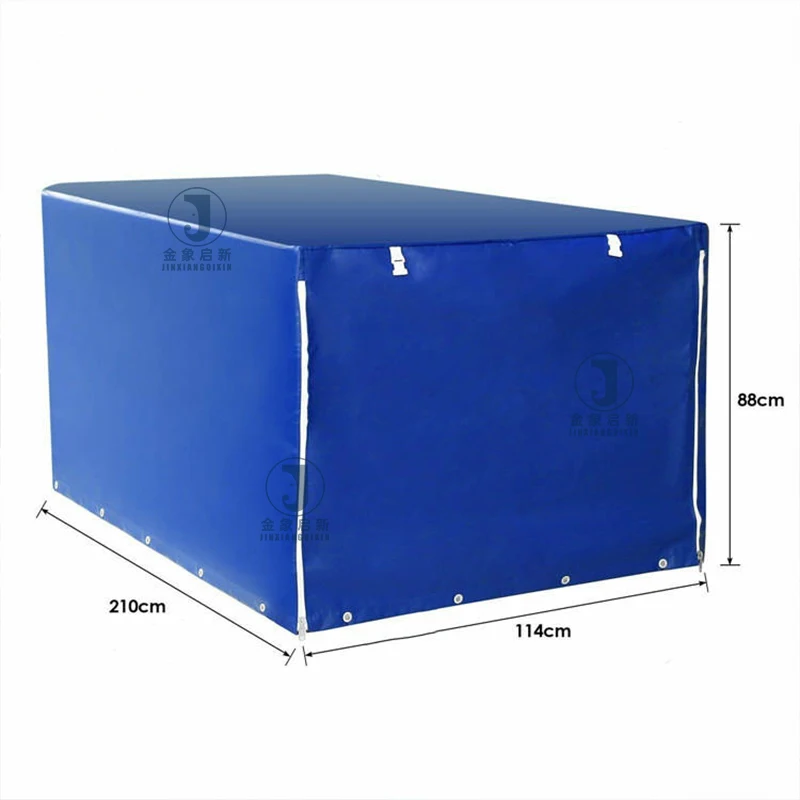
- Eyelets, zippers, and Velcro options with hot-welded hems to match specific trailer model dimensions
- UV treated material rated for extended outdoor exposure, available in custom colours with batch consistency
Backed by 36 sets of professional coating equipment and 100% pre-shipment inspection across every roll and finished cover.
Description
Precision-Coated Fabric Engineering — A dedicated QA/QC process inspects every roll before dispatch, ensuring that the PVC coating weight, base fabric adhesion, and final dimensions match the agreed specification for your fleet.
Technical Specifications
| Parameter | Value |
|---|---|
| Product Type | PVC Coated Tarpaulin Truck Cover |
| Base Fabric | High-tenacity polyester mesh |
| Coating Technology | Laminated and hot-melt coating |
| Weight (GSM) | 350gsm / 420gsm / 500gsm / 550gsm / 600gsm / 750gsm |
| Thickness | 0.32mm / 0.35mm / 0.4mm / 0.45mm / 0.5mm / 0.65mm |
| Standard Colours | Blue / Red / Yellow / Light blue / Grey (custom colours available) |
| Key Features | Waterproof, UV treated material, cold crack resistance, anti-mildew, anti-static treatment available, hot-welded bottom hem |
| Fastening Options | Eyelets, zipper, velcro as option |
| Service Life | 5-10 years under normal circumstances |
| Certifications | ISO, CE |
Application Suitability
| Application | Exposure & Requirement |
|---|---|
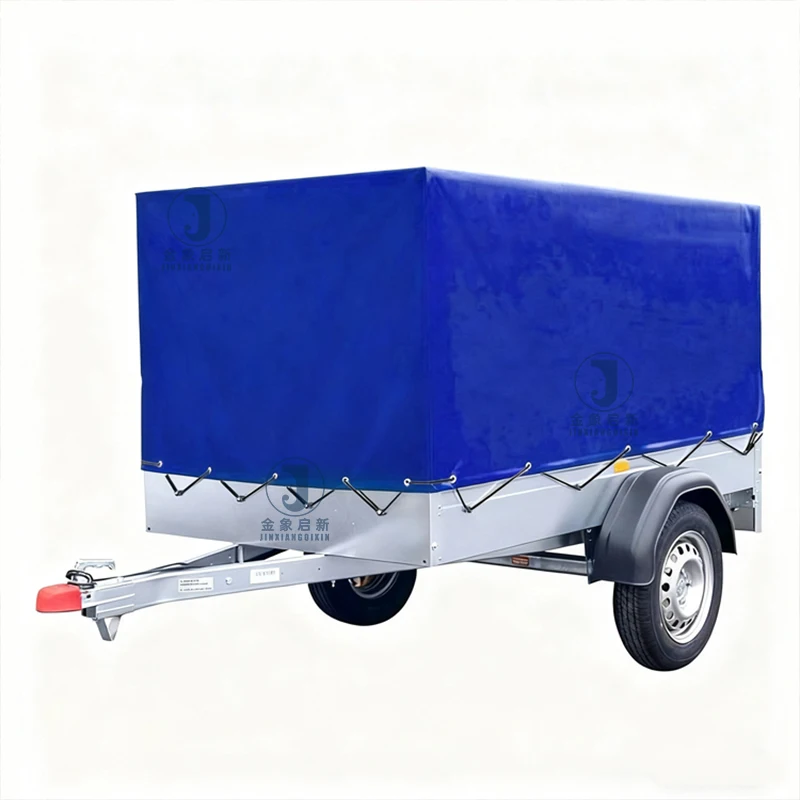
| Flatbed trailer cover | High-speed wind load, road debris abrasion, tie-down tension at corners |
| Open truck load protection | Rain ingress, dust contamination, UV exposure during multi-day transit |
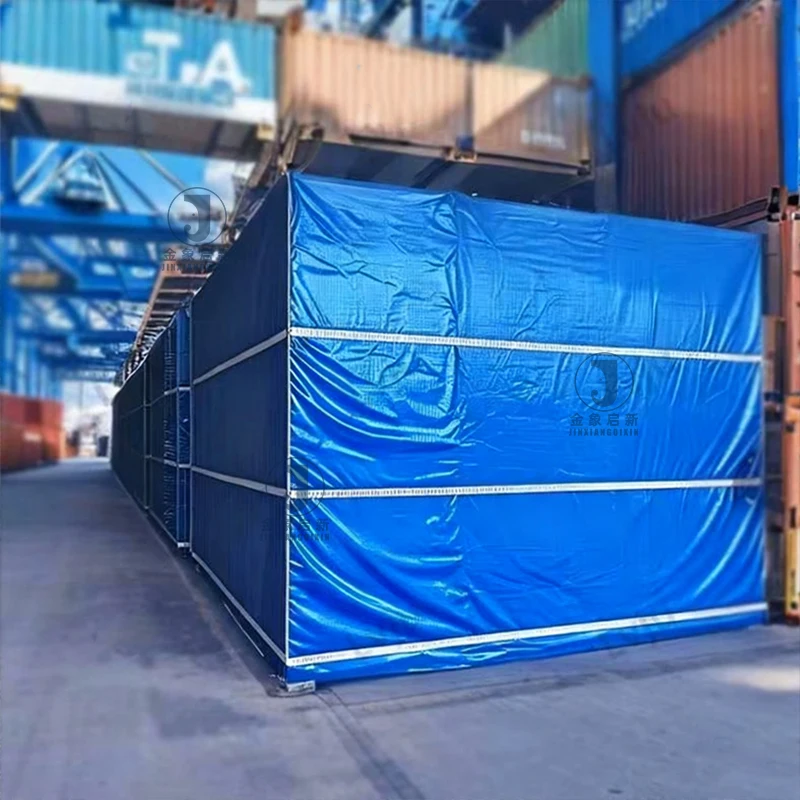
| Cargo ship deck cargo cover | Salt spray, sustained moisture, heavy weather, long-term UV |
| Side curtain on tautliner | Continuous flexing at folds, friction against load edges, daily roll-up stress |
Why a Generic PVC Truck Cover Fails on a Mixed Fleet
Model-specific patterning prevents the seam failures that generic cuts cause at the corners.
When you run a mixed fleet, a standard cut-to-size PVC truck cover might sit well on one trailer but pull tight across the corners of another. The stress concentrates at the eyelets and the welded hem. Over a few weeks of highway vibration and tie-down tension, the weld begins to peel before the fabric itself shows any wear [NEED_CITE: weld peel versus fabric tear in dynamic load covers]. The result is water ingress at the exact point the load is most exposed. Sourcing an aftermarket PVC truck Cover aftermarket supplier who asks for your trailer drawings before cutting is the first line of defence against this failure mode.
Pattern Cutting That Matches the Trailer, Not the Catalogue
A PVC truck cover is only as effective as its fit. If the cover is too loose, wind gets underneath and flaps the fabric, accelerating fatigue at the seams. If it is too tight, the corner eyelets bear loads they were not designed for. Our patterning process starts with the exact make and model of your trailers, including any protrusions such as load locks or header boards. The cutting plan is then adjusted so that the welded hems and reinforcement patches sit exactly where the tie-down straps make contact.
Seam Construction Where Flexing Concentrates
The bottom hem and the eyelet line are the two areas that see the highest cyclic stress. We use hot-air welding rather than stitching for these joints, because a stitched needle hole becomes a water path and a tear initiation point under load shift. The weld parameters — temperature, speed, and pressure — are set according to the specific GSM and coating formulation of the roll in production, ensuring the welded seam reaches the target peel strength for that material grade [NEED_CITE: hot-air weld peel strength test method for PVC coated polyester].
Reading the GSM and Coating Weight Together
GSM alone is an incomplete metric. A 550gsm fabric can be made with a lighter base mesh and a heavier coating, or a heavier mesh with a thinner coating. The first gives good flexibility but lower tensile strength; the second gives higher tear resistance but is stiffer to handle. For a truck cover that must be manually thrown over a load, the balance between base fabric denier and coating weight determines whether the crew can deploy it without dragging it across the ground. We list both total GSM and coating weight in our specification sheet so you can compare options on an equal basis.
The Cost of Specifying the Wrong Grade
Selecting a lighter PVC truck cover grade to save on unit cost often shows up as premature failure at the hem weld, not in the middle of the panel. The fabric flexes at every corner and strap point; if the coating does not have sufficient adhesion to the base mesh, the weld lifts under repeated stress [NEED_CITE: coating adhesion failure modes in PVC tarpaulins per ISO 1421]. A cover that fails at the seam within the first season has to be replaced in full, including the labour to remove and refit, which outweighs the initial saving per square metre.
Why Production Control Matters for Fleet Orders
- Coating weight verification. Each roll is weighed before and after coating to confirm the GSM matches the purchase order, so the PVC truck cover you receive is the grade you specified.
- Colour batch matching. Pigment dosing is controlled per production run; multiple rolls for a single fleet order are drawn from the same batch to prevent visible shade differences when panels sit side by side.
- In-process weld testing. Weld samples are taken at the start, middle, and end of every hem run and tested for peel strength before the batch proceeds to final cut.
- Sample-first approach. A full-size sample cover is produced and fitted to one of your trailers before bulk cutting begins, so pattern adjustments are caught before the main order is committed.
Documentation & Verification
- Material specification sheet stating exact GSM, base fabric denier, and coating weight per roll
- Colour reference card matched to the batch for visual verification on arrival
- UV and flame-retardant test reports where applicable grades are specified
- Pre-shipment inspection record with roll-by-roll weight check
- Roll packing list with net and gross weight per roll for customs clearance
- Certificate of origin and customs documentation for cross-border dispatch
Fabrication, Handling & Storage
- Set hot-air welder temperature to match the specific GSM and coating type before hem welding
- Reinforce eyelet positions with patch material of the same coating formulation to ensure weld compatibility
- Store rolls on their cores in a dry area away from direct sunlight to prevent surface tack
- Allow cold-stored PVC truck cover material to reach ambient temperature before unrolling to avoid coating crack
- Clean with mild detergent only; solvent-based cleaners can soften the PVC coating layer
- Use the same base fabric for field repair patches to maintain consistent weld adhesion
Getting the Specification Right at Inquiry Stage
To avoid re-sampling delays, share the exact trailer model numbers, the tie-down method (strap, rope, or bungee), and the typical load profile (flat, palletised, or irregular). If your market requires a specific fire classification or anti-static standard, state the grade and the test method you need documented. Let us know whether you require finished covers with hems and eyelets, or roll stock for your own fabrication line, and the annual volume to plan production slots.
Frequently Asked Questions
Q: How do you verify the GSM on a PVC truck cover before it ships?
A: Every roll is weighed before coating and after coating. The difference gives the coating weight, and the total is checked against the ordered GSM. This data is recorded in the pre-shipment inspection report, which is shared with you before dispatch so you can verify on arrival.
Q: Can the cover be cut to fit my specific trailer model?
A: Yes. We request the make, model, and any drawings or photos of your trailer, including protrusions. A pattern is developed and a sample cover is produced for fit-check on your unit before bulk production begins.
Q: What test reports do you provide for UV or flame-retardant claims?
A: Where a specific UV or flame-retardant grade is ordered, we supply the test report from the testing laboratory that certifies the material to the stated standard. Confirm the grade and standard required for your market when you inquire.
Q: How do you maintain colour consistency across a fleet order?
A: All rolls for a single order are coated in the same production run with pigment dosed per batch. A colour reference card from that batch is included in the shipment documentation so you can check consistency on receipt.
Q: What is the lead time for a custom sample cover?
A: Sample development typically takes several working days from pattern approval. Once the sample is approved, bulk production lead time depends on order volume and any custom print or colour requirements.
Related products
-
Waterproof PVC Coated Tarpaulin Double Sided Coating Environmentally Friendly Multifunctional Vehicle Open Trailer Cover
¥68.50 Select options This product has multiple variants. The options may be chosen on the product page -
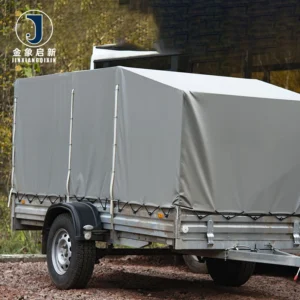
PVC Coated Tarpaulin for Truck Cover – Custom Made
Read more -
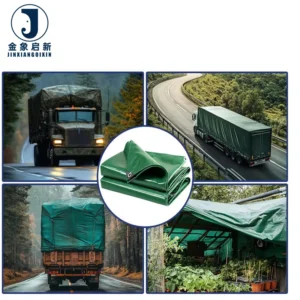
Pvc Truck Cover Tarps Mildew Resistant Pvc Tarpaulin Cover for Trucks
¥1.48 Add to cart -
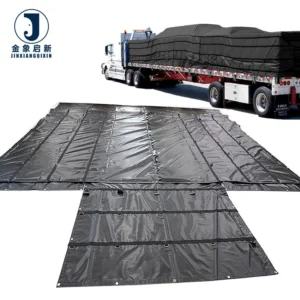
Factory Wholesale 14oz 18oz RipSTOP Flatbed Semi Truck Lumber Tarp with 8′ Drops 1PC 2PC 3PC Custom Waterproof Tarp
¥200.00 Add to cart