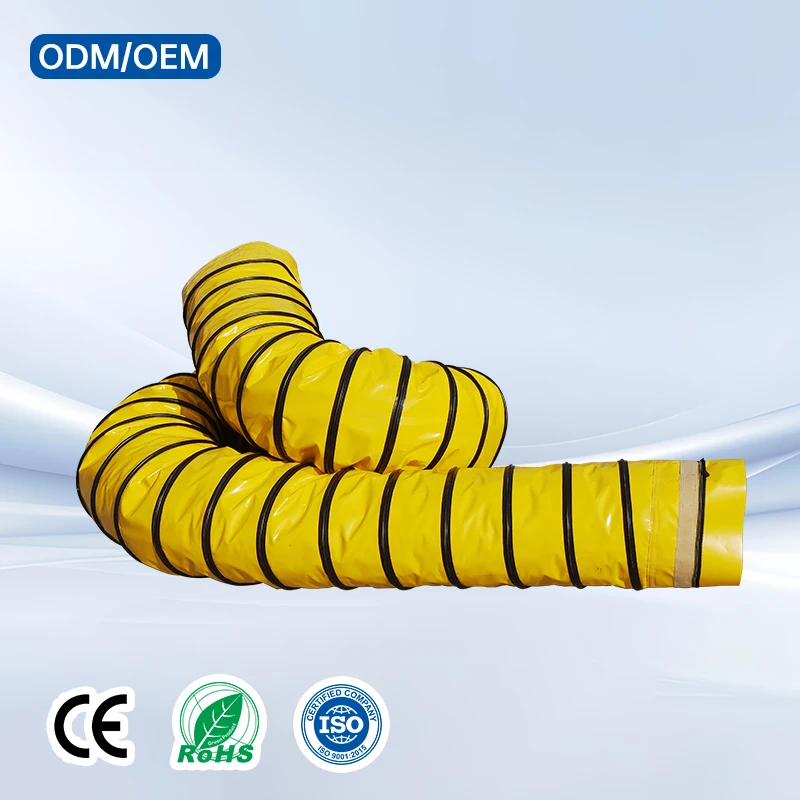
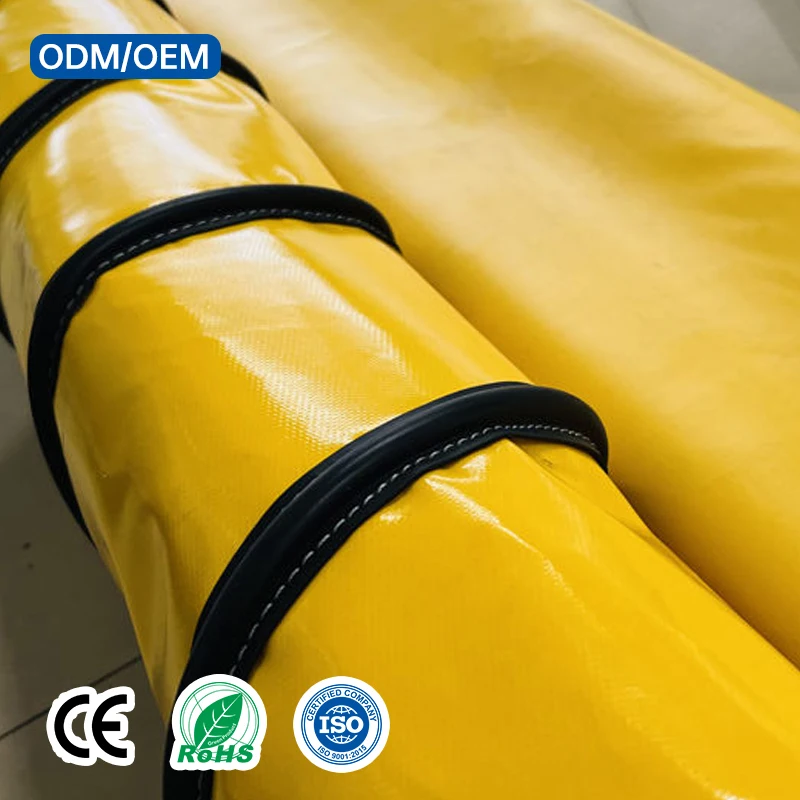
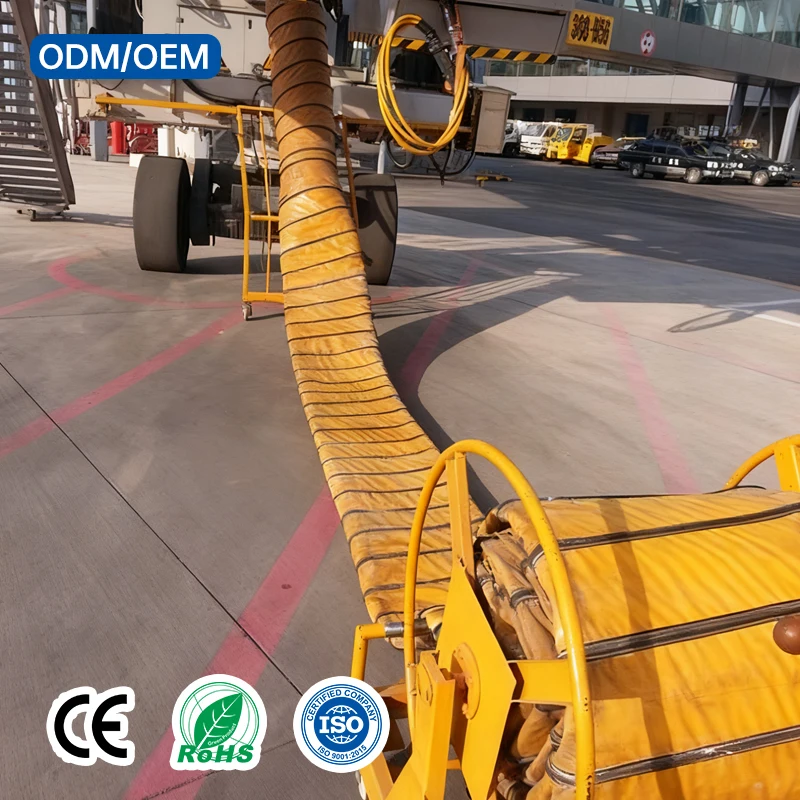
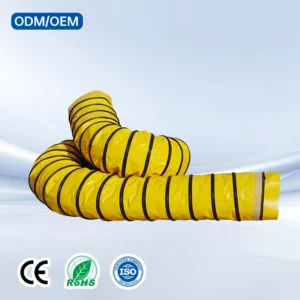
Aircraft PCA Hose, PVC coated cloth with aluminum foil bubble film insulation, -30°C to 150°C range — engineered for pre-conditioned air transmission between ground support units and aircraft cabin interfaces.
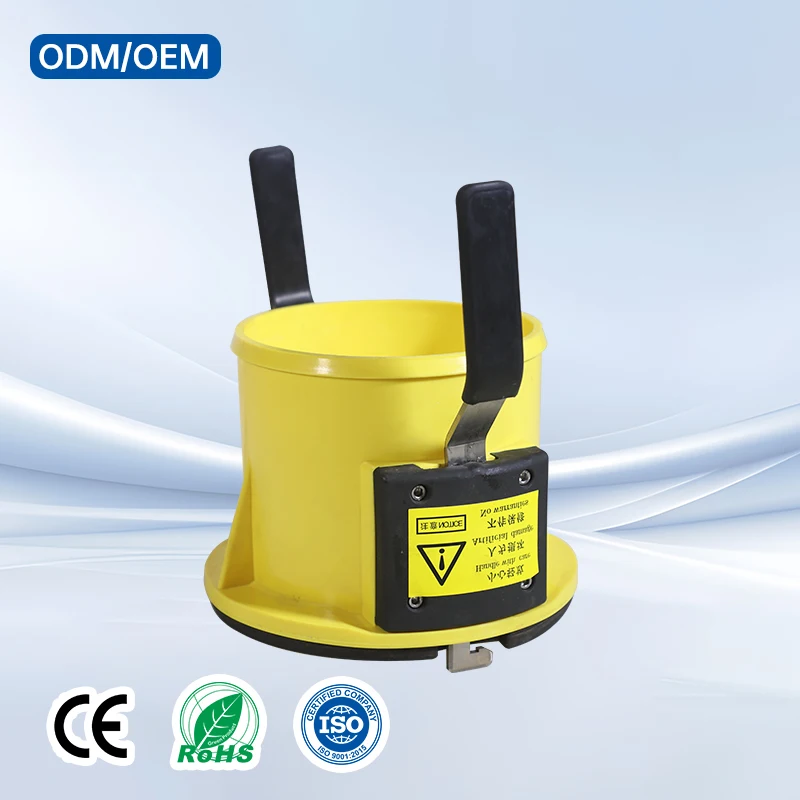
- Zipper and Velcro connection enables rapid apron deployment and compact foldable storage
- Yellow-black high-visibility outer layer supports safe ground handling operations
- Thermal insulation construction maintains air temperature across extreme operating climates
Backed by 100% pre-shipment inspection and dedicated QA at every production stage.
Description
Near-decade R&D focus on coated fabrics — our 10-person technical team develops custom Aircraft PCA Hose samples within days, validating insulation layers and connection systems before full production runs.
Technical Specifications
| Parameter | Value |
|---|---|
| Product Type | Aircraft PCA Hose |
| Material Construction | PVC coated cloth + fabric-reinforced layer + aluminum foil bubble film insulation |
| Temperature Range | -30°C to 150°C |
| Connection System | Zipper and Velcro (tool-free disassembly) |
| Outer Layer Appearance | Yellow-black alternating protective coloring |
| Key Features | Mildew resistance, water resistance, high tensile strength, foldable for compact storage |
| Customization Scope | Style, logo, pattern, color |
| Logo / Pattern / Packaging MOQ | 100 units |
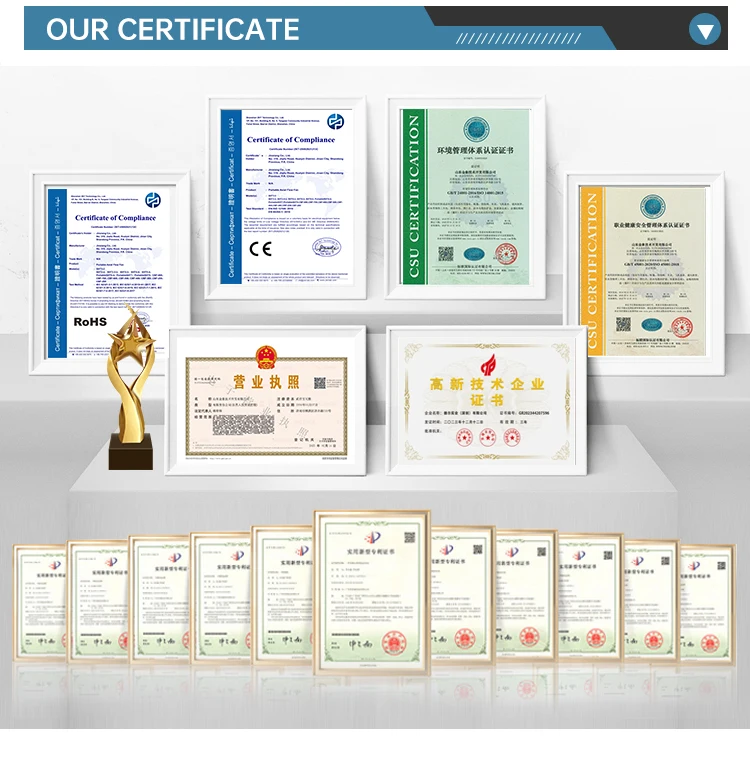
| Standards | ISO, CE |
Application Suitability
| Application | Exposure & Requirement |
|---|---|
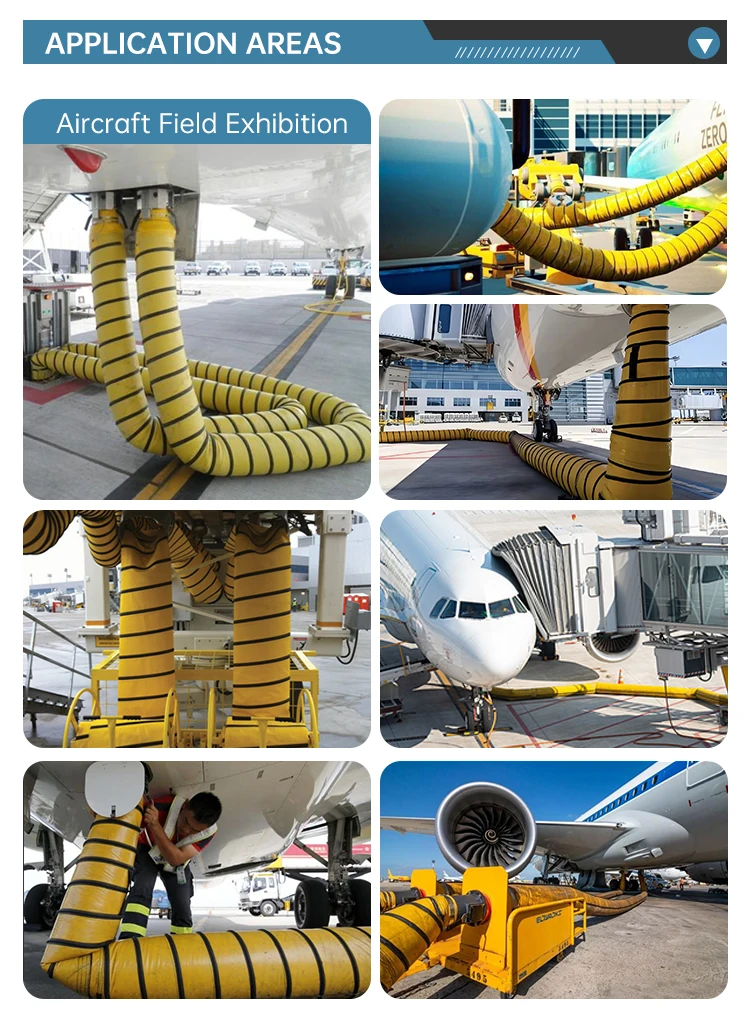
| Pre-Conditioned Air (PCA) units on airport aprons | Continuous thermal cycling between sub-zero and high-temperature airflow, outdoor UV and moisture exposure, mechanical drag across concrete |
| Aircraft cabin air conditioning interface connections | Repeated coupling and decoupling, flexing at connection joints, compatibility with standard GSE ducting diameters |
| Mobile PCA deployments at remote apron positions | Transport and storage between operations, rapid deployment under time pressure, high-visibility requirement for ground crew safety |
| Aviation maintenance hangar air supply | Indoor-outdoor transition, extended continuous operation, mildew risk in humid hangar environments |
Why Certification Gaps Ground Your PCA Hose Before It Ever Reaches the Apron
An aviation air duct without traceable fire-retardant and anti-static documentation is a compliance liability, not a spare part.
Ground support equipment managers regularly receive ducting that claims flame resistance but arrives without a test report referencing a recognized standard. Airport authorities increasingly demand documented proof that every component on the apron meets site-specific fire safety and static dissipation requirements. When the paperwork is missing, the hose sits in quarantine while operations run without adequate pre-conditioned air supply [NEED_CITE: airport ground equipment fire safety compliance requirements]. The cost is not the hose itself — it is the aircraft turn-around delay and the procurement cycle that starts over.
Thermal Insulation That Holds Across the Full Operating Envelope
The aluminum foil bubble film insulation layer bonded between the PVC coated outer shell and the fabric-reinforced core creates a thermal barrier rated from -30°C to 150°C. This range covers the full spectrum of pre-conditioned air temperatures delivered by ground units, from winter heating to summer cooling loads. The insulation is integral to the hose wall, not a separate sleeve, which eliminates the air gap that causes condensation buildup and reduces thermal transfer efficiency. For airport ground handling teams, this means the air arriving at the aircraft cabin interface stays within the temperature band the PCA unit was set to deliver.
Connection Design Built for Turn-Around Speed
The zipper and Velcro connection system on this Aircraft PCA Hose allows ground crew to deploy, disconnect, and repack the duct without tools or fasteners. On a busy apron where aircraft turn-around windows are measured in minutes, a connection that requires bolts or clamps adds delay and introduces the risk of lost hardware. The yellow-black alternating outer coloring provides high visibility against concrete and asphalt surfaces, reducing trip and drive-over hazards for ground support vehicle operators [NEED_CITE: ground support equipment visibility standards on airport aprons]. When the hose is not in use, the foldable construction collapses into a compact form for storage on the GSE vehicle or in the equipment bay.
Reading the Material Layers Behind the Specification Sheet
The three-layer construction of this aviation air duct — PVC coated cloth, fabric-reinforced core, and aluminum foil bubble film — addresses three distinct failure modes simultaneously. The outer PVC layer handles abrasion from dragging across apron surfaces and resists mildew in humid conditions. The fabric-reinforced layer provides the structural tensile strength that prevents the hose from collapsing under negative pressure or bursting at high airflow volumes. The aluminum foil insulation layer manages thermal transfer, keeping conditioned air within tolerance. A single-layer duct might meet one of these requirements, but apron operations demand all three working together across thousands of deployment cycles. The temperature range of -30°C to 150°C is a function of how these layers interact, not just the rating of one material in isolation.
What Happens When the Insulation Layer Is Underspecified
A PCA hose that lacks adequate thermal insulation does not fail dramatically — it degrades quietly. Conditioned air loses temperature as it travels through an uninsulated or poorly insulated duct, forcing the ground unit to work harder and longer to maintain cabin comfort. In extreme ambient conditions, the air arriving at the aircraft may fall outside the acceptable range, triggering passenger complaints or requiring extended pre-conditioning time before boarding. Mildew growth inside a hose that traps moisture between layers creates an odor problem that transfers directly into the aircraft cabin [NEED_CITE: microbial contamination risks in aviation air supply ducting]. These are not warranty claims — they are operational failures that erode confidence in the ground support fleet.
Sourcing From a Coated Fabric Manufacturer, Not a Trading Desk
Our production starts with coating formulation and fabric selection, not with a purchase order to a third-party mill. The PVC coating weight and adhesion to the base fabric are controlled in-house across our three production lines, which means the outer shell of every Aircraft PCA Hose carries verified material properties. The 10-person R&D team handles insulation layer integration and connection system design, developing functional samples within days rather than weeks. Every production run passes through dedicated QA/QC stages with full pre-shipment inspection, so the hose that arrives at your depot matches the specification sheet you approved. Custom diameter, length, and branding configurations are produced on the same lines as standard orders — there is no separate "custom" workflow that compromises quality control.
Documentation & Verification
- Material specification sheet listing PVC coating weight, base fabric construction, and aluminum foil insulation layer composition
- Temperature range test data documenting performance across the -30°C to 150°C operating envelope
- Mildew and water resistance test results for the outer PVC layer
- ISO and CE certificates with traceable production batch references
- Pre-shipment inspection record confirming dimensions, connection hardware, and outer layer coloring
Fabrication, Handling & Storage
- Heat-weld seams at manufacturer-recommended temperature to preserve PVC coating adhesion and insulation layer integrity
- Inspect zipper and Velcro connection points before each deployment to catch wear before a mid-operation failure
- Store folded hoses in dry, ventilated conditions to prevent mildew formation on the PVC outer surface
- Avoid prolonged compression under heavy equipment during transport to maintain the aluminum foil bubble film structure
- Clean outer PVC layer with mild detergent only — solvent-based cleaners can degrade the coating and high-visibility coloring
- Deploy on clean apron surfaces where possible to reduce abrasive wear on the PVC coated outer shell
What We Need to Quote Your PCA Hose Correctly
Provide the PCA unit interface diameter and the aircraft types in your fleet so we can match the hose dimensions to your connection hardware. Confirm the ambient temperature range at your operating location and any site-specific fire-retardant or anti-static requirements mandated by the airport authority. Let us know if you need custom branding, specific outer layer coloring beyond the standard yellow-black scheme, or revised packaging for your depot receiving process. If this is a first-order evaluation, we can develop a functional sample for your team to test on the apron before committing to a production run.
Frequently Asked Questions
Q: What certifications do your aviation air ducts carry for airport compliance?
A: Our Aircraft PCA Hose is produced under ISO and CE certified processes. For airport-specific fire-retardant or anti-static requirements, we provide test documentation matched to the standard your authority mandates. Confirm the exact classification your site requires so we can include the correct reports with your shipment.
Q: Can the PCA hose diameter and length be customized to our GSE fleet?
A: Yes. We configure diameter and length based on your PCA unit interface and aircraft connection specifications. Custom configurations are developed as functional samples first, allowing your ground crew to verify fit and airflow performance before full production. Logo, pattern, and outer packaging customization are available at defined minimums.
Q: How is the insulation layer validated for the stated temperature range?
A: The aluminum foil bubble film insulation is tested across the -30°C to 150°C range in combination with the PVC and fabric-reinforced layers. We provide temperature test data with your order documentation so you can verify the hose meets your operational climate requirements before deployment.
Q: What is the expected service life under continuous apron exposure?
A: Service life depends on deployment frequency, apron surface conditions, and storage practices between operations. The PVC coated outer layer resists mildew and water ingress, while the fabric-reinforced core maintains structural integrity under repeated flexing. We recommend periodic inspection of connection points and the outer shell for early wear detection.
Q: Do you support custom branding and high-visibility color schemes?
A: Logo, pattern, and color customization are available with minimum order quantities of 100 units. The standard yellow-black alternating scheme provides high visibility for apron safety. Alternative color configurations can be developed to match your ground support fleet identification system or airport authority requirements.
Related products
-
12 Inch High Quality Lightweight 12 Inch Flexible PCA Air Conditioning Hose Aviation Cooling Duct Ground Supp
¥12.00 Select options This product has multiple variants. The options may be chosen on the product page -
PVC Coated Tarpaulin Roll 500gsm for Tent – Custom Made
Read more -
High Pressure PCA Hose Aviation Cooling Air Duct Flexible Tube OEM Customizable Aircraft Air Conditioning Hose for PCA
¥42.15 Select options This product has multiple variants. The options may be chosen on the product page -
Custom Aviation Air Duct for PCA Hose – Manufacturer
Read more