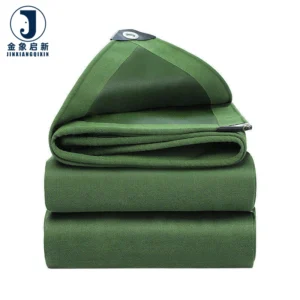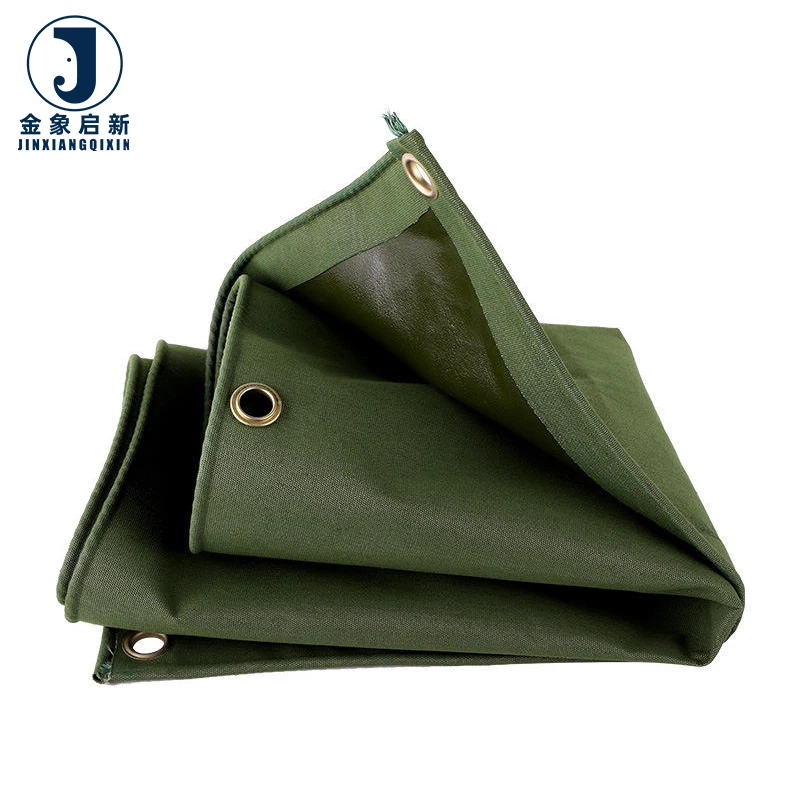
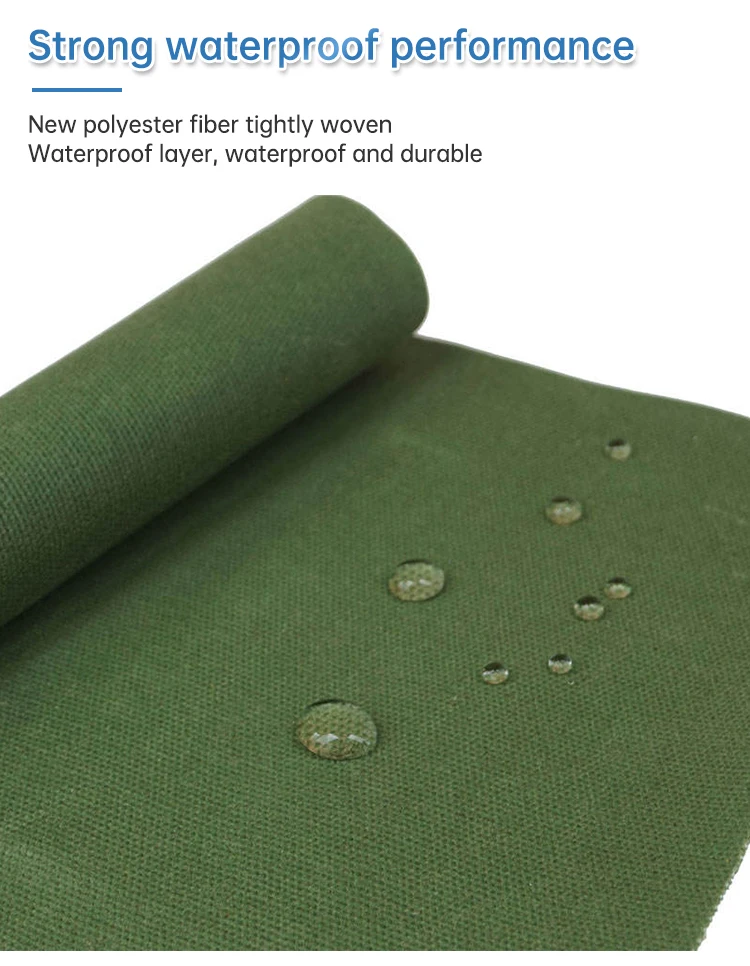
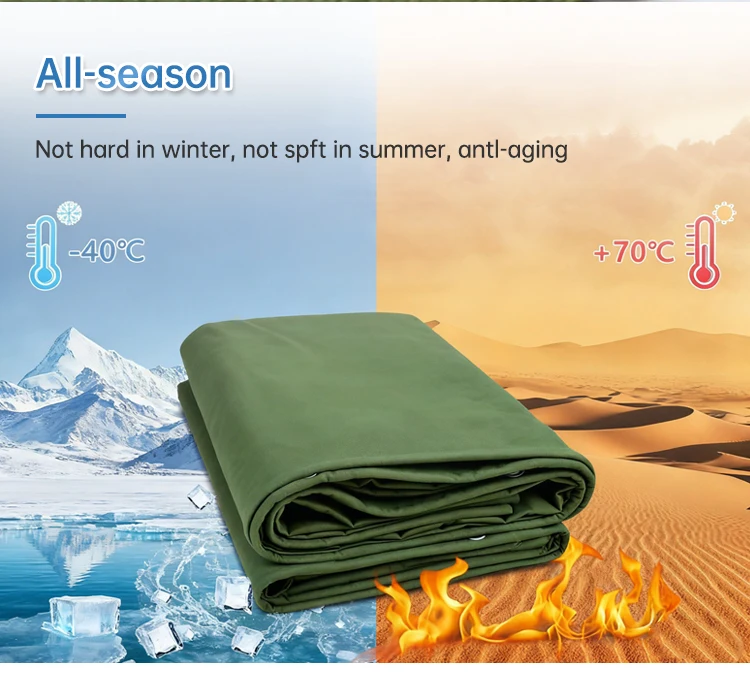
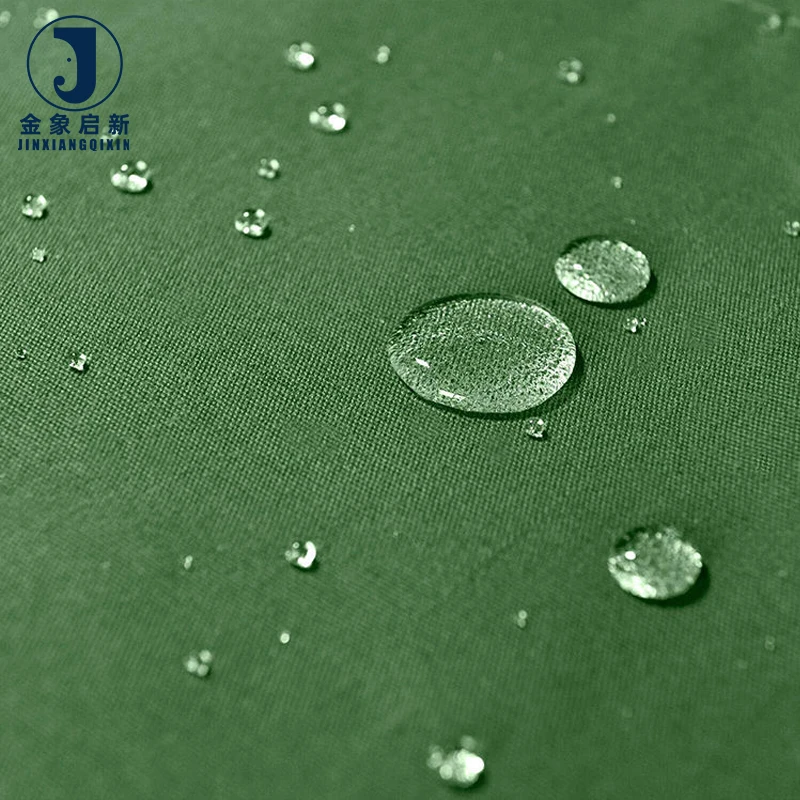
Heavy Duty Polyester Canvas Tarpaulin 600gsm — 0.5-0.7mm thickness, polyester cotton industrial textile with 8-12 strands fine cotton yarn, rust-proof aluminum eyelets every 1 meter, welded and sewn seams with poly ropes.
- Coating weight and base fabric adhesion directly control tensile performance under road vibration and load flex — verified through in-process QA at every stage
- Available in 2m × 100m roll stock or custom cut sizes with eyelet placement, colour and branding handled in-house
Supported by 100% pre-shipment inspection and full documentation including material spec sheets and roll packing lists.
Description
Deep Coating Process Control — Nearly 30 years focused on coated fabric production ensures consistent coating weight and adhesion across every roll of heavy duty canvas tarpaulin aftermarket supplier.
Technical Specifications
| Parameter | Value |
|---|---|
| Product Type | Canvas Tarpaulin |
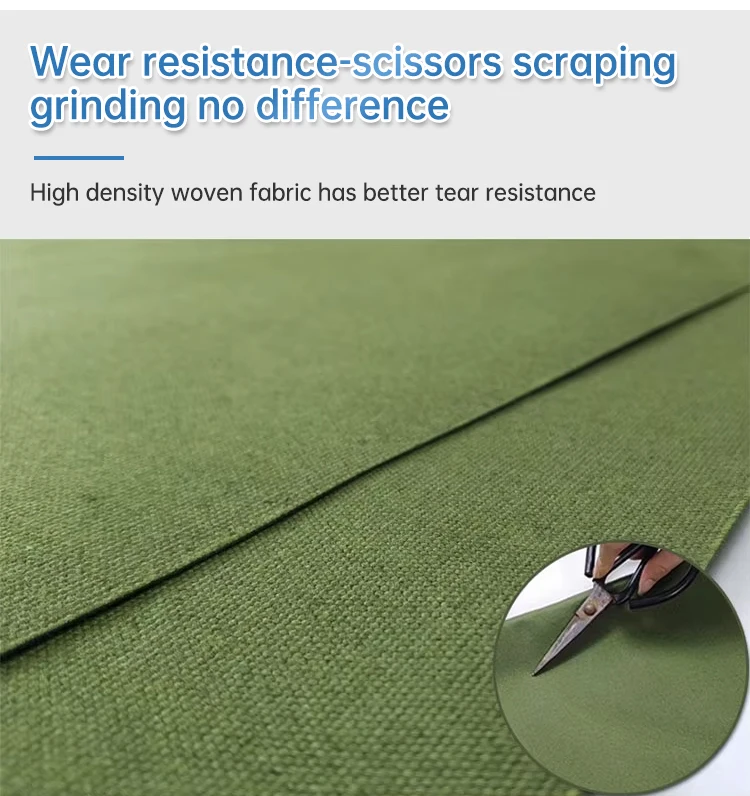
| Material | Polyester cotton industrial textile with 8-12 strands of fine cotton yarn |
| Weight | 600gsm |
| Thickness | 0.5mm / 0.6mm / 0.7mm |
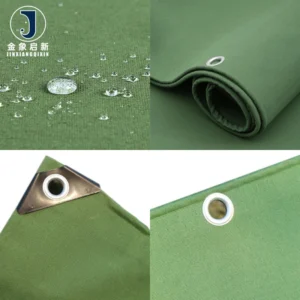
| Color | Army Green Camouflage / Custom |
| Roll Size | 2m width × 100m length |
| Finished Product Size | Custom cut to requirement or inventory stock |
| Eyelets | Rust-proof aluminum holes every 1 meter at corners and hem |
| Seams | Welded and sewn with poly ropes |
| Key Features | Wear-resistant, corrosion-resistant, tensile-resistant, high- and low-temperature resistant |
| Standards | CE, ISO |
Application Suitability
| Application | Exposure & Requirement |
|---|---|
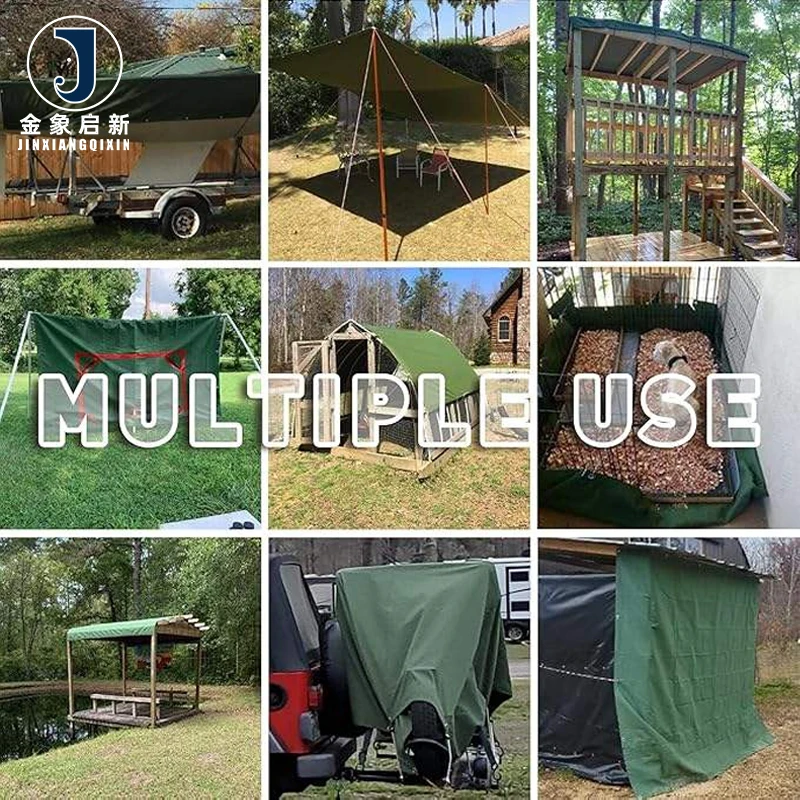
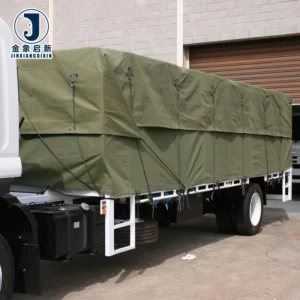
| Truck and trailer load covering | Constant road vibration, weather exposure, repeated tie-down tension at eyelet points, abrasion from cargo movement |
| Construction site and equipment cover | UV exposure, chemical splash, wind uplift, puncture risk from sharp aggregate and scaffolding edges |
| Open-air asphalt cover | High surface temperature contact, bitumen adhesion, thermal expansion and contraction cycles |
| Outdoor awning and shading sail | Permanent sun exposure, wind load, rain pooling, seasonal temperature swings |
| Tent and inflatable structure fabric | Sustained mechanical stress, weather cycling, requirement for clean surface finish |
Why a Specified GSM Does Not Guarantee Real-World Tarpaulin Strength
Coating weight and base fabric density together determine whether a heavy duty canvas tarpaulin aftermarket supplier delivers material that survives the first season.
A roll can arrive at the stated 600gsm yet still tear at the hem or delaminate at the weld. The reason almost always traces back to how the coating was applied and how the base yarn was woven, not the number on the label. When the base fabric uses fewer strands or a looser weave, the coating fills the gaps rather than bonding to the yarn, creating dead weight that adds grams but no tensile strength. [NEED_CITE: tensile and tear test methods for coated fabrics per ISO 1421]
I learned this the hard way early in my career on the coating line, when a batch passed the scale check but split along the weld during the customer’s first tie-down.
How Base Yarn Construction Drives Tarpaulin Behaviour
The polyester cotton industrial textile used here pairs 8-12 strands of fine cotton yarn into a tight weave. This strand count and yarn fineness determine how load transfers across the fabric when a corner eyelet takes the full force of a ratchet strap. A loose weave allows individual yarns to shift, concentrating stress on a single strand until it snaps. A dense weave distributes that same load across multiple strands, which is why the 600gsm weight here reflects real structural mass rather than filler.
What Coating Adhesion Means for Weld and Seam Life
The three thickness options — 0.5mm, 0.6mm, and 0.7mm — represent different coating build levels on the same base fabric. Thicker coating improves abrasion resistance at contact points but also increases stiffness, which affects how the material folds and flexes over a load. The critical factor is adhesion between coating and yarn: if the bond is weak, the coating peels away at the weld line before the fabric itself reaches its breaking point. [NEED_CITE: peel strength test methods for PVC coated textiles]
Reading the Spec Sheet Beyond the Grams-Per-Square-Metre Figure
The 600gsm figure tells you how much material is present per square metre, but not how that mass is distributed. A heavy coating on a light base fabric gives the same GSM as a moderate coating on a dense base fabric — yet the two behave completely differently under tension. The polyester cotton base here is designed for applications where the tarpaulin must flex repeatedly without cracking, such as truck covers that flap in highway crosswinds. The available thickness range lets you match the coating build to the specific abrasion and stiffness requirement of your end use. The army green camouflage colour is standard, with custom colours available for branding or project-specific visibility requirements.
What Happens When Specifications Are Chosen on Price Alone
When the decision rests on the lowest GSM cost, the base fabric is often the first element compromised. Fewer strands per yarn and a looser weave reduce raw material cost while still hitting the target weight through heavier coating. The roll passes inspection on the warehouse floor, but within months the coating cracks at fold lines, the welds separate under load, and the eyelets pull through the weakened weave. [NEED_CITE: common failure modes in coated tarpaulin field installations] Colour can also drift between rolls sourced from different batches, making a visible mismatch when two panels are installed side by side on the same structure.
Why This Material Holds Up Where Others Fail
The 8-12 strand fine cotton yarn construction in the base fabric is specifically chosen for coated tarpaulin applications where tensile load and tear propagation are the primary failure modes. The three production lines at the Jinan facility run dedicated coating processes, meaning the 600gsm weight is achieved through controlled coating application rather than post-production padding. The 10-person R&D team handles custom width, colour, eyelet placement, and pattern printing in-house, which eliminates the communication gaps that arise when finishing is outsourced. Every roll undergoes 100% inspection before dispatch, checking weight, colour consistency, and weld integrity at the seam points. CE and ISO certification underpins the documentation package, so the material data sheet, test reports, and pre-shipment records travel with every container.
Documentation & Verification
- Material specification sheet confirming 600gsm weight, base fabric composition, and available thickness options
- Colour reference standard for army green camouflage or custom Pantone match per order
- Pre-shipment inspection record with per-roll weight verification and visual check
- CE and ISO certificates included in the shipping document set
- Roll packing list with gross and net weight for customs clearance support
Fabrication, Handling & Storage
- Weld parameters must account for the 0.5mm to 0.7mm thickness range — test a sample strip before setting production heat and dwell time
- Rust-proof aluminum eyelets at 1-metre spacing distribute tie-down load; reinforce corner patches with additional fabric layer before punching
- Store rolls vertically on a clean, dry surface to prevent permanent creasing in the 600gsm coating that could lead to crack initiation
- When unfolding at low temperatures, allow the canvas tarpaulin to acclimatise before applying tension to avoid brittle coating fracture
- Clean surfaces with mild detergent only — solvent-based cleaners can degrade the coating bond on the polyester cotton base
What to Include in Your Enquiry
To match the right thickness and finish to your application, share the end-use environment — whether the tarpaulin will cover a moving truck load, sit over hot asphalt, or serve as a permanent awning. Specify the roll width and length you need, or provide finished dimensions if you require custom-cut panels with eyelets and reinforced hems. Let us know your target market so we can confirm any compliance or documentation requirements that apply.
Frequently Asked Questions
Q: How do I verify the GSM matches the quotation when the rolls arrive?
A: Every shipment includes a pre-shipment inspection record showing the measured weight per roll. You can cross-check this on arrival using a calibrated scale and a known-area sample cut. If any roll falls outside the agreed tolerance on the 600gsm specification, the inspection record gives you documented grounds for a claim before installation begins.
Q: What is the minimum order for custom width, colour or print?
A: Custom runs on the heavy duty canvas tarpaulin aftermarket supplier lines carry minimums that depend on the colour changeover and setup time required. Standard army green camouflage in 2-metre roll width has the lowest threshold. For bespoke Pantone colours or printed branding, the R&D team will confirm the minimum after reviewing your artwork and panel count.
Q: How do you ensure colour consistency across multiple rolls in one order?
A: All rolls in a single order are coated from the same mixed batch, and the colour is checked against the reference standard at the end of each production run. The pre-shipment inspection includes a side-by-side visual comparison under controlled lighting, recorded in the inspection report that ships with your documentation package.
Q: What documentation ships with the order?
A: You receive a material specification sheet stating GSM and base fabric, a roll packing list, CE and ISO certificates, and a pre-shipment inspection record. For orders requiring specific treatment verification, test reports are included where applicable. A certificate of origin is available for customs clearance in markets that require it.
Related products
-
Custom Made PVC Laminated Canvas Tarpaulin for Truck Cover – Full Range
Read more -
Canvas Tarpaulin for Asphalt Truck Cover – Custom Made
Read more -
Heavy Duty Waterproof PVC Coated Abrasion-Resistant Very Heavyweight Asphalt Truck Cover Cotton Canvas Tarpaulin
¥10.29 Add to cart -
Heavy Duty Canvas Tarpaulin for Canopy Tent – Custom Made
Read more