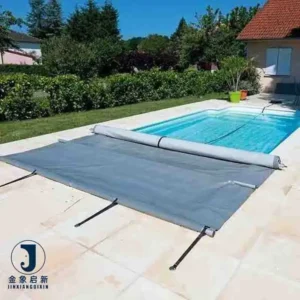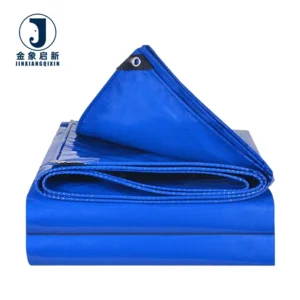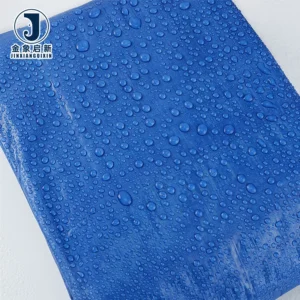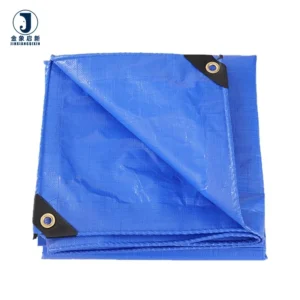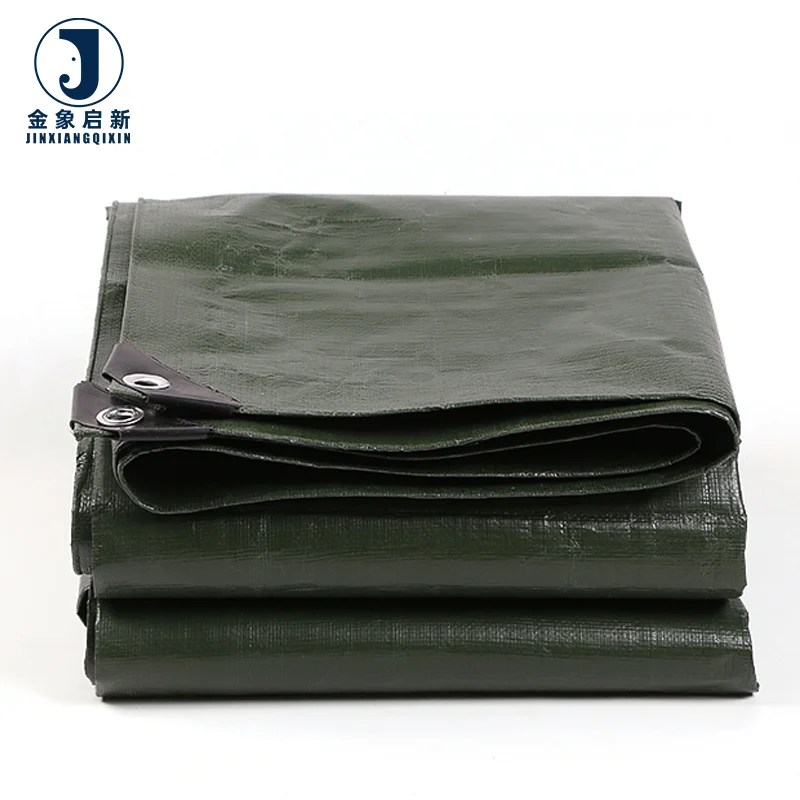
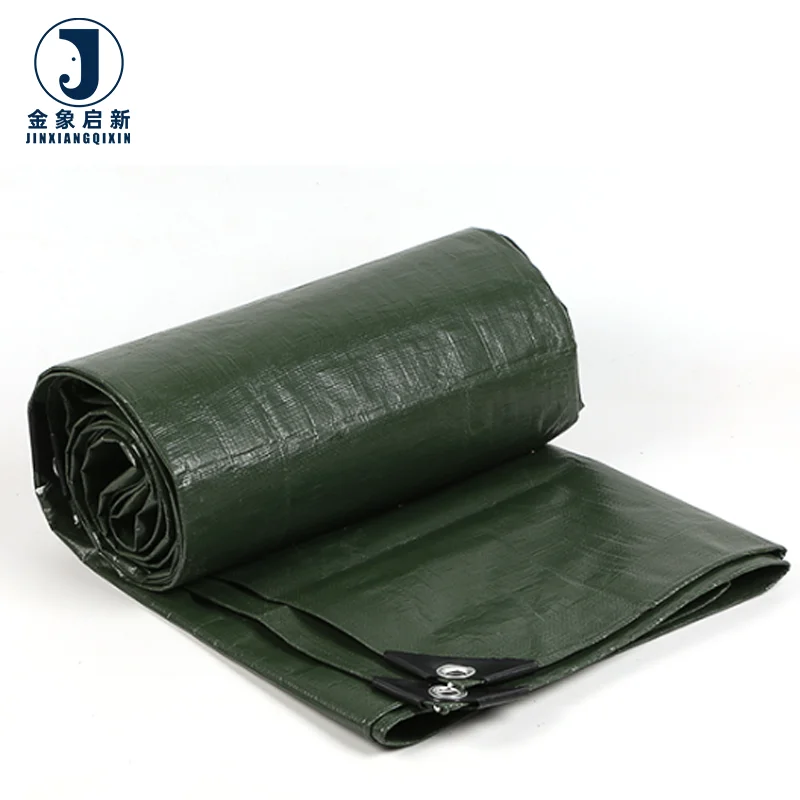
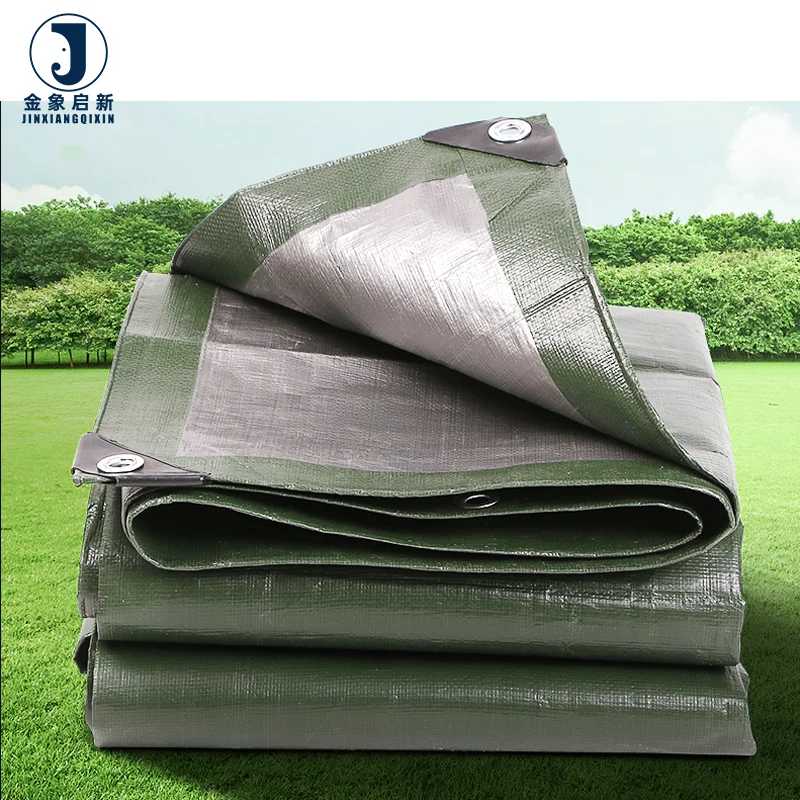
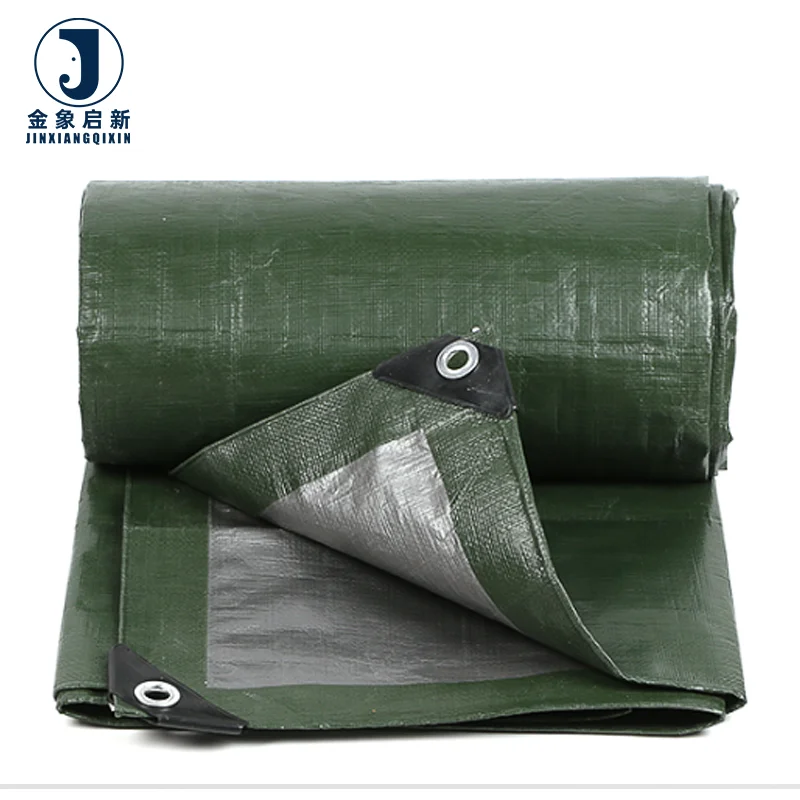
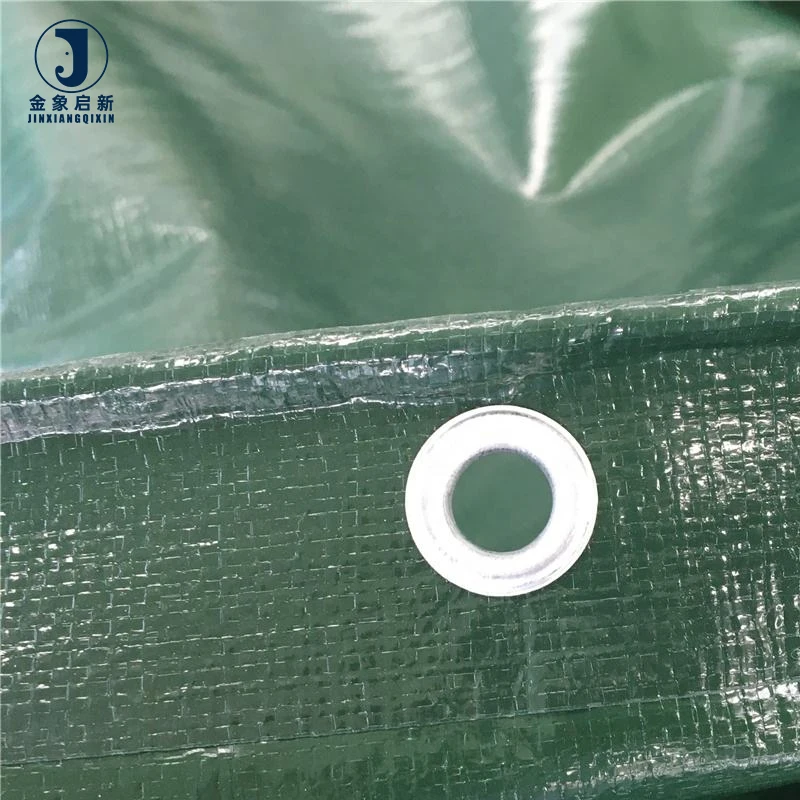
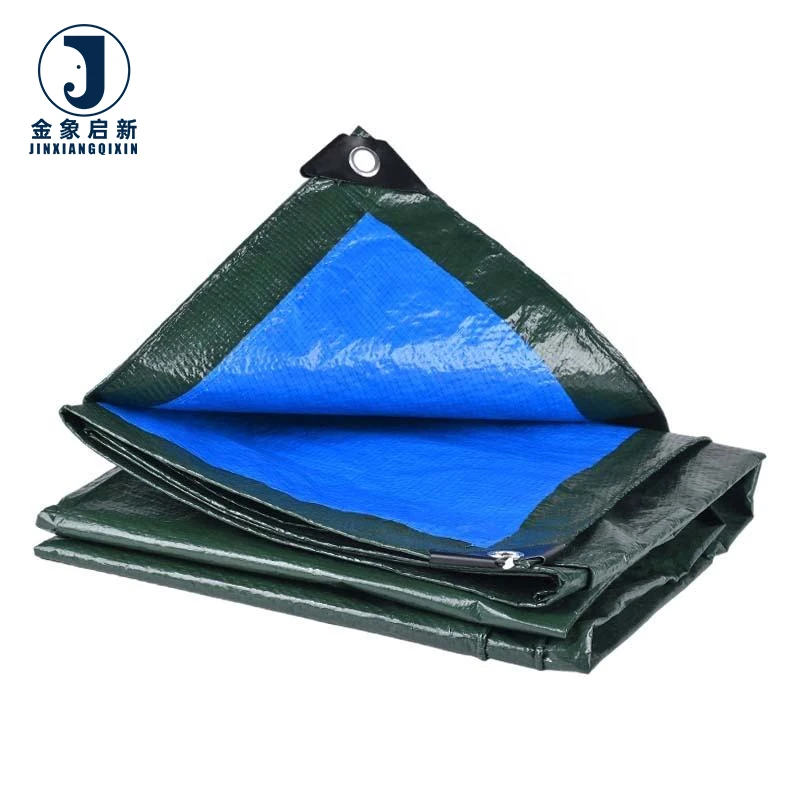
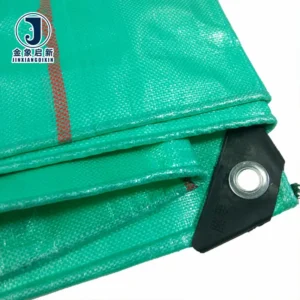
Heavy Duty PE Tarpaulin — 5/10/12/16/20 Mil thickness options in polyethylene with waterproof, fire retardant and anti-UV treatments.
- Abrasion-resistant surface with reinforced hems and eyelets for repeated tie-down use
- Thickness grading from 5 Mil to 20 Mil to match load weight, weather exposure and transport conditions
- Fire retardant (701 grade), mildew-proof and windproof for site and fleet compliance
- Custom cut sizes with colour consistency across rolls for multi-panel installations
Supported by nearly 30 years of coated fabric expertise, three full production lines, and 100% pre-shipment inspection on every order.
Description
Proven Coating Expertise — nearly 30 years of focused development in coated fabric translates into strict process control over every PE tarpaulin roll we extrude and laminate.
Technical Specifications
| Parameter | Value |
|---|---|
| Product Type | PE Tarpaulin |
| Thickness Options | 5 Mil / 10 Mil / 12 Mil / 16 Mil / 20 Mil |
| Coating Material | Polyethylene (PE) |
| Waterproof | Yes — fully waterproof laminated construction |
| Flame Retardant | Available in flame retardant grades (701 referenced) — confirm the grade required for your market |
| UV Treatment | Anti-UV treated — test basis available upon request |
| Windproof | Yes |
| Mildew-Proof | Yes |
| Abrasion-Resistant | Yes |
| Key Features | Waterproof, windproof, mildew-proof, abrasion-resistant |
Application Suitability
| Application | Exposure & Requirement |
|---|---|
| Car covers | Daily UV exposure, dust and light debris, mild abrasion from wind flutter |
| Tent shelters | Prolonged sun and rain, structural flex, mildew risk in humid climates |
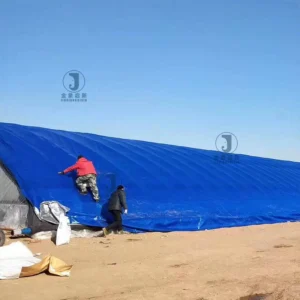
| Cargo protection | Heavy loads, tie-down friction, road debris impact, sustained weather exposure |
| Outdoor equipment coverage | Stationary long-term weathering, moisture ingress, surface mildew |
Why Mil Thickness Alone Fails to Predict Real-World Tarp Performance
A thicker PE tarpaulin only outlasts a thinner one when the lamination quality, weave density and treatment package are engineered together.
Many buyers specify a custom heavy duty poly tarp based solely on mil rating, assuming a 16 Mil sheet will always outperform a 10 Mil one. In practice, a poorly laminated heavy sheet delaminates at stress points long before a well-bonded lighter sheet fails. When covering high-value cargo or exposed equipment, the lamination bond strength and base fabric weave contribute as much to service life as the overall thickness. [NEED_CITE: lamination adhesion test methods for polyethylene coated fabrics]
Choosing the Correct Mil Grade for Load and Exposure
Selecting the right PE Tarpaulin manufacturer starts with matching thickness to the actual mechanical and environmental load. A 5 Mil sheet handles dust and light moisture on parked vehicles, while 10 Mil or 12 Mil grades suit temporary tent structures and agricultural covers where wind flex is moderate. For open-deck cargo or construction site equipment exposed to tie-down straps and debris impact, 16 Mil and 20 Mil grades provide the necessary puncture and abrasion margin.
Treatment Packages Dictate Field Longevity
Anti-UV stabilizers slow polymer degradation under direct sunlight, while mildew-proof additives prevent biological staining in humid storage conditions. Flame retardant treatment is available for applications where site safety regulations demand it — buyers should confirm the specific grade required for their regional compliance framework. [NEED_CITE: fire safety classification standards for temporary covers in construction] The combination of treatments is applied during extrusion, ensuring they are distributed through the coating rather than merely surface-applied where they wash off.
How Thickness and Weave Interact to Resist Tearing
In PE tarpaulin construction, tear resistance depends on both the coating thickness and the underlying woven HDPE tape density. A 20 Mil sheet with a loosely woven base may tear more easily than a 12 Mil sheet built on a tighter weave, because the tape yarns carry the tear load once the coating cracks. This is why two tarps at the same mil rating can perform very differently under identical field conditions — the base fabric specification is as critical as the overall thickness measurement.
The Hidden Cost of Specifying on Mil Rating Without Verification
Receiving a PE tarpaulin shipment that measures thinner than the quoted Mil grade is a recurring complaint across the industry. A buyer who paid for 16 Mil and receives material closer to 12 Mil faces premature failure at tie-down points and seam lines, leading to cargo damage claims or project delays. Batch inconsistency across multiple rolls also causes visible colour variation when panels are installed side by side on large covers or tent structures. [NEED_CITE: industry-wide thickness tolerance standards for extruded polyethylene sheeting]
Why Buyers Source This PE Tarpaulin Range Here
Three full production lines and 36 sets of professional equipment allow us to run multiple Mil grades concurrently without cross-contamination or scheduling conflicts. A dedicated 10-person R&D team develops samples within days for custom sizing, eyelet placement and colour requirements before bulk commitment. Every roll passes 100% inspection at each production stage with a pre-shipment inspection record provided to the buyer. ISO and CE certified processes govern coating weight control and lamination parameters across every production run.
Documentation & Verification
- Material specification sheet stating Mil thickness, base fabric weave and colour reference per roll
- Pre-shipment inspection record confirming thickness and visual quality before dispatch
- Flame retardant and UV test reports supplied when applicable grades are specified
- Roll packing list and certificate of origin for customs and receiving verification
- Colour reference swatch included with multi-roll orders for on-site batch comparison
Fabrication, Handling & Storage
- Heat-seal at moderate temperature to avoid burning through the polyethylene coating layers
- Reinforce eyelet zones with extra PE patches to distribute tie-down load across the woven base
- Store rolls vertically in shade to prevent flat-spot deformation on the outer wrap layers
- Clean with mild detergent only — aggressive solvents degrade the anti-UV and mildew-proof additives
- Unroll and allow the PE tarpaulin to relax before cutting to prevent dimensional drift
What to Include in Your Enquiry
Provide the intended application, expected weather exposure and any regulatory fire safety requirements for your target market. Specify the Mil thickness range you are considering, required cut sizes or roll widths, and annual volume so we can align production scheduling. If colour consistency or custom printing is needed, request a physical sample for approval before committing to bulk production.
Frequently Asked Questions
Q: How is Mil thickness verified on arrival and what documentation accompanies shipment?
A: Each shipment includes a material specification sheet stating the Mil thickness and base fabric details. A pre-shipment inspection record confirms the measured thickness before dispatch. Buyers can cross-check with a micrometer upon receipt against the documented value.
Q: What fire retardant grade is available and does it meet my market’s safety requirements?
A: Flame retardant PE tarpaulin grades are available, including references to NFPA 701. The specific grade required varies by region and application. Share your local fire code with our team to confirm the correct treatment package before production.
Q: How do I choose the right Mil grade for car covers versus tent versus cargo use?
A: Light-duty car covers typically perform well at 5 Mil, while tent shelters benefit from 10–12 Mil for wind flex resistance. Cargo and construction equipment covers demand 16–20 Mil to withstand tie-down friction, debris impact and prolonged weather exposure.
Q: What custom sizing and reinforcement options are available?
A: Custom cut sizes, eyelet spacing, reinforced hems and colour options are supported by our R&D team. Samples are developed within days for approval. Minimum order quantities vary by specification — enquire with your exact dimensions and volume.
Q: How is batch colour consistency controlled across multiple rolls in the same order?
A: Colour masterbatch is metered precisely during extrusion, and each roll is inspected against the reference swatch before packing. A colour reference sample is included in the shipment documentation so buyers can verify consistency upon installation.
Related products
-
PE Tarpaulin Waterproof Outdoor Garden Sheet HDPE Laminated PVC Coating for Liner Covering Truck Cover Tent Awnings Plain Woven
¥0.31 Select options This product has multiple variants. The options may be chosen on the product page -
China JINGXIANG PE Coated Waterproof Blackout Truck & Trailer Cover Tarpaulin for Boys & Girls
¥0.35 Select options This product has multiple variants. The options may be chosen on the product page -
Sunshade Awning Waterproof Cloth. 7X8 Waterproof Polyurethane Waterproof Cloth – Multi-purpose Cover Water tank Waterproof Cloth
¥0.18 Select options This product has multiple variants. The options may be chosen on the product page -
Wholesale Organic Breathable PVC Waterproof Oilcloth Blackout Fabric Sun Protection Tarpaulin Outdoor Awning Industrial Tent
¥0.89 Select options This product has multiple variants. The options may be chosen on the product page