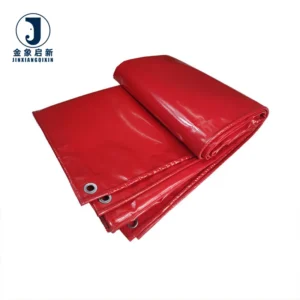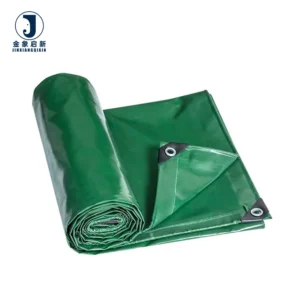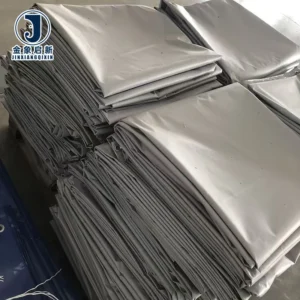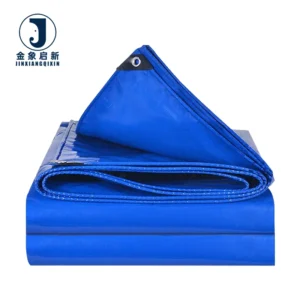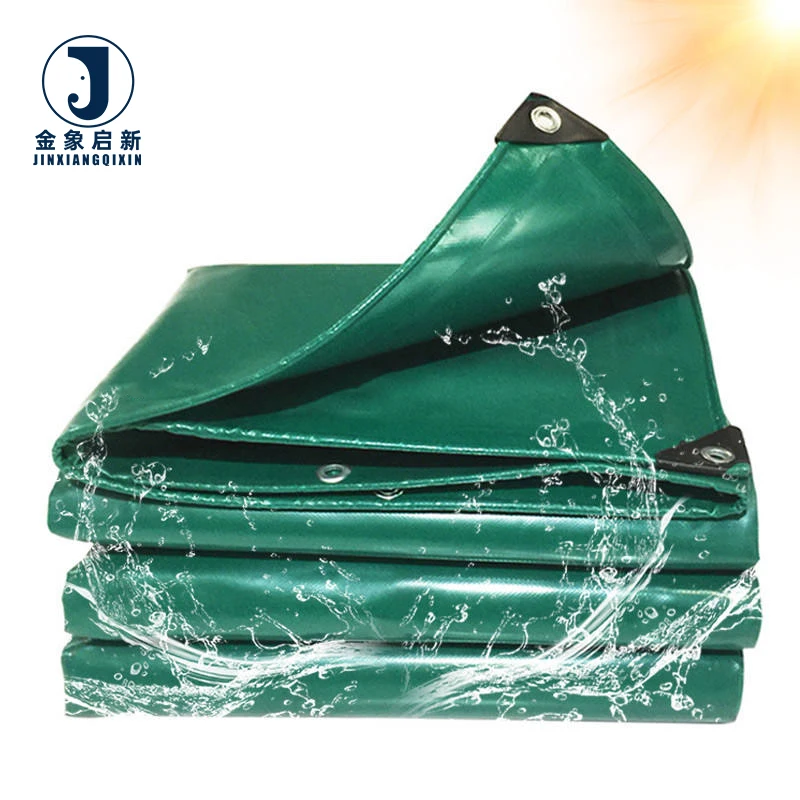
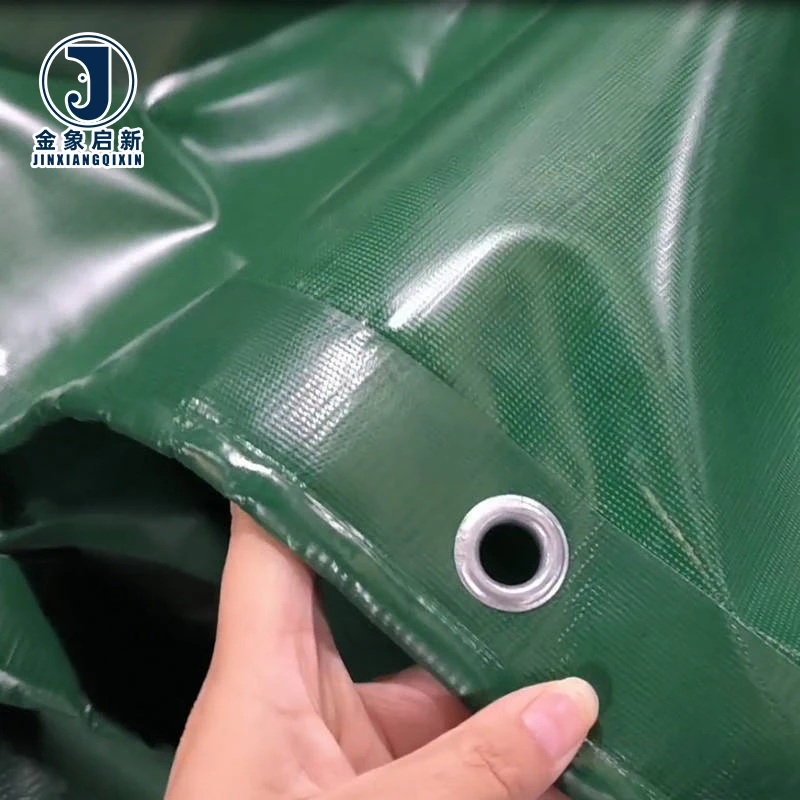
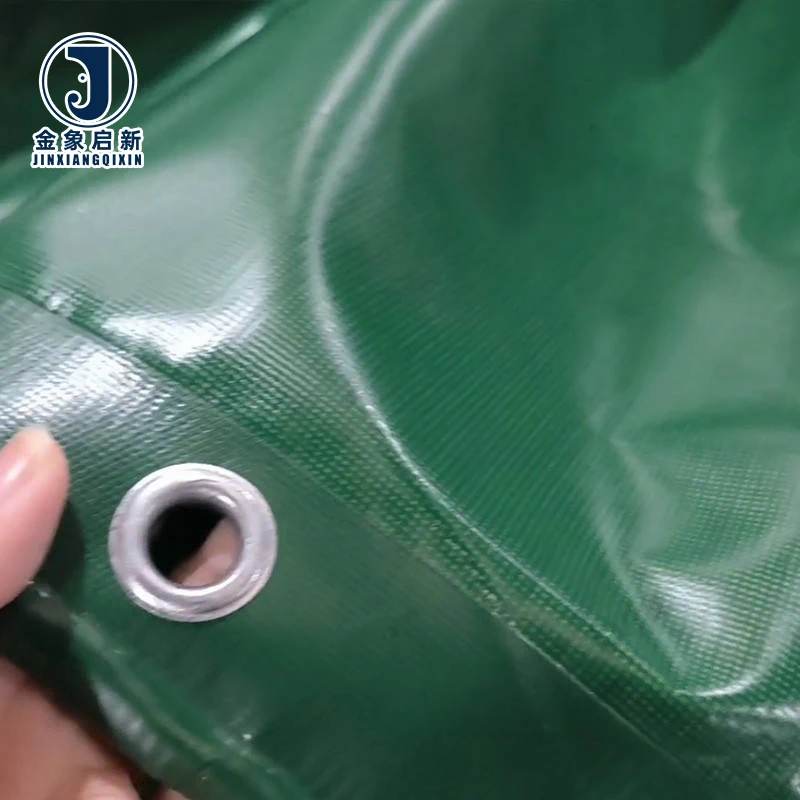
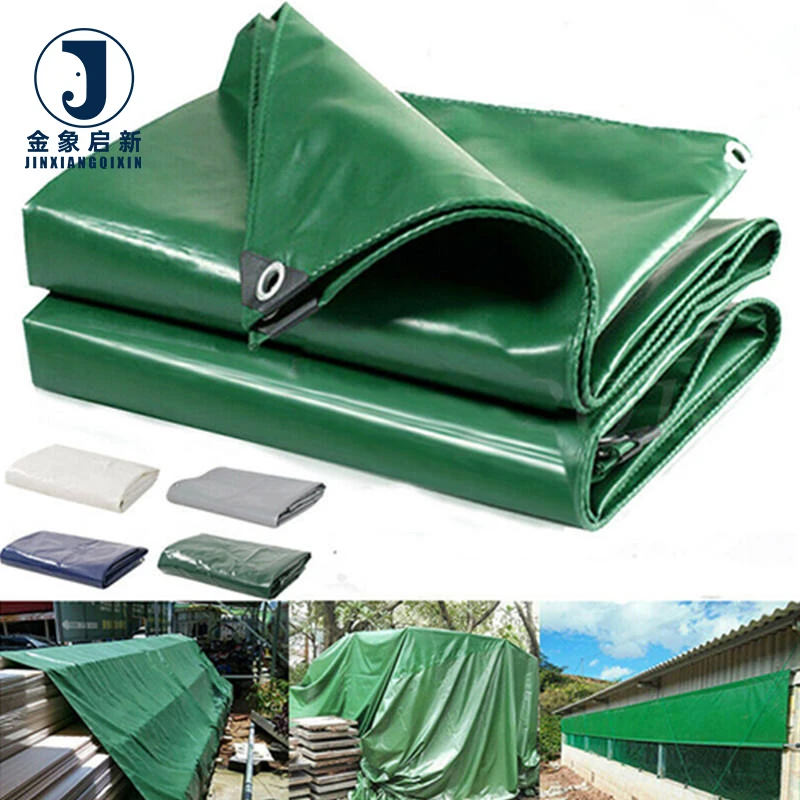
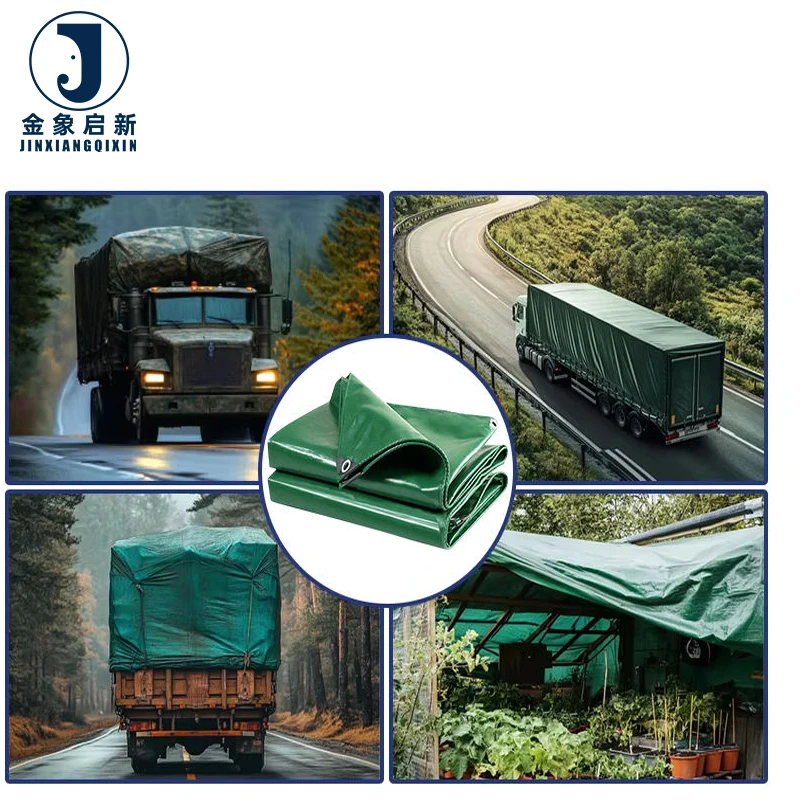
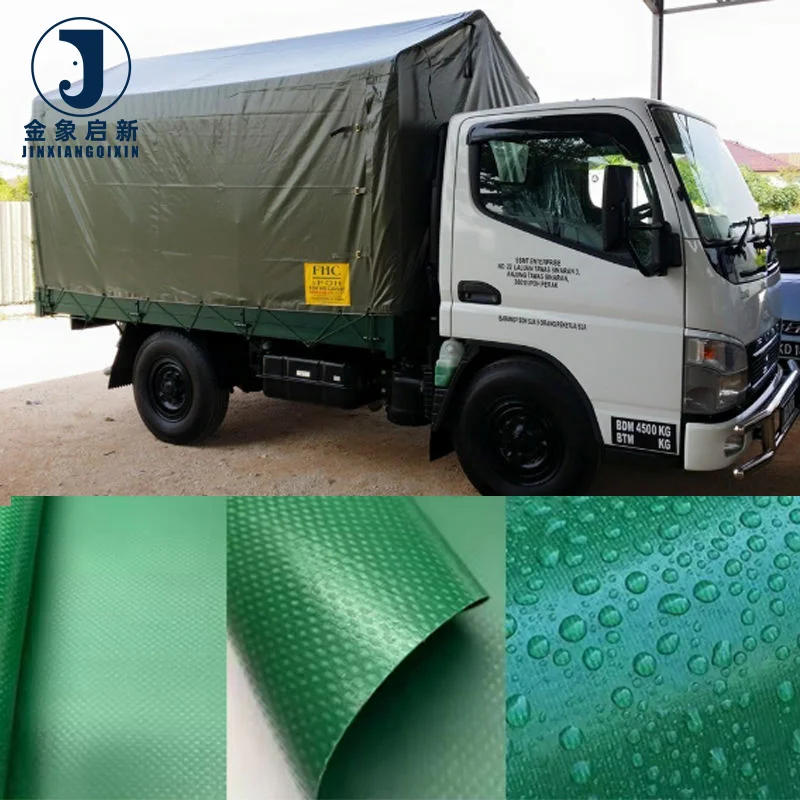
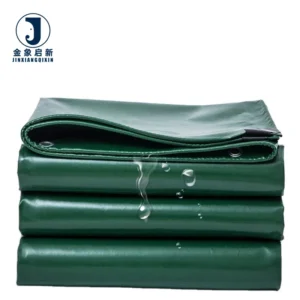
PVC Coated Tarpaulin Fabric, at least 450 g/m², waterproof woven structure with tear-resistant base — cut-to-size sheets or full roll stock with UV treatment, flame retardancy and custom printing available from one source.
GSM and coating weight are controlled as independent, verifiable parameters so quoted specs match what arrives. Base fabric denier and weave density are matched to tensile and tear requirements, not inflated beyond what the application needs.
- Welded seam strength tested to match fabric grade, preventing failure at flex points
- Roll-to-roll colour consistency verified with reference swatches before dispatch
- 100% pre-shipment inspection with roll-level weight and colour data included
Description
Proven Process Control — Nearly 30 years of coating process refinement means the GSM you specify on the purchase order is the GSM that arrives at your warehouse, verified roll by roll before dispatch.
Technical Specifications
| Parameter | Value |
|---|---|
| Product Type | PVC Coated Tarpaulin Fabric |
| Material | High-strength woven fabric with PVC vinyl coating |
| Weight | At least 450 g/m² |
| Water Resistance | Fully waterproof coated construction |
| Fabric Structure | Woven, tear-resistant base |
| Application Grade | Medium weight |
| Surface Finish | Available in glossy or matte finish |
| Flame Retardancy | Available in flame retardant grades — confirm the grade required for your market |
| UV Treatment | Available with anti-UV treatment — request test report for your exposure conditions |
| Colour Range | Custom colours available, reference swatches provided for batch consistency |
| Width Options | Custom widths available, confirm requirement at inquiry |
Application Suitability
| Application | Exposure & Requirement |
|---|---|
| Truck and trailer flatbed covers | Constant road vibration, UV exposure, flexing at tie-down points, abrasion from shifting loads |
| Construction site enclosures and scaffolding sheeting | Wind loading, puncture from site debris, prolonged sun exposure, repeated handling |
| Industrial equipment protective covers | Dust and moisture ingress, chemical splash, forklift contact during placement and removal |
| Agricultural stockpile and crop covers | Standing water, wind-driven rain, UV degradation over seasonal storage cycles |
| Tent and awning fabrication by manufacturers | Welding seam integrity, colour consistency across panels, drape and fold behaviour |
When Quoted Weight Meets Reality: The GSM Verification Problem That Costs Buyers
A PVC coated tarpaulin fabric that weighs less on arrival than stated on the invoice is not a discount — it is an underperforming asset that will fail early.
I have watched consignments get rejected at the port because the receiving QA team ran a cut-and-weigh check and found the rolls coming in light. The fabric looked right, felt right, but the scale told a different story. The buyer had paid for a medium-weight industrial cover material and received something closer to a temporary sheeting grade. Seams that should have held through a season of weather exposure started delaminating within weeks because the coating layer was thinner than specified, reducing weld penetration depth. [NEED_CITE: tensile and tear test methods for coated fabrics per ISO 1421]
Base Fabric Architecture and What It Controls
The high-strength woven base in this PVC coated tarpaulin fabric determines how the material behaves under point loads and sustained tension. The denier of the yarns and the weave density govern tear propagation resistance — a tightly woven base stops a puncture from becoming a full-length split. When evaluating any coated fabric, ask the supplier for the base fabric specification separately from the coating weight, because the two figures together explain the tensile and tear behaviour far better than total GSM alone.
Coating Integrity and Waterproof Performance
The PVC vinyl coating fully encapsulates the woven base, eliminating water pathways through the fabric face. Waterproof performance in this class of material depends on coating continuity — any thin spot or pinhole introduced during the coating process becomes a failure point under standing water or driven rain. Our production lines maintain consistent coating application across the full width, and every roll undergoes visual inspection before it leaves the facility. The medium-weight grade at 450 g/m² positions this fabric for applications where full weather protection is needed without the bulk of heavy-duty structural grades. [NEED_CITE: standard test methods for hydrostatic pressure resistance in coated fabrics]
Reading the Specification Sheet Like a Technical Buyer
Total weight in GSM is useful as a starting point, but it tells you nothing about how that weight is distributed between base fabric and coating. A 450 g/m² PVC coated tarpaulin fabric with a heavier base and lighter coating will tear more slowly than one built the other way around. The woven, tear-resistant structure in this product means the yarn architecture carries the mechanical load while the PVC coating handles environmental protection. When comparing options from different suppliers, request the base fabric weight and coating weight as separate values — this is where real material differences become visible. The coating method also matters: knife-over-roll coating typically produces better adhesion and cleaner weld seams than lamination, which affects how the fabric performs during fabrication. [NEED_CITE: coating adhesion and peel strength test methods for PVC fabrics]
The Cost of Skipping Specification Verification
Rolls that arrive underweight mean the end product — whether a truck cover, a site enclosure, or a fabricated awning — will not perform to the standard the buyer committed to their own customer. Welded seams depend on coating thickness for bond strength; a coating layer that is thinner than expected produces a weaker heat-activated joint that opens under flex load. Colour variance between rolls in the same shipment forces fabricators to reject panels during assembly when adjacent sections do not match visually once installed side by side. These are not cosmetic issues — they are contract failures that trigger returns, replacement costs, and damaged commercial relationships. [NEED_CITE: welded seam strength standards for coated technical textiles]
What This Supply Source Brings to the Table
Three full production lines with 36 sets of professional equipment give us the capacity to deliver consistent PVC coated tarpaulin fabric volumes without cutting corners on coating passes or QA checks. A 10-person R&D team handles custom width requests, colour matching against reference standards, and sample development — most samples are ready within days. Dedicated QA/QC runs at every production stage, and every roll is inspected before shipment with documented weight and colour records. Nearly 30 years of focused experience in coated fabric means the coating process parameters are established, not improvised. We supply material specification sheets, pre-shipment inspection records, and test reports so the buyer has full traceability from inquiry to delivery.
Documentation & Verification
- Material specification sheet stating GSM, base fabric construction, and coating type for each roll
- Pre-shipment inspection record with per-roll weight verification against the quoted specification
- UV and flame retardant test reports supplied for applicable grades where specified at order
- Roll packing list with batch and colour reference numbers for warehouse traceability
- Certificate of origin and customs documentation prepared for international shipment
- ISO and CE certificates available as part of the standard documentation package
Fabrication, Handling & Storage
- Heat weld temperature and dwell time should be set against the 450 g/m² coating thickness to ensure full seam penetration
- Store rolls horizontally on pallets to prevent edge creasing that affects downstream cutting accuracy
- Cut panels with allowance for hem fold-back; the woven base holds stitch lines without unravelling
- Avoid dragging rolls across concrete floors to protect the PVC coating surface from abrasion damage
- Use compatible PVC-based repair patches and solvent cements matching the vinyl coating chemistry
What We Need to Move Your Inquiry Forward
Provide the end-use application and the specific environmental exposure conditions — whether the fabric will face sustained UV, chemical contact, or mechanical abrasion. Let us know the required width, colour reference, and whether you need roll stock or cut-to-size sheets. If your market requires flame retardant or anti-UV certification, state the applicable standard so we can confirm the correct grade and provide the matching test report. Sample development for custom specifications is available for approval before full production begins.
Frequently Asked Questions
Q: How is GSM verified before shipment and on arrival?
A: Every roll is cut-and-weighed during pre-shipment inspection, and the recorded weight is cross-checked against the material specification sheet stated at order. Buyers can repeat the same cut-and-weigh procedure on arrival to confirm consistency. The inspection record accompanies each shipment with per-roll data for traceability.
Q: Can I get UV or flame retardant test reports with my order?
A: Yes. When UV treatment or flame retardant grades are specified at the inquiry stage, we supply the corresponding third-party test reports with your shipment. Confirm the standard required for your market so we match the correct treatment grade and documentation to your order.
Q: What custom widths, colours and print options are available?
A: Widths, colours, and pattern printing are all configurable based on your project requirements. Submit your colour reference and required width at inquiry, and our R&D team will develop a sample for approval. Production proceeds only after you confirm the sample meets your specification.
Q: How do you ensure colour consistency across multiple rolls?
A: Reference swatches are produced and approved before the production run begins. During manufacturing, each roll is checked against the approved reference to detect any colour drift. The pre-shipment inspection record documents colour verification at the roll level, and rolls from the same batch are grouped for dispatch.
Q: What is the sample lead time for custom specifications?
A: Sample development for custom width, colour, or treatment requirements is typically completed within days. Once you approve the sample, full production is scheduled with confirmed lead time and minimum order communicated in the quotation. The approved sample serves as the production benchmark for the entire order.
Related products
-

450gsm Green Heavy-duty Waterproof Tarps & Groundsheets Pvc Tarpaulin
¥1.25 Select options This product has multiple variants. The options may be chosen on the product page -
Heavy Duty Waterproof PVC Tarpaulin Roll Cover for Truck Tent Outdoor Storage and Industrial Use
¥1.48 Add to cart -
PVC-coated Waterproof Heavy-duty Vinyl Industrial Outdoor Reinforced Tarpaulins for Tents and Truck Covers
¥1.45 Add to cart -
Factory Direct Sale Flatbed Trailer Tarps Black Heavy Duty Lumber Pe Tarp Flatbed Truck Transportation Tarpaulin Roll Sheet
¥1.25 Select options This product has multiple variants. The options may be chosen on the product page