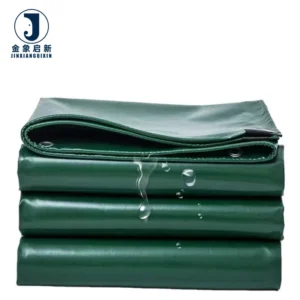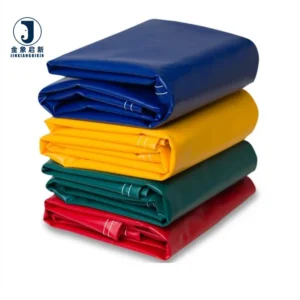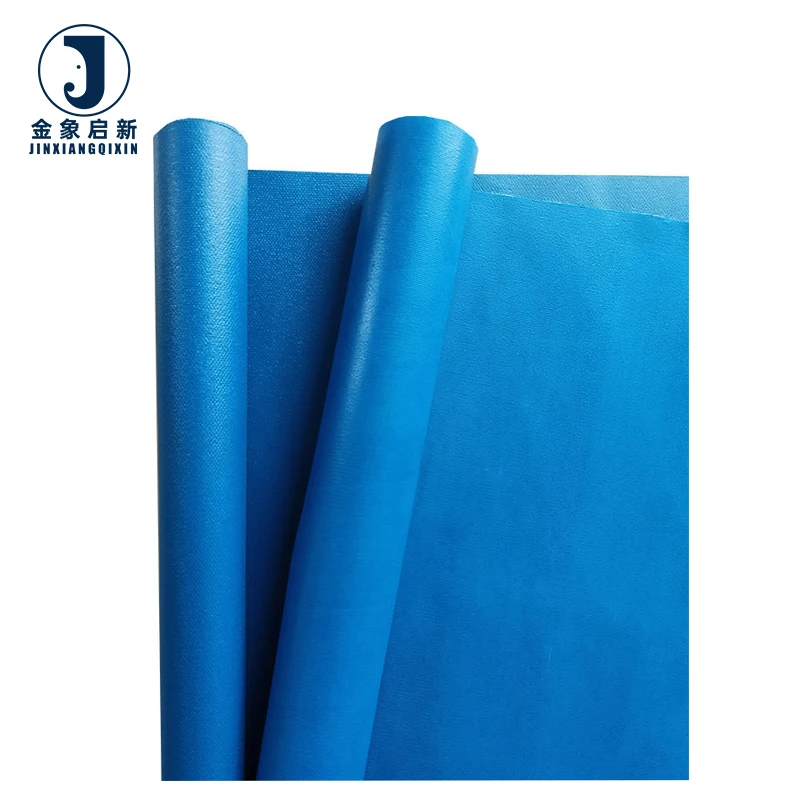
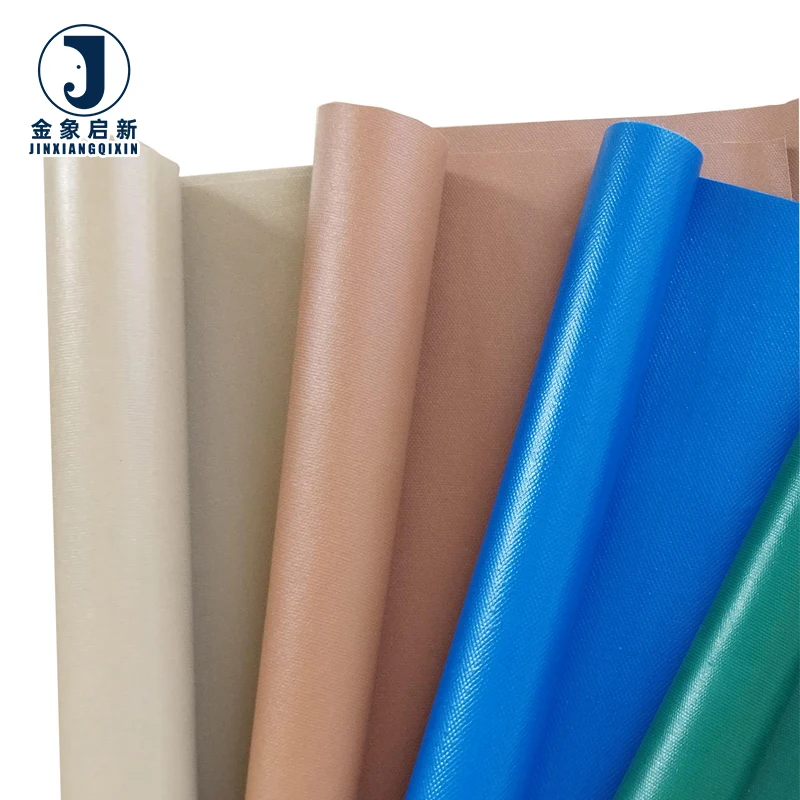
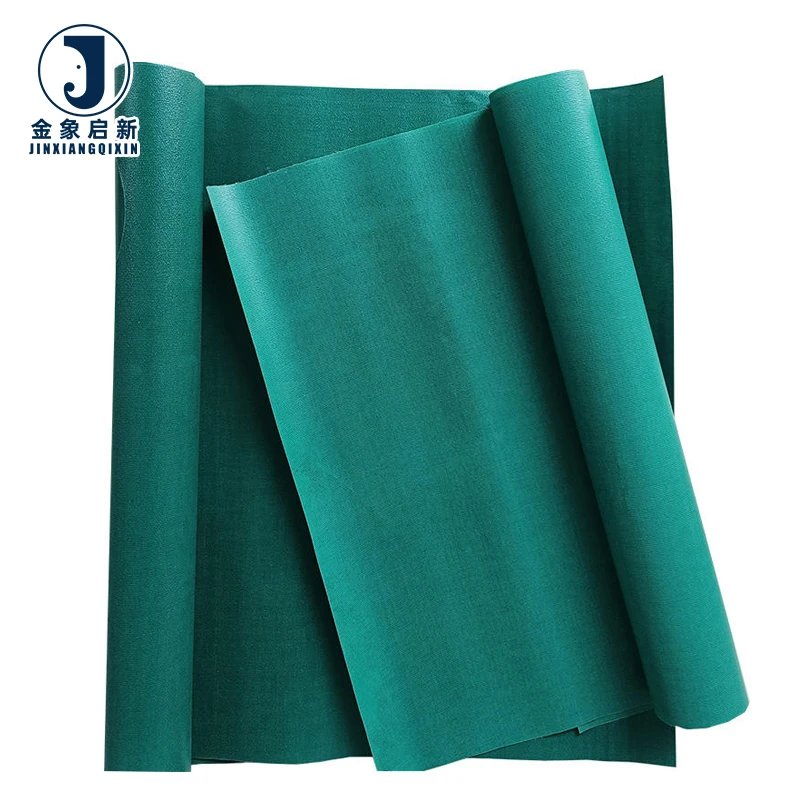
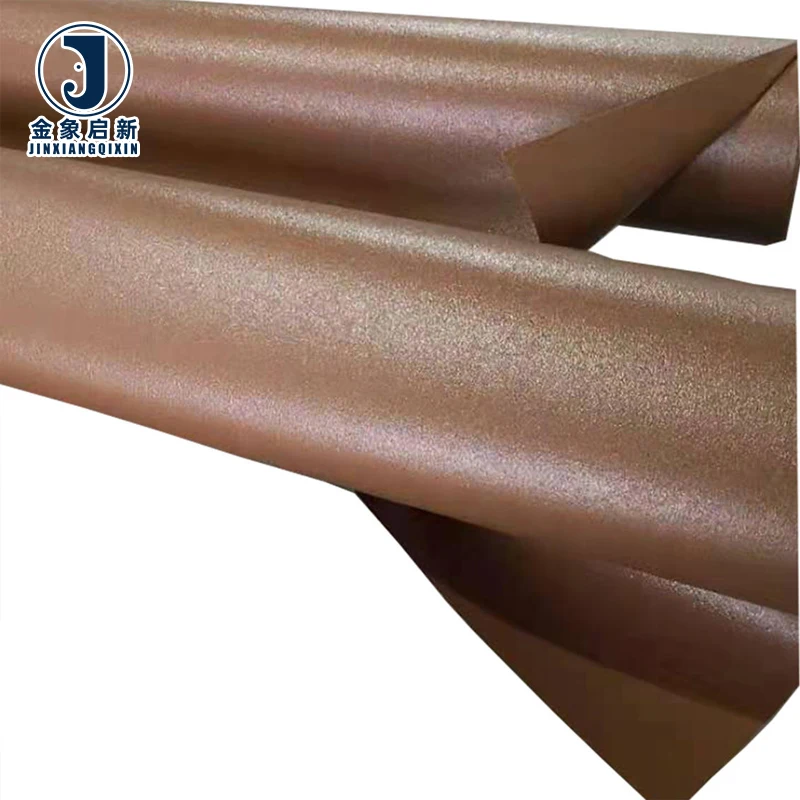
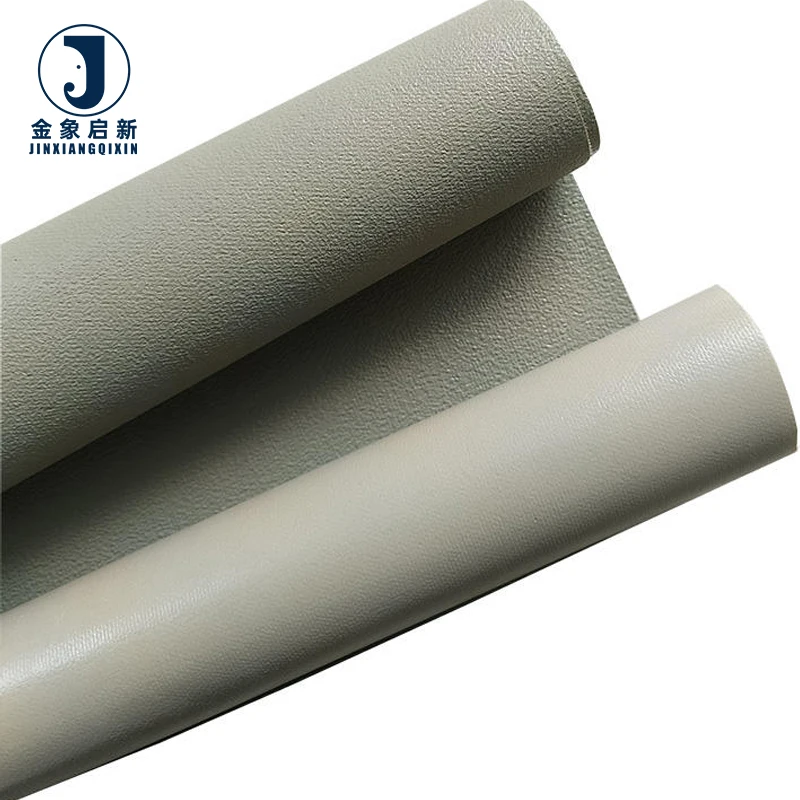
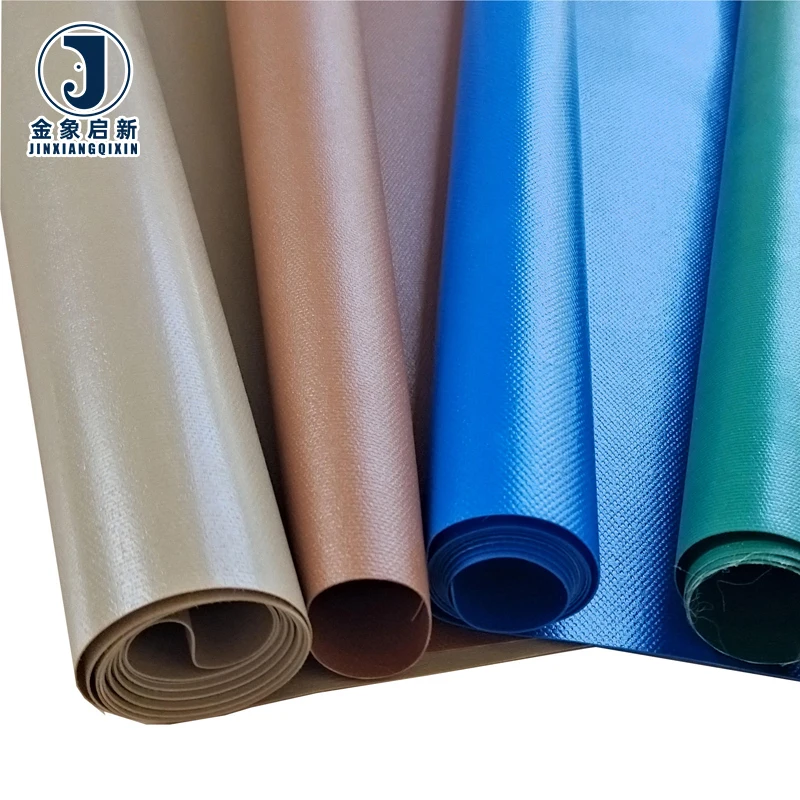
PVC Coated Tarpaulin — available in 500gsm, 600gsm, 700gsm, 850gsm and 900gsm grades, waterproof with high strength for truck cargo covers and outdoor equipment protection.
Full catalogue covering lightweight to heavy-duty GSM grades, with custom width, length, eyelets, reinforced hems and pattern printing handled in-house to match your specification before bulk production.
- Flame retardant, anti-static, anti-cold and anti-mildew treatment options with supporting test reports
- Material specification sheet, 100% pre-shipment inspection record and samples developed within days
Description
Coating Weight Control — every roll is sampled and weighed before dispatch, with documented verification against the quoted PVC Coated Tarpaulin specification rather than relying on supplier claims alone.
Technical Specifications
| Parameter | Value |
|---|---|
| Product Type | PVC Coated Tarpaulin |
| Weight | 500gsm / 600gsm / 700gsm / 850gsm / 900gsm |
| Material | PVC Coated Polyester Fabric |
| Treatment Options | Flame Retardant; Anti-Static; Anti-cold; Anti-mildew |
| Weather Resistance | 1-3 years outdoor life |
| Feature | Waterproof, High Strength |
| Application Form | Roll and Cut Sizes |
| Standards | ISO, CE |
Application Suitability
| Application | Exposure & Requirement |
|---|---|
| Truck and trailer cargo cover | Continuous highway UV exposure, wind-driven rain ingress, mechanical abrasion from shifting loads and tie-down straps |
| Outdoor equipment protection | Standing water, dust infiltration, seasonal temperature swings and prolonged sun exposure |
| General waterproof and weatherproof covering | Intermittent wet conditions, handling stress during deployment and storage, folding and re-folding fatigue |
Why the PVC Coated Tarpaulin You Ordered Weighs Less Than Quoted
Material arrives at the stated GSM or it does not ship — verification happens at the coating line and again before dispatch, not after the container is sealed.
A fleet operator in South America once rejected an entire container of truck covers because the fabric tested lighter than the purchase order specified. The supplier had quoted one weight and delivered another, betting the buyer would not check [NEED_CITE: common industry practice of under-coating to save compound cost]. When you source PVC Coated Tarpaulin across multiple GSM grades from 500gsm to 900gsm, the gap between what is quoted and what arrives can be substantial enough to affect tensile performance, weld integrity and service life. The only way to close that gap is documented weight verification at every production stage.
Full Range Coverage From One Production Line
Buyers specifying PVC Coated Tarpaulin often need more than a single grade. A distributor might stock 500gsm for light equipment covers alongside 900gsm for heavy-duty cargo sheets, and expect consistent colour and surface finish across both. Sourcing from separate mills introduces variables in base fabric sourcing, coating chemistry and calender settings that make batch matching unreliable. Consolidating the full weight range under one set of coating lines and one QA protocol removes that variable.
Colour and Surface Consistency Across Rolls
When multiple rolls of PVC Coated Tarpaulin are installed side by side on a trailer fleet or used to fabricate a series of covers, even subtle shade drift between rolls becomes visible. This is not a cosmetic complaint — it signals inconsistency in pigment dosing or coating temperature that may also affect adhesion and flexibility [NEED_CITE: pigment dispersion stability in plasticised PVC systems]. Colour reference standards are set at sample approval stage, and every production batch is held to that reference before release.
Reading the Specification Sheet Correctly
GSM alone does not determine strength. A 500gsm fabric built on a high-denier, tight-weave polyester base can outperform a heavier fabric made with a loose, low-denier weave. The weight figure tells you how much PVC compound sits on the fabric, but it is the base yarn and weave density that govern tensile and tear behaviour. When reviewing options across the 500gsm to 900gsm range, the relationship between coating weight and base construction matters more than the headline number. The PVC coating method — whether knife-over-roll, lamination or calendering — also influences peel strength at welded seams and determines which heat-sealing parameters the fabricator should use. Treatment options such as flame retardant and anti-static modify the surface chemistry and should be specified with a confirmed grade for your market. Anti-cold and anti-mildew additives extend the usable temperature range and resist biological degradation in humid storage conditions.
The Hidden Cost of Choosing the Wrong Grade
Specifying a lighter GSM to save material cost often transfers the expense downstream. A cargo cover that flexes daily at tie-down points will develop coating cracks and base fabric exposure far sooner if the grade is marginal for the load profile. Equally, ordering flame retardant treatment without confirming the specific grade required by your end-use market can result in rejected shipments at the inspection stage, with the entire order held at port [NEED_CITE: fire safety compliance requirements for transport covers in different jurisdictions]. Batch colour mismatch discovered during fabrication forces re-ordering and production delays that dwarf any per-metre saving. These consequences are avoidable when the specification is matched to the actual exposure conditions before production starts.
Why Source This PVC Coated Tarpaulin Here
Three full production lines and 36 sets of professional equipment support bulk capacity while maintaining coating consistency across the entire weight range. A 10-person R&D team handles material selection, custom sizing and sample development in-house, meaning modifications do not get lost between a sales office and an outsourced mill. Every roll passes through dedicated QA/QC checkpoints during coating, slitting and packing, with 100% inspection before shipment rather than spot-check sampling. Samples for custom width, colour or treatment are developed within days, allowing buyers to confirm the material before committing to production volumes. ISO and CE certification underpins the quality system, and documentation travels with every shipment.
Documentation & Verification
- Material specification sheet stating exact GSM, base fabric type, coating compound and colour reference for PVC Coated Tarpaulin
- Test reports provided for flame retardant and anti-static grades where applicable to the order
- Weight verification record per roll measured against the stated GSM before dispatch
- ISO and CE certificates included with shipment documentation
- Pre-shipment inspection record covering visual, dimensional and weight checks
- Certificate of origin and customs support documentation for international delivery
Fabrication, Handling & Storage
- Heat-seal parameters must be adjusted to match the specific GSM grade, as heavier PVC compound requires higher dwell time
- Rolls should be stored upright on pallets to prevent flat-spot deformation of the coated surface
- Avoid dragging PVC Coated Tarpaulin across concrete floors during unrolling to protect the coating face
- Cold-weather deployment requires gradual unrolling to prevent coating stiffness cracking at fold lines
- Cut edges on heavier grades should be sealed immediately to prevent moisture ingress into the base fabric
- Solvent-based cleaners must be tested on a sample area first to confirm surface compatibility
Before You Request a Quote
To specify the right PVC Coated Tarpaulin for your application, share the end-use environment and the mechanical stresses the fabric will face — static storage cover versus daily-flexing cargo sheet require different grades. Confirm whether your market mandates a particular flame retardant or anti-static standard so the correct treatment can be included in the sample. Indicate your preferred roll width, annual volume and whether you need finished cut sizes with eyelets and hems or raw roll stock for your own fabrication.
Frequently Asked Questions
Q: How do you guarantee the GSM on arrival matches the quotation?
A: Every roll is sampled and weighed at the coating line during production, then re-verified during the 100% pre-shipment inspection. The weight verification record travels with the shipment documentation so the buyer can cross-check on receipt. Rolls that fall outside the stated tolerance are rejected before packing.
Q: Can flame retardant and anti-static treatments be combined on the same fabric?
A: Yes, both treatments can be applied together during the PVC compounding stage. The specific grade for each treatment must be confirmed before production, as different end-use markets require different certification levels. A sample is produced for approval before bulk commitment.
Q: What colour consistency can I expect across rolls in a bulk order?
A: Colour reference is locked at the sample approval stage using a defined standard. Every production batch is checked against that reference under controlled lighting before release. Rolls within the same order are produced from the same compound batch to minimise shade variation.
Q: How long does sample development take for custom requirements?
A: Custom samples covering specific width, colour, GSM grade or treatment combination are typically developed within days rather than weeks. This allows buyers to verify material properties and appearance before authorising full production. Confirm the required specification early to avoid delays.
Q: What documentation is included with each shipment?
A: Each order ships with a material specification sheet, pre-shipment inspection record, weight verification per roll, ISO and CE certificates, certificate of origin and a detailed roll packing list. Test reports for flame retardant or anti-static treatments are included where applicable to the order specification.
Related products
-

PVC Coated Tarpaulin PVC Fabric Tarpaulinheavy duty fire retardant waterproof pvc coated tarpaulin rolling pvc tarp
¥1.00 Select options This product has multiple variants. The options may be chosen on the product page -
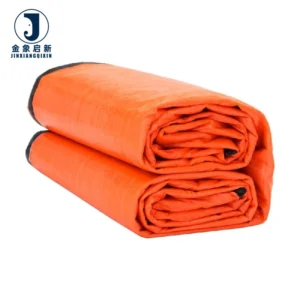
Factory 12ftx20ft Construction Cold Weather Insulated Pe Tarps Poly Tarp Heavy Duty Concrete Curing Blanket Tarpaulin Roll Sheet
¥0.66 Add to cart -
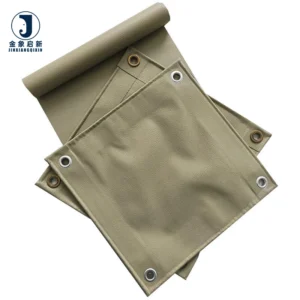
JX PVC Waterproof Fabric High-strength Sheeting for Industrial and Outdoor Coverings
¥1.90 Select options This product has multiple variants. The options may be chosen on the product page -
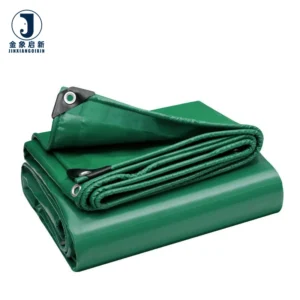
Factory Direct 20×30 Feet 13mil Heavy-Duty Vinyl Tarps PVC Tarpaulin for Firewood Roof Camping Patio Pool Boat Dump Trailer
¥2.60 Add to cart